


Politics
First Minister questioned on devolution, defence, budgets, and misinformation

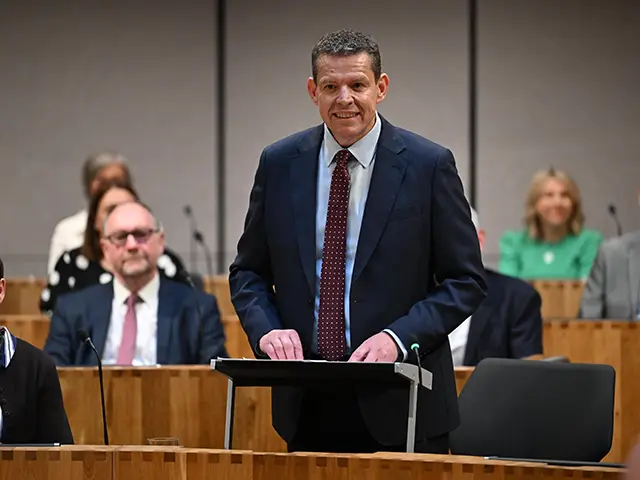
RHUN AP IORWERTH fielded questions on further devolution, budget decisions, and misinformation, at this week’s First Minister’s Questions.
Mr ap Iorwerth also answered questions on defence ahead of Armed Forces Day on Saturday June 27.
Opposition leader Dan Thomas, of Reform, clashed with the First Minister over further devolution for Wales.
Describing devolution as a “distraction”, Mr Thomas called on his Plaid Cymru counterpart to share why his priorities were “so out of touch” with the Welsh public.
He said: “On the campaign trail, nobody said to me they wanted rail or the crown estate or justice devolved. They were concerned about the NHS, education, and transport.”

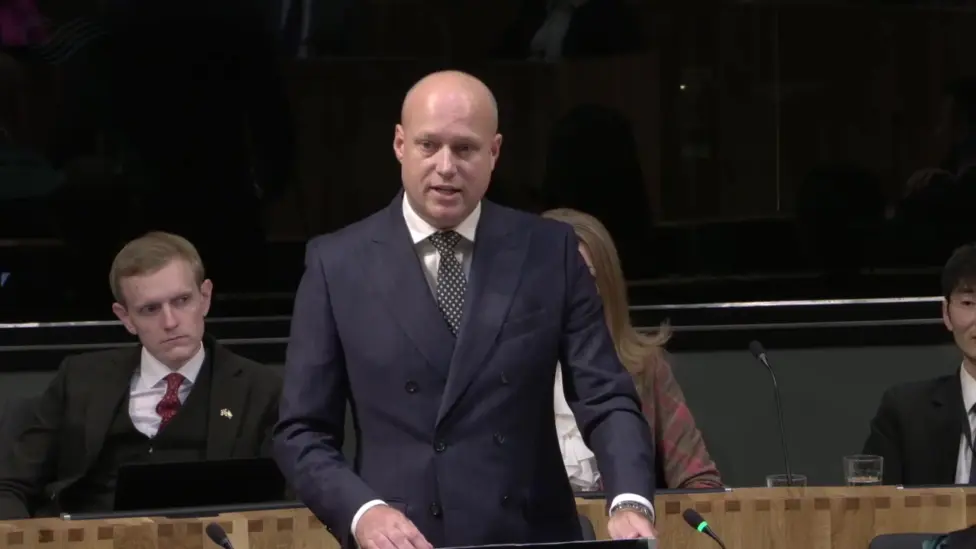
In response, the First Minister said he was “rather surprised that this party [Reform], that was meant now to embrace devolution and want to make it work for Wales, is now openly coming out and saying they are effectively against devolution.”
Mr ap Iorwerth said young people in particular “absolutely understand the injustice of HS2” and explained: “If we had devolution of rail and the funding that comes with it we could build infrastructure that could give our young people a future here in Wales, because we’re investing in the things that matter to them.”
Mr ap Iorwerth went on to say that Plaid Cymru often faces accusations of being “obsessed” with the constitution and devolution, but said they are instead obsessed with “doing the right thing for Wales”.
He continued: “It’s not devolution at fault, it’s the fact that we have governments that haven’t made the right decisions. We now have a change of government. Look to this one to see how we change direction for Wales.”
Ken Skates, interim leader of Welsh Labour, was met with laughter when he opened his questions to the First Minister by thanking Sir Keir Starmer – who yesterday announced his intention to resign as Prime Minister.
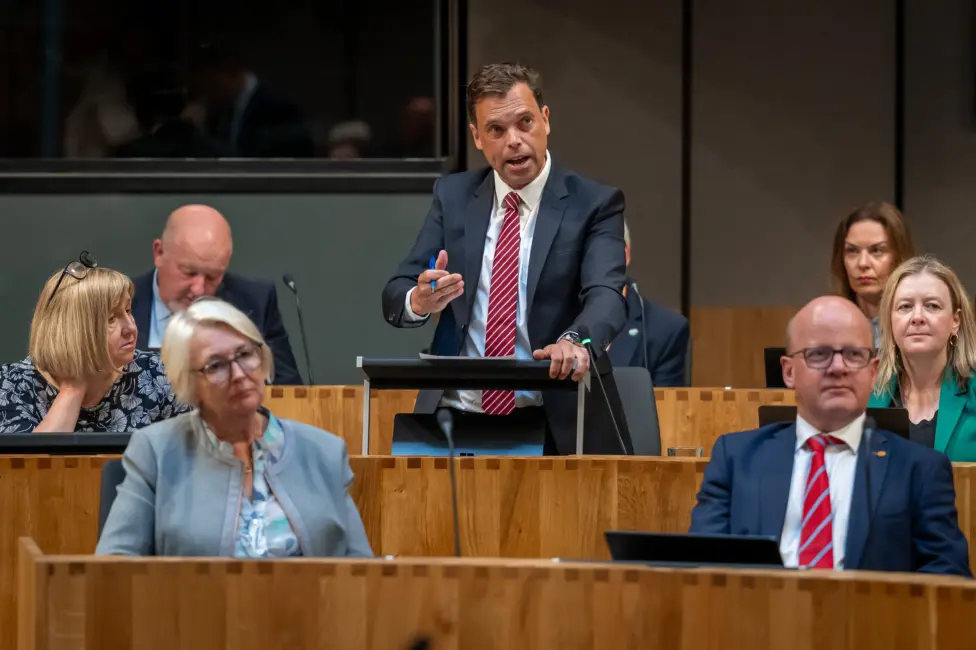
Mr Skates went on to question the First Minister on his attitudes towards NATO: “This week, of course, is Armed Forces Week, and we’ll be paying tribute to and respecting our Armed Forces community.
“On Saturday, of course, it is Armed Forces Day itself. Could you clarify: do you believe that, in or out of the UK, you would like to see Wales as a full member of NATO?”

The First Minister responded: “Neither I nor my party has ever advocated or suggested that the UK should pull out of NATO. It’s never been the position of my party nor of my government now, whatever some people may wish to represent.
“I believe in the principle and the practice of close integration when it comes to seeking peace. I believe that NATO, at this time of heightened tensions internationally, plays an important role.
“It would of course be for an independent Wales, in years to come, to decide on what kind of association or membership it would have with NATO. But, in terms of my position, it’s as clear as that: NATO plays a very important role, and there’s never been a suggestion that we would somehow call for the UK to withdraw from it.”
Mr Skates then pressed the First Minister on whether he supports cuts to defence spending, including cuts to spending on cyber-security.
He said: “First Minister […] in the past, you’ve said, and I quote, ‘I don’t reckon the population of Wales would feel inclined to spend on aircraft carriers.’
“Now, as you said, we now live in one of the most volatile periods any of us has ever experienced, and you’re calling, and consistently calling, for drastic cuts in defence spending.
“Is that still your position? And do you believe that drastic cuts in defence should include cuts in cyber security, which keeps our democracy here in Wales safe from hostile threats from abroad?”
Addressing the quote about aircraft carriers, Mr ap Iorwerth clarified that it is the title of a book – How many aircraft carriers would an independent Wales need? – the answer, he said, is none.
He continued: “I recognise, and my government recognises, that we face changing threats, that we face very real threats, and that at those times there needs to be recognition of the need to invest properly in conventional defence.
“And nowadays, that very much includes cyber warfare, which, in a hybrid way, is already happening around us. So, in those terms, yes, I recognise the need to invest.”
The First Minister clarified, however, that he does not believe it is right for the UK Government to make unilateral decisions on issues that affect Wales its own right.
The Welsh Government published today, Tuesday June 23, its first supplementary budget, setting out its spending plans for 2026/27.
A supplementary budget is a formal legislative proposal that allows in-year adjustments and new spending allocations to the Welsh Government’s previously agreed budget.
Referring to the extra money promised to the NHS in the budget – £145 million – the Welsh Conservatives leader, Darren Millar, told the Siambr Wales does not need simply a “sticking-plaster approach” to the NHS.

He called on the First Minister to “guarantee” the funding allocation specified in the supplementary budget would “permanently reduce waiting times in Wales”.
Mr ap Iorwerth agreed with the Conservative leader, saying that in recent years Wales has seen numerous “sticking plaster solutions” when what it needed was long-term solutions.
He said: “We made this a priority through the election campaign, and we’re doing it now in government – that it’s not just about bringing down waiting times and saying, ‘Phew, right, what next?’
“This is about making sure that we put the steps in place now that bring down the waiting times in a way that builds capacity in order to stop the waiting times from increasing again.
“Now, do I give concrete guarantees? Well, how far do we go in politics? But I tell you that that is exactly what we are aiming to do and what my minister is spending every waking hour and, I’m sure, some sleeping hours thinking about too.”
Mr Millar also quizzed the First Minister on the lack of funding allocated to supporting pupils across Wales with additional learning needs (ALN).
The Conservative leader said: “In spite of the fact that hundreds of millions of pounds have come to Wales as a direct consequence of spending on special educational needs in England, not a single extra penny [is] being allocated to support additional learning needs pupils here in Wales.
“Why aren’t you going to wake up and realise that they are as much of a priority as some of the other things that you are allocating cash to?”
Noting that he “absolutely recognises the seriousness” of the ALN issue, the First Minister said a “one-off payment” will not resolve the problems.
He continued: “This has to be a sustainable solution, building up over the next few years to have a system that works for families, that works for local authorities.
“The education minister is already working on that sustainable solution, which is really what we want, rather than quick fixes, which the member said wasn’t what he wanted either.”

Plaid Cymru’s Kiera Marshall questioned the First Minister on how he plans to combat misinformation and disinformation about asylum seekers, refugees, and migrants.
Her question comes after last week’s FMQs which saw significant controversy over the conduct of members in the Siambr, with Reform’s Joe Martin criticised over his comments on asylum seekers and the Nation of Sanctuary scheme.
Having attended a seven-a-side football match to mark Refugee Week with teams from Ukraine, Afghanistan, Iraq, and more, Ms Marshall noted the importance of communities “coming together as one”.
The Caerdydd Penarth MS said: “There is often a gap between public perception and the reality when it comes to the asylum system.”
Ms Marshall called on the First Minister to share how the Welsh Government plans to ensure public debate about the asylum system is informed by accurate information and “supports strong and cohesive communities”.
She also pressed Mr ap Iorwerth to confirm if he agrees that “all elected representatives and public figures have a responsibility to challenge misinformation and ensure debate is grounded in fact and evidence.”
Mr ap Iorwerth said that in practical terms his government is working closely with both local authorities and the Home Office to ensure that misinformation is quickly spotted, and the Home Office is asked to rectify anything harmful.
He added: “While immigration policy is reserved to the UK Government, cohesion policy is not.
“We have committed to doing all that we can to foster cohesion within our communities, to support fair, safe, and united communities.
“All of us as leaders bare a responsibility to ensure discourse is based on fact and not on encouraging the breakdown of cohesion within our communities.”



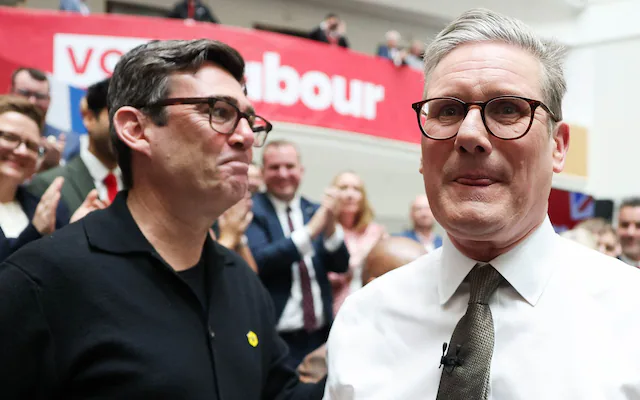
The Greater Manchester mayor has spent years outside Westminster, but Starmer’s resignation has placed him on the brink of Number 10
ANDY BURNHAM has spent years being described as Labour’s future. Today, that future appears to have arrived.
Following Sir Keir Starmer’s resignation announcement, the Mayor of Greater Manchester is now widely regarded as the overwhelming favourite to become Labour leader and Britain’s next Prime Minister.
For many people outside politics, Burnham is best known as the outspoken mayor who challenged Boris Johnson’s government during the COVID-19 pandemic. But his political career stretches back more than twenty years and includes some of the most senior jobs in government.
Born in Merseyside in 1970, Burnham grew up in a working-class family and has always remained closely associated with his northern roots. A lifelong Everton supporter, he has often spoken about the importance of community, public services and opportunity for ordinary families.
After studying English at Cambridge University, he worked briefly in journalism before entering politics. He was elected Labour MP for Leigh in Greater Manchester in 2001 and quickly became one of the party’s rising figures.
Under Tony Blair and Gordon Brown, Burnham climbed the ministerial ladder. He served as Chief Secretary to the Treasury, Culture Secretary and later Health Secretary, giving him experience across some of the most important departments in government.
His first bid for the Labour leadership came in 2010, after Labour’s general election defeat. He lost to Ed Miliband, but the campaign raised his profile significantly. Five years later, he ran again, only to be defeated by Jeremy Corbyn in the contest that transformed Labour politics.
Rather than remain on the Westminster backbenches, Burnham made a bold move in 2017 by standing for the newly created role of Mayor of Greater Manchester. He won comfortably and went on to become one of the most recognisable regional politicians in Britain.
His national profile grew sharply during the pandemic, when he publicly challenged the UK Government over restrictions and financial support for northern cities. His confrontation with Downing Street won him praise from voters who felt their communities were being ignored by Westminster.
Supporters say Burnham’s appeal lies in his ability to connect with traditional Labour voters while remaining acceptable to the party’s centre ground. They see him as authentic, approachable and more in touch with everyday concerns than many Westminster politicians.
Politically, Burnham has championed greater devolution, arguing that power should be moved away from London to regions and nations across the UK. He has also backed transport reform, stronger public services and economic policies aimed at spreading growth beyond the South East of England.
For Wales, a Burnham premiership would be watched closely. He would inherit a Labour Party still reeling from its collapse in the Senedd election, where Plaid Cymru emerged as the dominant force in Welsh politics.

His emphasis on devolution may be welcomed in Wales, but he would face immediate pressure to show that any new relationship with the nations of the UK is more than rhetoric.
Critics argue that Burnham can be short on detail and long on broad messages. Others point out that he has spent nearly a decade outside Westminster and would need to rebuild relationships quickly in Parliament.
Despite those concerns, few figures in Labour possess his combination of experience, public recognition and electoral success. His victory in the Makerfield by-election returned him to the House of Commons and immediately intensified speculation about Starmer’s future.
Now, with Starmer stepping aside, that speculation appears close to becoming reality.
If Burnham secures the Labour leadership without a serious challenger, as many expect, he will become Britain’s next Prime Minister and inherit a government facing economic pressure, political division and a public increasingly impatient for change.
For a politician who has spent years waiting in the wings, the moment may finally have arrived.
Samuel Kurtz says public frustration has grown after two years of Labour controversies and policy decisions
FORMER West Wales MS Samuel Kurtz has said Sir Keir Starmer’s resignation felt “increasingly inevitable” after months of controversy and public frustration.
The Welsh Conservative said he watched the Prime Minister’s Downing Street statement with “genuine frustration”, adding that he wanted the UK to be respected regardless of which party was in government.
Starmer announced on Monday (Jun 22) that he would resign as Prime Minister and Labour leader, just 12 days before the second anniversary of Labour’s 2024 general election victory.
Mr Kurtz said: “As a British citizen, I sighed genuine frustration while watching this morning. Whatever the political colour of the Government, I want our country to be respected at home and on the international stage.
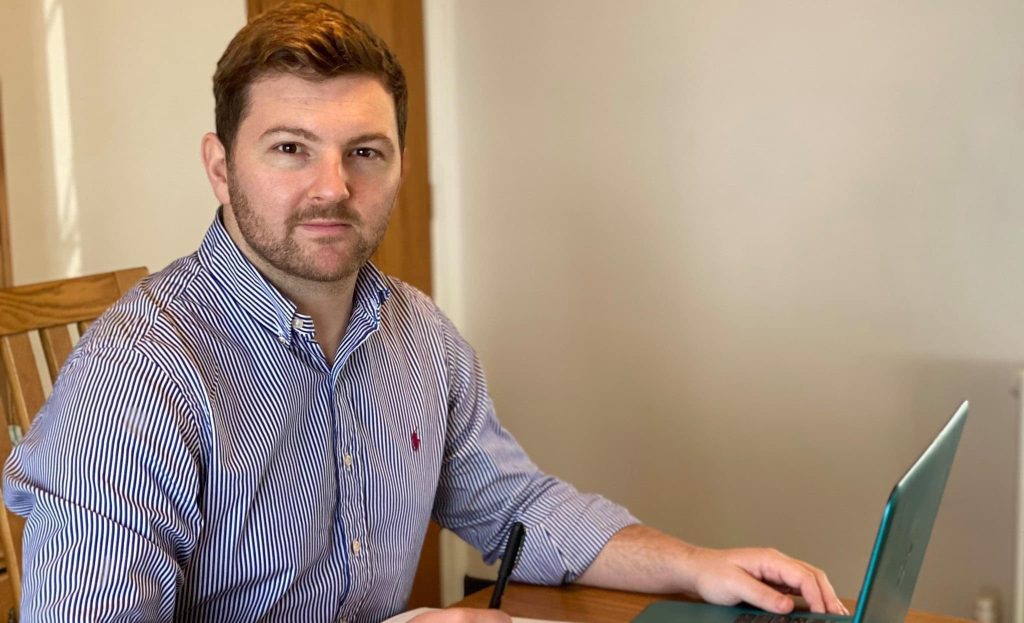
“But, in truth, this moment has felt increasingly inevitable as the weeks turned into months.”
He pointed to a series of controversies and policy decisions, including the Lord Alli gifts row, winter fuel allowance cuts, the Family Farm Tax, rising National Insurance, defence spending and domestic energy production.
Mr Kurtz said people “simply feel worse off”, adding that confidence in the economy remained low.
He said: “A Government should ultimately be judged on whether life is getting better for the people it serves.
“After two years marked by the controversies and a series of damaging policy decisions mentioned above, it’s difficult to argue this Government has passed that test.”
Mr Kurtz also questioned what would happen next, asking whether Labour would see an “Andy Burnham coronation”, whether Wes Streeting could build enough support, or whether an outsider could emerge.
He added that he would be watching the leadership contest “from the sidelines with interest”.
Labour is expected to open nominations for a new leader on July 9, with Starmer remaining in office until his successor is chosen.

First Minister says next Prime Minister must focus on greater powers, fair funding and respect for Wales’ democratic mandate
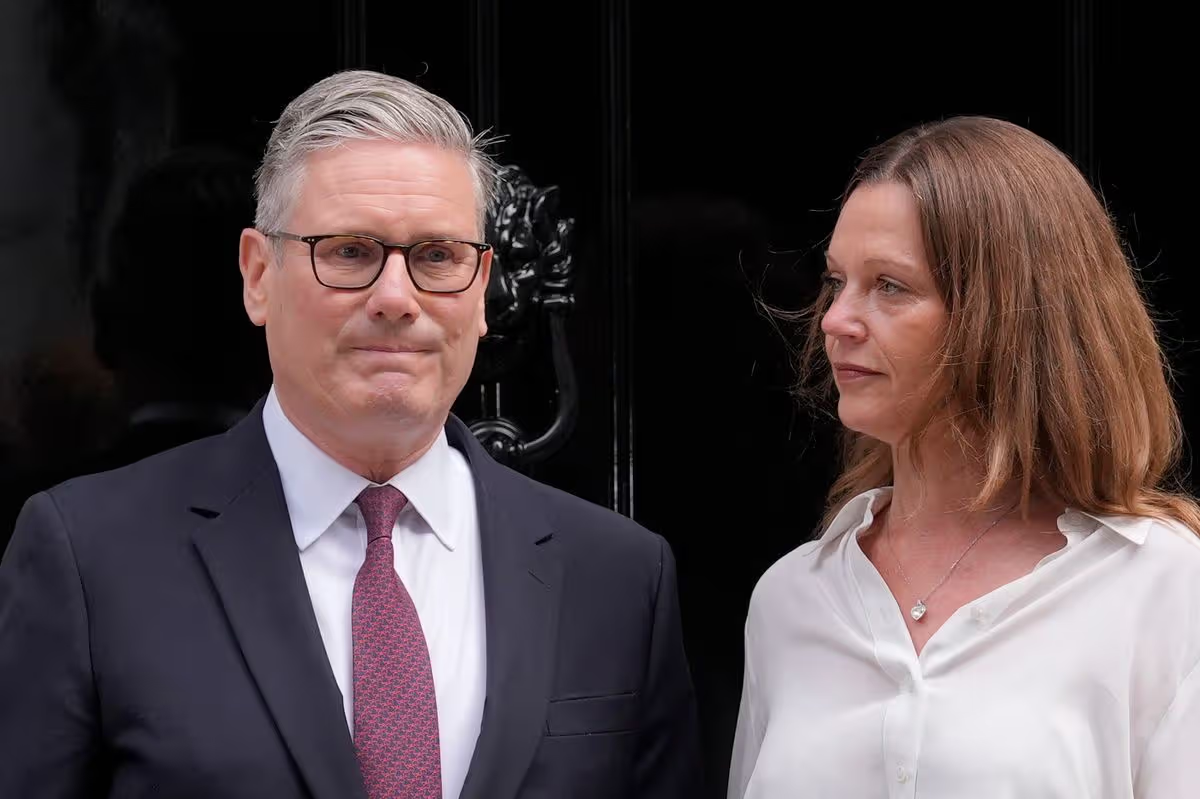
FIRST MINISTER Rhun ap Iorwerth has said the next UK Prime Minister must commit to a “new relationship with Wales” as Sir Keir Starmer prepares to leave office.
The Plaid Cymru leader said he wished Sir Keir well, but warned that political instability in Westminster was affecting the Welsh Government’s ability to engage with Number 10 on issues that matter to people in Wales.
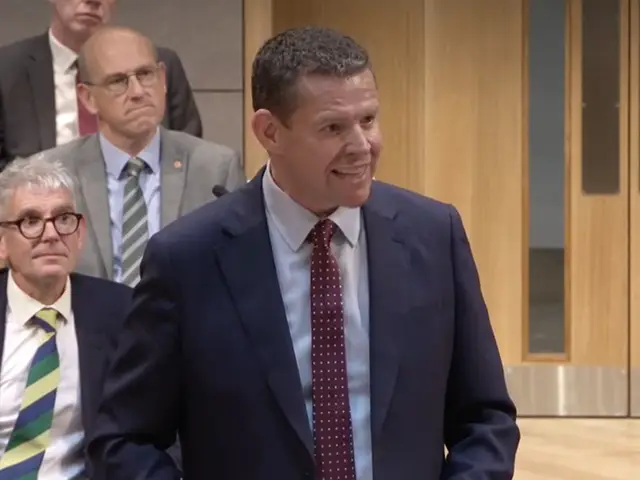
His comments came after Starmer announced on Monday (Jun 22) that he would resign as Prime Minister and leader of the Labour Party.
Starmer will remain in Downing Street until Labour selects a successor.
Mr ap Iorwerth said: “I am disappointed that the Welsh Government’s ability to engage with the UK Prime Minister on issues which matter to the people of Wales is being hampered by the turmoil in Westminster.
“I wish Sir Keir Starmer well as he prepares to leave office. I would like to see his successor recognising that Wales needs a new relationship with Westminster, with a focus on greater powers, fair funding, and respect for the democratic mandate delivered by the people of Wales.
“My government and I will always seek a constructive relationship with whoever is in Number 10, but we have clear expectations that the respect agenda must work both ways.”
In a shorter statement posted online, the First Minister added: “The next PM must commit to a new relationship with Wales — with a focus on greater powers, fair funding and respect for our mandate.”
Labour’s National Executive Committee is expected to open nominations for the party leadership on July 9, with the process due to be completed before Parliament returns from its summer break in September if a contest is required.
Andy Burnham is widely expected to enter the race after returning to Parliament following his victory in the Makerfield by-election.
Reform
Responding to the resignation, Reform UK Sir Fynwy Torfaen MS Laura Anne Jones said the change in Labour’s leadership would not erase the party’s record of failure or reverse the country’s decline.
Ms Jones said: “History will judge Keir Starmer as one of the worst Prime Ministers this country has ever seen. He failed to properly invest in our national defence at a time of growing global instability, doubled down on ideological net zero policies that have driven up costs for families and businesses that I represent, Labour refused to back Britain’s own oil and gas industry, backed the disastrous family farm tax that led to suicides and presided over a Government that too often put political dogma ahead of common sense.”

She added: “It is also worth remembering that Monmouthshire MP Catherine Fookes was Sir Keir Starmer’s top advisor as his Parliamentary Private Secretary. His record was not created in isolation, and those who stood beside him cannot now pretend they had nothing to do with it.”
The Reform MS stressed that in Wales, Labour, with the support of Plaid Cymru, spent “more than a quarter of a century running down public services.”
She said:m “They left us with record NHS waiting lists, struggling schools, crumbling roads, declining rural communities and an economy that has held Wales back. The faces may change, but that record cannot. Labour blindly follow ideological dogma that is destroying Britain.”
Ms Jones concluded: “This country does not need another political rebrand or another round of excuses. It needs a completely different direction before its too late. Reform UK will continue holding Governments to account across Britain, offering the common sense alternative that people are crying out for. But it is now more essential than ever that the electorate put Reform into Government in Westminster. The establishment parties of the Tories and Labour have failed our country, it’s now time for something new.”
Liberal Democrats
Welsh Liberal Democrats Spokesperson David Chadwick MP said: “Changing the person at the top won’t change much unless Labour finally confronts the structural problems that continue to hold Wales back.
“Despite Labour’s catastrophic Senedd election results, there is little sign that Westminster Labour’s attitude towards Wales has changed.
“The next Prime Minister must also learn a lesson that the last five have ignored: you cannot sustainably grow the economy without pursuing a closer relationship with the EU or introducing a fairer funding formula for Wales that recognises the unique needs of our population.
“Wales needs more than a new Prime Minister. We need a Westminster government that finally takes Wales seriously.”
The change of leadership comes at a sensitive time for Wales, with questions over fair funding, the future of devolution, public services and the relationship between Cardiff Bay and Westminster likely to feature prominently in the weeks ahead.



News3 hours ago
Bus overturns in major incident near Kidwelly
All passengers rescued as emergency services remain at scene A BUS overturned on the A484 between Kidwelly and Ferryside on...


Community1 day ago
Tenby Summer Spectacular cancelled amid council row over harbour access
Organisers say popular charity events cannot safely go ahead without clear powers to control crowds TENBY ROUND TABLE has announced...


News1 day ago
Motorcyclist dies after four-vehicle crash on A40 in Carmarthenshire
A MOTORCYCLIST has died following a four-vehicle collision on the A40 between St Clears and Whitland. Dyfed-Powys Police said the...


News1 day ago
Rhun ap Iorwerth urges new deal for Wales after Starmer quits
First Minister says next Prime Minister must focus on greater powers, fair funding and respect for Wales’ democratic mandate FIRST...

News1 day ago
How Labour’s landslide victory unravelled in just two years
Prime Minister announces resignation after losing support within his own party as Andy Burnham emerges as overwhelming favourite to take...


News2 days ago
Long Course Weekend set to bring thousands to Pembrokeshire
Three days of swimming, cycling and running will once again transform Tenby into one of the UK’s biggest endurance sporting...

Community2 days ago
The gentle giant behind the tattoos
Pembrokeshire security worker Josh Davies praised for professionalism, kindness and proving first impressions can be wrong JOSH Davies is hard...


Charity3 days ago
Toy Story fans fill charity toy box at Haverfordwest cinema
Donations pour in for SNAP Specialist Play as families embrace Toy Story 5 launch A TOY STORY-themed charity appeal at...


Community3 days ago
Lord Rhys emerges from the mist in St Davids
Giant puppet begins historic journey marking 850 years since the first Eisteddfod MIST swirled around St Davids Cathedral on Friday...


News4 days ago
Tragic tribute paid to Haverfordwest man after A4075 collision
FAMILY REMEMBERS “KIND AND LOVING” CALLUM HANSON THE FAMILY of a 22-year-old man from Haverfordwest who died following a road...
-

 Crime5 days ago
Milford Haven man jailed for breaching domestic violence protection order
-

 News5 days ago
Crash on Freeman’s Way causes school-run chaos across Haverfordwest
-

 Crime7 days ago
Man wanted by court after failing to attend hearing over alleged shop thefts
-
 Crime7 days ago
Man banned from roads after drink-driving offence
-

 Crime7 days ago
Man jailed after admitting strangulation and assaults
-
 Crime7 days ago
Drug trafficker must repay £33,000 after court rules he made nearly £500,000
-

 Crime7 days ago
Man sentenced over stalking campaign and lock knife offence
-

 Crime7 days ago
Woman admits assaults on police officers during incident in Haverfordwest