


News
A Badger special: Badger and the money tree


 CHINESE mythology is not Badger’s forte. In his sett, Badger’s main concern with matters oriental is that his crispy hedgehog in bo’s’n sauce and worm Chow Mein are suitably yummy and come with a side order of prawn crackers. The legend of the money tree does, however, seem pertinent to the Local Health Board’s treatment of charitable funds raised for healthcare charities. You see readers, the coins on the money tree link paradise with a material bounty in this world. Paradise. readers. That’s what it is all about. In order to create an earthly paradise. the Health Board needs material bounty in excess of that provided by that loveable scallywag Mark Drakeford, whose world begins and ends in Cardiff Bay. And when it needs that material bounty it shakes the money tree and out the readies tumble.
twenty pence pieces and pound coins you give to local charities mount up over lime. The charities and appeals involved are above reproach in their conduct with your money. They have constitutions that set out how they are able to spend the money you donate to them. Let’s look at just one example. The Adam’s Bucketful of Hope Appeal. Registered Charity Number 1136641. its purposes, according to the Charity Commission website, are:
• Fundraising for additional facilities in proposed new cancer care day unit.
• Cancer support services to patients referred from local hospital.
• Distraction therapies including tranquillity room and pamper room. • Counselling venue and information centre also used by organisations. such as CRUSE, bereavement counselling, Pembs counselling services plus Pembs breast cancer support group. The Appeal has raised over half a million pounds to fulfil those purposes. Not Badger’s guess – he words of the Local Health Board who in 2010 wrote in a press release: “To date. almost £500,000 has been raised through the Bucketful of Hope Appeal and other donations to Ward 10 and the Chemotherapy Day Care Unit in readiness to fulfil Adam’s dream. “in a recent meeting between the charity members, the C h a irm an of the Board Chris Martin said that the Health Board is currently in discussions with clinical staff about the future of chemotherapy services and the chemotherapy day unit in Pembrokeshire.
“He said: “The Health Board will work closely with Adam’s Bucketful of Hope, and other fundraisers. to ensure that chemotherapy services are delivered in a modern day facility and that the funding which has been donated for this purpose will be used for the benefit of Pembrokeshire patients. Future proposals will be available by the early summer of next year and we look forward to working closely with the Bucketful of Hope appeal during that time.” “Adam’s mother Chris Evans-Thomas commented: “We did not envisage fundraising for this amount The Bucketful and the Board And what a lot of readies they are readers. All the f time and frustration was setting in, but to know that we will have a definite date for a new CDU by May 2011 is wonderful news!
It this means we can move forward with a real message of hope for the New Year!’ Almost four years have passed since that announcement. Where is the hope? More to the point, where is the money? The Health Board has callously claimed that the Bucketful of Hope Appeal has raised only £1 5,500 or so to the costs of a new Cancer Day Unit. Poppycock, readers! The Board are speaking out of an orifice that if spoken from would usually be subject to the sort of significant colorectal examination the Board could ill afford.

And the product of such speech reminds Badger of nothing so much as the fate of flatterers in Dante’s inferno. The Board is. however. not lying. It is, however, being very (very) economical with the truth. Bear with Badger readers and he will explain how and why he has reached that conclusion.
The money-go-round NHS charitable funds are organised into two types, like other charitable funds. Those funds are “Restricted” (which means that the funds can only be used for the specific purposes of the charity) and “Unrestricted” (which means that they can be used more broadly and at the discretion of the charity trustees). Under “Restricted Funds” are two sorts of other fund “Endowment” for example where someone donates the income from an asset for a specific purpose and “material funds, that is funds that can only be used for the purposes either specified by the donors or by the terms of the appeal which led to their donation.
Under “Unrestricted Funds” come “unrestricted funds” are those donated for a wider purpose and “designated funds’, which are set aside by the trustees for designated projects at their discretion. In the latter case the use of the funds to fulfil a purpose, such as building a new cancer day unit at Withybush, is entirely down to the trustees. So far readers. so dry. But what happens do you suppose when you give a Health Board the power to re-designate charitable funds? So that a Board can switch funds from restricted to unrestricted ones to suit itself? Well, readers what happened was this: In 2009/2010 the Health Board had £6.9 million in restricted funds. It had £13m in endowment funds and just under £5.4m in material funds. Remember readers that material funds can only be spent on the projects the donors direct. That is £5.4m that had to be spent on specific projects. And then POOP With a wave of a bean counter’s pencil some of it disappeared. Yes, in 2010/2011 there were only E1.5rn in material funds dedicated to the donors” intentions. £3.9m readers. £3.9 million went walkies out of a restricted material fund and became unrestricted for the trustees of the Board’s tame in-house charity to spend on whatever the Board wanted it spent on.
Why change?
Now the Board claims all this was all above board and all according to the law of the land. But was that accounting jiggery-pokery in the spirit of the law or in the spirit in which donations were made by Pembrokeshire residents to Pembrokeshire health causes for the benefit of Pembrokeshire residents? Or was it simply a cynical money grab to meet the agenda of a centralising Board. jealous of too much money being held in ways that meant the money was beyond its sticky mitts? Draw your own conclusions readers, pray do. Now from the above, certain issues


BASSETTS Motor Group has donated an electric van to support the vital work of Wales Air Ambulance, providing a major boost to the charity’s day-to-day fundraising operations.
The South West Wales-based company has gifted a Citroën e-Berlingo for use until the end of the year — marking the first time the business has made a significant gift in kind to the charity.
Staff from Bassetts recently visited the charity’s headquarters in Dafen to hand over the vehicle, where they met with a medic and were given an insight into the critical care delivered by the service, including a tour of a rapid response car.
Ashley White, of Bassetts Motor Group, said: “Being a South West Wales-based business, we’ve seen first-hand the incredible work that Wales Air Ambulance does.
“We knew the charity relies heavily on fundraising and donations, so when we were looking for a cause to support, it felt like a natural choice.”
The van has been branded with the charity’s logo and information on how the public can support its lifesaving lottery.
Explaining the choice of vehicle, Ashley added: “We’re strong advocates of electric vehicles. Getting people behind the wheel often changes perceptions and helps overcome misconceptions about going electric.
“Citroën offered us a deal that made it possible for us to provide the van in this way, and we felt it would be perfectly suited to the charity’s fundraising needs.”
The Wales Air Ambulance delivers consultant-led emergency care across the country, bringing hospital-level treatment directly to patients and, where necessary, transferring them swiftly to the most appropriate specialist centres. This approach can save critical time and significantly improve survival and recovery outcomes.

The service operates through a unique partnership between the charity and the NHS, with the Emergency Medical Retrieval and Transfer Service providing highly skilled consultants and critical care practitioners who work onboard its aircraft and rapid response vehicles.
As a pan-Wales service, its crews cover the entire country, delivering emergency care wherever it is needed.
Nina Rice, Head of Fundraising High Value Partnerships at Wales Air Ambulance, said: “We are incredibly grateful to Bassetts Motor Group for this generous gift in kind.

“The use of the electric vehicle will make a real difference to our fundraising efforts, helping us reach more communities and raise vital funds.
“As a local company, Bassetts understands just how important our service is to people across Wales. This support will directly help us continue our lifesaving work.”
The charity must raise £13 million every year to keep its helicopters in the air and its rapid response vehicles on the road.
For more information, visit the Bassetts Motor Group website.
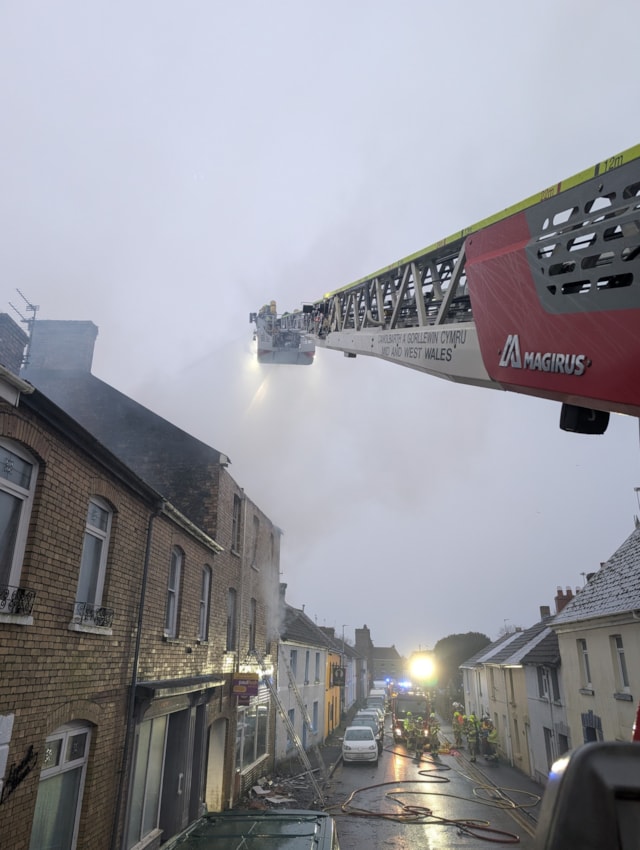
RESIDENTS forced to evacuate their homes following a major fire in Kidwelly have now been allowed to return, as emergency services confirm the scene has been stood down.
The blaze broke out at a property on Lady Street in the early hours of Tuesday (March 24), with emergency services called at around 4:20am. Several neighbouring homes were evacuated as a precaution while firefighters tackled the incident and assessed the safety of surrounding buildings.
In the latest update, Dyfed-Powys Police confirmed that officers have now left the scene and displaced residents were able to return to their properties on Thursday evening (March 26), following work to make the affected building safe.
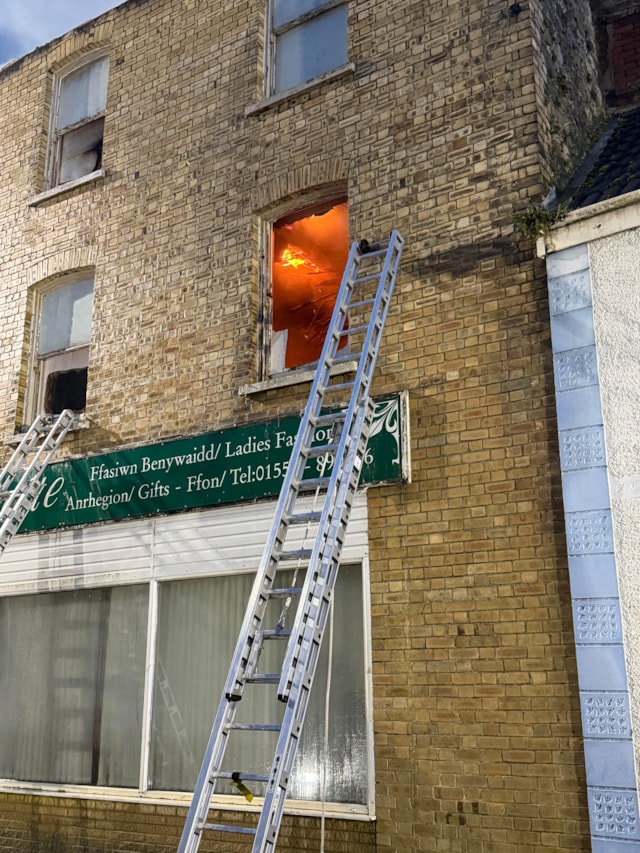
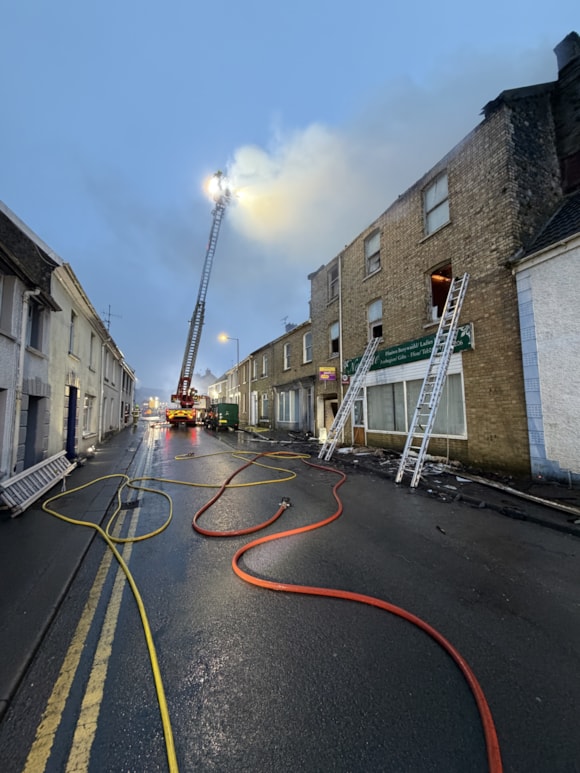
The incident caused significant disruption in the town, with Lady Street remaining closed while further work is carried out to ensure the safety of the highway and surrounding structures.
Emergency services, including Mid and West Wales Fire and Rescue Service, were on the scene for several hours during the initial response. Crews were understood to have dealt with a serious property fire, prompting a large-scale emergency operation in the centre of the town.

While the immediate danger has now passed, authorities have confirmed that investigations into the cause of the fire are ongoing. Police are continuing to appeal for witnesses or anyone with relevant information to come forward.
Officers are particularly keen to hear from anyone who may have CCTV, doorbell, or dashcam footage from the area between 11:00pm on Monday (March 23) and 4:00am on Tuesday (March 24).
Anyone with information is urged to contact police quoting reference 027 of 24/3, either via 101, online, or anonymously through Crimestoppers.
Authorities thanked residents and the wider community for their patience during the incident, which saw homes evacuated and roads closed while emergency services carried out their work.

Further updates are expected as the investigation progresses.
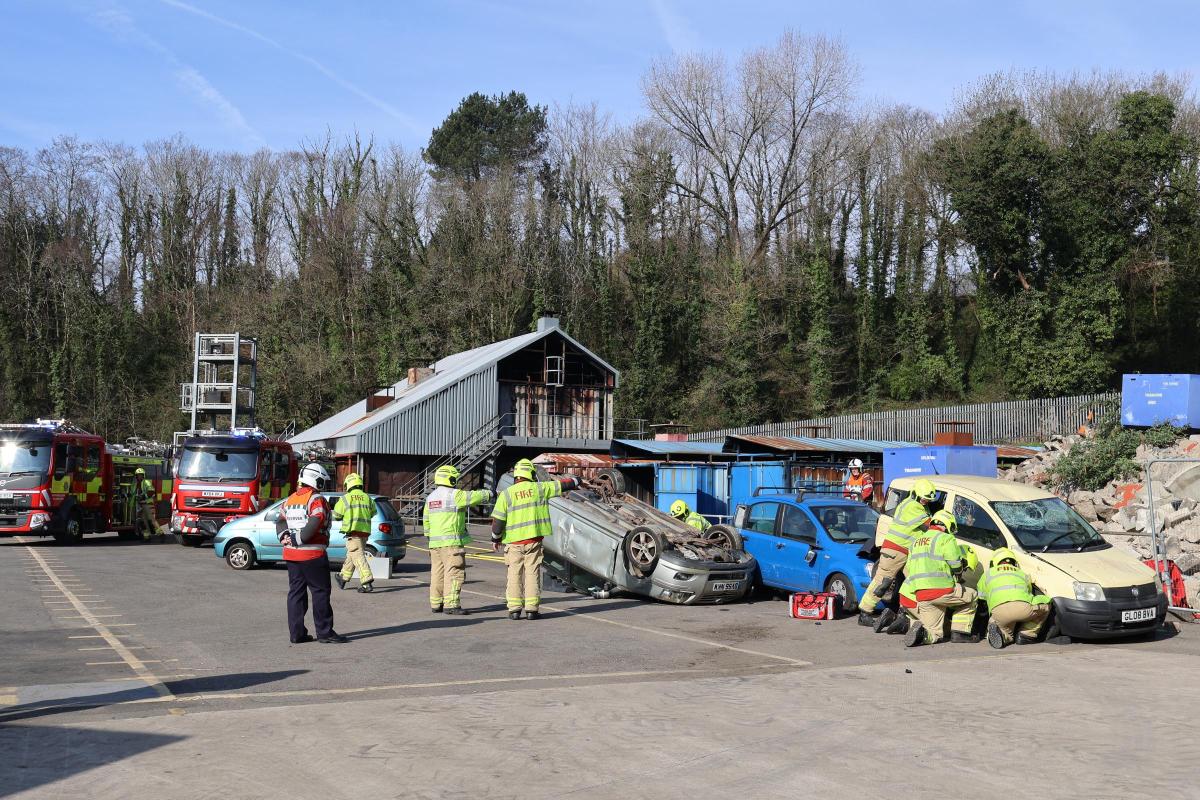
FIREFIGHTERS from across west Wales took part in a large-scale training exercise designed to sharpen operational skills and strengthen teamwork.
Crews from the Western Division of Mid and West Wales Fire and Rescue Service attended the development day at Earlswood Training Centre on Sunday (March 22).
Personnel travelled from stations including Carmarthen, Tumble, Newcastle Emlyn, Milford Haven, Narberth and Pontyates to take part in the exercise.
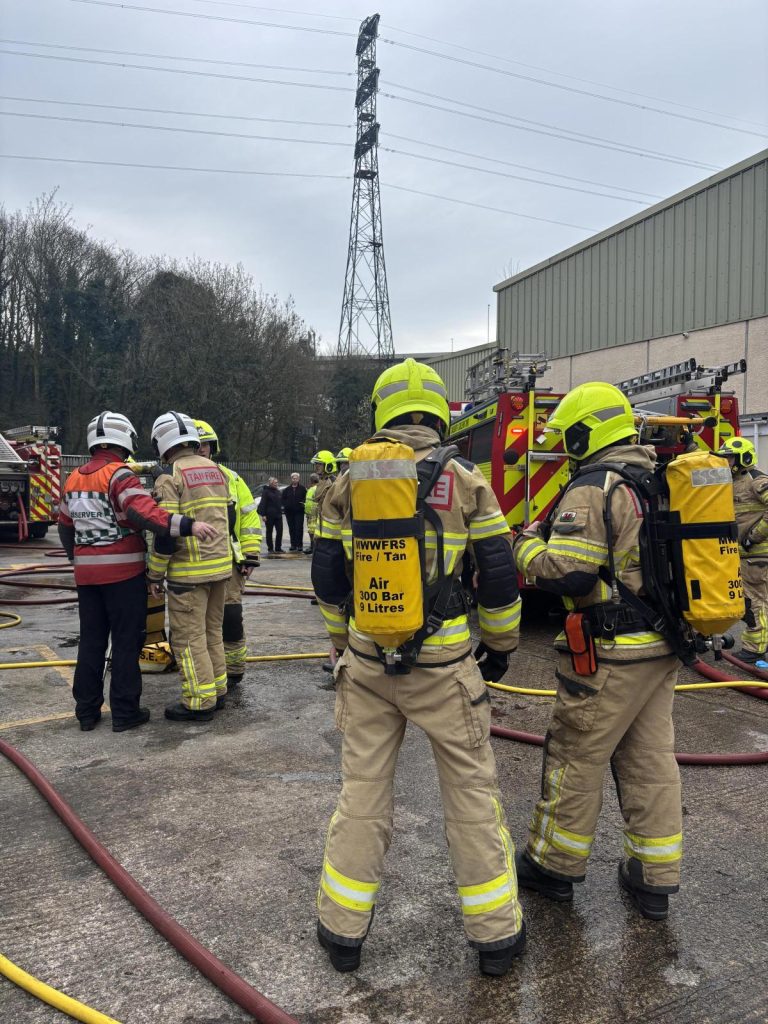
Realistic scenarios
Firefighters were put through a series of realistic scenarios designed to reflect incidents they may face on duty.
These included house fires with people reported inside, kitchen fires, and multi-vehicle road traffic collisions. Crews also carried out specialist line rescue exercises as part of the day.
Support staff played the roles of casualties and members of the public, adding to the realism and allowing firefighters to test their responses in lifelike conditions.
Large-scale finale
The training culminated in a complex car fire scenario involving a vehicle inside a garage attached to a property, with reports of people trapped.
Teams worked together as they would at a real incident, tackling the fire while carrying out rescues within the building.
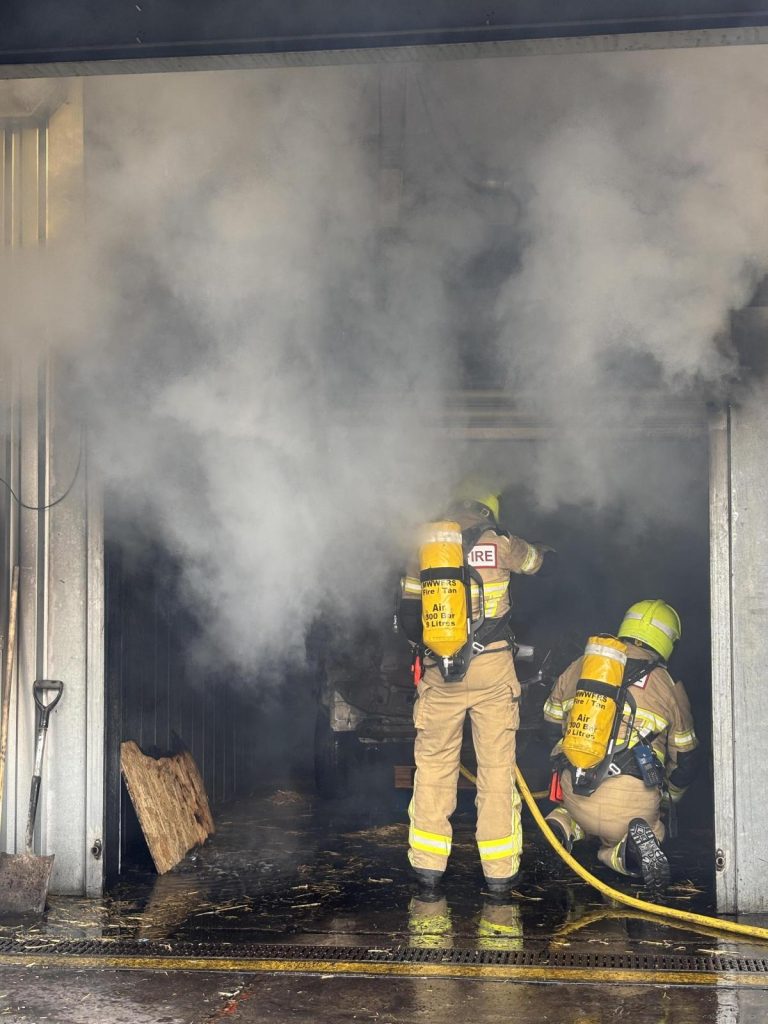
Building capability
The exercise was described as a success, helping to build operational confidence and improve coordination between different stations.

It also provided an opportunity for crews to share knowledge and specialist skills, strengthening the overall capability of the service.
The training forms part of ongoing efforts to ensure firefighters remain prepared to respond to a wide range of emergencies across the region.



Community19 hours ago
Three Amigos Easter Run roars through Pembrokeshire
MOTORCYCLE enthusiasts turned out in force today (Saturday, March 28) as the popular Three Amigos Easter Run returned to the...


Education2 days ago
Ysgol Henry Tudor reassures parents over Sikh ceremonial kirpan
School says religious item worn by pupil is secured, symbolic and non-functional YSGOL HENRY TUDOR has moved to reassure parents...


Crime3 days ago
Teen jailed after starting fire while others slept
Fire set in shared home left sleeping residents at risk and caused £130,000 damage A TEENAGER who started a fire...

Health3 days ago
GP crisis driving NHS pressure in Wales, Senedd report warns
Falling GP numbers and funding gaps blamed for worsening hospital delays THE NHS crisis highlighted earlier this week is being...


News4 days ago
Reform reveals west Wales candidates for Senedd battle
Monkton councillor tops Pembrokeshire list as party confirms Carmarthenshire names and includes Haverfordwest councillor in unwinnable Swansea spot REFORM UK...


Health4 days ago
Clash over Withybush Hospital services as Paul Davies challenges First Minister
A HEATED exchange in the Senedd has laid bare growing tensions over the future of hospital services in west Wales....


Crime5 days ago
Police stop car in Pennar as three arrested in drugs investigation
Suspected drug driver report leads to major police response and multiple arrests DRAMATIC scenes were reported in Pennar on Monday...

Business5 days ago
New pilot vessel Llanion arrives at Milford Haven
State-of-the-art 22-metre craft marks reset after £3.6m pilot boat controversy THE PORT OF MILFORD HAVEN has taken delivery of a...


Community5 days ago
Sycamore Gap legacy tree to take root in Pembrokeshire landscapes
A SAPLING grown from the famous Sycamore Gap tree is set to become part of Wales’ protected landscapes — with...


Business6 days ago
Could Primark be coming to Haverfordwest? Major retailer in talks for former Wilko site
Council confirms advanced discussions as speculation grows over high street boost HAVERFORDWEST could soon see a major high street revival,...
-

 Business5 days ago
Taxi fare shock in Milford Haven as drivers switch to meters
-
Business6 days ago
Could Primark be coming to Haverfordwest? Major retailer in talks for former Wilko site
-
 Crime7 days ago
Child rapist found with abuse images after moving to west Wales
-
 News4 days ago
Welsh Government outlines progress on flood resilience plans
-

 Health5 days ago
Average of 18 deaths a week in Wales linked to A&E delays, figures reveal
-

 Sport7 days ago
Haverfordwest secure bonus-point win over title-chasing Tumble
-
 Community7 days ago
Broad Haven volunteers secure ‘national asset’ status for nature reserve
-
 Community3 days ago
Hero female officer keeps job after sexual touching finding