


Sport
Team of the week: Letterston AFC

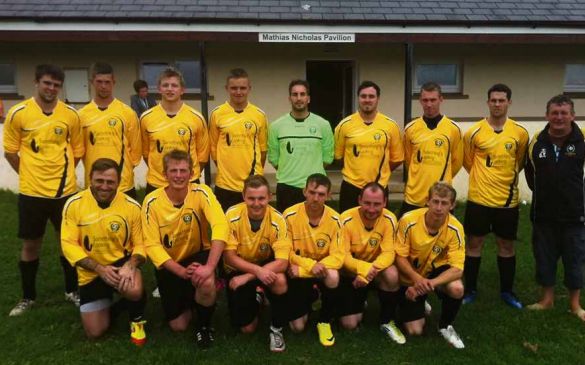
 SITUATED in North Pembrokeshire and famous for Fish and Chips is one of the county’s largest villages Letterston.
This well kept village boasts two Pembrokeshire league football teams. The first team managed by Gareth “Gaffa” Thomas are currently sitting pretty mid table in the second division, with a Division Two cup semi final to look forward to.
At present the second string are high flying in Division Five and occupying third place. The manager Gary Scott has a wealth of experience and young talent to choose from and is excited at the prospect of being the first second team manager to guide the team to promotion. We here at the Herald are convinced that this new found form is due to the fact that they have the Herald as their main sponsor. Lets have a look at some of the key players from each team:
First Team Captain: Karl Hedley. Karl has had itchy feet over the last few seasons, hopping from Goodwick to West Dragons then back to Letterston. But this season after an early injury scare is back to full fitness and form. He is leading by example and bossing the midfield.
 First team goalkeeper: David “Cheese” Lawrence. Signed from Goodwick this year in a merry goround that saw James Gwilt sign for Goodwick while Carl Woodhouse put pen to paper for Merlins Bridge. Cheesy commands his box and dictates what he wants from his back four. A great signing for the Letts, but yet to keep a clean sheet this season.

First Team Defender, James George: James joined from rivals Goodwick this season. The pull of playing for his home village was enough to leave Phoenix Park. Playing most of his games at present in the left back role he can also fill in at centre half and has had the odd game middle of midfield. “A great lad, and one of the in-form players”.
First Team Defender Michael “Lunchbox” Lawrence: Known as Lunch to his team mates he has had a bumpy start to the season. Letterston through and through and playing more than 10 years as a regular in the first team Lunch has found himself warming the bench for the first time in his career. At 30 years old last years player of the year is still an important part of Gaffa’s plans.
Second Team Captain: Nick Lawrence. Former first team captain suffered a major injury near on 10 years ago and never thought he would play again. Got back to form after a lengthy period on the sidelines. Nick the retired last season. After many a conversation with team mates decided 1 more year was a must. This slight, hard tackling centre half leads by example always.
Second Team Mid-Fielder: Bernard Hearne. The little Jack Russel. Always niggling at ankles, never scared of a challenge and always gives 110%. Guaranteed to wind up the opposition with a sly pull of the shirt or a word in the ear. Bernard would be welcome in any team as his work rate is second to none. If injury hits the first team midfield I’m sure Gaffa will be monitoring Bernard as a replacement.

Second Team Striker: Brian Mathias. Brian is one of three Mathias brothers that play for the Letts. Son of Derick and nephew of the late Wayne, Brian certainly carries the family tradition of being a strong player with a undeniable presence. After a spell in the first team at the start of the season he is now scoring for fun in the seconds and is on course to win the “Tony Evans” top goal scorer award for 3rd year running.
One from the Archive: Billy Robb: A charity football match was held in honour of Letterston’s most famous retired player. This testimonial match, herald in June this year, raised money for local charities. Billy is re-nowned throughout the county as being the past goal scoring machine of Letterston. Old team mates, and family members, turned out for the game and fun day. The ex-player’s impressive 600 goal tally was celebrated. Known for his straight talking ways, he will definitely be the legend that current and new players will aim to beat for many years to come.


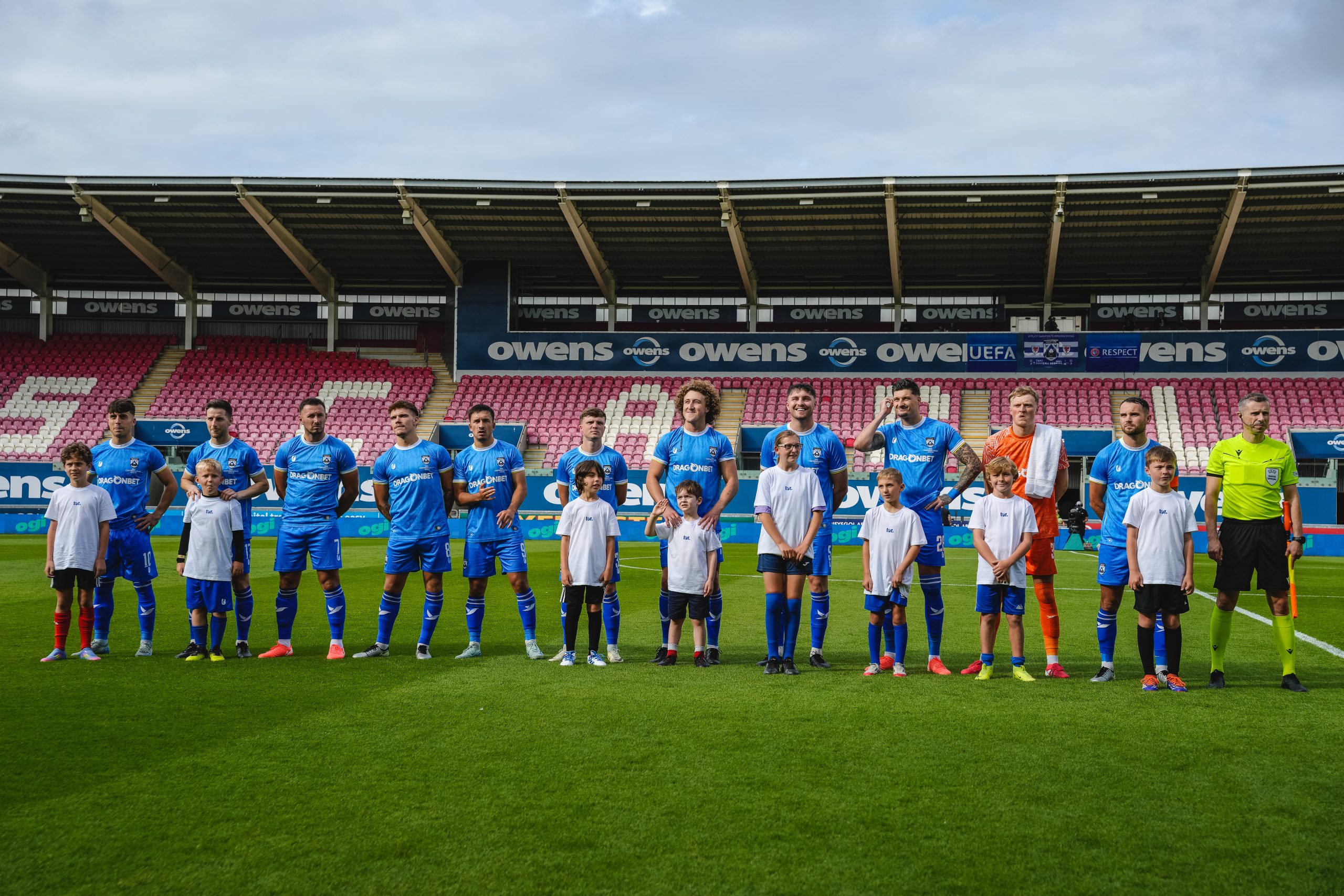
Mared Pemberton leaves board role after years of service
HAVERFORWEST COUNTY AFC has confirmed that Mared Pemberton has stepped down from her role as Vice-Chair of the Board of Directors due to personal commitments.
Pemberton has played a key role in the club’s development in recent years, most notably leading the delivery of the Ogi Bridge Meadow 3G pitch project.
She has also been closely involved in the club’s community work and fan engagement initiatives, helping to strengthen its reputation and position as a focal point within the local area.
Pemberton will continue her involvement with the club as Head of Trustees for the Bluebirds Foundation, the official charitable arm of Haverfordwest County AFC.
A club spokesperson said: “Everyone at the club would like to thank Mared for her loyalty, hard work and dedication over many years, and we wish her well for the future.”
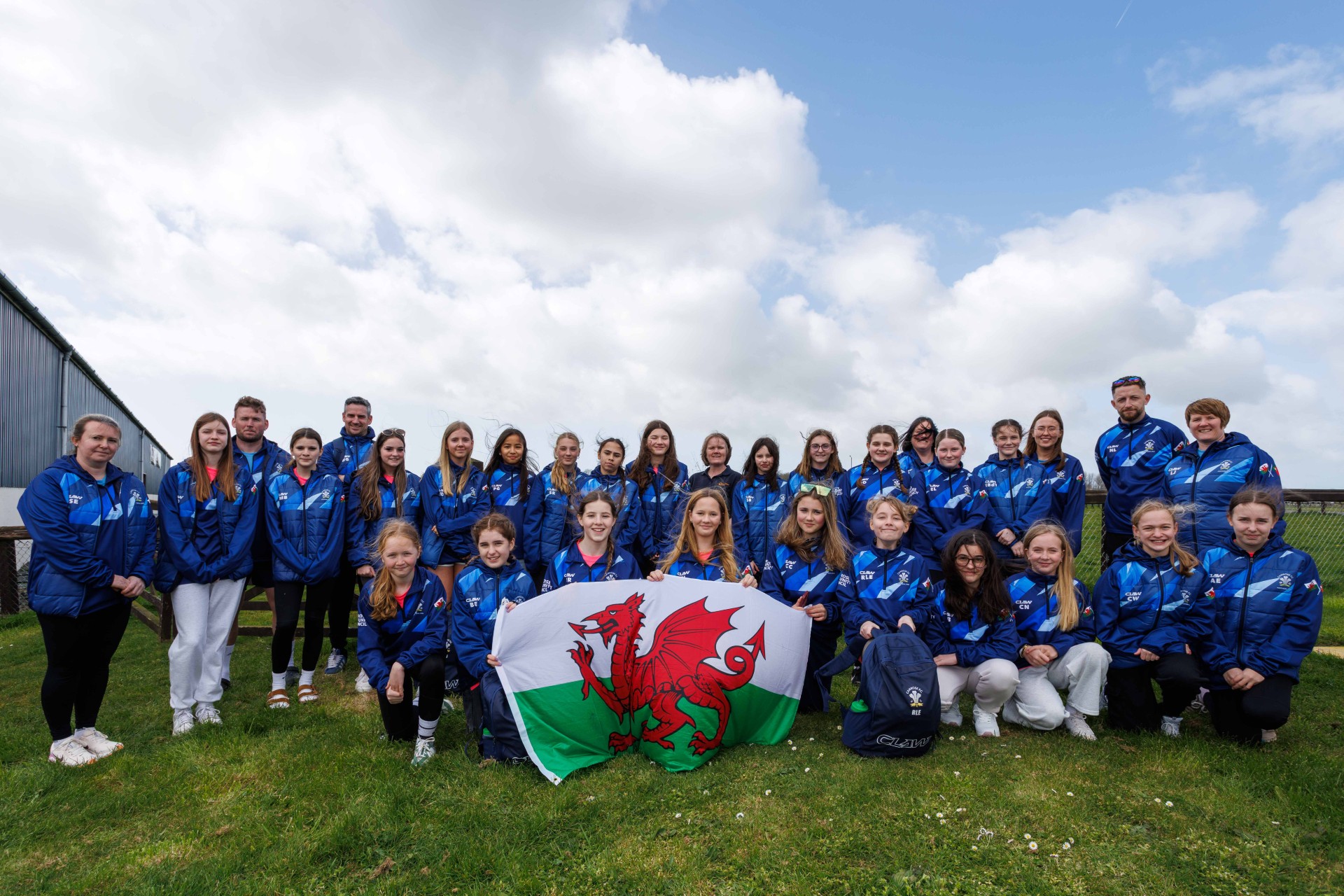
A CAMROSE Under 13s girls’ football team has travelled to Portugal for a once-in-a-lifetime tour, supported by a funding boost from Wales & West Utilities.
The squad, made up of twenty-four players aged between eleven and fourteen, set off during the Easter holidays after five months of determined fundraising efforts.
The trip forms part of a wider international learning programme funded by Taith, the Welsh Government-backed scheme promoting global exchange opportunities for young people.
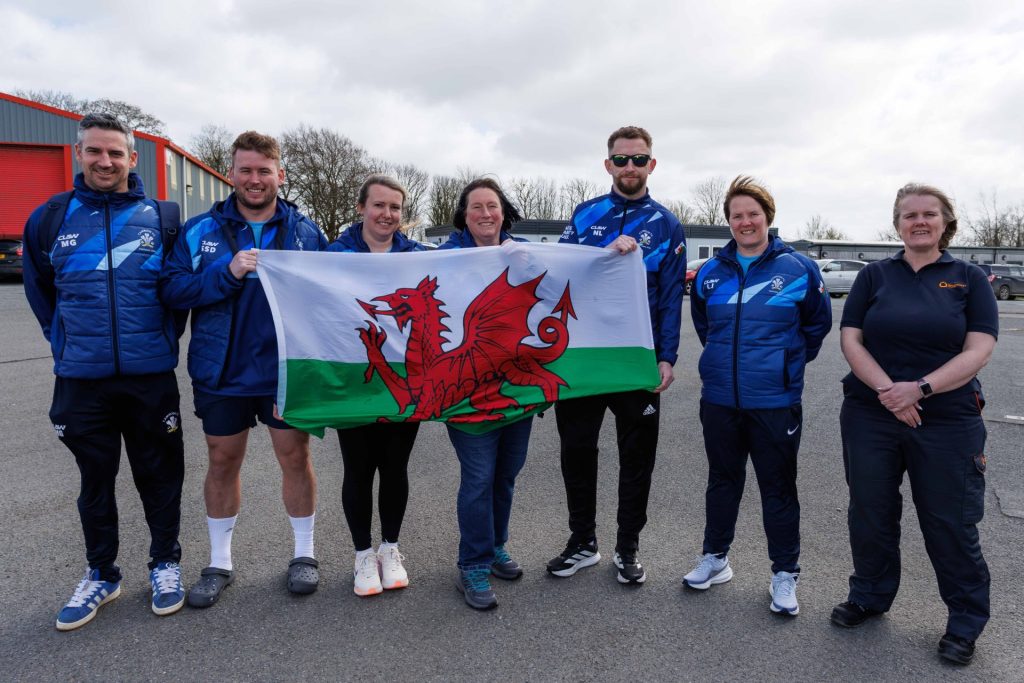
During their time abroad, the team will take part in cultural and sporting activities, including matches against local sides, social events with host clubs, and a coaching session with Portuguese giants S.L. Benfica. The group will also attend a professional football match.
Organisers say the tour is about far more than football, with a strong focus on confidence-building, teamwork, and cultural exchange. Around forty per cent of the players and coaching staff come from underrepresented backgrounds, including young carers, those in care, and families on low incomes.
While Taith funding has supported much of the programme, additional financial help from Wales & West Utilities has been vital in bridging a £3,000 shortfall. The funds have also enabled the purchase of a dedicated tour kit, helping keep players safe and identifiable in busy environments.
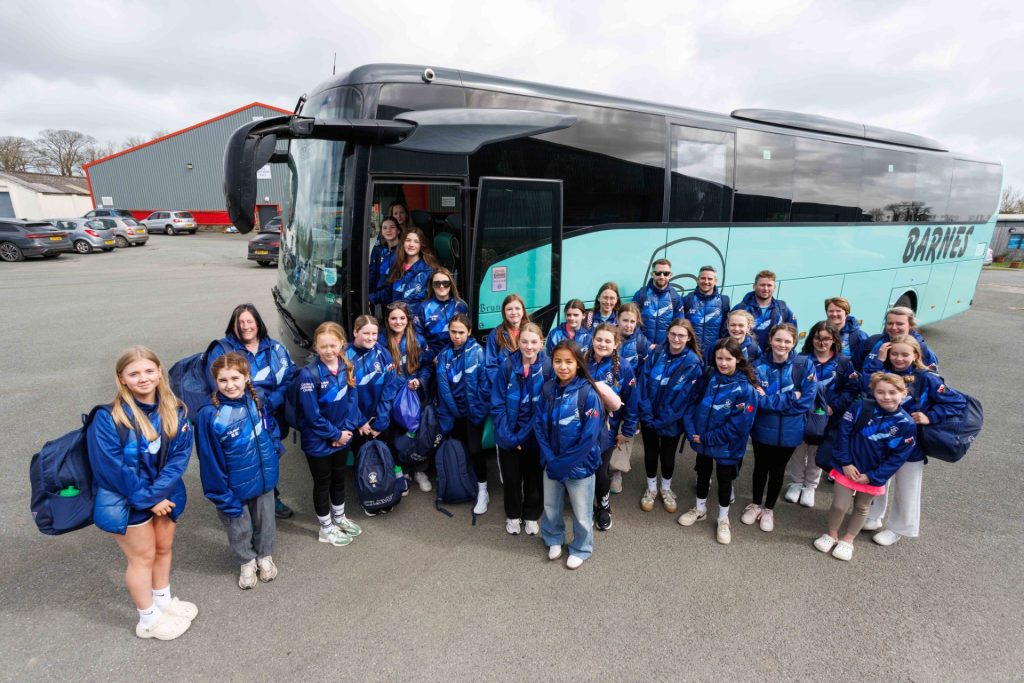
Volunteer coach Joanne Battelley said the support had made a real difference.
She said: “This tour is a once-in-a-lifetime experience for our girls, both on and off the pitch. The support from Wales & West Utilities has helped ensure more of our players can take part and benefit from the opportunity.”
Bethan Jones, Head of People and Customer Experience at Wales & West Utilities, said the company was proud to support the initiative.

She said: “Football is about more than just the game. This trip will help build confidence, develop new skills, and create lasting memories for these young players.”
Wales & West Utilities provides gas emergency and pipeline services to more than 7.5 million people across Wales and the south west of England.

WELSH drivers Rhys Lloyd and Harri Reynolds are set to take on Europe as they launch their 2026 campaign in the French GT4 Championship.
The pairing will compete in the Championnat de France FFSA GT – GT4 France, driving a Toyota Supra GT4 run by Circuit Toys in partnership with Toyota Gazoo Racing France.
The highly competitive series features five rounds across some of France and Belgium’s most iconic circuits, with the season getting underway at Circuit Paul Armagnac in Nogaro over Easter weekend (April 5–6).
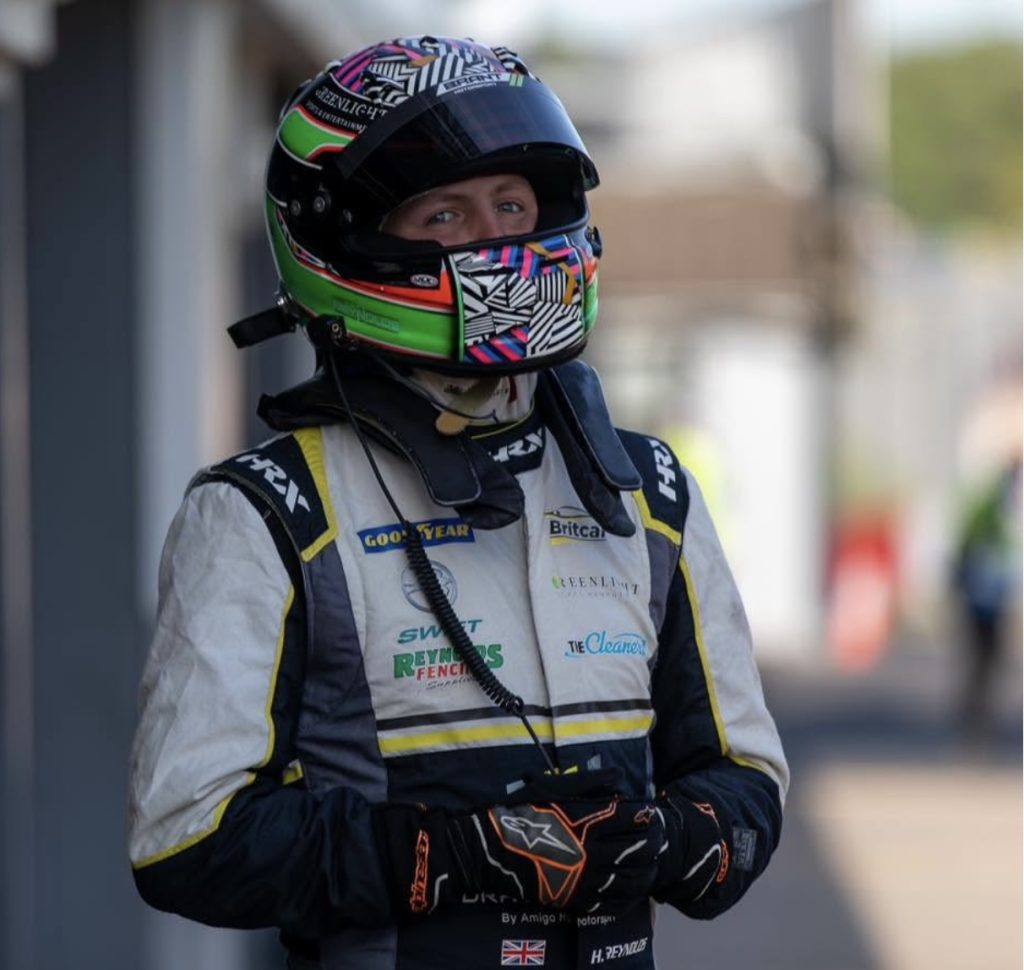
European step up
Both drivers bring experience as teammates, having competed together in the 2024 Britcar Trophy Championship and earlier this year in the Dubai 24 Hours — giving them a solid platform heading into their first full European campaign.
The FFSA GT4 series also offers a significant incentive, with a €150,000 prize fund available through the SRO Motorsports Group’s GT Academy programme, aimed at helping drivers progress to higher levels such as GT2 and GT World Challenge Europe.

Aiming for the title
Reynolds, from Narberth, said he was eager to build on the pair’s recent success.
“I’m really looking forward to the season ahead,” he said. “After the Dubai 24, Rhys and I have built a strong understanding of how the team operates, and they now know how we work as drivers.
“Taking our first proper step into European racing, it’ll be exciting to experience the competition and get to know new drivers and teams.
“We’re aiming to put ourselves in a position to fight for the championship. As drivers, that’s always the goal. Rhys and I have worked well together, and if we can continue that momentum, we’ll be right in the mix.”

He added that racing abroad would bring new challenges, including travel demands and adapting to unfamiliar circuits and conditions.
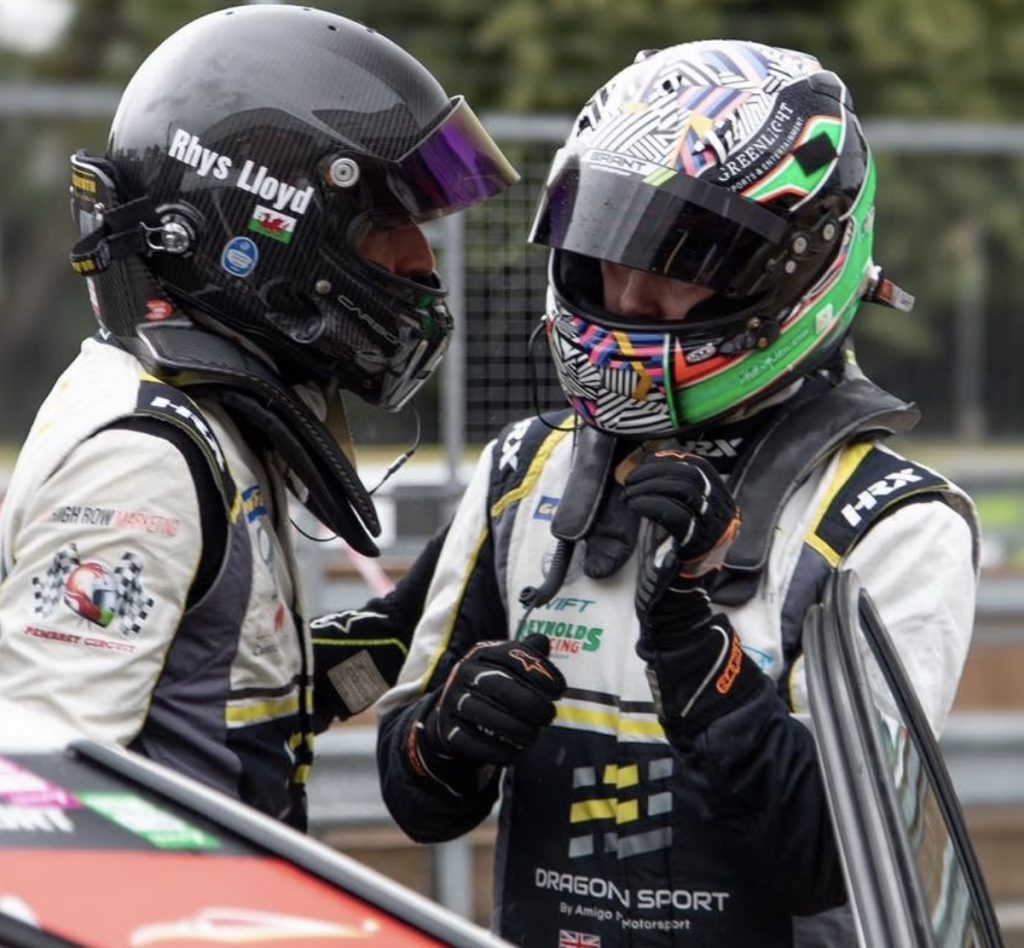
Motivated return
Lloyd, from Carmarthen, said he was relishing his return to racing after time away in 2025.
“I’m super excited about the 2026 season,” he said. “Having taken a year out, I’m more motivated than ever to be back.

“The Toyota Supra GT4 is an incredible car, and to be back driving with Harri is a great partnership.
“It’s a big step for us both to race in France — all the circuits and competitors will be new — but I’m really looking forward to getting started in Nogaro.”
Further announcements about the team’s 2026 campaign are expected in the coming months.



News9 hours ago
Health minister refuses to act on Withybush despite 15,000-signature petition
Senedd pressure grows as Welsh Government declines to intervene over surgery fears THE WELSH GOVERNMENT has refused to step in...

Business24 hours ago
Fishguard to Wexford rail tunnel plan backed by Elon Musk firm
Six-hour London to Dublin service proposed in £32bn project ahead of Senedd election PLANS for a rail tunnel linking west...
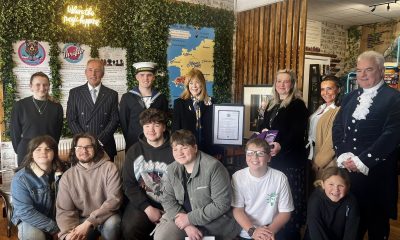

Charity2 days ago
Milford Haven charity honoured with King’s Award for voluntary service
A PEMBROKESHIRE charity supporting vulnerable young people has received one of the highest honours in the UK for voluntary work....


News2 days ago
Plaid Cymru launches bid to lead next Welsh Government
Party positions itself as ‘government-in-waiting’ ahead of May election PLAID CYMRU has formally launched its campaign for the 2026 Senedd...


Crime2 days ago
Police appeal after attempted child abduction in Haverfordwest
DYFED-POWYS POLICE has launched an appeal for witnesses following a reported attempted abduction of a 12-year-old girl in Haverfordwest. The...


Crime3 days ago
Gunshot fired by police during incident in Milford Haven
A POLICE officer discharged a firearm during an incident in Milford Haven on Saturday evening (March 28), prompting an investigation...


Community4 days ago
Three Amigos Easter Run roars through Pembrokeshire
MOTORCYCLE enthusiasts turned out in force today (Saturday, March 28) as the popular Three Amigos Easter Run returned to the...
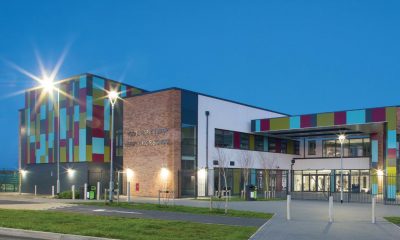

Education6 days ago
Ysgol Henry Tudor reassures parents over Sikh ceremonial kirpan
School says religious item worn by pupil is secured, symbolic and non-functional YSGOL HENRY TUDOR has moved to reassure parents...
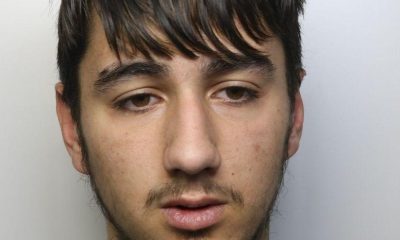

Crime6 days ago
Teen jailed after starting fire while others slept
Fire set in shared home left sleeping residents at risk and caused £130,000 damage A TEENAGER who started a fire...

Health7 days ago
GP crisis driving NHS pressure in Wales, Senedd report warns
Falling GP numbers and funding gaps blamed for worsening hospital delays THE NHS crisis highlighted earlier this week is being...
-
 Community6 days ago
Hero female officer keeps job after sexual touching finding
-
Education6 days ago
Ysgol Henry Tudor reassures parents over Sikh ceremonial kirpan
-
 Business6 days ago
Popular Italian restaurant hit with £278,000 tax bill plus £186,000 fine
-
 Climate6 days ago
Port Talbot confirmed as ‘cornerstone’ for wind — questions remain for Milford Haven
-
Health7 days ago
GP crisis driving NHS pressure in Wales, Senedd report warns
-
 Crime5 days ago
Taylor wins appeal as Crown Court quashes ‘no insurance’ conviction
-

 Crime5 days ago
Appeal dismissed in blood sample case after court rejects PTSD defence
-

 Climate6 days ago
Wind hub row: Where are Milford Haven’s jobs?