


News
On trial for wedding violence

 TWO wedding guests from Llandysul are on trial accused of attacking the bridegroom’s sister.
Lindsey Sandra Rose Evans, 28, and her sister Amie Victoria Gutteridge, 32, both of Heol y Bedw, Henllan, Llandysul, have denied assaulting Samantha Robbins causing her grievous bodily harm.
A jury at Swansea Crown Court on Monday (Dec 14) how violence flared at the wedding reception of Miss Robbins’ brother, Ben, held at the Ceridwen centre near Drefach Felindre on September 1, 2012.
Dean Pulling, prosecuting, said the wedding had been a “resounding success” until Evans saw Miss Robbins, then a student nurse, at a dance being held in a tepee style tent.
Evans, he said, claimed that her boyfriend, and now husband, Neil Evans, had had a relationship with Miss Robbins.

“It wasn’t true, but it might explain why, in drink, she became so aggressive towards Miss Robbins,” said Mr Pulling.
Outside the tepee, it was alleged, Gutteridge began pointing her finger at Miss Robbins and Evans swore at her.
Miss Robbins told them they were attending her brother’s wedding and they should have some respect.
Mr Pulling said Evans pushed her to her chest and then hit her in the face. Both women then grabbed her hair and pulled her to the ground.

Miss Robbins fell down a grass bank and Evans followed, still punching her, he added.
Gutteride then kicked Miss Robbins “a number of times” while Evans held her down.
Guests and relatives intervened and the women were separated.

Mr Pulling said Miss Robbins suffered a fractured wrist, cuts, bruising and a damaged tooth, and months later still required surgery to damaged ligaments in her arm.
Mr Pulling said both sides of the dispute made complaints to the police, each blaming the others for the violence, and he told the jury he expected Evans and Gutteridge to claim that had acted in self defence.
“They were not defending themselves,” he added. “Evans was heard to say ‘get off me, I‘m going to kill the bitch.’”
Miss Robbins told the court the attack had been traumatic and she still suffered the effects more than three years later.
Cross examined by defence barristers representing Evans and Gutteridge, she denied having started the violence or that she and her family had “put your heads together to come up with an account of what had happened.”
The trial is expected to end later this week.


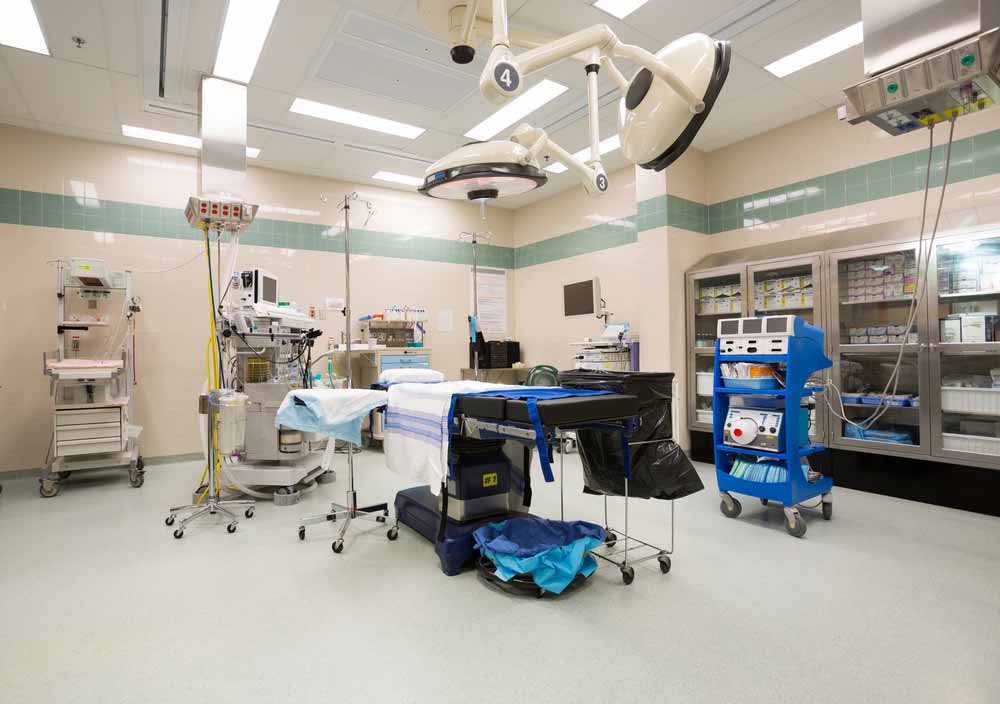
PATIENTS must be given clear answers over when two-year NHS waits will be eliminated in Wales, opposition parties have said.
The row followed a statement in the Senedd by the Welsh Government’s Cabinet Minister for Health and Care, with questions raised over whether Plaid Cymru can maintain recent progress on waiting lists while delivering its own health pledges.
Welsh Labour said NHS waiting lists had fallen for ten consecutive months before the change of government, but warned that the new administration must not allow that progress to stall.
Ken Skates MS, Welsh Labour’s interim leader and spokesperson for health and care, said: “NHS waiting lists have now fallen for ten consecutive months and it’s now Plaid Cymru’s responsibility to ensure this progress doesn’t falter.
“We’re already hearing conflicting timelines from the Plaid Cymru First Minister and Health Minister on when two-year waits will be eliminated, with neither willing to answer the question. Patients deserve answers, not confusion.”
The Welsh Conservatives have also criticised the new government, claiming patients were being left with uncertainty after different messages were given about how quickly the longest waits could be cleared.
During the election campaign, the First Minister said two-year waits would be eliminated within months. However, the new Health Minister has since suggested the task could take longer.
The Welsh Government says reducing long waits remains a priority and that ministers are working with health boards to improve access to treatment, diagnostics and urgent care.
Plaid Cymru has argued that the NHS in Wales cannot be turned around overnight and says the new administration has inherited deep pressures across the health service, including demand on hospitals, delayed transfers of care, workforce shortages and financial constraints.
Health remains one of the most politically sensitive issues in Wales, with patients across the country continuing to face long waits for operations, appointments and diagnosis.
For families waiting for treatment, the political arguments in Cardiff Bay will matter less than whether appointments come through and whether the longest delays are finally brought down.

WALES’ four Police and Crime Commissioners are to be questioned by MPs over the future of policing and proposed UK Government reforms.
The Welsh Affairs Committee will hold a session on 8 July to examine what planned changes in the Police Reform Bill could mean for Wales.
A White Paper published in January set out plans to abolish Police and Crime Commissioners, the elected officials responsible for overseeing police budgets and setting the overall strategy for individual forces in England and Wales.
In England, those responsibilities are expected to pass to elected regional mayors or council leaders. However, it remains unclear who would take on those functions in Wales.
The White Paper also raised the prospect of merging some of the 43 territorial police forces across England and Wales, but there is no firm detail yet on whether Wales’ four forces could be affected.
The session will allow MPs to question the PCCs from Dyfed-Powys Police, South Wales Police, North Wales Police and Gwent Police about the likely impact of the proposed reforms.
Committee members are also expected to discuss wider policing issues affecting Wales, including violence against women and girls, the use of facial recognition technology, and whether policing should be devolved to the Welsh Government.
Ruth Jones MP, Chair of the Welsh Affairs Committee, said the session would be an important opportunity to examine what the reforms could mean for Welsh communities.
She said: “If PCCs are to be abolished, it is essential that any new arrangements ensure police forces in Wales remain clearly accountable to the public and that communities continue to have a strong voice in shaping policing priorities.
“We also want to explore views on the optimal number of forces for Wales and the importance of striking a balance between efficiency and preserving a strong understanding of local needs.”
Call for evidence
Ahead of the session, the committee is inviting written evidence from academic and policy experts.
It is asking how Welsh police forces should be held to account if PCCs are abolished, what lessons should be learned from the current model, and what the optimal number of police forces for Wales should be.

The committee also wants views on how other parts of the UK Government’s policing reforms could affect Wales, and the arguments for and against devolving policing to the Welsh Government.
The Welsh Affairs Committee is a House of Commons select committee. It scrutinises the work of the Wales Office and UK Government policies that affect Wales.

A NEW economic mission has been launched aimed at boosting pay and halving the productivity gap between Wales and the rest of the UK within ten years.
Adam Price, the Cabinet Minister for Enterprise, Connectivity and Energy, said the Welsh Government wanted to make Wales the easiest place in the UK to start, grow and invest in a business.
Welsh productivity currently stands around 15% below the UK average, a long-standing gap which ministers say has held back wages, business growth and living standards.
Delivering his first oral statement to the Senedd, Mr Price said the new approach would focus on supporting firms to expand, compete in high-value markets and create better-paid jobs.
The plan will be developed with businesses, trade unions, regional partners and the UK Government. It will also include reforms to the skills system, with a greater focus on helping workers progress rather than simply enter employment.
Mr Price said: “Today we announce a National Productivity Goal to close the gap with the rest of the UK and help unlock the full potential of the Welsh economy.
“For too long, Wales has struggled to close the gap with the rest of the UK when it comes to productivity. Announcing this target today shows our clear commitment to improving the lives of people living in Wales.
“By focusing on productivity, we will deliver higher pay, stronger businesses and thriving communities.
“This goal will give direction to our new Welsh innovation and development agency, shaping how we support businesses, develop skills and invest in the foundations of a stronger, more competitive Welsh economy.
“We are determined to turn ambition into action, creating a stronger, more productive economy that delivers for people in every part of Wales.”
Further details on how the productivity target will be measured and monitored are expected later this year.



Community2 hours ago
Crisis response dogs launched to support people through trauma and distress
A NEW project using specially trained dogs to support people during moments of trauma, grief and crisis has been launched...


News6 hours ago
Major fire breaks out at Tata Steel site in Port Talbot
TATA STEEL has confirmed that a major fire broke out at its Port Talbot steelworks on Wednesday night, with emergency...


Community1 day ago
HMS Erebus tragedy links Pembroke Dock ship to Templeton family
DNA breakthrough identifies cabin boy David Young as exhibition marks 200 years since ship’s launch ON MAY 19, 1845, a...


Community1 day ago
Narberth cash machine closures spark urgent access review
CALLS have been made for an urgent review of access to cash in Narberth after two town centre ATMs were...


Health2 days ago
First Minister quizzed on Welsh NHS pressures in his first-ever FMQs
SENEDD Members pressed the First Minister over the state of the health service in Wales, as the Plaid Cymru leader...


Community2 days ago
Historic paddle steamer Waverley to return to Fishguard this month
THE WORLD’S last seagoing paddle steamer will return to Fishguard this month as part of her annual visit to South...


Local Government2 days ago
National Express use of new Haverfordwest interchange still subject to risk checks
A RUMOUR that National Express coaches may struggle to use Haverfordwest’s new transport interchange has been denied by Pembrokeshire County...


Crime2 days ago
Milford Haven man jailed for illegal Premier League streaming service
A MILFORD HAVEN man who supplied illegal Premier League streams and loaded Firesticks to almost 2,000 customers has been jailed...


Community3 days ago
RNLI lifeguards rescue beachgoers during busy heatwave weekend
FOUR PEOPLE RESCUED AS RIP CURRENTS AND OFFSHORE WINDS HIT PEMBROKESHIRE BEACHES RNLI lifeguards in Pembrokeshire rescued four people and...

Local Government3 days ago
Council and school staff pay row could hit Pembrokeshire services
COUNCIL workers, carers and school support staff in Pembrokeshire could be drawn into a growing UK-wide pay dispute after GMB...
-
Crime2 days ago
Milford Haven man jailed for illegal Premier League streaming service
-

 Crime1 day ago
Milford Haven man bit neighbour’s neck near cashpoint
-

 Crime2 days ago
Haverfordwest man admits cocaine offence as Crown disputes basis of plea
-

 Crime1 day ago
Pembroke Dock driver avoided jail after drug-drive crash
-

 Crime1 day ago
Dinas Cross man jailed over shop thefts
-

 News7 days ago
Multi-agency rescue after child falls on rocks while coasteering
-

 Business6 days ago
Historic Pembrokeshire courthouse set to be redeveloped with new lease of life
-

 Community4 days ago
Charles Street to come alive for Milford Haven Founders Day