


Community
Pembroke Christians send aid to Croatia

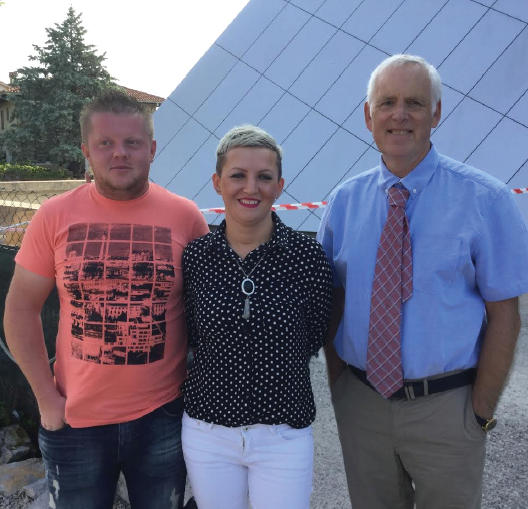

The Kalaš family: Now have a home thanks to Omri and Betty Arnold
RETURNING from a two week visit to Croatia, which was organised to celebrate 25 years of links with Croatian churches, Pastor Rob James of Westgate Chapel in Pembroke said: “People say a week is a long time in politics but, as far as I am concerned, a quarter of a century is but a fleeting moment when it comes to Christian fellowship.
“I first got involved with Croatian Baptists when civil war broke out in 1991 and a close friend felt he ought to take humanitarian aid which could be distributed through their newly formed organisation ‘My Neighbour’.
“It has proved to be a deeply humbling and hugely inspiring experience.
“We have built long lasting and very deep friendships with our Christian brothers and sisters and we can look back with a sense of wonder when we think about the staggering amount of aid we have been able to take there over the years.”
“It was particularly moving to meet up with two members of the Kalaš family, former Bosnian refugees who now have a new home thanks, not least, to Omri and Betty Arnold of Pembroke who simply could not rest until they had done something to help them.”

The current trip was no humanitarian mission, explained Rob: “More than 70 of us travelled by coach to Rijeka. We wanted to celebrate our 25 years of partnership in the new pastoral centre currently being built by the local Baptist Church.
“We have been intimately involved in this project from the beginning. The foundation stone was laid in 2004 and we are amazed when we think of the progress that this small group of people has made. The new building (which has a roof shaped like praying hands) is in use, even if not completed, and has cost more than 1m euros to date.
“They have raised much of the cash themselves – although they have hugely encouraged by two amazing donations in particular. A German businessman gave a gift of half a million euros and even their bank gave them a further 100,000 euros to further the work. As I see it, their story is both a testimony to their commitment and to God’s goodness and can’t wait to see it completed.”
Expressing his deepest thanks on behalf of Rijeka Baptist Church, Srecko Ilionsovic said: “When the war started, there were some 80 or 90 people in our church. Things were very different then and because of this the church had a very different mindset.

“The repressive communist regime did not welcome social engagement and we could do no work in the community. That meant we were closed in on ourselves. However, things began to change in the two years before the war, and when it finally broke out we seized our opportunity and began to distribute humanitarian aid. This was our biggest form of outreach and as a result of it we developed good links and great credibility within our community.
“But now we are facing new challenges. We do not need humanitarian aid in the way we did before, although there are some 400,000 unemployed in Croatia and we do some work with refugees fleeing through Bosnia. Standards have changed too. Institutions that we once helped, such as the hospital, would not be content with secondhand equipment now. This new multi-functional centre will help us continue to engage with the community, although our main goal is still that of reaching people with the message of the Christian gospel. The centre will allow us to do much more than hold Sunday Services. If it were just used for that, we would not need it at all.”
Reflecting on the past 25 years, Skewen-based team leader John Thomas said: “I’ve been planning this trip for over a year. The original intention was to be present at the official opening of the Pastoral Centre but, when we realised they would not be able to complete it in time, we turned it into a holiday and celebration of a quarter century of mission and fellowship.

“Our Christian brothers and sisters gave us a truly wonderful welcome and we had a really blessed service on the Sunday morning. It was a very, very special occasion for every one of us. We worshipped together, we sang for them and I was privileged to preach the sermon.
“We reflected on all that had happened and I was presented with a plaque to mark the occasion. The service concluded with communion, with Pastor Rob James assisting at the table. This was followed by a fantastic lunch that had to be seen to be believed.
“As for the future, we hope to be present at their official opening but, looking back on this trip, I think I am reflecting everyone’s feelings when I say it has been a wonderful time and we thank God for his travelling mercies. I was in my mid-fifties when all this started and never ever dreamed that it would end up like this, although we all know that it hasn’t ended yet.”
To everyone’s amazement, Project Nehemiah was soon helping refugee families to purchase new homes! Pembroke-based Omri Arnold, a regular member of the teams, met the Kalas family while he and his wife, Betty, were on holiday in Croatia in the summer of 2001.
Stipo Kalaš suffered from epilepsy and he had escaped from Grgići in central Bosnia with his wife and two children, Ivana and Dragan, some 10 years before. The family had lost everything – even Stipo’s medication. Relocated in Croatia, the family found themselves the only Croats in a hostel full of Muslims (their persecutors in Bosnia) and girls who had turned to prostitution.
The family of four had been forced to live in one appalling room for eight years. Confronted with this harrowing situation, Omri said that he and Betty knew they ‘had to do something’. “That hour’s experience was unforgettable,” he explained. “It made us realise without any doubt that ‘we were their neighbours’.”
On returning to Pembroke, the Arnolds shared their concerns with their neighbours and especially with the staff and pupils of Monkton School, where Omri’s daughter was the school secretary. In fact, he told them that they would love to help the family to obtain a ‘cosy little house with a garden big enough to grow their own vegetables and even keep some chickens’.
Omri was then told that there was a suitable house for sale for £7,000 and so he immediately set about raising the necessary cash. And it didn’t prove difficult. As he explained: “People sent gifts from all over South Wales. Less than six months later we were able to give the family enough money to purchase a three bedroomed home in the peaceful village of Lic.”
Omri was overwhelmed by the generosity he encountered, especially from the pupils of Monkton School. “The school is itself in a very needy area,” Omri said. “But some of the children even went without a piece of toast in their breakfast club to support the Kalaš family.”
It gave Omri an immense sense of joy to report back to the school. “We are greatly encouraged by the gifts you have given,” he told one packed school assembly. “It means the family have been able to buy a wonderful house and pay for the 5% land tax. This is really important because it means they can get passports as citizens of Croatia.
“The house has been beautifully refurbished and will allow Mr and Mrs Kalaš, their two children and their aged mother and father, to live in their own new home and garden in peaceful surroundings. What a difference to having to live in a single room of 14ft by 10ft for the rest of their lives.”
All of this had an enormous impact on Omri; years later, he still recalls standing in the kitchen of his own home reflecting on how the Kalaš family must be feeling. He said: “When there were sufficient funds to instruct Srećko to buy the home, I felt as if a physical presence took a heavy weight off my shoulders and it was replaced by a joy in my heart. It became a quiet assurance that the waiting for the money was over.
“For me, there was nothing more to be done and all my anxieties were swept away. Calmness. Finished. Oh Hallelujah.”
It reminded him of the joy he had felt when he had bought land to build his own home some 30 years before. He remembered thinking: “It’s my very own – I belong to Pembroke,” he said. “My mind instantly went to the village of Lič and to the Kalaš family.
The vision wasn’t limited to the Kalaš family because there were soon enough funds to purchase homes for the Gavrić and the Lesic family as well as help other refugee families with their varying needs.


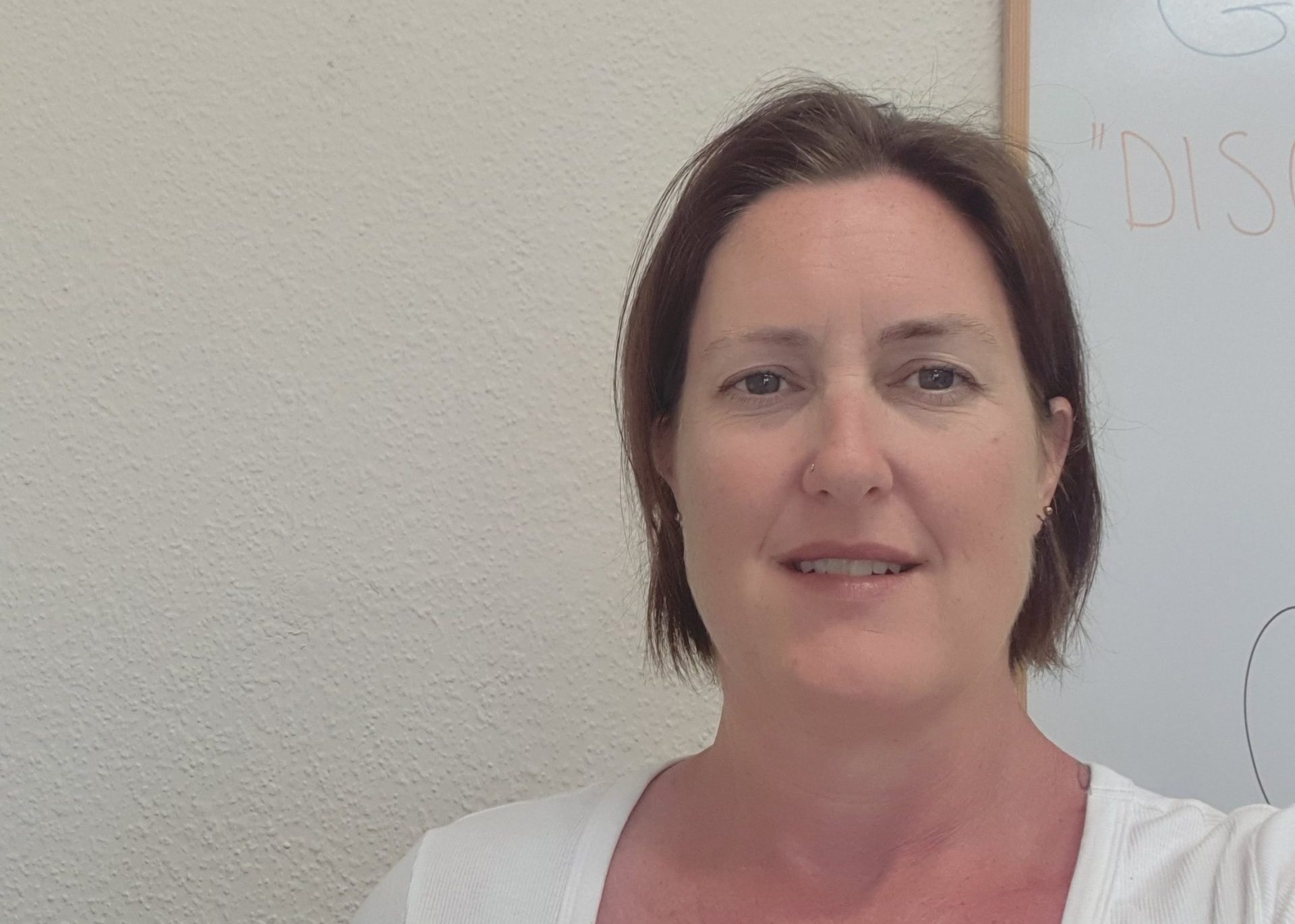
BARCUD Housing Assistant, Amanda Evans, is a brave ‘sole’ as she has agreed to do a Firewalk to help raise funds for Wales Air Ambulance. The charity, which is celebrating its 25th anniversary, relies entirely on public donations to keep both the rapid response vehicles and helicopters running.
The firewalk is a sponsored walk with a difference! It might be the shortest and hottest walk, but it takes strength of mind to complete the challenge of walking five metres, barefoot, over hot coals which reach temperatures of up to 800°C!
Amanda has never done a Firewalk before but last year she changed her mindset and since then the word ‘no’ hasn’t been in her vocabulary. She said, “Doing a Firewalk sounds awesome. I decided it would be a giggle to sign up on behalf of Barcud to raise funds for Wales Air Ambulance. Why not? It would be great to have a crowd at the Firewalk in Aberaeron to show support and cheer me on.”
Day to day Amanda works at Barcud’s office in Glyn Padarn, Aberystwyth. She works as part of a team with housing officers to provide support for tenants.
Barcud is based in mid and west Wales with a 300 strong workforce and 4,500 tenants. This is the group’s first year of fundraising for a specific charity and at the annual colleague conference last winter the majority were in favour of supporting a charity, that, like Barcud, helped and supported those living rurally.
Gail Windley, Wales Air Ambulance’s Events and Partnership Fundraiser said, “We’re delighted to be launching our firewalks this year on our special 25th anniversary year. Fundraisers will take on the ultimate challenge of walking over hot coals to helps save lives across Wales. This is a wonderful challenge aimed at all physical abilities and one that needs some courage.
“Walkers don’t need any previous experience to take part in the firewalk, as all the training will be provided on the day. We want to reiterate that this is not an activity to be tried at home and should only be done during a professionally organised event.
“The Charity relies on donations to continue to keep our helicopters in the air and our rapid response vehicles on the road. Fundraising events, like the firewalks, will help to continue this lifesaving service for the people of Wales. It will be an unforgettable day for the participants and their supporters.”
Amanda will be doing her Firewalk at Moody Meadows in Aberaeron from 6pm on Friday, 10th July 2026. Any donations to support Amanda, and Barcud reach its fundraising target of £5,000 would be very gratefully received. Click here to support Amanda online: https://firewalks.walesairambulance.com/amanda-evans

New research suggests most children in Wales are still falling short of five-a-day
TESCO is expanding its Free Fruit & Veg for Schools programme across Wales after new research found that most children are not eating their recommended five portions a day.
The supermarket said only four out of 37 children in Wales, around 10.8%, eat their recommended five portions of fruit and vegetables on a typical school day.
The research also found that almost a third of Welsh parents said their child refuses fruit and vegetables altogether.
Tesco said it will double the number of schools supported by the programme from September, with an ambition to double it again the following year.
The scheme currently provides funding to more than 500 schools across the UK with higher-than-average free school meal eligibility, allowing them to provide pupils with fruit and vegetables during the school day.
Since launching in 2024, the programme has already reached more than 188,000 children across the UK, with pupils consuming more than 15 million portions of fruit and vegetables in its first year.
This year’s expansion is expected to support more than 388,000 children across the UK.
Tesco said the programme is designed to help children try a wider range of fruit and vegetables, build confidence with healthy food, and encourage better eating habits.
The company said pupils taking part have already sampled more than 100 different varieties of fruit and vegetables.
The research also suggested that choice and presentation can make a difference. More than three quarters of Welsh parents said their child is more likely to eat fruit and vegetables when they can choose them themselves, while many said making food fun or visually creative encouraged children to try more.
Ken Murphy, Tesco Group CEO, said: “We’ve set out an ambition to help one million children get free fruit and veg through our school and community programmes, supporting the development of healthy habits.
“Schools have told us what a positive impact the Tesco Free Fruit & Veg for Schools programme has already made, so we’re delighted to be able to double the number of schools receiving support from September.”

Elaine Hindal, Chief Executive of the British Nutrition Foundation, said: “A significant number of children in the UK are growing up with diets that don’t support their health.
“Early food experiences matter, as they can help to shape children’s confidence, habits and long-term health outcomes.
“By helping children enjoy and regularly eat fruit and vegetables from a young age, programmes like Tesco Free Fruit & Veg for Schools can help to make a lasting difference to diet and health now and in the future.”
Tesco is also inviting children to create fruit and vegetable-packed recipes as part of its Giant Fruit and Veg Challenge, with the winning dish to be served in more than 1,500 schools.
The supermarket has set a target of helping one million school children across the UK access free fruit and vegetables through its school and community programmes by July 2029.
Temporary facility set to offer face-to-face banking support as permanent home is sought
A NEW temporary banking hub is expected to open in Pembroke Dock within the next week, offering residents and businesses access to everyday banking services following the closure of traditional high street branches.
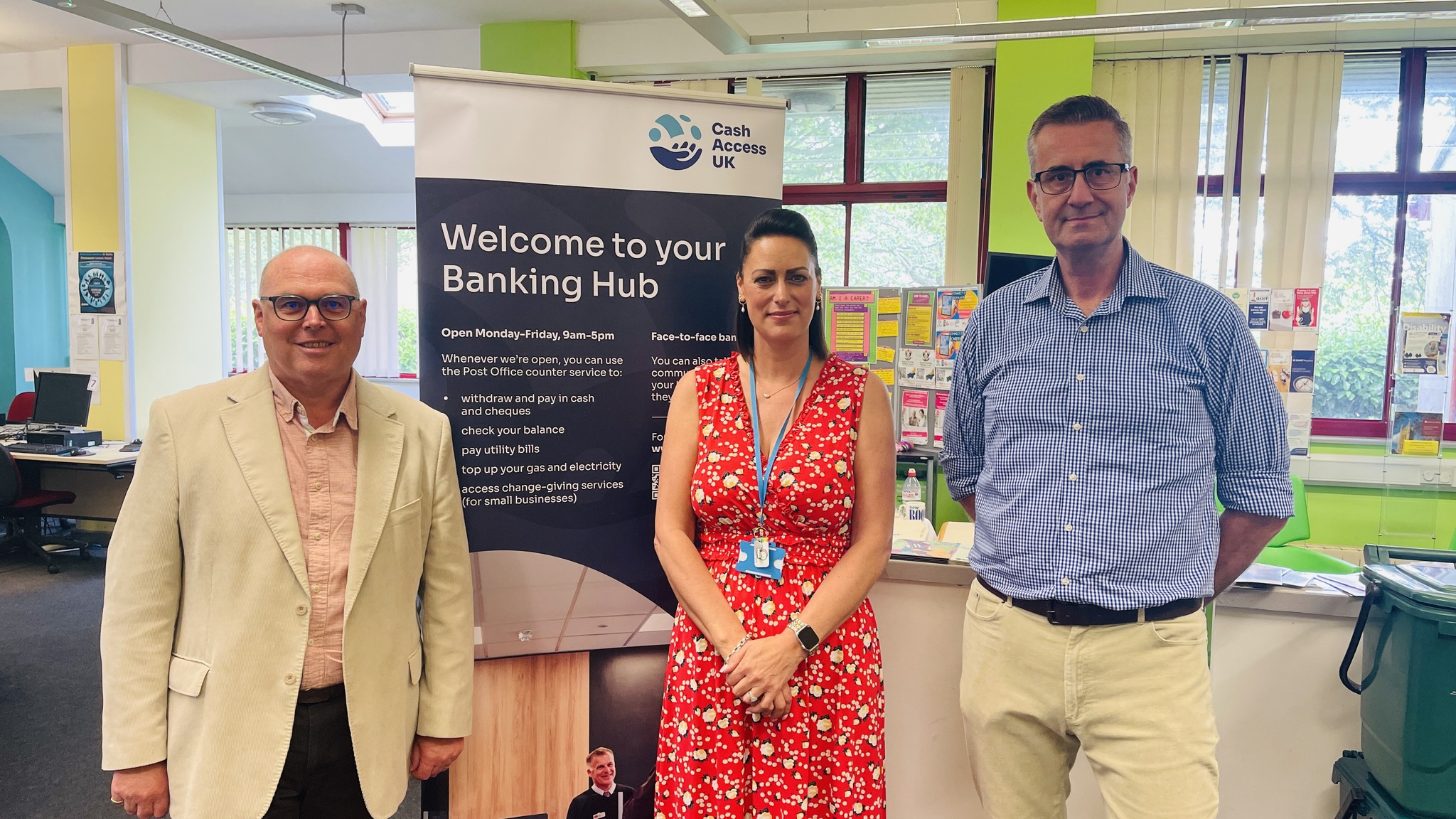
The facility, which is being established inside Pembroke Dock Library, was visited this week by county councillor Jonathan Grimes and Preseli Pembrokeshire MS Paul Davies, who received an update on progress from Debbie of Cash Access UK.

According to Cllr Grimes, the temporary hub is now nearing completion and will provide a valuable service to the local community, particularly for residents who still rely on face-to-face banking and cash services.
At present, it is understood that NatWest, Lloyds and Barclays will each have a dedicated day at the hub during the working week, with staff available to offer advice, support and assistance with account-related queries. Other banks are expected to be confirmed in due course.
Importantly, customers will not be restricted to using services only from their own bank. The hub will allow people from any banking provider to carry out routine transactions such as cash withdrawals, deposits and other day-to-day banking needs.
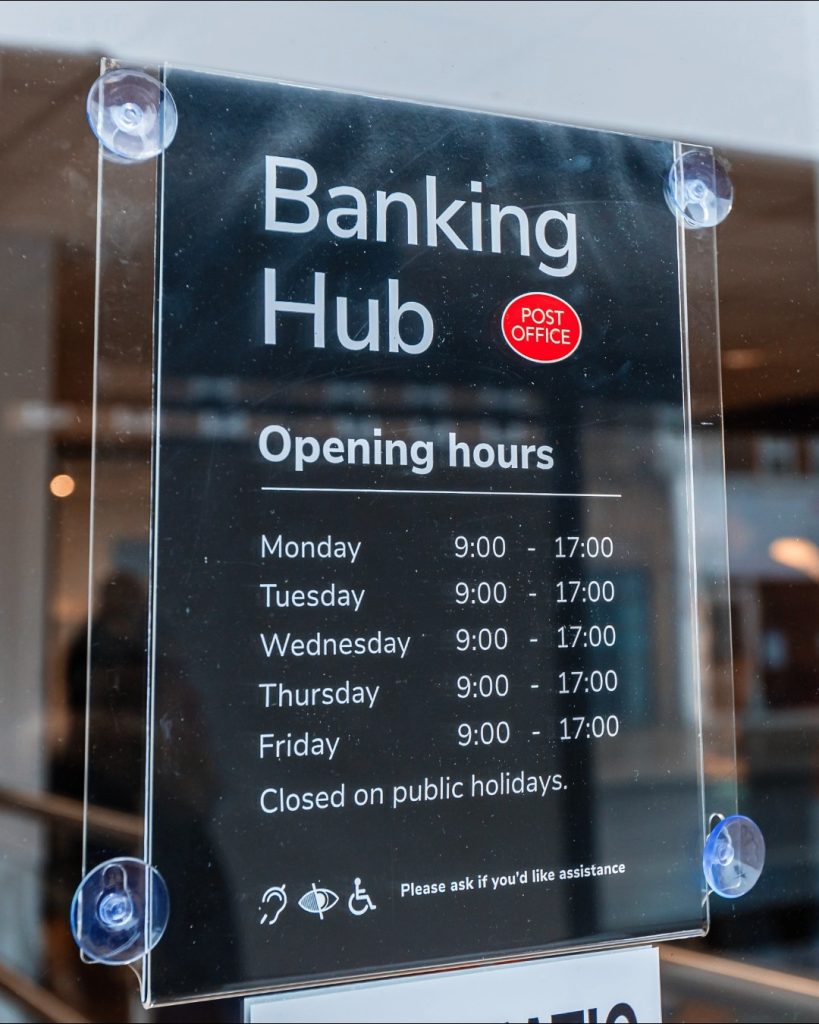
The temporary facility will operate Monday to Friday from 9:00am to 5:00pm and will be based inside the library while plans continue for a permanent banking hub in the town.
Jonathan Grimes, county councillor for Pembroke St Mary South and Monkton, said he was pleased with the progress being made.
He said the temporary hub “already looks fantastic” and would be a “really valuable addition for the community.”
The long-term location for the permanent Pembroke Dock Banking Hub is still being finalised by Cash Access UK, with the permanent site expected to open within the next 12 months.
The move comes amid growing concern over the loss of high street bank branches across Pembrokeshire and the impact this has had on elderly residents, cash-reliant businesses and people without easy access to online banking.
Banking hubs have been rolled out across the UK to plug the gap left by branch closures, offering shared facilities where customers from different banks can access essential services under one roof.
Photo caption: New banking hub: Jonathan Grimes and Paul Davies receive an update on the temporary Pembroke Dock Banking Hub at Pembroke Dock Library (Pic: Supplied).




Crime20 hours ago
Haverfordwest sex offender jailed over child abuse material
Registered offender used library computers to hide social media accounts A HAVERFORDWEST sex offender who used public library computers to...


Local Government20 hours ago
Milford Haven school redevelopment moves a major step closer
£141.6m scheme could transform education in the town A MAJOR step forward has been taken in the long-awaited Milford Haven...

Crime22 hours ago
Castlemorris man spared jail after knife confrontation over council tax debt
A CASTLEMORRIS man has avoided immediate custody after threatening enforcement officers with a knife during an early-morning visit over unpaid...


News2 days ago
Lifeboats and helicopter join search for missing person off Broad Haven
SEARCH teams carried out a major operation at Broad Haven after reports of a missing person. Little and Broad Haven...

News2 days ago
Multi-agency rescue after child falls on rocks while coasteering
Child airlift requested after four-metre fall near Lydstep A CHILD was rescued from rocks near Lydstep after falling around four...


News3 days ago
Police investigate ‘arson’ after vehicle fire spreads to property in Pembroke
A VEHICLE is believed to have been deliberately set alight during an alleged arson in Pembroke in the early hours...

News3 days ago
Four rescued after dinghy deflates off Pendine
FOUR people were rescued off Pendine on Wednesday evening after Tenby’s all-weather lifeboat was launched to reports of an inflatable...

News3 days ago
Hundreds attend major Diocese of St Davids gathering
Churches across West Wales urged to take message of faith back into their communities HUNDREDS of people gathered at Carmarthenshire...


News3 days ago
Vehicle destroyed in early morning fire in Pembroke
POLICE are investigating after a vehicle was destroyed in an early morning fire in Pembroke. The incident happened in the...


Climate4 days ago
Pembrokeshire named among Wales’ green economy hotspots
New analysis says the county’s net zero sector supports 1,600 jobs and accounts for 5.3% of local economic output PEMBROKESHIRE...
-

 Health3 days ago
Paul Davies warns health board over Withybush and Bronglais services
-
 Crime4 days ago
Police tip-off leads to drink-drive ban for Pembrokeshire pensioner
-

 Crime4 days ago
Steynton motorist banned after drink-drive collision
-
Crime3 days ago
Carmarthenshire man sent to Crown accused of 33 historic sexual offences
-

 Crime4 days ago
Warrant issued for man accused of taking wild goldfinches
-
 Crime4 days ago
Dock man given suspended prison sentence for third drink-drive offence
-

 Crime4 days ago
Dock motorist fined £1,600 after four speeding offences
-

 Business7 days ago
Plaid energy policy challenged by Labour after Adam Price interview