


News
Assembly debate on battling bovine TB

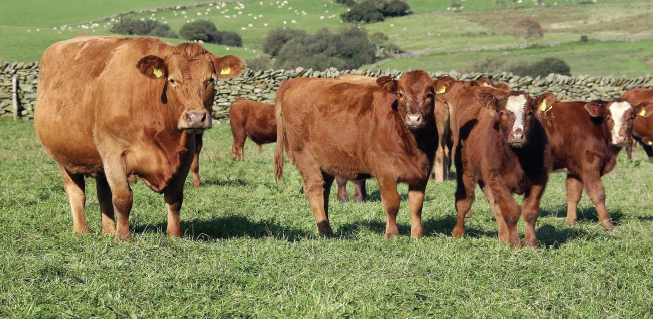

Over 8,100 a year: BTB cattle slaughtered in Wales
“THE TOTAL number of Welsh cattle slaughtered in 2015 due to bTB (bovine TB) has gone up by 27% from 2014 and now counts for 8,103 cattle slaughtered a year.
That’s 675 cattle per month, 169 per week and 24 cattle slaughtered every day.”
These figures were given by Glyn Roberts, President of the Farmers Union of Wales, in a briefing in advance of a debate on the issue in the Assembly on September 28.
Glyn Roberts went on to say that the official advice to the Welsh Government in 2011 estimated that vaccination was likely to lead to a net cost of £3.5m. On the other hand, culling badgers in the Intensive Action Area could be expected to save farmers and government £31,000. In the Assembly debate, a cross-party motion called on the Welsh Government ‘to take decisive action to tackle bovine TB by committing to use the most effective measures to control and eradicate bovine TB and ensuring that testing and movement restrictions are proportionate to the disease status of an area’. The debate was proposed by Plaid Cymru AMs Simon Thomas and Llyr Huws Gruffydd, Paul Davies of the Welsh Conservatives and Neil Hamilton of UKIP.
THE DEBATE

The fact that bovine TB remains a significant problem for farmers in Wales is not contested. Arguments do rage, however, about how badgers are implicated in the transfer of the disease and how best it can be controlled. Three elements of any strategy that are always hotly contested are the culling of badgers and the vaccination of cattle and/or badgers. Opening the Assembly debate, Simon Thomas, Shadow Cabinet Secretary for Energy, Climate Change and Rural Affairs for Plaid Cymru, explained that the motion was worded to reflect advice given to the Government by its own consultative group on animal health. The advice recommended a TB eradication programme that would be a combination of different measures aimed at all sources of TB, both those within the herd and those within the wildlife reserve. A different assessment was advised in areas where incidents were low, with rules made to proportionately reflect the status of the disease. Simon Thomas went on to quantify the impact of the disease in various areas of Wales, highlighting the cost of compensation to the taxpayer, around £100 million across the whole of Britain. He then raised the question of Brexit and what that would mean for EU continuing to accept beef and dairy produce from Wales, which does have an elevated level of TB in its cattle herd. Like most of the speakers who followed him, Simon Thomas highlighted the emotional distress that bovine TB and culling cattle meant for the farming community across Wales.
TO CULL OR NOT TO CULL
On the thorny issue of a badger cull, Labour’s Joyce Watson quoted Lord Krebs, one of the UK government’s most respected scientific advisers who has reported on the issue: “Badger culling is a sideshow. The only effective way to stop TB is stopping the spread from cattle to cattle by more testing and a much better test.” Responding to Joyce Watson, UKIP’s Neil Hamilton said: “The Krebs report has been criticised for many reasons on account of the weaknesses and anomalies in its strategies.” Based on a report produced by the British Veterinary Association, Hamilton proposed ‘that a targeted, effective and humane [badger] cull is going to have to be part of a long-term policy of eradication’. Conservative Mark Isherwood also cited the British Veterinary Association’s report: “They believe that slaughtering cattle that test positive for bovine TB is essential to control the disease in cattle, but has not been enough to get on top of the disease. Therefore, they also believe that badger culling in a targeted, effective and humane manner is necessary in carefully selected areas.
“They state that vaccination of both cattle and badgers should play a central role in any bovine TB eradication policy, but its current role should not be overstated or exaggerated.” Plaid Cymru’s Llyr Huws Gruffydd also backed a cull unequivocally: “The time has come for the Government here to be brave and to face the reality once and for all. We need a badger cull scheme as part of the solution to TB in Wales, and we need it now.”

UKIP’s Mark Reckless expressed his reservations about a badger cull, fearing that ‘for some, the idea of culling badgers will be a solution, if not a silver bullet. I think a great deal of belief is invested in it. Whereas, even if we were to go down the route of really significant and continual badger culling, it is not clear to me, at least, how much effect that would have on the problem, even if it were to have some, and I continue to study the evidence on either side of this’. UKIP’s Caroline Jones also spoke up against the idea of a badger cull as a panacea. She told the Assembly: “The most effective measures to control and eradicate the disease are increased biosecurity and vaccination, and not wiping out the entire badger population in the UK.”
Cabinet Secretary for Environment and Rural Affairs, Lesley Griffiths, responded to the debate for the government: “As Members will have seen from the latest business statement, I will be making an oral statement on a refreshed approach to TB eradication on October 18. Therefore, I don’t intend to go into too much detail today… I have made very clear my intention to refresh the TB programme in Wales, to ensure it’s robust and fit for purpose, and I will certainly not turn my back on the extremely important Welsh agriculture sector. I support the motion proposed today, and believe the only way to tackle this issue is to use a combination of the most appropriate and effective measures, proportionate to the different risk areas in Wales. All measures applied must be supported by firm evidence and veterinary risk assessment, focusing on all routes of transmission, not just transmission from wildlife reservoirs, which seems to receive all the attention.” Presiding Officer Elin Jones, Ceredigion’s AM, concluded the debate when the motion was agreed without objection.
A HOLISTIC APPROACH

Following the debate, Simon Thomas told The Herald: “Bovine TB continues to have a devastating effect on farming in Wales and remains one of the biggest threats to our cattle herd. It is the responsibility of the Welsh Government to respond to the situation and Plaid Cymru as the official opposition in Wales will scrutinise their actions. The debate was an opportunity to bring attention to this important issue. It is essential that we deal with this issue after the decision to leave the European Union.
“Farming unions have expressed their concern it could be used as a bargaining chip and used to hit Welsh dairy exports. The fact that the Welsh Government and Labour Assembly Members did not oppose the cross-party motion shows they realise we must have a credible strategy to control disease in the wildlife population. The Party of Wales believe that there needs to be a holistic approach to eradicating this disease and that any increased burdens on the movement and testing regime must be matched by policy measures which deal with the disease. Plaid Cymru recognises that tackling the disease within the wildlife population has to go hand in hand with animal testing and movement restrictions. The suspension of the badger vaccination trials within the intensive action area has highlighted how vulnerable a single approach to disease control within the wildlife population can be.”


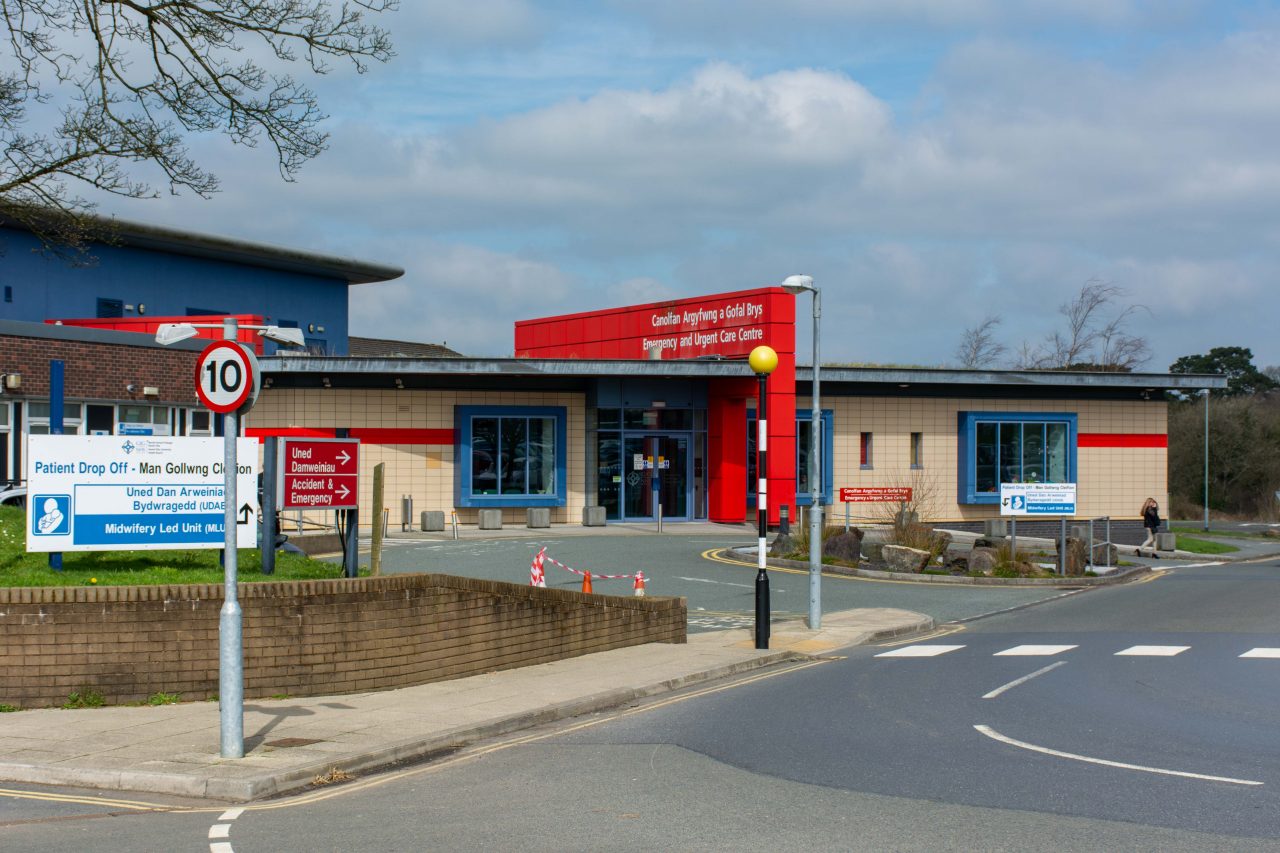
Patients urged to use NHS 111 as Withybush, Glangwili and Bronglais face continued strain
HYWEL DDA University Health Board has warned that its emergency departments remain under “significant pressure,” with particular concern at Withybush Hospital.
In a statement issued on Monday (Mar 2), the Health Board said A&E departments at Withybush, Glangwili and Bronglais hospitals were continuing to experience high demand.
Patients were urged to contact NHS 111 Wales for advice if they are unsure where to seek help, and to use community pharmacies and minor injury units for non life-threatening conditions.
The Health Board said: “Help us to help you get the right care in the right place.”
It added that those with serious or life-threatening emergencies should always call 999.
Delayed discharges impacting flow
The statement also highlighted pressures caused by delayed discharges, urging families to support relatives who are medically fit to leave hospital but are waiting for homecare or community health support.
Bed-blocking, often linked to shortages in social care packages, is widely acknowledged as a key factor in A&E overcrowding, as patients cannot be moved from emergency departments into inpatient wards.
When wards are full, ambulance handovers slow and patients can face long waits for assessment and treatment.
Withybush under particular strain
Withybush Hospital in Haverfordwest was singled out as being under “particular” pressure.
There were no signs yet that things were improving today (Tuesday).
The Health Board did not release figures for waiting times, ambulance delays, or bed occupancy rates in its statement.
However, it confirmed that demand remains high across west Wales.

Alternative services highlighted
The public were reminded that:
- NHS 111 Wales can provide 24-hour advice.
- Option 2 via 111 offers urgent mental health support.
- Community pharmacies can treat a range of common ailments without appointment.
- Minor injury units are available for non life-threatening issues.
The Health Board thanked residents for their support and cooperation during what it described as a challenging period.
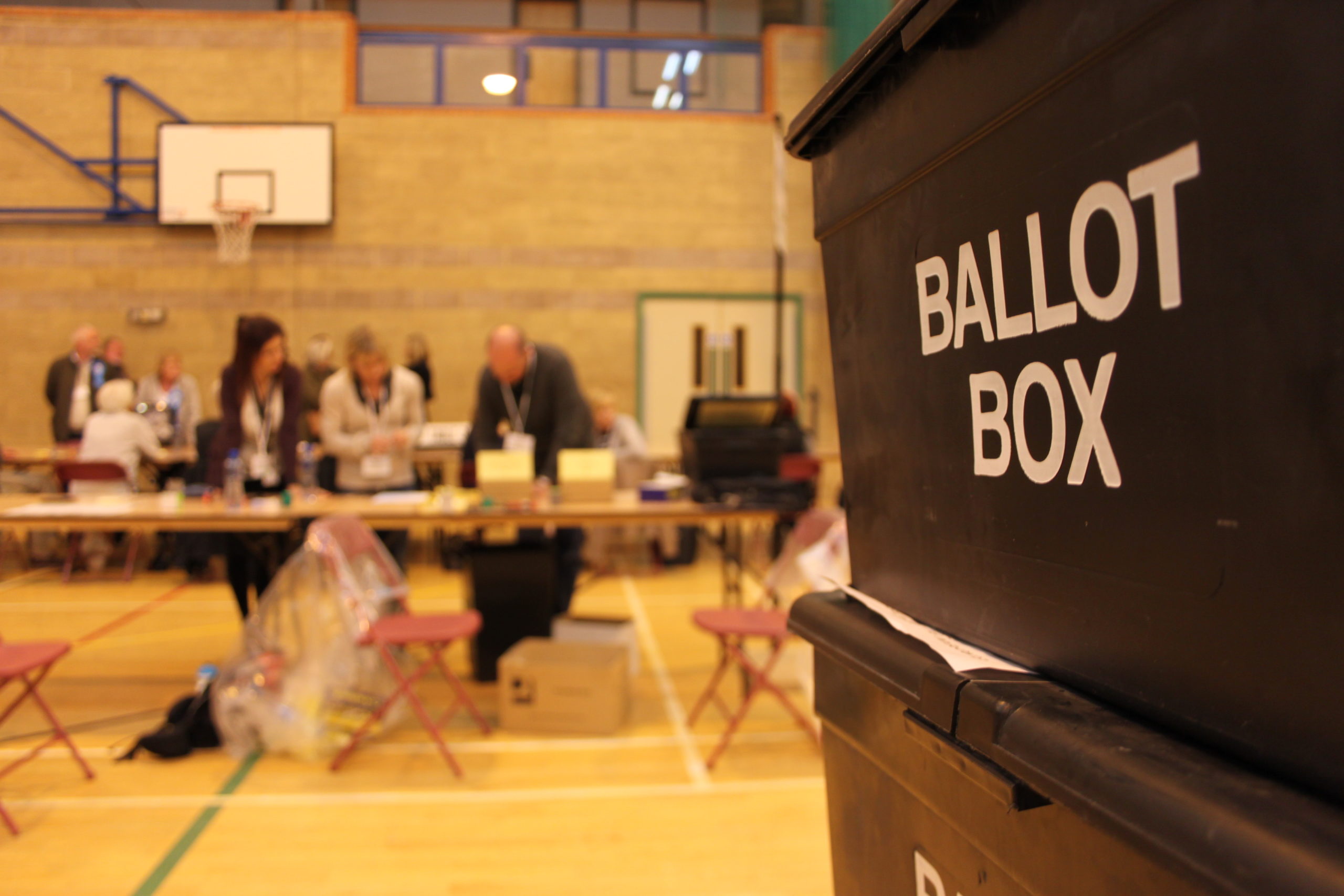
Vote.wales to host all essential election information for the Senedd election
A BRAND new voter information website, vote.wales, has been launched today (2 March) by the Electoral Management Board for Wales, part of the Democracy and Boundary Commission Cymru.
Vote.wales is the first website of its kind in Wales and tells people everything they need to know about the election, including advice about voting, information about the Senedd, and a postcode search function to provide tailored local information.
The website holds information about who can register to vote, how voting works in polling stations, as well as postal and proxy voting, and what accessibility support people can expect when they go to vote.
A postcode search function on vote.wales allows voters to see which of Wales’ 16 new constituencies they will be voting in, as well as telling them where their local polling station is located.
Once nominations have closed, the website will also inform voters which political parties and independent candidates are standing in their area.
The website explains how the Senedd works and what it does, highlighting which policy areas are devolved to the Senedd and which remain the responsibility of the UK Parliament. It also sets out the difference between the Senedd and the Welsh Government.
Further developments are expected in the coming weeks. In a first for Welsh elections, voters will soon be able to access detailed accessibility information about their local polling station. Political parties and independent candidates will also be able to publish their election leaflets on the platform, so voters can see not only who is standing but what they stand for.
Following the election, vote.wales will publish the full election results.
Commenting on the launch, Shereen Williams MBE OStJ, Chief Executive of the Democracy and Boundary Commission Cymru, said:

“An important election is coming on 7 May, and vote.wales is the place to go to find out all about it.
“We know that people across Wales are looking forward to making their voices heard at this election, but many people don’t feel they have all the information they need before they go and vote.
“If you have questions about this election, then head to vote.wales. Voting confidence starts here.”

THE POLICE investigation into the serious incident which happened on Felindre Road, Pencoed, in the early hours of Saturday, February 28, is now being treated as murder.
We can confirm the 58-year-old man who was critical in hospital passed away earlier today – his family are being supported by specially trained officers at this time, and our thoughts are with them.
The Major Crime Investigation Team at South Wales Police is now leading the investigation, and the 26-year-old man arrested remains in police custody.
Detectives investigating the incident are appealing to anyone who may have been in the vicinity of Felindre Road, Pencoed, between midnight and 5am on Saturday to get in touch.
Motorists are urged to their check dashcams for any footage which may be relevant.
Detectives would like to speak to two potential witnesses – two elderly people who are believed to have walked along Felindre Road between 12.30am and 4am on Saturday.
Detective Inspector Graham Williams, from the Major Crime Investigation Team, said: “Sadly, a 58-year-old man has died in hospital following the incident on Saturday morning. Our thoughts are with his family at this time and they are being supported. I would like to reassure the local community that we have somebody in custody and are not looking for anybody else at this time. I thank everyone in the community who has helped our investigation so far, and I urge anyone with information which may be relevant to our investigation – particularly the two potential witnesses – to get in touch.”
If anybody does have information, they should contact 101 quoting reference 2600063517. Alternatively, they can submit information via the Major Incident Public – https://mipp.police.uk/operation/62SWP26C30-PO1

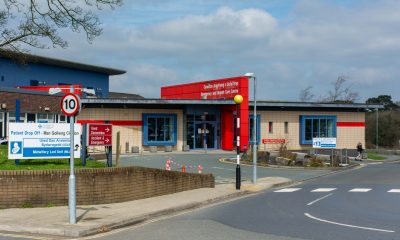

Health38 seconds ago
Hywel Dda warns of ‘significant pressure’ as A&E departments remain packed
Patients urged to use NHS 111 as Withybush, Glangwili and Bronglais face continued strain HYWEL DDA University Health Board has...


News16 hours ago
War stops Qatar gas: Milford Haven LNG supplies disrupted
UK energy security concerns grow after shutdown at major export facilities ENERGY bills in the UK could rise sharply after...


Community20 hours ago
Martyn Butler dies aged 71 months after Haverfordwest visit
Co-founder of Terrence Higgins Trust attended local plaque unveiling honouring friend Terry Higgins A LEADING figure in the UK’s response...

Crime23 hours ago
Nine deny Class A drugs conspiracy as case set for Crown Court trial
Eight remanded in custody as four-week trial fixed for May 18 NINE people have denied conspiring to supply Class A...


Community23 hours ago
No asylum seekers housed in west Wales hotels, latest Home Office figures show
WEST Wales currently has no asylum seekers being housed in hotels, according to the latest figures published by the Home...


Community4 days ago
St David’s Day parade brings colour and celebration to Haverfordwest
HAVERFORDWEST town centre was a hive of activity today (Friday, Feb 27) as hundreds of children from schools across Pembrokeshire...


News5 days ago
Hoax 999 call sparks massive lifeboat and helicopter rescue — man arrested
Emergency services diverted from real incidents after false report off south Wales coast A MAJOR sea rescue operation involving three...


Crime5 days ago
St Dogmaels man jailed over hundreds of indecent images
Previous convictions for similar offences revealed to court A 57-YEAR-OLD man from St Dogmaels has been jailed for two-and-a-half years...


Health5 days ago
Petition against hospital service changes surges past 6,000 signatures
Public response now far exceeds health board consultation figures A PETITION calling for urgent Welsh Government intervention over services at...

Crime6 days ago
Milford Haven pensioner admits sexually assaulting two shop workers
76-year-old touched victims and kissed one on the neck, court hears A MILFORD HAVEN man has admitted sexually assaulting two...
-

 News7 days ago
Labour and Plaid criticised over £1.2m anti-racism ‘metaverse’ project
-

 Health7 days ago
Health services row escalates as MSs demand action over Withybush and Bronglais
-

 Politics7 days ago
Farage vows to strip Cardiff’s ‘City of Sanctuary’ status ahead of manifesto launch
-
 Business6 days ago
Council reviewing complaints over Computer Solutions Wales as concerns continue
-

 Health6 days ago
Petition calling for Withybush intervention nears 5,000 signatures
-
 News7 days ago
Plaid Cymru drug decriminalisation policy under spotlight ahead of Senedd election
-
Crime6 days ago
Milford Haven pensioner admits sexually assaulting two shop workers
-

 News6 days ago
Welsh Government criticised after Russian-linked drone image used in defence announcement