


News
Pizza ‘contained staples’ court told


 THE OWNER of a Milford Haven takeaway restaurant has been fined a total of £750 by Magistrates after admitting three separate food hygiene offences.
Seddat Mert of USA Fried Chicken was also ordered to pay £1,000 costs to Pembrokeshire County Council which brought the case to Haverfordwest Court on Monday.
The court heard that in April last year the Council received a complaint regarding a pizza purchased from the premises at 10 Charles Street which contained staples. As a result, a full inspection of the property was conducted by officers from the Council’s Public Protection Division.
During the search they found evidence of food not being protected against contamination – including uncontrolled storage of staples within the kitchen – and unclean structures and equipment.
After the hearing, the Council’s Cabinet Member for Environmental and Regulatory Services, Cllr Huw George, said the Authority would not hesitate to take action where serious contraventions of the legislation were discovered by authorised officers.

“Food businesses must take all necessary measures to protect food from contamination risks” he stressed.
Councillor George added that as a result of the inspection at the time, the premises scored nil (‘urgent improvement necessary’) on the National Food Hygiene Rating Scheme.
Magistrates also ordered a victim surcharge of £75 to be levied.

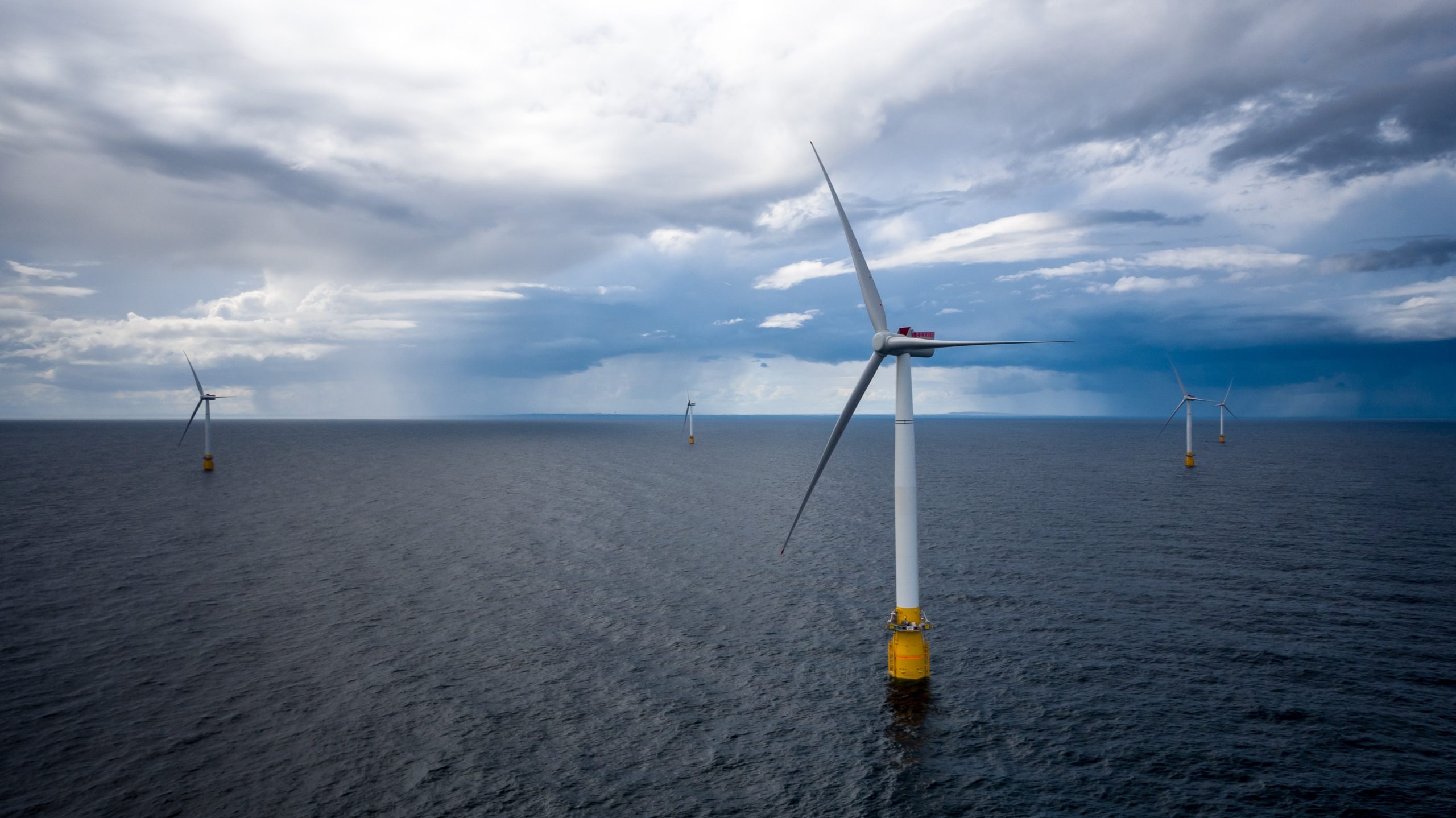
Port Talbot secures £64m backing as questions grow over Pembrokeshire’s share of offshore wind boom
MILFORD HAVEN’S role in Wales’ clean energy future is under intense scrutiny after a major government-backed wind project placed Port Talbot firmly at the centre of the Celtic Sea boom.
The UK Government has confirmed up to £64 million in funding to transform Port Talbot into the UK’s first dedicated floating offshore wind hub—unlocking up to 4.5GW of capacity and thousands of jobs.
But as the scale of the investment becomes clear, a critical question is now being asked across Pembrokeshire: what does Milford Haven actually get?

Freeport partnership — but unequal detail
The UK Government has made clear the scale of its backing for Port Talbot, describing it as central to its “clean power mission.” The £64 million grant will fund design and engineering work to develop a specialist floating wind port, expected to unlock at least 4.5GW of projects in the Celtic Sea—enough to power around 6.5 million homes. Officials say the scheme could support up to 5,000 jobs and attract more than £500 million in private investment.
Energy Secretary Ed Miliband said: “With its deep waters and strong winds, we are supporting Wales to storm ahead in floating offshore wind – a pioneering industry that will support thousands of good jobs, drive growth across the country and unlock the next generation of clean, homegrown power.”
Both Port Talbot and Milford Haven form part of the Celtic Freeport, a flagship project intended to drive growth across South West Wales.
Yet while Port Talbot has secured clear backing as the main construction and assembly hub, there has been no detailed explanation of Milford Haven’s role.
That lack of clarity is raising concern locally.
Milford Haven is one of the UK’s most strategically important energy ports, handling a significant share of the nation’s gas imports and boasting deep-water access ideal for large-scale offshore operations.

For many, it appeared an obvious candidate to play a central role in floating wind.
WHY THIS MATTERS
- Floating wind in the Celtic Sea could power millions of homes
- More than £500 million in private investment expected
- Up to 5,000 jobs linked to port and supply chain activity
- Wales could attract tens of billions in long-term renewable investment
- Early decisions will determine where those jobs are based
‘Value will go elsewhere’
The announcement has also triggered political criticism over how much economic benefit Wales will actually retain.
The Welsh Liberal Democrats have warned that key components for the turbines are likely to be manufactured abroad, with only assembly taking place in Port Talbot.

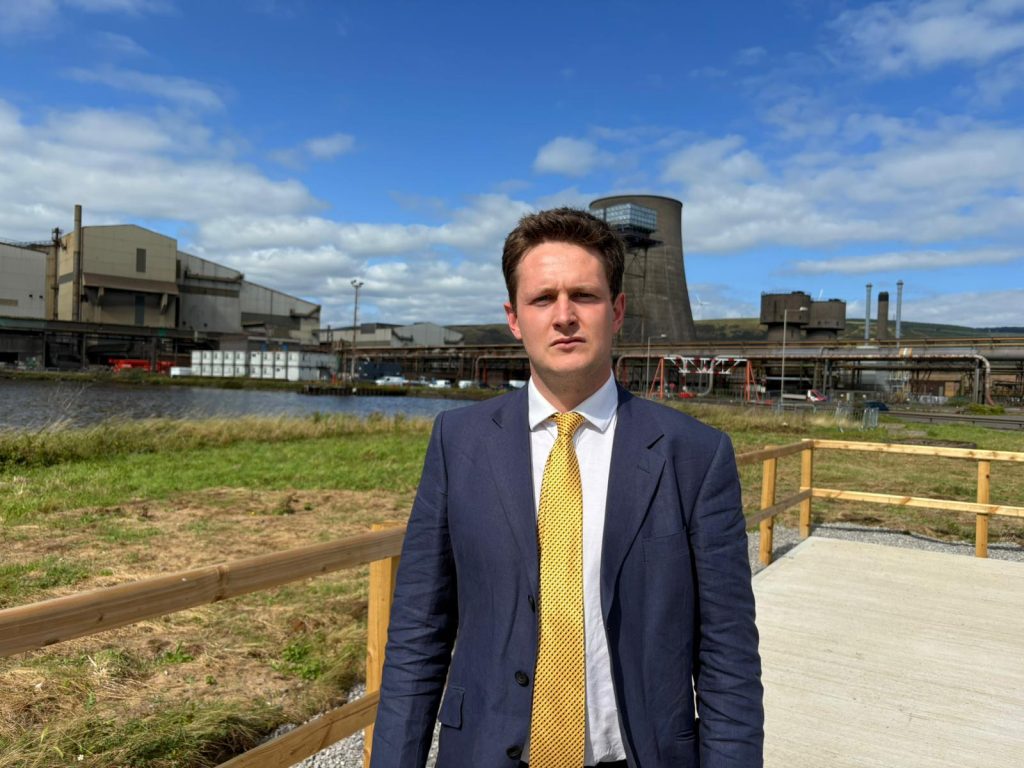
Welsh Liberal Democrat MP David Chadwick said: “Any job creation is a positive step for Port Talbot, but Labour need to be honest about what this actually contains.
“These turbines are set to be built using imported steel and only assembled locally, not manufactured. This means much of the real economic value will still go elsewhere.”
Major projects already linked to Milford Haven
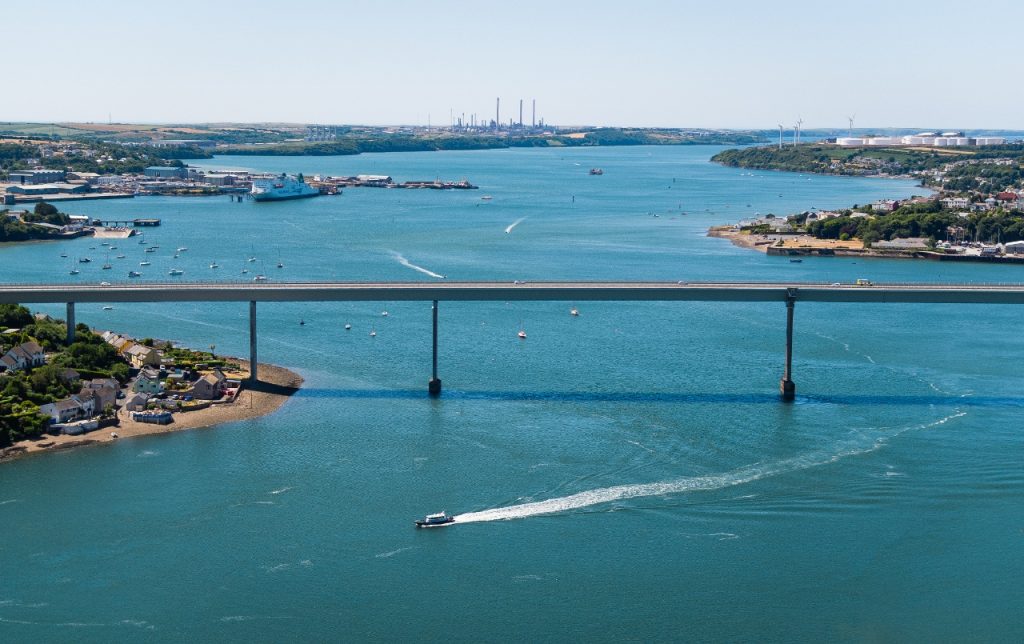
Despite the uncertainty, significant clean energy investment is already being directed into Milford Haven itself.
A £50 million green hydrogen project within the Freeport tax site is set to begin construction this year, producing low-carbon hydrogen using renewable electricity—much of it expected to come from offshore wind.
UK Energy Minister Michael Shanks said the investment was “crucial in de-carbonising industry, driving investment, boosting our energy security and creating hundreds of jobs in our industrial heartlands.”
Welsh Secretary Jo Stevens added: “This is a huge milestone… which will create jobs and help grow the Welsh economy.”
Meanwhile, a major 1.5GW floating wind project in the Celtic Sea has already secured an Agreement for Lease, with Welsh Government backing.
Economy Secretary Rebecca Evans said: “These projects will create thousands of skilled jobs and help secure our energy independence for generations to come.”
Labour promises jobs — but few specifics
On Friday (Mar 27), Eluned Morgan is set to visit the Port of Milford Haven, where she will pledge to bring more jobs to West Wales through clean energy investment.
She is expected to say the region has “a wealth of opportunity” in the sector and promise that rural communities will benefit from the transition.
However, no specific commitments have yet been made about what proportion of offshore wind activity will be based in Pembrokeshire.
What could Milford Haven secure?
Industry expectations suggest Milford Haven could play a key role in:
- Servicing and maintenance vessels
- Crew transfer operations
- Storage and logistics for turbine components
- Long-term operations bases for offshore wind farms
The Herald understands that discussions around Milford Haven’s role in operations and maintenance have been ongoing for several years, but no formal allocation of work has yet been confirmed.
In contrast, Port Talbot has already secured early-stage government backing and a clearly defined role in construction and assembly.
Opportunity — but no guarantees
Floating offshore wind development in the Celtic Sea is expected to accelerate later this decade, with the first large-scale projects likely to come online in the early 2030s.
Supporters argue the expansion of offshore wind is key to reducing long-term energy bills and protecting the UK from volatile global fossil fuel markets.
Milford Haven’s location, infrastructure, and experience in handling large-scale energy logistics place it in a strong position.
But without firm agreements, there is no certainty over how much work will ultimately come to the area.
With billions of pounds expected to flow into the Celtic Sea over the next decade, early decisions could shape the economic balance of the region for a generation.
A defining moment for the Haven
For Milford Haven, the stakes could hardly be higher.
The port has long been central to the UK’s fossil fuel economy.
Floating offshore wind represents the next chapter—but whether Pembrokeshire becomes a key player or a supporting act remains unresolved.
As political parties set out competing visions ahead of the next Senedd election, local leaders are now under pressure to secure clear commitments.
The opportunity is real.
The investment is coming.
The only question now is whether Pembrokeshire secures its share—or watches it land elsewhere.

THE GEOLOGICAL SOCIETY OF LONDON awarded Dr Emma Watts, a Post-doctoral Researcher in Tephrochronology in the Department of Geography at Swansea University, a prestigious medal in recognition of outstanding research.
Dr Watts’ work focuses on reconstructing the eruptive histories of volcanoes using a combination of proximal and distal field data, tephrochronology, geochemistry and Geographic Information Systems (GIS). Dr Watts’ research helps scientists better understand past volcanic activity, improve knowledge of how volcanic systems evolve over time, and how plate tectonics influences these volcanic processes.
The President’s Awards recognise early-career geoscientists who demonstrate exceptional promise and are considered to have the potential to become future leaders in their field.
Dr Emma Watts will receive the award at a formal presentation ceremony at Burlington House in London on 17 June 2026 as part of the Society’s annual President’s Day celebrations.
On receiving the Medal, Dr Watts said: “Winning a President’s Award as a volcanologist is something I’m deeply honoured by. Our field relies so much on collaboration, persistence, and a shared fascination with how volcanoes shape the Earth. Being recognised by the Geological Society of London connects my work to a long tradition of scientists who have advanced our understanding of these powerful systems.”

“This award reflects not just my own efforts, but the guidance of mentors, the support of colleagues, and the collective work that goes into every dataset, field campaign, and model. It’s a reminder of why I chose volcanology in the first place and a motivation to keep contributing to the science and community with integrity, curiosity, and enthusiasm.”
The President’s Awards were established in 1980 by Professor Perce Allen and are awarded annually at the discretion of the incumbent President of the Geological Society. Each award is valued at £250.
Founded in 1807, the Geological Society of London is the UK’s national society for geoscience and one of the oldest geological societies in the world. It represents a global community of more than 12,000 Earth scientists, including geologists, geophysicists, and planetary geoscientists.
The Society aims to advance and share knowledge of planet Earth and beyond for the benefit of humanity. It does this by supporting Earth scientists, growing interest in the natural world, and connecting science, the profession and society.

Lib Dems warn jobs boost may be limited as turbines set to be built abroad
MILFORD HAVEN’S role in Wales’ flagship floating wind project remains unclear after new criticism emerged over the Port Talbot investment.
The UK Government has announced £64 million to turn Port Talbot into the UK’s first floating offshore wind hub in the Celtic Sea, a move expected to support thousands of jobs.
However, fresh political concerns have now been raised over how much of that economic benefit will actually stay in Wales.
The Welsh Liberal Democrats have warned that the project risks becoming an assembly operation rather than a full industrial supply chain.
David Chadwick MP said: “Any job creation is a positive step for Port Talbot, but Labour need to be honest about what this actually contains.

“These turbines are set to be built using imported steel and only assembled locally, not manufactured. This means much of the real economic value will still go elsewhere.”
Milford Haven still waiting for clarity
The announcement has also left unanswered questions about Milford Haven’s role within the Celtic Freeport.
While Port Talbot has secured clear backing as the main construction hub, there has been no detailed explanation of what activity will be based in Pembrokeshire.
That lack of detail is significant.

Milford Haven already has deep-water access, established energy infrastructure, and a long-standing role in UK energy security—factors which many expected would place it at the centre of offshore wind operations in the Celtic Sea.
Jobs — but where is the value?
The UK Government says the project could unlock over £500 million in private investment and support up to 5,000 jobs.
But critics argue that if key components are manufactured overseas, Wales risks missing out on the higher-value parts of the supply chain.

That raises a broader concern for Pembrokeshire: whether Milford Haven will secure meaningful long-term work, such as maintenance, servicing, and logistics—or be left with only limited involvement.
Energy transition moment
For Milford Haven, the stakes are high.
The port has long been a cornerstone of Britain’s fossil fuel infrastructure.
Floating offshore wind represents the next phase of that story—but exactly how big a role the Haven will play is still to be defined.
With billions in investment expected in the Celtic Sea, local leaders are now likely to push for clearer commitments to ensure Pembrokeshire is not left behind in the transition.



Health4 hours ago
GP crisis driving NHS pressure in Wales, Senedd report warns
Falling GP numbers and funding gaps blamed for worsening hospital delays THE NHS crisis highlighted earlier this week is being...


News22 hours ago
Reform reveals west Wales candidates for Senedd battle
Monkton councillor tops Pembrokeshire list as party confirms Carmarthenshire names and includes Haverfordwest councillor in unwinnable Swansea spot REFORM UK...


Health1 day ago
Clash over Withybush Hospital services as Paul Davies challenges First Minister
A HEATED exchange in the Senedd has laid bare growing tensions over the future of hospital services in west Wales....


Crime2 days ago
Police stop car in Pennar as three arrested in drugs investigation
Suspected drug driver report leads to major police response and multiple arrests DRAMATIC scenes were reported in Pennar on Monday...


Business2 days ago
New pilot vessel Llanion arrives at Milford Haven
State-of-the-art 22-metre craft marks reset after £3.6m pilot boat controversy THE PORT OF MILFORD HAVEN has taken delivery of a...


Community2 days ago
Sycamore Gap legacy tree to take root in Pembrokeshire landscapes
A SAPLING grown from the famous Sycamore Gap tree is set to become part of Wales’ protected landscapes — with...


Business3 days ago
Could Primark be coming to Haverfordwest? Major retailer in talks for former Wilko site
Council confirms advanced discussions as speculation grows over high street boost HAVERFORDWEST could soon see a major high street revival,...


Business3 days ago
Rail investment ‘could unlock 40,000 jobs and £11bn for Wales’ says new report
RAILWAY stations across Wales could help unlock around 40,000 jobs and more than £11 billion for the economy by 2036,...


Local Government3 days ago
Milford Haven set for £200m investment with schools, leisure centre and rail upgrade
Council outlines major plans for town with backing from Welsh Government MILFORD HAVEN is set for a major transformation with...


Community4 days ago
Broad Haven volunteers secure ‘national asset’ status for nature reserve
A SMALL stretch of woodland and former opencast coal mine has been transformed into a nationally recognised biodiversity site, in...
-

 Crime6 days ago
Pembroke man remanded in custody over knife threat, assault and damage allegations
-

 Crime6 days ago
Broad Haven man remanded in custody over sexual harm prevention order breach
-

 Crime6 days ago
Publican jailed for six years for supplying cocaine and cannabis
-

 Community7 days ago
Former Neyland police officer Louis Knight dies aged 83
-

 Cymraeg7 days ago
National Eisteddfod unveils legacy framework to boost Welsh language and communities
-

 Business7 days ago
Plans to rebuild arson hit building at farm with one of largest sheep flocks in Wales
-
 Business7 days ago
Rosemarket Dawn Till Dusk golf club 18-hole plans lodged
-

 Farming7 days ago
Wales sees progress in bovine TB fight as debate over badger role continues