


Farming
HCC welcomes BVD eradication progress

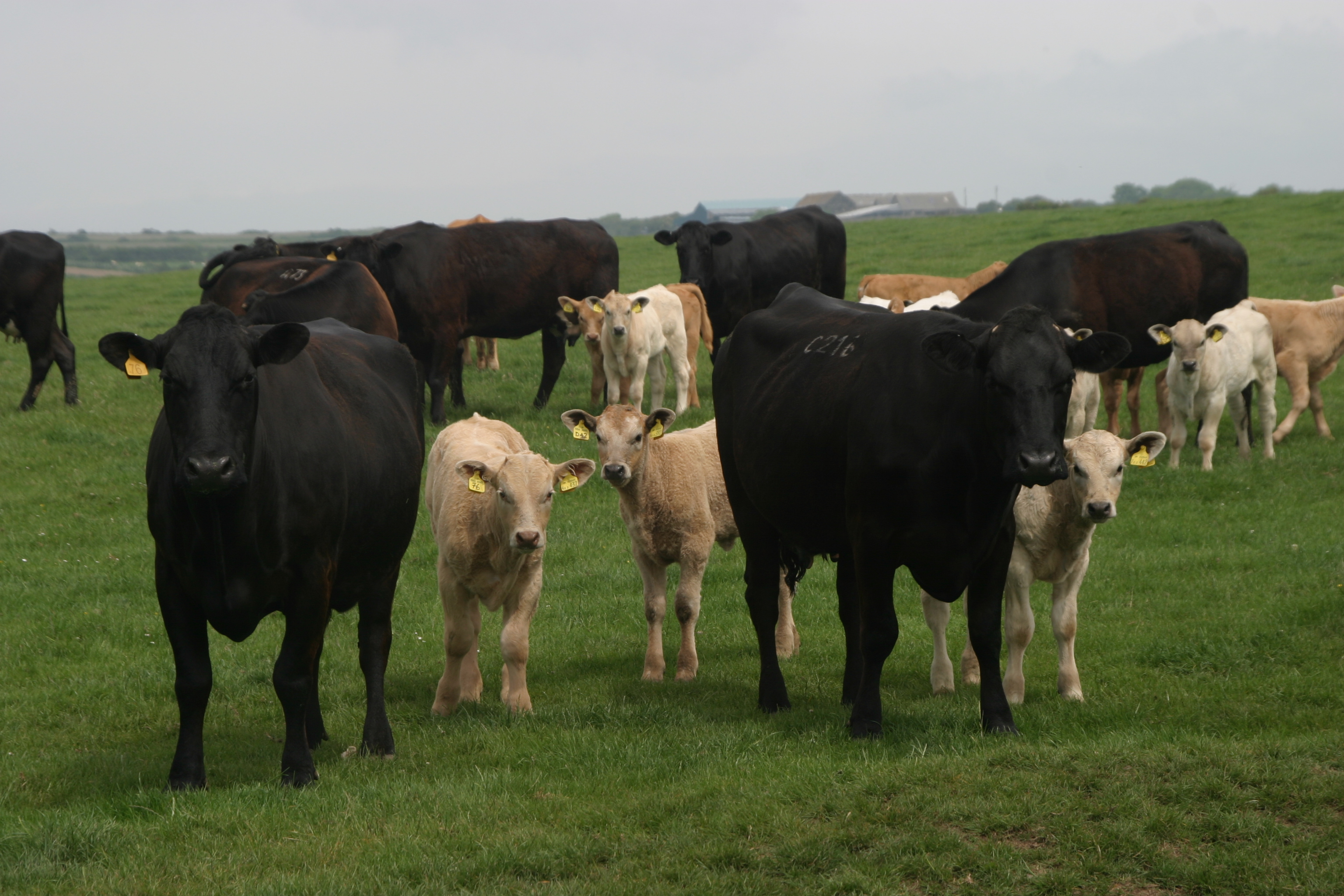
A MEETING of the partners in the Wales-wide Gwaredu BVD programme, held at Hybu Cig Cymru – Meat Promotion Wales (HCC), has heard that 7,000 farms in Wales are now part of the programme.
The news has been welcomed by the Welsh red meat industry, although HCC is encouraging any farmers who haven’t yet taken advantage of the project to sign up for free herd testing before the end of the project in 2020.
BVD (Bovine Viral Diarrhoea) suppresses the immune system of cattle, leading to other health problems and reduced fertility. As well as impacting on animal health, it is estimated that a persistent BVD infection could cost the average Welsh beef herd £4500 a year.
The three-year £10m Gwaredu BVD programme is available to all beef and dairy farms in Wales and is managed by Coleg Sir Gâr in partnership with the Royal Veterinary College, with HCC and other industry bodies represented on the project planning board.
Dr Neil Paton, of the Royal Veterinary College, said; “This is an important opportunity for the industry to cooperate and remove a disease for the good of the industry as a whole. Farmers and vets should take this opportunity at all levels of the supply chain to ensure that their farms are BVD free through this project.”

HCC’s Flock and Herd Health Executive, Dr Rebekah Stuart, said, “It was good to hear that the Gwaredu BVD project is progressing well, with over 7,000 farms now involved in the programme.
“The main mode of transmission of BVD on farms is through persistently infected livestock,” explained Rebekah. “These animals are born with the condition, and spread it throughout their lives.”
“With pro-active measures such as screening, available through this programme, we can greatly reduce this disease and its cost to the industry,” she said, “although time is running out for farmers to get involved.”
Rebekah added: “Dealing with persistent diseases such as BVD is one of the most effective steps we can take to improve the profitability and sustainability of Welsh livestock production. It’s a high priority for HCC; the Gwaredu BVD programme complements our new Flock and Herd Health Planning project, which will promote pro-active animal health management on farm.”

The first 88 farms have now been recruited onto HCC’s health planning project, which is part of its Red Meat Development Programme and is supported by the Welsh Government Rural Communities – Rural Development Programme 2014 – 2020, which is funded by the European Agricultural Fund for Rural Development and the Welsh Government.

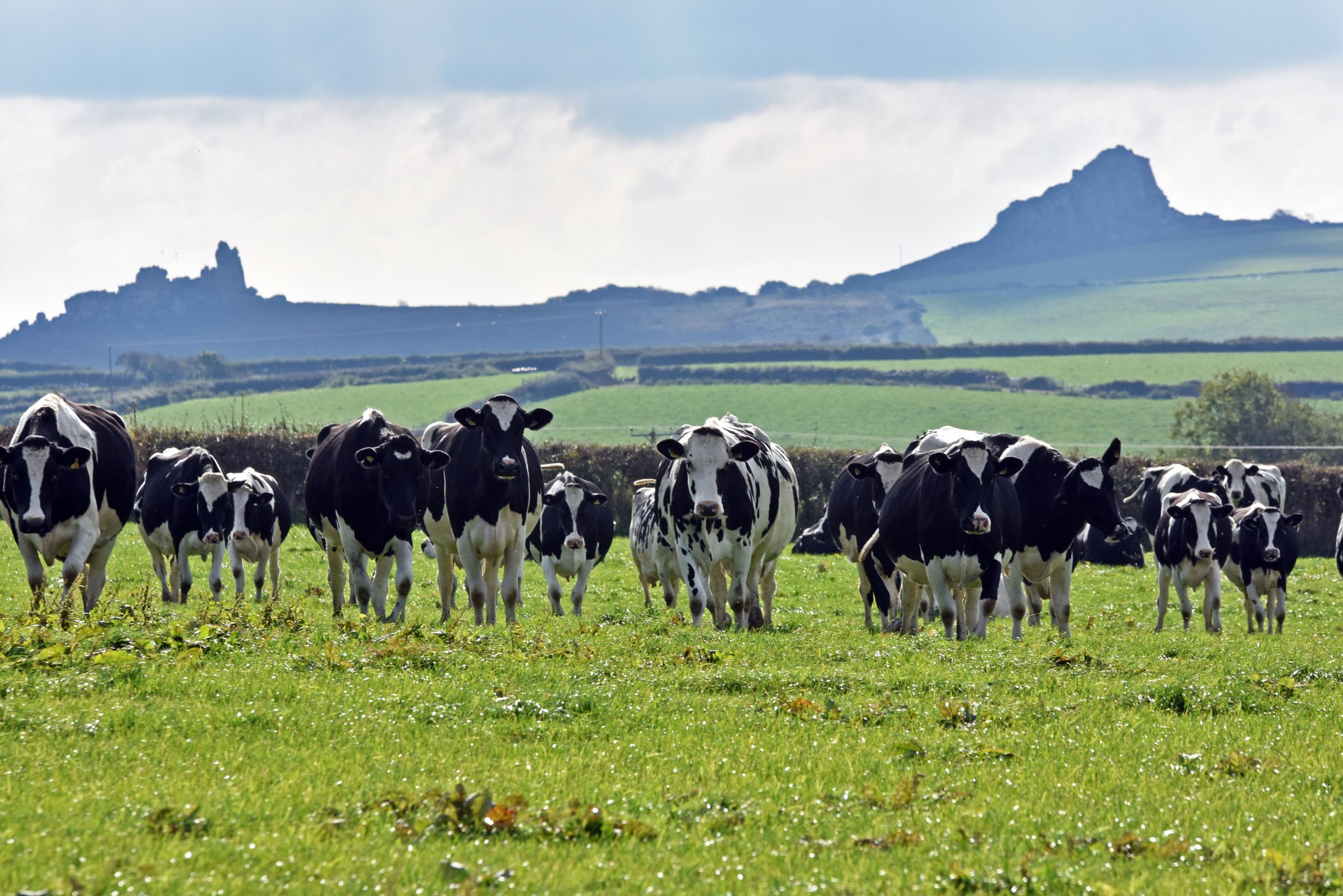
Average pasture and arable land prices fell slightly during the second quarter, although demand remains strong for high-quality farms and land with development potential.
FARMLAND values across Wales softened slightly during the second quarter of 2026 as higher costs and economic uncertainty continued to weigh on the agricultural sector.
The latest Farmland Market Update from property consultancy Carter Jonas found that average pasture land values fell by 0.4% during the quarter to £7,750 an acre.
Average arable land values declined by 0.3% to £9,467 an acre.
Compared with the same period last year, arable land values were down 2.4%, while pasture land values had fallen by 1.9%.
The figures suggest a gradual cooling of the market following the sustained growth recorded between 2021 and 2024.
However, Carter Jonas said the headline figures did not tell the full story because a significant number of farmland transactions continued to take place privately and away from the open market.
Demand also remains strong for high-quality, well-located farms, larger commercial units and land offering investment or development potential.
Hugh O’Donnell, rural partner at Carter Jonas, said: “The volume of farmland brought to market has been lower in the first half of the year, but acreage alone only tells part of the story.
“We continue to see a significant number of transactions taking place, underlining the ongoing appeal of well-located, high-quality farmland as a long-term investment.
“Buyer demand remains resilient, but understanding local market conditions and having access to off-market opportunities is increasingly important in a more selective market.”
The modest decline in values comes during a challenging period for farming businesses, with elevated input costs and volatile commodity prices continuing to squeeze profit margins.
These pressures have reduced the purchasing power of farmers seeking to expand their holdings.

Carter Jonas said there had nevertheless been some positive economic and policy developments during recent months.
Inflation fell from 3.3% in March to 2.8% in April and May, while the reopening of SFI26, the relaunch of Capital Grants and publication of the Farming Roadmap had provided greater clarity for parts of the sector.
Uncertainty remains, however, over the longer-term direction of agricultural support and future government spending and taxation policies.
Sophie Davidson, research associate at Carter Jonas, said the arrival of a new Prime Minister had introduced another element of uncertainty.
She said: “While it is unlikely to trigger significant short-term changes to agricultural policy, the potential for shifts in spending priorities, taxation and rural policy direction may encourage a ‘wait and see’ approach among some vendors and purchasers.”
Ms Davidson added that the strongest parts of the market continued to perform well despite a smaller and increasingly selective pool of buyers.
“Larger commercial farming units and investment opportunities remain scarce and continue to attract strong interest, while strategically located land with development potential is also seeing robust demand,” she said.
“What we’re seeing is a selective market where targeted demand continues to support values despite a thinner buyer pool.”
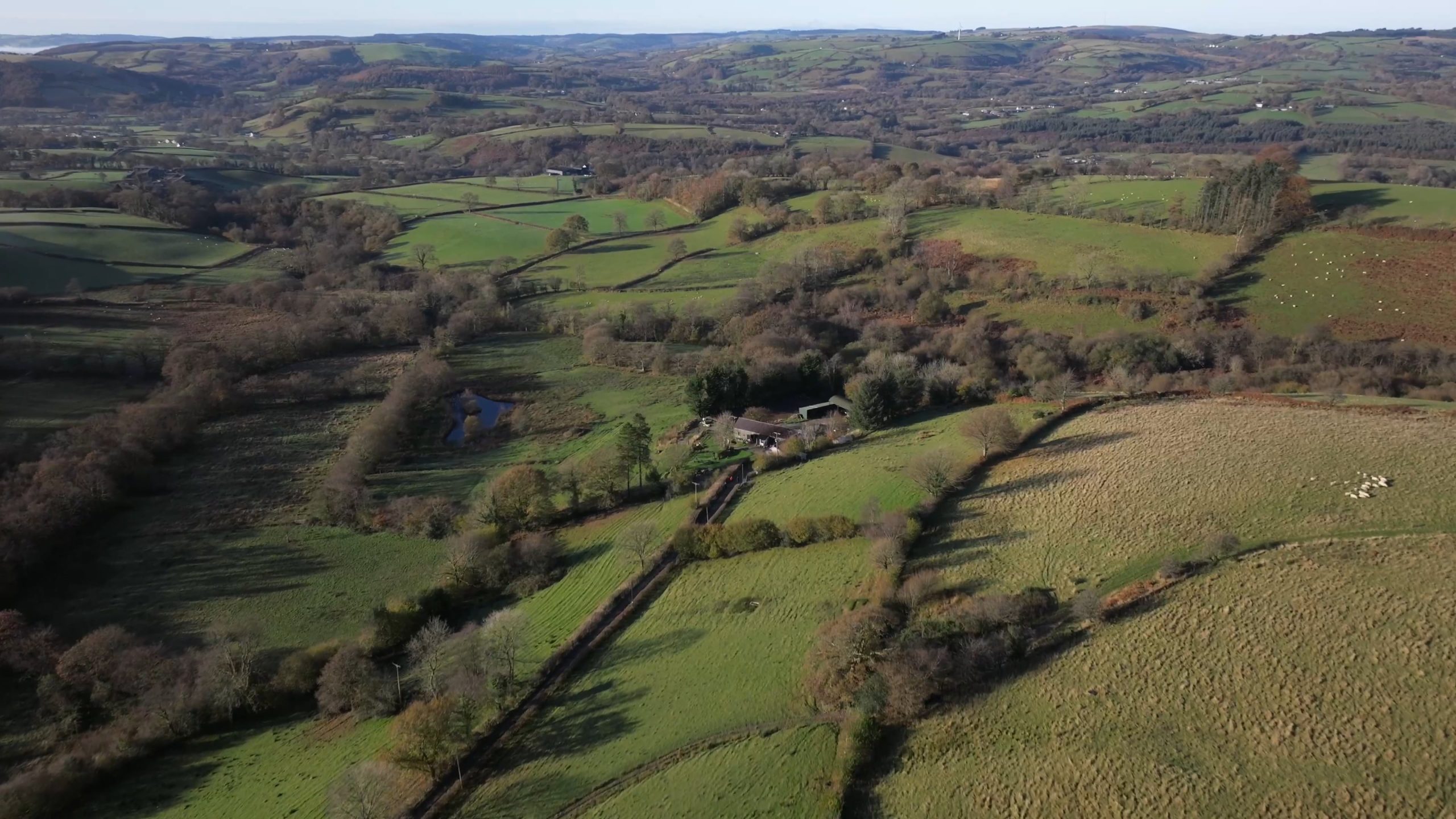
Pasture and arable values fall slightly amid uncertainty over taxation, agricultural policy and rural spending
FARMLAND values in Wales have softened for the second consecutive quarter, although demand remains strong for high-quality farms, development land and larger commercial holdings.
The latest Farmland Market Update from property consultancy Carter Jonas shows that the average value of Welsh pasture land fell by 0.4% during the second quarter of 2026 to £7,750 an acre.
Average arable land values declined by 0.3% to £9,467 an acre.
Compared with the same period last year, arable land values are now 2.4% lower, while pasture land prices have fallen by 1.9%.
The figures suggest the Welsh farmland market is cooling gently following several years of sustained price growth between 2021 and 2024.
However, Carter Jonas said the published figures did not reveal the full extent of activity, as a significant proportion of farmland transactions were taking place privately and without being openly advertised.
The consultancy said fewer farms and parcels of land had been publicly brought to market during the first half of the year, while buyers had become more selective about location, land quality and commercial potential.
Hugh O’Donnell, rural partner at Carter Jonas, said: “The volume of farmland brought to market has been lower in the first half of the year, but acreage alone only tells part of the story.
“We continue to see a significant number of transactions taking place, underlining the ongoing appeal of well-located, high-quality farmland as a long-term investment.
“Buyer demand remains resilient, but understanding local market conditions and having access to off-market opportunities is increasingly important in a more selective market.”
The report comes as Welsh farmers continue to face uncertainty over agricultural support, succession planning, inheritance tax changes and the future direction of rural policy.
Carter Jonas said the appointment of a new Prime Minister had added another element of uncertainty for buyers and sellers considering major transactions.

Sophie Davidson, research associate at Carter Jonas, said: “While it is unlikely to trigger significant short-term changes to agricultural policy, the potential for shifts in spending priorities, taxation and rural policy direction may encourage a ‘wait and see’ approach among some vendors and purchasers.”
Despite the modest fall in average values, demand remains strong for land offering clear agricultural, investment or strategic benefits.
Larger commercial farms remain scarce and continue to attract significant interest, while land close to towns and villages, or with potential for housing, renewable energy or other development, is also commanding attention.
Ms Davidson added: “Strategically located land with development potential is seeing robust demand.
“What we’re seeing is a selective market where targeted demand continues to support values despite a thinner buyer pool.”
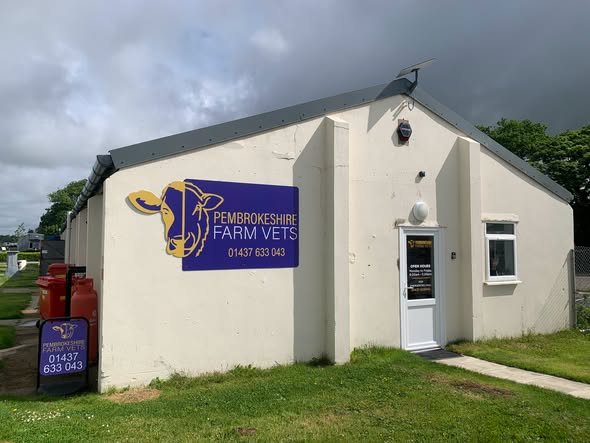
New purpose-built facility will provide round-the-clock livestock care, faster diagnostics and expanded services for farmers
Pembrokeshire Farm Vets has opened a new £236,000 veterinary practice at the Pembrokeshire County Showground in Haverfordwest.
The purpose-built, 2,000-square-foot facility replaces the practice’s former portacabin at the site and has been designed exclusively for livestock and farm veterinary work.
The investment will allow the practice to expand its services while continuing to provide 24-hour emergency care to farmers across Pembrokeshire and neighbouring areas.
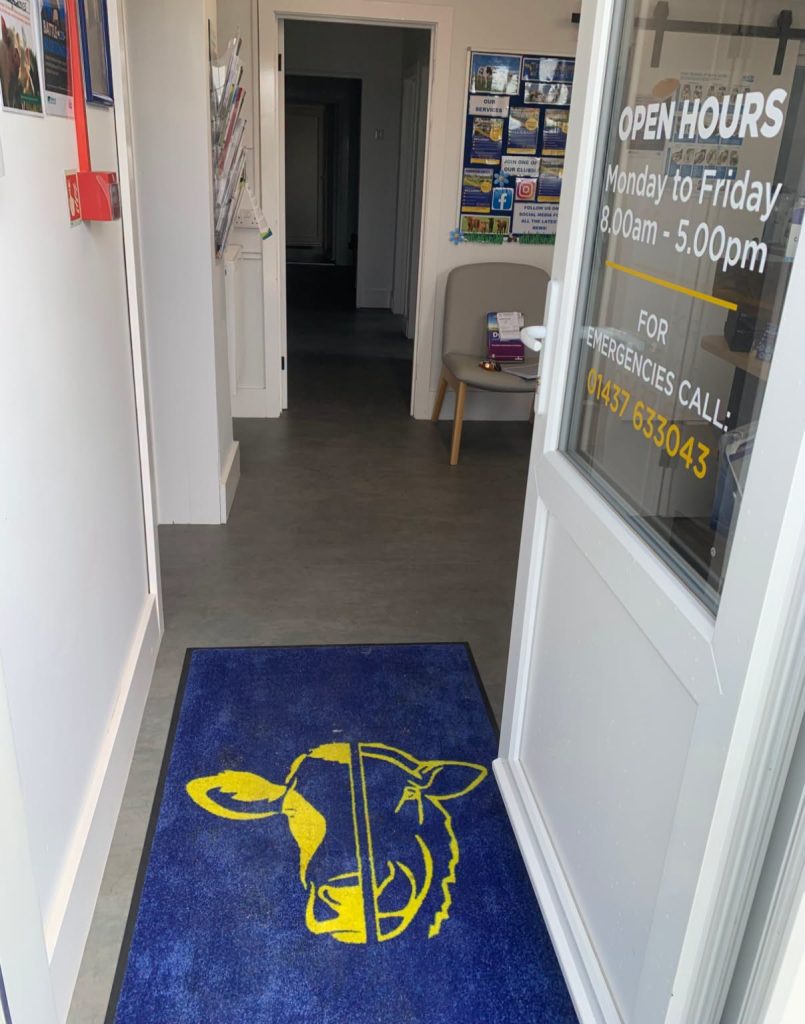
Facilities include dedicated clinical and diagnostic spaces, a specialist laboratory, a medicines store and a purpose-built lambing room.
The laboratory is equipped with an Ovacyte system for carrying out faecal worm and fluke egg counts, a Mastatest machine for analysing milk samples and equipment for in-house blood testing.
Faecal egg count results can be available within 15 minutes, allowing farmers to receive prompt advice on whether treatment is required.
An on-site Registered Animal Medicines Adviser can also help farmers select appropriate treatments and reduce unnecessary medicine use.
The new lambing room includes a hydraulic lambing table, holding pens and a roller shutter entrance, providing improved facilities for both routine and emergency lambing work.
Services offered by the practice include dairy herd visits, flock and herd health planning, bull fertility testing, pregnancy diagnosis, mastitis investigations, youngstock management, nutritional advice, TB testing and export certification.

The team also provides veterinary support for goats and smallholders, as well as a number of farmer-focused schemes including its Flock Health Club, Smallholder Club, Spring Fertility Package and Growing Calf Package.
A comprehensive range of medicines and agricultural products will be stocked at the site, including vaccines, wormers, fly repellents, oral fluid therapy products, marker sprays and other everyday farm supplies.
The practice said products would be competitively priced, with a price-matching service also available. An online shop offers delivery across the UK.

The Haverfordwest facility will be staffed by a seven-strong farm team, including vets Alex, Alice, Rose and Ruben.
They will be supported by Mark, who oversees medicines and special offers, and reception staff Emma and Melanie.
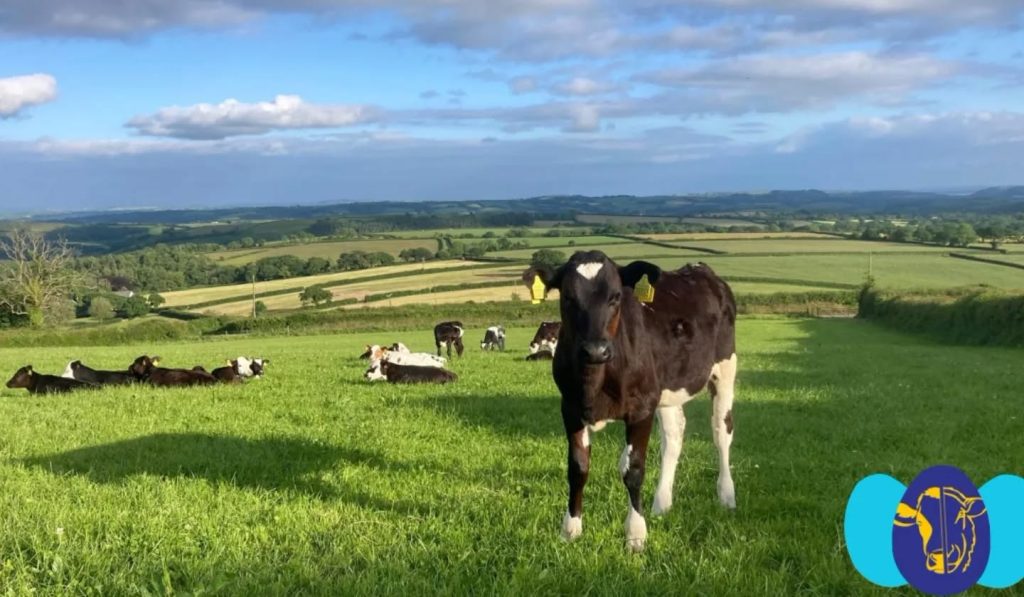
Pembrokeshire Farm Vets currently works with almost 200 farms and is accepting new clients, including dairy businesses, sheep farms and smallholders.
Clinical director Alice Davies said: “We are incredibly proud to open this new facility for the Pembrokeshire farming community.
“This building represents a major investment in local agriculture and allows us to deliver the standard of care our clients deserve, with better equipment, faster diagnostics and more space for practical support.
“Our team is passionate about helping farmers meet the challenges of modern livestock production, and this new practice will enable us to support even more farms, 24 hours a day, across the county.”
Pembrokeshire Farm Vets launched in April 2023 and provides livestock veterinary services across Pembrokeshire and other parts of south-west Wales.
The practice is based at Unit 15, Pembrokeshire County Showground, Withybush Road, Haverfordwest, and is open from 8:00am until 5:00pm, Monday to Friday.


Health36 minutes ago
More than 3,000 people have their say as Hywel Dda stroke consultation closes
Final decision on proposals, including a central 24-hour stroke unit at Glangwili and treat-and-transfer services at Withybush, is expected in...


Crime3 hours ago
James McKenna guilty of attempted murder after Carmarthen Park knife attack
Jury rejects defendant’s claim he only intended to cause serious injury after ambush attack on former partner SPECIAL REPORT FROM...


Community18 hours ago
New creative team transforms the Maes ahead of Eisteddfod y Garreg Las
Festival site in Llantwd is taking shape ahead of the National Eisteddfod’s arrival in Pembrokeshire from August 1 to 8...


Community20 hours ago
From Tenby to Llandudno: Wales’ seaside towns face the same signal crisis
Businesses in two of Wales’s busiest resorts say unreliable mobile coverage is disrupting payments, bookings and everyday life TWO of...


Crime21 hours ago
Judge orders Dyfed-Powys Police review after £3,912 fraud error
Force responsible for policing Pembrokeshire criticised after an officer understated the amount stolen from a vulnerable care-home resident A JUDGE...


Community2 days ago
Narberth bursts into colour as carnival brings Civic Week to spectacular close
Crowds lined the streets for an afternoon of floats, fancy dress, music and family entertainment at one of Pembrokeshire’s longest-running...


Community2 days ago
More than 100 racers take to Castle Pond for Paddle West’s inaugural regatta
Successful community event raised money for Forever11 and launched three consecutive weekends of waterside activity in Pembroke MORE than 100...


News2 days ago
NASA chief meets west Wales scientist helping search for life on Mars
Aberystwyth-led technology will guide Europe’s first Mars rover as it drills beneath the planet’s surface, while the proposed DARC radar...


News3 days ago
Princess Royal celebrates Pembrokeshire craftsmanship at family-run weaving mill
A Pembrokeshire business that began after a mother grew tired of waiting three weeks for her children’s name tapes has...


Local Government3 days ago
Burger King could be coming to Haverfordwest as plans submitted
Plans have been lodged for a Burger King outlet at the Morrisons petrol station on Bridge Meadow Lane BURGER KING...
-
Community2 days ago
More than 100 racers take to Castle Pond for Paddle West’s inaugural regatta
-
Community2 days ago
Narberth bursts into colour as carnival brings Civic Week to spectacular close
-

 Health2 days ago
Mental health crisis ‘place of safety’ could be centralised in Carmarthen
-

 News2 days ago
Welsh Government renews call for justice and policing powers to be devolved
-

 News2 days ago
Legal services oversight ‘not fit for purpose’ as reports call for major reform
-
Crime3 hours ago
James McKenna guilty of attempted murder after Carmarthen Park knife attack
-
 Entertainment2 days ago
National Wool Museum marks 50th birthday with summer of family fun
-

 News2 days ago
Urgent action demanded over threat of delay to Port Talbot’s new steel furnace