


News
Simon’s gallantry is mentioned in despatches

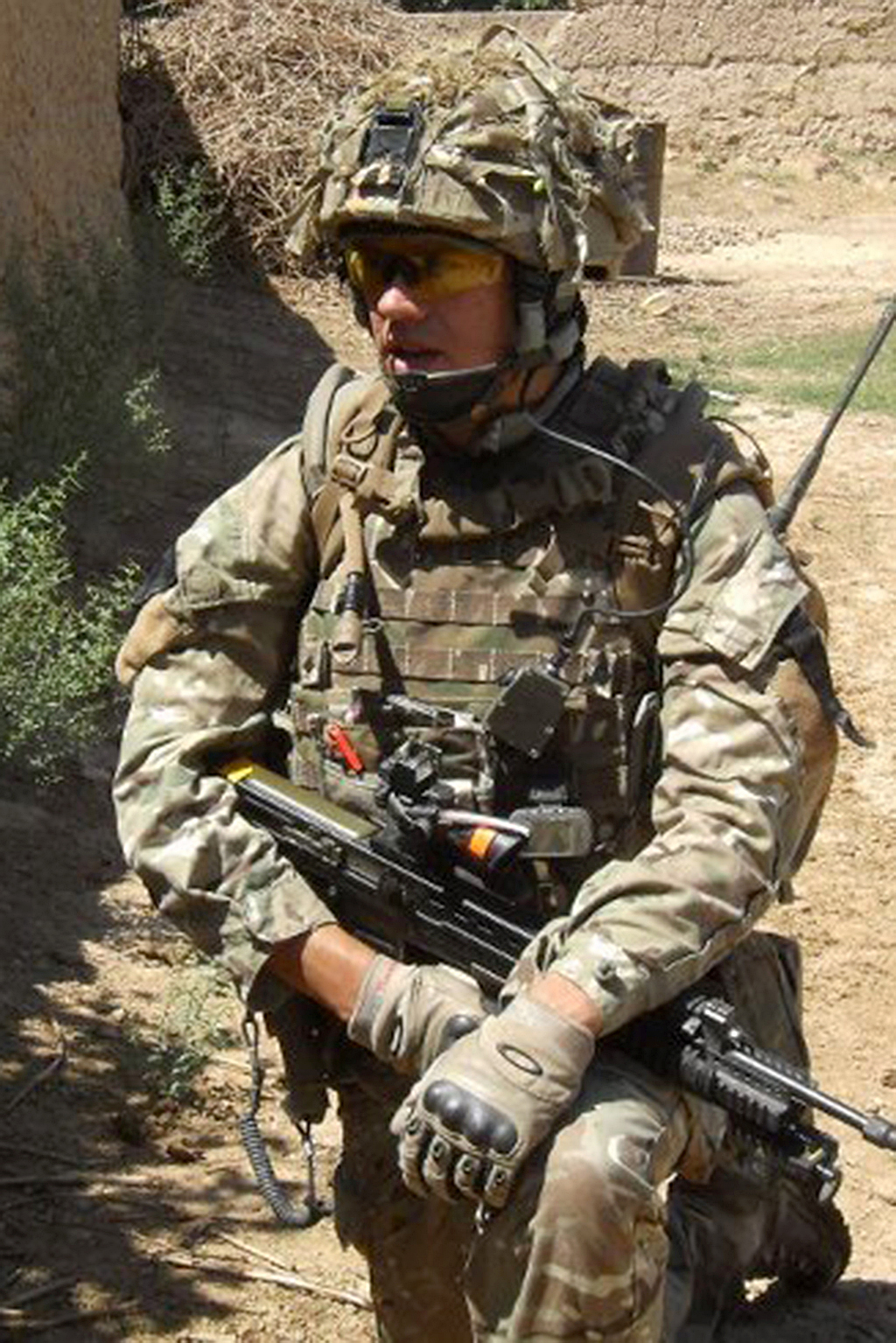
 A SOLDIER from Carmarthen, who ensured all 14 men in his patrol returned unhurt from three ambushes in the space of an hour has been awarded a Mention in Despatches.
Sergeant Simon Smith, aged 30, of 1st Battalion The Royal Welsh was just weeks away from returning home in the autumn of 2012 when he and his men came under attack.
Simon was leading his patrol through a dense maize field when it was ambushed from three positions. Despite the massive onslaught, the height of the crop made it difficult to spot their attackers and impossible to return fire without risking civilian casualties.
He said: “I got the all the guys into an irrigation ditch but the weight of fire was knocking us over. It was just shredding the vegetation; the only way I can explain it, is that it looked like an electric saw cutting wood right in front of your face.”
Simon led his patrol out of the attack but it was ambushed for a second time from no more than 50 metres away. Again, thick vegetation hampered the patrol so, realising they were facing up to ten well-armed enemy, Simon ordered his men into a compound.
He said: “Because it was such a confined space, it was really hard to work out where the insurgents were. It was confusing. I had 14 men with a lot of firepower but we couldn’t spot the enemy. The only times we could fire back was when they exposed their positions by firing on us.”
But it was then we were ambushed for a third time. Trapped in the open, Simon used grenades and small arms fire to pin the enemy down just 40 metres away, before leading his men to the cover of an irrigation ditch where he requested air support, finally ending the fight and allowing the patrol to return safely to their checkpoint.
Simon said: “We had been in Afghanistan five months and this was our first fire-fight, though we had dealt with a lot of IEDs (Improvised Explosive Devices). So of the 14 I had with me on that patrol, for eight of them it was the first ever time they had come under fire. But they all did exactly what they should have done and that’s all down to the training we did before deploying.”
Simon explained how he was told about his honour: “I was called into the Commanding Officer’s office, I thought I was in trouble! It’s a good recognition for all of us who were on that patrol; we were a team.”
His girlfriend Clare and mum Gwenda are incredibly proud of him, Simon said: “They’ll be delighted. My mum will love it; she’s a big fan of the Armed Forces.”
Simon’s citation states: “Smith is a remarkable soldier who has been uniquely tested and performed in a remarkable manner.”


Police attend after dangerous incident involving football on railway line
TRAINS were delayed at Haverfordwest railway station on Tuesday (Apr 1) after a group of youths were seen playing with a football near live tracks, prompting a police response.
Footage captured by a bystander shows several young people on the platform throwing and kicking a ball across the station. In one clip, a youth is seen kicking a football from Platform 2 towards Platform 1, but the ball overshoots and lands beyond a fence into the station car park.
More concerning footage shows the ball rolling onto the railway line, with one youth climbing down onto the tracks to retrieve it—an act that poses serious risk of injury or death due to live rails and the potential for oncoming trains.
The incident caused disruption to services, with two trains delayed by 25 minutes while the situation was dealt with.
Police attended the scene, although it is not yet clear whether any arrests were made. Officers have been approached for comment.

Railway safety rules strictly prohibit access to the tracks except by authorised personnel, and incidents such as this are treated seriously due to the potentially fatal consequences.
The Herald understands that such behaviour can also lead to significant disruption across the rail network, affecting passengers and services well beyond the immediate area.
Anyone with further information about the incident is urged to contact police.

Local firms highlighted as supermarket giant backs £27bn Welsh food sector
HAVERFORDWEST food producers were among those selected to take centre stage at a national showcase celebrating the very best of Welsh food and drink.
Supermarket giant Tesco hosted the St David’s Day event in partnership with the Welsh Government’s Food & Drink Wales initiative, bringing together leading suppliers from across the country.
Two Pembrokeshire-based businesses — Blas y Tir, part of Pembrokeshire Creameries, and Puffin Produce, both based in Haverfordwest — were among those chosen to represent Welsh produce on a national stage.The event, held to mark St David’s Day, showcased a wide range of products including dairy, baked goods, meats, curries and spirits, highlighting the breadth and quality of food produced across Wales.

Organisers said the showcase underlined the importance of supporting local suppliers, many of which are family-run businesses rooted in their communities and reliant on local agriculture.
The Welsh food and drink supply chain is estimated to be worth £27 billion, with companies like those in Pembrokeshire playing a key role in sustaining rural jobs and supporting farmers.

Visitors to the event were given the opportunity to meet producers and sample products, while a surprise performance from Welsh singers added a cultural element to the day’s celebrations.
Enfys Fox, relationship manager for local sourcing at Tesco Wales, said: “St David’s Day is a time to celebrate everything that makes Wales special, and our suppliers are at the very heart of that story.
“This event was a fantastic opportunity to showcase the incredible range, quality and heritage of Welsh produce available in our stores.
“We are incredibly proud to collaborate with the Welsh Government and work with so many dedicated Welsh suppliers, many of them family businesses with deep roots in their communities. By supporting them, we’re not only bringing great products to our customers, but also investing in local jobs and the wider Welsh economy.”

The Herald understands that products from Pembrokeshire suppliers featured at the event are widely stocked in Tesco stores across Wales, giving local shoppers direct access to locally sourced goods.
While the showcase celebrated success, it also highlighted the growing importance of ensuring Welsh producers continue to secure fair opportunities within major retail supply chains.
The event formed part of Tesco’s wider commitment to strengthening partnerships with Welsh suppliers and promoting locally sourced food throughout the year.


‘No jobs in 2026–27’ as graduates told service has ‘more paramedics than required’
AN INTERNAL email sent to student paramedics has confirmed that no newly qualified paramedics will be recruited in Wales during the 2026–27 financial year, escalating concerns over workforce planning in the NHS.
The message, seen by The Herald, was sent to final-year students following a board meeting of the Welsh Ambulance Services NHS Trust on March 26.
It confirms that the trust “does not require any NQPs” this year, stating the decision is based on affordability and workforce restructuring.
The development follows reporting by BBC Wales that students had already been advised to seek work overseas.
‘Simply not affordable’
In the email, the ambulance service states:
“Employing NQPs in 2026 is simply not affordable… No extra funding has been made available by Welsh Government or our commissioners.”

It adds that a review of workforce needs concluded:
“We currently have more paramedics than required and enough lead practitioners to fill any short to medium term vacancies.”
Students say they have also been told the service is aiming to reduce paramedic numbers, despite ongoing delays in ambulance response times across Wales.
Graduates left without roles
Around 70 students are expected to graduate this year from Swansea University and Wrexham University.
Training is heavily subsidised by Healthcare Education and Improvement Wales, with costs estimated by students at around £50,000 per person.
Despite this investment, graduates have now been told to consider employment outside Wales—or even overseas—to begin their careers.
Patient care concerns raised
Students have warned the decision could impact patient care if fewer fully qualified paramedics are deployed on the frontline.
They say being redirected into lower-grade roles means their full clinical training will not be used.

One student told The Herald: “We are ready to go straight into frontline care. Instead, we’re being told to look abroad. It doesn’t make sense.”
Government under pressure
A Welsh Government response seen by The Herald acknowledges the issue and says ministers are working with the ambulance service and universities to support affected graduates.
However, the internal email suggests the decision is already firm for the coming financial year.
The Herald has approached the Welsh Government and the Welsh Ambulance Service for further comment.



News2 hours ago
Health minister refuses to act on Withybush despite 15,000-signature petition
Senedd pressure grows as Welsh Government declines to intervene over surgery fears THE WELSH GOVERNMENT has refused to step in...

Business16 hours ago
Fishguard to Wexford rail tunnel plan backed by Elon Musk firm
Six-hour London to Dublin service proposed in £32bn project ahead of Senedd election PLANS for a rail tunnel linking west...


Charity1 day ago
Milford Haven charity honoured with King’s Award for voluntary service
A PEMBROKESHIRE charity supporting vulnerable young people has received one of the highest honours in the UK for voluntary work....


News2 days ago
Plaid Cymru launches bid to lead next Welsh Government
Party positions itself as ‘government-in-waiting’ ahead of May election PLAID CYMRU has formally launched its campaign for the 2026 Senedd...


Crime2 days ago
Police appeal after attempted child abduction in Haverfordwest
DYFED-POWYS POLICE has launched an appeal for witnesses following a reported attempted abduction of a 12-year-old girl in Haverfordwest. The...


Crime3 days ago
Gunshot fired by police during incident in Milford Haven
A POLICE officer discharged a firearm during an incident in Milford Haven on Saturday evening (March 28), prompting an investigation...


Community4 days ago
Three Amigos Easter Run roars through Pembrokeshire
MOTORCYCLE enthusiasts turned out in force today (Saturday, March 28) as the popular Three Amigos Easter Run returned to the...


Education5 days ago
Ysgol Henry Tudor reassures parents over Sikh ceremonial kirpan
School says religious item worn by pupil is secured, symbolic and non-functional YSGOL HENRY TUDOR has moved to reassure parents...

Crime6 days ago
Teen jailed after starting fire while others slept
Fire set in shared home left sleeping residents at risk and caused £130,000 damage A TEENAGER who started a fire...

Health6 days ago
GP crisis driving NHS pressure in Wales, Senedd report warns
Falling GP numbers and funding gaps blamed for worsening hospital delays THE NHS crisis highlighted earlier this week is being...
-
 Community6 days ago
Hero female officer keeps job after sexual touching finding
-
Education5 days ago
Ysgol Henry Tudor reassures parents over Sikh ceremonial kirpan
-

 Business6 days ago
Popular Italian restaurant hit with £278,000 tax bill plus £186,000 fine
-
Health6 days ago
GP crisis driving NHS pressure in Wales, Senedd report warns
-
 Climate6 days ago
Port Talbot confirmed as ‘cornerstone’ for wind — questions remain for Milford Haven
-
 Crime5 days ago
Taylor wins appeal as Crown Court quashes ‘no insurance’ conviction
-
 Business7 days ago
Haverfordwest Cartlett chocolate factory call refused
-

 News7 days ago
Reform reveals west Wales candidates for Senedd battle