


Cymraeg
Ty Gwerin ar ei newydd wedd


 YMYSG Y datblygiadau cyffrous ar Faes Eisteddfod Sir Gâr elen mae’rTy Gwerin. Yn dilyn derbyn nawdd gan Gyngor Celfyddydau Cymru bydd yr Eisteddfod,mewn partneriaeth gyda Trac, Clera a Chymdeithas Ddawns Werin Cymru yn cynnal y Ty Gwerin ar ei newydd wedd. Yurt mawr fydd cartref arlwy gwerin y Maes gyda’r cynllunydd Gwyn Eiddior yn creu delwedd gyfoes ymlaciol ar gyfer y babell. Yn ôl Elfed Roberts. “Mae’r Eisteddfod ers nifer o flynyddoedd wedi bod yn awyddus i ddatblygu ochr werinol yr Eisteddfod a chyda’r sin werin yn adfywio ar hyn o bryd a llwyddiant gwyl Womex y llynedd wrth gwrs, roedd yr amseru’n berffaith. Bydd artistiaid gwerin sefydledig yn eistedd ochr yn ochr â rhai o enwau newydd cyffrous y byd gwerin ac rwy’n gobeithio ein bod wedi llwyddo i greu amserlen amrywiol sydd yn cynrychioli’r hyn sydd yn digwydd yn y maes ar hyn o bryd”. Ymysg yr uchafbwyntiau fydd Gig Gwerin Gyfoes ar y Nos Fawrth gyda Cowbois Rhos Botwnnog a Plu. Bydd hyn gyfle gwych i wrando ar 2 o brif artistiaid Cymru yn chwarae mewn cyngerdd agos atoch ar Faes yr Eisteddfod. Mae Gwenan Gibbard wedi derbyn tipyn o ganmoliaeth yn y flwyddyn ddiwethaf yn dilyn rhyddhau ei halbwm ‘Cerdd Dannau’. Bydd yn perfformio caneuon o’r albwm yma ymysg eraill ar Ddydd Mercher, Awst 5ed tra ar ddydd Llun bydd hi’n rhannu llwyfan gydag un o sêr y byd roc Gymraeg. Mae Meilir Gwynedd yn adnabyddus fel gitarydd nifer o grwpiau Cymraeg gan gynnwys Y Sibrydion ac Endaf Gremlin. Mae ei ganeuon ymysg clasuron y byd roc Cymraeg. Ond dydi Meilir erioed wedi mentro i fyd Cerdd dant. Tan nawr……. Dan oruchwyliaeth Gwenan bydd Meilir yn rhoi cynnig ar y grefft ac yn gorffen y sesiwn gyda deuawd cerdd dant rhwng y ddau. Mae’r Stomp farddonol erbyn hyn wrth gwrs yn rhan annatod o’r Eisteddfod ond ar nos Iau yn y TÅ· Gwerin byddwn yn cynnal y Stomp Cerdd Dant gydag Arfon Gwilym yn cymryd yr awenau fel y Stompfeistr. Yn sicr mae’n argoeli i fod yn noson hwyliog. Yn ôl Angharad Jenkins o Trac, “Wrth greu’r amserlen rydym wedi ceisio adlewyrchu’r hyn sydd yn digwydd yn y byd gwerin yng Nghymru heddiw ac wrth gwrs edrych yn ôl ar y traddodiad hefyd. Mae Roy Saer yn un o hoelion wyth y byd gwerin ac rwy’n edrych ymlaen i’w glywed yn rhannu hanesion gydag Idris Morris Jones ddydd Mawrth, tra dydd Llun bydd Dafydd Idris yn trafod baledi ca rydw i hefyd yn edrych ymlaen i glywed Gareth Bonello, Gwenan Gibbard a Sioned Webb yn rhoi “bywyd newydd i hen alawon” ddydd Gwener. Bydd gennym gyngerdd gwerin i blant ddydd Iau gyda Dafydd Iwan a Mair Tomos Ifans yn diddanu’r plant ac wrth gwrs perfformiadau gan rai o brif artistiaid y sin werin gan gynnwys Siân James, Siddi, Gareth Bonello a Bob Delyn a’r Ebillion i enwi ond rhai. Mae’r gweithdai clocsio wastad yn boblogaidd iawn hefyd ac nos Sul bydd twmpath i’r teulu gyda’r cyflwynydd Tudur Phillips yn galw. Bydd hi’n wythnos brysur ond bythgofiadwy gobeithio!” Bydd yr Eisteddfod hefyd yn cynnal 2 gystadleuaeth newydd sbon yn y TÅ· Gwerin eleni sef Cystadleuaeth Offerynnol traddodiadol unigol a hefyd Cystadleuaeth Cyflwyno Cân Werin hunangyfeiliant. Cystadlaethau cofrestruar y dydd fydd y rhain a bydd rhaid i’r rhai sydd â diddordeb gofrestru yn yTÅ· Gwerin yn yr awr cyn cychwyn y gystadleuaeth. Am fwy o wybodaeth ac amserlen lawn Ty Gwerin ewch i wefan yr Eisteddfod www.eisteddfod.org.uk www.trac-cymru.org


A NEW national framework aimed at securing a lasting legacy from the National Eisteddfod has been published jointly by the festival’s organisers and the Welsh Government.
The plan sets out how the Eisteddfod’s impact will be strengthened before, during and after each annual event, bringing together partners from across education, community development, culture, the economy and the Welsh language sector.
While each Eisteddfod reflects the identity of its host community, the framework aims to ensure long-term benefits are consistently delivered nationwide, rather than limited to the festival period.
The legacy programme will cover a wide range of areas including education, inclusion, digital innovation, volunteering and economic development, with new national and local structures designed to coordinate delivery more effectively.
A national project board will oversee the strategy, setting direction and sharing best practice year-on-year. At a local level, a steering group will drive community-based work, helping turn the Eisteddfod into a catalyst for lasting change.

Cabinet Secretary for Finance and the Welsh Language, Mark Drakeford said the festival’s impact goes far beyond a single week.
“The Eisteddfod is far more than a week-long festival. It is a multi-year project that leaves a lasting legacy for the Welsh language and culture in the area,” he said.
“By bringing together partners from across key sectors, this framework will help deliver real and lasting change for our communities and support our ambition of reaching a million Welsh speakers by 2050.”
Nic Parry, President of the Eisteddfod Court and Chair of its Management Board, said the framework strengthens collaboration at both local and national level.

“It allows us to deliver on a long-held ambition to drive language planning through the lens of the National Eisteddfod,” he said.
“It also positions the Eisteddfod as a powerful tool for boosting local economies and supporting sustainable communities for future generations.”
Further details are expected later this year, with membership of the national project board due to be confirmed by mid-June.

A dedicated session at this year’s Eisteddfod will also gather evidence from the 2026 host area to help shape future plans for 2027 and 2028.
More information is available via the Eisteddfod’s legacy framework online.

Local success stories highlight surge as more than 20,000 people learn Welsh across Wales
A PEMBROKESHIRE-BASED Welsh tutor who once learned the language as an adult is now helping others follow in his footsteps — as new figures reveal a record number of people learning Welsh across Wales.
David Thomas, who teaches with Learn Welsh Pembrokeshire, began learning the language in 2016 after returning to Wales from London. He went on to win Welsh Learner of the Year at the AmGen Eisteddfod in 2021 and now teaches beginner courses locally.
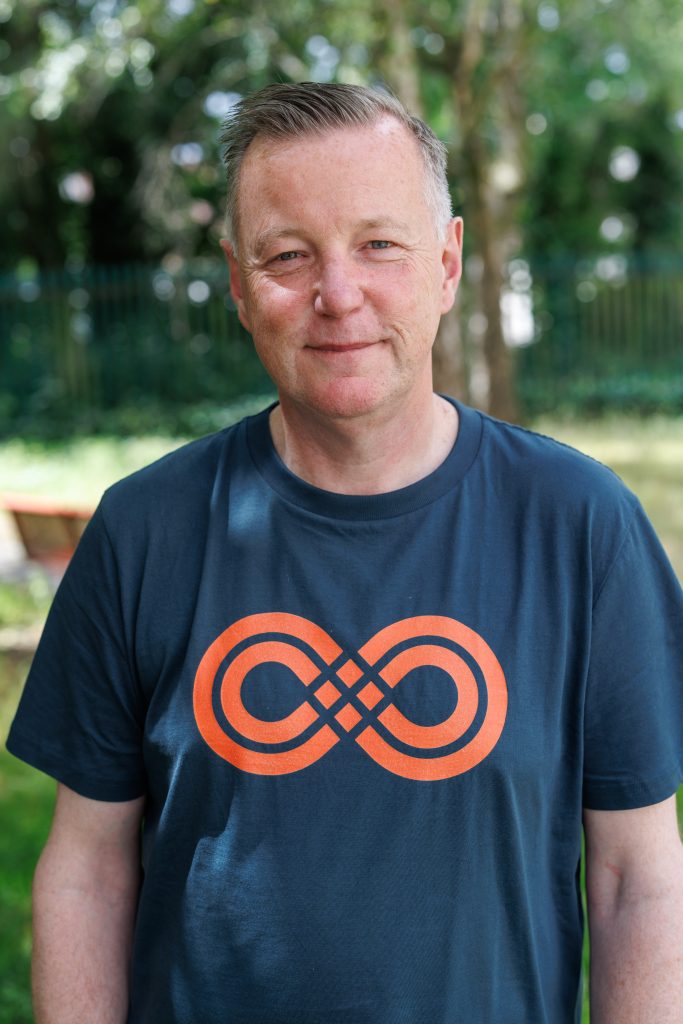
He is joined by fellow tutor Gwilym Morgan, a Cardiff University student who teaches online courses while running his own business.
Their journeys come as new data shows that 20,445 people completed Welsh courses in 2024–2025 — the highest number ever recorded.
Figures released on Monday (Mar 17) by the National Centre for Learning Welsh show a 12% rise on the previous year, and a 61% increase since records began in 2017–2018.
The growth is being driven in part by flexible learning options and targeted programmes, including a major expansion in workplace training.
Nearly four in ten learners (39%) are now learning Welsh through their jobs — a total of 8,370 people — particularly in sectors such as health, social care and education.
Education watchdog Estyn has described the Centre as “one of the cornerstones of linguistic planning initiatives in the workplace.”
There has also been a sharp rise in younger learners. In 2024–2025, 4,110 people aged sixteen to twenty-four took part — a 56% increase on the previous year and a 483% rise since 2018–2019.

Overall, 17,350 learners were aged between sixteen and sixty-four.
Learners are also engaging more deeply, completing 34,960 learning activities over the year — up 12% on 2023–2024.
Dona Lewis, Chief Executive of the National Centre for Learning Welsh, said: “We’re delighted with these latest figures, which show consistent, steady growth in the number of people learning Welsh.

“The figures reflect the Centre’s strategic planning and the way it uses its expertise to reach new audiences — particularly in workplaces — supporting our aim of creating more Welsh speakers.”
Speaking about his own journey, David said learning Welsh had been life-changing.
“As someone who learned Welsh as an adult, I see it as a gateway to the whole culture of Wales,” he said.
“I know what it feels like to be in the classroom, so being able to introduce others to the language — and hopefully give them a positive experience — is really special.”
The National Centre for Learning Welsh leads the adult Welsh learning sector, working with providers across Wales to deliver courses ranging from beginner to advanced level, both in person and online.

Language activists warn proposal could undermine long-term support for Welsh
CAMPAIGNERS have warned that proposals by the Nigel Farage-led Reform UK to scrap Wales’ target of one million Welsh speakers by 2050 could place the language at risk.
The comments came during the launch of Reform’s Welsh manifesto in Newport on Thursday (Mar 5), where Farage and the party’s Welsh leader Dan Thomas set out their plans for the language.
The party says it would remove what it describes as “arbitrary” targets for the number of Welsh speakers, arguing that the language is already growing naturally.
Farage told supporters that Welsh appeared to be “thriving” in parts of the country and said younger generations were increasingly learning and using the language.
He argued that Welsh culture and language should be allowed to develop organically rather than being driven by official targets or public bodies.

Questions were also raised at the event about the future of the Welsh Language Commissioner. Farage suggested there was no clear need for additional “quangos” if the language continued to grow through public interest.
However, campaign group Cymdeithas yr Iaith said the proposals demonstrate a misunderstanding of the current challenges facing the language.
Chairman Owain Meirion said it was wrong to describe Welsh as thriving when the proportion of speakers has fallen in recent census results.
According to campaigners, around 17.8 per cent of people in Wales currently report being able to speak Welsh, with the overall proportion declining over the past two censuses.

They warned that removing the 2050 target of one million speakers could weaken long-term support for the language and the communities where it is most widely spoken.
Campaigners also pointed out that the manifesto includes relatively few references to Welsh beyond cultural pledges.
Reform has said it would continue supporting events such as the National Eisteddfod and would press the UK Government to maintain funding for the Welsh-language broadcaster S4C.

Despite this, Cymdeithas yr Iaith warned that the wider approach set out in the manifesto could weaken existing structures designed to protect and promote the language.
Farage also used the Newport event to claim that Reform could challenge the long-standing dominance of the Welsh Labour in Welsh politics.
The party says its manifesto represents a plan for significant political change ahead of the next Welsh election.
Language campaigners, however, say the debate highlights continuing tensions over how best to protect the future of Welsh while ensuring policies reflect the realities facing communities across Wales.



Business1 hour ago
Could Primark be coming to Haverfordwest? Major retailer in talks for former Wilko site
Council confirms advanced discussions as speculation grows over high street boost HAVERFORDWEST could soon see a major high street revival,...


Business2 hours ago
Rail investment ‘could unlock 40,000 jobs and £11bn for Wales’ says new report
RAILWAY stations across Wales could help unlock around 40,000 jobs and more than £11 billion for the economy by 2036,...


Local Government2 hours ago
Milford Haven set for £200m investment with schools, leisure centre and rail upgrade
Council outlines major plans for town with backing from Welsh Government MILFORD HAVEN is set for a major transformation with...

Community20 hours ago
Broad Haven volunteers secure ‘national asset’ status for nature reserve
A SMALL stretch of woodland and former opencast coal mine has been transformed into a nationally recognised biodiversity site, in...


Entertainment2 days ago
Tenby steams up in spectacular style as crowds flock to festival
Colourful parade, towering creations and Victorian flair bring town centre to life TENBY was transformed into a vibrant Victorian fantasy...


Crime3 days ago
Publican jailed for six years for supplying cocaine and cannabis
Milford Haven man sentenced at Swansea Crown Court following drug dealing operation A MILFORD HAVEN publican has been jailed for...

Local Government3 days ago
Poverty summit highlights support efforts across Pembrokeshire
A SUMMIT bringing together key organisations from across Pembrokeshire has highlighted both the scale of local poverty and the work...


Education4 days ago
Milford Haven school plans unveiled but funding not yet secured
PLANS for a new £100 million school in Milford Haven have been unveiled, but the project has not yet secured...


News4 days ago
Council unveils plans for new state-of-the-art secondary school in Milford Haven
PEMBROKESHIRE COUNTY COUNCIL has revealed plans for a new state-of-the-art school in Milford Haven, promising modern, inspiring learning spaces for...


Health4 days ago
NHS waiting list falls — but cancer delays and diagnostic backlog worsen
Record progress claimed by Welsh Government as critics warn key targets are still being missed THE NHS in Wales has...
-

 News6 days ago
Emergency services flood Haverfordwest after reports of person in river
-

 Crime5 days ago
Mother given community order after admitting child cruelty offence
-
Health4 days ago
NHS waiting list falls — but cancer delays and diagnostic backlog worsen
-

 News6 days ago
Senedd vote to ban greyhound racing hailed as ‘landmark moment’ by charities
-

 News6 days ago
Senedd votes to ban Greyhound racing in Wales to protect animal welfare
-

 News5 days ago
Reform secures first Pembrokeshire councillor in Hakin by-election win
-

 News6 days ago
Could Pembrokeshire hold the key to St Patrick’s lost birthplace?
-

 Crime5 days ago
Woman stole from pharmacy despite ban, court hears