


Farming
Welsh Government announces Sustainable Farming Scheme

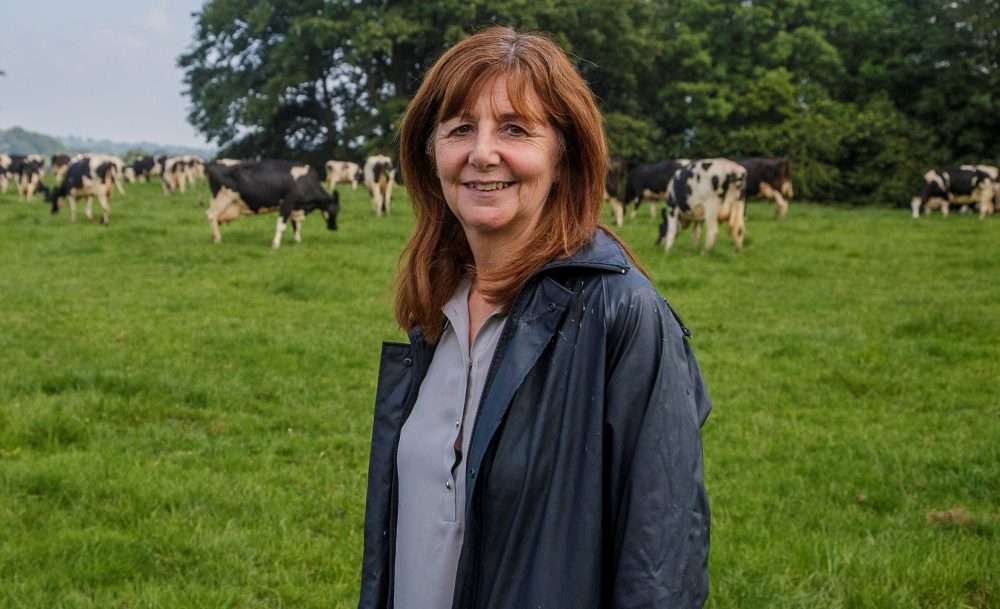
WALES’s farming unions have cautiously welcomed the Welsh Government’s proposals for the future of Welsh agriculture.
As part of its planned legislation for the next two years, Labour ministers unveiled their ideas for farming support and environmental objectives for Welsh farms on Tuesday this week.
The Welsh Government will not decide how the final Scheme will look until further consultation on the detailed proposals. An economic analysis will be presented in 2023.
While critical of some of the proposals, local MS Sam Kurtz also welcomed a change in tone from the Welsh Government towards Wales’s farming industry.
Agriculture is one of Pembrokeshire’s most important industries. It supports a vast web of local businesses. Therefore, the Welsh Government’s agricultural policy will directly impact our County and its economy.
KURTZ IS “PROUD TO
STAND UP FOR FARMING”
Welsh Conservative and Shadow Rural Affairs Minister Samuel Kurtz MS said: “The Welsh Government’s announcement has come a long way from what was touted back in 2018, and the farming unions have rightly welcomed this movement.
“Although a universal set of actions for all Welsh farmers is a positive, flexibility must also be present, given the varying types of upland, lowland and coastal farms in Wales.
“I would also like to have seen more done to protect food security, the Welsh language, and the vitality of rural communities.
“Asking all farmers to have 10% tree covering on their farms will come with concerns, given that this will be impossible for some.
“The industry wants to play its part in supporting nature and improving our climate, but hard and fast rules can sometimes lead to unintended consequences.
“I’m also disappointed – but not surprised – that this plan has been published without numbers on the finances, denying farmers the figures they need to run their business. The finer detail of the Scheme will show whether it will be a success or not.
“I’m pleased to have played a small part in pushing the Welsh Government to do better in its support for farmers, and I’m happy that some of my concerns have been taken on board.
“I’ve always said farming needs a friend, and I’m proud to stand up for our important industry.”
SUSTAINABLE FARMING IS THE GOAL
The Sustainable Farming Scheme proposals signify a major change and will be key in supporting Welsh farmers to lead the delivery of a more resilient environment and a more resilient rural economy.
The Welsh Government will provide financial support for the work farmers do to meet the challenges of the climate and nature emergencies alongside sustainable food production.
Wales’s Rural Affairs Minister, Lesley Griffiths MS, said: “The climate and nature emergencies threaten the sustainability of agriculture and present the most serious risk to food security both globally and locally.
“We must respond to this if we are to ensure we have a sustainable and resilient agriculture sector for generations to come.
One of my intentions for publishing the outline of the Scheme now is to help the industry plan for the future.
“Sustainable food production and actions to deliver environmental outcomes are complementary, not competing, agendas.
“Farming is vital for Wales and plays a key role in supporting our economy and rural communities. I firmly believe the Sustainable Farming Scheme offers a real opportunity for positive change.
“With the support it will provide, we can help the sector prosper.”
Ms Griffiths continued: “The Sustainable Farming Scheme has been designed to support what our farmers do best: sustainable farming and producing food in harmony with the environment.
“I want to see this Scheme drastically improve our biodiversity and strengthen the Welsh farming sector.
“We will rely on the commitment and expertise of the Welsh farming sector to deliver Net Zero and to halt and reverse the decline in biodiversity. The Scheme is designed to support farmers with this important role while simultaneously helping them continue producing high-quality food to high production standards.”

FUW SAYS PROPOSALS
“ON THE RIGHT TRACK”
Responding to the document, FUW President Glyn Roberts said: “We welcome those areas of the proposals that have changed to reflect the concerns we highlighted in response to previous proposals.
“Notwithstanding some areas which raise major alarms, and the devil that lies in further details, the Welsh Government has moved on leaps and bounds and now has an overarching framework that is not dissimilar to what we have proposed.”
However, Mr Roberts sounded a cautionary note: “There are some concerning suggestions regarding universal actions that, while being possible or practical for some farmers, would not be for large numbers of others,” the union leader said.
“The proposal that ten per cent of all farms should comprise tree cover will be a major concern for many farmers for whom this would mean losing a large proportion of their productive land; there are also concerns about how this would impact tenants.
“There are also some farms, such as in exposed coastal areas or those in designated areas, where meeting this obligation would simply not be possible.”
NFU LOOKS FOR
MORE DETAIL
NFU Cymru President Aled Jones said: “I am encouraged by Welsh Government’s proposals that, in return for undertaking a set of universal actions, farmers will be able to enter into the Scheme and receive a baseline payment.
“We now need to carefully consider the practicality of these actions and how they could work to support productive, progressive and profitable farming systems.
“The outline proposed by Welsh Government appears to be a step towards the NFU Cymru vision of a sustainability and stability payment that should be available to all active farmers.
“NFU Cymru has consistently highlighted the need to ensure that the Welsh Government must target support at active farmers: the people and businesses who take the commercial risks associated with food production.
“I am pleased that the Minister has reiterated the importance of payments linked to actions that an active farmer carries out.
“While the outline proposals give farmers a first opportunity to see some of the actions and activities they may need to undertake to enter the SFS, without any information on the levels of funding attached to these actions and activities, it remains impossible for farming families to consider how the Scheme will support their farming business.
“We are clear that the Scheme must deliver at least the same level of stability for farm businesses, the supply chain and our rural communities as the current arrangements do.
“There is a need to ensure that the Scheme works for all farming sectors and all land types in Wales.”

MORE WORK TO BE DONE
SAYS PLAID CYMRU
Plaid Cymru’s Rural Affairs Spokesperson Mabon ap Gwynfor MS said: “For several years, Plaid Cymru and the agricultural sector have been making the case that food production should be an integral part of any future farming support scheme.
“It is encouraging to see a fundamental shift in emphasis in the initial proposals for the Sustainable Farming Scheme published by the Welsh Government – the crucial role of active farmers as food producers is rightly recognised.
“However, there’s more work to be done, and we are waiting to see the detail underneath some of these proposals.
“We share the concerns expressed about the potential loss of productive, good-quality agricultural land for tree cover and the practical feasibility of this proposal.
“We will try to ensure that the substance matches the change in emphasis by actively rewarding food security as an outcome of the Scheme, as well as the wider social, linguistic and economic contribution of agriculture to the sustainability of our rural communities.”


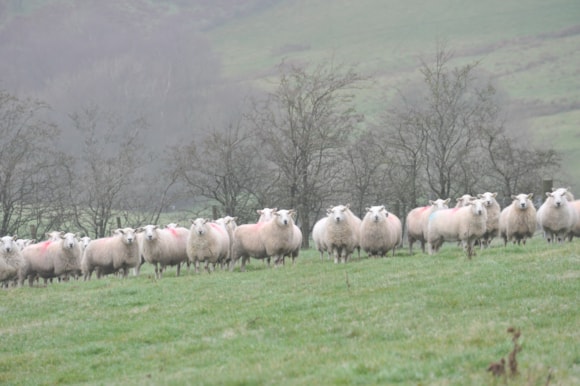
A WELSH college farm is successfully lambing triplet-bearing ewes outdoors on exposed hill ground after introducing genetic performance recording to strengthen maternal traits and flock resilience.
At Coleg Cambria Llysfasi, near Ruthin, a flock of 120 pure Welsh Mountain ewes grazes land rising between 1,000 and 1,300 feet above sea level, where winter conditions can be harsh and only the hardiest sheep thrive.
Since joining the Farming Connect Welsh Sheep Genetics Programme in 2023, the farm has used Estimated Breeding Values (EBVs) to target improvements in maternal ability, growth rates and overall performance. Although genetic gains are often gradual, staff say results are already clear just three years into the scheme.
Historically, ewes carrying triplets were lambed indoors, adding labour and cost. Now, improved maternal strength means they can lamb outside with minimal intervention.
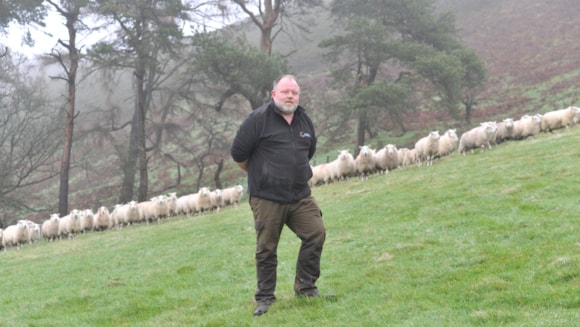
“The ewes are holding their body condition better, we haven’t had any problems lambing them outdoors and they keep their lambs very well,” said shepherd Alun Jones. “We’re seeing fewer losses and far less hands-on work. In the 2025 season we only assisted two ewes out of 120.”

The wider system runs 600 ewes, including Welsh Mountains crossed with Abertex to produce mule ewe lambs, and mules crossed with Beltex or Texel rams for finishing lamb production. Plans to phase out the Welsh Mountain breed were reversed after recognising its value for hardiness and mothering ability in upland conditions.
Performance recording began in autumn 2023 with tissue samples, body condition scoring and regular weighing to create a reliable data baseline.
“Before, we were judging by eye,” said Mr Jones. “Now we’ve got hard evidence to guide decisions.”
By identifying and removing the bottom 20 per cent of performers, the flock’s overall index has risen from £13 to £16.24 — a significant lift in commercial potential.
Lambs are currently creep-fed and sold from November to January at 38–42kg liveweight, with a longer-term aim to finish earlier and reduce concentrate use.
Farm manager Dewi Jones said the data has also changed how they buy rams.
“When you’re at a sale and you’ve got the indexes in front of you, you can draw a red line through the animals that don’t stack up. Type still matters, but figures matter just as much. Data gives you confidence in your choices.”

Some home-bred ram lambs are now matching the performance of sale-topping sires, creating opportunities to retain or market their own breeding stock.
Mr Jones believes the sheep sector could benefit from taking a more data-driven approach, similar to dairying.
“If we don’t measure, we can’t improve. Recording takes time, but the rewards are there. It’s about working smarter and building a more resilient flock for the future.”
Shepherd Alun Jones with Welsh Mountain ewes at Llysfasi.
Performance recording and weighing form a key part of the improvement programme.

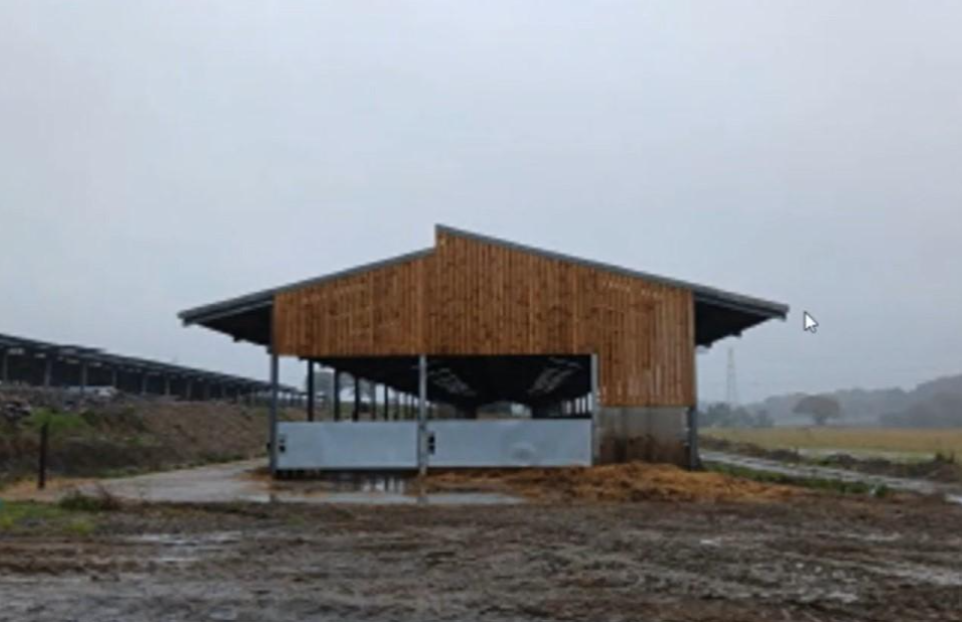
THE FINAL sign-off for plans for a heifer accommodation building and associated works at one of Pembrokeshire’s largest dairy farms, with a milking herd of 2,000 cows, have been given the go-ahead.
In an application backed by councillors at the December meeting of Pembrokeshire County Council’s planning committee, Hugh James of Langdon Mill Farms Ltd sought permission for a 160-metre-long heifer accommodation building, a slurry separation/dewatering building and associated yard areas at 1,215-hectare Langdon Mill Farm, near Jeffreyston, Kilgetty.
A supporting statement through agent Reading Agricultural Consultants said: “The holding currently has a milking herd of approximately 2,000 cows, which are housed indoors for the majority of the year, with dry cows and heifers grazed outdoors when weather and soil conditions permit.
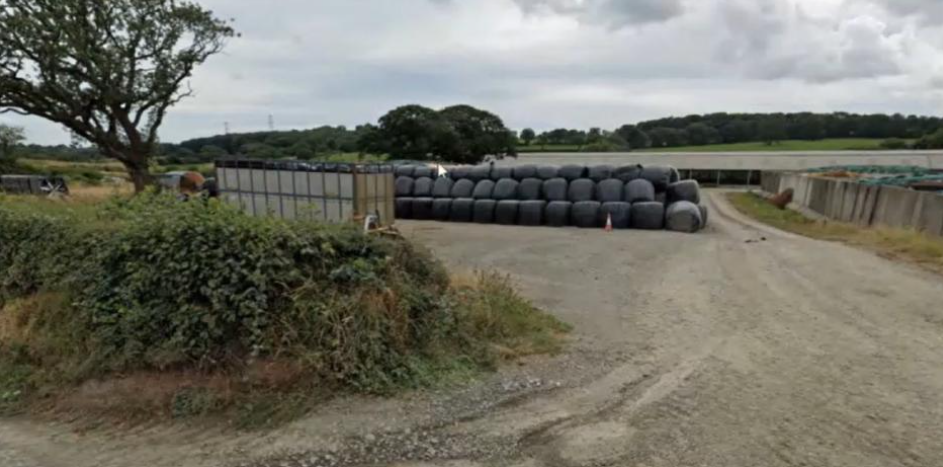
“There has been significant investment in buildings and infrastructure at the farm over the last decade in respect of cattle accommodation, slurry storage, milking facilities, Anaerobic Digestion (AD) plant, feed storage. Recently a calf and weaned calf accommodation buildings were approved by Pembrokeshire County Council with construction almost complete.
“The unit is efficient, achieving yields of more than 10,000 litres/cow/year, with cows being milked three times/day in the 60-point rotary parlour. Langdon Mill Farm currently directly employs 21 full-time, and three part-time staff. Of these, four live on site in the two dwellings opposite the farm, with the remaining staff living in the locality.”
It added: “Although the unit has previously purchased heifers to aid expansion, the farm now breeds most of its own replacements to improve genetics and to minimise the ongoing threat of bovine tuberculosis (bTB).”
It said the proposed building would be used by heifers between the ages of 7-22 months, the siting “directly influenced by the adjacent calf and weaned calf buildings, with livestock being moved from one building to the next as they get older”.
Members unanimously supported the recommendation of approval, giving delegated powers to the interim head of planning to approve the application following the final approval of a habitats regulations assessment.
An officer report published yesterday, February 5, said Natural Resources Wales confirmed it had received the assessment, and, “in consideration of the mitigation measures detailed and on the understanding there is no increase in stock, they agree with the LPA’s conclusion that an adverse effect upon the integrity of the SAC [Special Areas of Conservation] sites can be ruled out”.
Formal delegated approval has now been granted by officers.

SO-CALLED “forgotten meats” such as liver, heart and kidneys could soon find their way back onto dinner plates, with scientists suggesting they may offer a cheap, sustainable and highly nutritious alternative to modern ultra-processed foods.
Offal was once a staple of everyday diets across the UK, particularly in working-class households, but has steadily fallen out of favour in recent decades despite being rich in iron, protein and essential vitamins.
Now researchers at Aberystwyth University are working with Hybu Cig Cymru (HCC) to understand why demand has dropped and whether these cuts could be repositioned as affordable “superfoods”.
Scientists say that when nutrient-dense parts of the animal go uneaten, valuable food is effectively wasted.
Dr Siân Mackintosh, from the university’s Institute of Biological, Environmental and Rural Sciences (IBERS), said these meats could play an important role in healthier and more sustainable diets.
“Where they are not being used, these nutrient-dense ‘forgotten meats’ represent a significant loss of nutrients from our food chain,” she said. “Incorporating them as part of a balanced diet could support human health while also reducing food waste and improving environmental outcomes.”
Taste tests win over public
To test public attitudes, HCC staff have been running tasting sessions at major agricultural events including the Royal Welsh Show and the Winter Fair in Llanelwedd.
Visitors sampled dishes made with Welsh lamb’s liver, including stroganoff, traditional faggots and pâté. Organisers say many people were surprised by the flavour and keen to learn how to cook them at home.
Dr Eleri Thomas, Future Policy and Project Development Executive at HCC, said interest was stronger than expected.

“We believe there is significant potential for these forgotten meats to be incorporated back into our diets,” she said. “Consumers liked the flavour and wanted recipes and cooking tips, as well as understanding the nutritional value.”
She added that making better use of undervalued cuts could improve sustainability across the meat supply chain while creating new marketing opportunities for Welsh producers.
Part of wider sustainability project
The work forms part of the SMART Nutrient Cymru project, funded through the Welsh Government’s innovation support scheme.
Project lead Dr Christina Marley said the aim is to capture nutrients currently being lost across the agri-food system.
Alongside the collaboration with HCC, the team has also partnered with Dŵr Cymru Welsh Water on land management to protect rivers, and with British Wool to explore new uses for fleece by-products.
IBERS itself is one of eight UK research institutes strategically supported by Biotechnology and Biological Sciences Research Council, providing national expertise in grassland and plant breeding science.
Researchers say that with food prices rising and pressure growing to reduce waste, traditional nose-to-tail eating could offer both economic and environmental benefits.
Image: Welsh lamb faggots (Pic: HCC)



News2 hours ago
Three climbers rescued after fall at St Govan’s Head
THREE climbers have been rescued after falling into the sea at St Govan’s Head, following a major multi-agency emergency response...


Community2 hours ago
Lifeboat to find new home at Pembroke Dock museum after historic handover ceremony
A HISTORIC lifeboat which saved forty lives around the British coastline is set to begin a new chapter in Pembroke...


Crime22 hours ago
Pendine man jailed for abducting and drugging teenage girl
Offender had 1,101 unlawful images of children stored on his devices, including 122 Category A images – the most serious...

Crime2 days ago
Publican admits supplying cocaine and cannabis at Crown Court
Admits cocaine and cannabis supply but denies intent and cash allegations A MILFORD HAVEN pub landlord has admitted supplying cocaine...


Local Government2 days ago
Plaid win in Fishguard North East by-election
PLAID CYMRU has taken the Fishguard North East seat on Pembrokeshire County Council following this week’s by-election. Billy Shaw was...


News3 days ago
Man to return to court over alleged harbour collision
Three charges relate to navigation of vessel in Milford Haven A NEWPORT man is due to return to court later...


Business4 days ago
Computer Solutions Wales under fire from customers
Claims of unreturned devices, unpaid refunds and small claims court cases as company blames landlord dispute CUSTOMERS across west Wales...


News4 days ago
Starmer under fire as aides quit and Scottish Labour leader calls on him to resign
Two senior Downing Street exits in 24 hours as Anas Sarwar breaks ranks, but ministers insist the Prime Minister is...


News4 days ago
Fresh concerns over £60m A40 scheme after resurfacing works just months after opening
QUESTIONS are being asked about the condition of the newly-opened A40 Llanddewi Velfrey to Redstone Cross carriageway after sections of...

Charity4 days ago
RSPCA looks back at the Sea Empress oil tanker disaster 30 years on
Charity reflects on one of the biggest environmental disasters to hit UK IN just a few days time it will...
-

 Health2 days ago
Health Board to decide future of nine key services at two-day meeting
-
Business4 days ago
Computer Solutions Wales under fire from customers
-

 Business7 days ago
Six-figure negligence victory leaves retired builder trapped in divorce limbo
-

 Business6 days ago
Minimum alcohol price to rise by 30 per cent as retailers warn of border impact
-

 Education7 days ago
Second west Wales school placed in lockdown within days
-

 Charity4 days ago
Welsh patient voices help shape new UK-wide online kidney forum
-

 Community3 days ago
Facebook ‘news’ site targeting Herald editor collapses after community backlash
-

 Comment7 days ago
Opinion: How Milford Haven school reached this point