


Health
Health Minister praises partnership working at South Pembrokeshire Hospital

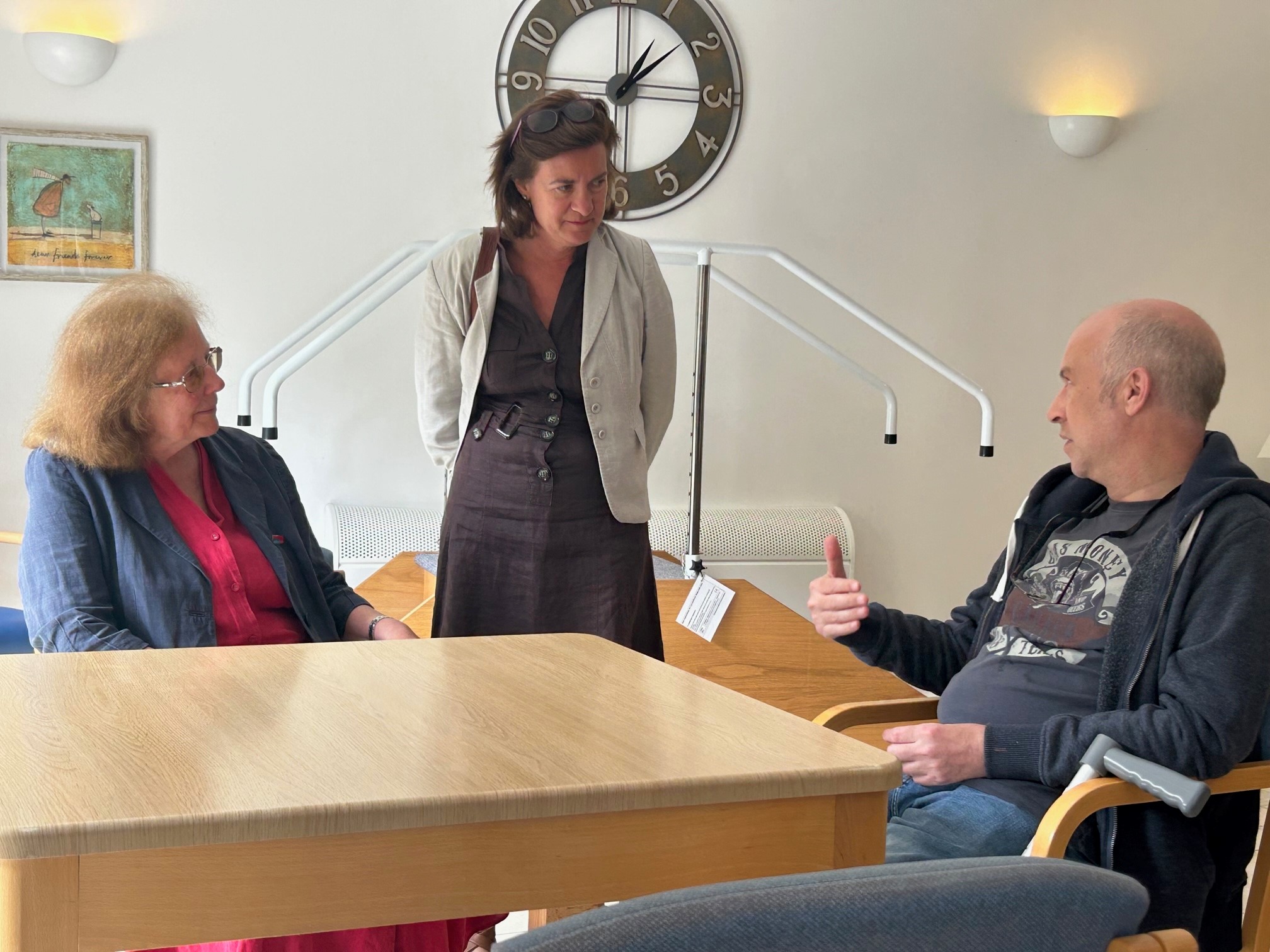
THE MINISTER or Health and Social Services Eluned Morgan and Deputy Minister for Social Care Julie Morgan have visited South Pembrokeshire Hospital in Pembroke Dock to learn more about how partnership working helps patients in Pembrokeshire receive the best care.
The visit last week (Wednesday, 31 May) came ahead of today’s announcement that Welsh Government will invest up to £30m to deliver more care at home or in the community and reduce time people spend in hospitals.
The Health Minister and Deputy Minister for Social Care have set out how they will work with local government, NHS and other partners to strengthen local care services in order to help alleviate the kind of pressure on the health and care system seen this winter.
To see this work in action, Eluned Morgan and Julie Morgan, visited the Co-ordination Centre at South Pembrokeshire Hospital to hear more about the ‘Further Faster’ initiative where the Hywel Dda University Health Board, Pembrokeshire Council and third sector work together to co-ordinate and allocate the appropriate care to people across the county.
Operating seven days week, 8am to 6pm and staffed by a team of experienced clinicians and coordinators, the Coordination Centre provides a single place for the co-ordination and triage of referrals and enquiries regarding routine and planned, urgent and intermediate care needs for the people of Pembrokeshire.

Eluned Morgan said she was impressed by the ‘Further Faster’ initiative. She said: “I think this is an example of exactly what we’re trying to achieve across Wales but we’re trying to see this supercharged so we’re seeing local authorities work with the health board to make sure that we can discharge people from the hospital much quicker.
“But we also have a real recognition that there’s a lot of work we need to do in relation to prevention. And everybody working together here is absolutely key and I think, in relation to care, that is crucial as well.”
Julie Morgan agreed and praised the work at the Co-ordination Centre.
She said: ““I think we’ve seen a really good example of where everybody works together in the same room in the Co-ordination Centre. It was so striking to see everybody there together and the call handlers can refer people on to specialists sitting in the same room as them. The key issue really is to try and prevent hospital admissions and to do all we possibly can to keep people in the community and I think this is a great example.”

The Minister and Deputy Minister also met staff and patients at Martello House – a facility for patients who are receiving care after coming out of hospital and re-ablement care to prevent them returning to hospital and to be able to live independently at home.
Patient Paul McGrath from Pembroke Dock had an opportunity to speak to the Ministers about his experience at Martello house.
Mr McGrath underwent heart surgery earlier this year and after months of treatment and recovery in hospital, Mr McGrath was transferred to Martello House. He has been there for two weeks and is hoping to go back home in a week or so.

He said: “Because of the way Martello House works, it’s made me feel much more comfortable in doing things. I’ve been able to get up and about and get moving which has helped tremendously. Certainly, being here and what I’ve been doing, just moving around and walking, doing stuff for myself has helped my mobility and my confidence.
“They encourage the walking and maintaining the physiotherapy regime that I’ve been given. Making cups of tea, cups of coffee… sorting out breakfast for yourself, that sort of thing. Just getting on with day-to-day stuff.”
Mr McGrath said being at Martello house had speeded up his recovery process.
“When I first came here, I still couldn’t see myself being at home – I was worried about that. But being here made me realise that I’m supposed to be at home. I can be at home, I can carry on with whatever I’m doing here. Everything I do here, I can do at home.”
Jill Paterson, Director of Primary Care, Community and Long-Term Care for Hywel Dda University Health Board said: “This is a priority for us and our partner organisations. By working together to coordinate and deliver our services we can support individuals to remain at home or in their community with the right level of care and support so that they spend less time in hospital.”
Cllr Tessa Hodgson, Pembrokeshire County Council Cabinet Member for Social Care and Safeguarding, said: “We have a history of excellent partnership working in Pembrokeshire, with health, third sector and the authority’s social care delivering projects and services which supports our communities. It’s important to focus on what will benefit patients – and improve outcomes for the people who live in Pembrokeshire who need these vital health and care services. This approach will improve the co-ordination and efficiency to ensure services are fit-for-purpose and improve the lives of those who need support the most.”
According to Eluned Morgan, the new £30m investment will help to deliver thousands of extra hours of reablement services across Wales – providing as a safe alternative to hospital admission and to keep people at home, or so people can recover at home more quickly after a stay in hospital.
The money will also be spent on:
Recruiting more community workers to advise people on how they can access the right support and services to help them recover and lead independent lives;
Ensuring every local authority has a Technology Enabled Care (TEC) Responder Service by winter 2024. Currently only 10 local authorities have this facility. Using the latest monitoring technology this service will ensure people can get the help they need as quickly as possible;
Moving towards 24/7 Community nursing by increasing the availability of community nurses across Wales for an extra 10 hours a day on Saturdays and Sundays;
Strengthening community specialist palliative care – by making specialist nurses available overnight;
Providing practical support for local services to collaborate to put in place an individual care plan for those people identified as most at risk for urgent care. This will help to reduce hospital admissions.
ENDS
Cathryn Ings


BMA Cymru Wales accuses ministers of falling short on pay restoration as Welsh Government accepts DDRB recommendations for 2026-27
DOCTORS in Wales have accused the Welsh Government of failing to properly value NHS staff after ministers accepted this year’s independent pay recommendations for medical and dental professionals. The row centres on whether the award represents fair recognition for frontline staff — or yet another missed chance to reverse years of falling real-terms pay.
In a written statement published on Wednesday (Mar 25), Health Secretary Jeremy Miles said the Welsh Government had accepted the Doctors’ and Dentists’ Review Body recommendations on headline pay for 2026-27. Under the decision, consultants, specialty and associate specialist doctors, resident doctors, dentists and locally employed doctors will receive a 3.5% consolidated uplift from April 1, 2026, while salaried dentists in Community Dental Services and the Public Dental Service will receive 3.75%.
But while the Welsh Government also said it accepted in principle a 3.5% uplift for contractor GPs and a 3.75% uplift to the pay element of dental contracts, ministers made clear that final decisions on how those increases are applied alongside wider contract changes would be left to the next government.
That has triggered an angry response from BMA Cymru Wales. In a press release issued on Wednesday, Dr Iona Collins, chair of the BMA’s Welsh Council, said ministers had “once again chosen to impose an award that falls short” of repeated promises to deliver full pay restoration for doctors employed by NHS Wales.
She said the award failed to reflect the “superhuman” efforts of doctors working under intense pressure and warned that inadequate pay would make it harder to retain staff in the Welsh NHS at a time when many are considering leaving for better pay and conditions elsewhere.

The BMA also raised concerns about general practice, saying GP pay had effectively been left hanging because the Cabinet Secretary linked the award to ongoing General Medical Services contract discussions with the incoming administration. The union said this left general practice “out in the cold” compared with other branches of the profession and called for urgent talks.
The Welsh Government said the award would apply from April 1 and added that wider DDRB recommendations not directly related to headline pay would be considered separately with partners. Ministers thanked NHS staff for their “ongoing dedication and hard work”.
The dispute is likely to reignite the wider argument over recruitment, retention and morale in NHS Wales, with doctors’ leaders insisting that pay restoration is no longer simply about reward, but about preventing more clinicians from walking away from the service.
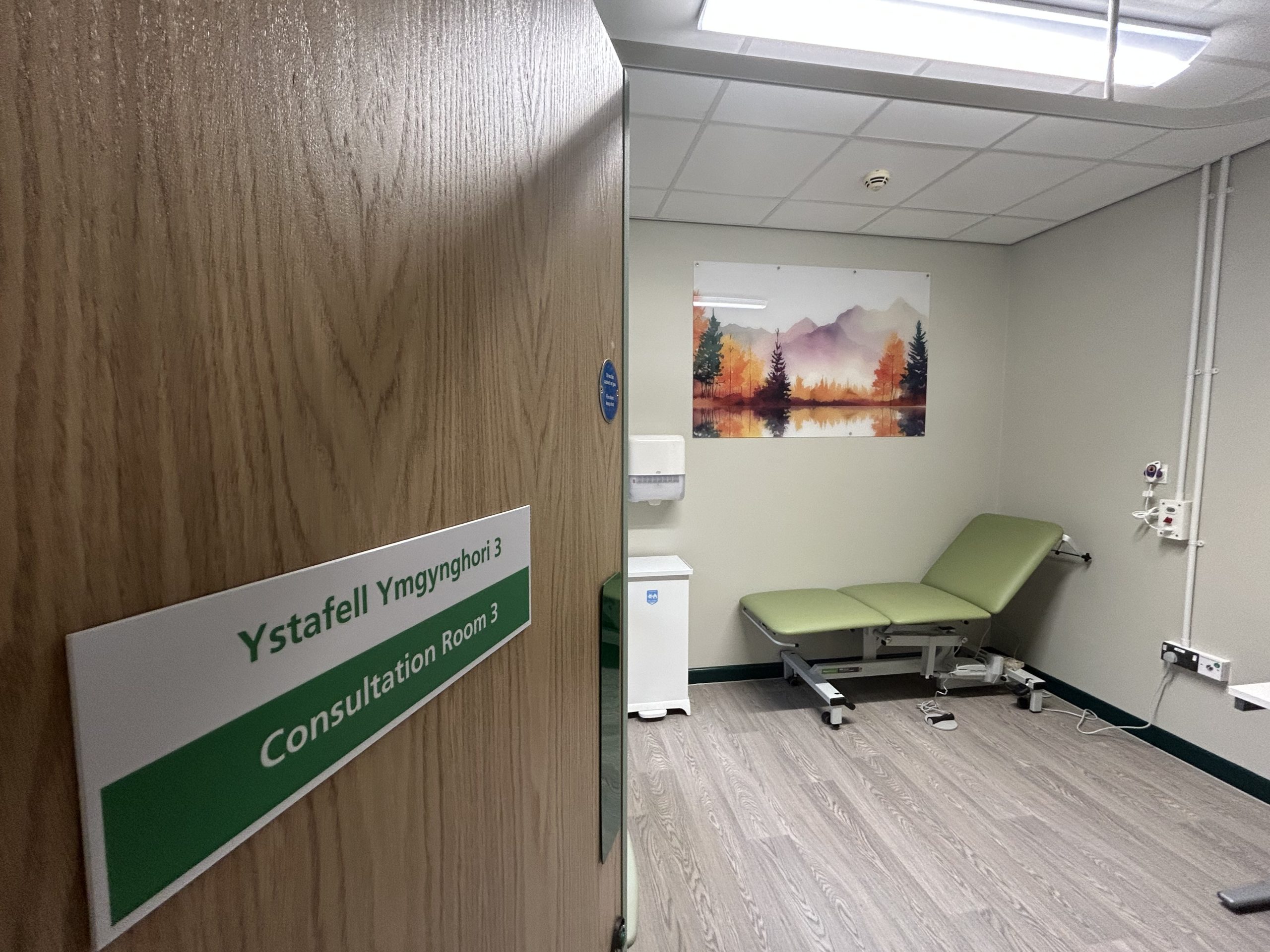
THE SDEC unit at Glangwili Hospital in Carmarthen will reopen to patients and staff on Monday (Mar 30) following a major £2m refurbishment.
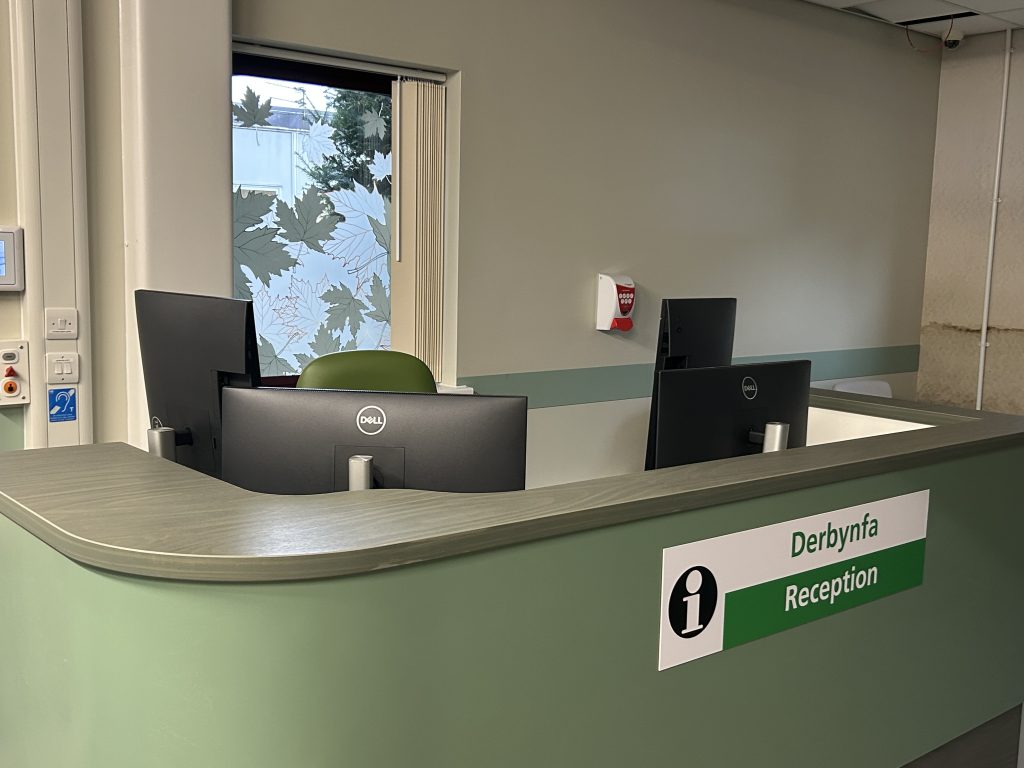
The upgrade, funded by the Welsh Government, has delivered additional consultation rooms, a redesigned reception area, and improved facilities aimed at enhancing the experience for both patients and staff.
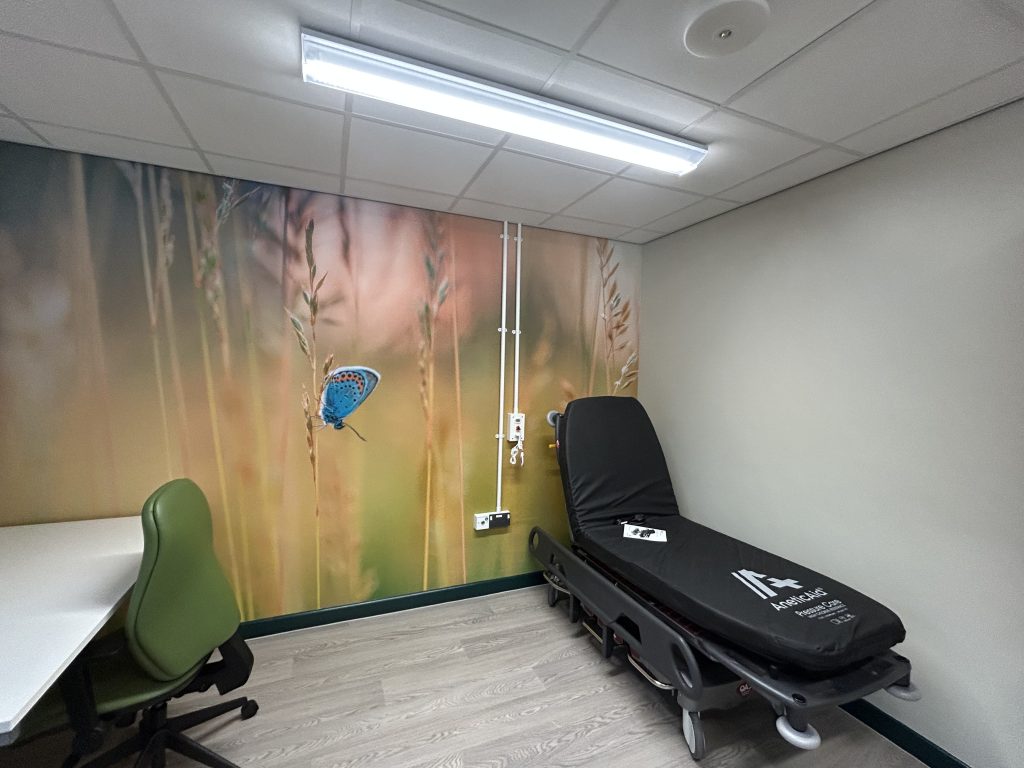
Health board chiefs say the revamped unit is expected to ease pressure on the hospital’s Emergency Department and forms part of wider efforts to improve urgent care services across Hywel Dda University Health Board sites, including the Minor Injury Unit at Prince Philip Hospital.
Keith Jones, Director of Operational Planning and Performance at Hywel Dda, said: “We are very grateful to the Welsh Government for the £2.096 million investment, which has allowed us to increase capacity within the SDEC unit at Glangwili.
“We expect these improvements will help reduce pressure on the Emergency Department and enable our teams to deliver a smoother, faster experience for patients.”
During the works, several services were temporarily relocated to Y Lolfa, formerly Padarn Ward. These will now return to the SDEC building, including the Discharge Lounge, Medical Day Unit and the Primary Care Out of Hours Service.
Cancer support services, including the Cancer Information and Support Service (CISS) and Cancer Psychological Support Service (CaPS), will also move back to the unit.
Access routes for services that remained at the Priory Day Hospital during the refurbishment – including podiatry, neuro-rehabilitation and occupational therapy – will return to normal.
Patients are advised to follow on-site signage or ask staff for directions. The health board said appointment letters will include updated information, but urged patients to double-check details and contact departments directly if unsure.

Mr Jones added: “I would like to thank staff, patients and visitors for their patience during these works.”
Cabinet Secretary for Health and Social Care Jeremy Miles said the investment would deliver “real improvements” for patients and staff.
He added: “This is part of our ongoing commitment to improving hospital facilities across Wales, ensuring people receive the right care, in the right place, as quickly as possible.”



Home testing and vaccine catch-up plan launched as uptake falls after pandemic
PLANS to boost cervical cancer prevention across Wales have been set out by ministers, amid concerns that HPV vaccination rates have fallen since the pandemic.
In a written statement issued on Wednesday (Mar 25), Health Secretary Jeremy Miles said urgent work is underway to improve uptake of both vaccination and screening, which are key to preventing the disease.
The Welsh Government confirmed that before COVID-19, HPV vaccine uptake was close to the World Health Organisation’s 90% target — but levels have since dropped.
Health board vaccination teams have delivered more than 1,400 additional HPV vaccinations during 2025 as part of targeted efforts, particularly focusing on schools where uptake is lowest. Further catch-up programmes are planned over the next 12 months.
Public Health Wales has also launched surveys aimed at understanding why some young people and parents are not attending vaccination appointments, alongside a wider communications campaign highlighting the benefits of the vaccine.
Cervical screening, which detects high-risk strains of HPV, remains a key part of prevention efforts. However, participation varies across different groups.
A new initiative will see at-home cervical screening kits introduced later this year, aimed at women who rarely or never attend appointments. The move is designed to remove barriers to screening and improve access.
Latest figures show a gradual decline in cervical cancer cases and deaths in Wales. The number of cases has fallen from an average of 164 per year in the early 2000s to 149 in recent years, while annual deaths have dropped from 61 to 54.
Despite this progress, ministers say more must be done to improve early detection and treatment.

Cervical cancer is currently grouped within wider gynaecological cancers for NHS treatment targets, but plans are in place to report more detailed data by April 2027 to better track treatment times.
Jeremy Miles urged those eligible to take up both vaccination and screening offers, adding that improving access to prevention, diagnosis and treatment would be key to reducing cancer rates further in the years ahead.



News12 hours ago
Reform reveals west Wales candidates for Senedd battle
Monkton councillor tops Pembrokeshire list as party confirms Carmarthenshire names and includes Haverfordwest councillor in unwinnable Swansea spot REFORM UK...

Health19 hours ago
Clash over Withybush Hospital services as Paul Davies challenges First Minister
A HEATED exchange in the Senedd has laid bare growing tensions over the future of hospital services in west Wales....


Crime2 days ago
Police stop car in Pennar as three arrested in drugs investigation
Suspected drug driver report leads to major police response and multiple arrests DRAMATIC scenes were reported in Pennar on Monday...


Business2 days ago
New pilot vessel Llanion arrives at Milford Haven
State-of-the-art 22-metre craft marks reset after £3.6m pilot boat controversy THE PORT OF MILFORD HAVEN has taken delivery of a...


Community2 days ago
Sycamore Gap legacy tree to take root in Pembrokeshire landscapes
A SAPLING grown from the famous Sycamore Gap tree is set to become part of Wales’ protected landscapes — with...


Business3 days ago
Could Primark be coming to Haverfordwest? Major retailer in talks for former Wilko site
Council confirms advanced discussions as speculation grows over high street boost HAVERFORDWEST could soon see a major high street revival,...


Business3 days ago
Rail investment ‘could unlock 40,000 jobs and £11bn for Wales’ says new report
RAILWAY stations across Wales could help unlock around 40,000 jobs and more than £11 billion for the economy by 2036,...


Local Government3 days ago
Milford Haven set for £200m investment with schools, leisure centre and rail upgrade
Council outlines major plans for town with backing from Welsh Government MILFORD HAVEN is set for a major transformation with...


Community3 days ago
Broad Haven volunteers secure ‘national asset’ status for nature reserve
A SMALL stretch of woodland and former opencast coal mine has been transformed into a nationally recognised biodiversity site, in...


Entertainment5 days ago
Tenby steams up in spectacular style as crowds flock to festival
Colourful parade, towering creations and Victorian flair bring town centre to life TENBY was transformed into a vibrant Victorian fantasy...
-

 Health7 days ago
NHS waiting list falls — but cancer delays and diagnostic backlog worsen
-

 Crime6 days ago
Pembroke man remanded in custody over knife threat, assault and damage allegations
-

 Crime7 days ago
Illegal workers found at Cardigan takeaway after immigration raid
-

 Crime6 days ago
Broad Haven man remanded in custody over sexual harm prevention order breach
-

 News7 days ago
Council unveils plans for new state-of-the-art secondary school in Milford Haven
-

 Education7 days ago
Milford Haven school plans unveiled but funding not yet secured
-

 Farming7 days ago
£3 million secured to continue Welsh sheep genetics programme
-
 Crime6 days ago
Publican jailed for six years for supplying cocaine and cannabis