


News
Police stay tight-lipped about hospital runs

 DYFED POWYS POLICE force has declined to provide information to The Herald about its use of police cars as make-shift ambulances as they have deemed it too time consuming and not worth their effort.
According to figures released by Plaid Cymru, who made Freedom of Information requests to each Welsh police force, more than 600 patients in Wales had to be taken to hospitals by police cars rather than ambulances over the last three years. The Welsh Ambulance Service said it was missing its eight-minute target and crews were “tied up” and unable to respond to other calls. Police dealt with a wide range of patients, including those who had attempted suicide, been involved in assaults or stabbings, suffered drink-related injuries or had hypothermia. While 600 is the figure from South Wales Police, North Wales Police and Gwent Police, Wales’ largest force Dyfed Powys did not provide any figures.
The Herald asked the Force: “On how many occasions in each of the financial years 2011-12, 2012- 13 and 2013-14 have the force been asked to take patients to hospital in police vehicles because of a lack of availability of ambulances to carry out the task?” The response that came back that an exemption to providing this information, freely available apparently under the Freedom of Information, applied and told us it would take a staggering 9635 hours – over a year of man hours to provide the Herald with the basic information given freely by other Welsh police forces.
While the Welsh Government claims that the figures cited represent less than 0.05% of all calls made to the Ambulance Service, the situation has been pounced upon as evidence of the growing crisis in the Welsh Ambulance Service at a time when Health Board service reorganisations are increasing the burden placed upon the grossly under-performing service. Mike Collins, director of service delivery at the ambulance service, said the organisation was working as hard as it could take patients to hospital as quickly as possible. “The trust is working in partnership with police forces across Wales to reduce instances where our emergency colleagues are awaiting an ambulance response,” he added. “Both the trust and all four police forces maintain frequent contact and are building on the close relationship in support of each other and their staff.
“Despite the increase in calls that we experience year on year we are actually reaching more and more people across Wales than ever before.” The crisis in Ambulance provision was highlighted by performance figures released in June which showed a catastrophic failure by the Welsh Ambulance Trust to meet minimum performance levels set by the Welsh Government. The figures show that 50.8% of ambulances in Pembrokeshire arrived at the scene of an immediate life-threatening Category A call within 8 minutes. The target is 65%. Neighbouring counties of Ceredigion and Carmarthenshire achieved better figures of 53.3% and 51.9% respectively, and the average for the whole of Wales was 54.1%.

The death of three years-old Angel Jade Smith of Carmarthen shows the depth of the challenge facing those seeking to improve first responder times. Having been recovered from a serious house fire, Angel received treatment for twenty minutes at the scene and had been transported to Glangwili Hospital by police officers before an ambulance arrived, forty minutes after being called. Carmarthen Ambulance station is only seven minutes from the family’s home. The Ambulance Service announced an enquiry into the matter, but a search of their website for further information on the incident drew a blank.



Politicians visiting Frenni say rising fuel costs, weak transport links and a lack of investment are placing increasing pressure on businesses across the region
CONSERVATIVE politicians have warned that poor transport links and rising operating costs are putting increasing pressure on the haulage sector in west Wales, following a visit to leading local road haulier Frenni.
During the visit, Welsh Conservative leader Darren Millar joined Ceredigion Penfro candidates Paul Davies and Samuel Kurtz to meet staff at the company and discuss the challenges facing the industry.
Among the main concerns raised were weak road infrastructure, rising fuel prices, growing business costs and the impact these pressures are having on firms that rely on efficient journey times to stay competitive.
Frenni told the politicians that poor connectivity is making it harder to move goods efficiently, reach key markets and compete with businesses elsewhere in the UK — a problem that is especially acute for haulage operators, whose profitability depends heavily on reliable journey times.
According to the Road Haulage Association, the sector moves around 89 per cent of all goods in the UK, underlining its importance to the wider economy. However, it also faces mounting pressures from fuel costs, wages, insurance, maintenance and regulatory compliance.

The visit also came amid renewed concern over fuel prices. The politicians said businesses in west Wales were already struggling with increased costs and warned that any further rise in fuel duty would place additional strain on hauliers and rural communities.
Darren Millar said: “It was incredibly valuable to hear directly from Frenni about the challenges they face day to day. Time and again, we hear the same message — our road networks are holding businesses back.
“Whether it is delays, poor road conditions or rising fuel costs, the current environment is making it harder than ever to operate. We support the road haulage sector in its calls for action on fuel duty.”
Paul Davies said haulage firms such as Frenni were vital to the economy and deserved stronger backing.

He said: “Hauliers like Frenni are absolutely essential to our economy. They keep goods moving across the country every single day, but they are being squeezed from all sides — from fuel costs to rising wages and wider business pressures. Without action, we risk placing that vital network under real strain.”
A key issue raised during the meeting was the long-standing call to dual the A40, which the politicians described as a crucial freight route linking west Wales with the rest of the country.
Samuel Kurtz said: “For a haulage firm, time is money. The A40 and M4 are a lifeline for us, and without proper investment, companies here are at a clear disadvantage. We need to see real progress and real investment.”

Road safety concerns were also discussed, particularly on the A477, where calls have previously been made for major improvements.
Mr Kurtz added: “Improving the A477 is not just about convenience, it is about safety. Hauliers are on these roads every day, and we need to ensure these routes are safe, resilient and fit for purpose.”
The politicians also said more needed to be done to improve driver welfare, with concerns raised over a shortage of secure parking, rest areas and basic facilities for HGV drivers in west Wales.
Paul Davies said: “Driver welfare is too often overlooked. If we want to support the haulage sector and tackle driver shortages, we need proper facilities, including safe parking, rest areas and access to basic amenities.”
Wider transport concerns were also discussed, including calls for progress on major infrastructure schemes such as the M4 relief road, which supporters say is needed to ease congestion and improve freight movement across south Wales.
The default 20mph speed limit was another issue raised during the visit, with criticism from the politicians that it is increasing journey times and adding to delivery costs.
Samuel Kurtz said: “Hauliers understand the importance of road safety, but a blanket 20mph approach is not working for logistics. It is slowing journeys, increasing costs and making it harder for businesses to operate efficiently.”
Setting out the party’s position, Paul Davies said the Welsh Conservatives would prioritise investment in roads and transport infrastructure.
He said: “We would get Wales moving again by delivering A40 dualling, upgrading the A477 for safety, progressing the M4 relief road, improving facilities for drivers and scrapping the blanket 20mph policy. At the same time, we must recognise the cost pressures facing the sector and back the businesses that keep our economy moving.”
He added: “Frenni is a great example of a hardworking west Wales haulage business playing a vital role in the wider UK economy. These are the businesses that ensure goods reach our shops, homes and industries. With the right support, they can continue to grow, create jobs and keep Wales moving.”
If you want this turned into a more balanced newspaper piece with Labour/Plaid reaction added, I can do that too.
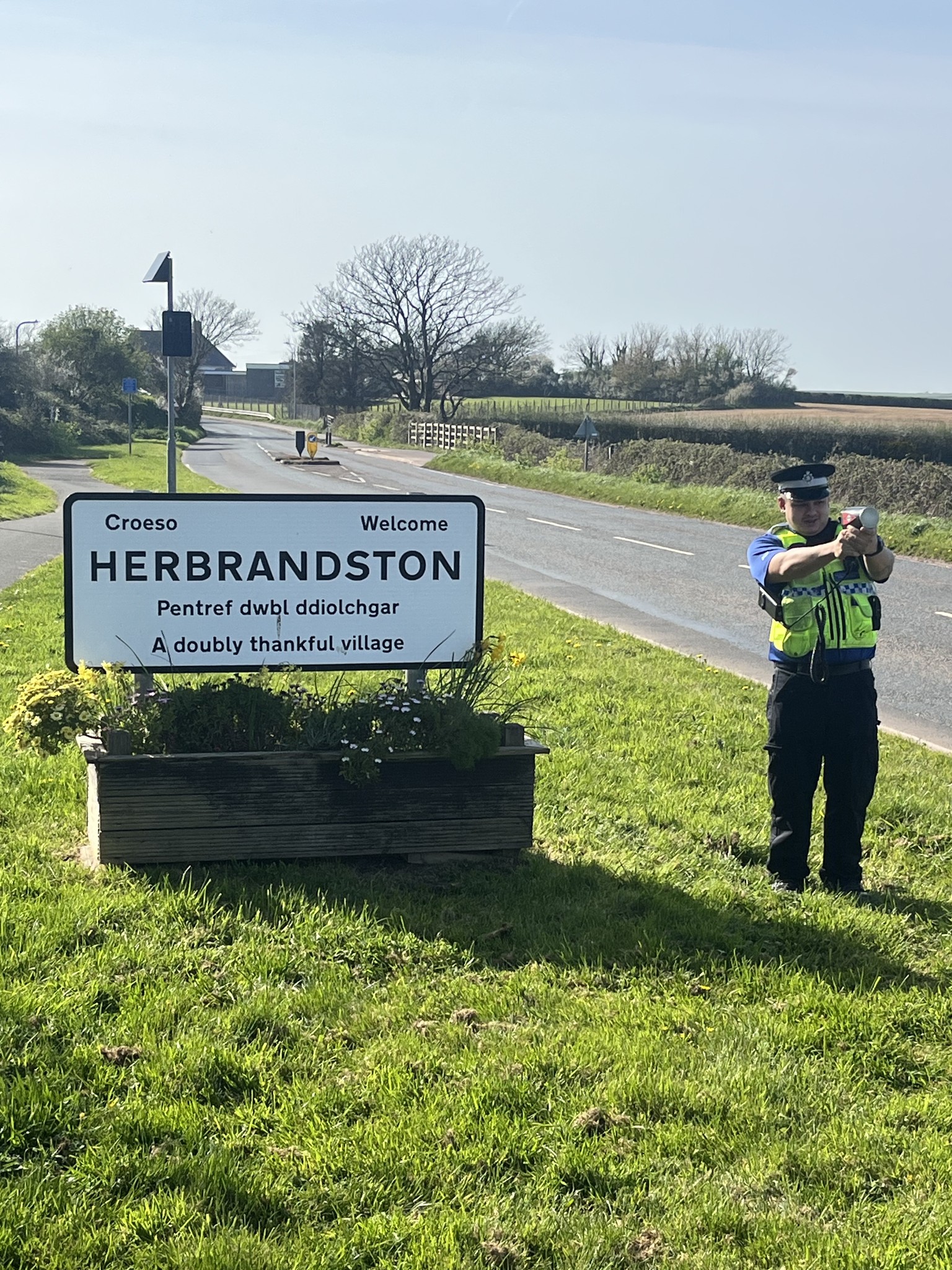
HERBRANDSTON residents flagged fast-moving traffic as a key concern, prompting police to carry out speed checks in the village.
Concern over speeding in Herbrandston has prompted a local police response, with PCSO Adam out in the village carrying out speed checks after residents raised the issue through DPP Connect.
Milford Haven and Neyland Police said the concerns emerged after officers signed local people up to the messaging service, which allows residents to share feedback and receive updates from police.
Many of those who responded said speeding through the village was one of their main worries.
In response, PCSO Adam was deployed to monitor traffic and check vehicle speeds.

The move is likely to be welcomed by residents who have grown tired of motorists treating the village like a racetrack.
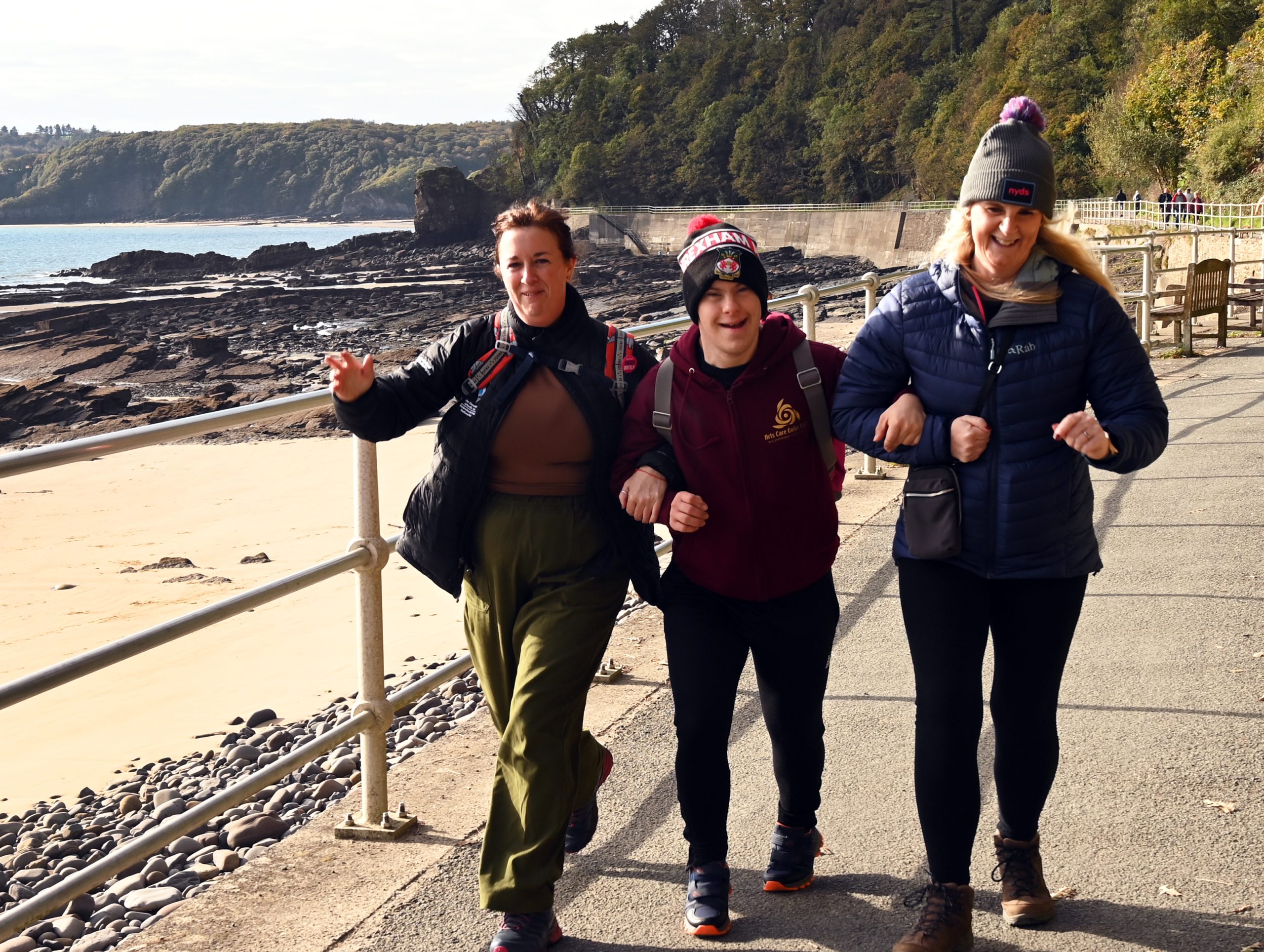
THE PEMBROKESHIRE COAST NATIONAL PARK AUTHORITY is inviting communities, workplaces, families and friends to take part in the 2026 Walk the Path for Wellbeing challenge, with this year’s event expanding across three counties for the first time.
Taking place on Sunday, May 10 and Monday, May 11, the challenge will bring people together to celebrate the spectacular West Wales coastline through walking and other forms of active travel, while highlighting the strong links between nature, movement and wellbeing. A reserve weekend of May 17 and 18 has also been set aside in the event of severe weather.
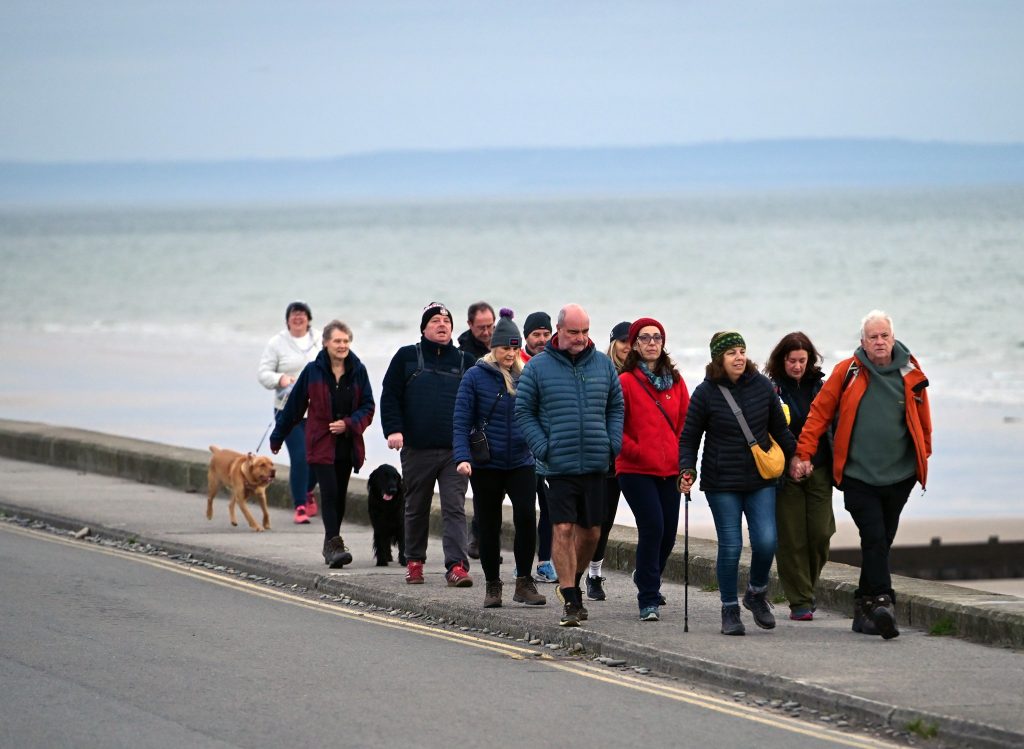
Building on feedback from last year, the event will now take place over two days rather than one, giving more people the opportunity to get involved and creating a longer window for celebration, storytelling and community spirit.
While last year’s challenge focused on the 186-mile Pembrokeshire Coast, this year’s event will also include sections of Carmarthenshire and Ceredigion, bringing even more communities into the shared coastal celebration.
The two-day event will feature self-led sections for group entry. With the focus firmly on enjoyment, there is no pressure to complete every stage, and participants are encouraged to do only as much as they feel comfortable with. Together, those individual efforts will contribute to a shared goal of covering the full 313 miles of coastline.
Angela Robinson, Health and Wellbeing Officer at the Pembrokeshire Coast National Park Authority, said: “The coast has an extraordinary ability to lift people, connect communities and create lasting memories. By extending the event across two days and into neighbouring counties, we’re opening the door to even more people to celebrate that connection together and share their experiences on social media.”


Crime2 days ago
Four youths stabbed at Tenby railway station as two arrested
British Transport Police lead investigation after serious disorder involving group of youths FOUR youths suffered stab wounds during a major...

News2 days ago
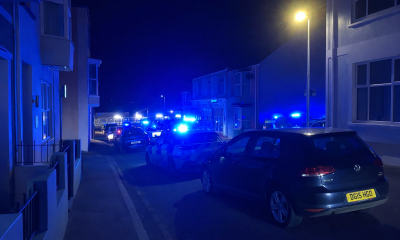
Major emergency response in Tenby after incident near train station
Witnesses report injuries as police and ambulance crews remain at scene on Warren Street POLICE and ambulance crews remain at...


News2 days ago
Haverfordwest County AFC faces High Court winding-up threat from HMRC
Chairman says issue has been dealt with, but winding-up notice is still listed ahead of High Court hearing HAVERFORDWEST County...


Local Government2 days ago
Food hygiene checks have not been carried out in parts of a Welsh county since 2019
FOOD hygiene checks have not been carried out in parts of a Welsh county since 2019 due an inspection backlog,...


Local Government2 days ago
Bridge works on Neyland-Burton road to continue into late April
Council says safety repairs remain on programme but traffic lights will stay in place as major bridge scheme moves into...

Charity3 days ago
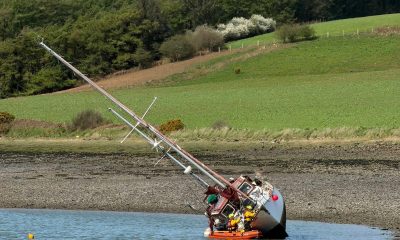
Angle RNLI answers string of call-outs across the Milford Haven Waterway
Volunteer crew launched for searches, police incidents, a medical evacuation and a grounded yacht during a busy spell from mid-February...

Charity3 days ago
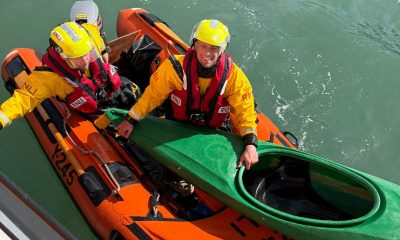
St Davids RNLI launches on Easter Monday after drifting kayak spotted off Solva
Missing vessel recovered near shore after coastguard confirms it had been reported lost days earlier ST DAVIDS RNLI launched on...

News3 days ago
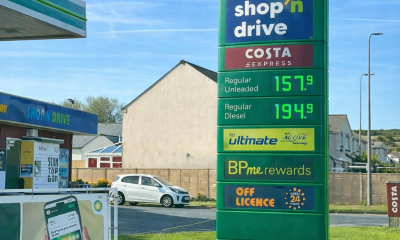
Diesel nears £2 a litre in Pembrokeshire as drivers scramble for cheaper fuel
Johnston forecourt hits 194.9p while wide price gaps and rush to fill up pile pressure on motorists across the county...


News4 days ago
St Davids Cathedral marked Easter Sunday with full day of worship
FROM dawn vigil to choral evensong, the cathedral welcomed worshippers for one of the most important days in the Christian...


Crime4 days ago
Neyland man spared immediate jail over aggravated vehicle taking
Defendant given a suspended prison sentence after magistrates heard the offence was serious enough to cross the custody threshold KRISTIAN...
-

 News6 days ago
Accommodation providers in Wales will be required to register under new law
-
Crime2 days ago
Four youths stabbed at Tenby railway station as two arrested
-

 Entertainment7 days ago
From Milford Haven to the world: The story of The Evolution Experience
-

 Community7 days ago
Sycamore Gap legacy takes root at Carew Castle
-

 News4 days ago
Eluned Morgan targets Haverfordwest as Welsh Labour fights to hold its ground
-

 Crime7 days ago
Driver spared jail after crash killed young couple
-

 Entertainment7 days ago
Broad Haven set for Easter egg hunt fun
-
 Community4 days ago
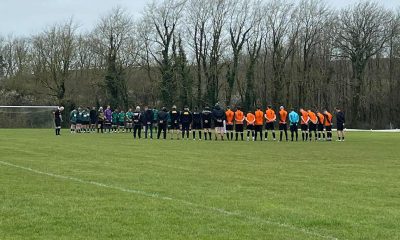
Johnston FC pays tribute after sudden death of Rhyan Nolan, 27