


Crime
Nottingham tragedy: Paranoid schizophrenia and a plea to MI5

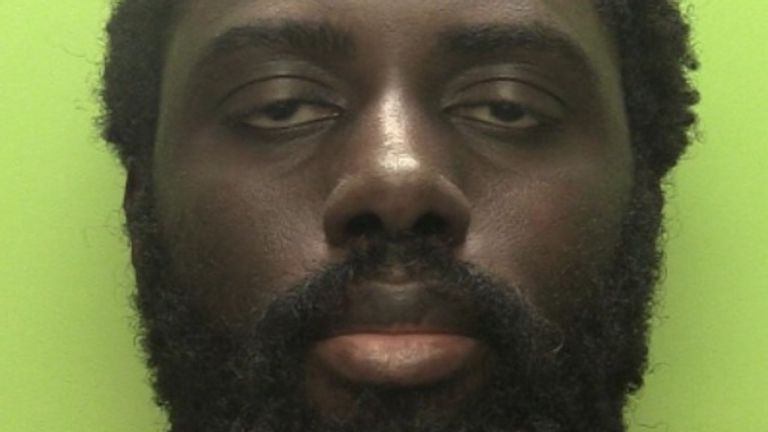
IN a chilling revelation at Nottingham Crown Court, the case of former Haverfordwest resident, Valdo Calocane, 32, unveils a tragic narrative of mental illness and missed warning signs. Calocane, suffering from paranoid schizophrenia, believed he was under the control of MI5 and other malign forces, a delusion that led to a horrific series of events in Nottingham on 13 June last year.
Calocane, who has admitted to the manslaughter of Grace O’Malley-Kumar, Barnaby Webber, and Ian Coates on the grounds of diminished responsibility, also attempted to kill three others during his rampage. His defence, led by Peter Joyce KC, highlighted Calocane’s troubled past and his attempts to seek help, including a desperate plea at Thames House, MI5’s headquarters, in May 2021.

Forensic psychiatrist Dr Nigel Blackwood detailed Calocane’s history of psychotic delusions. In one instance, Calocane broke into a flat, believing his family was in danger, causing one occupant to leap from an upstairs window in terror. On another occasion, he drove hundreds of miles to his family home, consumed by the belief they were at risk, yet fearing MI5’s surveillance, he refused to enter.
Despite treatment by mental health services since 2020, Calocane often resisted medication, misled clinicians about his symptoms, and disengaged from mental health practitioners. Dr Blackwood remarked on his intelligence and ability to conceal his illness, a factor that perhaps contributed to the tragedy’s escalation.
Adding to the complexity of the case, it has emerged that an arrest warrant was out for Calocane since September 2022, following an alleged assault on a police officer. This warrant remained active at the time of the June attacks. Assistant Chief Constable Rob Griffin of Nottinghamshire Police has acknowledged shortcomings in their efforts to apprehend Calocane, though he noted the unlikelihood of Calocane receiving a custodial sentence for the assault.


Psychiatrists have warned of Calocane’s treatment-resistant schizophrenia, posing a deadly risk if he were to refuse medication in prison. “There is a significant risk of lethal behaviours returning,” Dr Blackwood cautioned, stressing the lack of insight Calocane has into his illness and the moral and legal wrongness of his actions.
His difficulties in Nottingham were a far cry from his upbringing in Haverfordwest.
He moved to Pembrokeshire’s county town with his parents from the West African country of Guinea-Bissau, where he was born in September 1991. Neighbours described him as a polite churchgoer from a good family who would always say hello to them.
He attended the Calvary Church along with his carer dad Amissao, 56, nurse mum Celeste, 44, and two younger siblings. Neighbour Marlene Raymond, 55, previously said: “I can picture the eldest boy now in his school uniform, he was very smart and handsome.

“He was very bright, all three children are – they are a nice family and have been lovely neighbours for years. I haven’t seen the oldest boy for some time – since he went away to college or uni. They are very clever, all of them are polite and intelligent children.”
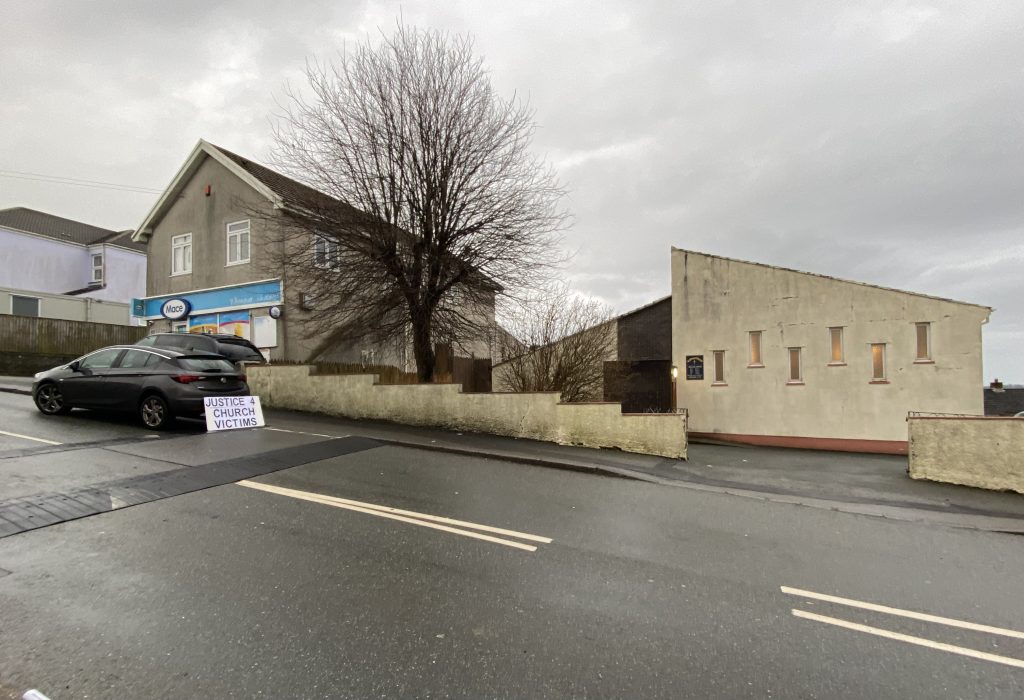
The family worship at the Calvary Church in Haverfordwest which is less than a quarter of a mile from their home. Calocane’s guilty pleas to the manslaughter of Grace, Barnaby and school caretaker Ian Coates were accepted by prosecutors today.
As Calocane awaits sentencing this week, this case serves as a stark reminder of the intersections of mental health, criminal justice, and societal responsibility. It raises crucial questions about how individuals with severe mental illnesses are managed and monitored, especially when they show violent tendencies or seek help in unconventional ways.


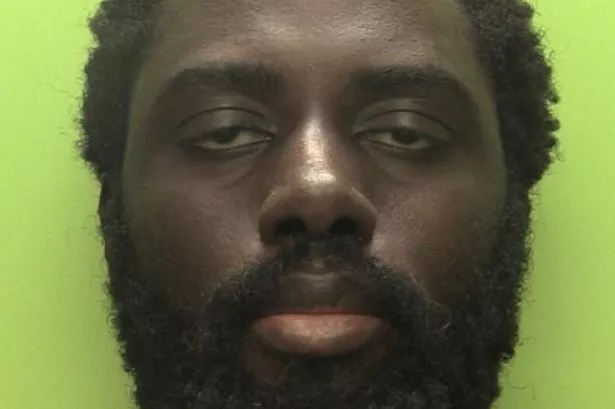
FRESH details have emerged about Nottingham attacker Valdo Calocane, linking him to a previously reported incident in Pembrokeshire involving alleged violence towards an animal.
Calocane carried out a fatal knife attack in Nottingham in the early hours of Tuesday, June 13, 2023, killing University of Nottingham students Barnaby Webber and Grace O’Malley-Kumar, both aged 19, along with 65-year-old Ian Coates. He also attempted to kill three others.
The then 31-year-old was later given a hospital order in January 2024 after admitting three counts of manslaughter on the grounds of diminished responsibility, as well as three counts of attempted murder.
It had previously been established that Calocane was diagnosed with paranoid schizophrenia in 2020 and had been detained under mental health legislation on multiple occasions. Reports also indicated he experienced auditory hallucinations, which he said caused him difficulties.
He had been discharged from the care of Nottinghamshire Healthcare NHS Foundation Trust in September 2022, less than a year before the killings. That decision was later criticised in a Care Quality Commission report.

Now, an inquiry hearing on Tuesday, March 18 has been told of a possible earlier incident during Calocane’s time in Pembrokeshire.
Evidence presented to the inquiry stated that a former housemate, who lived with Calocane while he was attending Pembrokeshire College, contacted police following the Nottingham attacks. She claimed he had a history of mental health problems dating back several years.
The witness also described an incident involving alleged violence towards an animal, although full details were not disclosed during proceedings.
The inquiry further heard that Calocane’s mother had previously spoken about him being bullied both in Portugal and the UK, where the family lived in what was described as a predominantly white community.

A consultant forensic psychiatrist who assessed Calocane while he was in custody noted unusual behaviour during evaluations, including inappropriate smiling and a refusal to engage with questions about hearing voices.
The inquiry into the circumstances surrounding the Nottingham attacks is ongoing.
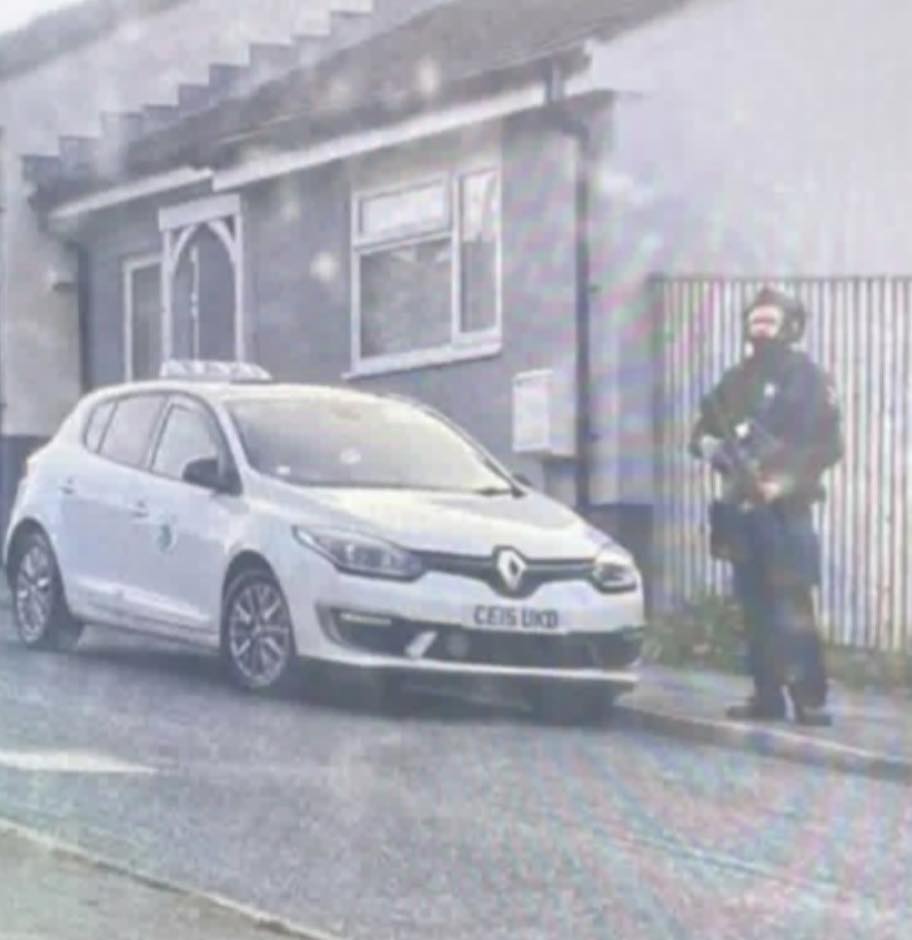
ARMED police were deployed to a residential street in Fishguard this evening following reports of a teenage boy with a knife.
The incident happened in the Dan y Bryn area on Sunday evening (Mar 23).
Armed police negotiated with the suspect, persuading him to hand over the weapon. He was subsequently detained, handcuffed, and taken away in an ambulance.
The situation was brought under control without any reported injuries.
The police told The Herald: “Officers attended the Dan Y Bryn area, Fishguard on the evening of Sunday, March 22 following concerns of an individual reported to be in possession of a knife.
Officers have attended the location and secured the knife.
“The incident cleared with the individual taken to receive further care in hospital.
“Enquiries are ongoing.”


Registered sex offender Wayne Evans, who moved to Carmarthenshire for a fresh start, was caught after the National Crime Agency flagged activity linked to a Kik account
A CONVICTED child rapist who moved to rural west Wales in an apparent attempt to start over was found with indecent images of children on his phone after his online activity was flagged by the National Crime Agency.
Wayne Evans, 59, of Pentrecourt Road, Llandysul, appeared before Swansea Crown Court after officers discovered the images during an investigation triggered by the NCA.
The court heard that in January last year, the NCA alerted Dyfed-Powys Police to a Kik messaging account involved in downloading indecent images of children. The email address linked to the account was already known to police and belonged to Evans, a registered sex offender.
Officers went to his home on January 28 and arrested him. Evans told police he had not downloaded the images himself and claimed they had appeared in a Kik group he was part of, adding that the group had since been shut down.
Police seized six devices from the property and Evans handed over the pin numbers for his phones and tablets. He later answered “no comment” to questions in interview and was released under investigation while the devices were examined.

A forensic analysis of his Samsung Galaxy phone uncovered 13 Category A images, eight Category B images and two Category C images. The material involved children aged between four and 12.
Category A images are considered the most serious and involve the gravest forms of sexual abuse.
The court was told Evans has six previous convictions covering 23 offences. In 1990, he was convicted of gross indecency with a child and indecent assault of a child. In 2002, he was jailed for 15 years for raping a child under 16, attempted rape, gross indecency and five further counts of indecent assault. He was placed on the sex offenders register for life and released from prison in 2011.
Evans had admitted three counts of making indecent images of children, covering Categories A, B and C.
Emily Bennett, representing Evans, said her client knew the court would view the offences in the “dimmest of lights”. She said he had moved to a rural part of Wales where he kept himself to himself and had taken steps to reduce his contact with females.
She also told the court Evans accepted that he still had an inappropriate sexual attraction to children, and said he was in a long-term stable relationship with a partner who knew about his past offending.
Sentencing Evans, Recorder Mark Powell KC said he accepted that the defendant had taken some steps to change his life, but said it was clear he continued to have a sexual interest in children.

The judge said his priority was to pass a sentence which reduced the risk Evans posed. He said an immediate prison term available under the guidelines would be relatively short, could be destabilising, and might even increase the danger to the public.
With credit for his guilty pleas, Evans was sentenced to 16 months in prison, suspended for 18 months. He was also ordered to complete a rehabilitation activity requirement, a Building Choices programme, and 100 hours of unpaid work.
A Sexual Harm Prevention Order was imposed for 10 years, and Evans will remain on the sex offenders register for life.
Photo caption:
Wayne Evans was sentenced at Swansea Crown Court after indecent images of children were found on his phone



Business5 hours ago
New pilot vessel Llanion arrives at Milford Haven
State-of-the-art 22-metre craft marks reset after £3.6m pilot boat controversy THE PORT OF MILFORD HAVEN has taken delivery of a...


Business1 day ago
Could Primark be coming to Haverfordwest? Major retailer in talks for former Wilko site
Council confirms advanced discussions as speculation grows over high street boost HAVERFORDWEST could soon see a major high street revival,...


Business1 day ago
Rail investment ‘could unlock 40,000 jobs and £11bn for Wales’ says new report
RAILWAY stations across Wales could help unlock around 40,000 jobs and more than £11 billion for the economy by 2036,...


Local Government1 day ago
Milford Haven set for £200m investment with schools, leisure centre and rail upgrade
Council outlines major plans for town with backing from Welsh Government MILFORD HAVEN is set for a major transformation with...


Community2 days ago
Broad Haven volunteers secure ‘national asset’ status for nature reserve
A SMALL stretch of woodland and former opencast coal mine has been transformed into a nationally recognised biodiversity site, in...


Entertainment3 days ago
Tenby steams up in spectacular style as crowds flock to festival
Colourful parade, towering creations and Victorian flair bring town centre to life TENBY was transformed into a vibrant Victorian fantasy...


Crime4 days ago
Publican jailed for six years for supplying cocaine and cannabis
Milford Haven man sentenced at Swansea Crown Court following drug dealing operation A MILFORD HAVEN publican has been jailed for...


Local Government4 days ago
Poverty summit highlights support efforts across Pembrokeshire
A SUMMIT bringing together key organisations from across Pembrokeshire has highlighted both the scale of local poverty and the work...


Education5 days ago
Milford Haven school plans unveiled but funding not yet secured
PLANS for a new £100 million school in Milford Haven have been unveiled, but the project has not yet secured...


News5 days ago
Council unveils plans for new state-of-the-art secondary school in Milford Haven
PEMBROKESHIRE COUNTY COUNCIL has revealed plans for a new state-of-the-art school in Milford Haven, promising modern, inspiring learning spaces for...
-

 Crime6 days ago
Mother given community order after admitting child cruelty offence
-

 Health5 days ago
NHS waiting list falls — but cancer delays and diagnostic backlog worsen
-

 News7 days ago
Senedd votes to ban Greyhound racing in Wales to protect animal welfare
-

 News7 days ago
Senedd vote to ban greyhound racing hailed as ‘landmark moment’ by charities
-

 News6 days ago
Reform secures first Pembrokeshire councillor in Hakin by-election win
-

 Crime6 days ago
Woman stole from pharmacy despite ban, court hears
-

 Crime5 days ago
Illegal workers found at Cardigan takeaway after immigration raid
-

 Crime4 days ago
Pembroke man remanded in custody over knife threat, assault and damage allegations