


Community
‘Stop the Stink’ protesters confront landfill site owner at public meeting


IN the shadow of the Withyhedge Landfill near Haverfordwest, a determined crowd of protesters, donned in high-visibility vests and fueled by deep-seated frustration, gathered on Friday (JAN 26) to challenge the ongoing issues emanating from the site.
The “Stop the Stink” protest, a community-driven response to the overwhelming odour and environmental concerns, marked a significant escalation in public outcry.
The protest, organised by local activist Colin Barnett, witnessed an impactful moment as protesters infiltrated a ‘meet the team’ session, directly confronting David Neal, the owner of the Withyhedge landfill site.
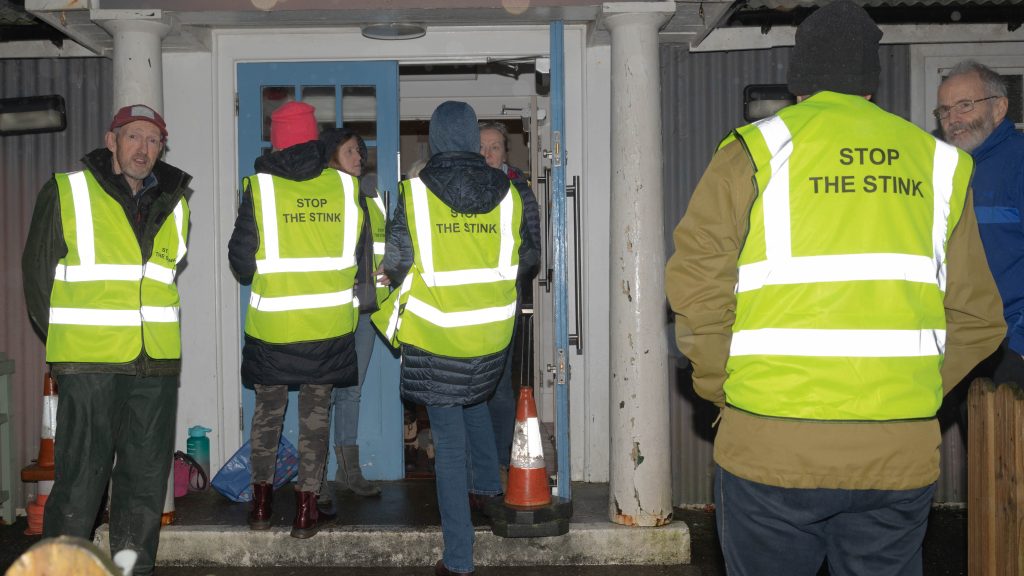
Neal, facing a barrage of questions from the floor for 45 minutes, acknowledged the public’s concerns regarding the odour and its adverse effects on the community’s health and wellbeing.
Residents expressed their anguish over the unbearable stench from the landfill and the increased traffic of trucks witnessed in recent months.

Neal revealed that the site was receiving waste from Cardiff, with some Pembrokeshire waste being transported back, a revelation that added to the residents’ frustrations.
Amidst the heated exchange, Neal proposed the possibility of funding sensors to monitor air quality, not just around the landfill’s perimeter but also in the most affected communities.
The protest underscored the community’s dissatisfaction with the responses from Resources Management UK Ltd (RML) and their communication team, Grasshopper, who were notably absent during the confrontation.
This meeting precedes the crucial “Stop The Stink” public meeting scheduled for February 28 at Spittal School, where the landfill’s progress and future strategies will be scrutinised.

Recalling the earlier articles I wrote, this ongoing issue has been a source of distress for local residents for months. The odour, described as a “stink bomb on steroids,” has been a persistent problem, with the smell of rotting rubbish infiltrating homes miles away. The severity of the situation is magnified by health concerns, with residents like Derek Harries, suffering from COPD, finding the stench pervading their homes.

RML’s attempts to rectify the issue have been met with skepticism, especially given the historical context of company director David John Neal’s previous legal troubles over illegal dumping. The community’s trust in the landfill’s management and the regulatory body, Natural Resources Wales (NRW), remains fragile.
The upcoming public meeting will be a pivotal moment for all stakeholders, including NRW, local politicians, and Pembrokeshire County Council (PCC), to address the community’s grievances. The lack of a comprehensive monitoring system for the odour’s toxicity, not just its intensity, remains a significant concern.

As Pembrokeshire grapples with this environmental and public health crisis, the “Stop the Stink” movement represents more than just a protest against a foul odour. It’s a call for accountability, transparency, and, most importantly, a sustainable solution to a problem that has plagued the community for far too long.



Community invited to engage in key discussions ahead of election
TWO major public events focusing on climate challenges and Welsh democracy are set to take place in Narberth next month, with organisers encouraging residents to attend and take part.
The first event is a screening of the People’s Emergency Briefing film, which explores the growing risks posed by climate change and environmental damage to everyday life in Britain.
The screening will be held at the Bloomfield Centre in Narberth on Friday, April 17 at 7:00pm.
The film features contributions from leading UK experts across climate science, food security, health, economics and national security. It aims to provide a clear and evidence-based overview of how environmental changes are already affecting communities, as well as outlining potential responses.
Organisers say the initiative is strictly non-partisan and is supported by a wide range of organisations, including the National Trust, the Church of England, Exeter University, the Royal Meteorological Society and WWF.
Following the 45-minute screening, attendees will be invited to take part in a structured discussion focusing on what the issues mean for Pembrokeshire, including local resilience, preparedness and long-term planning.
A second event, a Green community hustings ahead of the Senedd elections, will take place the following week.
The hustings will be held at The Queens Hall, Narberth, on Friday, April 24 at 7:00pm, and will give residents the opportunity to meet candidates standing in the Ceredigion Penfro constituency and put questions directly to them.
Organisers say the event will include refreshments and an open discussion following the formal hustings.

Pembrokeshire Friends of the Earth, who are hosting both events, say they hope the gatherings will encourage informed debate and greater public engagement ahead of the upcoming Senedd election.
Residents unable to attend are invited to submit written messages to be shared during the events.

Major Carmarthen site transformed into thriving health and wellbeing campus
PARC DEWI SANT in Carmarthen is approaching a major milestone after attracting 60 organisations in just two years, transforming the historic estate into one of Wales’ most significant integrated health and wellbeing campuses.
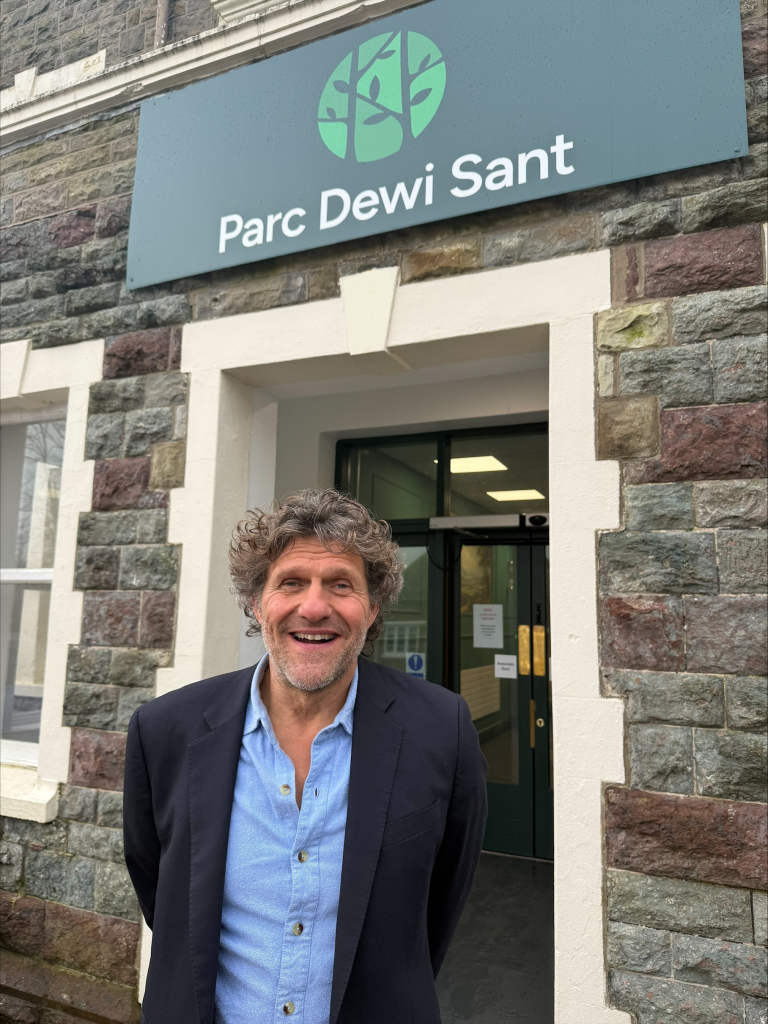
Set within 38 acres of the former St David’s psychiatric hospital site, the campus is now home to around 80 occupiers spanning primary care, therapy and rehabilitation services, nursing education, specialist autism provision, charities, and a wide range of community organisations.
Demand for space within the main buildings has been strong, with most now fully occupied. Attention is turning to two remaining buildings on the estate which require substantial restoration and are expected to form the next phase of development.
The owners say discussions are already underway with potential partners interested in repurposing the buildings for further healthcare, rehabilitation, and community-based services. They are seeking organisations that can help maximise the long-term potential of the site before major refurbishment work begins.
Future uses under consideration include nursing care provision, mental health step-down accommodation, and complementary services designed to strengthen the wider health and wellbeing network already established at Parc Dewi Sant.

Originally developed in the 19th century as a county asylum and later used for NHS mental health services until 2001, the estate has been reimagined as a modern campus focused on prevention, education, and community wellbeing.
Today, a broad range of services operate from the site. These include GP provision alongside NHS clinics such as diabetic eye screening, antenatal services, weight management, and smoking cessation programmes.
Community-based services including social prescribing, the Hywel Dda Community Resource Team, and the Parent and Infant Feeding Group are also based there, alongside specialist facilities such as Hafen Derwen and the Cwm Seren mental health unit.
In addition to clinical provision, the campus hosts a variety of wellbeing, leisure, and support organisations, including the Better Health and Wellbeing Hub, Hwybod + gym, and a range of therapy and rehabilitation services supporting both physical and mental health.

Parc Dewi Sant serves a strategic catchment of around 187,000 people across Carmarthenshire and is located close to Glangwili Hospital, offering complementary services focused on prevention, recovery, and community care.
Mark Andrews, Director of Parc Dewi Sant, said: “It has been a privilege to become custodians of such a historic and important estate in the heart of Carmarthen.
“From the outset we believed the site had enormous potential, and it is incredibly rewarding to see such a vibrant community of organisations now operating here.

“To have 80 occupiers on site, including 60 who have joined us in the past two years, is a fantastic milestone and a real testament to the vision for Parc Dewi Sant.
“As the main buildings reach capacity, our focus now turns to the remaining buildings and how they can be brought back into productive use.
“We would welcome conversations with organisations that can bring complementary services and ideas to the site and help us continue building a campus that supports health, wellbeing, and community life across Carmarthenshire.”
Organisations based at the campus say the environment has created new opportunities for collaboration and improved service delivery.
Meddygfa Parc, a new NHS GP surgery, relocated to the site from the town centre last month.
Jodi Bateman from the surgery said: “We feel incredibly fortunate to have moved to the beautiful surroundings of Parc Dewi Sant. This exciting new chapter allows us to continue providing high-quality care in a welcoming and modern environment.
“Our new premises give us the space and facilities to expand and develop the services we offer, helping us to better meet the needs of our growing community.”
The site will also host a free public open day on Saturday (Mar 14), giving local residents the opportunity to explore the campus and meet some of the organisations based there.

RNLI LIFEGUARDS have saved more than 300 lives in Wales since patrols were first introduced in Pembrokeshire in 2008, as the charity prepares to return to beaches for the Easter holidays.
The Royal National Lifeboat Institution said its lifeguards have saved 315 lives across Wales, aided more than 45,000 people, and responded to over 26,000 incidents. They have also carried out more than six million preventative actions to stop situations becoming emergencies.
The service, which marks its 25th anniversary this year, will see lifeguards return to key Welsh beaches from Saturday (Mar 28) as schools break up for Easter.
In Pembrokeshire, patrols will resume at Whitesands, St Davids, from March 28 to April 12, and at Tenby South from April 3 to April 6.
The RNLI said its lifeguards play a crucial role in keeping beachgoers safe, with around 95 per cent of their work focused on prevention, including advising swimmers, identifying hazards, and educating visitors.
Tom John, a Lifeguard Supervisor in Swansea who joined the service in 2009, said: “We’ve seen more people visiting our beaches each year. While the fundamentals remain the same, we are now a much more proactive service.
“Our training and equipment are excellent, and we have a brilliant team. This time of year is always special as lifeguards return with energy and enthusiasm for the season ahead.”
He added that lifeguards spend much of their time engaging with the public, offering safety advice, and helping people understand the risks before incidents occur.
Across Wales, more than 35 beaches are now patrolled by RNLI lifeguards, forming part of a wider UK network covering over 245 beaches.

The charity is urging anyone heading to the coast this Easter to choose a lifeguarded beach and to swim between the red and yellow flags.
Visitors are also advised to check weather and tide conditions, understand local hazards, and carry a means of calling for help when taking part in water activities.
The RNLI’s “Float to Live” advice remains central to its safety message. Anyone who gets into difficulty in the water is urged to float on their back, keeping their airway clear until help arrives.
In an emergency, people should call 999 and ask for the Coastguard.
The RNLI said its lifeguards will continue to play a vital role in protecting coastal communities and visitors as demand on beaches grows year on year.



Business7 hours ago
Could Primark be coming to Haverfordwest? Major retailer in talks for former Wilko site
Council confirms advanced discussions as speculation grows over high street boost HAVERFORDWEST could soon see a major high street revival,...


Business7 hours ago
Rail investment ‘could unlock 40,000 jobs and £11bn for Wales’ says new report
RAILWAY stations across Wales could help unlock around 40,000 jobs and more than £11 billion for the economy by 2036,...


Local Government8 hours ago
Milford Haven set for £200m investment with schools, leisure centre and rail upgrade
Council outlines major plans for town with backing from Welsh Government MILFORD HAVEN is set for a major transformation with...

Community1 day ago
Broad Haven volunteers secure ‘national asset’ status for nature reserve
A SMALL stretch of woodland and former opencast coal mine has been transformed into a nationally recognised biodiversity site, in...


Entertainment2 days ago
Tenby steams up in spectacular style as crowds flock to festival
Colourful parade, towering creations and Victorian flair bring town centre to life TENBY was transformed into a vibrant Victorian fantasy...


Crime3 days ago
Publican jailed for six years for supplying cocaine and cannabis
Milford Haven man sentenced at Swansea Crown Court following drug dealing operation A MILFORD HAVEN publican has been jailed for...

Local Government3 days ago
Poverty summit highlights support efforts across Pembrokeshire
A SUMMIT bringing together key organisations from across Pembrokeshire has highlighted both the scale of local poverty and the work...


Education4 days ago
Milford Haven school plans unveiled but funding not yet secured
PLANS for a new £100 million school in Milford Haven have been unveiled, but the project has not yet secured...


News4 days ago
Council unveils plans for new state-of-the-art secondary school in Milford Haven
PEMBROKESHIRE COUNTY COUNCIL has revealed plans for a new state-of-the-art school in Milford Haven, promising modern, inspiring learning spaces for...


Health4 days ago
NHS waiting list falls — but cancer delays and diagnostic backlog worsen
Record progress claimed by Welsh Government as critics warn key targets are still being missed THE NHS in Wales has...
-

 News6 days ago
Emergency services flood Haverfordwest after reports of person in river
-

 Crime5 days ago
Mother given community order after admitting child cruelty offence
-
Health4 days ago
NHS waiting list falls — but cancer delays and diagnostic backlog worsen
-

 News6 days ago
Senedd vote to ban greyhound racing hailed as ‘landmark moment’ by charities
-

 News5 days ago
Reform secures first Pembrokeshire councillor in Hakin by-election win
-
 News6 days ago
Senedd votes to ban Greyhound racing in Wales to protect animal welfare
-

 Crime5 days ago
Woman stole from pharmacy despite ban, court hears
-

 Crime4 days ago
Illegal workers found at Cardigan takeaway after immigration raid