


Health
Call for urgent action to combat social care staffing crisis in Wales

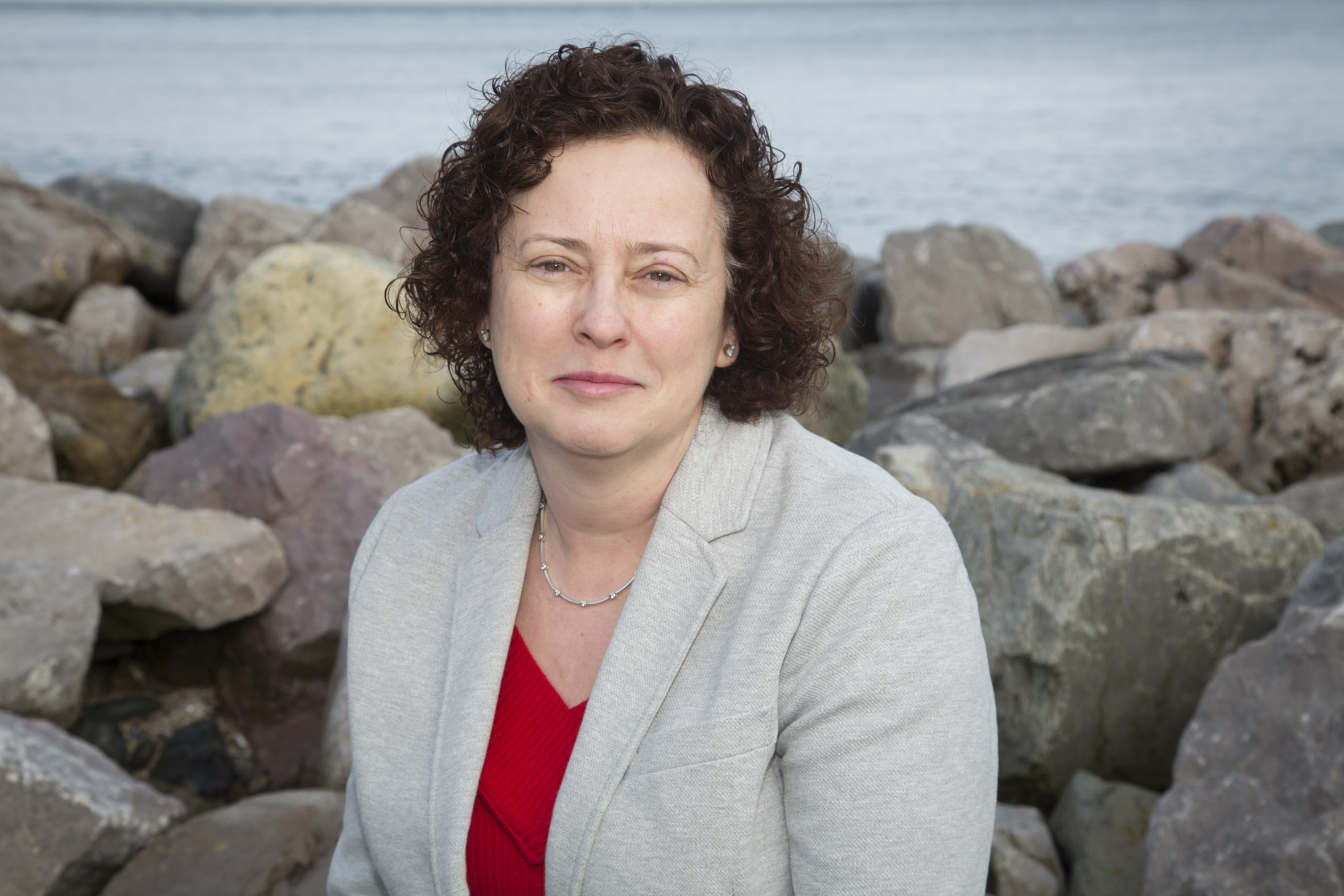
A SOCIAL care champion has called for urgent action to combat the staffing crisis affecting care homes across Wales.
Mary Wimbury, the chief executive of Care Forum Wales, says one of the main reasons for the shortage is underfunding of private and third sector run care homes and domiciliary care agencies which means they can’t afford to pay competitive rates.
She is urging local authorities and health boards to set realistic fees for the coming financial year to ensure that front line staff can be paid what they deserve.
According to Ms Wimbury, even supermarkets can offer higher entry level wages, making the retail sector a better financial option.
The problems in recruiting and retaining staff in the social care sector were also having a disastrous, knock on effect on the NHS.

Welsh hospitals are at breaking point because of so-called bed-blocking with patients unable to be discharged after their medical treatment has been completed.
As a result, there are very few hospital beds available for incoming patients, many of whom have to endure being kept in ambulances outside or on trolleys for hours on end.
Ms Wimbury said: “Social care is a people business. We need people to care for people and enable them to live the best lives they can with the best care and support.
We need people with the right values and it can be a really rewarding job because you are engaging with people’s lives and helping them enjoy those lives as much as possible.

“However, it’s difficult to keep up with the entry level wages offered by supermarkets and the like who can offer higher pay.
“The majority of care in Wales is commissioned by local authorities and health boards.
“We’ve obviously got the commitment from the Welsh Government that, at least, the Real Living wage should be paid but we’re currently discussing what the fees for local authorities and health boards are going to be paying across Wales for the coming year.

“We know they’re feeling pressure on their budgets but it is vitally important the fees they received by care homes and domiciliary care companies reflect the actual cost of providing care so that we can pay our staff what they deserve.
“It’s making sure that money gets through, gets to the front line and enables us to reward people for the valuable jobs they’re doing as well as possible and to keep them in the sector then they’re facing their own cost of living crises.
“Health and social care are flip sides of the same coin so social care is about that care and support that people need that can keep them out of hospital in the first place and enable them to come out of hospital more quickly when they’ve been in as well.
“Both parts of the system need to work together in order to keep people flowing through the system but also, enable people to have the best quality of life that they can.”

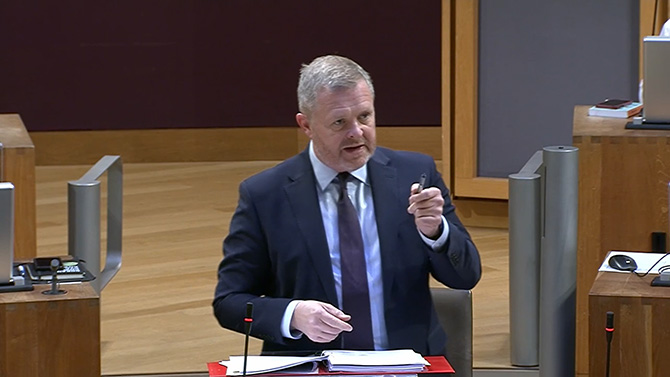
CABINET SECRETARY for Health and Social Care, Jeremy Miles MS, has outlined further steps to improve accountability, openness and transparency across NHS Wales.
In an update following his October statement, Mr Miles said new measures are already making health services more accountable to the public, while improving access to meaningful performance data.
For the first time, Welsh Government has held a full round of public accountability meetings with all NHS organisations. The sessions were live streamed, allowing the public to see health boards, trusts and special authorities being questioned on their plans, finances, performance, quality and safety. Recordings and follow-up correspondence have been published online, with supporting evidence packs set to follow.
Over the past year, more NHS performance data has been released than ever before. This includes the introduction of a new Emergency Ambulance Performance Framework, which moves beyond simple response times to provide a fuller picture of patient care — from the initial call through to clinical outcomes.
The broader dataset is designed to give both the public and clinicians clearer insight into how services are performing. For example, publishing survival rates following cardiac arrest is expected to help improve outcomes by turning previously hidden processes into measurable areas for improvement.

However, a review by the Ministerial Advisory Group on NHS Performance and Productivity found the current accountability system to be overly complex, data-heavy and lacking transparency, with limited impact on driving improvement.
In response, the Welsh Government will introduce a simplified operating and accountability framework from April. The new system will focus on outcomes rather than processes, with a stronger emphasis on clinical leadership, earlier intervention and clearer consequences where performance falls short.
The reforms will include a more streamlined, risk-based oversight model and a single, shared dataset for performance reporting. Contact with Welsh Government will vary depending on an organisation’s level of escalation, with greater autonomy for those performing well.
As part of the changes, escalation frameworks for all health boards have now been published online, setting out expectations for improvement and criteria for de-escalation. Cwm Taf Morgannwg and Hywel Dda university health boards were de-escalated in February after meeting cancer performance targets.

Mr Miles also highlighted ongoing work to improve NHS productivity, including plans to develop a more comprehensive measure of system-wide performance.
He said the Welsh Government remains committed to improving transparency and accountability, using better data and oversight to drive improvements in patient care.

RESIDENTS across Pembrokeshire can now back the campaign to protect services at Withybush Hospital by signing a paper petition available in council offices across the county.
The initiative has been introduced to ensure those who are digitally excluded – including older residents and people without reliable internet access – are still able to have their say.
The petition, originally launched online by local resident Ajay Owens, has already attracted more than 11,000 signatures. Campaigners say the introduction of paper copies will help ensure the final total reflects the views of the whole community.
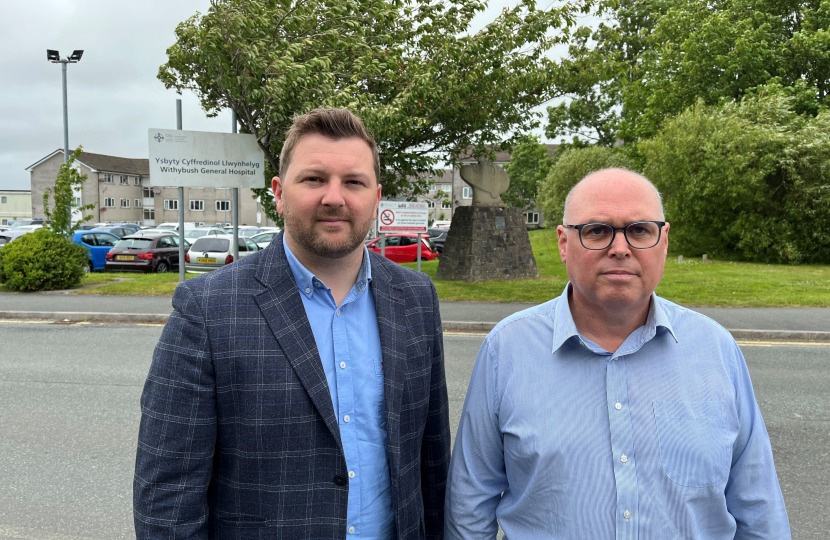
SUPPORT GATHERS PACE
Local Senedd Members Paul Davies and Samuel Kurtz, who are supporting the campaign, said it was vital that every voice is heard.
The Preseli Pembrokeshire MS, PAUL DAVIES said: “We have taken significant steps to highlight the importance of protecting services at Withybush Hospital, including gathering evidence from staff, patients and residents, and raising concerns with health leaders. It is vital that people continue to share their experiences of why local services matter.”
SAMUEL KURTZ MS added: “The community has come together before to oppose cuts to Withybush, and once again the community are showing they will not accept the closure of services at Withybush lying down. We will stand beside them every step of the way until this decision is overturned.”
Both Members have formally requested that the petition be debated in the Senedd before its dissolution, in a bid to ensure Pembrokeshire residents’ concerns are considered at the highest level.
RURAL CARE CONCERNS
Campaigners argue that maintaining services at Withybush Hospital is critical for patient safety, timely emergency care, and supporting rural communities, where travel times to alternative hospitals can be significantly longer.
Residents wishing to sign the petition can do so at their local town or community council office during normal opening hours.
Ajay Owens said: “I am incredibly heartened by the support from our local town halls and businesses. This petition is about giving every resident in Pembrokeshire a voice, and having these physical locations available ensures that everyone, regardless of their access to the internet, can stand up for what matters to our community and share their concerns.”
WHERE TO SIGN
Paper copies of the petition are currently available at locations including Fishguard and Goodwick Town Hall, Haverfordwest Town Council at the Old Wool Market, Milford Haven Cemetery Lodge, Narberth Community Library, Newport Town Council, Pembroke Town Hall, Pembroke Dock Town Council, and across Saundersfoot via local distribution.
Opening times vary depending on location.


Clear framework aims to deliver faster access, better support, and improved outcomes
PEOPLE across Wales are set to benefit from clearer and more consistent mental health care, as new national standards outlining what good services should look like are introduced.
Two new quality statements, published this week (Mar 24) set out the outcomes and expectations for NHS and social care services. They aim to ensure patients can access timely, compassionate, and effective support — including same-day, open access care and improved services for those who have self-harmed.
The measures form part of the Welsh Government’s wider Mental Health and Wellbeing Strategy and Suicide Prevention and Self-Harm Strategy. Ministers say they are designed to move Wales towards becoming the first nation to offer same-day, open access mental health support nationwide.
Around 20 pilot schemes are already underway across Wales, offering support without the need for a GP referral. These “demonstrator sites” are intended to provide early help and reduce the number of people reaching crisis point.
One such scheme includes a university liaison service in Cardiff, supporting students across Cardiff University, Cardiff Metropolitan University, the University of South Wales, and the Royal Welsh College of Music and Drama.
Since its launch in 2022, more than 240,000 people have contacted the NHS 111 “press 2” service for urgent mental health support.
The Mental Health Quality Statement sets out nine key principles aimed at reshaping services. These include designing care with input from people with lived experience, embedding trauma-informed approaches, and ensuring services are flexible, collaborative, and centred around individual needs.
A separate Self-harm Quality Statement outlines six pillars of care: immediate treatment, trauma-informed support, continuity of care, safety planning, holistic signposting, and skilled responders. It stresses that anyone who self-harms must receive compassionate, person-centred care, regardless of intent.
The standards have been developed in partnership with NHS Wales, third sector organisations, and individuals with lived experience.
The Cabinet Secretary for Health and Social Care, Jeremy Miles said: “These standards will ensure people have access to consistent, compassionate and effective mental health support wherever they are in Wales.
“We are moving towards a future of open access services, so people can get help earlier and avoid reaching crisis point. These standards will play a key role in improving mental healthcare across Wales.”



Business2 hours ago
Could Primark be coming to Haverfordwest? Major retailer in talks for former Wilko site
Council confirms advanced discussions as speculation grows over high street boost HAVERFORDWEST could soon see a major high street revival,...


Business3 hours ago
Rail investment ‘could unlock 40,000 jobs and £11bn for Wales’ says new report
RAILWAY stations across Wales could help unlock around 40,000 jobs and more than £11 billion for the economy by 2036,...


Local Government3 hours ago
Milford Haven set for £200m investment with schools, leisure centre and rail upgrade
Council outlines major plans for town with backing from Welsh Government MILFORD HAVEN is set for a major transformation with...


Community22 hours ago
Broad Haven volunteers secure ‘national asset’ status for nature reserve
A SMALL stretch of woodland and former opencast coal mine has been transformed into a nationally recognised biodiversity site, in...


Entertainment2 days ago
Tenby steams up in spectacular style as crowds flock to festival
Colourful parade, towering creations and Victorian flair bring town centre to life TENBY was transformed into a vibrant Victorian fantasy...


Crime3 days ago
Publican jailed for six years for supplying cocaine and cannabis
Milford Haven man sentenced at Swansea Crown Court following drug dealing operation A MILFORD HAVEN publican has been jailed for...


Local Government3 days ago
Poverty summit highlights support efforts across Pembrokeshire
A SUMMIT bringing together key organisations from across Pembrokeshire has highlighted both the scale of local poverty and the work...


Education4 days ago
Milford Haven school plans unveiled but funding not yet secured
PLANS for a new £100 million school in Milford Haven have been unveiled, but the project has not yet secured...


News4 days ago
Council unveils plans for new state-of-the-art secondary school in Milford Haven
PEMBROKESHIRE COUNTY COUNCIL has revealed plans for a new state-of-the-art school in Milford Haven, promising modern, inspiring learning spaces for...


Health4 days ago
NHS waiting list falls — but cancer delays and diagnostic backlog worsen
Record progress claimed by Welsh Government as critics warn key targets are still being missed THE NHS in Wales has...
-

 News6 days ago
Emergency services flood Haverfordwest after reports of person in river
-

 Crime5 days ago
Mother given community order after admitting child cruelty offence
-
Health4 days ago
NHS waiting list falls — but cancer delays and diagnostic backlog worsen
-

 News6 days ago
Senedd vote to ban greyhound racing hailed as ‘landmark moment’ by charities
-
 News6 days ago
Senedd votes to ban Greyhound racing in Wales to protect animal welfare
-

 News5 days ago
Reform secures first Pembrokeshire councillor in Hakin by-election win
-

 News6 days ago
Could Pembrokeshire hold the key to St Patrick’s lost birthplace?
-

 Crime5 days ago
Woman stole from pharmacy despite ban, court hears