


News
Polls reveal political opinion divides across Pembrokeshire, and UK


A NEW poll has revealed significant regional disparities in political engagement and trust across the UK, with a particular focus on Wales. The survey, conducted by Times Radio, and which sampled over 4,000 adults, highlights a growing disconnect between national politicians and local communities as the nation approaches the 2024 General Election.
Londoners emerged as the most politically informed group, with 67% of respondents feeling well-informed about national politics. The capital also boasts the highest proportion of residents considering a career in politics, with 9% willing to become MPs. This contrasts sharply with the West Midlands, where only 4% share this aspiration.
An overwhelming 73% of UK respondents believe Prime Minister Rishi Sunak and the Conservative Party fail to grasp local political issues. Labour leader Keir Starmer fares slightly better, but still, 57% feel he is out of touch with local concerns. In the North East, distrust in Sunak’s understanding of local issues peaks at 86%, while 69% in the East Midlands share this sentiment.
The survey revealed that 61% of the British public feel well-informed about national politics. Londoners (67%) and residents of Yorkshire and the Humber (62%) feel the best informed, contrasting sharply with the East Midlands, where only 53% feel similarly knowledgeable.
A notable 39% of respondents believe they could perform better than current politicians. Men are more likely than women to consider entering politics, with 10% of men versus 3% of women contemplating a run for MP. The survey also found that 10% of respondents would consider running for local office.

The survey identified the top challenges for politicians, with 47% of respondents citing the responsibility of making impactful decisions as the greatest burden. Additionally, 35% mentioned facing abuse, and 28% highlighted the difficulty of making ethical decisions. A small minority (17%) believe there are no real challenges in political leadership.
Focusing on Wales, a significant 38% of respondents believe they could personally do a better job than most current politicians. This sentiment reflects a high level of political discontent and a desire for change. When it comes to understanding Welsh political issues, respondents in Wales have double the confidence in Keir Starmer and the Labour Party (24%) over Rishi Sunak and the Conservative Party (12%). The majority of Welsh people feel well-informed about UK politics (61%) and over a third (39%) feel well-informed about Welsh politics. 40% of Welsh people said they often discuss political issues with friends and family.
The upcoming general election for the newly established Mid and South Pembrokeshire seat is expected to be closely contested. Currently, the main candidates are Stephen Crabb for the Conservatives, Henry Tufnell for Labour, and Alistair Cameron for the Welsh Liberal Democrats. Polling data suggests a potential narrow victory for Labour, with YouGov’s model indicating that Labour might secure 42.6% of the vote compared to 33.4% for the Conservatives. This prediction aligns with broader trends and demographic analyses suggesting a shift towards Labour in this new constituency.
The new boundaries combine areas from the former Preseli Pembrokeshire and Carmarthen West and South Pembrokeshire seats, potentially altering traditional voting patterns. Historical voting data from the areas incorporated into this new constituency show mixed support, with some wards previously leaning Conservative but now predicted to favour Labour. Given these factors, Labour appears to have a slight edge, but the race remains competitive and subject to change as the election approaches.

These findings underscore the complexities and demands of political leadership in the current climate, as well as the disconnect with local communities.
The full survey results, conducted by YouGov Plc, involved 4,092 adults between 31st May and 4th June 2024. For more details on the findings, visit Times Radio.


Community invited to engage in key discussions ahead of election
TWO major public events focusing on climate challenges and Welsh democracy are set to take place in Narberth next month, with organisers encouraging residents to attend and take part.
The first event is a screening of the People’s Emergency Briefing film, which explores the growing risks posed by climate change and environmental damage to everyday life in Britain.
The screening will be held at the Bloomfield Centre in Narberth on Friday, April 17 at 7:00pm.
The film features contributions from leading UK experts across climate science, food security, health, economics and national security. It aims to provide a clear and evidence-based overview of how environmental changes are already affecting communities, as well as outlining potential responses.
Organisers say the initiative is strictly non-partisan and is supported by a wide range of organisations, including the National Trust, the Church of England, Exeter University, the Royal Meteorological Society and WWF.
Following the 45-minute screening, attendees will be invited to take part in a structured discussion focusing on what the issues mean for Pembrokeshire, including local resilience, preparedness and long-term planning.
A second event, a Green community hustings ahead of the Senedd elections, will take place the following week.
The hustings will be held at The Queens Hall, Narberth, on Friday, April 24 at 7:00pm, and will give residents the opportunity to meet candidates standing in the Ceredigion Penfro constituency and put questions directly to them.
Organisers say the event will include refreshments and an open discussion following the formal hustings.
Pembrokeshire Friends of the Earth, who are hosting both events, say they hope the gatherings will encourage informed debate and greater public engagement ahead of the upcoming Senedd election.
Residents unable to attend are invited to submit written messages to be shared during the events.
Major Carmarthen site transformed into thriving health and wellbeing campus
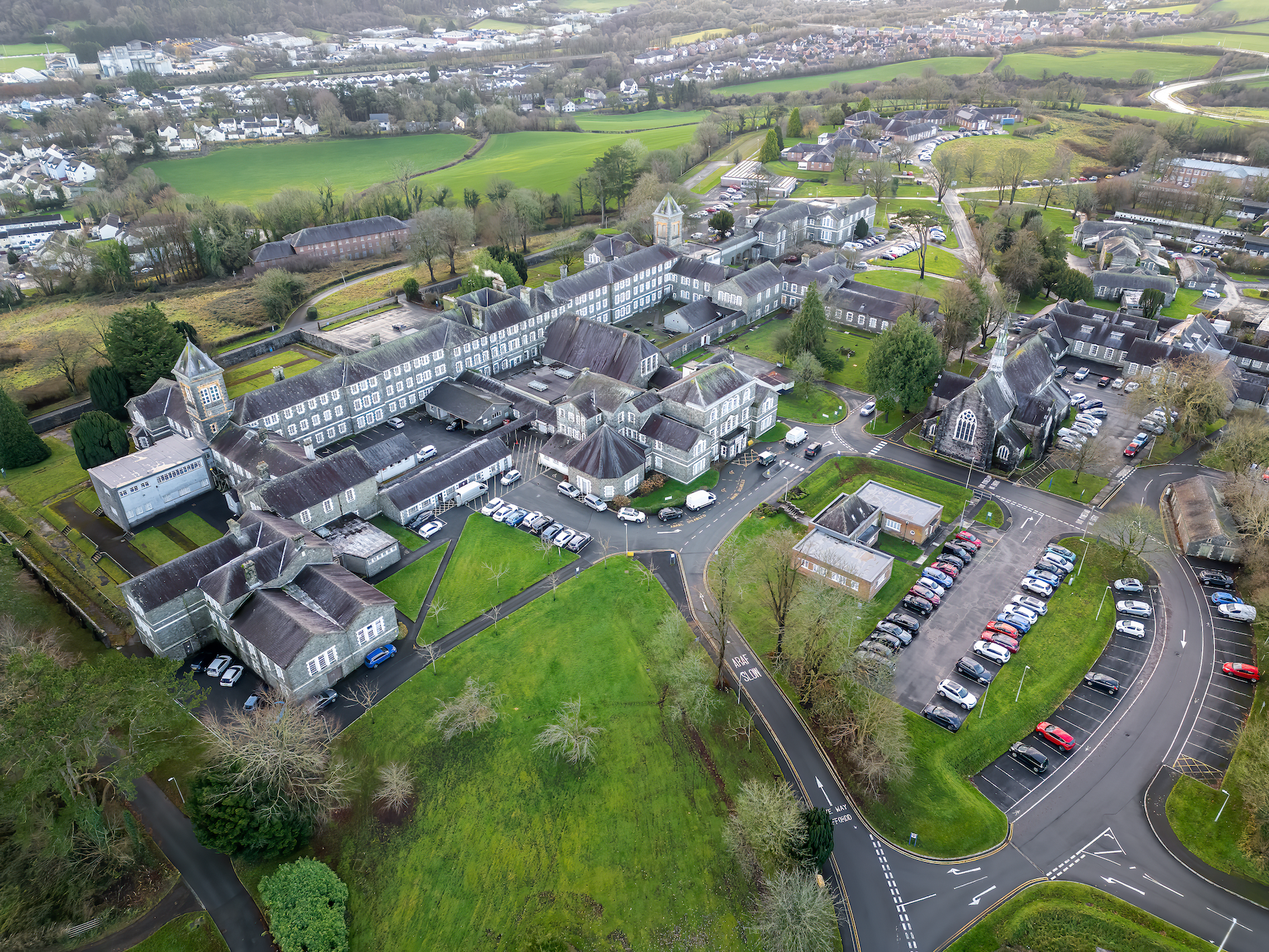
PARC DEWI SANT in Carmarthen is approaching a major milestone after attracting 60 organisations in just two years, transforming the historic estate into one of Wales’ most significant integrated health and wellbeing campuses.
Set within 38 acres of the former St David’s psychiatric hospital site, the campus is now home to around 80 occupiers spanning primary care, therapy and rehabilitation services, nursing education, specialist autism provision, charities, and a wide range of community organisations.
Demand for space within the main buildings has been strong, with most now fully occupied. Attention is turning to two remaining buildings on the estate which require substantial restoration and are expected to form the next phase of development.
The owners say discussions are already underway with potential partners interested in repurposing the buildings for further healthcare, rehabilitation, and community-based services. They are seeking organisations that can help maximise the long-term potential of the site before major refurbishment work begins.
Future uses under consideration include nursing care provision, mental health step-down accommodation, and complementary services designed to strengthen the wider health and wellbeing network already established at Parc Dewi Sant.
Originally developed in the 19th century as a county asylum and later used for NHS mental health services until 2001, the estate has been reimagined as a modern campus focused on prevention, education, and community wellbeing.
Today, a broad range of services operate from the site. These include GP provision alongside NHS clinics such as diabetic eye screening, antenatal services, weight management, and smoking cessation programmes.
Community-based services including social prescribing, the Hywel Dda Community Resource Team, and the Parent and Infant Feeding Group are also based there, alongside specialist facilities such as Hafen Derwen and the Cwm Seren mental health unit.
In addition to clinical provision, the campus hosts a variety of wellbeing, leisure, and support organisations, including the Better Health and Wellbeing Hub, Hwybod + gym, and a range of therapy and rehabilitation services supporting both physical and mental health.

Parc Dewi Sant serves a strategic catchment of around 187,000 people across Carmarthenshire and is located close to Glangwili Hospital, offering complementary services focused on prevention, recovery, and community care.
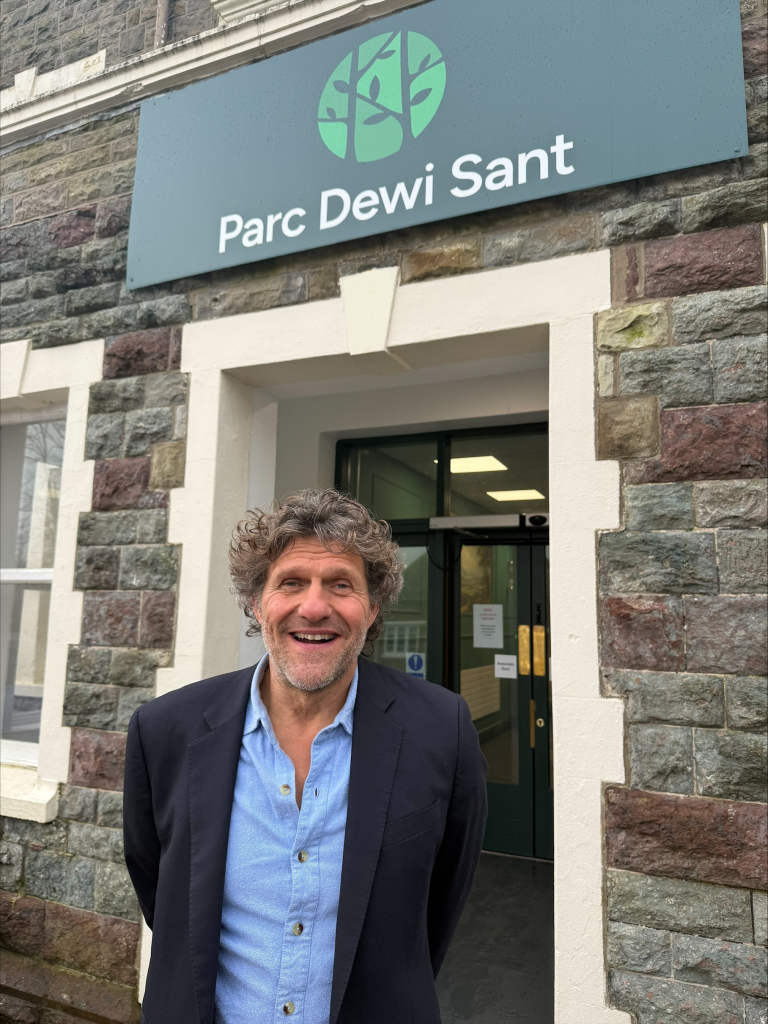
Mark Andrews, Director of Parc Dewi Sant, said: “It has been a privilege to become custodians of such a historic and important estate in the heart of Carmarthen.
“From the outset we believed the site had enormous potential, and it is incredibly rewarding to see such a vibrant community of organisations now operating here.

“To have 80 occupiers on site, including 60 who have joined us in the past two years, is a fantastic milestone and a real testament to the vision for Parc Dewi Sant.
“As the main buildings reach capacity, our focus now turns to the remaining buildings and how they can be brought back into productive use.
“We would welcome conversations with organisations that can bring complementary services and ideas to the site and help us continue building a campus that supports health, wellbeing, and community life across Carmarthenshire.”
Organisations based at the campus say the environment has created new opportunities for collaboration and improved service delivery.
Meddygfa Parc, a new NHS GP surgery, relocated to the site from the town centre last month.
Jodi Bateman from the surgery said: “We feel incredibly fortunate to have moved to the beautiful surroundings of Parc Dewi Sant. This exciting new chapter allows us to continue providing high-quality care in a welcoming and modern environment.
“Our new premises give us the space and facilities to expand and develop the services we offer, helping us to better meet the needs of our growing community.”
The site will also host a free public open day on Saturday (Mar 14), giving local residents the opportunity to explore the campus and meet some of the organisations based there.

Interactive photobooth campaign aims to boost youth voter engagement in Pembrokeshire
AN INTERACTIVE Welsh Parliament roadshow designed to encourage voter participation will visit Pembrokeshire next month as part of a nationwide campaign ahead of the Senedd election.
The “More Power to You” photobooth experience will stop at Coleg Sir Benfro in Haverfordwest on Tuesday (Apr 15), offering students and members of the public the chance to learn more about how Welsh democracy works in a fun and accessible way.
The visit comes in the lead-up to the Senedd election on Thursday (May 7), which is expected to be one of the most significant in Wales’ political history. Changes include an expanded Senedd, increasing from 60 to 96 Members, as well as new constituencies and a revised voting system.
Visitors to the roadshow will be invited to take part in a shareable photobooth experience while learning how decisions made in Cardiff Bay impact everyday life in Pembrokeshire, including healthcare, education, transport and the environment.
Information will also be available on how to register and vote, with staff on hand to guide people through the process and answer questions.
Organisers say the aim is to make voting more visible and relevant, particularly for younger people and first-time voters, by bringing the campaign directly into communities and education settings.
The Pembrokeshire stop forms part of a wider tour across Wales, with earlier events taking place in Wrexham, Bridgend and Cardiff before moving into colleges.
Welsh social media influencers are also supporting the campaign, helping to raise awareness and encourage participation among younger audiences through online content.
Media organisations are invited to attend the Haverfordwest event, with opportunities available for interviews, photography and coverage.



Business6 hours ago
Could Primark be coming to Haverfordwest? Major retailer in talks for former Wilko site
Council confirms advanced discussions as speculation grows over high street boost HAVERFORDWEST could soon see a major high street revival,...


Business7 hours ago
Rail investment ‘could unlock 40,000 jobs and £11bn for Wales’ says new report
RAILWAY stations across Wales could help unlock around 40,000 jobs and more than £11 billion for the economy by 2036,...


Local Government7 hours ago
Milford Haven set for £200m investment with schools, leisure centre and rail upgrade
Council outlines major plans for town with backing from Welsh Government MILFORD HAVEN is set for a major transformation with...

Community1 day ago
Broad Haven volunteers secure ‘national asset’ status for nature reserve
A SMALL stretch of woodland and former opencast coal mine has been transformed into a nationally recognised biodiversity site, in...


Entertainment2 days ago
Tenby steams up in spectacular style as crowds flock to festival
Colourful parade, towering creations and Victorian flair bring town centre to life TENBY was transformed into a vibrant Victorian fantasy...


Crime3 days ago
Publican jailed for six years for supplying cocaine and cannabis
Milford Haven man sentenced at Swansea Crown Court following drug dealing operation A MILFORD HAVEN publican has been jailed for...

Local Government3 days ago
Poverty summit highlights support efforts across Pembrokeshire
A SUMMIT bringing together key organisations from across Pembrokeshire has highlighted both the scale of local poverty and the work...


Education4 days ago
Milford Haven school plans unveiled but funding not yet secured
PLANS for a new £100 million school in Milford Haven have been unveiled, but the project has not yet secured...


News4 days ago
Council unveils plans for new state-of-the-art secondary school in Milford Haven
PEMBROKESHIRE COUNTY COUNCIL has revealed plans for a new state-of-the-art school in Milford Haven, promising modern, inspiring learning spaces for...


Health4 days ago
NHS waiting list falls — but cancer delays and diagnostic backlog worsen
Record progress claimed by Welsh Government as critics warn key targets are still being missed THE NHS in Wales has...
-

 News6 days ago
Emergency services flood Haverfordwest after reports of person in river
-

 Crime5 days ago
Mother given community order after admitting child cruelty offence
-
Health4 days ago
NHS waiting list falls — but cancer delays and diagnostic backlog worsen
-

 News6 days ago
Senedd vote to ban greyhound racing hailed as ‘landmark moment’ by charities
-
 News6 days ago
Senedd votes to ban Greyhound racing in Wales to protect animal welfare
-

 News5 days ago
Reform secures first Pembrokeshire councillor in Hakin by-election win
-

 Crime5 days ago
Woman stole from pharmacy despite ban, court hears
-

 Crime4 days ago
Illegal workers found at Cardigan takeaway after immigration raid