


Community
Packed community meeting held as anti-DARC campaign gathers momentum


A PUBLIC meeting held at Solva Memorial Hall on Thursday, June 27, saw an overwhelming turnout as hundreds of residents gathered to discuss the controversial Deep Space Advanced Radar Concept (DARC) project. The event, organised by PARC Against DARC, marked a significant step in the campaign to halt the UK/US military’s plans to establish a 27-dish high-power radar station at Cawdor Barracks in Brawdy.
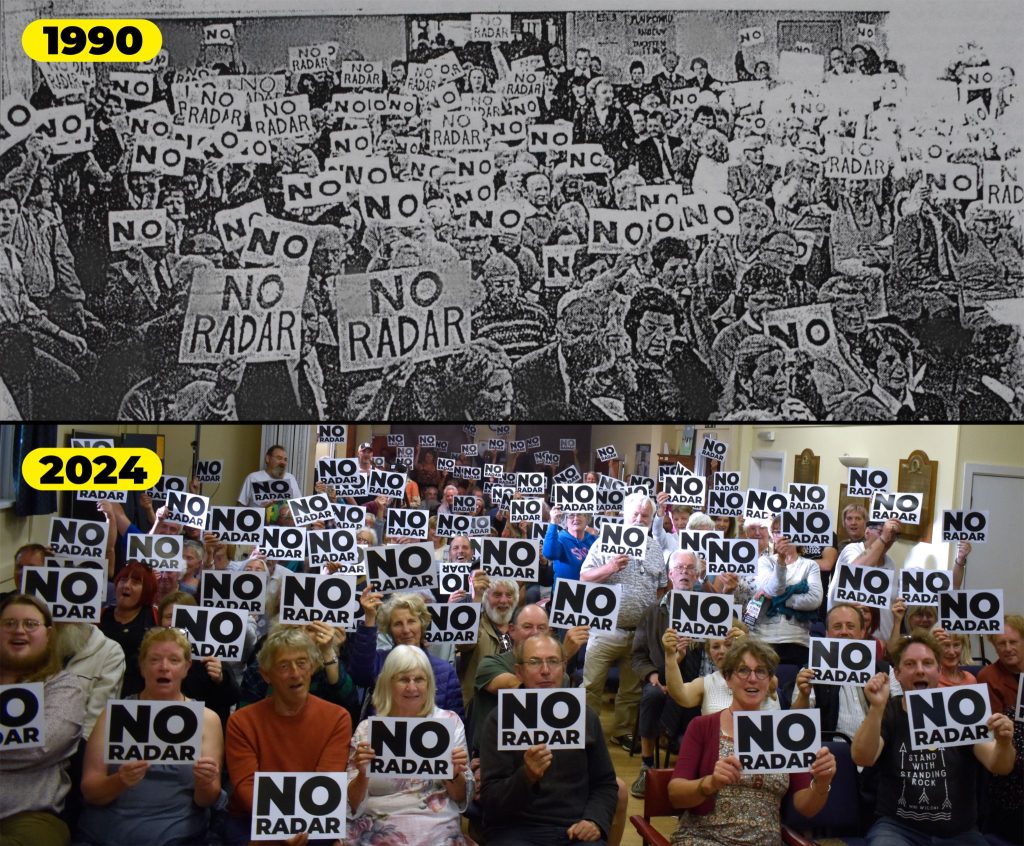
The campaign, which began with a digital launch last month, has quickly gained traction among locals concerned about the potential health, environmental, and economic impacts of the proposed radar installation. The meeting, described as ‘packed to the rafters’ by organisers, featured several key speakers who outlined the dangers posed by DARC.
Emma Bowen, General Manager of the Retreats Group of local hotels, highlighted the potential adverse effects on the local tourism industry. “As an accommodation provider in the UK’s only coastal national park, we are reliant on leisure tourists. If DARC goes ahead, it would negatively impact our business, risking 75 jobs and affecting over 40 suppliers and contractors,” she stated.
Two short films were screened, presenting research by leading scientists on the health risks associated with non-ionising radiofrequency radiation. Dr. M. Peleg’s study, referencing the Iron Dome radar system in Israel, demonstrated a significant increase in cancer rates among military personnel stationed near the radars. “The Iron Dome produces the same type of radiation as DARC, which has been found to aggressively cause cancer,” the presentation explained.
Roy Jones, a veteran campaigner from the 1990s who successfully fought a similar project, provided a historical perspective. He warned that DARC, part of the AUKUS security pact, aimed to enable the US to dominate space militarily. “The radar array, visible from many vantage points in the Pembrokeshire Coast National Park, would be the highest risk radio-frequency radiation project ever on British soil,” Jones said.

Jones also drew attention to the MOD-funded scoping report, which highlighted several dangers during the construction phase, including buried unexploded ordnance, radioactive materials, and extensive asbestos contamination. “Building the antenna foundations would lead to 100 lorries a day driving through Newgale beach, potentially causing a net loss of 300 jobs,” he added.
Dylan Lewis-Rowlands, Secretary of CND Cymru, condemned the militarisation of space and Wales. “This grassroots campaign prioritises the needs of our communities over US military ambitions. Together, we can demonstrate the need for peace, not further militarisation and war,” he urged.
Michial Davies of the South & West Wales Wildlife Trust discussed the environmental impact, particularly on the Manx shearwaters. “Brawdy is visible from Skomer, the world’s most important site for this seabird. DARC will exacerbate the problem, causing more avoidable deaths,” he warned.
Jim Scott, a local campaigner, emphasised that the project was not a ‘done deal’ and encouraged residents to email their General Election candidates. “The MOD is making out as if this will pass through a parish council, but we know it requires specialist planning permission. We will campaign on every level to stop this,” he declared.

The meeting concluded with attendees replicating an iconic photograph from the previous campaign, holding up NO RADAR placards, before breaking for an interval. The second half was dedicated to discussing how the community could get involved in the campaign.
In a social media post, PARC Against DARC issued a challenge to all prospective Parliamentary candidates in Pembrokeshire, asking, “Where do you stand on DARC Radar at Brawdy?” So far, only the Green and Plaid Cymru candidates have responded positively, with Cris Tomos and Ben Lake offering support against the project. The Labour Party has been largely silent, while the Conservatives have not responded at all.
PARC urges all concerned voters to email the candidates before polling day, insisting they declare their position on DARC. “Parties and candidates have an ethical obligation to disclose their stance on such an important local issue before polling day,” the post read.

As the General Election approaches, the campaign against DARC continues to gain momentum, with organisers and residents determined to protect their community from the potential risks posed by the radar installation.













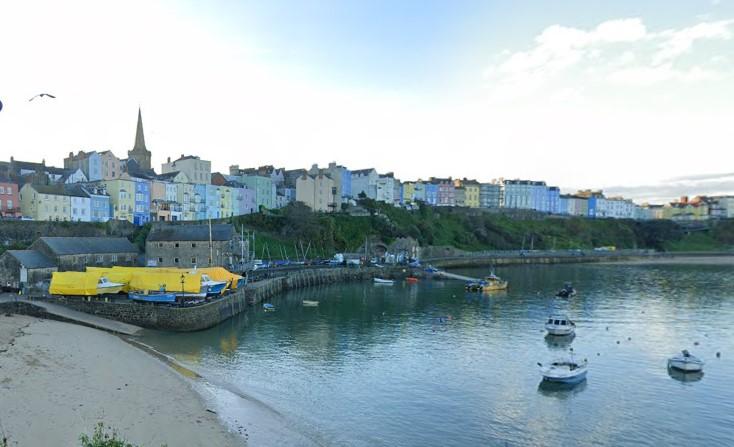
A CALL for works to Tenby’s listed building sailing club to improve energy efficiency for the community organisation has been given the go-ahead.
In an application to Pembrokeshire Coast National Park, Harrison Richards of Tenby Sailing Club sought permission for replacing 24 timber windows at the Grade-II-listed Tenby Sailing Club, Penniless Cove Hill, with new Accoya timber double-glazed units.
The application added: “An energy survey conducted by Dragon Energy Consultants highlighted the existing single glazing and rotten window frames as a significant contributor to the club’s energy consumption.
“Tenby Sailing Club is a community organisation which seeks to organise activities year-round but faces significant energy costs being housed in a historic building. The current windows are beyond repair, with cracked glazing, decay, water ingress, and poor energy efficiency.
“The two windows at balcony level are not included, as they were previously replaced and remain in good condition. All new units will replicate the existing profiles, dimensions, glazing patterns, and overall appearance, ensuring no visual change to the building’s character.

“The neighbouring three-storey harbour stores occupied by Tenby Sea Cadets have previously replaced the building’s windows with double glazing. This like-for-like replacement in appearance will improve durability, weather resistance, and thermal performance while preserving the special architectural and historic interest of the listed building.”
An officer report recommending approval said: “The Sailing Club was built as a warehouse c. 1825, abutting the C17 sluice. Originally wine stores, it was later used by the local fishermen for stores and is now the home to Tenby Sailing Club, established in 1936.”
It said no adverse comments to the proposals had been received.
It added: “The proposal is to replace the majority (24 total) of windows in painted timber, double-glazed with face-mounted glazing bars of traditional scale and profile. Whilst a modern practice of glazing, the proposal involves no loss of historic fabric, provides an obvious visual improvement and addresses concerns as to heating costs.”

It finished: “The scheme is considered to be in keeping with the character of the listed building, and its setting in terms of design and form. As such, the application can be supported subject to conditions.”
The application was conditionally approved by planners.

Residents evacuated after early morning blaze on Lady Street, Kidwelly
A MAJOR emergency response was launched in Kidwelly in the early hours of Tuesday (Mar 24) after a fire broke out at a three-storey terraced property on Lady Street.
Mid and West Wales Fire and Rescue Service crews were called to the scene at 4:06am, with multiple appliances attending from Kidwelly, Pontiets, Llanelli, Morriston, Tumble, Carmarthen and Port Talbot.
The fire was located on the third floor of the building, with dramatic scenes as flames could be seen through an upstairs window while firefighters worked from ladders and an aerial platform to bring the blaze under control.

Eight breathing apparatus sets were deployed, alongside two hose reel jets, two 45mm hoses, thermal imaging cameras and other specialist equipment. Additional support came from water bowser units and an aerial ladder platform from Morriston.
Several neighbouring properties were evacuated as a precaution, while other residents were advised to remain indoors during the incident.

Crews remained at the scene for several hours, finally leaving at 1:45pm after ensuring the fire was fully extinguished and surrounding buildings were safe. Firefighters also carried out reassurance visits, offering safety advice to nearby residents.
Lady Street remains closed, with access to a number of properties still restricted due to safety concerns.

Dyfed-Powys Police have confirmed the cause of the fire is currently being treated as unexplained and have launched an appeal for information.
A spokesperson said anyone who may have CCTV, doorbell or dashcam footage between 11:00pm on Monday (Mar 23) and 4:00am on Tuesday (Mar 24) should come forward.

Information can be reported online, via email at [email protected], or by calling 101, quoting reference 027 of March 24.

PASSENGERS at Tenby railway station are set to benefit from step-free access as a major £8.3 million upgrade moves into its next phase.
Network Rail, working with contractor AmcoGiffen, is delivering the scheme as part of the UK Government’s Access for All programme. The project will introduce a new footbridge with lifts, providing full step-free access between both platforms.

Bridge removed as work progresses
Earlier this month, engineers removed the station’s existing footbridge using 220-tonne and 60-tonne cranes. A temporary walkway has now been installed to allow passengers to continue moving between platforms while construction continues.
The milestone was marked by a visit from local schoolchildren, who were given the chance to watch the crane operation and learn more about careers in engineering.
Complex infrastructure work underway
Behind the scenes, teams have carried out significant work to relocate and recommission signalling and telecommunications equipment. New ducting has also been installed, and cabling rerouted to support the upgraded infrastructure.
Work will continue over the coming months, with the new accessible bridge and lifts expected to be completed in autumn 2026.

Improving access for all
The Tenby project forms part of a wider national programme to improve accessibility across the rail network. Since its launch in 2006, the Access for All scheme has upgraded more than 200 stations across Britain.
Theo Smith, Senior Portfolio Manager at Network Rail Wales and Borders said: “This is an important milestone for Tenby and the local community, bringing us closer to a station that everyone can use with confidence.
“We’d like to thank passengers and residents for their patience as we continue these major improvements.”
James Gough, Customer Operations Director at Transport for Wales added: “It’s great to see real progress being made at Tenby. This investment will make a lasting difference for both local people and visitors.”



Crime10 hours ago
Police stop car in Pennar as three arrested in drugs investigation
Suspected drug driver report leads to major police response and multiple arrests DRAMATIC scenes were reported in Pennar on Monday...


Business16 hours ago
New pilot vessel Llanion arrives at Milford Haven
State-of-the-art 22-metre craft marks reset after £3.6m pilot boat controversy THE PORT OF MILFORD HAVEN has taken delivery of a...


Business2 days ago
Could Primark be coming to Haverfordwest? Major retailer in talks for former Wilko site
Council confirms advanced discussions as speculation grows over high street boost HAVERFORDWEST could soon see a major high street revival,...


Business2 days ago
Rail investment ‘could unlock 40,000 jobs and £11bn for Wales’ says new report
RAILWAY stations across Wales could help unlock around 40,000 jobs and more than £11 billion for the economy by 2036,...


Local Government2 days ago
Milford Haven set for £200m investment with schools, leisure centre and rail upgrade
Council outlines major plans for town with backing from Welsh Government MILFORD HAVEN is set for a major transformation with...


Community2 days ago
Broad Haven volunteers secure ‘national asset’ status for nature reserve
A SMALL stretch of woodland and former opencast coal mine has been transformed into a nationally recognised biodiversity site, in...


Entertainment3 days ago
Tenby steams up in spectacular style as crowds flock to festival
Colourful parade, towering creations and Victorian flair bring town centre to life TENBY was transformed into a vibrant Victorian fantasy...


Crime5 days ago
Publican jailed for six years for supplying cocaine and cannabis
Milford Haven man sentenced at Swansea Crown Court following drug dealing operation A MILFORD HAVEN publican has been jailed for...


Local Government5 days ago
Poverty summit highlights support efforts across Pembrokeshire
A SUMMIT bringing together key organisations from across Pembrokeshire has highlighted both the scale of local poverty and the work...


Education5 days ago
Milford Haven school plans unveiled but funding not yet secured
PLANS for a new £100 million school in Milford Haven have been unveiled, but the project has not yet secured...
-

 Crime6 days ago
Mother given community order after admitting child cruelty offence
-

 Health6 days ago
NHS waiting list falls — but cancer delays and diagnostic backlog worsen
-

 News7 days ago
Reform secures first Pembrokeshire councillor in Hakin by-election win
-

 Crime6 days ago
Illegal workers found at Cardigan takeaway after immigration raid
-

 Crime6 days ago
Woman stole from pharmacy despite ban, court hears
-

 Crime5 days ago
Pembroke man remanded in custody over knife threat, assault and damage allegations
-

 Crime6 days ago
Man pleads guilty in illegal ‘smokies’ food safety case
-

 Crime4 days ago
Broad Haven man remanded in custody over sexual harm prevention order breach