


Business
The influence of climate change on home insurance and mortgage decisions

CLIMATE change is undeniably altering the landscape of home insurance and mortgage decisions and, as risks increase, both industries are adapting, leading to higher costs and a stricter criterion for homeowners.
Pete Mugleston, MD and Mortgage Expert at www.onlinemortgageadvisor.co.uk, discusses how these shifts are impacting decisions around home insurance and mortgages.
Climate change isn’t just changing our weather patterns, it’s shaking up the housing market, especially when it comes to home insurance and mortgage decisions. With the UK facing increasing risks from floods, storms and coastal erosion, homeowners and financial organisations are rethinking their strategies.
Flooding has become a significant concern across the UK with more frequent and severe storms rendering areas once considered safe, at risk. This shift has substantial implications for home insurance. According to the Environment Agency, approximately 5.2 million properties in England are at risk of flooding*. This number is expected to grow making it increasingly difficult for homeowners in these areas to find affordable insurance. For those already living in flood-prone zones, this can result in a significant rise in insurance costs, sometimes making their homes uninsurable through traditional means.
For homeowners in high-risk areas, insurance premiums are skyrocketing. Insurers are setting stricter terms and conditions often requiring homeowners to implement flood defences for coverage. Some insurers are creating exclusion zones where they simply won’t provide coverage at all. This trend is particularly noticeable in coastal areas experiencing significant erosion and increased storm activity. To address this gap, specialised insurance policies are emerging. These policies, often more expensive, cater specifically to homes in high-risk areas, offering coverage traditional insurers might decline.

Lenders are also becoming more cautious about approving mortgages for properties in high-risk areas. If a home is uninsurable its value drops, making it a risky investment for lenders. As a result, lenders are scrutinising flood risk assessments more closely and may require proof of insurance before approving a mortgage. In some cases, they may refuse to lend altogether.
Properties in high-risk areas may see decreased valuations, which can affect the loan-to-value ratio making it harder for buyers to secure favourable mortgage terms. On the other hand, areas deemed low risk are seeing increased demand driving up property prices. Buyers and lenders alike are prioritising these safer investments, sometimes at the expense of affordability.
As climate change progresses, these trends are likely to intensify. Both insurers and lenders are investing in better predictive models to accurately assess climate risks. Homebuyers and homeowners need to stay informed about these risks and incorporate them into their long-term planning and keep up to date with the latest climate risk assessments, understanding how they might affect the area is crucial. It’s also important that homebuyers and homeowners acknowledge the ease that implementing certain flood defences and other protective measures may offer when trying to obtain insurance and a mortgage. Finally, considering the long-term feasibility of staying in a high-risk area is vital as, in some cases, relocating to a lower-risk area might be the most beneficial financial decision.


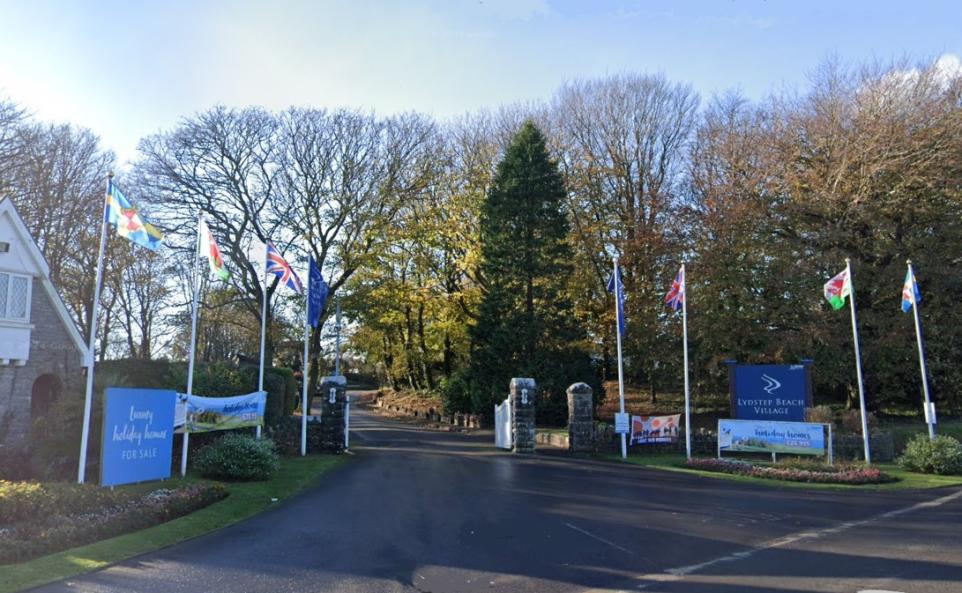
A CALL for an extra sign advertising a Pembrokeshire holiday park, adding to exiting unauthorised ones, which planners say would create “visual clutter and intrusion” and a distraction to drivers, has been refused.
In an application to Pembrokeshire Coast National Park, permission was sought, through Lakeside Signs Limited, for an additional sign advertising Haven’s Lydstep Beach Village, near Tenby, the sign proposed for North Lodge where the holiday park joins the main road.
Pembrokeshire County Council’s highways authority raised no concerns regarding the specific location of the sign, but said “there remains a broader concern regarding the cumulative impact of signage along this section of highway,” adding: “The increasing proliferation of signs in this location has the potential to create a visually cluttered environment, which may distract drivers and, in turn, give rise to road safety implications.”
A Park officer report recommending refusal said: “Currently, there are eight flagpoles, one A-frame banner type sign, one pole mounted panel sign, and a further panel sign, located behind the stone wall on the western side of the park’s entrance. None of these advertisements have the benefit of advertisement consent.”
It added: “The increasing number of signs in this location has the potential to create a distraction to drivers, which may result in road safety implications. In addition, the proliferation of signage would create clutter that would result in visual intrusion in this countryside location affecting amenity. As such, the recommendation is to refuse.”
It went on to say: “Whilst it is not deemed that the proposed advertisement would result in harm being caused to the specific special qualities of this area, there are concerns that the display of this advertisement would, along with the remainder of the advertisements, which are unauthorised, result in a proliferation of advertisements, which in turn would cause visual clutter and intrusion.
“This is especially problematic in a countryside location where development is strictly controlled. Should the existing signage be consolidated and rationalised, the Authority may support the proposed sign, however, currently, any additional signage would not be deemed appropriate.”
The application was refused on the grounds that it would, along with the exiting signage, “result in visual clutter and intrusion which would detract from the visual amenity of this countryside location, and would result in potential distraction to drivers, which in turn would rise to road safety implications”.
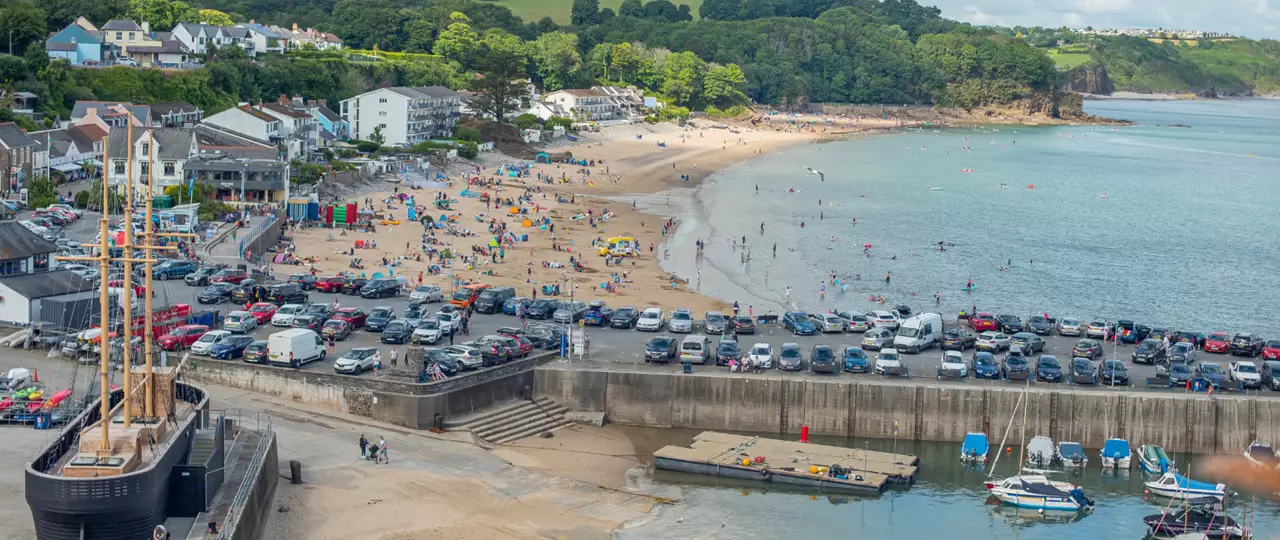
SAUNDERSFOOT’S Coal Building interpretation centre could soon host the third store for Welsh cheesecake business The Cheesecake Guy Ltd, in plans before the national park.
In an application to Pembrokeshire Coast National Park, Craig Taylor of Merthyr Tydfil-based The Cheesecake Guy Ltd seeks a change of use of part of Saundersfoot’s Cambrian Terrace Coal Building interpretation centre to create a small retail unit.
On its website, The Cheesecake Guy says of its business and products: “Established in 2019, The Cheesecake Guy is all about delivering indulgent, handcrafted cheesecake desserts with a twist. While we offer a range of sweet treats, our specialty — and customer favourite — is the signature cheesecake jar.
“Made with quality ingredients and packed with rich, creamy layers, our jars are the perfect dessert for any occasion. Whether you’re treating yourself or sharing with others, The Cheesecake Guy brings a spoonful of happiness to every bite.”
While no supporting statement has yet been published for the Saundersfoot proposal, the application says the scheme would employ two full-time members of staff, operating 10am-6pm Mon-Sat, and 10-5 on Sundays and bank holidays.
It says the proposed site is currently a mixed-use retail and gift shop, having previously been used as office space.
It adds: “This is a space within a building that is still trading, the space we are wanting a change of use was last used by Persimmon Homes as an office space.”
Of the scheme itself it says it will involve “retail sales of pre-prepared desserts and merchandise,” adding there will be “no on-site manufacturing or heavy processing,” with “equipment limited to display fridges and freezers”.
If approved, the Saundersfoot site would be the third outlet for The Cheesecake Guy, with sites in Merthyr, and, more recently, Newport Market.

After that store opened following redevelopment of Newport’s Victorian market, Craig Taylor, of The Cheesecake Guy, said: “We are very excited to be part of the new development in Newport Market alongside some other amazing small businesses.
“We feel this is definitely the next step in the right direction after our Merthyr Tydfil store taking off so well.”
For its Newport site, The Cheesecake Guy says: “We specialise in creating a wide variety of cheesecake desserts that cater to all tastes. Our menu features popular favourites that have won the hearts of many, alongside exciting new creations designed to keep your taste buds satisfied.

“Whether you’re a classic cheesecake lover or an adventurous foodie, we promise a cheesecake experience like no other. Each cheesecake is made with the utmost care, ensuring a rich, creamy texture and a burst of flavour in every slice (or jar!).”
The Saundersfoot proposal will be considered by park planners at a later date.
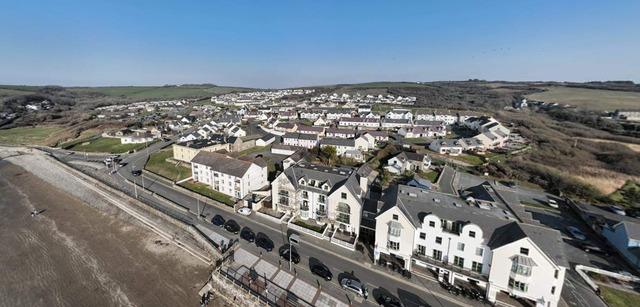
A DEVELOPMENT call for a Pembrokeshire holiday park has been turned down by Pembrokeshire Coast National Park.
In an application to park planners, Broad Haven Holiday Park, through agent Gerald Blain Associates, sought permission for the relocation of a boat storage area, vehicle shed and play area along with rewilding of adjoining fields at Broad Haven Holiday Park, Broad Haven, near Haverfordwest.
The application was supported by local community council The Havens.

However, an officer report recommended refusal.
Detailing the application, it said: “The proposal relates to the extension of an existing static caravan holiday site into adjacent undeveloped woodland to accommodate the relocation of boat storage, a vehicle shed, and a children’s play area, together with associated ecological mitigation measures. No increased pitch numbers are proposed.
“The development site has already undergone some site clearance, resulting in the removal of approximately 1,000 square metres of woodland.”
It went on to say: “The existing site is already intervisible with the coast, and the proposed relocation of boat storage would likely increase its visibility rather than reduce it. Without supporting evidence in the form of a Landscape and Visual Impact Assessment (LVIA) or Zone of Theoretical Visibility (ZTV) demonstrating that the development would be visually contained, the proposal appears contrary to the guidance contained within the SPG and the objectives of Policy 41.
“As a result, the proposed development is considered to detract from the special qualities of the National Park in this location and would be detrimental to the quality and character of the landscape character area in which the site sits, and as such does not comply [with policies].”
The application was refused on grounds including it being sited within previously undeveloped land within a flood zone, a lack of information on potential impacts on biodiversity, and it is “considered to detract from the special qualities of the national park in this location and would be detrimental to the quality and character of the landscape character area in which the site sits”.



Charity5 hours ago
Chief’s Tour honours fallen officers with 75-mile Pembrokeshire ride
Dyfed-Powys Police team raises thousands for bereaved police families charity A TEAM of officers and staff from Dyfed-Powys Police cycled...


Crime8 hours ago
Racial abuse suspect barricaded himself inside Johnston lodge
ARMED police were called to a supported accommodation building in Johnston after a man allegedly barricaded himself inside a room...

Crime9 hours ago
Milford Haven woman denies causing suffering to cat
Jury hears evidence over alleged failure to seek treatment for tumour A MILFORD HAVEN woman has denied causing unnecessary suffering...


News1 day ago
Plaid Cymru projected to lead Senedd as Labour faces historic collapse
Final poll suggests Welsh politics could be on the brink of a major realignment PLAID CYMRU is on course to...

Community1 day ago
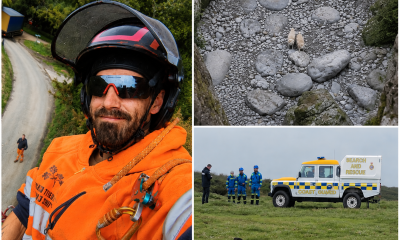
Rescue bid planned for lambs stranded below Stack Rocks cliffs
Tree surgeon preparing 150ft descent after live firing delayed rescue attempt A MAJOR rescue operation is being planned this afternoon...


News2 days ago
Bishop’s report reveals major renewal challenge at St Davids Cathedral
Formal Visitation highlights financial, structural, leadership and spiritual pressures at one of Wales’ most important religious sites ST DAVIDS CATHEDRAL...

Crime2 days ago
Farming company fined £19,000 for damaging protected wildlife site
A CARDIGAN farming company has been ordered to pay almost £20,000 after recklessly damaging a Site of Special Scientific Interest....


News2 days ago
Baby in critical condition after Fishguard emergency
Teenagers arrested as police investigate circumstances A BABY remains in hospital in a critical but stable condition after being taken...


Community3 days ago
Tenby phone signal crisis goes national as businesses warn of summer disruption
TRADERS SAY CARD PAYMENTS, TAXIS AND VISITOR SAFETY ARE BEING HIT BY ‘DEAD ZONE’ COVERAGE TENBY’S long-running mobile phone signal...


News3 days ago
Final poll puts Plaid and Reform level ahead of Senedd vote
Labour faces historic setback as new modelling points to a hung Senedd PLAID CYMRU and Reform UK are projected to...
-
News2 days ago
Baby in critical condition after Fishguard emergency
-

 News2 days ago
Former housing officer admits drink-driving in Pembrokeshire retail park
-

 Crime2 days ago
Job loss threat for convicted Pembrokeshire drug-driver
-
 Crime2 days ago
Milford motorist disqualified for drug-driving
-

 Crime2 days ago
Police tip-off leads to driving ban for Milford motorist
-

 Crime2 days ago
Delivery driver caught twice over legal drink-drive limit
-
Crime8 hours ago
Racial abuse suspect barricaded himself inside Johnston lodge
-

 Community1 day ago
Sixth-former firefighter balances schoolwork with saving lives