


Farming
Proposed restrictions on temporary campsites ‘will leave farmers poorer’

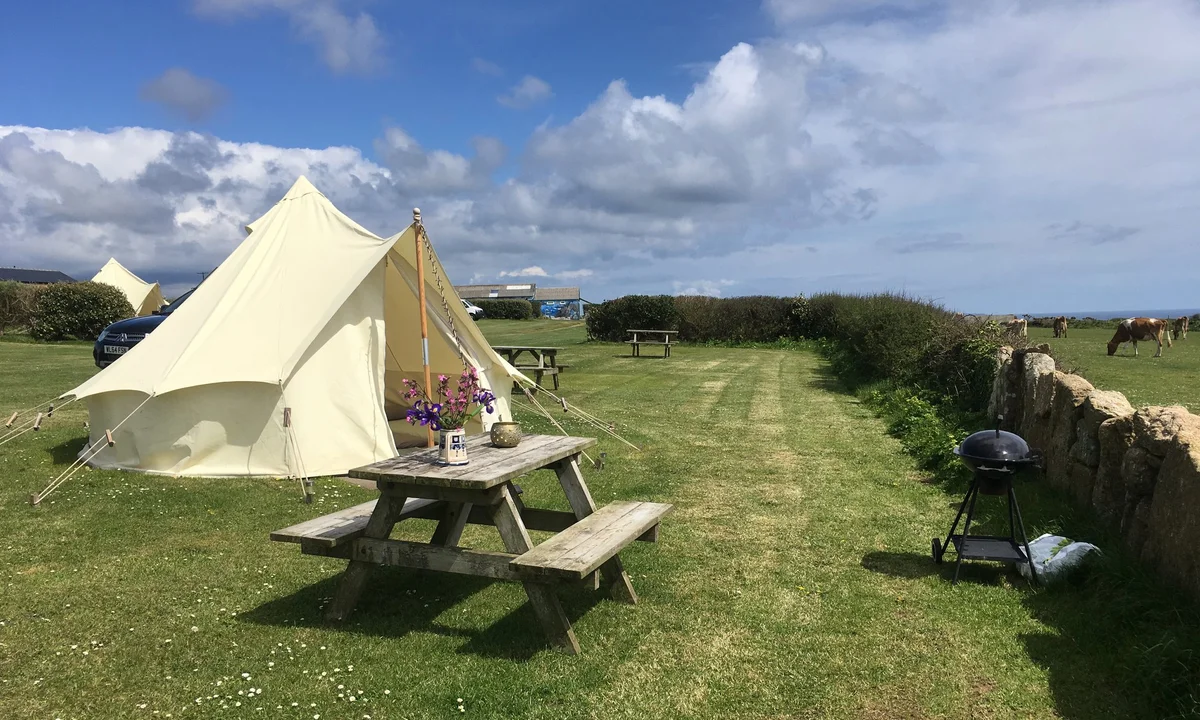
A NEW proposal by the Pembrokeshire Coast National Park Authority (PCNPA) has sparked significant concern among local farmers and landowners who rely on seasonal camping to supplement their incomes.
The Authority is currently consulting on introducing an Article 4 Direction, which would remove the existing permitted development rights that allow landowners to operate temporary campsites for up to 28 days without needing planning permission.
The consultation, which runs until 20 September 2024, focuses on the growing number of temporary campsites within the National Park.
These sites, often referred to as “pop-up” campsites, have become increasingly popular, particularly during peak tourist seasons. Currently, under the 28-day rule, landowners can set up these sites without the bureaucratic burden of obtaining planning permission, which has provided a vital revenue stream for many in the rural community.
However, the PCNPA has raised concerns about the environmental and social impact of these campsites. There have been reports of some operators exceeding the 28-day limit, with some sites allegedly running for several months, leading to what the Authority describes as “unregulated” development that could potentially harm the National Park’s delicate ecosystem.

Sara Morris, Director of Placemaking at PCNPA, emphasised the need for greater control over these temporary sites. “While these forms of development can offer economic benefits to landowners, they also present challenges in terms of environmental impact and compliance with the National Park’s planning policies,” she stated.
The proposed Article 4 Direction, if implemented, would mean that any landowner wishing to establish a temporary campsite would first need to obtain planning permission, regardless of the duration. This measure, according to the PCNPA, is aimed at ensuring that all developments within the National Park adhere to the same standards and do not undermine its natural beauty or infrastructure.
In addition to the Article 4 Direction, the Authority is also considering a voluntary code of conduct for exempted organisations that operate campsites. This code would aim to improve standards and promote best practices among those running temporary camping sites under existing exemptions.
The proposal has drawn criticism from various quarters, particularly among local farmers and the National Farmers’ Union (NFU), who argue that such restrictions could have a detrimental impact on the local economy. Many landowners in Pembrokeshire have come to rely on the income generated from seasonal camping to support their primary agricultural activities, especially in the face of economic challenges and rising costs.

Local farmer Rhys Jones expressed his concerns about the potential loss of income. “For many of us, these 28-day campsites are a lifeline. The extra income helps keep our farms afloat, especially during difficult years. If we have to go through the planning process, it’s going to add time, cost, and uncertainty,” he said.
The contrast with regulations in England, where the permitted development period has been extended to 60 days, further complicates the issue. Critics argue that the proposed changes in Pembrokeshire could put Welsh landowners at a competitive disadvantage compared to their English counterparts.
Environmental concerns have also been voiced by local residents. John Davies, a resident of St Davids, stated, “The National Park is a unique landscape that needs to be protected. Allowing these campsites to pop up without oversight could lead to irreversible damage.”

The PCNPA has encouraged all interested parties to participate in the consultation and share their views. The feedback gathered during this process will be crucial in shaping the Authority’s final decision on how to manage camping and caravan sites within the National Park.
As the deadline for the consultation approaches, the debate continues to grow, with stakeholders on all sides weighing the potential benefits and drawbacks of the proposed Article 4 Direction. Whether the PCNPA will move forward with the plan remains to be seen, but it is clear that the decision will have lasting implications for the future of land use and tourism in Pembrokeshire Coast National Park.


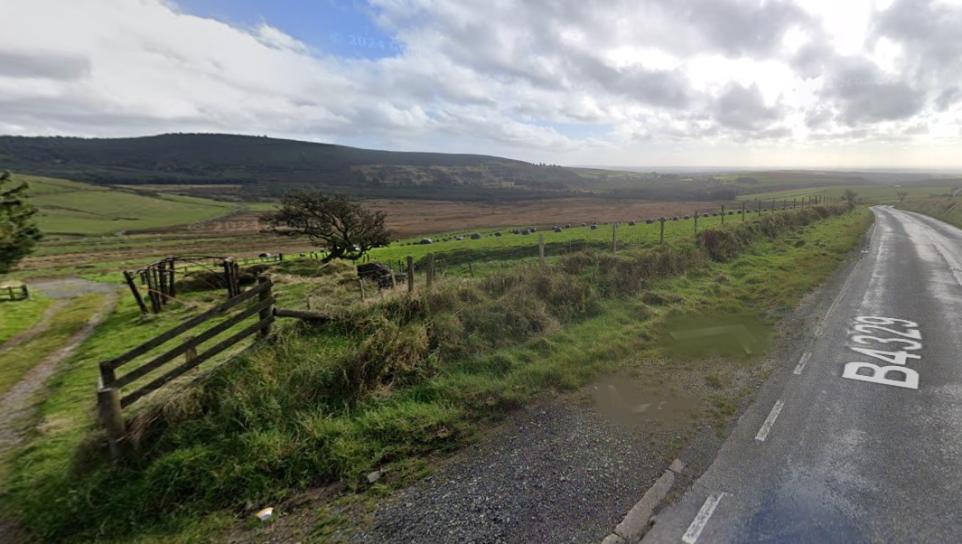
A CALL to rebuild a fire-damaged Pembrokeshire farm building, as a family home to help manage one of the largest sheep flocks in Wales, has been submitted to the national park.
In the application to Pembrokeshire Coast National Park, D B Davies and Sons through agent Harries Planning Design Management, with a supporting statement by Reading Agricultural Consultants Ltd, seek permission to renovate an existing fire-damaged dwelling, together with the conversion and extension of outbuildings to form an agricultural worker’s dwelling at Mynydd Du, Rosebush.
The supporting statement through Reading Agricultural Consultants Ltd says Mynydd Du is part of a wider holding which includes Eisteddfa Fawr and land around the village of Brynberian, the farms approximately six km apart, with land under control of the applicant amounting to some 1,500 acres, with a further 3,000 acres of Preseli mountain common land also used; the land accommodating a 5,000-ewe flock with 10 suckler cows and followers.
It says DB Davies & Sons Unlimited, has five partners: the two Davies brothers, Berian and Ken; their wives; and Berian’s son, Dyfed.
Berian and Ken are in their late 70s, with most of the heavy work on the farm is undertaken by Dyfed.

Dyfed and his wife Megan are first language Welsh speakers, living some 10 km away in Nevern, while Berian and Ken, and their wives, live at Eisteddfa Fawr, Brynberian.
The dwelling at Mynydd Du, where most sheep are now wintered, is structurally sound and repairable but has been unoccupied since 1990, and was subject to arson circa 2013, the statement says.
It says Dyfed works full-time on the farm, alone with increasing frequency as the older business members are above retirement age, working “long hours out of necessity to undertake all the work associated with one of the largest flocks of sheep in Wales”.
“His working hours are extended further due to the fact that he lives remote (6kms) from the main block of land at Tyllosg, where Mynydd Du is situated in the centre of the farm. Travelling back and forth several times each day during lambing and other times during poor weather, to check on flock welfare is an arduous task and can be dangerous, particularly if driving when tired during inclement conditions.”
The statement adds: “The application seeks permission to repair the fire damaged dwelling at Mynydd Du and bring it back to serve a useful purpose to enable Dyfed to closely monitor the ewes, not only at lambing, but throughout the year when the flock is grazing on the adjacent common land.
“It will also enable Dyfed to be with his partner and young child on a more regular basis than simply at the end of a long day when he is away from their current home, tending the sheep at Mynydd Du.”
The application will be considered by park planners at a later date.


New figures show decline in herd incidents, but disagreement remains over wildlife controls
WALES is making steady progress in tackling bovine tuberculosis (bTB), according to the Welsh Government, but a long-running debate over the role of badgers in spreading the disease continues to divide opinion.
In a written statement issued this week, Deputy First Minister and Cabinet Secretary for Climate Change and Rural Affairs, HUW IRRANCA-DAVIES, outlined what he described as “clear progress” in Wales’s eradication programme.
Latest figures show a sustained long-term decrease in new TB herd incidents, which ministers say reflects the success of a science-led, cattle-focused strategy. The approach has prioritised enhanced testing, stricter movement controls, and improved biosecurity on farms.
The Welsh Government says more sensitive testing methods are helping to identify infection earlier, while efforts are also being made to reduce the number of cattle slaughtered unnecessarily.
However, the issue of whether wildlife—particularly badgers—plays a significant role in spreading the disease remains contentious.

Farmers and government under pressure
Bovine TB continues to have a major economic and emotional impact on Welsh farming communities, particularly in rural areas of Pembrokeshire, Carmarthenshire and Ceredigion.
Farmers’ unions have long argued that wildlife reservoirs, including badgers, contribute to the persistence of the disease, and have called for stronger intervention measures.
In England, controversial badger culling programmes have been rolled out over the past decade, with UK Government figures suggesting significant reductions in TB rates in some areas.
But those claims remain disputed, with critics arguing that the evidence is far from clear-cut.

Badger Trust backs Welsh approach
Responding to the Welsh Government’s latest statement, the Badger Trust welcomed the direction of policy in Wales and urged ministers to maintain a focus on cattle-based controls.
The charity said the latest statistics demonstrated that Wales’s approach was delivering “real results” and represented a clear improvement on policy seen elsewhere.
Chief Executive NIGEL PALMER said: “The latest TB statistics show sustained long-term decreases in new TB herd incidents, demonstrating that Wales’s science-led, cattle-focused approach is delivering real results.”
The Trust also questioned the effectiveness of culling, arguing that reductions in England cannot be attributed solely to killing badgers.
It said: “The analysis behind this figure cannot separate the effects of culling from other measures such as enhanced cattle testing, stricter movement controls, and improved biosecurity.”
The organisation maintains that bovine TB is primarily a cattle disease, with most transmission occurring between cattle rather than from wildlife.
Scientific disagreement remains
The role of badgers in spreading bTB has been the subject of decades of scientific study, with no universal consensus.
Some studies have suggested that badgers can act as a reservoir for the disease, potentially infecting cattle through environmental contamination.
Others, including research cited by animal welfare groups, argue that the impact of badgers on overall transmission rates is limited compared to cattle-to-cattle spread.
The Welsh Government’s own Technical Advisory Group has previously stated that a combination of measures may be needed, including consideration of wildlife alongside cattle controls.
However, Wales has so far resisted introducing widespread badger culling, instead focusing on vaccination trials and tighter cattle measures.
Calls for clarity and consistency
The Badger Trust also raised concerns about international standards, arguing that requirements for Officially TB Free status focus primarily on bovine species rather than wildlife.
It warned that policies targeting badgers risk diverting attention and resources away from more effective cattle-based interventions.
At the same time, farming representatives continue to press for stronger action, arguing that without addressing all potential sources of infection, eradication efforts could stall.
A long road ahead
While the latest figures suggest progress, the Welsh Government has acknowledged that completely eradicating bovine TB remains a long-term challenge.
For now, Wales appears set to continue its cautious, evidence-led approach—balancing animal health, farming livelihoods, and wildlife protection.
But with pressure mounting from both sides of the debate, the question of how far to go in tackling the disease is unlikely to be settled any time soon.

THE WELSH GOVERNMENT has confirmed £3 million in funding over the next three financial years to continue the Welsh Sheep Genetics Programme (WSGP), helping Welsh sheep farmers improve efficiency, productivity and environmental performance.
From April 2026, Hybu Cig Cymru – Meat Promotion Wales (HCC) will lead Phase 2 of the programme, marking a significant next step in supporting farmers to make smarter, evidence-based breeding decisions.
The new phase will provide transition support for existing participants while also opening the programme to new flocks. Farmers will receive practical, technical and financial support to make use of Genomic Estimated Breeding Values, advanced genetic tools designed to help them make better-informed decisions at farm level. The data collected will also strengthen industry benchmarking and support longer-term business planning.
Phase 2 will also include the development of robust key performance indicators, tailored farm-level action plans, and an ambitious portfolio of research projects aimed at driving innovation across the sector.
The programme’s objectives are closely aligned with the Sustainable Farming Scheme, which launched on January 1, 2026, as well as HCC’s Vision 2030, reflecting a shared commitment to a productive, sustainable and competitive Welsh red meat industry.
Phase 1 of the WSGP, delivered by Farming Connect, comes to an end on March 31, 2026. Since launching in 2023, the programme has achieved significant progress, including introducing genomics into the sheep sector for the first time anywhere in the world.
It has also generated 70,000 genotypes across Tier 1 and Tier 2 flocks on the AHDB-Signet database since 2023, the highest number recorded there, while developing two major research strands focused on breeding for worm resistance and reduced methane emissions.
The programme has worked in close partnership with leading specialists, including Innovis and AHDB-Signet, and has delivered measurable genetic gains and improvements in key performance traits across participating flocks.
The investment underlines the Welsh Government’s commitment to reducing greenhouse gas emissions while supporting the production of high-quality, sustainable PGI Welsh Lamb.

Deputy First Minister for Climate Change and Rural Affairs, Huw Irranca-Davies, said: “This funding demonstrates our commitment to supporting farmers to build profitable, resilient businesses while delivering on our climate ambitions. The Welsh Sheep Genetics Programme shows what is possible when cutting-edge science meets the proud tradition of Welsh livestock farming. By helping farmers breed healthier, more productive flocks with a lower environmental footprint, we are strengthening food security and safeguarding our rural economy for the long term.”
José Peralta, Chief Executive of Hybu Cig Cymru, said: “The progress achieved to date reflects the commitment of farmers across Wales, the work of the Farming Connect team, and the continued financial support of the Welsh Government. Together, these provide a strong platform for the next phase.
“This next step directly supports a core priority in our new strategic plan: to develop and lead the implementation of initiatives that improve economic and environmental sustainability. We look forward to working closely with farmers to ensure they have the tools, insights and support needed to thrive in the years ahead.”

I can also turn this into a Herald-style news story if you want.


Community4 hours ago
Broad Haven volunteers secure ‘national asset’ status for nature reserve
A SMALL stretch of woodland and former opencast coal mine has been transformed into a nationally recognised biodiversity site, in...


Entertainment1 day ago
Tenby steams up in spectacular style as crowds flock to festival
Colourful parade, towering creations and Victorian flair bring town centre to life TENBY was transformed into a vibrant Victorian fantasy...


Crime2 days ago
Publican jailed for six years for supplying cocaine and cannabis
Milford Haven man sentenced at Swansea Crown Court following drug dealing operation A MILFORD HAVEN publican has been jailed for...

Local Government2 days ago
Poverty summit highlights support efforts across Pembrokeshire
A SUMMIT bringing together key organisations from across Pembrokeshire has highlighted both the scale of local poverty and the work...


Education3 days ago
Milford Haven school plans unveiled but funding not yet secured
PLANS for a new £100 million school in Milford Haven have been unveiled, but the project has not yet secured...


News3 days ago
Council unveils plans for new state-of-the-art secondary school in Milford Haven
PEMBROKESHIRE COUNTY COUNCIL has revealed plans for a new state-of-the-art school in Milford Haven, promising modern, inspiring learning spaces for...


Health3 days ago
NHS waiting list falls — but cancer delays and diagnostic backlog worsen
Record progress claimed by Welsh Government as critics warn key targets are still being missed THE NHS in Wales has...


Crime4 days ago
Rapist jailed after ‘abhorrent’ attacks on woman and children
Haverfordwest man told police “women won’t have sex without force” A HAVERFORDWEST man who raped a woman and a young...


News5 days ago
Reform secures first Pembrokeshire councillor in Hakin by-election win
Late Reform candidate takes seat as independent surge and Labour withdrawal shape contest REFORM UK candidate Scott Thorley has won...


News5 days ago
Scott Thorley elected as Pembrokeshire’s first Reform councillor
REFORM UK candidate Scott Thorley has won the Hakin by-election after securing 179 votes. The full result is as follows:...
-

 News5 days ago
Emergency services flood Haverfordwest after reports of person in river
-

 Crime4 days ago
Mother given community order after admitting child cruelty offence
-
Health3 days ago
NHS waiting list falls — but cancer delays and diagnostic backlog worsen
-

 News5 days ago
Senedd vote to ban greyhound racing hailed as ‘landmark moment’ by charities
-
 News5 days ago
Senedd votes to ban Greyhound racing in Wales to protect animal welfare
-
News5 days ago
Reform secures first Pembrokeshire councillor in Hakin by-election win
-

 Crime4 days ago
Woman stole from pharmacy despite ban, court hears
-
 Crime7 days ago
Man sentenced for stalking Milford Haven woman