


Health
Leading pharmacies demand tougher regulation on online sale of weight-loss jabs


PHARMACIES are calling for stricter regulation of online sales of weight-loss injections, warning of risks to patient safety amid predictions of a surge in demand this year.
The National Pharmacy Association (NPA), representing independent community pharmacies, has urged the General Pharmaceutical Council (GPhC) to require more thorough consultations with patients before dispensing weight-loss injections and other high-risk medications online.
The NPA cautioned that existing regulations allow medicines to be supplied without adequate consultation or access to patient records, leaving patients vulnerable. They called for a mandatory two-way consultation process to ensure prescribers have a full understanding of patients’ medical histories before issuing such treatments.
Greater safeguards needed
Responding to draft GPhC guidelines, the NPA criticised the proposed safeguards, stating they “still leave the door open for medicines to be prescribed and supplied without appropriate two-way patient consultation or access to a full clinical picture, particularly with high-risk medicines.”
The association recommended prescribers engage in direct dialogue with patients—either in person or via telephone—before offering weight-loss medications such as Mounjaro injections. The NPA also stressed the importance of obtaining comprehensive medical histories, rather than relying solely on online questionnaires.

Nick Kaye, Chair of the National Pharmacy Association, said:
“Obesity is one of the biggest challenges facing our country, and pharmacies want to play their part in helping patients achieve and maintain a healthy weight.
“Weight-loss injections can be effective when prescribed as part of a carefully managed programme, but the current regulations allow some patients to access these medications inappropriately, without proper consultation or examination of medical records.”
Addressing rising demand
The call for tighter regulations comes as demand for weight-loss treatments is expected to rise, with the government planning to expand the rollout of such medications. Many pharmacies already dispense weight-loss treatments or include them in private weight-loss programmes, emphasising a need for best practices to prioritise patient safety.
The NPA highlighted cases of patients who had been inappropriately prescribed weight-loss injections, including individuals with eating disorders or those with body mass indexes (BMI) outside the licensed range. Such cases increase the risk of severe adverse effects.
Kaye added:
“Medicines are not like ordinary goods for sale; they must be handled with great care because they have the power to harm as well as to heal. We urge the GPhC to make a full consultation compulsory for high-risk medicines and ensure supply is prioritised for those with the greatest clinical need, including those with type 2 diabetes.”
Warning against unregulated sellers
The NPA and the Medicines and Healthcare products Regulatory Agency (MHRA) have also warned against purchasing weight-loss injections from unregulated sources, such as beauty salons or social media platforms. Counterfeit medications from these suppliers pose significant health risks.
The NPA advised patients to consult a pharmacist if they are unsure about weight-loss treatments, ensuring they receive safe and effective care as part of a programme to achieve sustainable lifestyle changes.



As the health service marks its 78th birthday, people in Pembrokeshire are being urged to support local NHS charities helping patients, staff and communities across west Wales
AS THE NHS marks its 78th birthday on Sunday, July 5, NHS charities are urging people to use the anniversary as a moment to support their local NHS charity.
For Pembrokeshire, that means Hywel Dda Health Charities, the official charity supporting NHS services across Pembrokeshire, Carmarthenshire and Ceredigion.
The NHS has a particular resonance in Wales. It was founded in 1948 by Aneurin Bevan, the Labour Minister for Health and MP for Ebbw Vale, on the principle that healthcare should be free at the point of delivery and available to all, regardless of income.
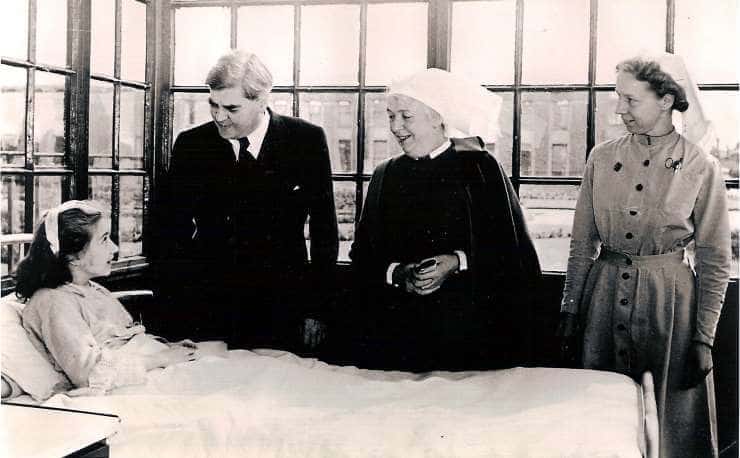
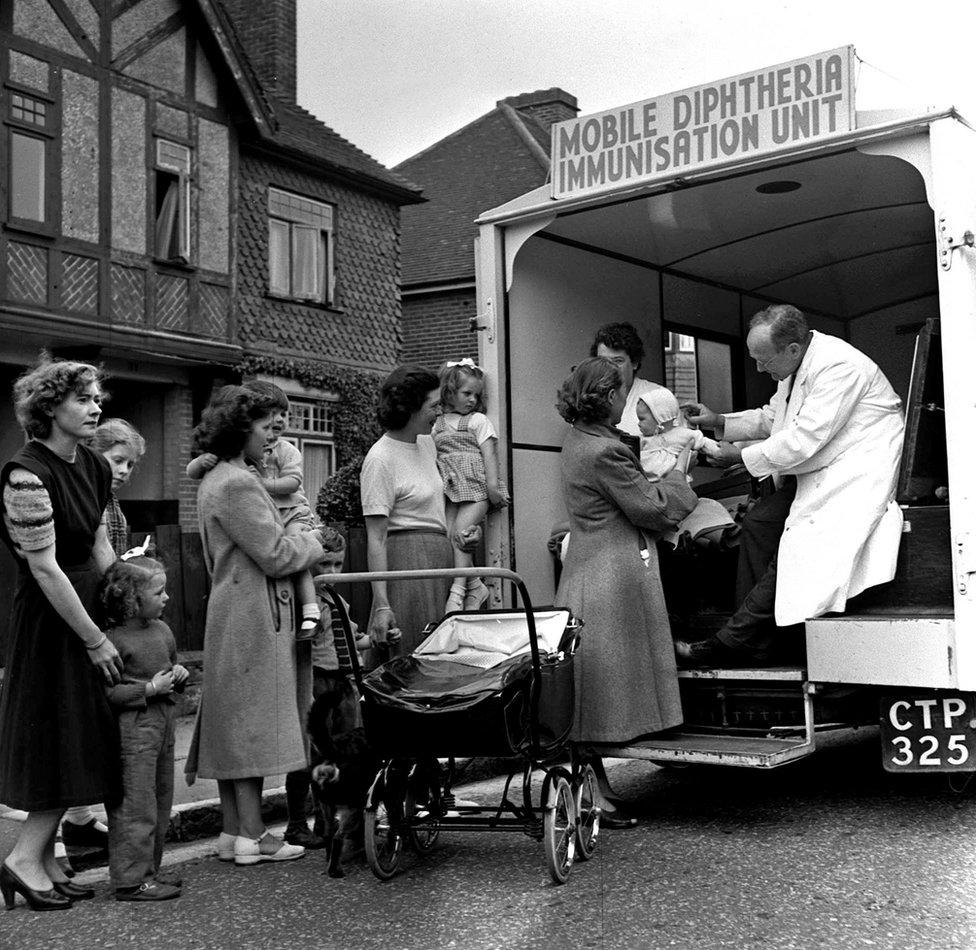
That founding ideal remains one of the defining achievements of post-war Britain. It brought security to families who had previously feared the cost of illness, injury or childbirth. In Pembrokeshire, as across Wales, generations have relied on that promise.
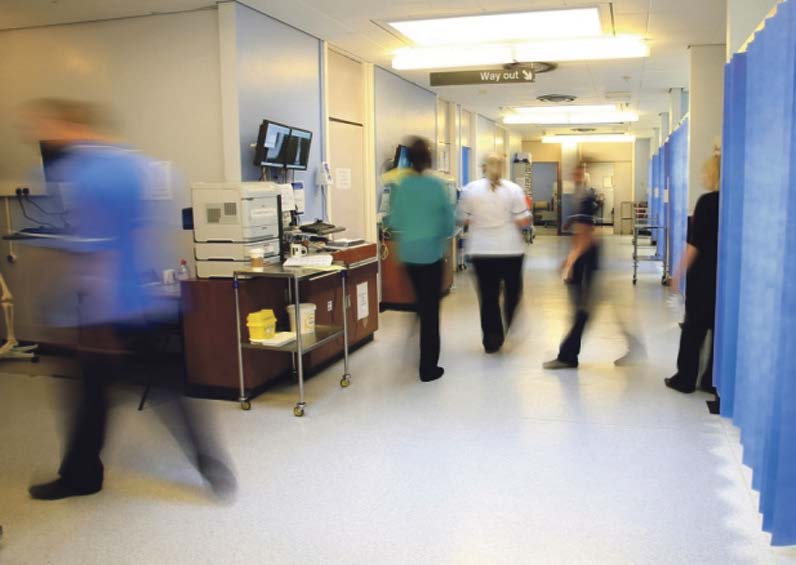
But as the NHS turns 78, it does so under intense pressure.
Hywel Dda University Health Board serves a population of around 385,000 people across west Wales, covering hospitals, community services, mental health care and primary care across a large rural area. Demand continues to rise, while the challenges facing the health service grow more complex.
Wales has an ageing population, higher levels of long-term illness and areas of significant deprivation. Those pressures place greater demand on health and care services. At the same time, workforce shortages, waiting lists and financial strain continue to dominate debate about the future of the NHS in Wales.
The Welsh Government recently announced an extra £145m for NHS Wales this financial year, including funding aimed at reducing waiting times, developing surgical and diagnostic hubs, and tackling maintenance across the NHS estate.
But the wider financial picture remains difficult. Audit Wales has reported that all seven health boards in Wales again failed to meet their break-even duty in 2024/25, underlining the scale of the challenge.
That is why NHS charities say the birthday should not only be a celebration, but also a chance to give something back.
NHS Charities Together says more than 220 NHS charities across the UK collectively invest around £1.5m in the NHS every day. That funding helps support patients, staff and communities, paying for projects and equipment which go beyond core NHS provision.
Hywel Dda Health Charities allows donors to support a general fund for the areas of greatest need, or to direct donations to a particular hospital, ward, department or service. Funds can help provide medical equipment, staff training, research, patient comforts and community-based support.

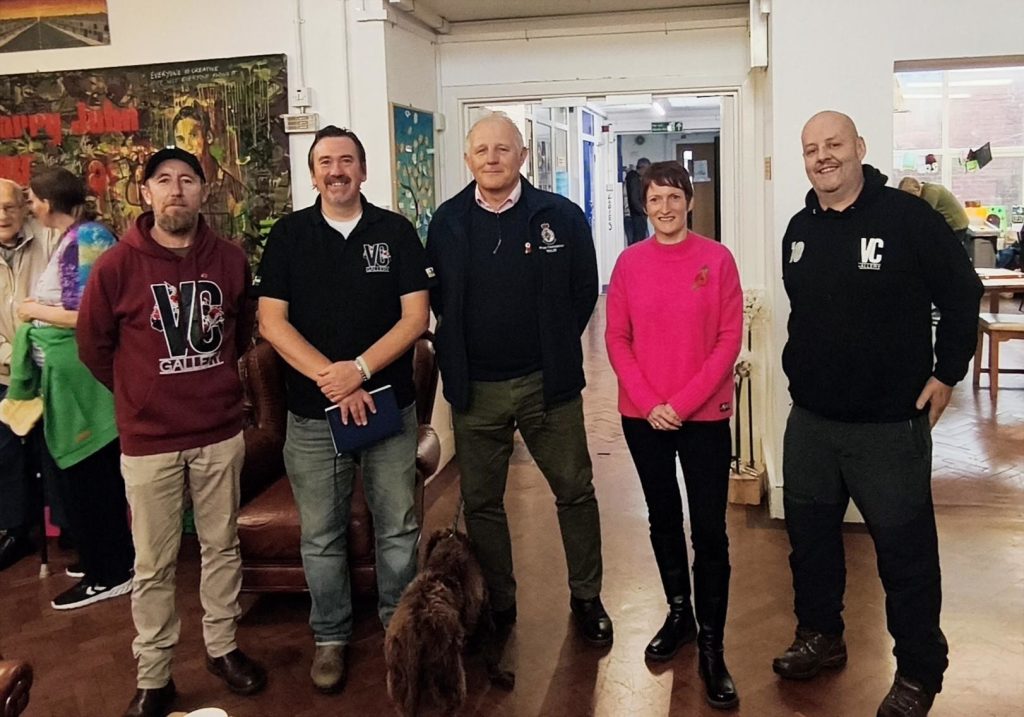
Other local organisations also play an important role in supporting health and wellbeing in Pembrokeshire, including the VC Gallery in Haverfordwest, Honeyborough HOPE Therapy Centre and Pembrokeshire Samaritans. Their work in areas such as mental health, veterans’ support, therapy and community care helps ease pressure elsewhere in the system.
The NHS remains one of Wales’ most important institutions. It was created by a Welshman, built on a principle that still matters, and continues to serve people from birth to the end of life.
On its 78th birthday, the message from NHS charities is simple: celebrate it, value it, and support it where you can.
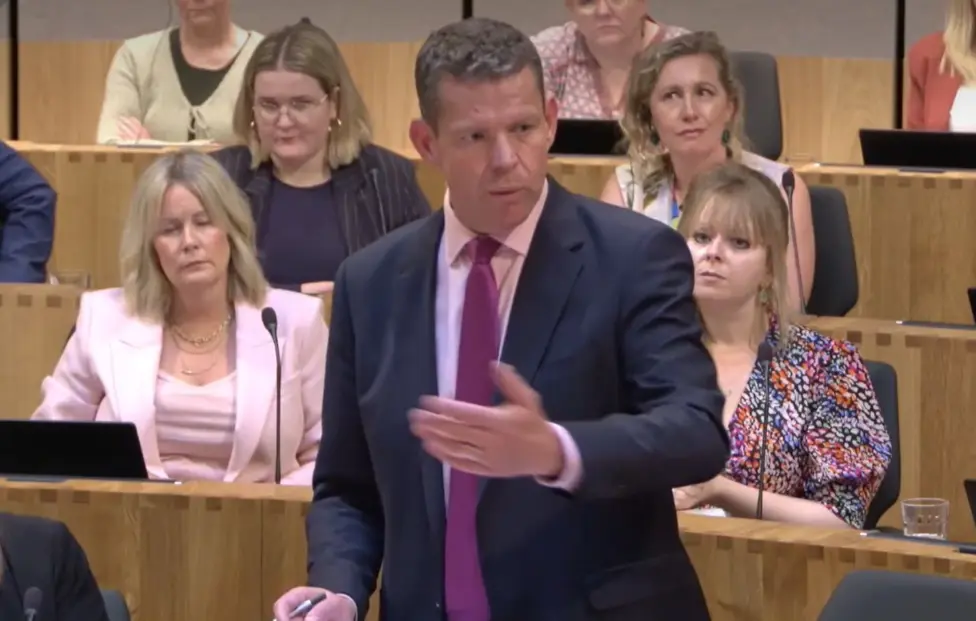
PLAID CYMRU’S Rhun ap Iorwerth was challenged on budget decisions and the NHS in this week’s First Minister’s questions.
Tuesday’s plenary also saw the First Minister face questions on biological sex and funding for children with additional learning needs.
There was disruption in the chamber as shouting broke out when the First Minister admitted he had met with Reform UK’s Welsh leader Dan Thomas.
In his questions to the First Minister, Mr Thomas pressed him to disclose if he had had any talks with other political parties, if there are any potential areas of compromise within the supplementary budget, and if he’d be willing to work with Reform.
The First Minister responded: “It really shouldn’t come as a surprise to anybody that I have met all leaders of political parties in this Senedd.
“When I speak of wanting to be a co-operative government, that means having conversations with leaders of Reform, the Conservatives, Labour, and the Green Party.
“I’m sorry if that’s come as a surprise to anybody.”
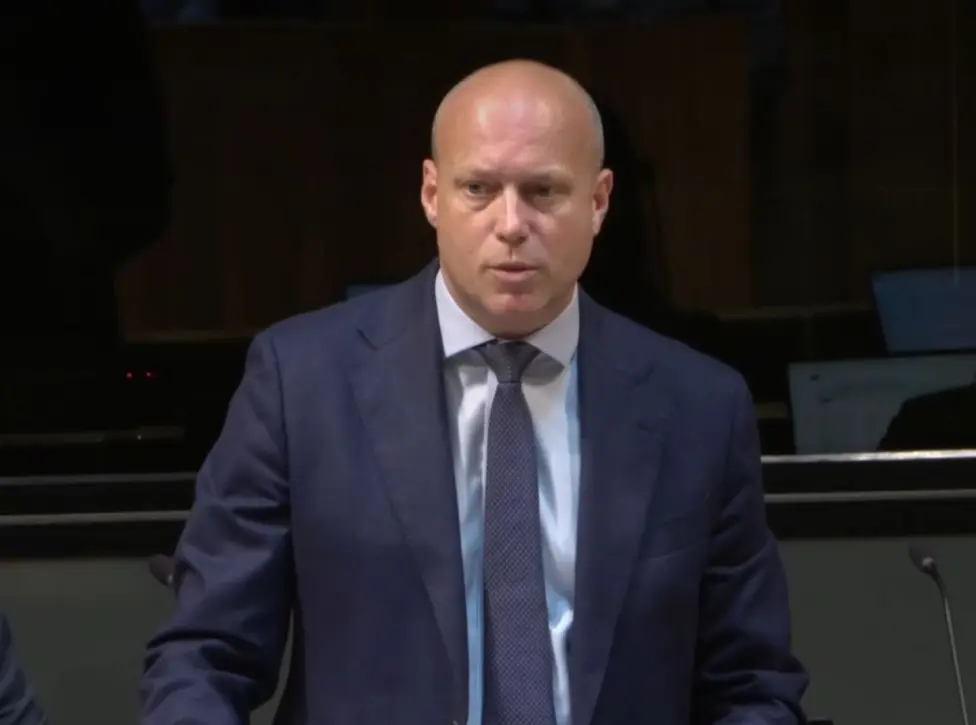
Mr ap Iorwerth said his government is “determined” to put in place their programme for government and recognises that to do so it will need cross-chamber support.
Leader of the opposition Dan Thomas began his questions to the First Minister by drawing attention to the “plight” of student nurses.
He called on Mr ap Iorwerth to share if any of the £145 million allocated to the NHS in the supplementary budget will be used to “guarantee student midwives and student nurses a job when they finish their training.”
Noting that there are “some things […] that money can’t buy”, the First Minister said the current problems facing graduates are due to “over-commissioning” in 2022.
He said: “There’s a specific problem that has arisen this year, which should not have arisen, but it has arisen because training numbers for this cohort who are looking for jobs in September this year were commissioned in 2022.

“Now, we are living now with the challenges posed by the over-commissioning back then.”
Acknowledging how “unsettling” the lack of jobs must be, the First Minister confirmed his health minister has started work on improving the outcomes for graduates.
Mr ap Iorwerth said: “We will help those graduating now to get jobs. They have careers in the NHS. We need them.
“But we have a problem that we face right now, which this government is working around to quite rightly support those who are worried in a way that they shouldn’t be, when they signed up to those courses in 2022.”
Funding for children with additional learning needs was once again at the forefront of discussions in the Siambr.
Interim Labour leader Ken Skates pressed the First Minister to say how much he expects to receive from the UK Government in additional learning needs consequentials between now and 2029.
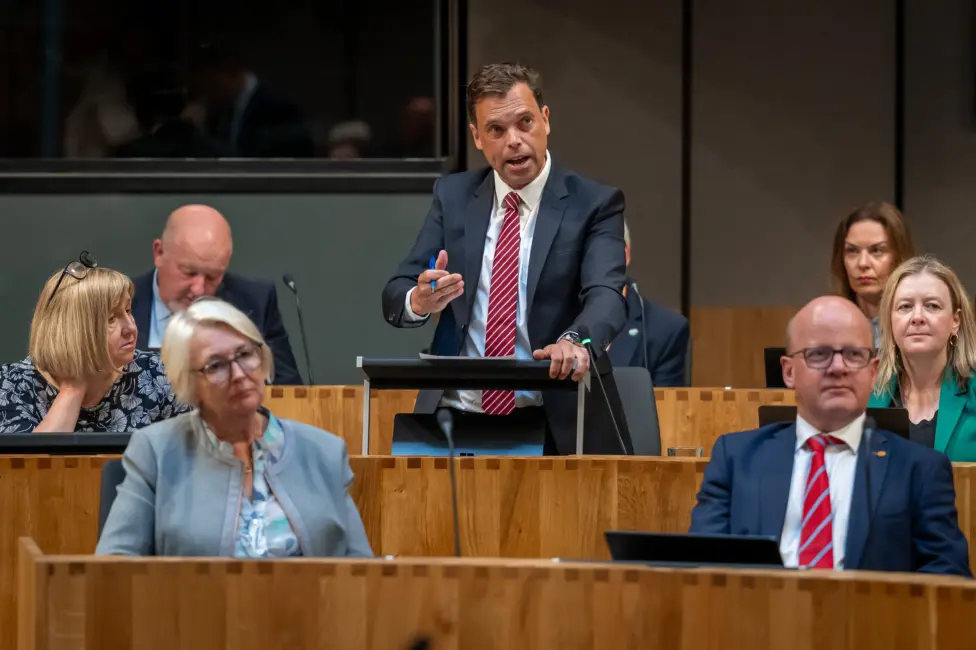
Noting the importance of the prioritisation of government money, the First Minister did not provide a specific figure in response to the Labour member.
Instead he pledged to concentrate on helping “children in education, patients in the health service and families who need support with childcare.”
Answering his own question, Mr Skates said: “The answer is more than £0.5 billion – more than £0.5 billion that will come to the Welsh Government as a result of increased spending by the UK Government on additional learning needs. That is a huge additional sum that your government will be receiving.
He added: “Every one of the 22 local authorities in Wales is calling for this year’s consequential to be passed to councils so that they can then pass it to schools for investment in children and in the teaching profession.”
He called on the First Minister share how much additional ALN funding he is willing to allocate in the supplementary budget.
Mr ap Iorwerth responded: “Those who have been in government will know that there are two sides of the ledger when it comes to budgets. There are consequentials, yes, from time to time, there are pressures, too.
“This government has inherited significant pressures, which have to be addressed – and we have inherited those pressures from previous governments – whilst taking a long-term and sustainable approach to the whole ALN system.”
The First Minister told the Siambr that the ALN pressures will be solved through “long-term thinking in developing policy” not by a one-off payment.

Natasha Asghar, the Conservative health spokesperson, pressed the First Minister to reveal what action the Welsh Government will be taking following the Supreme Court’s ruling on the “definition of biological sex”.
Ms Asghar told the Siambr she was recently contacted by Aneurin Bevan University Health Board staff who had received a presentation titled ‘transcending boundaries, celebrating transgender awareness week and how to be an ally’.
She said: “I’m all in favour of diversity, but I would much rather NHS staff focus on patients and delivering care, than them being distracted by training sessions that do not improve patient care and frontline services.”
Ms Asghar said the staff who contacted her said they felt extremely uncomfortable with the session, describing it as highly sexualised and inappropriate.
She added: “I can’t say I blame them when you hear some of the presentation’s content.
“Part of the presentation involved a man talking about his genitals, alongside a photo of a rocket, and he states, and I quote, ‘No Viagra needed’.
“The presentation also includes a photo of a man when he was naked as a child. The presentation also talks about transgender bathroom issues and supporting men in women’s spaces.”
Ms Asghar asked the First Minister how the Welsh Government will ensure public bodies are following the law and “protecting women’s spaces”.
Noting the Supreme Court decision was not “a victory of one side over another”, the First Minister expressed the need for political leadership.
He said: “She [Ms Asghar] mentions ‘concerned members of staff’. We hear from very concerned trans people who feel that they are being disempowered and put at risk, even, by the current debate.
“And that, I think, is where political leadership comes from. I can’t comment on the particular material that she mentioned because I’m not aware of what it is. But that Supreme Court ruling wasn’t a victory of one side over another.
“I was listening at the time when the judgment was given. What it did usher in was a new era of the need for greater understanding between people who have divergent views.
“All of us have to be aware of that in trying to cool down the temperature on what has become a heated debate but also a very painful debate for many individuals.”
The First Minister was also quizzed on his government’s position on puberty blockers for under-18s, by Reform MS Paul Marr.

Mr ap Iorwerth said: “Where clinically appropriate, puberty suppressing hormones can be prescribed for children in Wales who started treatment prior to the UK Government’s order restricting their prescribing other than through the NHS, and to children accessing NHS gender services, as part of the National Institute for Health and Care Excellence research study when that commences.”
The First Minister said gender identity services in Wales will continue to be “led by the evidence.”
Suggesting the Cass Review highlights “significant uncertainties” around the “long-term safety” of puberty blockers, Mr Marr pressed the First Minister on the “specific steps” his government will take to ensure that “vulnerable young people are not subject to avoidable harm”.
Mr ap Iorwerth informed the Reform MS that the author of the Cass review is supportive of that research.
Mr ap Iorwerth added: “This is a careful study, an academic study, that is about reducing harm to children and young people.
“I would have thought that that is something that, as a whole, we would eager to sign up to.”

More than 9,000 people in Wales are waiting for specialist psychological therapies, with almost half waiting longer than six months
MORE than 9,000 people with moderate to severe mental health conditions are waiting to access specialist psychological therapies in Wales, according to new figures obtained by Mind Cymru.
The charity says the number of people waiting for treatment is now at its highest level since the Covid-19 pandemic.
Freedom of Information data gathered from all seven local health boards shows that, as of December 2025, almost half of those waiting, around 47%, had been on the list for longer than 26 weeks.
Mind Cymru said more than 4,300 people had been waiting more than six and a half months for specialist psychological therapies by December 2025.
That figure has almost doubled since March 2024, when 2,305 people were waiting more than 26 weeks.
The charity is now calling on the Welsh Government to make mental health a priority during the next Senedd term, with a focus on reducing waiting times and improving early access to support.
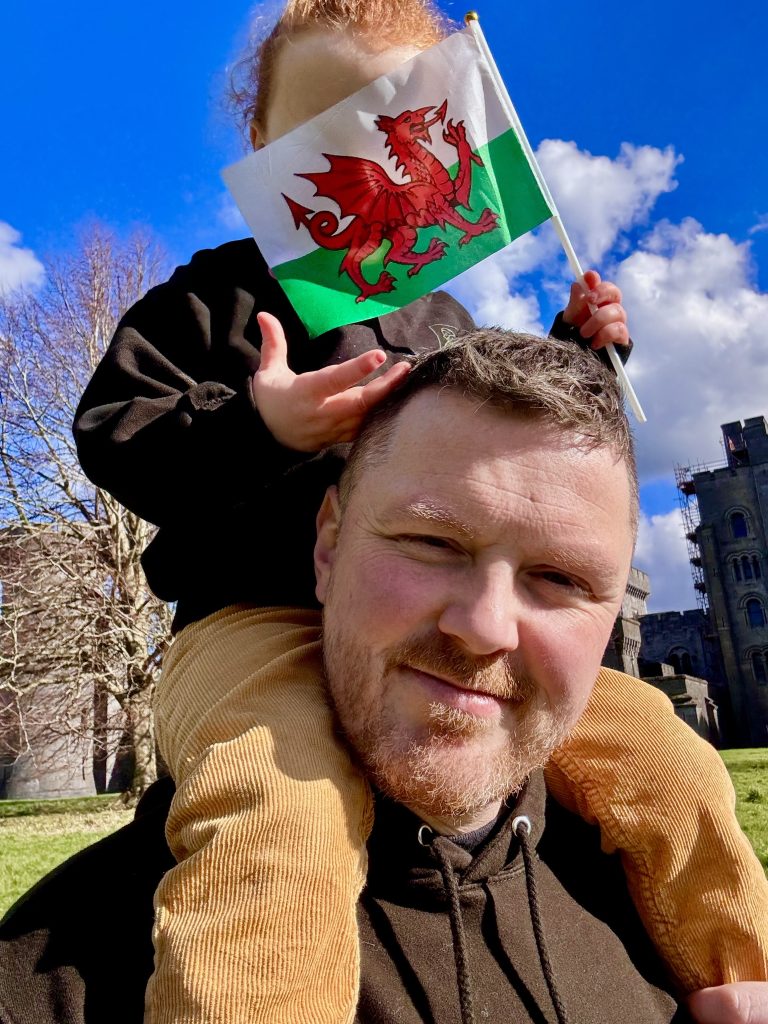
Aled Edwards, from Bangor, said he was told he faced a two-year wait to see a psychologist as an outpatient at a mental health hospital near his home, despite experiencing depression and suicidal thoughts.
The father-of-two was instead placed on a list to see a psychiatrist in the hope he could access support more quickly, but said it still took another 18 months before he finally received the help he needed.
Aled, who was later diagnosed with a male form of post-natal depression, said: “This was at a point in my life where I had already tried to take my own life and I was considering trying again, so this time I went to ask for help instead.
“I was experiencing some really dark thoughts and I was desperate for support.
“When I did get to see a psychiatrist, they left their job after three sessions and I went back into the system to wait for a further six months before starting trauma therapy with another doctor.
“Finding the skills to cope with the kind of intrusive thoughts I was having in the meantime was really hard, and I feel fortunate that I had the means to access private counselling support to keep me going during that period, where so many others might not.”

Mind Cymru has requested the same waiting list data from local health boards three times since 2020, as part of its campaign for improved access to specialist psychological therapies in Wales.
Its original Too Long To Wait report called for more investment in specialist psychological therapies, stronger governance around how local health boards collect and submit waiting time data, and for the figures to be made publicly available.
The charity says those recommendations remain relevant, but that urgent action is now also needed to transform the mental health system so people can access support earlier.
Simon Jones, Head of Policy and Campaigns at Mind Cymru, said the findings showed that mental health must be a central priority for the Welsh Government.
He said: “There’s clearly a very real and growing need for increasing numbers of people to receive specialist psychological support for their mental health in Wales.
“These are people living with moderate, severe and enduring mental health conditions, and those most in need of support.
“That so many are waiting too long to access therapies is placing further demand on a system already under pressure, and there’s a need for significant investment to be made at all levels to help people access the support they need, when they need it.
“With plans already in place to transform Wales’ mental health system and help deliver open access care, we need now to ensure these plans are prioritised and invested in so that we can start to see that positive impact as soon as possible.
“No one should be waiting longer than six months for support with a serious mental health issue. With this in mind, Mind Cymru is calling on the new Welsh Government to make mental health a priority across the next Senedd term.”
Specialist psychological therapies are structured, evidence-based treatments delivered by trained clinicians for specific mental health conditions or complex psychological needs.
They include therapies such as Cognitive Behavioural Therapy, Eye Movement Desensitisation and Reprocessing, Cognitive Analytic Therapy and Dynamic Interpersonal Therapy.



News24 hours ago
A40 closed near Llandeilo following collision
A SECTION of the A40 in Carmarthenshire has been closed in both directions following a collision. The road is currently...

Local Government24 hours ago
Award-winning Saundersfoot sauna faces refusal over location concerns
PLANS to allow an award-winning outdoor sauna to remain permanently at Saundersfoot Harbour have been recommended for refusal by Pembrokeshire...


Health1 day ago
NHS at 78: A moment to give back to the service Wales helped create
As the health service marks its 78th birthday, people in Pembrokeshire are being urged to support local NHS charities helping...


Community2 days ago
Saundersfoot Harbour regeneration project wins national planning award
SAUNDERSFOOT HARBOUR’S redevelopment has been named Best Project at the RTPI Cymru Awards for Planning Excellence 2026. The award recognises...


Business2 days ago
Pembrokeshire-based Ascona Group expands UK portfolio with Truckhaven acquisition
PEMBROKESHIRE-BASED Ascona Group has completed the acquisition of Truckhaven (Carnforth) Ltd, a major trunk road services area in Lancashire. The...


Health3 days ago
Wales begins early NHS winter planning after long waits and ambulance pressure
Ministers say health boards and councils must act now to ease pressure on hospitals, ambulances and social care before winter...


Crime4 days ago
Judge calls pensioner a ‘dirty old man’ as he avoids jail for exposing himself to women
Judge says 75-year-old Stewart Laugharne behaved ‘disgracefully’ as he avoids jail but is ordered to sign sex offenders register A...
Health4 days ago
Stroke services consultation reaches halfway point as public urged to have say
HYWEL DDA University Health Board is urging people to take part in its consultation on the future of stroke services,...


Business4 days ago
Welsh firms eye share of £5bn defence drone boom
WELSH defence and aerospace firms could be in line for a share of billions of pounds in new military spending...


Community6 days ago
Thousands line Cardigan streets for Lord Rhys homecoming parade
THOUSANDS of people lined the streets and quayside in Cardigan on Saturday as the town marked 850 years since Lord...
-

 News5 days ago
Biker dies and woman seriously injured in Black Mountain crash
-
Community6 days ago
Thousands line Cardigan streets for Lord Rhys homecoming parade
-

 Crime4 days ago
Estate agent banned after drug-drive crash in Milford Haven
-

 Community6 days ago
Civic service brings Pembrokeshire towns together in Haverfordwest
-

 Crime4 days ago
Eight guilty over ‘industrial scale’ cocaine conspiracy into Pembrokeshire and Carmarthenshire
-

 Local Government5 days ago
Flood defence scheme moves closer as community invited to view plans
-

 Crime4 days ago
Men threatened to have prisoner killed in chilling phone call to his father
-
Crime4 days ago
Judge calls pensioner a ‘dirty old man’ as he avoids jail for exposing himself to women