


Charity
Childline prepares for spike in contacts as children face return to school


CHILDLINE is bracing itself for a surge in calls and messages from young people worried about returning to school at the end of the summer holidays.
New data from the NSPCC-run service shows that in 2024/25 it delivered 1,812 counselling sessions to children concerned about going back to school. More than a third of these (34%) took place in August and September, highlighting the particular pressures of the new term.
Many children told counsellors they feared being judged on their appearance after the summer break, while others were anxious about schoolwork, teachers or starting at a new school. Some said they were looking forward to returning, as school provided a break from family tensions and a chance to reconnect with friends.
A 14-year-old girl from Wales told Childline: “I really, really don’t want to go back to school – I worry what people will say about my body after the summer. I feel so ugly and guilty that I didn’t have the discipline to stick to a diet or lose any weight.
“My family keeps telling me I’m beautiful, but it’s hard to believe them. At least at home I feel safe and understood, but at school I’ll have to eat around other people and that makes me feel really upset. I feel so vulnerable and judged.”

A 15-year-old transgender boy added: “It’s been kinda tough not having much support over the holidays, so I’m actually looking forward to going back to school. I love my family, but it can be hard spending loads of time with them, especially when they don’t approve of who you are. I miss my mates and teachers.”
Shaun Friel, Childline Director, said: “For many children, the start of a new school year brings excitement — a chance to reconnect with friends, return to a familiar routine, and continue learning. But for others, it can trigger feelings of anxiety and uncertainty.
“We see a significant rise in contacts to Childline during the summer holidays, particularly in the lead-up to the new school year. While it’s completely normal to have concerns, young people must know they are not alone and that help is available. Our trained counsellors are here 24/7 — online and over the phone — ready to listen and support.”
Advice for parents and carers
- Encourage your child to write down what they are looking forward to and what they are worried about.
- Take time to listen before offering advice.
- Talk through practical solutions together.
- Remind them it can take time to adjust to school life.
- Ensure they make time for activities they enjoy.
- Inform a teacher if extra support may be needed.
Advice for children
- Speak to a safe adult about any worries.
- Write down hopes and concerns and share them.
- Ask questions about anything unclear.
- Get prepared in advance — uniform, bag and equipment.
- Use Childline’s online mood journal.
- Stay connected with friends and family.
- Keep active with sports, walks or games.
Childline is available to all young people by calling 0800 1111 or through the 121 chat service at www.childline.org.uk.


Donations pour in for SNAP Specialist Play as families embrace Toy Story 5 launch
A TOY STORY-themed charity appeal at a Haverfordwest cinema has got off to a flying start, with families donating toys to support children with additional needs across Pembrokeshire.
The Palace Cinema has teamed up with local charity SNAP Specialist Play to collect new and pre-loved toys during screenings of the newly released Toy Story 5.
The appeal centres around an “Andy’s Toys” donation box, inspired by the beloved Pixar films, which has already been filled by generous filmgoers.
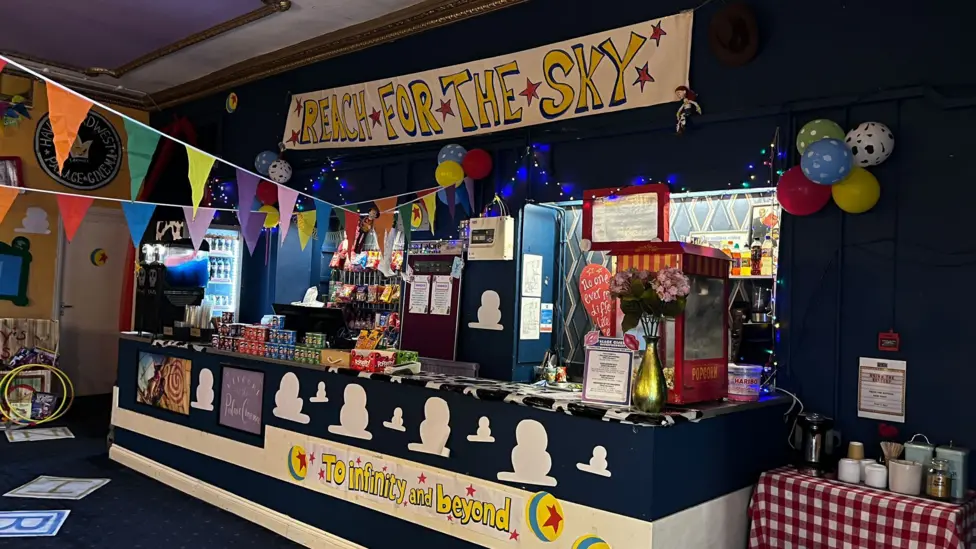
Cinema manager Hannah Cramp said the response from the community had exceeded expectations.
Families attending opening screenings have arrived carrying bags of toys, with many children keen to share their own treasured items to help others.
The cinema has transformed its foyer into a colourful Toy Story-themed experience, complete with hand-painted decorations, character silhouettes, bunting and famous film slogans including “Reach for the Sky” and “To Infinity and Beyond”.
Many visitors have also embraced the spirit of the occasion by attending in costume as their favourite Toy Story characters.
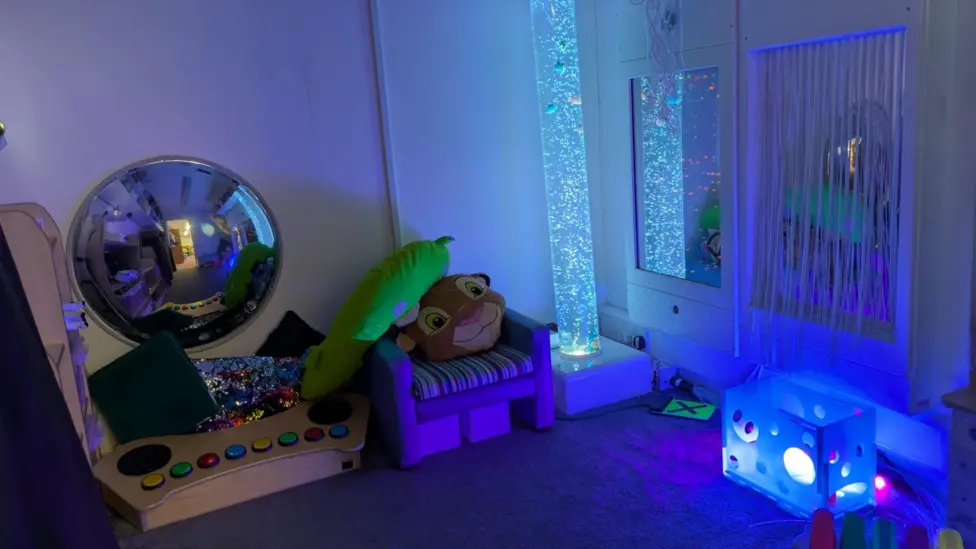
The toys are being donated to SNAP Specialist Play, a charity based within the Child Health Department at Withybush Hospital.
SNAP supports pre-school children with additional and complex needs through specialist play sessions designed to encourage communication, physical development and sensory learning.
Its facilities include sensory rooms, therapeutic play spaces and bespoke equipment used by speech and language therapists, occupational therapists and physiotherapists.
Project manager Cindy Jenkins said the charity was delighted by the partnership and grateful for the generosity shown by local families.

She said every toy donated would be put to good use, either during specialist play sessions, at family events, or through seasonal initiatives such as Christmas gift boxes for children and their siblings.

The appeal will continue until mid-July, with organisers hopeful that even more donations will be received over the coming weeks.
Anyone attending Toy Story 5 at the Palace Cinema is invited to bring along a new or good-quality pre-loved toy to support the appeal.

Cover photo:
Fancy dress fun: Palace Cinema manager Hannah Cramp helping launch the Toy Story charity appeal.
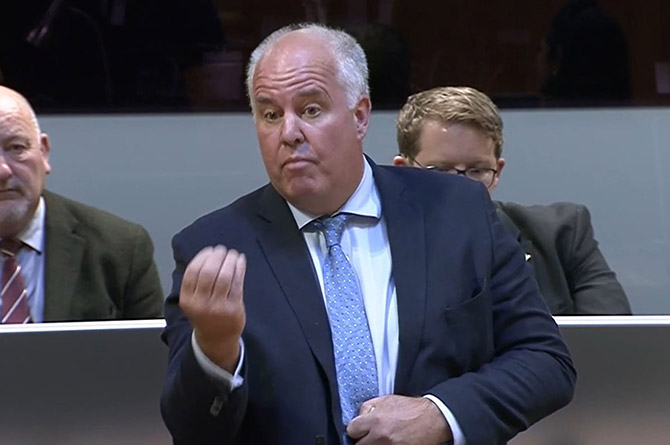
MINISTERS are facing calls to explain what checks were in place after the Ministry of Defence confirmed that an Afghan national resettled in the Vale of Glamorgan was convicted of a sexual offence.
Conservative Senedd Member Andrew RT Davies said the case raises “serious questions” for authorities after months of correspondence about the use of the Holiday Inn Express in Rhoose as temporary accommodation under Afghan resettlement arrangements.
The issue was first raised by Mr Davies in August last year, after he met Ministry of Defence officials about the decision to house Afghan families at the hotel.
Following that meeting, he asked whether anyone housed in the Vale of Glamorgan under Afghan resettlement schemes had been charged with or convicted of sex offences or other crimes.
Delayed response
The Home Office initially refused to provide the information, saying it would exceed the cost limit for Freedom of Information requests because thousands of Afghan national records would have to be checked.
However, the Ministry of Defence has now confirmed that it holds information relating to ten cases in which a person relocated to the UK under the Afghan Relocations and Assistance Policy or Afghan Response Route later committed a criminal offence.
Of those ten cases, five people were resettled under ARAP, three under ARR, while the MOD said it did not hold information on which route applied to the remaining two.
The department also confirmed that one person was based in the Vale of Glamorgan at the time the offence was committed and had been convicted of a sexual offence.
The MOD said the individual is no longer part of the Afghan Resettlement Programme.
A further two of the ten cases related to sexual offences, bringing the total number of sexual offence cases held by the MOD to three.
‘Public safety implications’
Mr Davies said: “It’s disgraceful that the Government failed to provide this information for so long.
“After authorities chose to use the Holiday Inn Express in Rhoose for temporary accommodation, I asked them to confirm if any individuals relocated under various Afghan resettlement schemes were convicted of sex offences.

“But they failed to answer the request repeatedly.
“Now it has confirmed an Afghan resettled in the Vale of Glamorgan was convicted of a sex crime, the Government has serious questions to answer.
“There are public safety implications that must be addressed.”
MOD caveat
In its response, the Ministry of Defence stressed that its figures should not be treated as a complete picture.
The department said that once an eligible person is resettled in the UK, integration and ongoing support becomes the responsibility of the relevant local authority.
It added that the MOD does not routinely collect data on people once they begin the resettlement and integration process.
The MOD also said it does not hold information on the specific category of sexual offences committed.
Mr Davies has previously raised concerns from residents about whether statements made about those housed at the hotel accurately reflected the schemes under which they had been resettled.
He said constituents deserved transparency over both the resettlement process and any public safety issues arising from it.

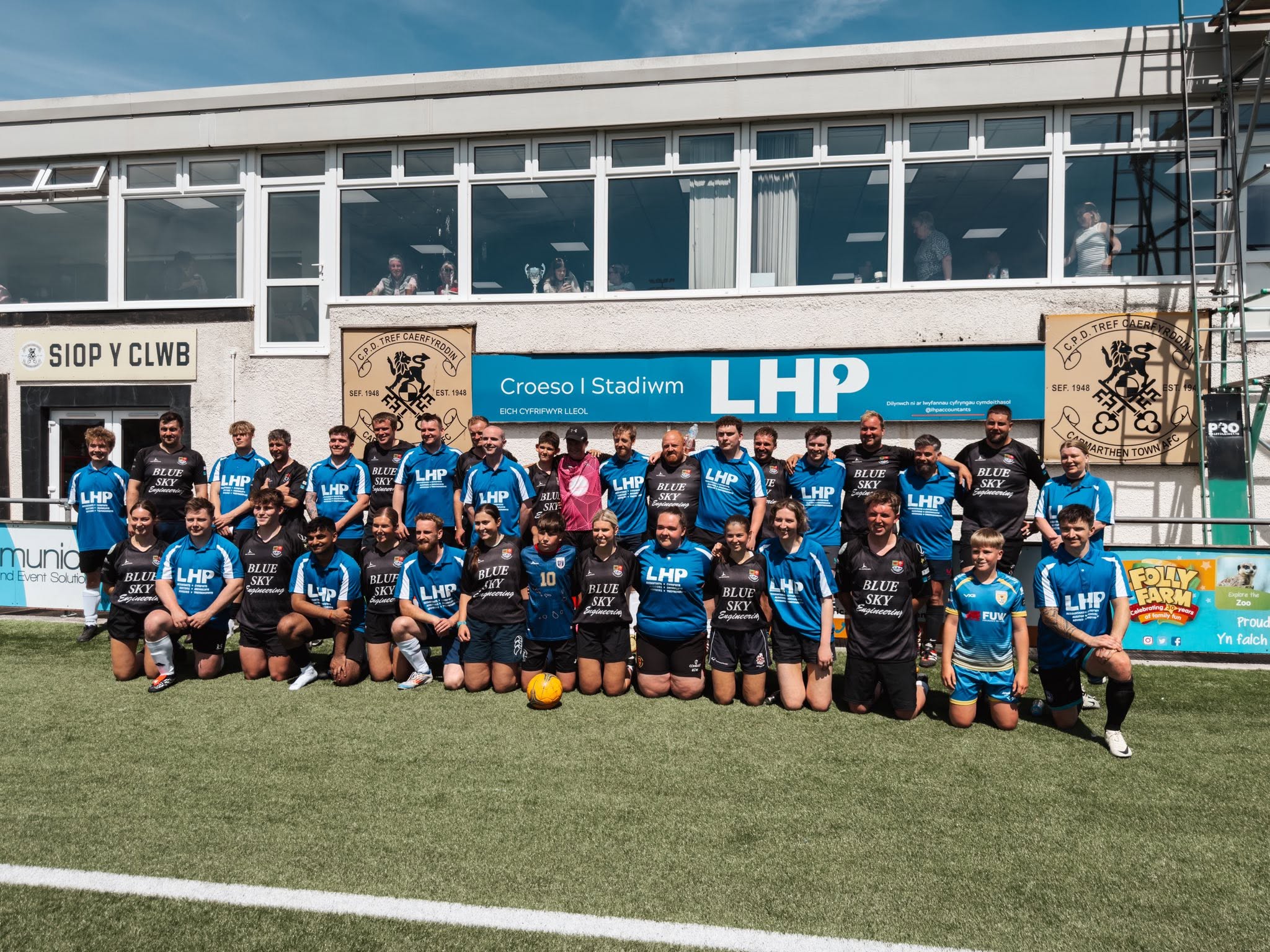
A CHARITY football event held at Carmarthen Town AFC has raised £10,025 for two key services at Glangwili Hospital.
The event, organised by LHP Accountants, took place on Saturday and raised money for the Chemotherapy Unit and the Special Care Baby Unit through Hywel Dda Health Charities.
Organisers said they had been “absolutely overwhelmed” by the support shown on the day, thanking everyone who played, donated, sponsored, volunteered, bought raffle tickets, bid in the auction or attended the event.
They said: “This achievement belongs to every single person who supported us. Thank you for helping us make a real difference.”
The event was also filmed by S4C’s Heno, with coverage due to air tonight between 7:00pm and 7:30pm.
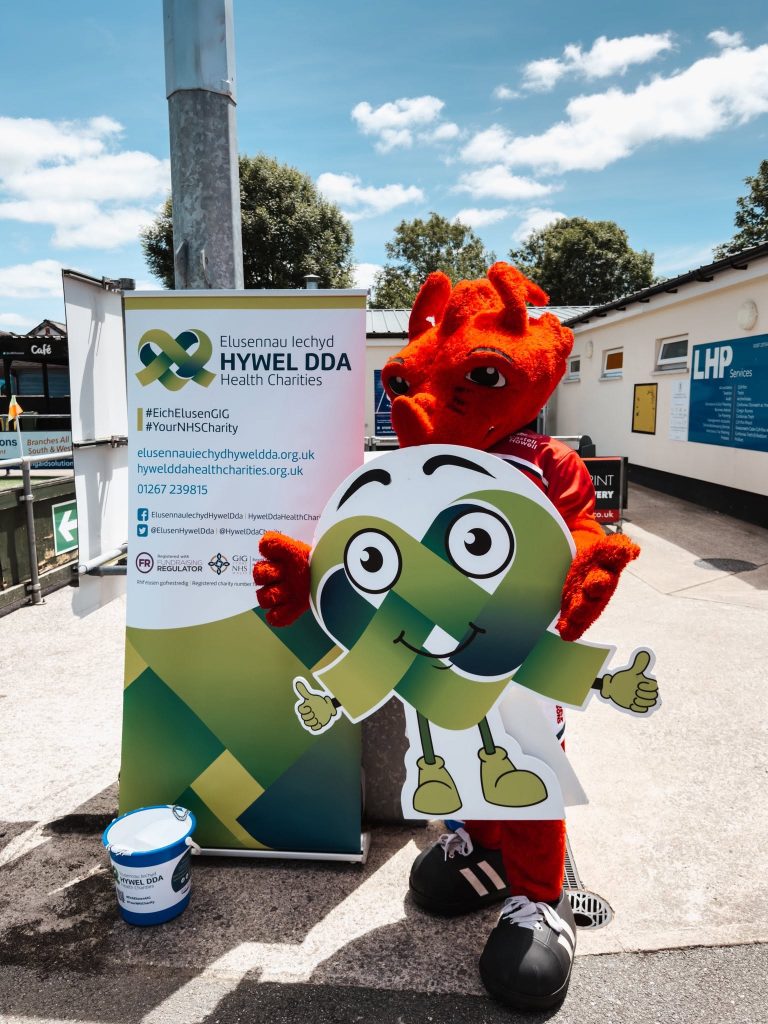
Caption:
Players and supporters at Carmarthen Town AFC helped raise £10,025 for Hywel Dda Health Charities.



Charity18 hours ago
Toy Story fans fill charity toy box at Haverfordwest cinema
Donations pour in for SNAP Specialist Play as families embrace Toy Story 5 launch A TOY STORY-themed charity appeal at...


Community22 hours ago
Lord Rhys emerges from the mist in St Davids
Giant puppet begins historic journey marking 850 years since the first Eisteddfod MIST swirled around St Davids Cathedral on Friday...


News2 days ago
Tragic tribute paid to Haverfordwest man after A4075 collision
FAMILY REMEMBERS “KIND AND LOVING” CALLUM HANSON THE FAMILY of a 22-year-old man from Haverfordwest who died following a road...


News3 days ago
Motorcyclist, 22, dies in A4075 crash in Pembrokeshire
A 22-year-old woman remains in hospital after two-vehicle collision A MOTORCYCLIST has died following a serious two-vehicle crash on the...

Community3 days ago
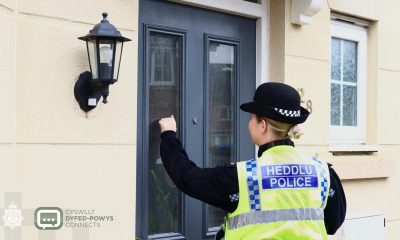
Why police will be visiting every home in Pembrokeshire
New operation aims to knock on more than 257,000 doors across Dyfed-Powys over the next three years DYFED-POWYS POLICE has...


Crime3 days ago
Prisons at breaking point: MPs warn Wales is paying the price of a failing system
Frozen healthcare budgets, overcrowded jails, homelessness on release and mounting pressure on staff are undermining rehabilitation across Wales, according to...


News4 days ago
Brexit at 10: How Britain was sold a dream that cost us dearly
A decade after the referendum, the promised benefits remain hard to find while the economic costs are increasingly difficult to...


Crime4 days ago
Worcestershire man jailed after violent attack on woman in Tenby
Defendant was already serving a suspended sentence when serious assault took place A WORCESTERSHIRE man has been jailed for more...


Climate4 days ago
Offshore wind ‘could bring new generation of jobs to Milford Haven’
Pembrokeshire ports and Celtic Sea projects placed at centre of Wales’ green energy ambitions MILFORD HAVEN and Pembroke Dock could...


Community5 days ago
Police officer hailed hero after midnight sea rescue in Milford Haven
PC swam 100 metres offshore to save distressed woman heard calling for help in darkness A DYFED-POWYS POLICE officer has...
-

 Community7 days ago
Pembrokeshire Chess Club crowned Welsh champions
-

 Crime3 days ago
Milford Haven man jailed for breaching domestic violence protection order
-

 Local Government5 days ago
Security privately arranged by Mayor at Beating of the Bounds
-

 News3 days ago
Crash on Freeman’s Way causes school-run chaos across Haverfordwest
-

 Crime5 days ago
Man wanted by court after failing to attend hearing over alleged shop thefts
-

 Crime5 days ago
Man jailed after admitting strangulation and assaults
-
 Crime5 days ago
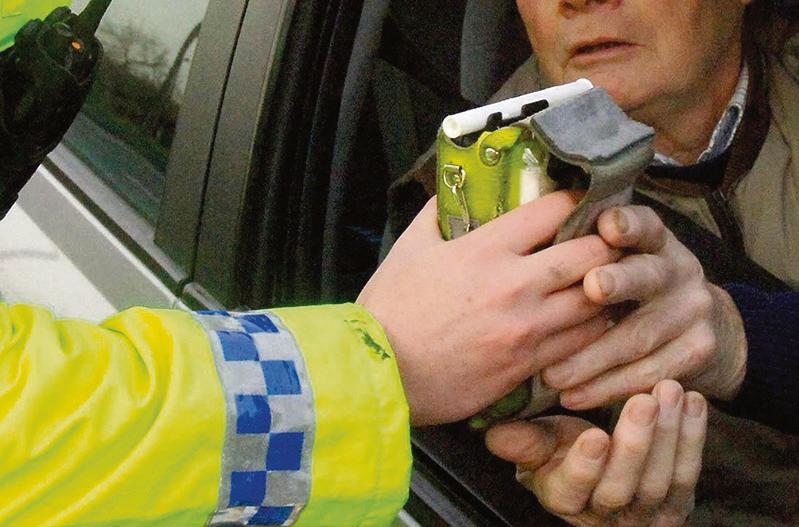
Man banned from roads after drink-driving offence
-

 Crime5 days ago
Man sentenced over stalking campaign and lock knife offence