

News
Welsh Conservatives condemn £38m cut in new ‘Local Growth Fund’ for Wales

THE WELSH CONSERVATIVES have launched a strong attack on the UK Government’s new funding scheme for Wales, accusing ministers of breaking promises and delivering a real-terms cut to investment.
Under the previous post-Brexit replacement for EU regional funding — the Shared Prosperity Fund — Wales received around £585 million over three years. Under the newly introduced Local Growth Fund, that allocation falls to £547 million over the same period — a reduction of £38 million.
The announcement has triggered political controversy in both Cardiff Bay and Westminster, as parties debate whether the change represents a meaningful cut or a technical adjustment within the post-EU funding regime.
Funding framework and government response
The UK and Welsh Governments have jointly agreed a framework for the Local Growth Fund, with decisions on its deployment devolved to Cardiff.
According to the Welsh Government, the fund will support growth, productivity, and local priorities — including infrastructure, skills, innovation, and investment in key sectors such as artificial intelligence and biotechnology.

First Minister Eluned Morgan acknowledged the settlement is “slightly smaller” than before, but stressed that Wales would still receive about 22 per cent of the UK-wide fund. She said funding would “reach all parts of Wales” and that devolved decision-making would ensure investment matched local priorities.
UK Secretary of State for Wales Jo Stevens said the new approach reflected “a commitment to local democracy,” adding: “Decisions are best made by people in Wales.”
Despite those assurances, opposition politicians say the reduction amounts to a broken promise and a warning sign of tighter budgets ahead.
Tory outcry over ‘broken promises and vanity projects’
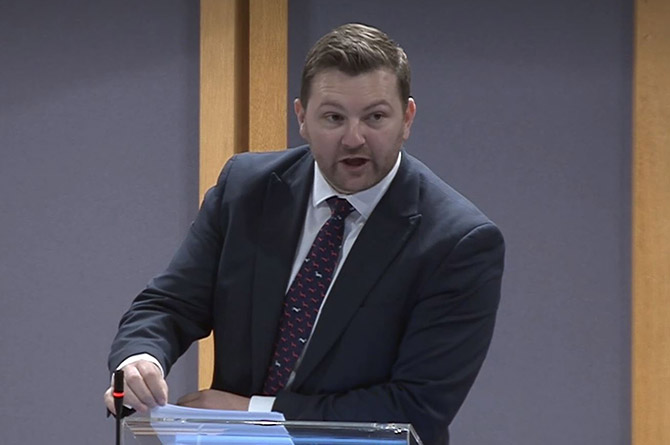
Samuel Kurtz MS, Welsh Conservative Shadow Cabinet Secretary for Economy and Energy, issued a stinging statement accusing Labour of giving Wales “tens of millions of pounds less” than under the previous scheme.
“The Welsh Labour Government getting to hold the purse strings does not fill me with hope,” he said. “They routinely waste taxpayers’ money on vanity projects — or on non-devolved areas like their pointless overseas embassies and Ugandan tree planting.”
Mr Kurtz said the reduced funding would harm Welsh businesses already under pressure from what he called “higher taxes imposed by Labour Governments at both ends of the M4.”
Impact and unanswered questions
Local authorities and development agencies are now assessing how the lower funding total will affect projects. Key questions remain over how much will be allocated to capital works — such as roads, broadband and premises — versus revenue funding for skills and business support.

There is also uncertainty over how funds will be distributed across regions and whether inflation and rising public-service costs will further erode the real value of the grant.
With Labour holding only 29 of 60 Senedd seats, ministers will need opposition support to pass next year’s budget — making the Local Growth Fund a likely flashpoint in the coming financial debates.
Long-term tensions over regional funding
The dispute highlights long-running tensions about how regional development money is shared across the UK.
Under the EU’s structural funds, Wales received billions in direct investment via Brussels. The Shared Prosperity Fund was meant to replicate that model domestically, but the shift to a “Local Growth Fund” marks a move towards centralised, outcome-based competition.
Critics warn the new system could disadvantage smaller or rural areas, particularly given delays and underspending in earlier “Levelling Up” schemes. With Wales’ economy heavily reliant on infrastructure investment, many warn that even modest cuts could have outsized effects.
Some Plaid Cymru and Welsh Labour backbenchers have already called for full devolution of replacement-fund control, arguing that decisions about Welsh priorities should rest entirely in Wales.
What happens next
The Welsh Government says it will launch a public consultation later this month to shape how the Local Growth Fund is spent. Local authorities, businesses and community groups will be invited to submit proposals for regional investment.
As the Senedd begins its 2026-27 budget process, attention will focus on whether the smaller funding pot can sustain existing projects — or whether Wales will face another round of spending squeezes.
For now, the £38 million reduction has ignited a wider debate over who really controls Wales’s economic destiny — and whether devolution of the purse strings will empower communities or simply shift the blame for austerity closer to home.

News
Carmarthenshire guest house crowned AA Bed and Breakfast of the Year
Llanerchindda Farm Guest House

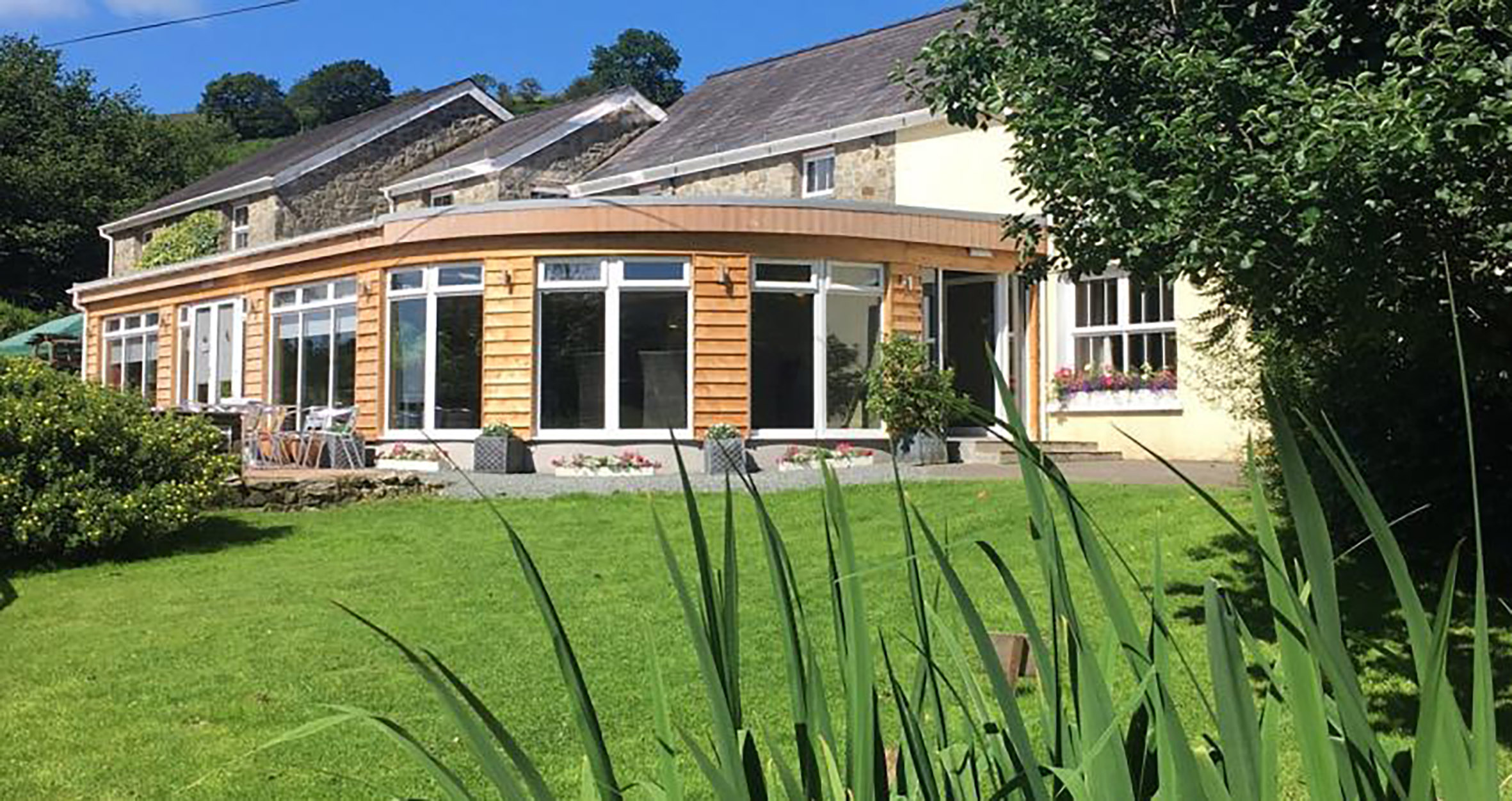
Llanerchindda Farm Guest House, nestled in the spectacular Cambrian Mountains near the famous Cynghordy Viaduct in Carmarthenshire, has been named AA Bed & Breakfast of the Year Wales 2026.
The prestigious award recognises the very highest standards of hospitality, accommodation and guest experience across Wales.
The family-run guest house, which is owned and managed by Lynn and Martin Hadley, together with their twin sons, Andrew and Mark, has built an outstanding reputation for offering guests a peaceful rural retreat in one of Wales’ most beautiful landscapes.
Visitors from across the UK and around the world are drawn to Llanerchindda for its stunning views, tranquil surroundings, exceptional hospitality and easy access to walking, cycling and outdoor adventures throughout the Cambrian Mountains and the Brecon Beacons.
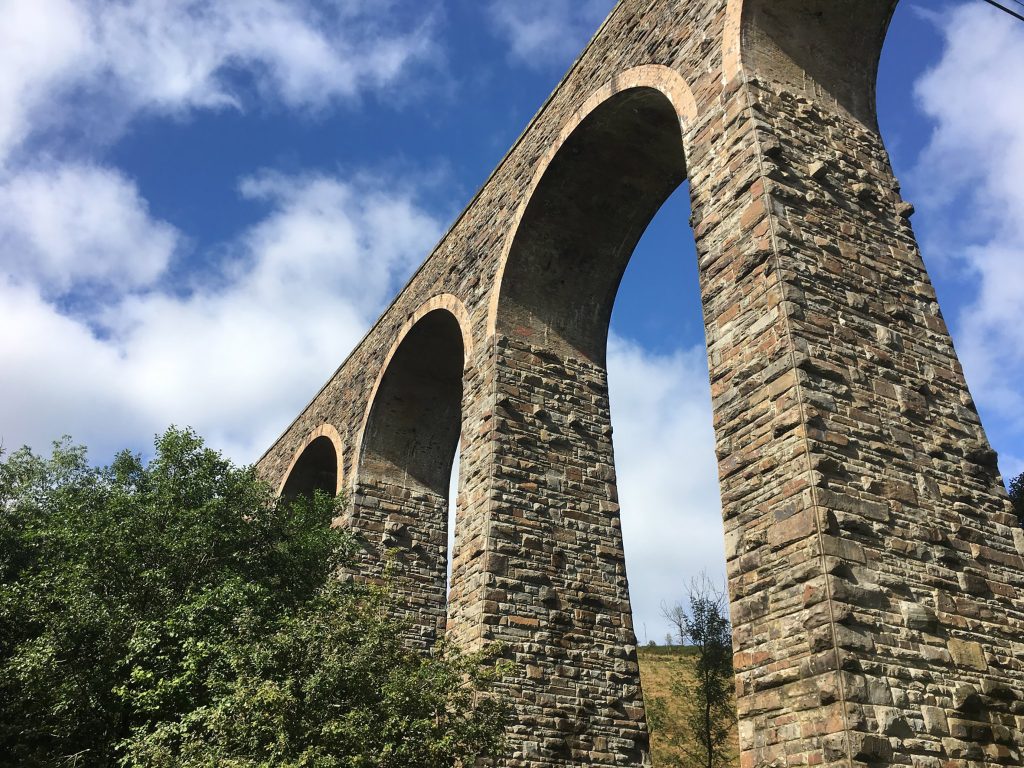
Cynghordy Viaduct
The business has continued to evolve in recent years, investing in a substantially enlarged dining room overlooking the valley towards the Cynghordy Viaduct and the Black Mountain skyline, alongside an expanded online presence through social media and a new website.
“We’re absolutely thrilled to receive this award,” said Martin. “It’s recognition not only of our family’s commitment but of every member of our fantastic team who works tirelessly to make every guest feel welcome.
“We’re incredibly grateful to the AA for this honour and to our loyal guests who continue to support us.”
Lynn added: “Hospitality has always been about people. Every guest who walks through our door becomes part of the Llanerchindda story. This award belongs to everyone who has helped us along the way.”
A key part of the guest house’s success has been its dedicated staff whose professionalism, warmth and attention to detail help create memorable experiences for every visitor.
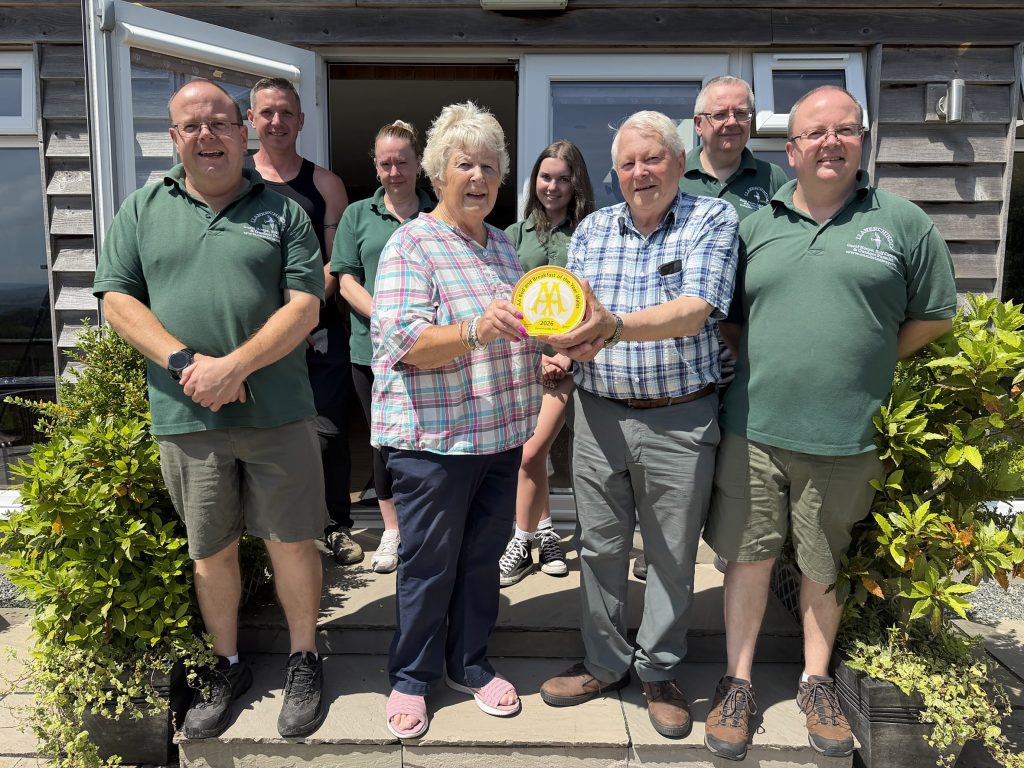
Lynn, Martin, Andrew and Mark Hadley with staff members.
Staff member Carol Jones said: “It’s wonderful to see everyone’s hard work recognised. We all love what we do and take great pride in making every guest’s stay as relaxing and enjoyable as possible.”

Guests have welcomed the news. Sarah, a recent visitor, said: “The hospitality at Llanerchindda is second to none. The scenery is breathtaking and every member of staff goes above and beyond. This award is richly deserved.”
International guest Peter added: “I’ve stayed in many wonderful places, but Llanerchindda offers something truly special. It feels like coming home every time.”
The owners also paid tribute to Bryn, the guest house’s much-loved welcoming dog, who has become a favourite recently with guests.
Llanerchindda Farm Guest House continues to attract visitors seeking an authentic Welsh countryside experience, combining award-winning accommodation with breathtaking scenery, exceptional food and genuine family hospitality.

WORLD RENOWNED drag icon, Dr Bev, has been announced as the closing act for the Pembrokeshire Pride Festival in September.
Dr Bev, whose full stage name is Dr Beverley Ballcrusher, is a well known drag artist from Cardiff. In a career that has lasted for over 30 years, she has become one of the highlights of the city’s LGBTQ+ scene.
In that time, she has toured across mainland Europe. Before coming to Pembrokeshire Pride Festival, Dr Bev will be performing at Sao Paulo Pride Festival, the world’s biggest Pride festival.

Dr Bev has also been a fierce advocate for LGBTQ+ rights and HIV awareness. Dr Bev’s performer, Rob Keetch, volunteered at Cardiff Body Positivity to offer advice to those dealing with HIV during the 1990s. Dr Bev began at an event designed to support one of Rob’s associates from this charity, drag queen Connie Condom.
Dr Bev went on to be the founder of Pride Cymru, Wales’ largest LGBTQ+ celebration, holding an annual big weekend in Cardiff. The parade and festival promotes awareness of LGBTQ+ people, part of Pride Cymru’s wider mission to promote acceptance in Wales.
Dr Bev is therefore a figure rooted deeply in Welsh Pride and LGBTQ+ celebration. Having her come to Pembrokeshire Pride Festival is a massive moment for Pride in Pembrokeshire, closing out the festival with one of Wales’ biggest LGBTQ+ icons.
The day will include family friendly entertainment and activities, with food vendors, community areas and performances.
On Dr Bev’s appearance, Rob Keetch said: ‘To go from São Paulo Pride to Dewslake Farm is exactly what Pride should be about: joy, visibility, connection and making sure LGBTQ+ people know they are seen and celebrated wherever they live.‘
Dr Bev will also be wearing her rainbow outfit worn at San Paulo Pride, giving fans an opportunity to see part of the world’s biggest pride festival.
Pembrokeshire Pride Festival will take place on 19th September at Dewslake Farm, near Lamphey. Tickets will be available from the 24th July.
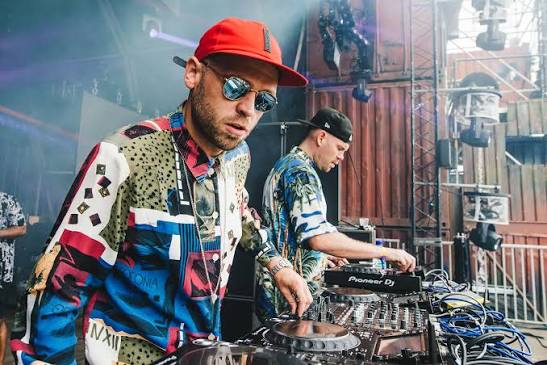
Headline act confirms non-appearance as Park House Series announces major event changes
DANCE music duo Solardo will no longer perform at the Park House Series event at Withybush Showground, Haverfordwest, on Saturday, July 18, organisers have confirmed.
The Manchester-based act had been heavily promoted as the headline name for the event, with tickets sold under the Solardo billing across official event pages, ticketing platforms and promotional material.
Questions over the appearance emerged after The Pembrokeshire Herald contacted Solardo’s booking representative directly.
Jack Clark, of United Talent Agency, confirmed to The Herald: “Solardo are not performing at this show.”
Organisers have since confirmed the withdrawal and announced that all ticket holders will receive a full refund.
The event itself will still go ahead, with Beyond Chicago and Ruby Richards both remaining on the line-up.
Park House Series has also announced that 1,200 free general admission tickets and 100 VIP tickets priced at £10 will be released at 7:00pm.
In a statement issued to ticket holders, organiser Toby Ellis said: “Unfortunately, due to circumstances beyond our control, Solardo will no longer be performing at our event on Saturday 18 July.
“We are absolutely devastated by this news and understand how disappointing it will be for everyone who purchased a ticket. We explored every available option, but sadly it has not been possible for the performance to go ahead.
“As a result, everyone who purchased a ticket will receive a full refund. Refunds will be processed automatically, with further information sent directly to ticket holders.
“The event itself will still go ahead, and we are determined to make it an incredible night. Beyond Chicago and Ruby Richards will both be performing as planned.
“To thank everyone for their understanding and continued support, we will be releasing:

“1,200 free general admission tickets
“100 VIP tickets for just £10
“Tickets will be released tonight at 7pm.
“We sincerely hope you will join us for what promises to be a huge free party. Thank you for your understanding and for continuing to support the event.”
The confirmation follows several days of uncertainty over whether Solardo would still appear.
At the time The Herald contacted the act’s representative, the event continued to be promoted publicly under the Solardo name.
The central unanswered question is when organisers first became aware that Solardo would not be performing.
The Herald has asked Park House Series to confirm the date on which it learned of the withdrawal, when Skiddle was informed and whether ticket holders were notified at the earliest opportunity.
The promoter has also been asked why the event remained advertised under Solardo’s name after the act was no longer expected to appear.
Organisers have said the circumstances were beyond their control and that they explored every available option before confirming the change.
The Herald has made clear that its interest is in ensuring ticket holders receive accurate information and that the questions are not intended as a personal attack on the promoter.
The newspaper has also offered to promote the revised event line-up free of charge.
Further details about the automatic refund process are expected to be sent directly to ticket holders.
The free and discounted replacement tickets are due to be released at 7:00pm.



News2 hours ago
Solardo pulls out of Haverfordwest show as organisers offer full refunds
Headline act confirms non-appearance as Park House Series announces major event changes DANCE music duo Solardo will no longer perform...


Local Government3 hours ago
Conservatives win Pembroke Dock seat as Reform stalls and Dowson polls just 11
Jamie Street takes Market ward with a 43-vote majority as Reform finishes fourth despite its major Senedd breakthrough two months...

Health3 hours ago
Hospital ward closed after highly contagious scabies outbreak
Hywel Dda confirms wider rise in cases across Carmarthenshire, Pembrokeshire and Ceredigion as patients and staff are offered treatment A...


Crime23 hours ago
Teacher stabbing trial: The first week of evidence
Jury hears accounts of alleged planned classroom attack, teacher’s fear she was dying, and boy’s words after leaving school A...


Community1 day ago
Haverfordwest Castle refurbishment reaches new heights as roof goes on
Major milestone reached in project to transform historic gaol building into flagship visitor attraction A MAJOR milestone has been reached...


Business2 days ago
Pembrokeshire lands £98m share of Wales marine energy boom
New industry report says county has received the second highest level of marine energy investment in Wales, supporting more than...
Crime2 days ago
First aider tells jury teacher was “crying, shaking” after classroom stabbing
A SCHOOL first aider has told a jury that teacher Vicki Williams was “crying, shaking” and in “complete shock” after...


Crime3 days ago
Teacher feared she was dying after Milford Haven classroom stabbing
A TEACHER allegedly stabbed in the head at Milford Haven Comprehensive School told a jury she feared she was dying...


News3 days ago
Farage to resign as MP and fight Clacton by-election amid finance row
NIGEL FARAGE has announced he will resign as MP for Clacton and stand again in the by-election he intends to...
Crime3 days ago
Teacher tells jury there were ‘no issues’ with accused pupil hours before ‘stabbing’
Milford Haven teacher gives evidence as trial of 15-year-old continues at Swansea Crown Court A TEACHER allegedly stabbed at Milford...
-
 Education7 days ago
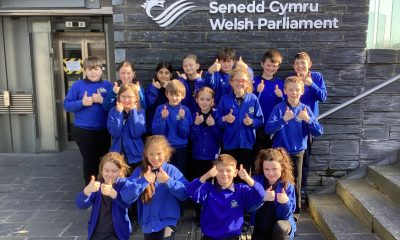
Ysgol Glannau Gwaun celebrates prestigious Gold Active Travel award
-

 Farming3 days ago
Pembrokeshire slaughterhouse given urgent improvement rating after audit failure
-

 Entertainment2 days ago
Swing and big band classics heading to Torch Theatre
-

 News4 days ago
Large fire breaks out at Impala Terminal in Milford Haven
-
 Education4 days ago
Council failed Welsh language standards over school closure
-

 News3 days ago
From boccia to boxing: ALN multisport events give youngsters chance to try activities
-
 Community6 days ago
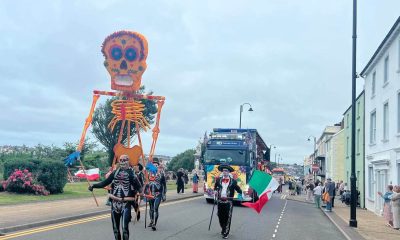
Milford Haven Carnival brings colour, music and crowds to the town
-

 Health7 days ago
NHS at 78: A moment to give back to the service Wales helped create