


Crime
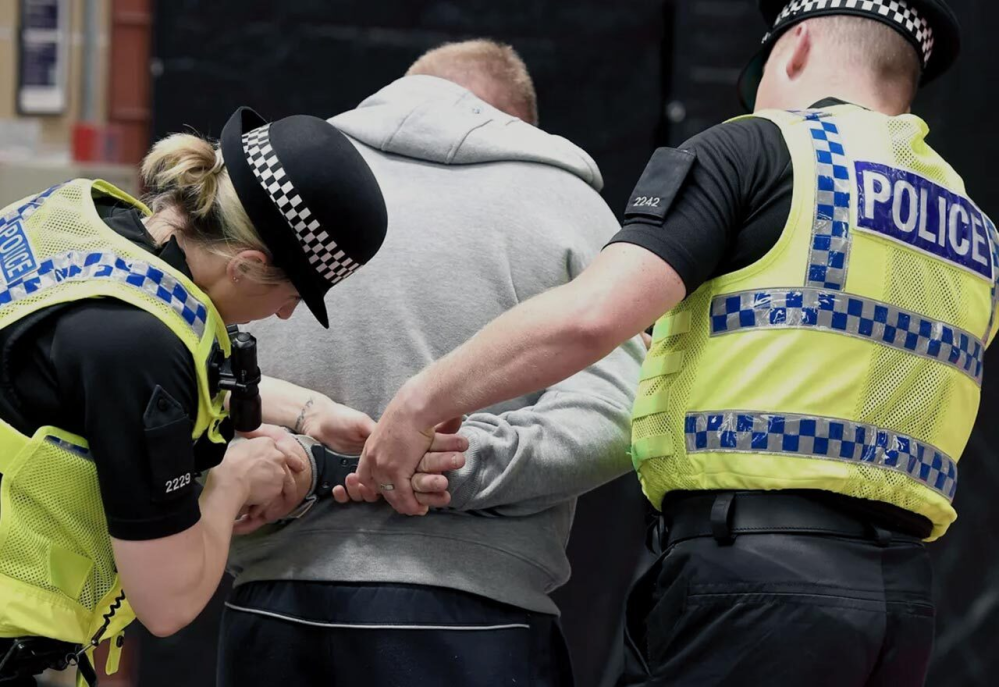
Are vulnerable autistic men being criminalised by online decoy stings?

SPECIAL HERALD INVESTIGATION
Welsh court case, local safeguarding concerns and insider testimony raise serious questions about whether current tactics target predators — or vulnerable adults who never posed a real-world risk
A MAJOR Welsh court case, multiple safeguarding disclosures in Pembrokeshire and new insider testimony from a long-standing paedophile hunter have triggered urgent questions about whether UK decoy stings are criminalising vulnerable adults — particularly autistic men and those with additional learning needs — rather than consistently catching genuine predators.
The Herald has spent months examining the pattern through court reports, academic studies, professional testimony and local case examples. What emerges is a troubling picture of a system that may be pulling socially vulnerable adults into engineered online exchanges they cannot navigate, while sophisticated offenders using encrypted platforms remain largely undetected.
This investigation is not claiming that every decoy sting is unjustified, nor that everyone caught is innocent. Police-led decoy deployments have exposed dangerous offenders who pose a clear risk to children. But evidence from criminologists, police data, safeguarding teams and defence solicitors suggests that unregulated hunter-group activity disproportionately catches men who are low-risk, socially naïve, neurodivergent or lonely, and who would almost certainly never have harmed a real child.
Who gets caught — and who doesn’t
Academic studies and public FOI data highlight a concerning trend: vulnerable adults are far more likely to be drawn into decoy conversations than experienced predators.
Autistic individuals and adults with additional learning needs (ALN) are over-represented across the criminal justice system, often due to literal interpretation, difficulty with social cues and heightened susceptibility to pressure. A 2021 Home Office analysis — released via FOI — found that 26% of individuals referred to the government’s Prevent programme had diagnosed or suspected autism, far above the 1–2% prevalence in the general adult population. Safeguarding experts say similar traits appear repeatedly in decoy-originating cases.

Solicitors and probation officers told The Herald that pre-sentence reports in these cases commonly quote phrases such as:
- “No evidence of paedophilic interest in real children.”
- “High degree of social naïvety or literal thinking.”
- “Engaged only after persistent prompting by the decoy.”
And yet — even when vulnerability is clear — conviction under section 15A brings a mandatory Sexual Harm Prevention Order (SHPO) and at least ten years on the Sex Offenders’ Register.
One recurring issue is the “impossible offence” scenario:
A decoy begins a chat as a 19- or 20-year-old.
A normal conversation develops.
Only later does the decoy say: “Actually I’m 13/14. Is that OK?”

For neurotypical adults, this is a clear red flag.
For neurodivergent adults — who might panic, freeze or try to be polite — it can lead to continued conversation.
Under section 15A, that alone is enough for conviction.
A landmark 2021 Durham University study by Dr Sarah Leng concluded that paedophile-hunter activity “displaces rather than disrupts” serious child sexual abuse, and tends to “widen the net around socially impaired, lonely, neurodivergent and low-risk men while high-risk predators using encrypted platforms avoid detection.”

A law with a dangerously low threshold
Under section 15A of the Sexual Offences Act 2003, inserted in 2015, an adult can be convicted of attempting to engage in sexual communication with a child even if:
- he did not initiate sexual talk
- the “child” does not exist
- most or all messages were non-sexual
- he expressed concern for the child
- he stated he did not want to meet
- the decoy changed age mid-conversation
- he has autism or ALN affecting judgement
The offence is complete the moment the adult continues messaging after being told the “child” is under 16.
Legal academics have described section 15A as “one of the broadest and least nuanced offences in modern UK criminal law”.
The hidden human cost: reported suicides
A 2019 BBC Panorama investigation identified at least eight men who died by suicide after being confronted by hunter groups or following decoy-led arrests. Several were described by families as autistic, socially vulnerable or struggling with mental health problems.
Safeguarding charities say the real number is likely higher because coroners do not record “sting involvement” as a formal category.
One national safeguarding worker told The Herald: “Families only come forward when they’re desperate. There is no doubt this is happening more than people think.”
Rising reliance on unregulated groups
Specialist undercover policing units have faced budget reductions for over a decade. As a result, some forces rely increasingly on evidence packages delivered by hunter groups.
According to National Police Chiefs’ Council (NPCC) data:
Some groups fund operations via donations or livestreams. While not unlawful, senior officers warn this creates incentives for ever-more dramatic confrontations.
The College of Policing issues guidance discouraging collaboration with vigilante groups, but it is advisory, not mandatory.
THE CASE THAT EXPOSED A FAULT LINE: DR LLION EVANS
In one example of the system’s weaknesses, former government scientist Dr Llion Evans, 41, appeared at Cardiff Crown Court after exchanging messages with what he believed was a 12-year-old girl.
The “girl” was an undercover police decoy.
Crucially, the court heard that many messages were not sexual and that Evans’ first reaction was to warn the supposed child that Kik “isn’t a safe place”.
Evans — an Aberystwyth University physics graduate with a PhD — had no previous convictions. His lawyer said he was socially isolated, in emotional crisis following marital breakdown and currently undergoing assessment for autism.
Despite no evidence of predatory behaviour, he fell under section 15A.
Safeguarding specialists say his case typifies the problem: “confused, literal, vulnerable men pulled into conversations they don’t understand.”
In this case however, he did also admit having indecent photos of children on his computer as well as the section 15A offence.
A MOTHER’S WARNING FROM FISHGUARD
One Pembrokeshire mother contacted The Herald to say her autistic son was targeted by a hunter group.
We are not naming her at her request.
“My son James (not his real name) has autism,” she said. “He takes things literally. When a hunter group contacted him, he had no idea he was being manipulated. People like him aren’t predators — they’re victims waiting to happen.”
The supposed girl told him she lived in Macclesfield.
The chats became daily.
Then James came to his mother frightened.
“He said, ‘Mum… she’s been showing me her boobs and wants to see my private area.’ He didn’t understand how to stop it.”
She later discovered the “girl” was a decoy.
“James didn’t pursue anyone. They came after him. If I hadn’t stepped in, I genuinely believe they would have tried to set him up.”
TRAIN STATIONS: THE PEMBROKESHIRE PATTERN
Pembrokeshire has seen multiple sting operations arranged at Pembroke Dock, Tenby and Haverfordwest railway stations.
Safeguarding professionals told The Herald this pattern reveals something crucial.
“Genuine predators tend to travel by car and control the meeting environment. The repeated pattern of train-station arrests suggests many of those being lured into stings have limited independence rather than predatory intent.”
Autistic adults, those with low income or learning disabilities often rely on trains.
Experienced offenders do not.
‘WE SEE THIS FAR MORE OFTEN THAN PEOPLE REALISE’ — SAFEGUARDING EXPERT
A retired manager from Pembrokeshire County Council’s Community Team for Learning Disabilities contacted The Herald after learning of this investigation.
She said: “People with learning disabilities and autistic adults are very trusting. They take things literally. They can be led very easily into conversations they don’t understand.”
She added: “For years we’ve seen adults with ALN end up in huge trouble online. The public have no idea how widespread this is.”
She stressed she was not speaking about any particular case but warned: “Unregulated hunter groups pose a real danger to vulnerable adults who can’t grasp what’s happening.”
INSIDE A HUNTER GROUP: DAVE SPEAKS
To understand how stings are run, The Herald interviewed “Dave”, a long-standing volunteer with a Welsh hunter group.
Dave said: “We do get cases where the person seems confused or autistic. If a chat feels off — if the person doesn’t understand — we back off. We don’t push.”
But he admitted: “There are bad groups out there. Some bait. Some push. Some don’t care who they’re talking to.”
He said his group avoids borderline cases:
“If there’s any doubt, we stop. We’d rather drop a case than ruin someone’s life.”
Dave is clear that regulation is urgently needed: “Right now it’s hit-and-miss which groups do this properly.”
Dave told The Herald his group avoids borderline or vulnerable cases entirely: “If there’s any doubt, we stop. We’d rather drop a case than manufacture one. This area desperately needs regulation — proper training, vulnerability flags, clear handover rules and no glory hunting.”
He is not alone. Several high-profile hunter groups across the UK have publicly claimed in interviews that they attempt to screen out individuals who appear socially vulnerable or confused, and that they avoid escalation where neurodivergence is suspected.
But academic research suggests practice is inconsistent.
A 2024 study from Oxford University analysed real hunter-group Facebook chat logs and found internal debate about whether to proceed when individuals appeared confused, literal or unsure. One extract quoted in the study included a discussion about whether a target might be vulnerable, with one volunteer advising caution and another pushing to continue the sting.
The study concluded that while some groups attempt to adopt safeguarding-led approaches, others prioritise confrontation, footage and online engagement, widening the net around people who may not understand what they have been drawn into.
JUDICIAL CONCERN
Judges across England and Wales have begun expressing unease. Sentencing remarks seen by The Herald include:
- “This operation was provocative and artificially created an offence.”
- “The line between detecting crime and manufacturing it appears to have blurred.”
- “The defendant’s vulnerability is a significant concern.”
Legal commentators say judicial discomfort is growing — especially where autism or ALN are apparent.
THE JUSTICE GAP
Taken together — the Evans case, the Fishguard testimony, train-station stings, professional warnings, academic research, NPCC evidence and reported suicides — the same conclusion emerges:
We may be criminalising vulnerability at scale, while the most dangerous offenders operate unseen.
Autistic men.
Literal thinkers.
Adults with learning disabilities.
Lonely, socially isolated men.
These individuals repeatedly appear in decoy-originating prosecutions.
Meanwhile, offenders with:
- grooming expertise
- planning ability
- cars
- encrypted communication
- real-world victims
…rarely appear in sting-generated cases at all.
WHAT NOW?
Professionals across safeguarding, law and psychology are calling for:
- urgent parliamentary review of section 15A
- statutory regulation or licensing of hunter groups
- mandatory autism/ALN screening before charge
- higher charging thresholds where vulnerability is clear
- proper resourcing for police online-abuse units
- trauma-informed procedures for neurodivergent suspects
Until then, families like the one in Fishguard fear that vulnerable adults will continue to be steered into criminality they never intended — and may suffer lifelong or even fatal consequences.
As one senior safeguarding professional told The Herald:
“Protecting children is non-negotiable. But we cannot protect children by destroying vulnerable adults who never intended harm.”
These are not abstract debates.
These are lived realities — in Pembrokeshire, in Wales, and across the UK.


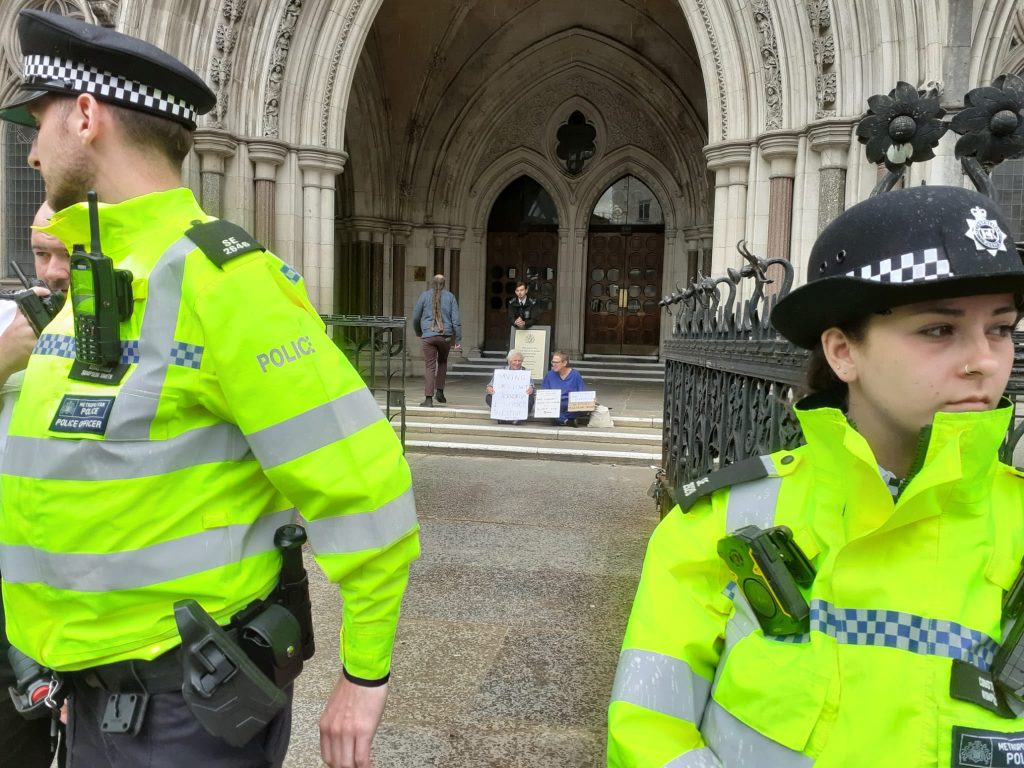
MID WALES peace activist Angie Zelter was arrested outside the Royal Courts of Justice in London after holding a placard in support of Palestine Action.
The 75-year-old campaigner, from Knucklas, Powys, was detained at around 12:20pm on the steps of the court, according to Radnor Palestine Links.
The group said Ms Zelter was arrested under Section 13 of the Terrorism Act 2000 after holding a sign which read: “Saving lives is not terrorism. I support Palestine Action.”
She was taken to Charing Cross Police Station and released around two hours later, the group said.
The arrest came as the Court of Appeal ruled in favour of the UK Government over its decision to proscribe Palestine Action under terrorism legislation.
The ruling overturned an earlier High Court decision which had found the ban unlawful. The Court of Appeal held that the Government’s decision was lawful and proportionate.
Palestine Action was banned after the Home Secretary moved to proscribe the group under the Terrorism Act 2000. Supporting or inviting support for a proscribed organisation can be a criminal offence.
Radnor Palestine Links said the protest formed part of an ongoing campaign against the use of counter-terrorism laws against peaceful demonstrators.
Ms Zelter, a long-standing peace and human rights campaigner, has been arrested more than 100 times worldwide during decades of non-violent direct action. She is also known as a founder of Trident Ploughshares.
Speaking after her arrest, Ms Zelter said: “I think it’s a terrible indictment of the criminal justice system that you are charging me with terrorism for holding a peaceful sign.
“We have to uphold the most important international laws. Peaceful, disruptive protest is absolutely essential to protect democracy.”
The Metropolitan Police has been asked to confirm the circumstances of the arrest, whether Ms Zelter was formally charged, and the conditions of her release.

Photo caption: Court protest: Angie Zelter outside the Royal Courts of Justice in London holding a sign in support of Palestine Action (Pic: Radnor Palestine Links).


Court hears defendant contacted protected person despite ban
A LLANGADOG man has been fined £1,375 after twice breaching a restraining order by contacting a protected person he had been banned from approaching.
Adam Thomas Davies, 34, of Llangadog, appeared before Llanelli Magistrates’ Court on Monday (Jun 15) for proceedings linked to an existing community order.
The court heard Davies had breached a restraining order on two separate occasions in June last year by contacting a person he had been prohibited from approaching under an order imposed by Llanelli Magistrates’ Court in November 2019.
Magistrates were told the original community order, imposed in August 2025, had become unworkable due to long-term physical health issues alongside Davies’ employment.
The court revoked the existing order and resentenced him for the original offences.
Davies was made subject to a new community order running until June 14, 2027. He must comply with a Rehabilitation Activity Requirement and attend appointments or activities as directed by probation services, for up to 15 days.
As a punitive element of the order, magistrates imposed a fine of £1,375.
The court heard the breaches related to unlawful contact made in Carmarthenshire despite the restrictions remaining in force.
Davies was ordered to pay the fine at a rate of £120 per month, starting from July 13.


COMMUNITY groups, charities and local organisations across the Dyfed-Powys area are being invited to apply for funding for projects aimed at improving road safety.
Police and Crime Commissioner Dafydd Llywelyn has launched a new Road Safety Community Grant Fund to support local initiatives designed to reduce risks on the roads, raise awareness and encourage safer behaviour among drivers, cyclists and pedestrians.
The fund will support preventative projects led by communities, including education and awareness programmes, behaviour-change campaigns, road safety events, training and skills development, and evidence-led pilot schemes.
Applications will be assessed on their potential to improve road safety, provide value for money and deliver clear community benefits.
Mr Llywelyn said: “Keeping our communities safe on our roads is a fundamental part of our wider mission to protect the public and reduce harm.
“By investing in community-led initiatives, we are empowering local organisations to deliver practical, innovative solutions that improve road safety, change behaviours, and ultimately save lives.”
The fund forms part of the commissioner’s Police and Crime Plan for 2025-2029, which includes commitments to preventing harm, supporting safer communities and working in partnership on issues affecting local people.
Further details, including eligibility criteria and how to apply, are available on the Dyfed-Powys Police and Crime Commissioner’s website.
The fund closes at 10:00pm on Sunday, July 19.



Business14 hours ago
Celtic Freeport five-year plan puts Milford Haven at centre of green energy future
Strategy promises investment, skilled jobs and new supply chains, but major barriers remain over grid connections, planning and delivery THE...


Education15 hours ago
Closure of Ysgol Clydau approved after emotional council debate
COUNCILLORS WARNED RURAL COMMUNITIES WILL REMEMBER DECISION PEMBROKESHIRE councillors have voted to close Ysgol Clydau following an emotional debate over...


Education16 hours ago
Manorbier school closure process to continue after narrow council vote
Questions remain over insurance, rebuilding costs and possible legal action by Diocese PEMBROKESHIRE councillors have voted to press ahead with...

Community18 hours ago
The father, son and daughter lifeguard trio saving lives in Pembrokeshire
A FATHER, son and daughter are preparing to help keep beachgoers safe on the Pembrokeshire coast this summer as part...

Community1 day ago
Beating of the Bounds brings music, boats and tradition to Haverfordwest
CENTURIES-OLD CEREMONY DRAWS FAMILIES TO THE RIVERSIDE HAVERFORDWEST’S historic Beating of the Bounds returned on Sunday (Jun 14), with boats,...

Community2 days ago
Milford Haven School pupil praised after stepping in during real-life emergency
A YEAR 11 pupil at Milford Haven School has been praised after putting his first aid training into action to...


Community2 days ago
River festival brings crowds to Haverfordwest
A CELEBRATION of the River Cleddau brought crowds into Haverfordwest on Saturday (June 13) as the town’s River Festival returned...
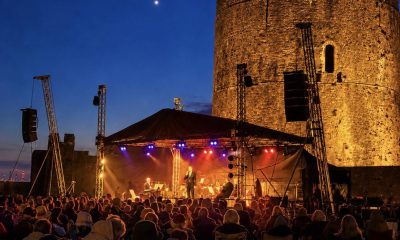

Charity2 days ago
Voices at the Castle hailed as unforgettable night after weather setback
Russell Watson headlines spectacular charity concert at Pembroke Castle A SPECTACULAR evening of live music at Pembroke Castle has been...

Local Government2 days ago
Council admits 74 rights of way complaints remain unresolved
Key post vacant since February as walker raises safety concerns over paths near Llanteg and Amroth PEMBROKESHIRE COUNTY COUNCIL has...


Education3 days ago
Diocese threatens legal action as Manorbier school closure battle intensifies
Church says council could face judicial review over fire-hit school A BITTER row over the future of Manorbier Church in...
-

 Community1 day ago
Pembrokeshire Chess Club crowned Welsh champions
-
Education3 days ago
Diocese threatens legal action as Manorbier school closure battle intensifies
-
 Crime6 days ago
Haverfordwest pair accused of £80,000 rogue trading frauds
-

 Crime5 days ago
Man accused of six rapes including alleged Haverfordwest offence
-

 Crime5 days ago
Pembroke Dock teenager sentenced over train strangulation attack
-
 Crime7 days ago
Families condemn failed appeal by paddleboard boss jailed over Haverfordwest tragedy
-
 Crime7 days ago
Knife blankets call as school staff face rising violence fears
-
 Local Government4 days ago
Taxi suspended after county-wide licensing checks