


Sport
Epic Welsh endurance events to add to your 2026 race calendar

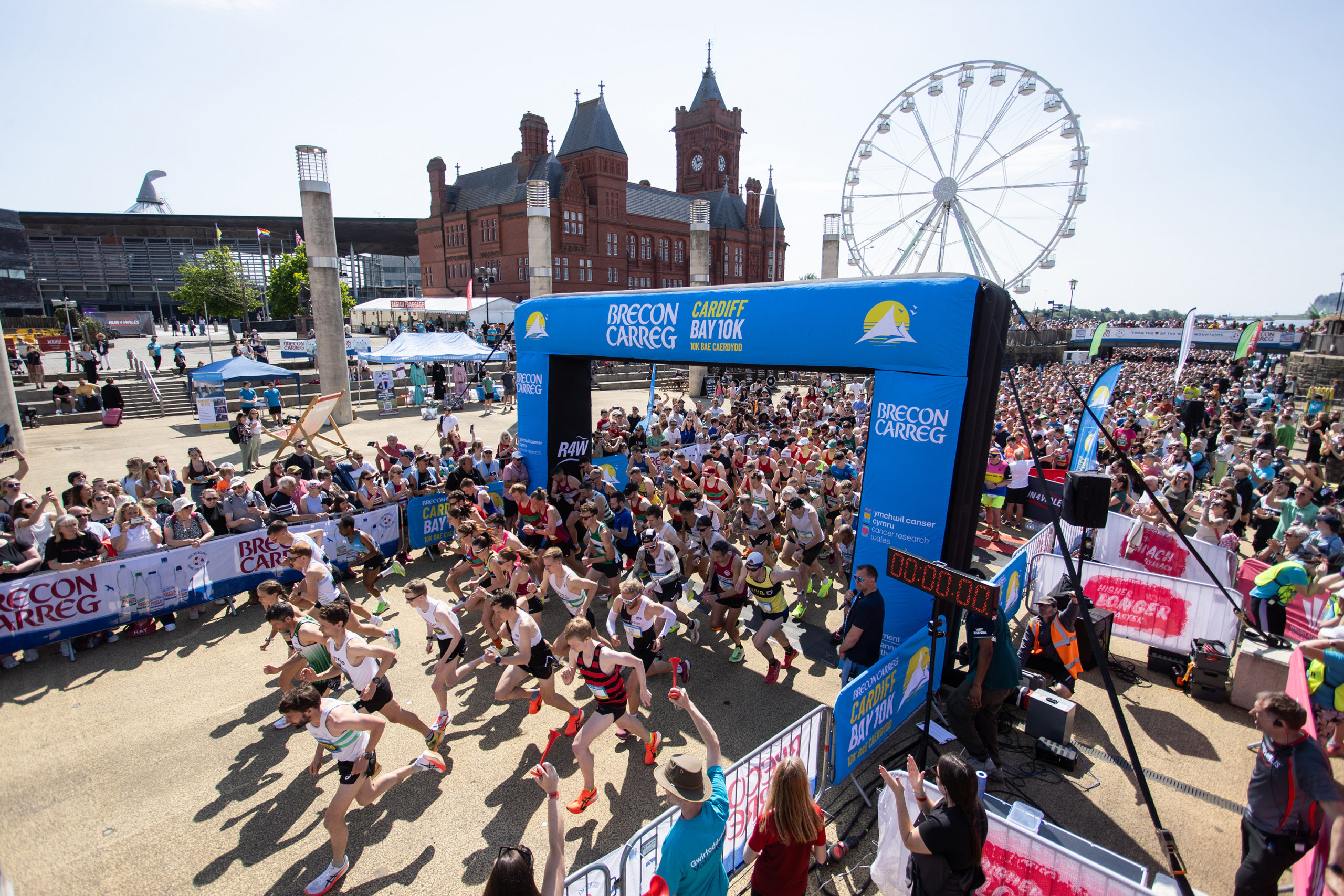
From coastal 10Ks to mountain ultras, Wales is set for another landmark year of mass-participation sport
WALES will once again take centre stage on the endurance sports map in 2026, with a packed calendar of running, triathlon, cycling and trail events stretching from the coastline to the mountains of Eryri.
The programme, delivered by the R4W group – Run 4 Wales and Always Aim High Events – offers something for all abilities, from first-time runners and junior athletes to experienced endurance competitors chasing personal bests or bucket-list challenges.
With events spread across North, Mid and South Wales, organisers say the calendar reflects the country’s unique landscapes while continuing to attract thousands of participants and spectators into Welsh towns and communities throughout the year.
The season begins on 15 February with the Nick Beer Llandudno 10K, a scenic road race starting on the town’s Victorian promenade before looping around the Great Orme, offering sweeping views across Eryri, Anglesey and the Irish Sea.
Early-season road runners will also be drawn to the Jones O Gymru Anglesey Half Marathon and 10K on 1 March, a popular undulating course flanked by views of Snowdonia and the Menai Straits, often favoured by athletes chasing early-year personal bests.

Spring continues with the ABP Newport Marathon Festival on 19 April, featuring marathon, half marathon, 10K and mile races on one of Europe’s flattest courses, before the focus shifts to the coast for the Barry Island 10K on 17 May, known for its strong crowd support and festival atmosphere.
Trail and mountain runners are particularly well catered for in 2026. The Ogwen Yr Helgi Du on 12 April offers skyrunning distances of 15K, 25K and 40K through the Ogwen Valley, while July delivers two of the toughest challenges on the calendar.
The Black Diamond Yr Wyddfa | Snowdon 24 on 11–12 July challenges competitors to climb and descend Wales’ highest mountain as many times as possible within 24 hours, while the Snowdonia Trail Marathon Eryri, running across the same weekend, offers distances from 10K to ultra marathon on demanding mountain terrain.
Further south, the Rabbit Run Wales on 18 July provides a contrasting coastal trail experience, combining dunes, woodland, river crossings and the Big Dipper – the highest sand dune in Wales.

Triathlon and multisport events again feature prominently, led by the Slateman Triathlon and Duathlon on 14 June, starting in Llanberis. Widely regarded as one of Wales’ most iconic races, it combines demanding climbs with dramatic mountain scenery and has previously been listed among the world’s top triathlons.
The coastal Wild Horse Brewing Co. Llandudno Triathlon and Duathlon follows on 28 June, featuring sea swims by the pier and closed-road cycling around Marine Drive, while the notoriously tough Snowman returns on 26 July, billed as one of the UK’s most challenging multi-terrain events.
Cyclists will take to the roads on 23 August for the Tour de Mon, a mass-participation sportive around Anglesey, before attention turns to the capital in September.

The Cardiff 10K on 6 September has rapidly become one of the UK’s largest races of its kind, while the Cardiff Half Marathon on 4 October, part of the SuperHalfs Series, continues to draw elite and amateur runners alike. The weekend also includes the Cardiff Half Junior events on 3 October, offering accessible races for children and families.
The season closes on 1 November with the Anglesey Trail Half Marathon, set in the surroundings of Newborough Forest and Traeth Llanddwyn, an area with a long history of endurance running.
Among the calendar, the Brecon Carreg Porthcawl 10K on 5 July stands out as one of the most geographically accessible events in Wales, drawing runners from across the country thanks to its central South Wales location and coastal setting.
With events running from February through to November, the 2026 calendar underlines Wales’ growing reputation as a destination for endurance sport, combining challenging routes with some of the country’s most recognisable landscapes.
Further information on individual events and entry details is available at www.run4wales.org/events.


New Hedges/Saundersfoot United praised after another sell-out fundraiser
A COMMUNITY football club in Pembrokeshire is being praised after raising money for two important causes through another packed charity evening in Saundersfoot.
New Hedges/Saundersfoot United (NHSU) hosted a sell-out event at Regency Hall on Saturday night, bringing together local residents, supporters and well-known faces for an evening of entertainment and fundraising.
The event featured an appearance by Welsh rugby legend Shane Williams, comedian Lenny Dee, a silent auction and fundraising activities in support of the Maxwell Family Genomics Fund and Sandy Bear Children’s Bereavement Charity.
Organisers said the evening highlighted the power of community spirit in Pembrokeshire and the difference local support can make to charities which rely heavily on fundraising to continue their work.
Sandy Bear Children’s Bereavement Charity supports children and young people coping with bereavement across west Wales, offering specialist help to families facing difficult circumstances.

Support for families
The Maxwell Family Genomics Fund also benefited from the evening, with money raised helping efforts linked to medical research and support for affected families.
The event was organised by New Hedges/Saundersfoot United, a club increasingly earning a reputation for successful charity fundraising alongside its sporting activities.
Saturday’s fundraiser marked the third consecutive sell-out charity event hosted by the club, following previous popular evenings featuring former Wales striker John Hartson and former Liverpool goalkeeper Bruce Grobbelaar.
Club praised
Local supporters have praised NHSU for creating events that not only entertain but also raise substantial sums for good causes at a time when many charities face growing financial pressures.
One organiser said community fundraising remained vital, particularly for smaller charities that often struggle to secure long-term funding.
Without local backing, many organisations helping vulnerable families would simply be unable to continue their work.
The evening at Regency Hall was widely described by attendees as another major success for the club and a reflection of the strong community spirit in Saundersfoot and New Hedges.

Photo caption:
Charity night success: Guests gathered at Regency Hall, Saundersfoot, for New Hedges/Saundersfoot United’s latest sell-out fundraising evening (Pics: Darth Marty Media).
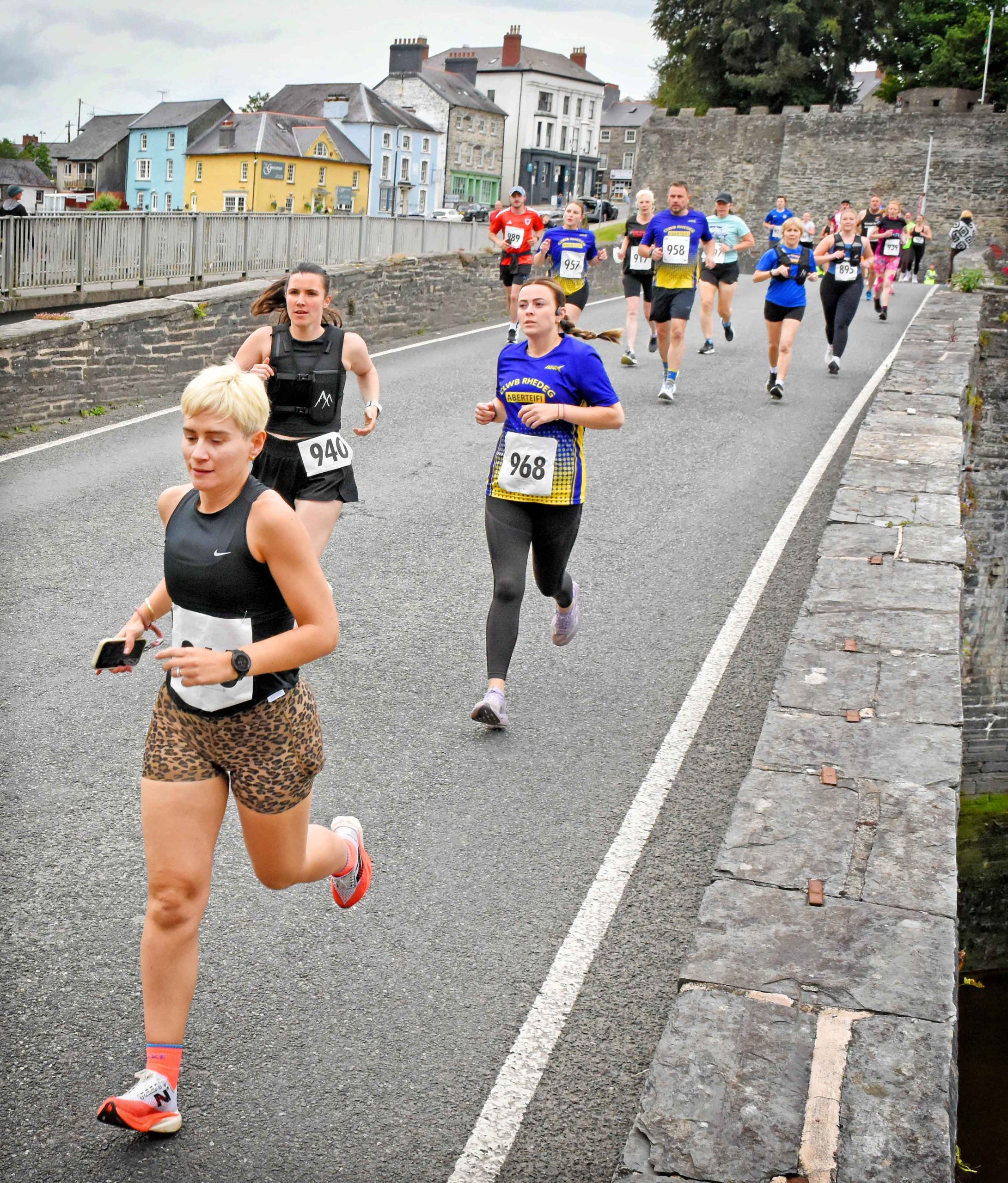
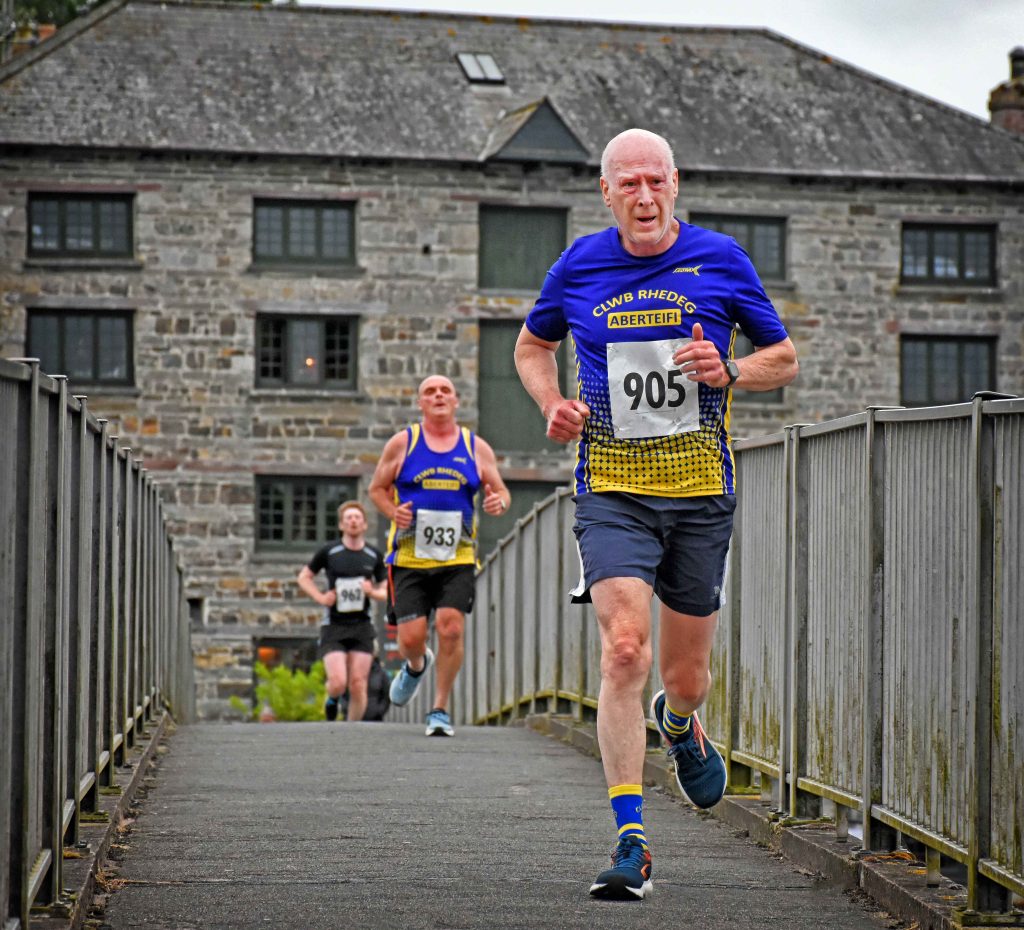
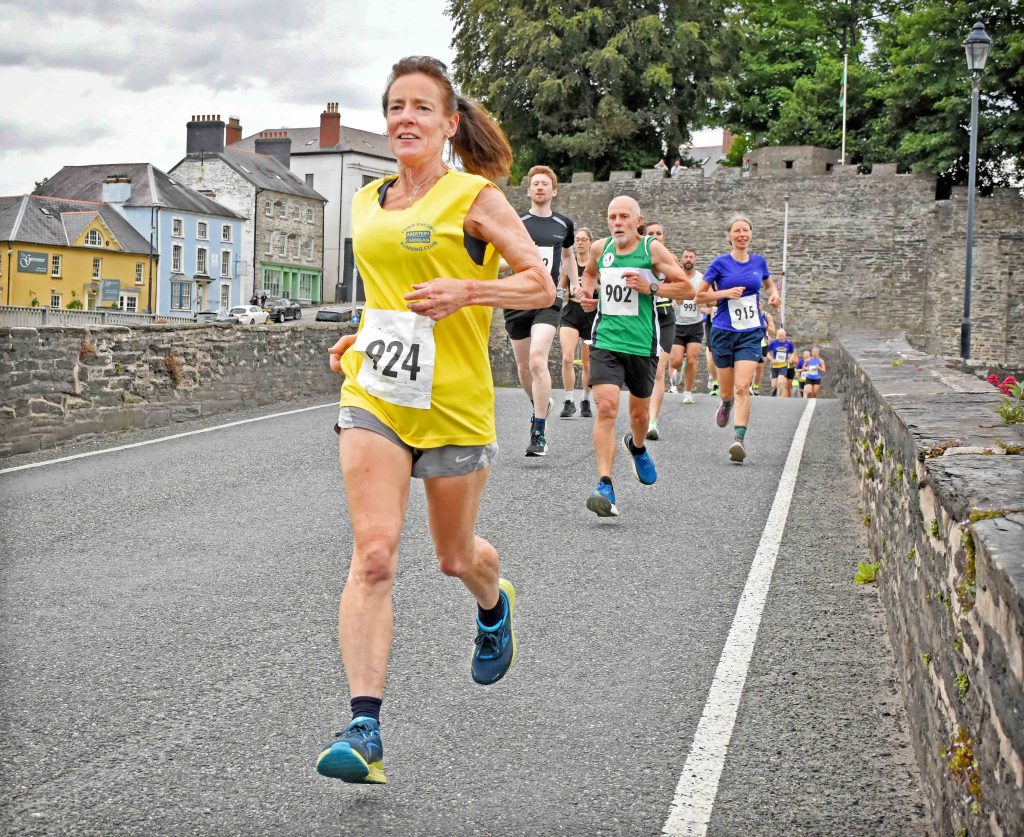
MORE than 90 runners took to the streets and paths around Cardigan on Friday evening (June 5) for the annual Ras Y Castell 10k.
The race, organised by Cardigan Running Club, followed a brand new 10-kilometre course starting in the grounds of Cardigan Castle.
The route took runners past Castle Green House before heading through the town, across the old bridge over the River Teifi, and along the Teifi Marshes footpath towards the Welsh Wildlife Centre.
Competitors then continued to Cilgerran, completing a loop through the village and passing its 12th-century castle before retracing their steps back to Cardigan.
A final climb up Grosvenor Hill brought runners back into the castle grounds and over the finish line.
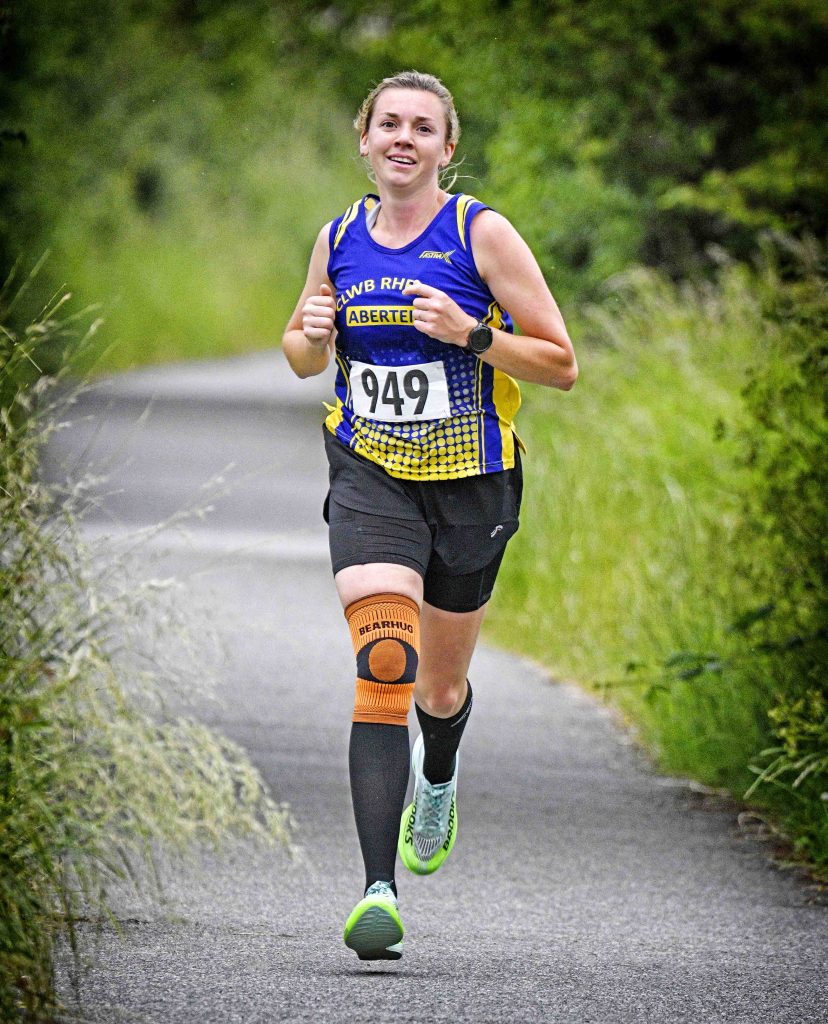
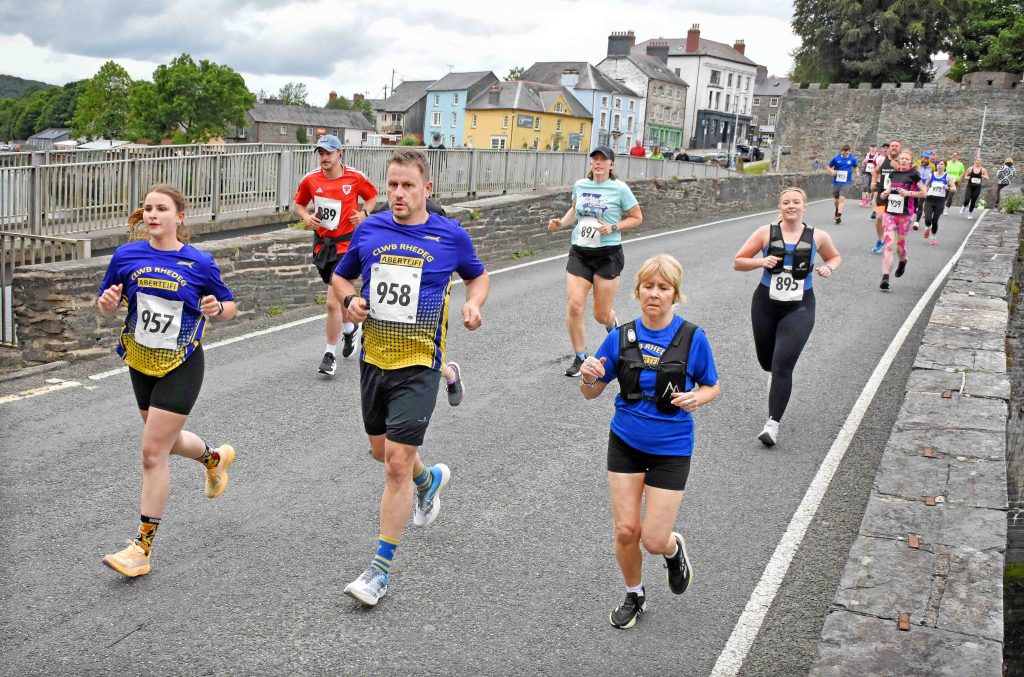
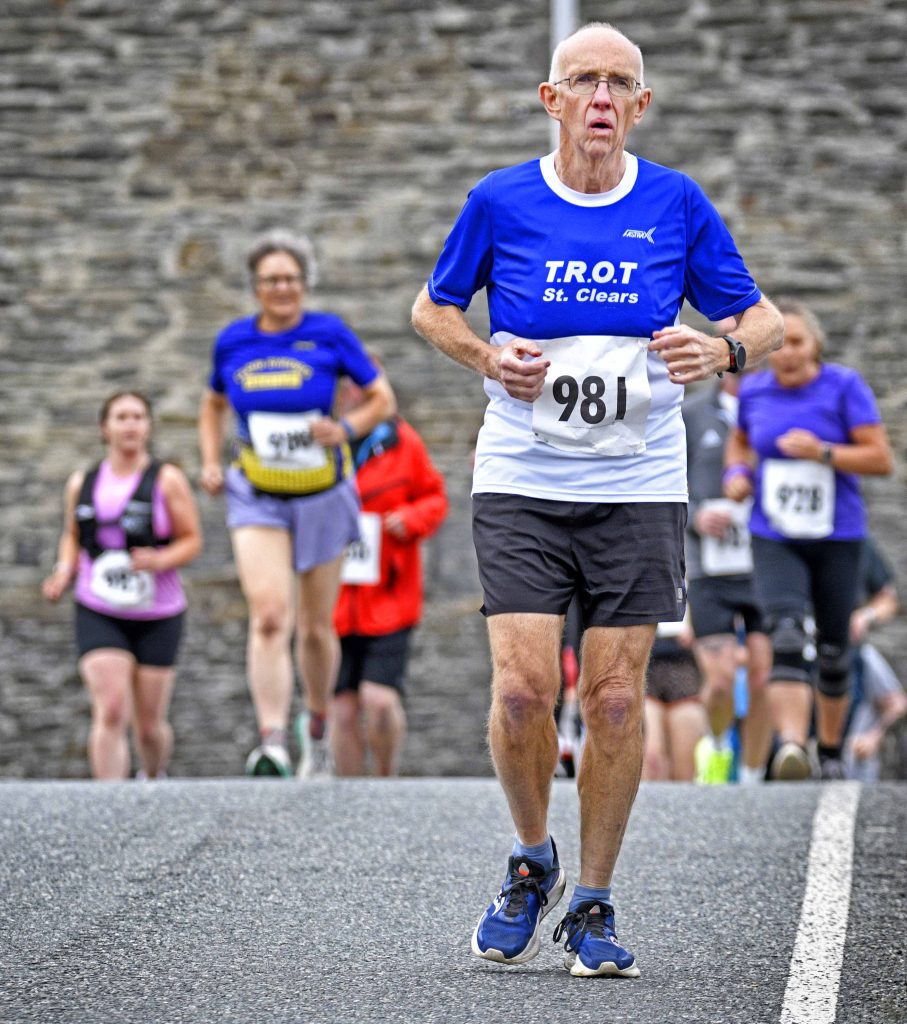
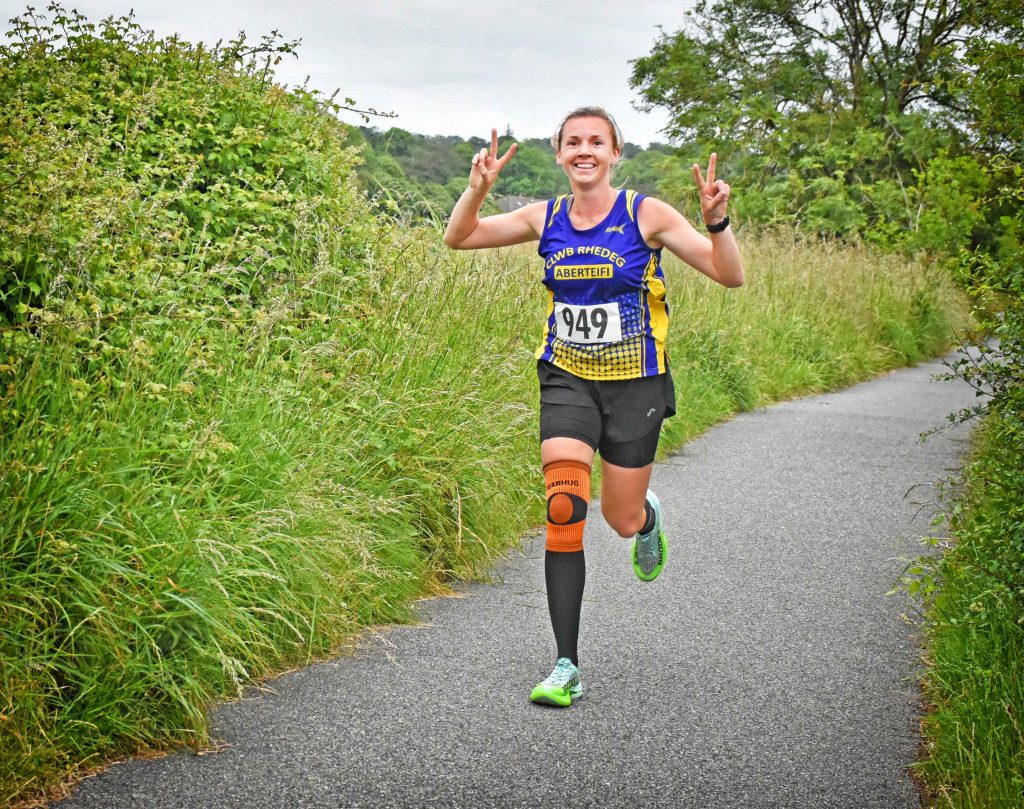
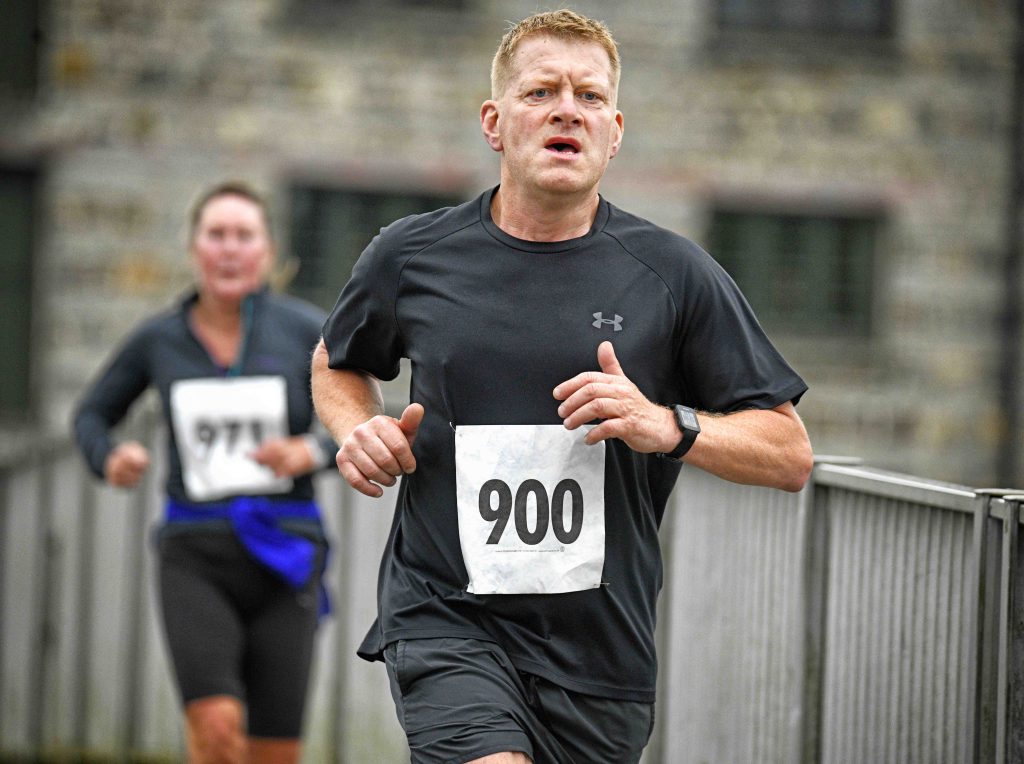
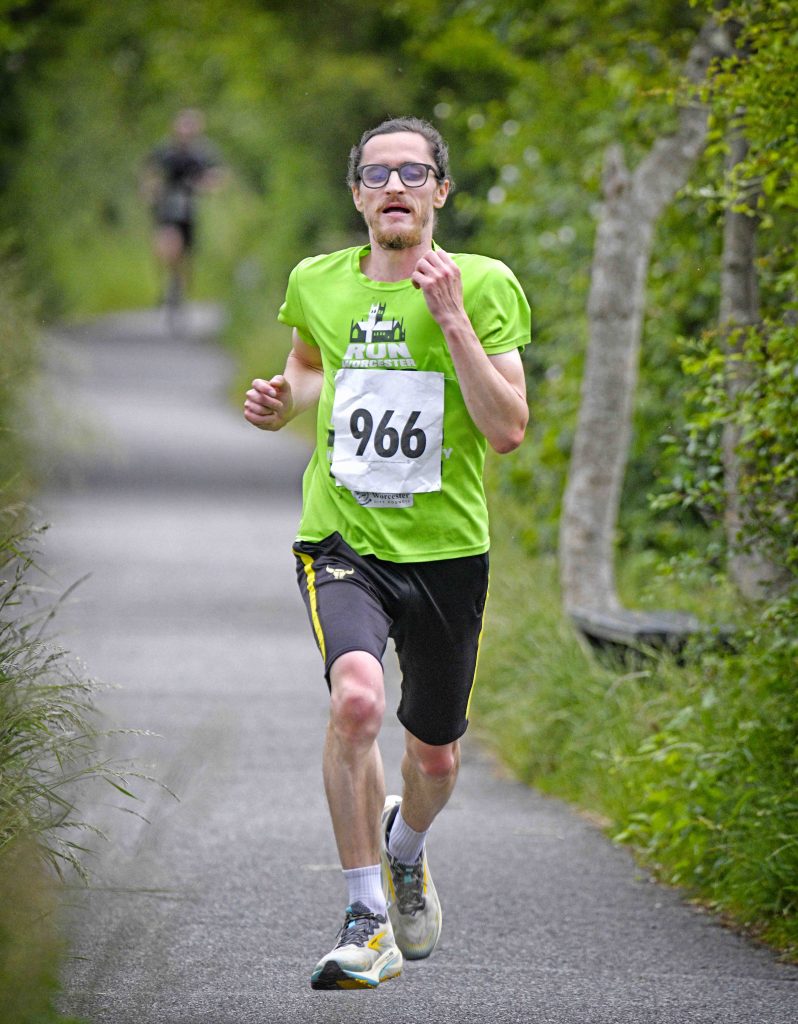
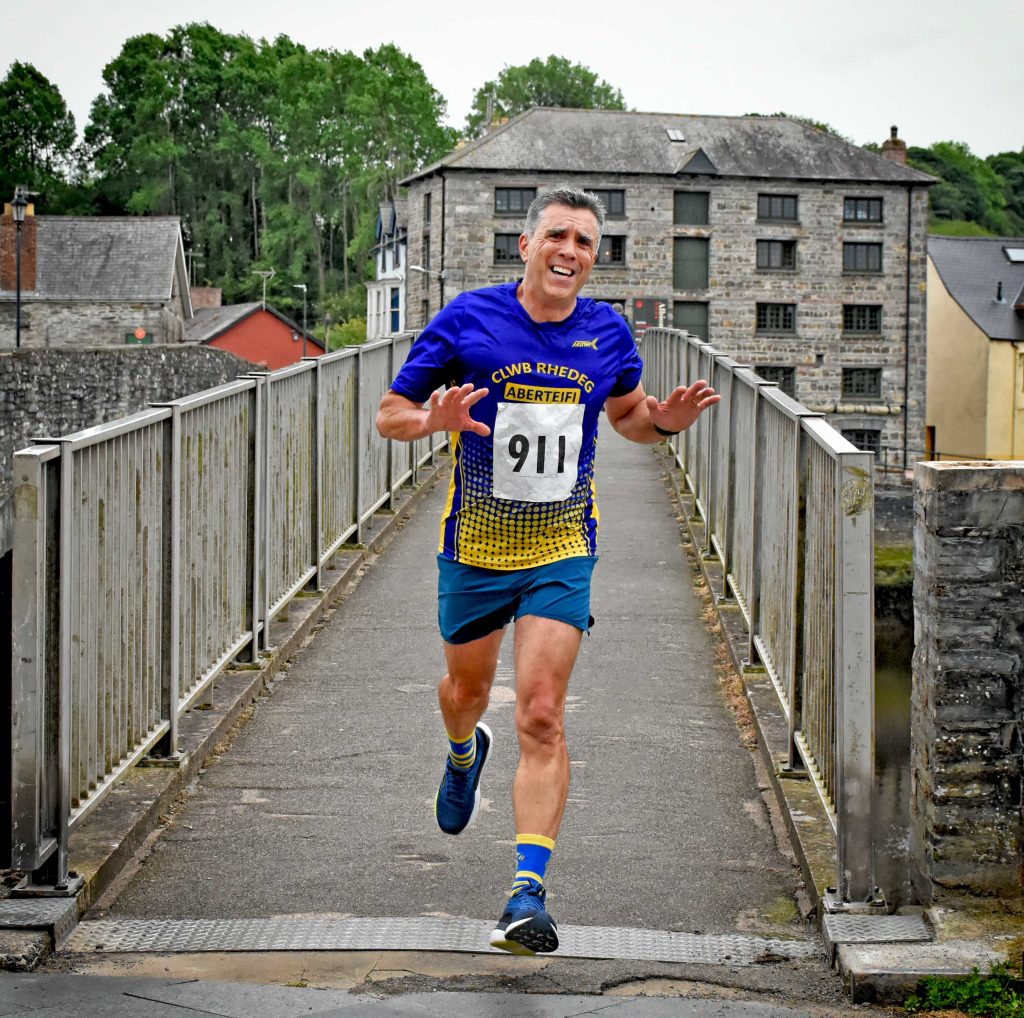
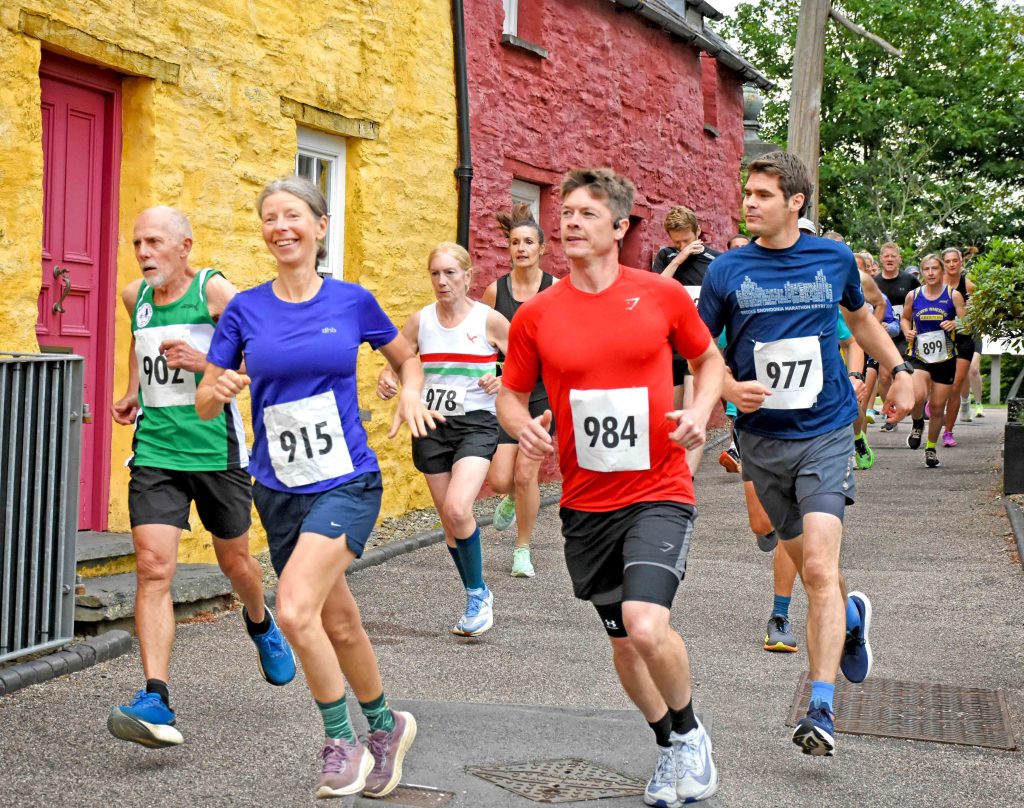
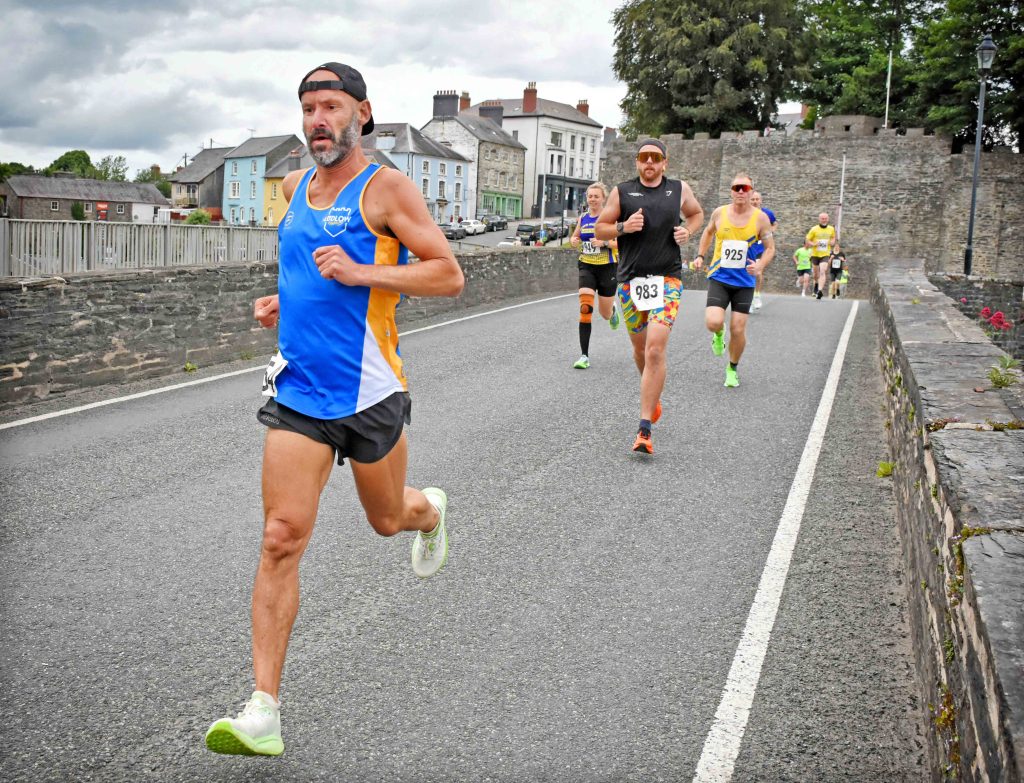
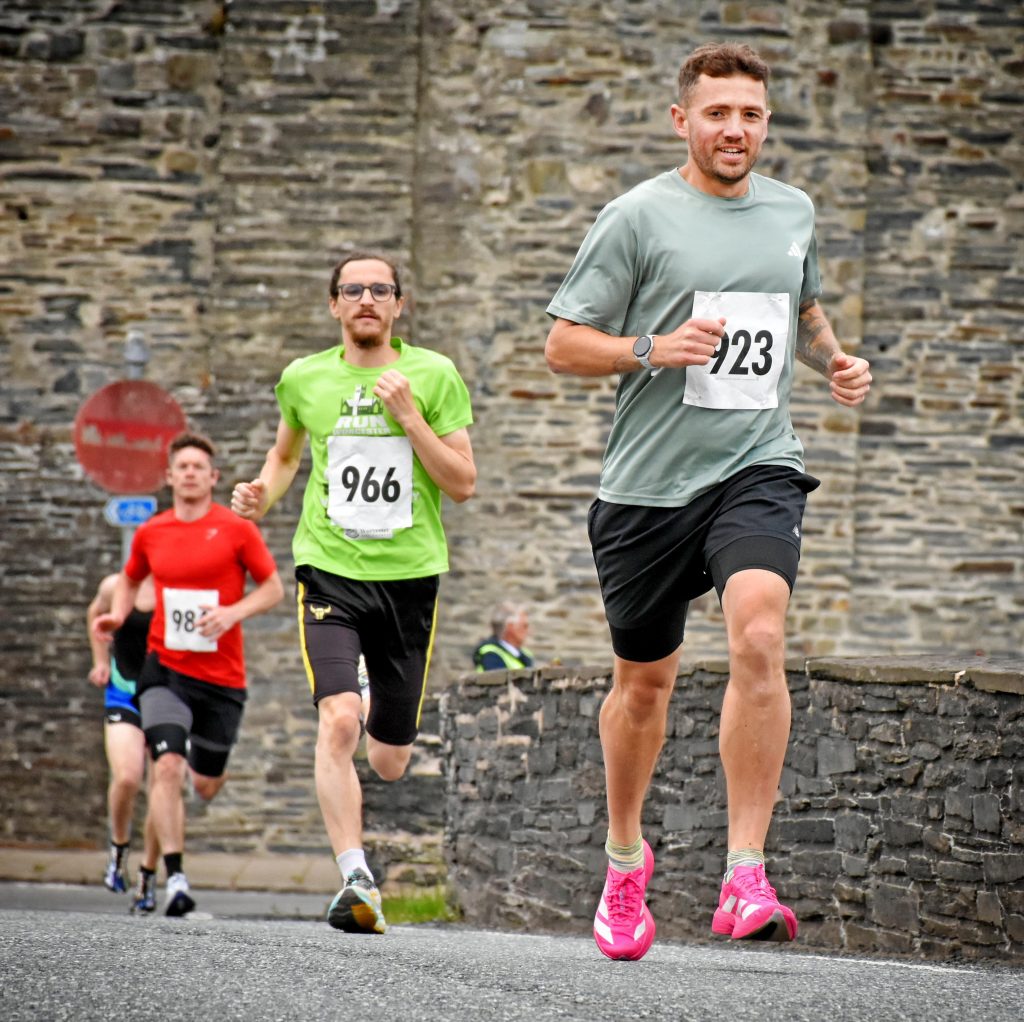
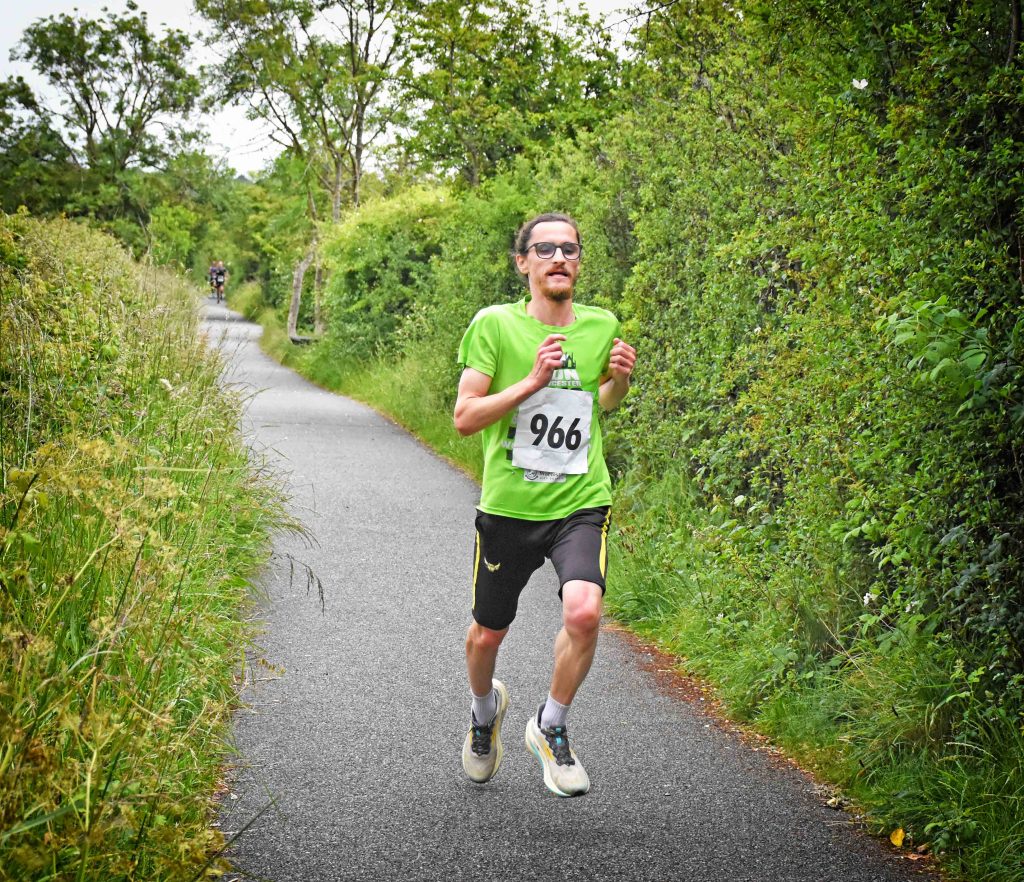
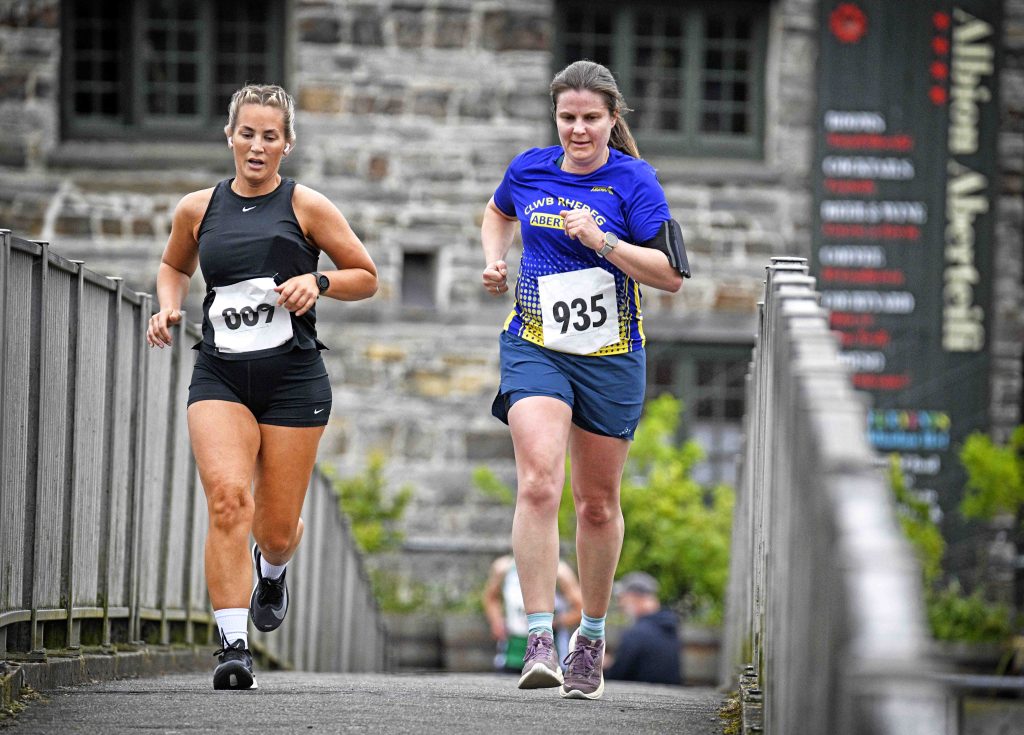
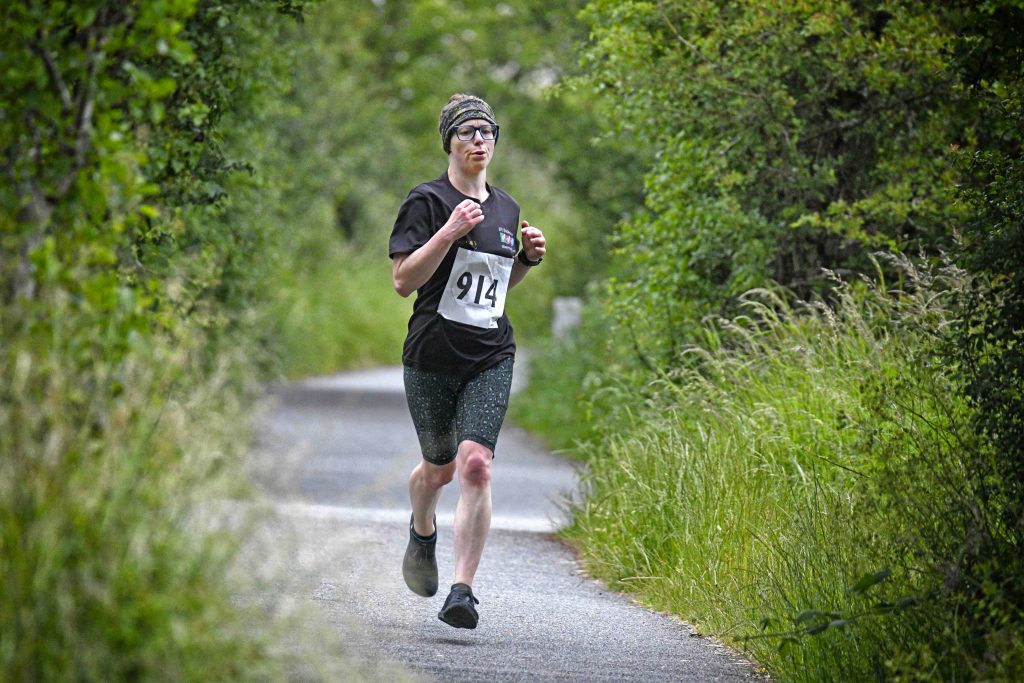
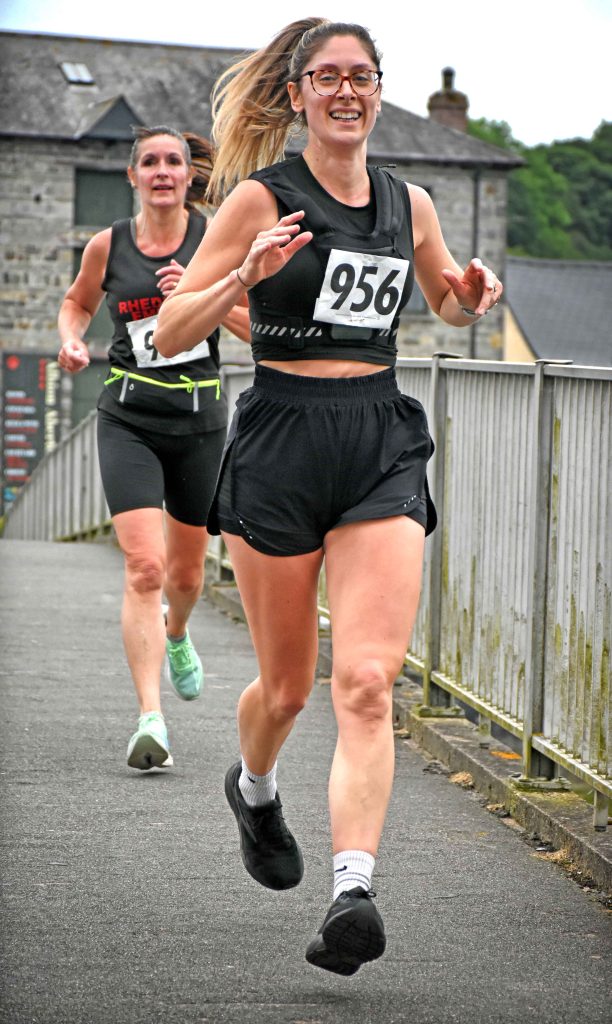
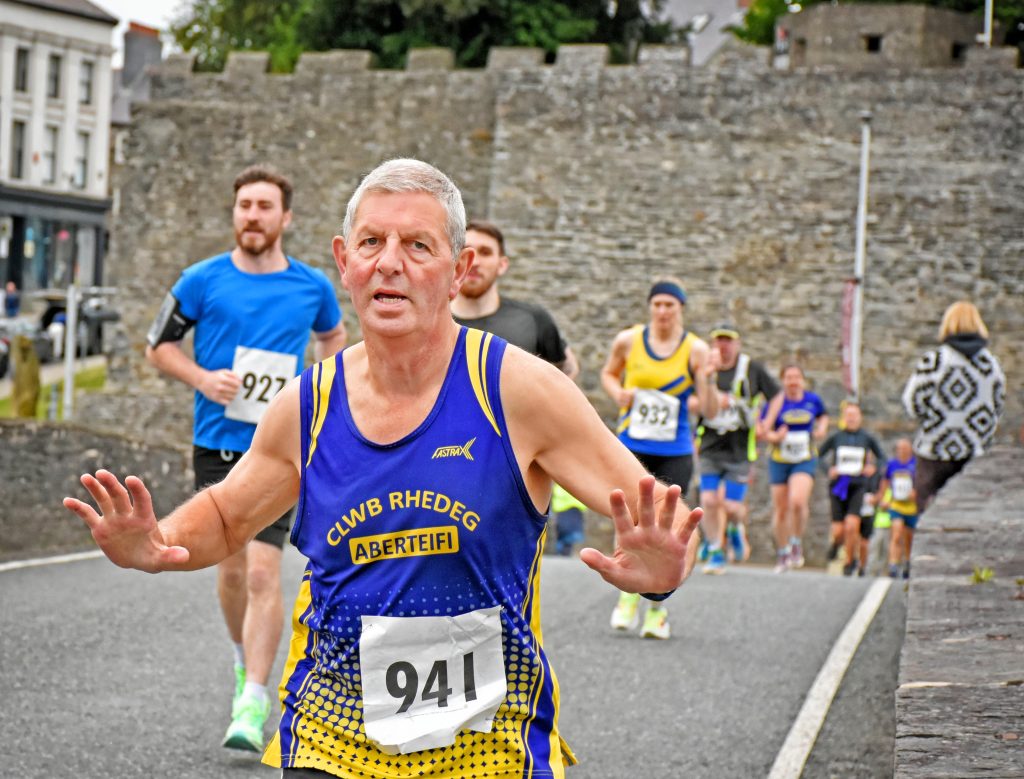
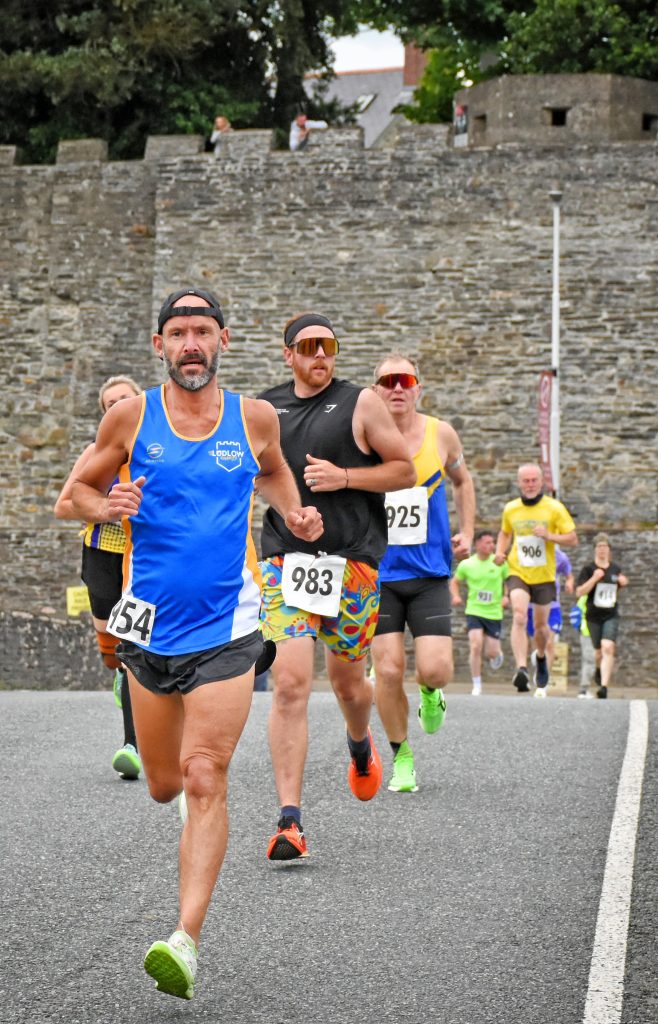
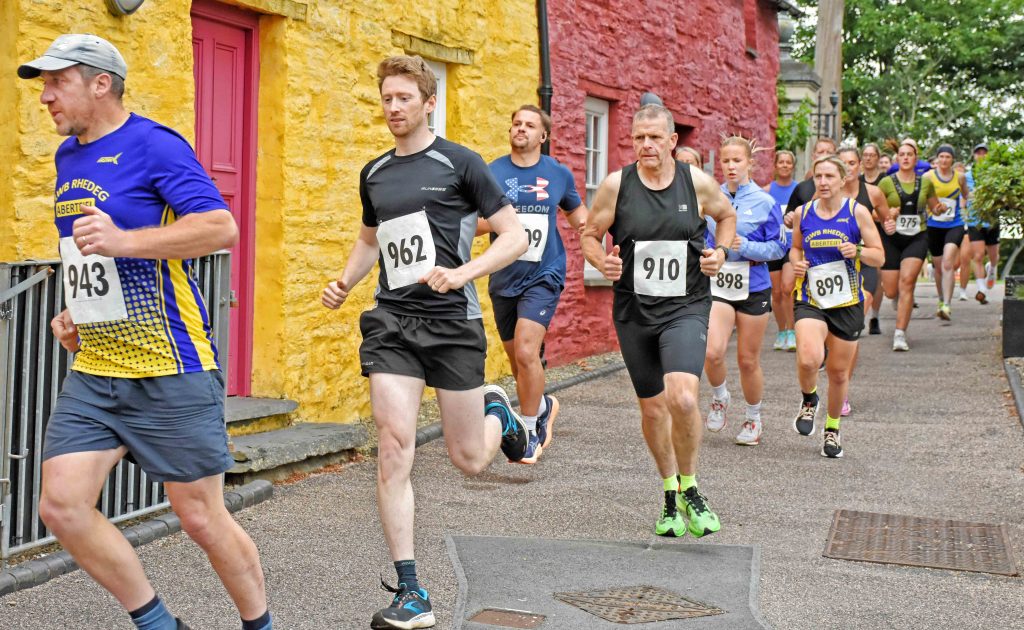
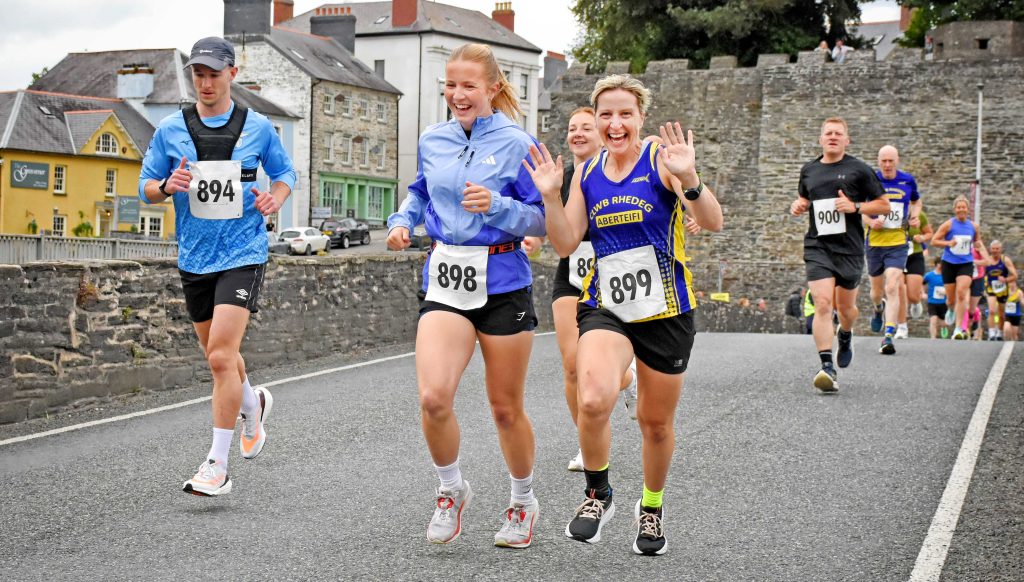
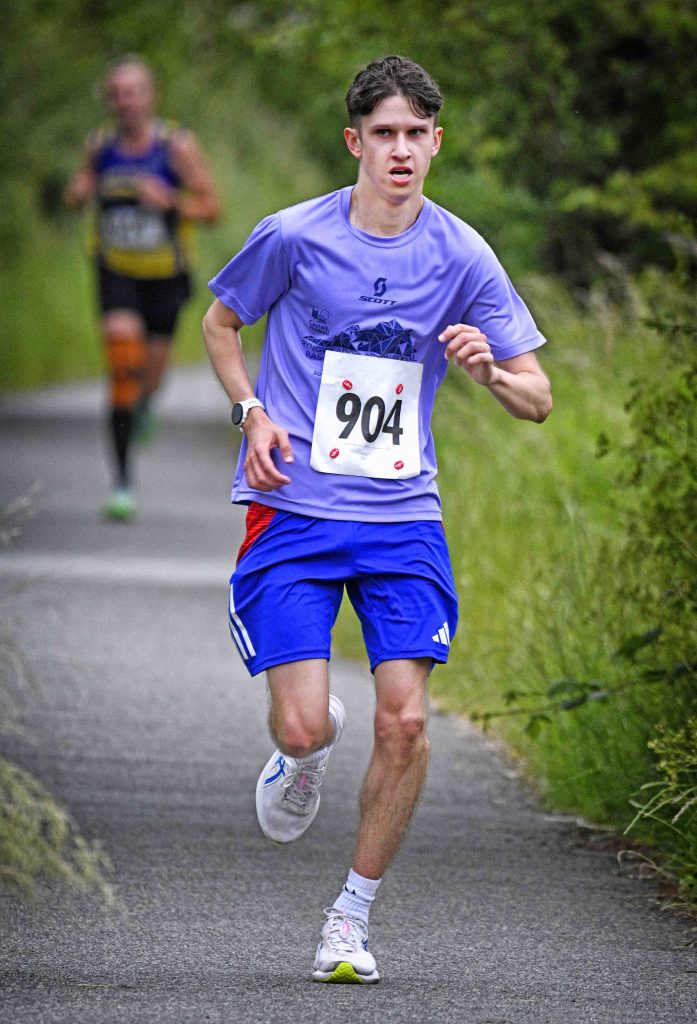
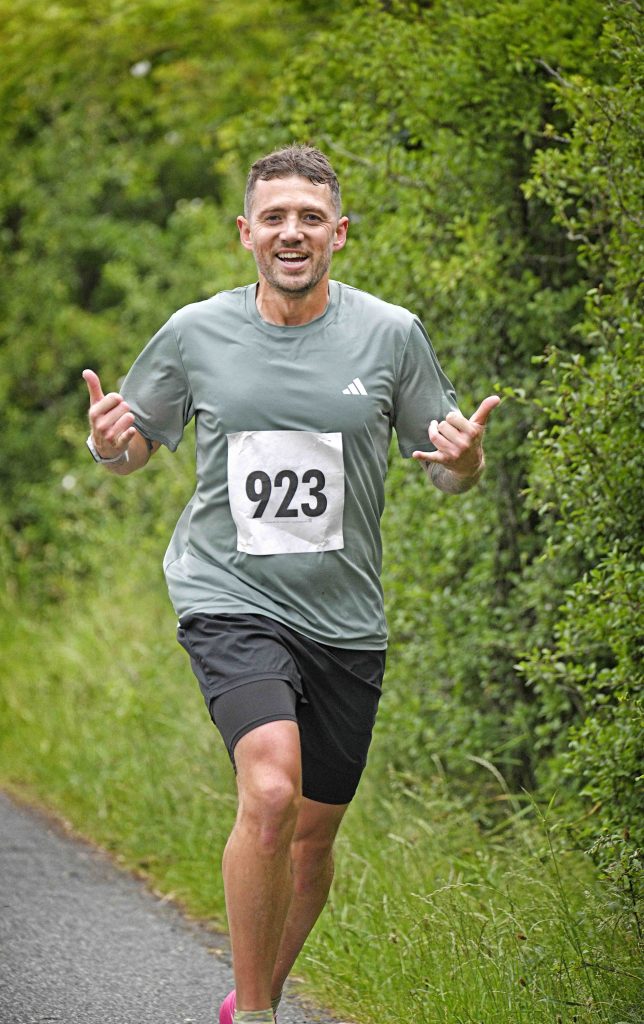
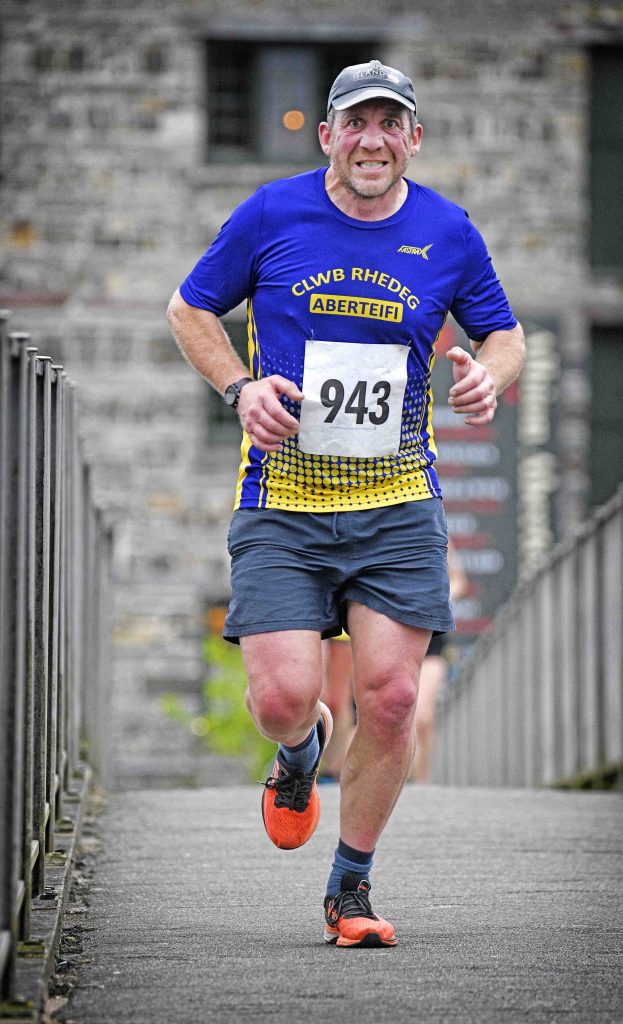
The event came in a special year for Cardigan Castle, which later this month celebrates the 850th anniversary of the birthplace of the first Eisteddfod.
The supplied results named Riche Norris as first finisher, with Llion Williams and Owain Rowlands also among the leading men.
The first female finisher was Bethan Williams of Emlyn Runners in 43 minutes 56 seconds. Cardigan Running Club’s Leanne Roberts was second in 44 minutes 34 seconds, with Delyth Griffiths third in 47 minutes 25 seconds.
Winners received their awards in the castle grounds, where runners also enjoyed a free barbecue after the race.
Cardigan Running Club’s next events will be the Summer Poppit Sands races, with the first of three taking place on Tuesday, July 21.
Images: Stuart Ladd

A WEEKEND of big wins, shock defeats and abandoned fixtures tightened several promotion races across the Pembroke County Cricket League.
Saundersfoot strengthened their grip on Division One, Pembroke stayed top in Division Two, Laugharne moved ahead in Division Three, while Cresselly III and Haverfordwest IV remain the sides to catch lower down the pyramid.
Division One: Saundersfoot send title warning
Saundersfoot produced the statement performance of the weekend, crushing Carew by 125 runs after posting 208-4. Simon Stanford hit 98, while Nick Cope added an unbeaten 60 before taking 4-7.
| Team | Played | Points |
|---|---|---|
| Saundersfoot | 7 | 110 |
| Carew | 7 | 103 |
| Neyland | 7 | 92 |
| Cresselly | 7 | 78 |
| Burton | 7 | 76 |
Cresselly beat Narberth by 51 runs, Burton defeated Lawrenny by four wickets, and Herbrandston shocked Neyland by 60 runs.
Division Two: Pembroke lead tight race
Pembroke remain top after an eight-wicket win over Llechryd, but the chasing pack is close behind.
| Team | Played | Points |
|---|---|---|
| Pembroke | 7 | 107 |
| Johnston | 7 | 104 |
| Cresselly II | 7 | 103 |
| Hook | 7 | 99 |
| Haverfordwest | 7 | 95 |
Cresselly II edged Johnston by just two runs, while Haverfordwest, Hook and Llanrhian also picked up wins.
Division Three: Laugharne go top
Laugharne moved to the summit after beating Burton II, while Kilgetty slipped up against Lamphey, who bowled them out for just 58.
| Team | Played | Points |
|---|---|---|
| Laugharne | 7 | 104 |
| Kilgetty | 7 | 100 |
| Carew II | 7 | 88 |
| Saundersfoot II | 7 | 79 |
| Lamphey | 7 | 75 |
| Pembroke II | 7 | 75 |
David Blackwell starred for Lamphey with superb figures of 5-5, while Pembroke II thrashed Stackpole by nine wickets.
Division Four: Leaders under pressure
Rain disrupted the division, but St Ishmaels II and Neyland II both made ground with victories.
| Team | Played | Points |
|---|---|---|
| Narberth II | 7 | 93 |
| St Ishmaels II | 7 | 92 |
| Hook II | 7 | 84 |
| Lawrenny II | 7 | 84 |
| Neyland II | 7 | 81 |
St Ishmaels II beat Lawrenny II by seven wickets, while Neyland II defeated Herbrandston II by eight wickets.
Division Five: Llangwm II keep pressure on
Only one game was completed, with Llangwm II beating Whitland II by nine wickets.
| Team | Played | Points |
|---|---|---|
| Cresselly III | 6 | 106 |
| Llangwm II | 6 | 99 |
| Llanrhian II | 6 | 87 |
| Whitland II | 7 | 81 |
John Palmer made 36 and David Lewis 29 as Llangwm II chased 72 with ease.
Division Six: Scourfield century leads Haverfordwest IV
Gareth Scourfield produced one of the performances of the weekend, hitting an unbeaten 124 as Haverfordwest IV chased 212 to beat Haverfordwest/Cresselly by three wickets.
| Team | Played | Points |
|---|---|---|
| Haverfordwest IV | 6 | 81 |
| Lamphey II | 5 | 76 |
| Neyland III | 7 | 75 |
| Whitland III | 6 | 73 |
Ollie Toy had earlier made 95 for Haverfordwest/Cresselly.
Weekend stars
| Player | Club | Performance |
|---|---|---|
| Gareth Scourfield | Haverfordwest IV | 124 not out |
| Simon Stanford | Saundersfoot | 98 |
| Nick Cope | Saundersfoot | 60 not out and 4-7 |
| Charlie Arthur | Cresselly | 90 |
| David Blackwell | Lamphey | 5-5 |
| Jack Davies | Burton | 5-14 |
| Harry Nicholas | Herbrandston | 54 and 2-16 |
| Josh Lewis | Cresselly II | 57 and 3-31 |



News16 hours ago
First Minister challenged over jobs for student nurses
REFORM WALES has accused the First Minister of failing to guarantee jobs for student nurses in Wales, despite continuing pressure...

Crime18 hours ago
Knife blankets call as school staff face rising violence fears
GMB says protective equipment should be considered where risk assessments show staff could face blades SCHOOL staff should be given...


News18 hours ago
Claire Archibald secures review of Milford Haven train times
RURAL TRANSPORT CONCERNS RAISED WITH TFW CLAIRE ARCHIBALD MS has secured a review of train times between Milford Haven and...


Crime18 hours ago
PCC review calls for stronger youth crime prevention work
REPORT MAKES 13 RECOMMENDATIONS A REVIEW into crime and anti-social behaviour services for young adults has called for stronger prevention...


Crime21 hours ago
Families condemn failed appeal by paddleboard boss jailed over Haverfordwest tragedy
RELATIVES SAY LATEST COURT BID HAS REOPENED PAIN AFTER FOUR DEATHS ON WESTERN CLEDDAU THE FAMILIES of victims of the...


Community2 days ago
Forgotten wartime archive found in Pembroke Dock attic after 80 years
Remarkable family collection reveals story of father and son who served through two world wars A REMARKABLE untouched family archive...


Crime2 days ago
Milford Haven woman left with facial fractures after drunken attack
A WOMAN in her late fifties suffered facial fractures after being repeatedly punched through the window of her car during...


Crime2 days ago
Sex offender in senior role at Tenby family hotel
CREST HOTEL GROUP says it is investigating safeguarding concerns after staff at the Imperial Hotel in Tenby raised alarm over...

Sport2 days ago
Runners tackle new route in Ras Y Castell 10k
MORE than 90 runners took to the streets and paths around Cardigan on Friday evening (June 5) for the annual...


Business3 days ago
Turkish Kitchen reaches Welsh restaurant award semi-finals
Haverfordwest café praised as small independent business flies flag for Pembrokeshire A HAVERFORDWEST café has been named as a semi-finalist...
-
Crime5 days ago
Paddleboard company owner loses bid to cut sentence over Haverfordwest tragedy
-

 Crime4 days ago
Milford Haven man admits harassment and assault
-

 Crime7 days ago
Milford Haven man bit neighbour’s neck near cashpoint
-

 News3 days ago
Community appeal for privacy after serious emergency in Pendine
-
 Crime7 days ago
Pembroke Dock driver avoided jail after drug-drive crash
-

 Crime7 days ago
Dinas Cross man jailed over shop thefts
-
Crime2 days ago
Sex offender in senior role at Tenby family hotel
-
Community2 days ago
Forgotten wartime archive found in Pembroke Dock attic after 80 years