


Entertainment
Paws-ibly dog-free show comes to Torch Theatre


ACCLAIMED theatre-maker Sam Freeman is bringing We’re Not Getting A Dog to the Torch Theatre in Milford Haven this February — a new, comic, roughly 72-minute solo show packed with domestic observation and a quietly rueful bite.
Told through passive-aggressive letters, early-morning jet-washing and the small rituals we cling to in an effort to make a house feel like a home, the production casts a wry eye on what it means to live close to other people — neighbours we see every day, yet barely know.
“It’s really hard to describe the show,” Freeman said. “I guess it’s best to imagine a really gorgeous Radio 4 late-night comedy, but performed live — it’s heart-warming and like being wrapped in a warm hug. It’s a show to warm the soul.”

The performance weaves multiple storylines together: a couple sprinting through rain to catch a bus, a man staring at a blank laptop screen in despair, and a woman opening an envelope to reveal a photograph. Each moment builds towards a bigger picture, drawing the audience into a narrative where not everything is as straightforward as it first appears.
“It’s a real joy to perform because you let this story unfold,” Freeman added. “You see these moments where people laugh, occasionally cry, but also join the dots and discover that not everything is as simple as it first may seem.”

Read from a little black book, the show has been described as a hidden gem — a quietly powerful and comic examination of home, connection and distance.
And for anyone wondering about the dog on the poster, Freeman has an answer.
“Everyone wants to know about the dog on the poster… It’s my border terrier Poppy — absolute psychopath,” he said. “Whether she makes it into the show… well… you’ll have to see it to find out.”
We’re Not Getting A Dog will be performed at the Torch Theatre on Saturday, 14 February at 7.30pm. Tickets are £8. For more information, visit the Torch Theatre website or contact the Box Office on (01646) 695267.



Hit-packed celebration of the 1950s and 60s promises a night of nostalgia, live music and dancing
MUSIC lovers are being invited to step back in time for an evening of nostalgia as Lipstick on Your Collar arrives at the Torch Theatre later this month.
Packed with more than forty classic hits from the 1950s and 60s, the show celebrates the golden age of music, from the birth of rock ’n’ roll to the beat group sounds of the British Invasion and beyond.
Audiences can expect favourites made famous by stars including Connie Francis, Brenda Lee, Buddy Holly, Chuck Berry, The Beatles, The Ronettes, Cliff Richard and Cilla Black.
Performed by a full live band featuring some of the country’s top musicians, the production promises excellent vocals, tight harmonies and an infectious sense of fun.
Organisers say dancing in the aisles is “strictly compulsory”, with audiences encouraged to dust off their dancing shoes and enjoy an evening of feel-good entertainment.
Lipstick on Your Collar comes to the Torch Theatre in Milford Haven on Sunday (June 28) at 7:30pm.
Tickets cost £27 and are available from the Torch Theatre box office on 01646 695267 or online at torchtheatre.co.uk.

A WEEKEND of street food, live music, circus entertainment and family activities is heading to Pembrey Country Park this month.
Summer Feastival, organised by Street Food Circus, will take place from Friday, June 19 to Sunday, June 21, bringing what organisers describe as the “ultimate coastal foodie weekend” to Carmarthenshire.
The event will be held over the summer solstice weekend, with visitors able to enjoy food, entertainment and activities against the backdrop of Pembrey Country Park and the nearby eight-mile beach.
This year’s event includes a new BBC Horizons live music stage, created through a partnership with BBC Wales, showcasing emerging bands and artists from across Wales.
Families will also be able to enjoy the World’s Biggest Bouncy Castle, Attack! Mexican Wrestling, Chris Bullzini’s high wire show, the Incredibly Clever Canine Circus, a free circus school, craft activities with Let’s Make Art, crazy golf from Kiss My Putt, and Bull Axe Throwing.
There will also be an Indie Collectives market featuring Welsh independent makers and crafts, along with a Big Top Picnic celebrating local food producers.
As evening falls, the event will move into a more relaxed festival atmosphere, with live music, slower beats and a fire finale from the Pembrokeshire Fire Spinners.
Food will be at the heart of the weekend, with traders including The Dough Thrower, serving 72-hour fermented wood-fired pizzas, Pasta a Mano with handmade pasta from West Wales, Mar y Fuego with seafood cooked over fire, and Mabiko with Zimbabwean and South African dishes.
Other traders include The Queen Pepiada, TNT Tacos, Two Lads Kitchen, Burger Bros, Paletas, Poutine Punks, Churros Hermanos, Drizzle and The Coffee Shop.
Drinks will be provided by Tiny Rebel, SFC’s Bobo bar, Lola’s Cocktails and The Lemonade Stand.
Street Food Circus founder Matt ‘the Hat’ said: “Pembrey Country Park is our biggest event of the season, and it’s a truly spectacular location.
“We’re bringing the best of Welsh street food and a circus-full of entertainment and activities for kids and big kids alike.

“With an on-site campsite, people don’t have to rush home. You can have a beach stroll in the morning, explore the Feastival and park adventures like the toboggan, miniature railway or dry ski slope by day, and let the music drift you into a warm summer evening. It’s the ultimate summer escape.
“This year we are going all out with more food, more music, and a brand-new live stage.”
He said the event will also include the new Little Kooks Clwb, aimed at children who enjoy food-based activities.
Kids’ tickets are free, while an optional Little Kooks Clwb package includes an activity backpack with challenges, ideas and foodie inspiration to take home.
Summer Feastival runs at Pembrey Country Park from Friday, June 19 to Sunday, June 21.
Opening hours are Friday 4:00pm to 10:00pm, Saturday 10:00am to 10:00pm, and Sunday 10:00am to 7:00pm.
Tickets start at £9.50, with children admitted free. More information is available at streetfoodcircus.co.uk.

BBC Cymru Wales has launched a new development fund aimed at creating bold, original factual entertainment content for younger digital audiences.
The Format Fund will support five independent production companies, with each receiving £7,000 to develop an original pilot designed specifically for YouTube-first viewers aged 16 to 24.
The initiative is intended to encourage creative risk-taking and explore what the next generation of factual entertainment could look like in a digital-first media landscape.
BBC Cymru Wales says it is looking for ideas that move away from traditional television production models and instead embrace YouTube-native storytelling, with clear concepts, strong pacing, repeatable formats and striking visuals that quickly capture attention.
Nick Andrews, Head of Commissioning for BBC Cymru Wales said: “As part of a busy summer of piloting and commissioning YouTube content of all shapes and sizes across scripted and unscripted we’re delighted to be heading into this super fun genre.
“We’d love to be in a world where we can scale up these fact-ent pilots into something for the whole of the BBC to enjoy – wishing everyone all the best as they get stuck into it.”
Successful ideas could be developed further with BBC Cymru Wales, with the potential to become returning digital series.
The deadline for applications is midnight on Friday, July 3.



Business6 hours ago
Celtic Freeport five-year plan puts Milford Haven at centre of green energy future
Strategy promises investment, skilled jobs and new supply chains, but major barriers remain over grid connections, planning and delivery THE...


Education8 hours ago
Closure of Ysgol Clydau approved after emotional council debate
COUNCILLORS WARNED RURAL COMMUNITIES WILL REMEMBER DECISION PEMBROKESHIRE councillors have voted to close Ysgol Clydau following an emotional debate over...


Education8 hours ago
Manorbier school closure process to continue after narrow council vote
Questions remain over insurance, rebuilding costs and possible legal action by Diocese PEMBROKESHIRE councillors have voted to press ahead with...

Community10 hours ago
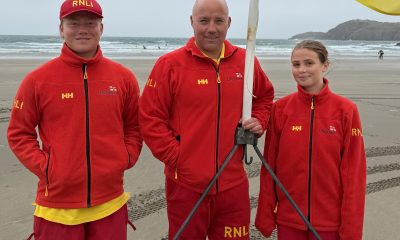
The father, son and daughter lifeguard trio saving lives in Pembrokeshire
A FATHER, son and daughter are preparing to help keep beachgoers safe on the Pembrokeshire coast this summer as part...


Community21 hours ago
Beating of the Bounds brings music, boats and tradition to Haverfordwest
CENTURIES-OLD CEREMONY DRAWS FAMILIES TO THE RIVERSIDE HAVERFORDWEST’S historic Beating of the Bounds returned on Sunday (Jun 14), with boats,...


Community1 day ago
Milford Haven School pupil praised after stepping in during real-life emergency
A YEAR 11 pupil at Milford Haven School has been praised after putting his first aid training into action to...

Community1 day ago
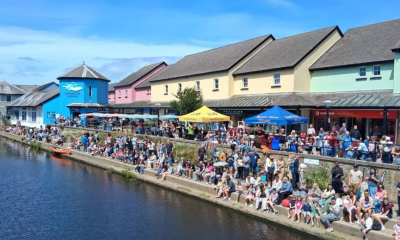
River festival brings crowds to Haverfordwest
A CELEBRATION of the River Cleddau brought crowds into Haverfordwest on Saturday (June 13) as the town’s River Festival returned...


Charity1 day ago
Voices at the Castle hailed as unforgettable night after weather setback
Russell Watson headlines spectacular charity concert at Pembroke Castle A SPECTACULAR evening of live music at Pembroke Castle has been...


Local Government2 days ago
Council admits 74 rights of way complaints remain unresolved
Key post vacant since February as walker raises safety concerns over paths near Llanteg and Amroth PEMBROKESHIRE COUNTY COUNCIL has...


Education3 days ago
Diocese threatens legal action as Manorbier school closure battle intensifies
Church says council could face judicial review over fire-hit school A BITTER row over the future of Manorbier Church in...
-
 Community23 hours ago
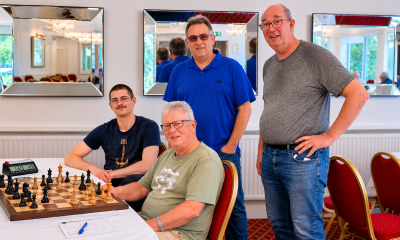
Pembrokeshire Chess Club crowned Welsh champions
-

 Crime6 days ago
Haverfordwest pair accused of £80,000 rogue trading frauds
-
Education3 days ago
Diocese threatens legal action as Manorbier school closure battle intensifies
-

 Crime4 days ago
Man accused of six rapes including alleged Haverfordwest offence
-

 Crime4 days ago
Pembroke Dock teenager sentenced over train strangulation attack
-

 Crime6 days ago
Families condemn failed appeal by paddleboard boss jailed over Haverfordwest tragedy
-
 Crime6 days ago
Knife blankets call as school staff face rising violence fears
-

 Local Government3 days ago
Taxi suspended after county-wide licensing checks