


News
Testing the waters: Huw Irranca-Davies announces a new regulator

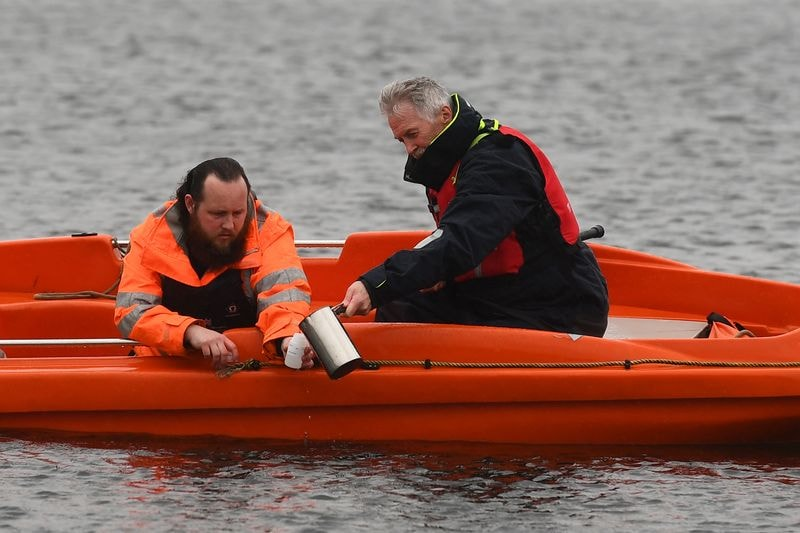
Welsh Government announces clean water plan
ON TUESDAY, February 3, the Welsh Government published its plans to create a new water regulator for Wales.
The proposals respond to the findings of the Independent Water Commission, established jointly by the Welsh Government and UK Government and published in July 2025.
The proposals include creating a new, dedicated Welsh economic regulator for water, supported by new legislation and a new regulatory framework.
Speaking at a Dŵr Cymru site at Lisvane and Llanishen reservoirs to launch the Green Paper, the Deputy First Minister, Huw Irranca-Davies, said: “Our ambition is clear and bold: clean and thriving rivers, safe and high-quality drinking water, fair and affordable services, and modern infrastructure ready for the future.”
“We will strengthen accountability, rebuild trust and create a system that is simpler, stronger and more transparent.”

On the same day, a Labour Party press release claimed the new regulator would tackle water pollution in Pembrokeshire and drew attention to the First Minister’s support for it. However, the new regulator will have no investigatory powers of its own. Instead, it will depend on Natural Resources Wales to provide it with evidence that would enable it to pursue water companies.
At the same time, the Labour Party press release said that Labour would introduce a Clean Water Bill following May’s election.
The announcement raises several questions about the announcement’s timing.
Baroness Morgan and her predecessors have been at pains to defend NRW over questions about its capacity to investigate and prosecute those who pollute Wales’s coastal waters and inland waterways. In response to repeated questioning from Conservative and Plaid Cymru Senedd Members over recent years, Labour ministers have repeatedly claimed they have confidence in NRW and that the body has sufficient money and resources to carry out its role.

The announcement that the Welsh Government intends to create a new body from scratch, with its own staff, statutory obligations, and enforcement powers, inevitably suggests that Labour ministers and First Ministers were not as confident in NRW as they claimed when asked about it. In addition, the announcement of plans for a new regulator does not disclose whether its creation will lead to a cut in NRW’s already overstretched budget or where the money to fund it will come from.
There is little doubt that regulation of the water industry is outdated and overly complex. However, adding another layer of bureaucracy could diminish whatever benefits streamlining the legal framework governing it might deliver.
In the Senedd on Wednesday, Conservative Shadow Minister Janet Finch-Saunders asked Huw Irranca-Davies about the timing of the Welsh Government’s announcement about a new regulator.

He ducked the question but went on to issue a statement suggesting that whatever a new regulator did, much of it was already underway.
The Deputy First Minister said: “We don’t need to wait for the outcomes of the Green Paper, or new legislation, to get on with fixing the problems with the infrastructure, the levels of customer satisfaction, the leakage, and so on.
“The pressure is on both of our water companies to perform for the customers who have seen over the last year and now are going to see those bigger bills landing. Now, that does deliver £6 billion investment, so we absolutely need to see that being delivered—not waiting, but, in this price period, actually investing in the priorities that will stop those combined sewer overflows polluting the river, stop the sewage outfalls, and right across the piece as well.”
The Conservative position has previously been clear: NRW isn’t working and needs to be broken up and replaced. In particular, the Conservatives have focused on the need for a separate and independent water regulator with both investigative and enforcement powers, and the resources to fulfil those responsibilities. Whatever the next Welsh Government decides to do with the proposals, Tuesday’s announcement does not meet that aim.



WALES has entered a new political era after voters delivered the biggest political upheaval since devolution.
Plaid Cymru emerged as the largest party in the Senedd, Reform UK surged into second place, and Welsh Labour was reduced to its worst result since the creation of Welsh devolution in 1999.
The result ends Labour’s long dominance of Welsh politics and leaves Cardiff Bay facing weeks of negotiations over who will form the next Welsh Government.

Labour dominance ends
For the first time since the Senedd was created, Labour is no longer the largest party in Wales.
The party fell to just nine seats in the expanded 96-member chamber, a result which has sent shockwaves through Welsh politics.
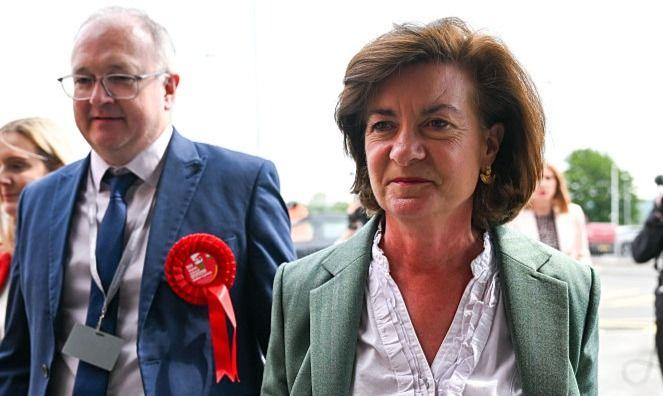
First Minister Eluned Morgan also lost her own seat in Ceredigion Penfro before announcing that she would stand down as Welsh Labour leader.
The scale of the defeat reflects deep public frustration over the NHS, public services, the cost of living, and the perception that Welsh Labour had run out of energy after decades in power.
Ken Skates has now been appointed interim Welsh Labour leader as the party begins what is likely to be a long and painful rebuilding process.
Plaid’s historic breakthrough
Plaid Cymru finished as the largest party with 43 seats, a landmark result for Rhun ap Iorwerth and his party.
It is the closest Plaid has ever come to forming a government in Wales, and gives the party the clear first opportunity to try to lead the next Welsh Government.
However, Plaid fell short of the 49 seats needed for an outright majority.
That means Rhun ap Iorwerth must now decide whether to seek a formal coalition, a confidence-and-supply arrangement, or attempt to govern as a minority administration.

The party campaigned strongly on the NHS, childcare, housing, rural Wales and economic renewal. It must now show that it can move from opposition into government and turn those promises into delivery.

Reform becomes major force
The other major story of the election was the dramatic rise of Reform UK.
The party won 34 seats, becoming the second-largest group in the Senedd and reshaping the political map across Wales.
Reform made major gains in former Labour heartlands, particularly in areas where voters have become disillusioned with Cardiff Bay politics and traditional party loyalties.
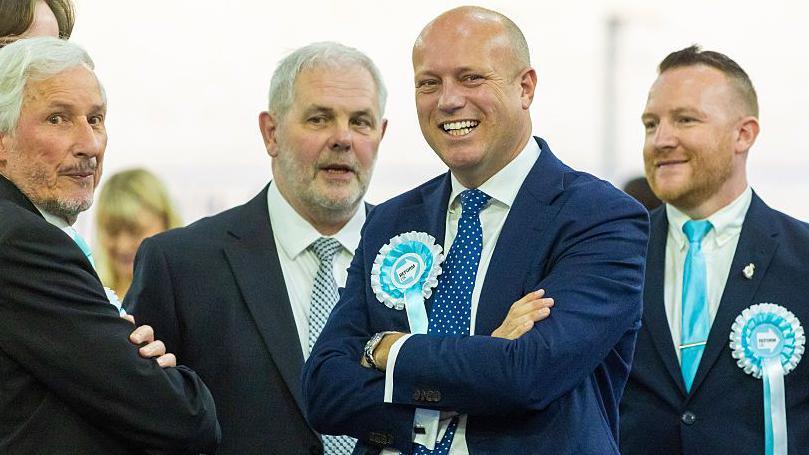
Its success means the next Senedd will be noisier, more confrontational, and far less predictable than before.
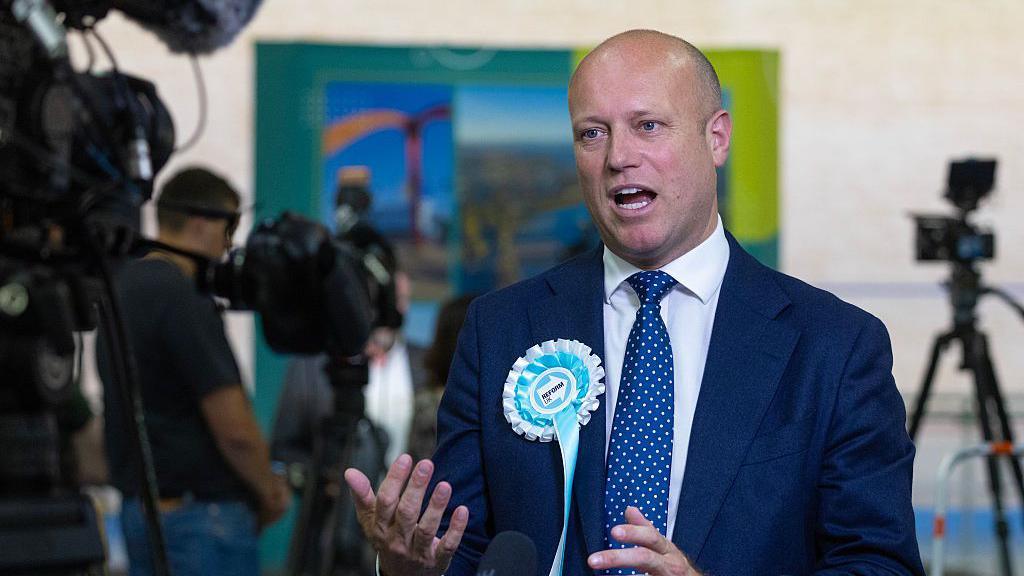
Reform will now have a large platform from which to challenge Plaid Cymru, Welsh Labour and the Conservatives on public services, immigration, the economy, and the future direction of Wales.
Smaller parties gain ground
The Conservatives were reduced to seven seats, leaving them much diminished after years of trying to present themselves as the main alternative to Labour.
The Wales Green Party won two seats, giving the party its first real foothold in the Senedd.
The Welsh Liberal Democrats won one seat, ensuring they remain represented in Cardiff Bay.
The new electoral system, which expanded the Senedd from 60 to 96 members and introduced 16 larger constituencies electing six MSs each, helped create a far more proportional result.
It has also produced a chamber in which smaller parties and tactical negotiations will matter more than ever.
What happens next?
The key issue now is who can command enough support to govern.
Plaid Cymru, as the largest party, will be expected to lead the process of forming an administration.
But without a majority, every major vote will matter. Budgets, major laws, confidence votes and key policy decisions will all require careful negotiation.
A formal deal with another party may prove difficult. A minority Plaid government is possible, but it would need support from other MSs to survive.
That means the next few weeks could be decisive for the future of Wales.
A changed country
This was more than a bad night for Labour or a breakthrough for Plaid and Reform.
It was a clear sign that Welsh politics has changed.
Old loyalties have weakened. Voters who once backed the same party for generations have shown they are prepared to move. The next Senedd will be more divided, more unpredictable, and more difficult to control.
For Wales, the message is stark.
The Labour era is over. Plaid Cymru now has its greatest opportunity yet. Reform UK has arrived as a major force. And whoever forms the next Welsh Government will have to prove quickly that change means more than a different set of faces in Cardiff Bay.

Major project will create new visitor attraction, events space, museum and improved town links
HAVERFORDWEST Castle is on course to reopen in 2028 following a major redevelopment project aimed at transforming the historic site into a high-quality visitor attraction.
County Councillor Thomas Tudor, who represents the Castle Ward in Haverfordwest, recently visited the site to see the progress being made.
He said: “As County Councillor for the Castle Ward in Haverfordwest, it was lovely to visit the Haverfordwest Castle Redevelopment Project and see the progress that has been achieved.
“I am very much looking forward to the Castle reopening in 2028.”

The project will see the mediaeval castle conserved for future generations, while the Inner Bailey has been landscaped so it can host events for up to 500 people.
These could include concerts, plays, craft fairs, Christmas markets and other community events.
The wider castle grounds are also being improved, with new interpretation explaining the history of the site, as well as family-friendly activities.
The building which houses Haverfordwest Museum, the Governor’s House, is being conserved, while the museum exhibition inside will be completely refurbished and modernised.

The former gaol building will also be transformed into a visitor attraction telling the story of Pembrokeshire’s past and future in an interactive and family-friendly way.
The attraction will include a café, shop, community spaces and exhibition areas.
Work is also taking place to improve the physical route between the castle and the town centre at Castle Back, with better signage planned to help visitors find the castle and navigate Haverfordwest more easily.
The castle is expected to reopen in 2028.


CROWDS gathered outside the Senedd as Plaid Cymru leader Rhun ap Iorwerth arrived in Cardiff Bay following his party’s historic victory in the Welsh election.
Supporters waving Welsh flags and Plaid banners cheered as ap Iorwerth made his way through crowds of activists, journalists and newly elected Members of the Senedd, in scenes unlike anything seen in modern Welsh devolved politics.

The election result marks a political earthquake in Wales, with Plaid Cymru emerging as the largest party in the Senedd for the first time since devolution began in 1999.
Ap Iorwerth was greeted by supporters, posed for photographs and embraced well-wishers as he arrived at the waterfront venue before addressing media gathered outside.
The atmosphere around Cardiff Bay was jubilant, with many supporters describing the result as a “turning point” for Wales.

Plaid’s breakthrough came after a dramatic night which saw Labour suffer major losses across Wales, while Reform UK also made significant gains under the new expanded Senedd voting system.
In emotional scenes, ap Iorwerth hugged supporters and thanked campaigners who had travelled from across Wales to witness the moment.
One photograph captured the Plaid leader embracing a young supporter as crowds packed the entrance area overlooking Cardiff Bay, while another showed hundreds gathered outside as he addressed the media beneath Welsh flags.

The result leaves Plaid Cymru in pole position as discussions begin over how the next Welsh Government will be formed in a hung Senedd.
Speaking after arriving at the Bay, Plaid figures said voters had delivered a “clear message that Wales wants change.”
The historic scenes are likely to become defining images of a new era in Welsh politics.



News15 hours ago
Plaid Cymru celebrates historic victory as Rhun ap Iorwerth arrives at Cardiff Bay
CROWDS gathered outside the Senedd as Plaid Cymru leader Rhun ap Iorwerth arrived in Cardiff Bay following his party’s historic...


Crime16 hours ago
Police standoff ends after four-hour incident in Pembroke Dock
ELIZABETH COURT SCENE STOOD DOWN AFTER DOMESTIC INCIDENT A FOUR-HOUR police standoff in Pembroke Dock has ended with a 21-year-old...


Crime19 hours ago
Teen denies attempted murder of Milford Haven teacher
TEENAGER REMANDED AHEAD OF JULY TRIAL A 15-YEAR-old boy has denied attempting to murder a teacher during a stabbing incident...

News1 day ago
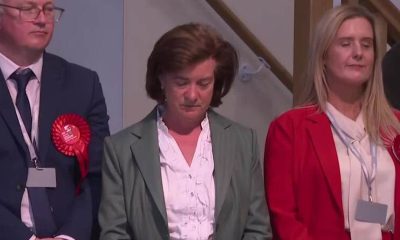
Catastrophe for Labour as Plaid and Reform reshape Welsh politics
ELUNED MORGAN LOSES SEAT AS OLD CERTAINTIES ARE SWEPT AWAY THE VOTERS of Wales have delivered one of the most...


News2 days ago
Labour wiped out in Ceredigion Penfro as Plaid tops poll and First Minister loses seat
Shock result sends political shockwaves across Wales as Reform also surges in historic Senedd count LABOUR suffered one of the...


News2 days ago
Labour deputy says party ‘will not form next Welsh Government’
LABOUR FACES HISTORIC DEFEAT AS COUNTING CONTINUES ACROSS WALES LABOUR’S Deputy Leader in Wales has effectively conceded the Senedd election,...

News2 days ago
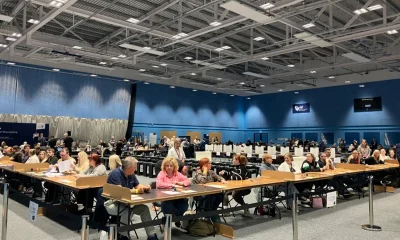
Counts underway in historic Senedd election
Wales waits for results as first election under new voting system reaches count stage COUNTING is underway across Wales today...


Charity3 days ago
Chief’s Tour honours fallen officers with 75-mile Pembrokeshire ride
Dyfed-Powys Police team raises thousands for bereaved police families charity A TEAM of officers and staff from Dyfed-Powys Police cycled...


Crime3 days ago
Racial abuse suspect barricaded himself inside Johnston lodge
ARMED police were called to a supported accommodation building in Johnston after a man allegedly barricaded himself inside a room...

Crime3 days ago
Milford Haven woman denies causing suffering to cat
Jury hears evidence over alleged failure to seek treatment for tumour A MILFORD HAVEN woman has denied causing unnecessary suffering...
-

 News5 days ago
Baby in critical condition after Fishguard emergency
-

 News4 days ago
Former housing officer admits drink-driving in Pembrokeshire retail park
-

 Crime4 days ago
Job loss threat for convicted Pembrokeshire drug-driver
-
 Crime4 days ago
Milford motorist disqualified for drug-driving
-

 Crime4 days ago
Police tip-off leads to driving ban for Milford motorist
-
Crime3 days ago
Racial abuse suspect barricaded himself inside Johnston lodge
-

 Crime4 days ago
Delivery driver caught twice over legal drink-drive limit
-

 Community4 days ago
Sixth-former firefighter balances schoolwork with saving lives