


Farming
Heat stress warning for pregnant cows as autumn calving season approaches

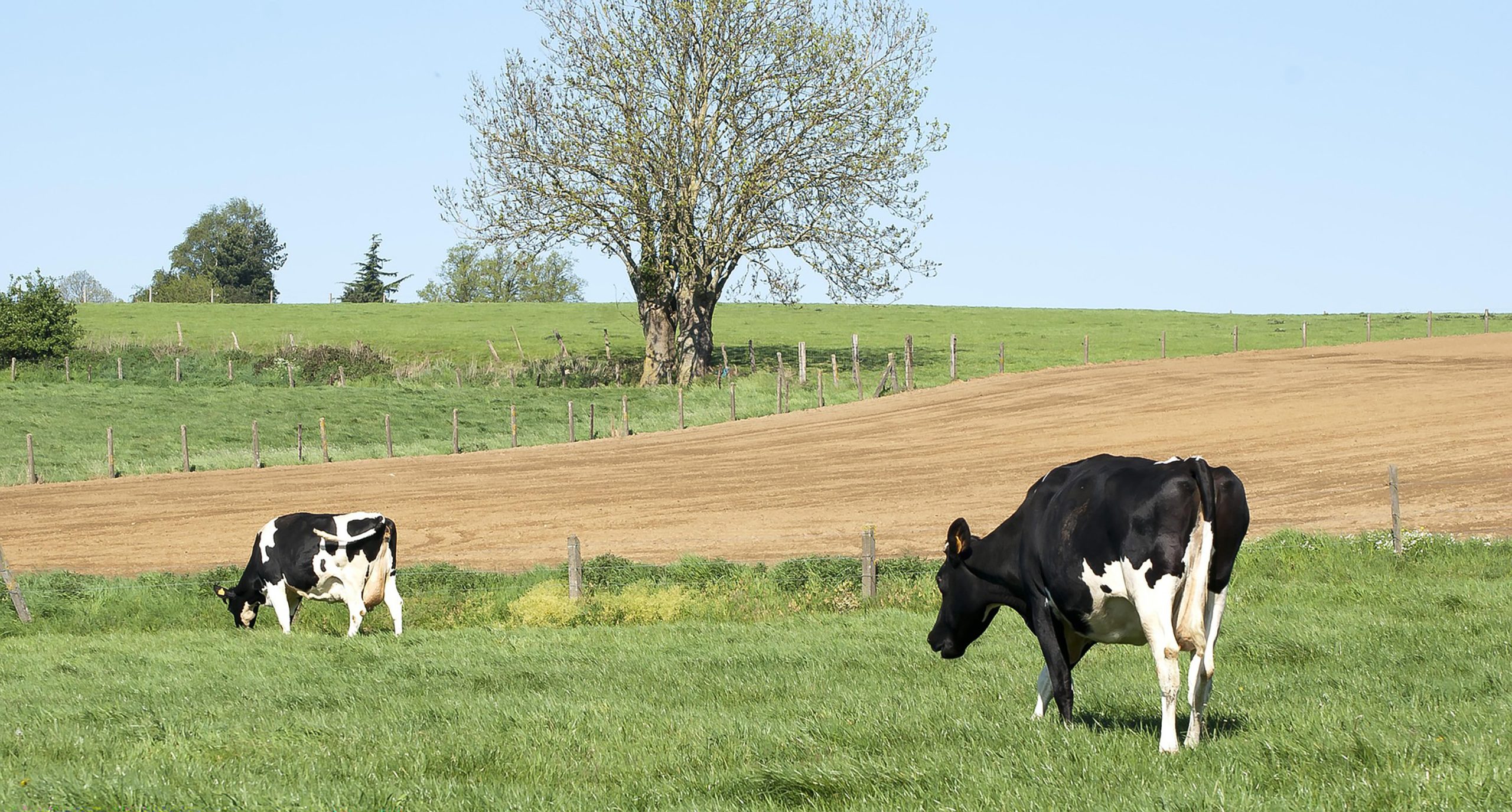
FARMERS are being warned that high summer temperatures could have long-lasting effects on autumn-born calves.
Animal health specialists say heat stress in pregnant cows can lead to weaker immunity, poorer growth rates and a higher risk of disease in calves after birth.
Nia Williams, Technical Livestock Manager at Nettex, said farmers may not immediately link hot weather now with calf performance several months later, but the impact during pregnancy can be significant.
She said: “Cows calving this autumn are at greater risk of producing calves with impaired immunity, which can increase susceptibility to diseases such as scours during the first weeks of life.”
Colostrum critical
Heat stress can reduce feed intake, alter metabolic function and suppress immunity in cows. It can also affect mammary gland development during the dry period, potentially impacting milk production in the next lactation and calf performance after birth.

Ms Williams said: “Calves born to heat-stressed cows are often lighter at birth and can show reduced growth rates both before and after weaning. That makes colostrum management absolutely critical.”
Farmers are being advised to ensure calves receive colostrum quickly after birth and to monitor passive transfer levels during the first week of life.
A blood test between one and seven days of age can help assess how well antibodies from colostrum have been absorbed into the calf’s bloodstream.
Ms Williams said this can help identify calves at greater risk of health problems, while also giving farmers a useful measure of how well colostrum management is working across the herd.

Support after birth
Calves that struggle to suckle or appear weak in the first few days may need extra nutritional support.
Ms Williams said energy-boosting supplements can be used alongside colostrum to help encourage feeding and support early vitality.
Electrolytes can also play an important role in helping calves recover from scours, which may be caused by pathogens including Cryptosporidium, E. coli, Salmonella and Rotavirus.

The warning is not limited to calves. Freshly calved cows can also struggle with reduced appetite, dehydration and electrolyte loss, particularly during hot weather.
Ms Williams said: “Water intake often declines before and during calving, increasing the risk of dehydration. During calving, cows can lose close to 60 litres of water through blood and uterine fluids, along with significant electrolyte losses.”
She warned that water alone may not be enough to restore electrolyte balance and normal cellular function after calving.
Farmers are being urged to support cows immediately after calving with energy, calcium, vitamins and electrolytes to aid recovery, encourage intake and support overall health and milk production during this critical period.
The warning comes as farmers prepare for the autumn calving season following periods of high summer temperatures.



A CALL for a north Pembrokeshire farm to be able to diversify through the bottling of water from its well has been given the go-ahead.
In an application to Pembrokeshire Coast National Park, a Mr George, through agent Harries Planning Design Management, sought permission for a change of use of part of an existing agricultural shed to a use for the bottling of water as a form of farm diversification at Trerhys, near St Dogmaels, Cardigan.
A supporting statement said: “The water bottling plant will be run and under control by the applicant, who also has direct control of the associated farm known as Trerhys. The water bottling plant seeks to diversify the farm income to provide future economic sustainability and increase revenue from the land.
“The increase in profits generated by the water bottling plant business will be siphoned back into the farm business, to allow for necessary improvements and works to the farm to ensure its future within a worsening agricultural economy.”
It said the profits would be used for on-going repair and replacement of existing fencing around the farm which owns significant land, along with investing and increasing the suckler herd on the farm.
“The applicant underwent major surgery back in 2023 and had to cut back hours on the farm to recover. This meant that the suckler herd dipped in numbers and due to profitability, the farm has yet to be able to recover to its previous numbers.
“This increase in profit will allow the capital to be reinvested in the suckler herd, increase profit margins and overall profitability for the farm.”
It also said the profits would be “channelled into large repairs and overall, like-for-like replacement of a number of existing farm buildings,” and, depending on returns, “there may be scope to invest in the existing farmhouse on site”.
It concluded: “Overall, whilst the water bottling plant will take some time to become established and generate suitable profits, once established significant profits, these will be reinvested as above into the existing farm business to ensure its future can be secured for longer within an uncertain agricultural economy.
“Without diversification, the farm is set to reduce further in size and the buildings and farmyard become further run down and unsightly in the landscape.”
An officer report recommending approval said the scheme for Trerhys Farm, 1.7km to the north of Moylegrove, would use one bay of an existing shed and would “utilise the existing water source from a well within an existing agricultural field to the north of the farm complex”.
Concerns were raised by three members of the public on the grounds of a query on the water source and transportation of the finished product, and potential noise issues.
The report said a noise assessment found no detrimental impacts in the locality, with Highways officers having no concerns on transportation issues.
The officer report concluded: “Following careful consideration of the application and its merits, it is concluded that the proposed scheme represents an appropriate form of development in this location.”
The application was conditionally approved.

BIRD keepers in Wales are being urged to remain vigilant after the all-Wales Avian Influenza Prevention Zone was lifted today.
Mandatory biosecurity measures for poultry and other captive birds were introduced in January 2025 to help prevent the spread of avian influenza from wild birds and other sources.
The Welsh Government said the decision to lift the remaining measures follows the latest outbreak assessment, which reduced the risk of bird flu transmission from wild birds to kept birds in Great Britain from “medium” to “low”.
Mandatory housing measures had already been removed in April. The lifting of the Welsh zone has been coordinated with similar moves in England and Scotland.
Chief Veterinary Officer for Wales Richard Irvine said: “I am pleased the latest reduction in avian influenza risk means we are now able to lift the all-Wales Avian Influenza Prevention Zone.
“This is good news for our bird keepers, and I would like to thank the sector, who have worked hard and shown great vigilance through a sustained and challenging period.
“I also want to be very clear that low risk does not mean no risk.
“Avian influenza remains a serious disease, and we know that conditions can change. I urge every bird keeper, no matter the size or type of flock, to keep protecting their birds – from bird flu and other diseases.
“Good hygiene practices are your first and most effective line of defence. Vigilance and prompt reporting of any suspicion of disease also remain absolutely vital.”
Bird keepers are being reminded to continue good hygiene and biosecurity practices, including keeping bird areas clean and tidy, controlling access to birds and housing, minimising contact between kept birds and wild birds, regularly disinfecting equipment, clothing and footwear, and reporting signs of disease promptly to the Animal and Plant Health Agency.
The Welsh Government said it would continue to monitor the bird flu situation closely. Further guidance, including biosecurity self-assessment checklists for small flocks, commercial poultry keepers and game bird keepers, is available on the Welsh Government website.
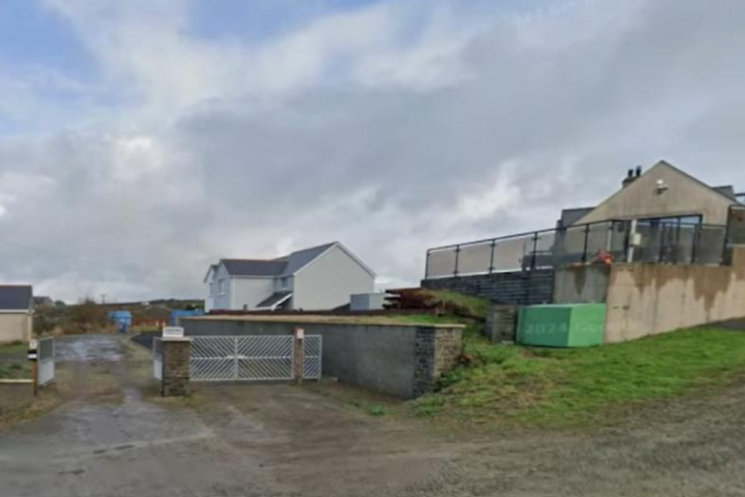
A CALL for a time extension for plans for housing on the site of a former “blot on the national park” seaside turkey farm has been given the go-ahead.
In an application recommended for delegated approval to senior officers at the June meeting of Pembrokeshire Coast National Park’s development management committee, Mark Chapman, through agent Hayston Developments & Planning Ltd sought permission for a further three years’ time extension for a previously-granted scheme to build four homes at the former turkey farm, on land off Blockett Lane, Little Haven.
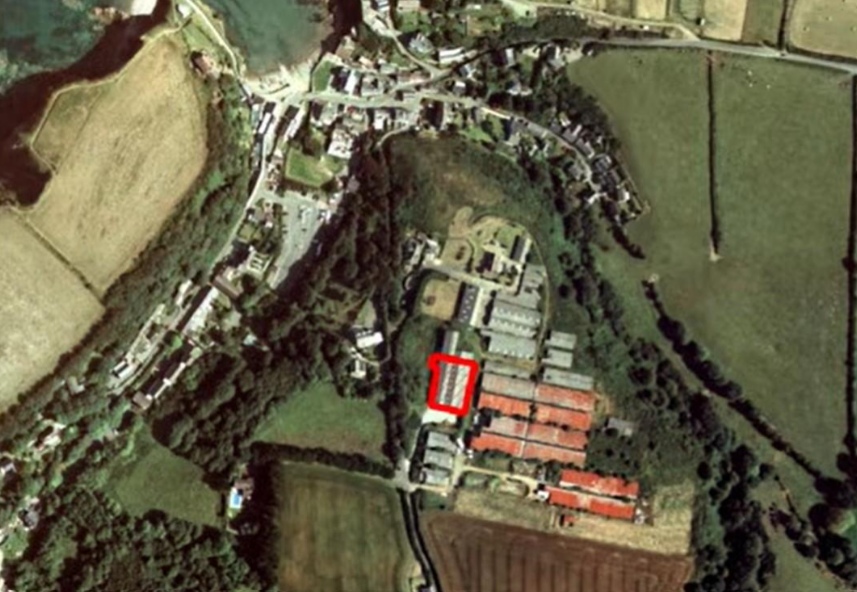
The application was before the committee as it was recommended for approval despite the local community council, The Havens, objecting to the scheme, and it being a departure from the local development plan.
The Havens had objected to the scheme on the same grounds it objected to the original 2021 application for four dwellings granted in 2022, saying there was a poor access road, very narrow, with no pavement leading to the village for pedestrian use.
An officer report recommending approval said: “The application site comprises a parcel of brownfield land which historically formed part of a turkey farm complex located to the south of Little Haven. The wider site has been subject to extensive residential redevelopment, with several dwellings completed and others under construction on adjacent land. The site is also subject of a current enforcement notice relating to storage of shipping containers.
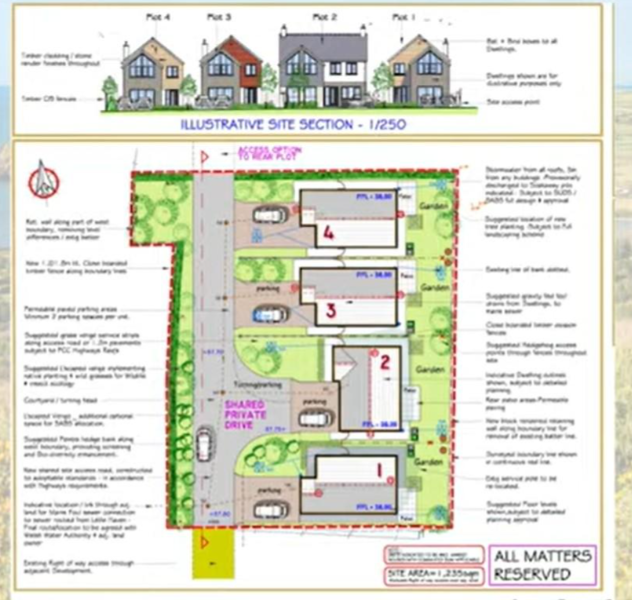
“The applicant has advised that development has been delayed due to an ongoing civil dispute relating to access rights, which has prevented commencement within the original timeframe but which the applicant believes to be resolvable.
“As the application is in outline form and seeks only a time extension, there are no changes to the scale, layout, or form of development for assessment at this stage with only indicative plans having been received.”
Speaking at the meeting, agent Andrew Vaughan-Harries of Hayston reiterated it was hoped the civil matter could be addressed to “deliver this important development”.
He added: “The old turkey farm and sheds were a real blot on the national park, on a sensitive spot on the clifftop, a real eyesore.”
He said developments on-site so far had seem them cleared, with the “sensitive development” expected to net up to £90,000 in affordable housing contributions to the authority.
On the community council access concerns, he said: “Perhaps they are newer members who don’t remember a busy turkey farm and its traffic; at the end of the day Little Haven is a pretty little village with narrow roads on all sides.”
Committee chair Cllr Simon Hancock, said committee-viewed aerial pictures of the turkey farm site were “stark” in comparison with its now-cleared state, moving approval, which included some 16 conditions.

Members backed the recommendation of approval.


News18 minutes ago
St Davids lifeboat crews rescue damaged yacht and stranded kayaker
TWO St Davids RNLI lifeboats were launched within hours of each other after a yacht was left disabled in a...


Community20 hours ago
D-Day 82: Milford Haven remembers sacrifice of Normandy landings
COMMUNITIES gathered in Milford Haven on Saturday (Jun 6) to mark the 82nd anniversary of D-Day. The service, held at...


News21 hours ago
D-Day at 82: The secret Pembrokeshire invasion that helped prepare for Normandy
Forgotten wartime operation saw thousands of troops storm Pembrokeshire beaches in rehearsal for D-Day LONG before Allied troops landed on...

News22 hours ago
Welsh Water hit with £44.7m enforcement package over sewage failures
Pembrokeshire campaigners say regulator’s action vindicates years of concern over pollution in rivers and coastal waters DŴR Cymru Welsh Water...


News2 days ago
Council tax shake-up in doubt as Welsh Government reviews reform plans
Questions over 2028 revaluation as ministers reconsider next steps THE FUTURE of council tax reform in Wales has been thrown...


Crime2 days ago
Paddleboard company owner loses bid to cut sentence over Haverfordwest tragedy
A FORMER paddleboard company owner jailed over the deaths of four people on the Western Cleddau has failed in a...

Community3 days ago
Crisis response dogs launched to support people through trauma and distress
A NEW project using specially trained dogs to support people during moments of trauma, grief and crisis has been launched...


News3 days ago
Major fire breaks out at Tata Steel site in Port Talbot
TATA STEEL has confirmed that a major fire broke out at its Port Talbot steelworks on Wednesday night, with emergency...


Community4 days ago
HMS Erebus tragedy links Pembroke Dock ship to Templeton family
DNA breakthrough identifies cabin boy David Young as exhibition marks 200 years since ship’s launch ON MAY 19, 1845, a...


Community4 days ago
Narberth cash machine closures spark urgent access review
CALLS have been made for an urgent review of access to cash in Narberth after two town centre ATMs were...
-
Crime2 days ago
Paddleboard company owner loses bid to cut sentence over Haverfordwest tragedy
-

 Crime4 days ago
Milford Haven man bit neighbour’s neck near cashpoint
-

 Crime5 days ago
Milford Haven man jailed for illegal Premier League streaming service
-

 Crime23 hours ago
Milford Haven man admits harassment and assault
-

 Crime5 days ago
Haverfordwest man admits cocaine offence as Crown disputes basis of plea
-

 Crime4 days ago
Pembroke Dock driver avoided jail after drug-drive crash
-

 Local Government5 days ago
National Express use of new Haverfordwest interchange still subject to risk checks
-

 Crime4 days ago
Dinas Cross man jailed over shop thefts