


News
Egnedol: ‘Proof will be in the pudding’


 A PUBLIC consultation was held by Egnedol on Thursday (Feb 18) in Milford Haven. The company promised to bring to the table an ambitious which it claimed would bring hundreds of millions of pounds into the Haven.
If Egnedol’s plans get the go ahead, the biomass plant at Blackbridge will be the biggest of its kind in the world. However, Egnedol has no track record of either building or running such a plant.
Mark Evans of Pembs TV conducted an exclusive interview with Egnedol’s director, Steve Whitehouse. The Herald pointed out that a far smaller plant in Newport is up and running and it has had numerous problems with health and safety breaches – even fire.
The Herald asked Mr Whitehouse, how Egnedol would succeed where others have failed.
Steve Whitehouse told us: “We’re using a very large South African company. They’re used to building biomass plants, and energy plants petro-chemical facilities around the world. It’s a large global company.

“We’re using them to provide us with a design, build, maintain, operate contract. So, they’ll be responsible for completing the details design of the plant, for building the plant, operating and maintaining it, using local people.
“They’ve just completed a large project in South Africa which we’ve checked the details of, so we’re quite confident. All we’re really doing is providing the facility, the cash and linking in with other technologies, so that they can come along and help us to operate this.
“So, it’s not our own staff actually, that’s going to be operating this facility. We’re going to be taking on local people who will be managed by a South African firm.”
The Herald also asked about the trees that are going to be used at the plant, which will be coming from plantations in Morocco and Greece. However, the website of the company says they’re still waiting for permission to plant in Greece and have no current plans to plant in Morocco.

When asked where the pellets will come from, Mr Whitehouse said: “We’ve got two options. They’re called option agreements – they’re legal agreements – with landowners in Greece and landowners in Morocco, so subject to getting permission and taking the project forward, we’ll be planting these plantations at that point.
“We’ll also be bringing in some wood from WDF, which 50% of our feed stock will come from that, which will be locally sourced, probably from Wales and other parts of the UK.”
When asked to explain about the emissions of the wood, as to whether or not they are chemically treated, Mr Whitehouse responded saying: “When we consume the wood, we consume it in a process called gasification, so the wood particles are heated up to a high temperature, which breaks down the molecules of the wood into smaller molecules, and we control that process so that we make methane, carbon monoxide, hydrogen – things like that.

“Then that gas we’ve made is called a syngas – it’s a synthetic gas. We clean that, go through several cleaning processes, because, we have to get it to a very clean state in order to inject it into normal gas engines – big German gas engines.
“So, it has to be very very clean before it goes into that gas engine. So if you can imagine the gas engine is then consuming a clean gas, the emission from that goes from the engine, goes through a catalytic converter and goes through an oxidation process – the same as it would on a car, and then it goes up a stack.
“So, the actual emission is just a normal emission that you’d get from consuming gas. Just carbon dioxide, things like that.”
A statement by Gareth Chubb, Director of The Friends of the Earth was put to Mr Whitehouse. Mr Chubb had said that the people of Pembrokeshire won’t like being “guinea pigs” for an unproven technology with uncertain risks to human health, and said: “We’ve never seen a successful venture of this nature in the UK.”
When asked how he felt about those comments, he replied: “The technology choice is still under close review. We’ve chosen what we think is the best gasification technology that is currently available – it’s been through a very detailed due diligence process, with one of the largest insurance companies in the UK called Marsh, in London.
“All of their technical experts – which are world experts, they’re not just local UK experts – have looked at the process. Studies have been done by large UK and European consultancies; they’re all happy with the technology, and that’s why we can attract the funding.
“Marsh, actually, are happy to underwrite its process, underwrite its operation, time and all of those sorts of issues, so we’ve gone through a very rigorous due diligence process with the technology.”
Mr Whitehouse concluded: “You know, the proof will be in the pudding really, once we get funding and build it. That’s where the proof will be.”
The Herald spoke to Mayor of Milford Haven, Cllr Stephen Jospeh regarding Egnedol’s plans, to see what his thoughts were. He said: “It’s very difficult, but anything that can help the economy is good.
“We’ve got to look on the positive side. Of course, we’ve got to make sure it’s safe. There’s lots of different impressions, and I wouldn’t for a minute pretend I know who has conducted these studies, but I hope it works because the benefits are huge.
“We need to keep an eye on the environment and if it is how they say it is. However, just because it hasn’t worked for other people, doesn’t mean it won’t work for them.”


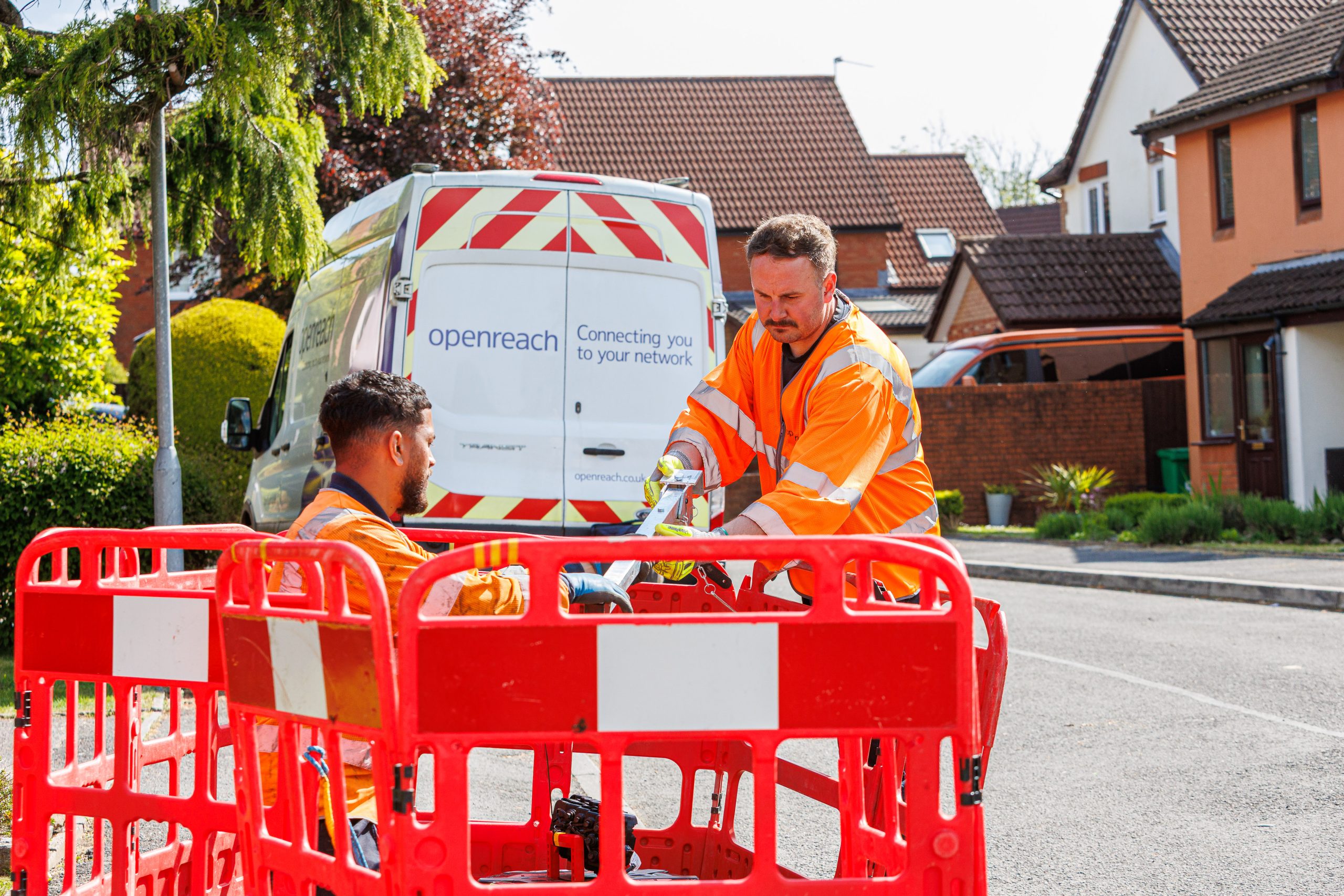
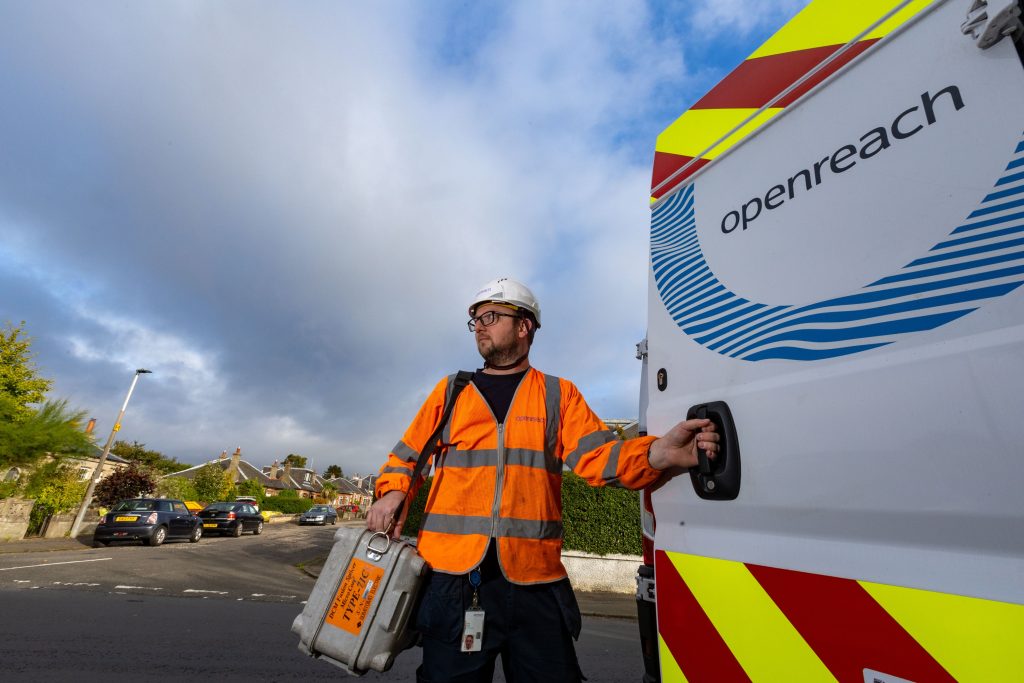
THOUSANDS of homes and businesses in Milford Haven can now access Full Fibre broadband following a £2.1m investment by Openreach.
The upgrade means around 7,000 properties in the town are now able to move to faster and more reliable internet connections, with 85% of premises in the area covered by the new network.
Openreach says many residents and businesses may still be using slower connections because the upgrade is not automatic. Customers need to place an order through their chosen broadband provider to switch to Full Fibre.
Martin Williams, Partnership Director for Wales and the South West, said: “Most of Milford Haven is now covered by Full Fibre, but many residents and businesses still haven’t made the switch. It’s not automatic – you need to place an order with your chosen broadband provider.
“The difference in speed and reliability can be significant, especially for busy households or people working from home. We want to make sure everyone knows what’s available and how to get it.
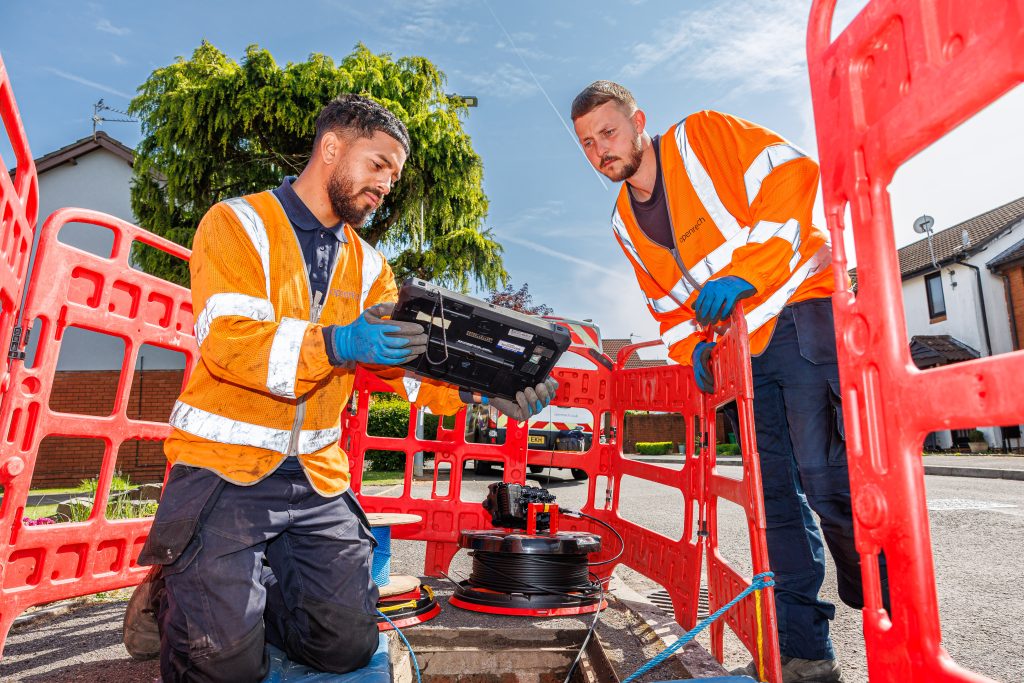
“Openreach is committed to building the best Full Fibre network, and doing it sustainably. Through our Let’s Reach Zero strategy, we’re working to reduce carbon emissions, use fewer resources, cut waste, and protect nature wherever we operate.”
Full Fibre is designed to offer faster downloads, more stable connections and better performance when several devices are being used at the same time.
Openreach says the service can support modern online use including streaming, gaming, video calls, home working, online banking and running a business.
The company’s Full Fibre network now reaches 22 million homes and businesses across the UK. It plans to extend this to 25 million by the end of 2026, with the potential to reach 30 million by 2030 if investment conditions remain supportive.
Residents can check whether their property is able to upgrade by using Openreach’s Full Fibre checker.
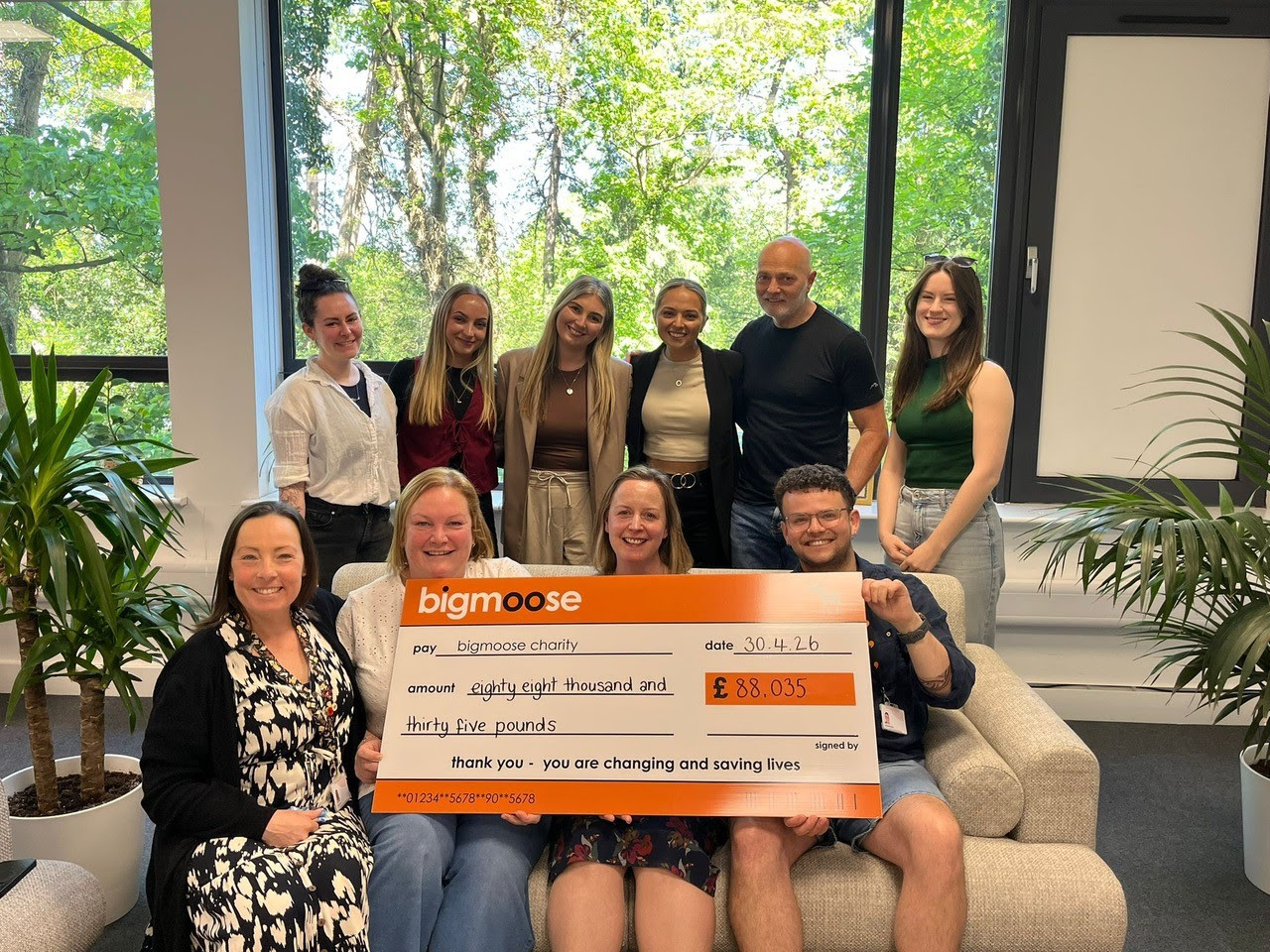
STAFF at the Development Bank of Wales have raised more than £88,000 for mental health charity bigmoose during a record-breaking year of fundraising.
The money raised by the bank’s 280-strong team, including colleagues from subsidiary FW Capital, will help fund fast access to therapy and counselling for more than 170 people experiencing mental health challenges across the UK.
The partnership was the Development Bank’s tenth charity partnership and has become its most successful fundraising year to date.
Colleagues took part in a range of fundraising activities during the year, with the final total reflecting what the bank said was the commitment of staff across the organisation.
The Development Bank has now announced Maggie’s as its new charity partner for 2026/27, in memory of Dr Carl Griffiths, a much-loved colleague who died in autumn 2025 following a short battle with cancer.
Maggie’s provides free expert cancer support to people living with cancer, as well as their family and friends, through centres based alongside NHS hospitals across the UK.
Support includes psychological, emotional and practical help, benefits advice, coping strategies and one-to-one counselling.
Fundraising for Maggie’s will run throughout the year, with staff from the Development Bank and FW Capital taking part in activities to raise money and awareness for the charity’s work.
Jeff Smith, CEO and co-founder of bigmoose, said: “176 people will now receive a full course of therapy because of the support from the Development Bank of Wales and FW Capital. That’s the power of partnerships like this – people getting the support they need, when they need it.
“With mental health services stretched to breaking point, bigmoose exists to disrupt how people access support by providing fast, effective therapy before people hit crisis point. Support from the Development Bank of Wales and FW Capital allows us to keep delivering that service to the people who need it most.”
Rachael Davies, Fundraising Manager at Maggie’s, said: “We’re incredibly grateful to the Development Bank of Wales Group for choosing Maggie’s as their Charity of the Year for 2026/27. Partnerships like this play a vital role in allowing us to keep our doors open and ensure that no one has to face cancer alone.
“We’re really looking forward to working with colleagues over the coming year and are thankful for their commitment to supporting people affected by cancer.”
Andrea Richardson, Chair of the Development Bank of Wales Charity Oversight Committee, said: “We’re incredibly proud of what our colleagues have achieved in support of bigmoose. Raising more than £88,000 over the past year is a record for us and reflects the generosity, commitment and energy of teams across the organisation.
“As we move into our new partnership with Maggie’s, we’re excited to build on that momentum and continue supporting charities that make a real, tangible difference to people and communities across the UK.”
Representatives from the Development Bank of Wales present a cheque to bigmoose.
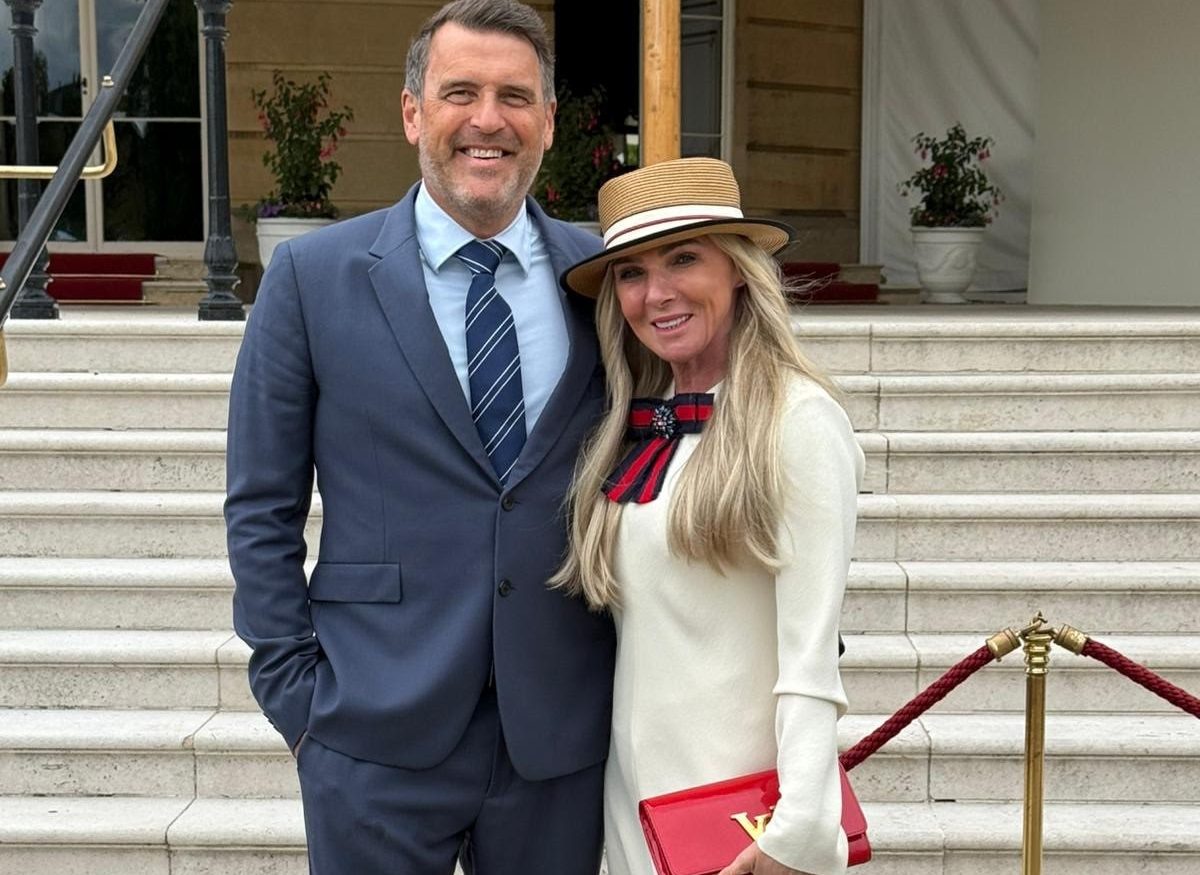
ORGANISERS of the Child of Wales Awards have been recognised for their work supporting and celebrating young people across Wales after attending a Buckingham Palace Garden Party.
Mark and Blanche Sainsbury, from Swansea, founders of the Ascona Group Child of Wales Awards, were invited to the royal event this month in recognition of the positive impact the awards continue to have on children, families and communities.
The awards were established five years ago to celebrate the courage, resilience and achievements of young people across Wales.
Each year, the event recognises children and young people who have overcome adversity, supported others, raised awareness for important causes, or made exceptional contributions to their communities.
Speaking after the garden party, Mark and Blanche said the invitation had been both humbling and emotional.
They said: “It was an incredible day and everything you’d expect from enjoying afternoon tea at the King’s home, but we really were just representatives of our team.
“This invitation belonged to the amazing young people, families, supporters and partners who make the Ascona Group Child of Wales Awards what they are.
“Every year we hear stories of courage, kindness and determination that remind us just how remarkable young people in Wales truly are. Representing the awards at Buckingham Palace was a proud moment not just for us, but for everyone involved.”
Now in its fifth year, the awards have become one of Wales’ leading celebration events, bringing together families, sponsors, celebrities and supporters from across the country.
This year’s ceremony will take place on Friday, October 2, at Swansea Building Society Arena. It will be hosted by BBC presenter Gethin Jones and will feature a live performance from The Brand New Heavies.
Organisers say the event sold out seven months in advance, reflecting its growing profile and the strength of the stories at the heart of the awards.
The awards also raise funds for Welsh charities supporting children and young people.

Headline sponsor Ascona Group, which is headquartered in Pembrokeshire, is one of the UK’s fastest-growing forecourt operators, employing more than 900 people across more than 70 sites.
The company’s Ascona Giving Foundation supports community projects, children’s sports teams and foodbank charities, and has donated more than £800,000 since 2017. Ascona Group has also pledged to donate £1m to Wales Air Ambulance over the next ten years.
Photo caption:
Mark and Blanche Sainsbury attended the Buckingham Palace Garden Party in May.



Community2 hours ago
Paul Davies MS calls for review of parking charges in Ceredigion following concerns
SENEDD Member for Ceredigion Penfro, Paul Davies, has called on Ceredigion County Council to urgently review its policy on car...

Crime3 hours ago
Former Lostprophets singer’s killing ‘not justified’, jury told
JURORS in the trial of two prisoners accused of murdering former Lostprophets singer Ian Watkins have been told that his...


Health1 day ago
Occupational therapists urge Welsh Government to act before NHS crisis deepens
More than 300 professionals sign open letter calling for prevention-focused care and urgent reform OCCUPATIONAL therapists across Wales are urging...

Community2 days ago
Surfers take sewage protest to Broad Haven beach
CAMPAIGNERS took to the sea at Broad Haven today in a colourful protest demanding urgent action over sewage pollution in...

Health2 days ago
New NHS regional body raises questions over future hospital services in Pembrokeshire
Health bosses promise better joined-up care — but patients will want assurances over Withybush and travel distances PEMBROKESHIRE patients are...

Local Government3 days ago
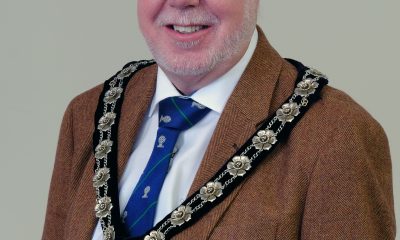
Pembrokeshire County Council welcomes new chairman
CLLR DELME HARRIES has been elected chairman of Pembrokeshire County Council for the coming municipal year. Cllr Harries, who was...

News3 days ago
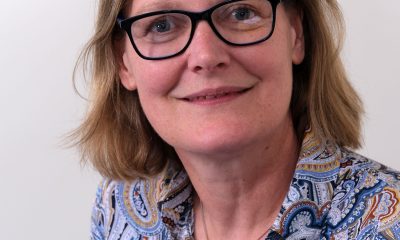
From Milford Mercury to County Hall for Pembrokeshire’s first female leader
Late councillor Mike Stoddart helped hold power to account for decades — now his daughter Tessa Hodgson leads the council...

Business3 days ago
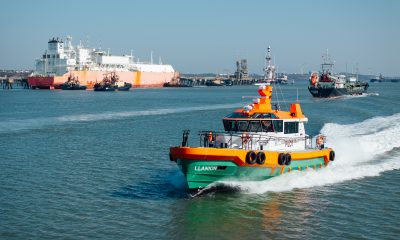
Port reports record turnover, but debt, emissions and senior pay also rise
Annual report shows strong growth and major investment, but underlying figures reveal a more complex picture THE PORT OF MILFORD...


Community3 days ago
DARC radar: Campaigners ask Welsh Government to call in planning application
PARC AGAINST DARC has submitted an official request asking the new Welsh Government to call in the planning application for...


News5 days ago
State Opening overshadowed by Starmer leadership crisis
KING CHARLES has arrived at Parliament for the State Opening as Sir Keir Starmer faces the most serious crisis of...
-

 News3 days ago
Palestine pledge backed by 36 new Senedd Members
-

 Crime5 days ago
Teenager banned from roads after being caught six times over drug-drive limit
-
Community2 days ago
Surfers take sewage protest to Broad Haven beach
-
 Crime5 days ago
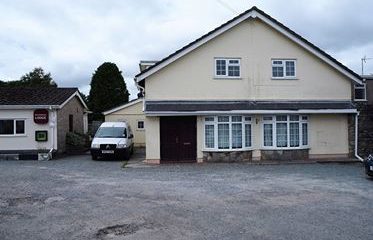
Man threatens to torch Silverdale Lodge through ‘demon drink’, court hears
-

 Crime5 days ago
Man sentenced for stalking women and threatening to torch home
-

 Crime5 days ago
Violent man jailed after ‘Banksy’ claims and campaign of domestic abuse
-

 Crime5 days ago
Man denies exposure in Pembrokeshire town
-

 Crime5 days ago
Drunk motorist arrested at Pembrokeshire petrol station