


Farming
Farming the lesson of the day



FACE Coordinator for Wales Jane Powell, NFU Cymru member Walter Simon and NFU Cymru President Stephen James: With Narberth Community Primary School
CHILDREN in Narberth, Pembrokeshire have been given the opportunity to learn about the importance of food and farming thanks to a new teaching resource.
Pupils at Narberth Community Primary School enjoyed a visit from local farmers , NFU Cymru President Stephen James and Walter Simon , for a lesson planned around the new ‘Why Farming Matters/Pam Fod Ffermio’n Bwysig’ education packs produced by NFU Cymru and Farming and Countryside Education (FACE).
The education packs, now available in both English and Welsh, are designed to provide teachers with ideas and activities to help stimulate and foster children’s interest in food and farming, encourage healthy eating and lifestyles, as well as encouraging pupils to think about where their food comes from. The resource, aimed at Key Stage 2 pupils, looks to weave the themes of food and farming through the curriculum areas of English, Welsh, maths, geography, science, art and design.
The Welsh language teaching resource is the latest work to be released as part of the wider NFU ‘Why Farming Matters’ initiative, which has been raising awareness of the contribution made by agriculture to rural communities for a decade.
NFU Cymru President Stephen James said: “Agriculture plays such an integral part of life in Pembrokeshire and it is important that local children understand the vital role that farming plays for rural communities, the Welsh language and Wales’ cultural identity.

“I am thrilled that we are able to take these ‘Why Farming Matters/ Pam Fod Ffermio’n Bwysig’ education packs into schools and help pupils learn about farming in a fun and informative way, through the mediums of English and Welsh.”
Jane Powell, FACE Coordinator for Wales, said: “There is nothing like meeting a farmer to bring food education to life, and I’m delighted to be working with NFU Cymru, Planed and other members of the Pembrokeshire Sustainable Agriculture Network to show children what’s going on in the countryside around them.”
Nia Ward, Headteacher at Narberth County Primary School, added: “It was a great to be able to invite Stephen and Walter to school today to assist with our lesson around the ‘Why Farming Matters/Pam Fod Ffermio’n Bwysig’ education packs and help bring the subject to life. I know the teaching staff have already been using this resource to incorporate food and farming messages into lessons and these activities have been well received by pupils.”
The English and Welsh language versions of the ‘Why Farming Matters/Pam Fod Ffermio’n Bwysig’ education packs can also be downloaded from www. whyfarmingmatters.co.uk.


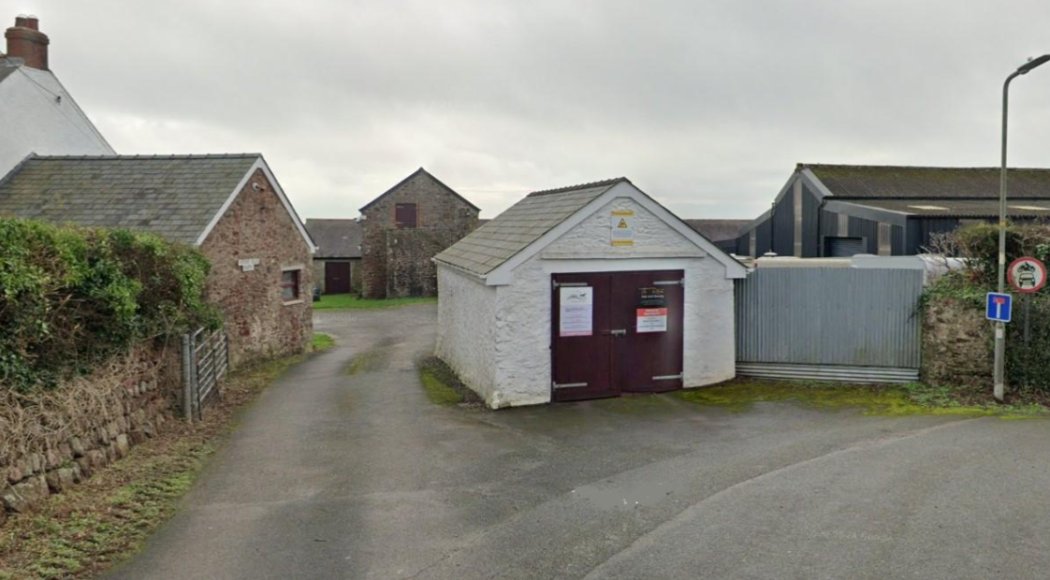
PLANS to expand a Pembrokeshire holiday operation which was voted as the best of its type in the UK by the Caravan Club in its very first year of operation have been given the go-ahead.
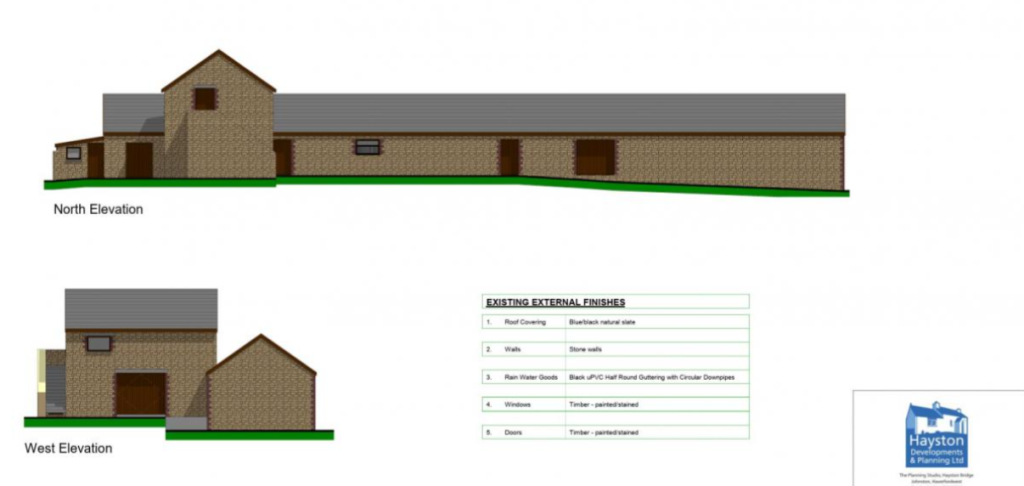
In an application to Pembrokeshire Coast National Park, Dean and Sharon Philpin sought permission to expand the existing holiday operation at Woody Kiln Farm, Herbrandston Village, Herbrandston by converting a former agricultural barn to four short-term holiday lets.
A supporting statement through agent Hayston Developments & Planning Ltd said: “Woody Kiln Farm is located to the east of Herbrandston village, to the south easterly side of Havens Park residential estate. It is a registered agricultural holding, and the land is used mainly for the raising and grazing of sheep covering 12 / 13 acres.
“The farm complex comprises of a number of traditional outbuildings and the applicants main dwelling surrounding a surfaced courtyard. Immediately to the south is a caravan site registered with the Caravan & Motorhome Club as a Certificated Location for up to five touring caravans and motorhomes.
“This Certificated Location has been in operation for 10 years and was the first ever site to be voted the best site in UK on its first year of operating by its members. In recent years it was voted best site in Wales.”
The site has won many similar Certificated Location awards.
It went on to say: “The application proposal relates to a total of three barns that integrate into one building footprint. It is intended to reuse the barns and provide four short-term holiday let units that will be run in conjunction with our client’s current Caravan Club site, situated immediately to the east of the barns.”
It was described as: “A sympathetic design that incorporates no change to the footprint or roof design and little change to the fenestration is the main theme of the design strategy.”
An officer report recommending approval, subject to conditions including a unilateral undertaking to provide a contribution to affordable housing said: “Strategic Policy have advised that the scale and layout of the units could lend themselves to residential use and that an affordable housing contribution may be required.
“Whilst the proposed use is short-term holiday let given that the properties are capable of use as full residential properties, it is proposed that a full unfettered residential permission be granted, with no condition for holiday let-only, meaning that the property could be used for full residential use or second home use.”
Based on current affordable housing contributions, that amounted to £26,170, the report said.
The application was conditionally approved, conditions including the affordable housing element.


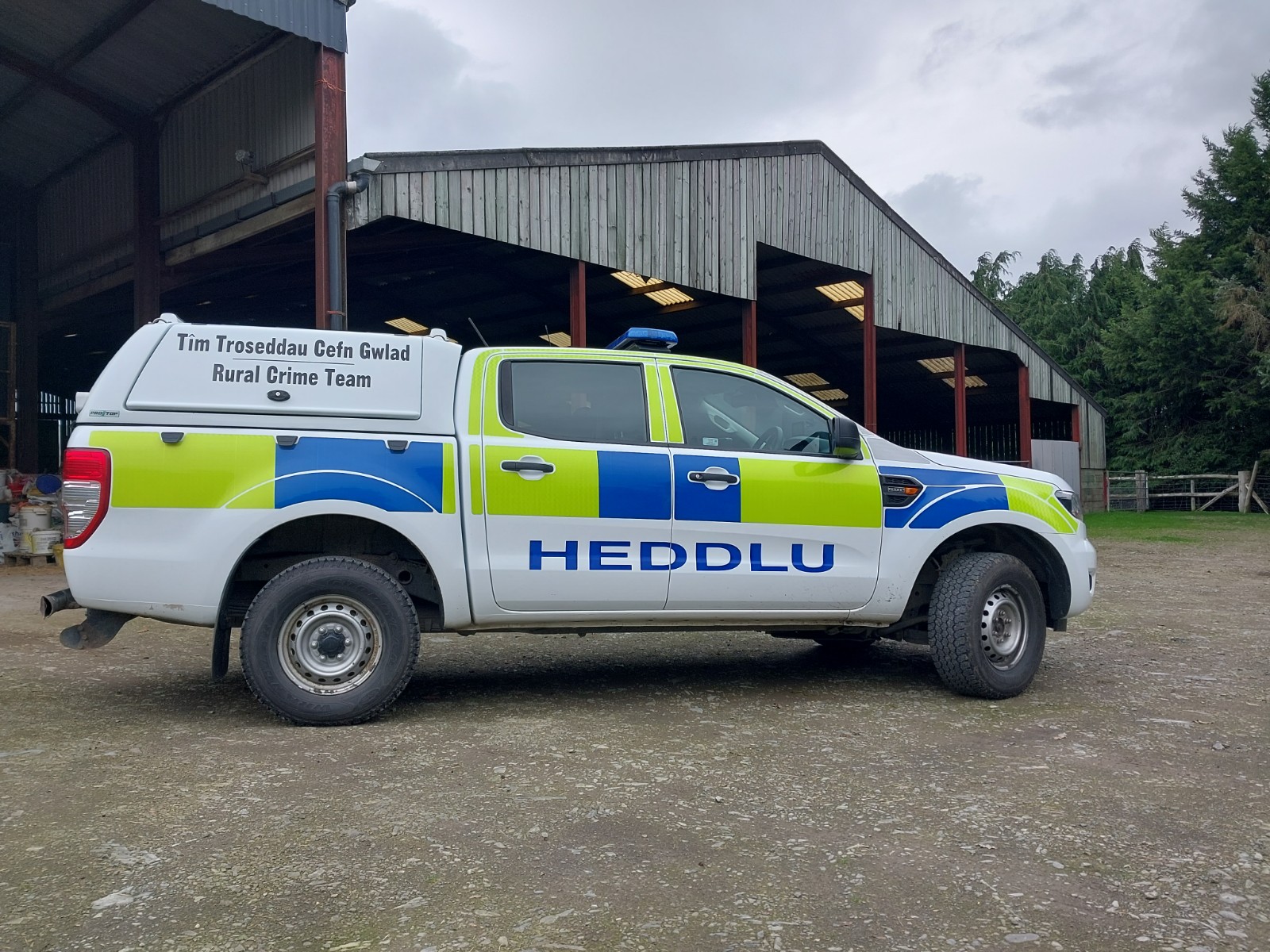
WALES saw the cost of rural crime fall by 21 per cent last year, but farmers are being warned not to become complacent after a rise in tractor and livestock thefts.
New figures from NFU Mutual show rural crime cost Wales an estimated £2.2m in 2025, down from £2.8m the previous year.
The fall mirrors the UK-wide picture, with the total cost of rural crime across the UK dropping from £44.1m in 2024 to £41.5m in 2025.
NFU Mutual said the reduction showed the impact of investment, police work and closer collaboration between farmers, insurers and rural crime teams. However, the insurer warned that organised criminals continue to target the countryside for high-value farm machinery, livestock and equipment.
In Wales, the cost of agricultural vehicle theft rose by six per cent, with criminals targeting tractors across the country. Livestock theft also increased by almost seven per cent compared with 2024.
NFU Mutual said the rise was particularly concerning in Wales, where livestock farming plays a central role in the rural economy and food production.
The company said rural crime remained a serious issue for farming communities, not only because of the financial loss but because of the emotional impact on farmers and their families.
Nick Turner, Chief Executive of NFU Mutual, said: “For more than 20 years, NFU Mutual has called for a stronger response to rural crime, and we know the financial and emotional toll it takes on farmers.
“As a mutual, our support goes beyond paying claims: last year we invested over £500,000 in rural crime initiatives, including ongoing funding for the National Rural Crime Unit and the UK’s first dedicated livestock theft officer.
“We also collaborate with the unit to identify at-risk areas and support recovery efforts.
“In addition, we worked with local police forces to install 13 ANPR cameras across rural hotspots in England and Wales to track suspicious vehicles and disrupt criminal activity.”
Hannah Binns, Rural Affairs Specialist at NFU Mutual, said rural crime was becoming increasingly organised.

She said: “Rural crime is more organised than ever, with criminals prepared to go to extreme lengths, and 2025 proved no exception.
“Yet targeted investment in rural crime initiatives alongside industry collaboration with law enforcement is helping drive down crime, with our latest figures highlighting a 21 per cent fall year-on-year in Wales, to an estimated £2.2m.
“The impact of rural crime extends beyond financial loss, undermining trust and connection, often leaving a trauma that can remain with farmers, their families and wider communities for a lifetime.
“But we cannot afford to be complacent. With proposed policing reforms on the horizon, it is crucial rural crime teams receive fair resources and specialist support to empower local forces to respond quickly to countryside incidents caused by organised and serious criminals.”
Across the UK, the highest rural crime cost was recorded in the North East at £7.6m, followed by the South East at £6.8m, the Midlands at £6.4m and the South West at £6.2m.
Wales recorded the joint-lowest estimated cost alongside Northern Ireland, although Northern Ireland saw a 24 per cent increase.
A survey of 119 NFU Mutual agents found that 91 per cent believed rural crime was disrupting farming in their area, while 79 per cent knew farmers who had been targeted repeatedly.
Almost a third said they had seen farmers change practices or leave the industry altogether because of rural crime.
NFU Mutual said the figures were based on claims statistics rounded to the nearest £100,000.

Polling shows strong public opposition to killing badgers in Wales
BADGER Trust is calling on Wales’ incoming government to rule out badger culling, after new polling suggested widespread public opposition to killing badgers as part of efforts to tackle bovine TB.
The call comes as a newly expanded Senedd begins its work and a new Welsh Government prepares to set out its priorities.
Badger Trust said ministers and political parties should reject calls for culling and instead focus on “evidence-led cattle measures” to control the disease.
Polling carried out by RSPCA Cymru found that only 27% of people in Wales support badger culling, while 46% are opposed. The survey also found that 63% of respondents were uncomfortable with killing badgers, and 68% opposed the use of public money to fund culling.
The organisation said the figures showed bovine TB was likely to remain one of the most significant animal welfare issues facing Wales in the coming years.
As Plaid Cymru prepares to form a minority government, with Rhun ap Iorwerth MS expected to become Wales’ new First Minister, Badger Trust is urging all parties to take note of public feeling on the issue.
More than half of those surveyed, 51.8%, said they would be less likely to support a political party that backs badger culling, compared with just 7.2% who said they would be more likely to do so.
The poll also found strong support for wildlife protection, with 98% of respondents describing it as important and 69% saying it was “very important”. Around 73% said they were concerned about badger welfare, while 53.8% described badgers as iconic British mammals and 43.5% said they were heavily misunderstood.
Nigel Palmer, chief executive of Badger Trust, said: “The people of Wales have spoken loud and clear: badger culling is a vote loser for the new government.
“It’s clear how much the people of Wales value their badgers as an integral part of their landscape. This underlines the fact that badgers belong here.”
Mr Palmer said Wales should learn from what he described as “politically driven mistakes” in England, where more than 250,000 badgers have been culled over the past 13 years.
He said: “Farmers need support to tackle bovine TB where the infections arise — within the national cattle population, particularly in the larger herds.

“The answer lies in evidence-based cattle measures, delivered in partnership with vets and farmers, not in the unnecessary killing of wildlife.”
Badger Trust said Wales had already shown that bovine TB could be reduced in cattle without killing badgers, through science-led cattle measures aimed at tackling the disease more effectively and humanely.
The charity said the message from the Welsh public was clear, and that Wales should not follow England “down the path of badger culling”.
Badger Trust said: “It’s time to end the badger blame game. The science is solid, and the public has voiced its opinion; now it is time for the new government to listen and act accordingly.”
Badger Trust is the leading voice for badgers across England and Wales and works with local badger groups through its Badgers Belong Here campaign.



Community14 hours ago
RNLI lifeguards rescue beachgoers during busy heatwave weekend
FOUR PEOPLE RESCUED AS RIP CURRENTS AND OFFSHORE WINDS HIT PEMBROKESHIRE BEACHES RNLI lifeguards in Pembrokeshire rescued four people and...


Local Government15 hours ago
Council and school staff pay row could hit Pembrokeshire services
COUNCIL workers, carers and school support staff in Pembrokeshire could be drawn into a growing UK-wide pay dispute after GMB...

Health21 hours ago
Hywel Dda to hold second consultation on future of stroke services
A SECOND phase of public consultation is to be held on the future of stroke services across Hywel Dda University...

Community22 hours ago
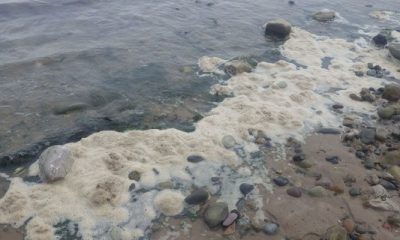
Warning as algal blooms mistaken for sewage on Welsh coast
Beachgoers urged to avoid contact with suspicious foam and report pollution concerns NATURAL RESOURCES WALES has issued summer advice to...


News1 day ago
Yacht towed to safety after engine failure off Tenby
A YACHT was towed to safety by Tenby RNLI after suffering total engine failure around 15 miles south-east of the...


Crime3 days ago
Haverfordwest sex offender jailed over child abuse material
Registered offender used library computers to hide social media accounts A HAVERFORDWEST sex offender who used public library computers to...


Local Government3 days ago
Milford Haven school redevelopment moves a major step closer
£141.6m scheme could transform education in the town A MAJOR step forward has been taken in the long-awaited Milford Haven...

Crime3 days ago
Castlemorris man spared jail after knife confrontation over council tax debt
A CASTLEMORRIS man has avoided immediate custody after threatening enforcement officers with a knife during an early-morning visit over unpaid...


News3 days ago
Lifeboats and helicopter join search for missing person off Broad Haven
SEARCH teams carried out a major operation at Broad Haven after reports of a missing person. Little and Broad Haven...

News4 days ago
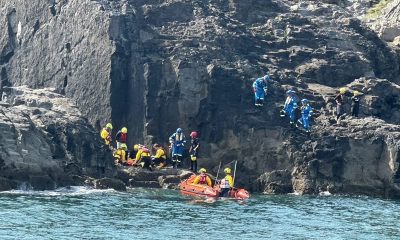
Multi-agency rescue after child falls on rocks while coasteering
Child airlift requested after four-metre fall near Lydstep A CHILD was rescued from rocks near Lydstep after falling around four...
-

 Health4 days ago
Paul Davies warns health board over Withybush and Bronglais services
-
 Crime5 days ago
Police tip-off leads to drink-drive ban for Pembrokeshire pensioner
-
Crime4 days ago
Carmarthenshire man sent to Crown accused of 33 historic sexual offences
-

 Crime5 days ago
Steynton motorist banned after drink-drive collision
-

 Crime5 days ago
Warrant issued for man accused of taking wild goldfinches
-
 Crime5 days ago
Dock man given suspended prison sentence for third drink-drive offence
-

 Crime5 days ago
Dock motorist fined £1,600 after four speeding offences
-

 Local Government6 days ago
Dennison code breach raises serious questions over common sense at County Hall