


News
Stephen Crabb: ‘I will vote to deliver Brexit tonight’

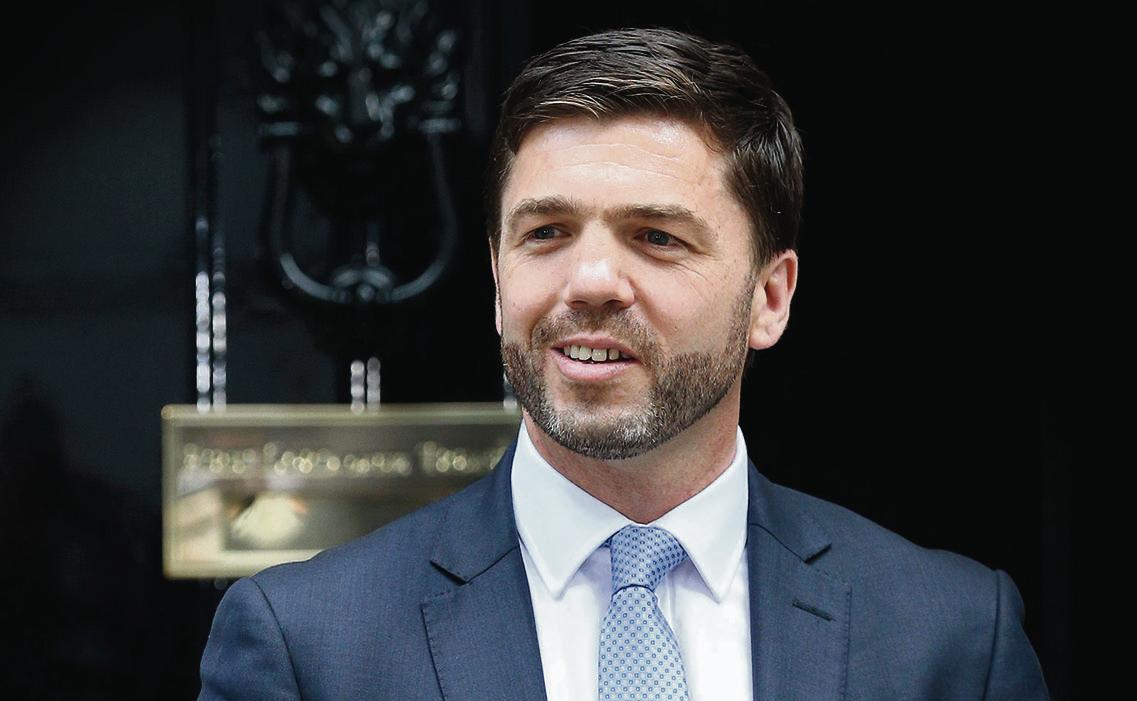
STEPHEN CRABB MP, member of parliament for Preseli Pembrokeshire, has written an open letter to his constituents explaining his position over Brexit and explaining his intentions in supporting Theresa May in the Brexit vote tonight (Jan 15).
On his Facebook page, the MP posted: “I have received thousands of emails and letters from constituents in recent weeks outlining their views on Brexit. I am taking the time to read through every piece of correspondence because I believe it is important to hear all views from the constituency at this serious moment.
“It will not be possible to reply to all emails ahead of the vote tomorrow but I will respond as soon as I can.
“Attached is an open letter to all my constituents about the Brexit vote tonight.
“It is highly likely that the deal will be defeated later, but I believe that this deal or something very much like it will eventually have to be passed in order for us to move forward. Please take the time to read over the letter to hear my views on the process so far and what is yet to come.”

The full letter below:
Dear Constituents,
Firstly, many thanks to everyone who has contacted me about Brexit over the last few weeks and months.
I have received more than two thousand emails and letters from constituents. No other issue, including the proposed downgrading of Withybush Hospital, has generated anything like as much correspondence – and opinion has been split right down the middle. Many constituents are now arguing for a second referendum and for Brexit to be stopped, whilst on the other side many are arguing for the Brexit vote to be respected and implemented.
Tonight the House of Commons will vote on the draft EU Withdrawal Agreement. It will be the most significant vote for over forty years.
In 2016 the country voted 52% to leave the EU and 48% to remain. In Preseli Pembrokeshire, that majority was even clearer with 55% of voters wanting to leave. On the night of the referendum result I promised to give my all to ensuring that the outcome of that vote is delivered.
It would be an enormous breach of trust with voters for the referendum result to be ignored or overturned. So at every stage of the process since June 2016 I have voted consistently to implement Brexit and to allow the UK Government flexibility in the way it conducts the negotiations. I have voted against every attempt to block or water-down the referendum result, or to try and shackle the hands of the Prime Minister.

As we approach the end of the negotiation process, there is now a deal on the table. It is important to be clear about what this deal is and what it is not. This deal does not set out in detail our new long-term relationship with the EU once we leave; this is purely about the terms on which we exit at the end of March this year.
Under this Agreement, the UK ceases to be a member of the EU at the end of March but it provides for a transition period which will give clarity on trade rules for businesses while the details of the new long-term relationship are negotiated and agreed.
I will vote for the deal because I believe it is the surest and most responsible way of delivering Brexit. A lot of the criticism I have heard about the deal is ill-informed and, in some cases, blatantly untrue.
This deal ensures:
- Free movement of people will end
- We are free to sign trade deals with other countries
- A free trade area for goods with the EU
- No more vast contributions to the EU budget
- Flexibility on services and digital
- We leave the Common Agricultural Policy and the Common Fisheries Policy
- The European Court of Justice won’t have jurisdiction over the UK
- Continued security cooperation
- Direct effect of EU law in the UK will end
- No hard border in Northern Ireland, or a border between Northern Ireland and the rest of the UK
On the issue of the so-called ‘Irish backstop’, I think that taking a careful approach to the sensitivities around the Irish border and protecting the gains of the peace process is the responsible thing to do. Polls show that a majority of people in Northern Ireland actually support the Irish backstop regardless of what the DUP may say.
If this Brexit deal is blocked tonight, it is very unclear what will happen next. Different groups of MPs have their own ideas on the way forward. There is a growing number of MPs calling for a second referendum to stop Brexit; there is a group of MPs arguing for a Norway style deal which would be an even softer Brexit; some are arguing for the Brexit day to be postponed to allow more time to negotiate the current deal. All of these scenarios make Brexit less likely.
Even though it is not my preferred outcome, I have consistently voted to allow the Government to spend money preparing for a No Deal outcome as I believe we should be prepared for all eventualities. However, as we saw in the votes last week, there is a majority of MPs in Parliament who will do everything in their power to try to prevent No Deal.
How we leave the EU really does matter to the lives of people who work in key sectors in Pembrokeshire, such as the ports, oil refining and agriculture. I have taken the time to discuss the different Brexit scenarios with all of the leading employers in Pembrokeshire and I honestly believe that the deal on the table is the best way forward given the very serious and specific concerns that have been raised with me by the people who create jobs for my constituents.
The deal is not perfect but no one seems to have a serious Plan B that can command a majority in the Commons. Britain needs a way forward from the current divisions and arguments that are poisoning our national politics.
Nobody knows what will happen next but I genuinely believe that the Brexit deal on the table is the only way to deliver on the referendum result with any kind of certainty.
Tonight I will vote to deliver Brexit.
Rt Hon Stephen Crabb MP









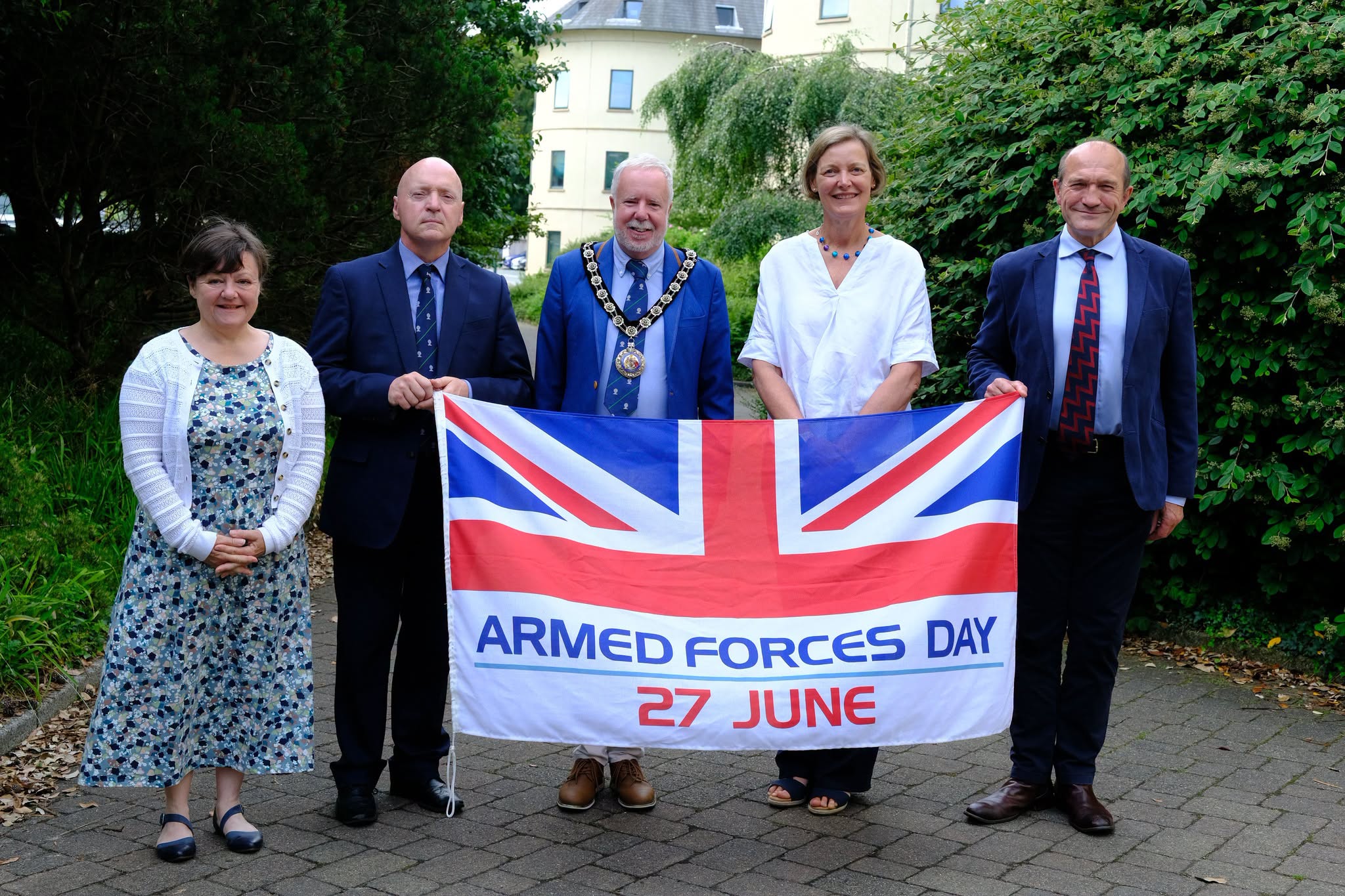
THE ARMED FORCES flag is flying proudly at County Hall this week ahead of Armed Forces Day on Saturday, June 27.
Leader of Pembrokeshire County Council, Cllr Tessa Hodgson, and the Council’s Armed Forces Champion, Cllr Simon Hancock were among those who marked the flag raising on Monday morning (June 22).
Also present were the Chairman of Council, Cllr Delme Harries, the Chief Executive, Will Bramble and the Regional Armed Forces Covenant Liaison Officer, Hayley Edwards.
Cllr Hancock said: “It is always a very proud moment to see the Armed Forces Flag flying over County Hall.
“Armed Forces Day is a chance to show our deep appreciation for the men and women who serve, as well as the families and communities who support them.
“Our county has a rich history of connection with the Armed Forces, and we are proud to uphold and strengthen that bond.
“As a Council we are committed to ensuring that members of the Armed Forces community in Pembrokeshire receive the recognition and support they truly deserve and we are proud to be a Defence Employer Recognition Scheme Gold Award holder.”

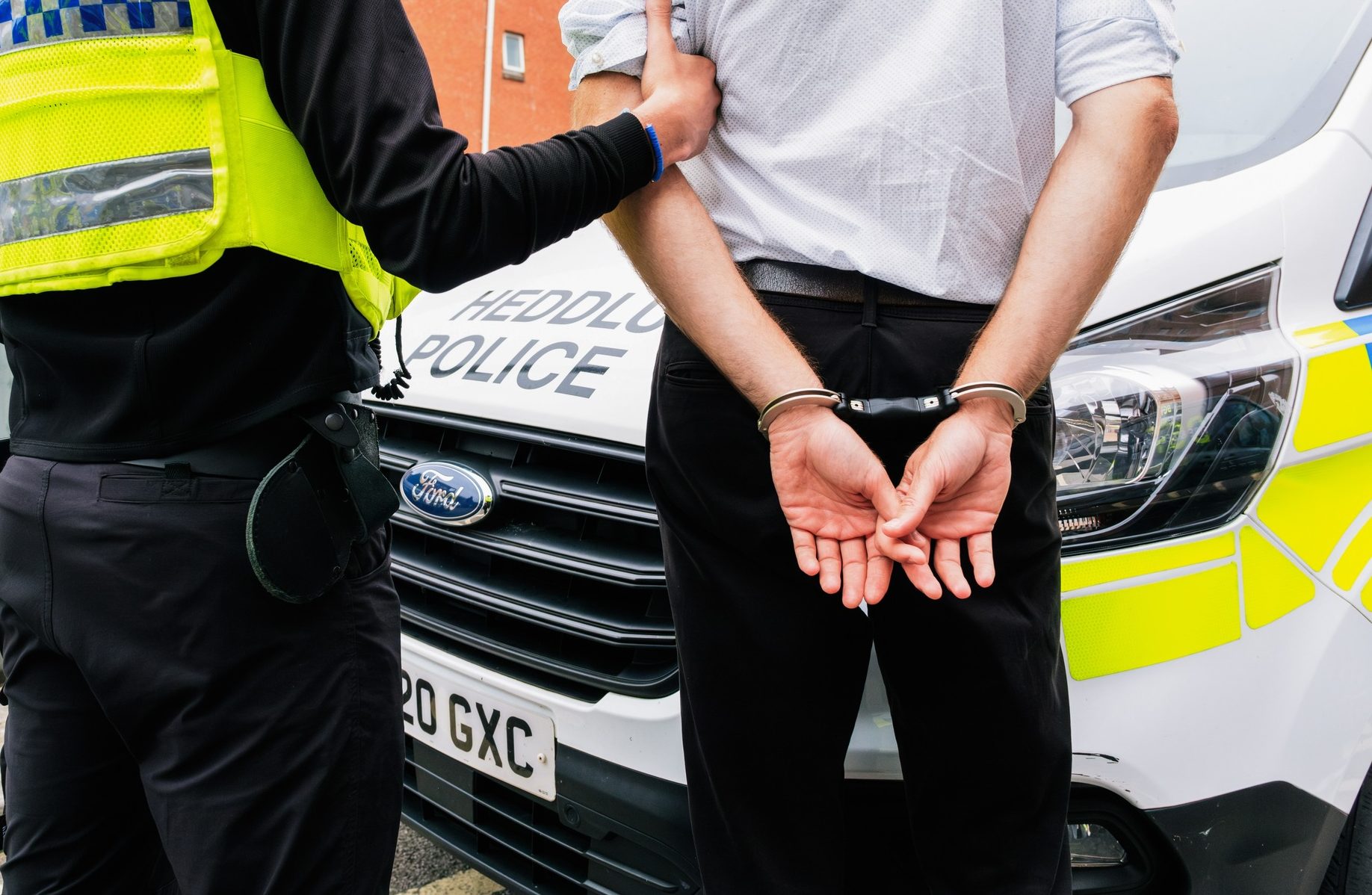
A MILFORD HAVEN man has appeared before magistrates accused of rape and sexual assault.
James Kershaw, 46, is charged with raping a woman in Milford Haven between February 1, 2013, and March 31, 2014.
He also faces a charge of sexually assaulting a female over the age of 13 by penetration with his finger between December 1 and December 30, 2012.
Kershaw appeared before Haverfordwest Magistrates’ Court on Tuesday (Jun 23) by video link and denied both charges.
Due to the seriousness of the allegations, magistrates declined jurisdiction and sent the case to Swansea Crown Court, where Kershaw is due to appear for a pre-trial hearing on July 24.
He was released on conditional bail, with the sole condition that he must not contact the complainant.
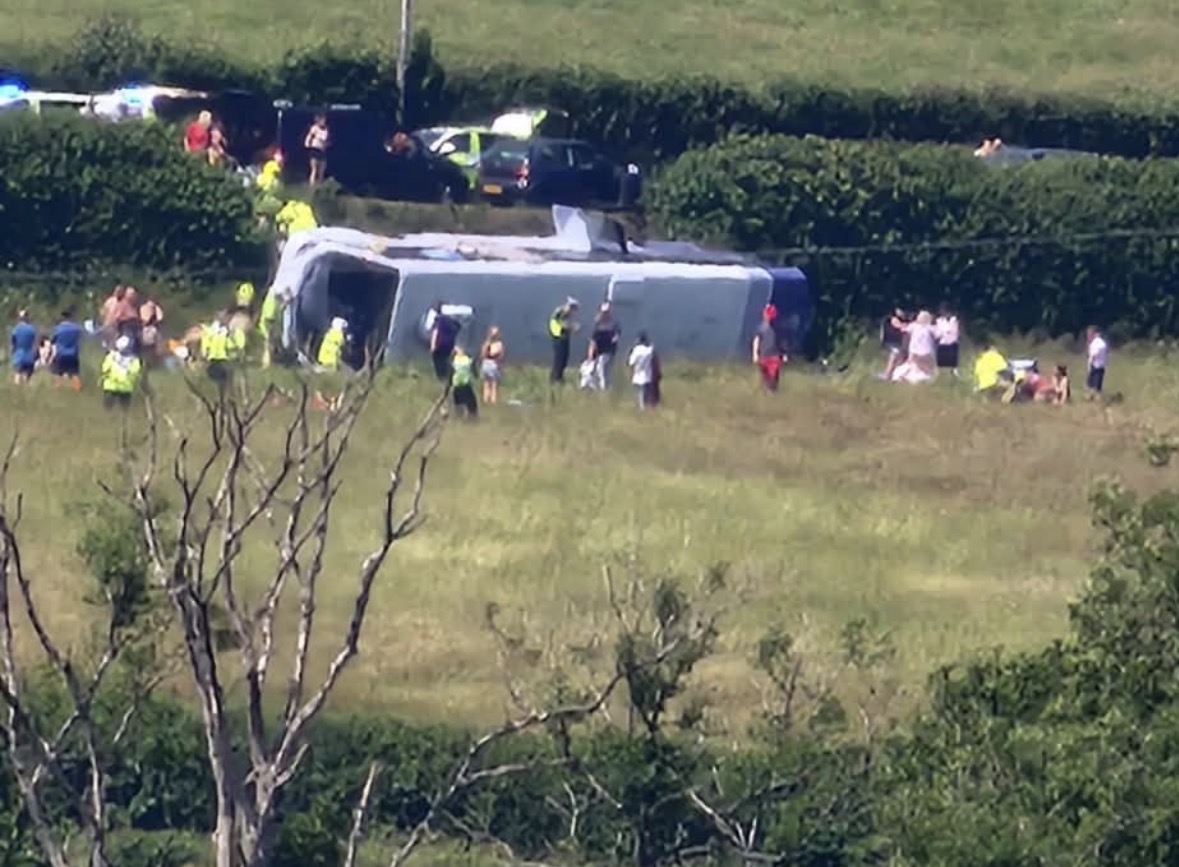
All passengers rescued as emergency services remain at scene
A BUS overturned on the A484 between Kidwelly and Ferryside on Tuesday (Jun 23), prompting a major emergency response and lengthy road closures.
The incident happened shortly after 12:20pm near the Kidwelly roundabout at Parc y Bocs.
Emergency services, including firefighters from Kidwelly, Carmarthen and Tumble, were sent to the scene following reports of a serious collision involving the bus.
Mid and West Wales Fire and Rescue Service confirmed that all passengers were safely removed from the vehicle.
A spokesperson said: “All passengers have been safely removed from the bus and are receiving appropriate care.”
A rest centre has been established at the John Burns Centre in Kidwelly, where welfare arrangements are being made for those involved.
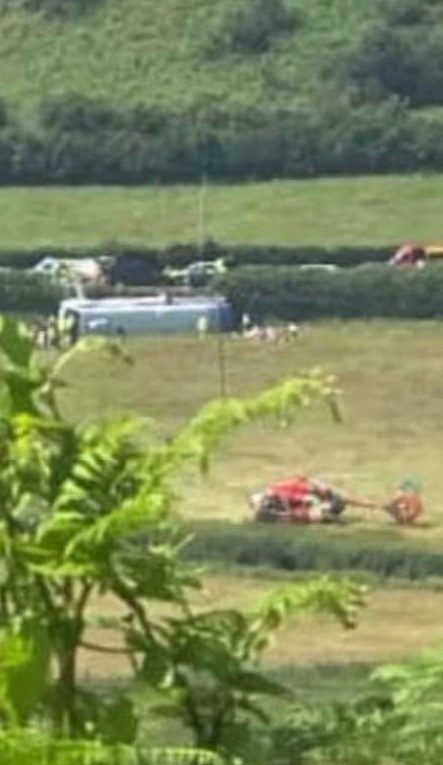
The scale of the incident led Dyfed-Powys Police to declare a major incident earlier in the day, with officers urging members of the public to avoid the area.
The A484 remains closed between the Kidwelly roundabout at Parc y Bocs and Llandyfaelog while emergency services continue their response and carry out investigations into the cause of the crash.
Police, ambulance and fire crews remain at the scene.
Motorists are being advised to find alternative routes and are warned that the road is expected to remain closed for a considerable time.
Emergency services have also issued advice for drivers caught in congestion during the hot weather, urging people to stay hydrated, keep vehicles ventilated and never leave children, vulnerable adults or pets inside parked vehicles.
The cause of the incident has not yet been confirmed.

The Herald will provide further updates as more information becomes available.



News3 hours ago
Bus overturns in major incident near Kidwelly
All passengers rescued as emergency services remain at scene A BUS overturned on the A484 between Kidwelly and Ferryside on...


Community1 day ago
Tenby Summer Spectacular cancelled amid council row over harbour access
Organisers say popular charity events cannot safely go ahead without clear powers to control crowds TENBY ROUND TABLE has announced...


News1 day ago
Motorcyclist dies after four-vehicle crash on A40 in Carmarthenshire
A MOTORCYCLIST has died following a four-vehicle collision on the A40 between St Clears and Whitland. Dyfed-Powys Police said the...


News1 day ago
Rhun ap Iorwerth urges new deal for Wales after Starmer quits
First Minister says next Prime Minister must focus on greater powers, fair funding and respect for Wales’ democratic mandate FIRST...

News1 day ago
How Labour’s landslide victory unravelled in just two years
Prime Minister announces resignation after losing support within his own party as Andy Burnham emerges as overwhelming favourite to take...


News2 days ago
Long Course Weekend set to bring thousands to Pembrokeshire
Three days of swimming, cycling and running will once again transform Tenby into one of the UK’s biggest endurance sporting...

Community2 days ago
The gentle giant behind the tattoos
Pembrokeshire security worker Josh Davies praised for professionalism, kindness and proving first impressions can be wrong JOSH Davies is hard...


Charity3 days ago
Toy Story fans fill charity toy box at Haverfordwest cinema
Donations pour in for SNAP Specialist Play as families embrace Toy Story 5 launch A TOY STORY-themed charity appeal at...


Community3 days ago
Lord Rhys emerges from the mist in St Davids
Giant puppet begins historic journey marking 850 years since the first Eisteddfod MIST swirled around St Davids Cathedral on Friday...


News4 days ago
Tragic tribute paid to Haverfordwest man after A4075 collision
FAMILY REMEMBERS “KIND AND LOVING” CALLUM HANSON THE FAMILY of a 22-year-old man from Haverfordwest who died following a road...
-

 Crime5 days ago
Milford Haven man jailed for breaching domestic violence protection order
-

 News5 days ago
Crash on Freeman’s Way causes school-run chaos across Haverfordwest
-

 Crime7 days ago
Man wanted by court after failing to attend hearing over alleged shop thefts
-
 Crime7 days ago
Man banned from roads after drink-driving offence
-
 Crime7 days ago
Man jailed after admitting strangulation and assaults
-
 Crime7 days ago
Drug trafficker must repay £33,000 after court rules he made nearly £500,000
-
 Crime7 days ago
Man sentenced over stalking campaign and lock knife offence
-
 Crime7 days ago
Woman admits assaults on police officers during incident in Haverfordwest