


News
Protecting the protectors: An inside look into the service supporting the frontline of Dyfed-Powys Police

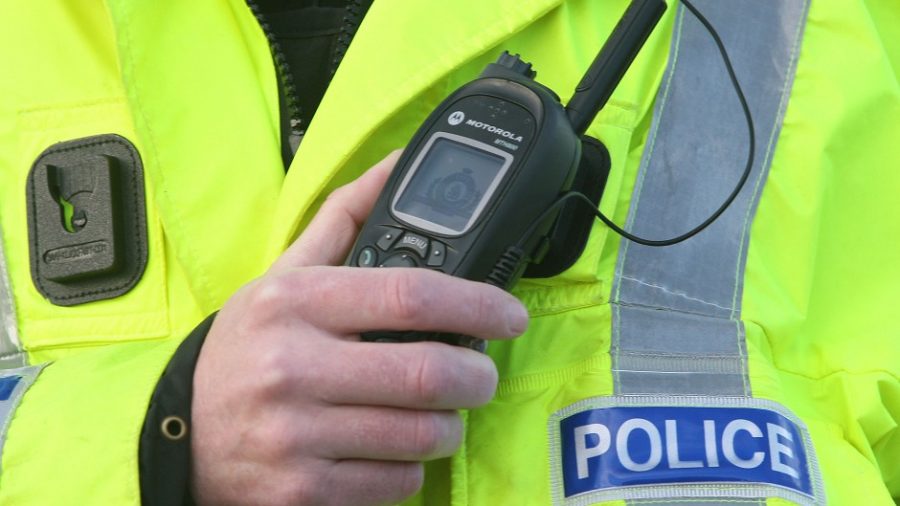
POLICE officers give their all to protect their communities – running towards danger as others run away, supporting victims and families in their darkest hours, and seeing unimaginable scenes.
But who is there for the protectors when they need back-up?
As part of Mental Health Awareness Week, Dyfed-Powys Police is sharing an insight into a previously unseen side of the force – the work the counselling service carries out in guiding officers and staff through their own struggles.
From officers painstakingly combing crime scenes for vital evidence, and investigators trawling through thousands of images on digital devices, to colleagues balancing the pressure between work and home life, Counsellor Samantha Davies and a team of 13 others around the force are there to offer guidance and support.
And Samantha explained the service is often most needed when officers least expect it.

“We often see officers who have got 20 or 30 years’ experience and don’t understand why an incident has affected them,” she said.
“Say you have an officer who has dealt with atrocities for 30-plus years, and suddenly they find themselves crying over something small. They think they’ve gone mad.
“Of course they haven’t – it’s the weight of what they’ve dealt with over the course of their career.
“It usually goes that they say they’ve dealt with worse things, they’ve seen worse things, and they don’t understand why this particular incident has bothered them.
“We work closely with them to find the trigger. It might be something in their past that they haven’t dealt with, there might be similarities with this job, or this latest incident is simply the straw that breaks the camel’s back.”
While there are formal mechanisms in place to support officers who have dealt with traumatic incidents – being the first on scene at a murder, a sudden death, or a fatal collision, for example – the need for the counselling team might come from wider impacts of the job.
The challenges of dealing with a long term investigation, months spent in exposed conditions looking for evidence, or long night shifts guarding scenes of crime to ensure evidence isn’t lost can take their toll.

As part of her role, Samantha ensures she is readily available to officers working in difficult conditions – visiting investigation sites regularly to offer support.
“It’s not always the things they’ve seen – it can be problems at home, or the pressure of being away from home for weeks on end,” she said.
“One of the biggest things we see in the counselling room is guilt. We help officers to work through this, and give them the tools to help themselves.
“With the ongoing operation in Carmarthen, before the COVID-19 restrictions were put in place, I was making sure I was on site twice a week, every week, with the force chaplain and our in-house Occupational Health Specialist team so they could see we were there if they needed us,” she said.
“Being on a site day in day out isn’t easy – if we can be there for a chat in the canteen, help clear the plates away, then officers get to know what we can offer, and are more likely to get in touch if they do need support.
“They might not need us during that particular investigation – it might be months or years down the line – but by meeting us at that time, they know we’re here.”
While Samantha sometimes faces reluctance from officers in accepting that they need a counselling session, she is able to strip away layers of bravado from those saving face from their colleagues.
“You do get a bit of banter between some officers – particularly when we carry out specialist unit reviews,” she said. “They’ll be in the waiting room making jokes about it, but when they come in, it changes.
“They might be worried that their line manager has to know they’ve had a session, or that I could take their firearms license away, for example, but that’s not what I’m here for. Once they realise what we’re about – that we’re not candles and whale music – they start to open up about things.
Nearly a year into her position at Dyfed-Powys Police, Samantha is realising a career dream stemming from her childhood, growing up in a policing family.
“My dad was an officer for 30 years,” she said. “When I was young, he used to tell me lots of gory stories, which I loved, and they gave me an insight and understanding into what they face.
“While he told me what he’d seen, he would never tell my mum. She didn’t work for the force, and he didn’t want to burden her with the things he had seen – that’s still true of officers today. They carry the weight of what they have seen and heard on shift, and often have nobody to offload to.
“He fully supported me when I said I wanted to be a counsellor. He was old fashioned, and would say in front of others that people need to pull their socks up, but quietly he would sit with me and say that things had changed since he left the job. They used to go to the pub and talk things through – he knew that didn’t happen anymore, and that people need somewhere to talk.
“I absolutely love my role. When someone says they wouldn’t have got through something without support, it absolutely humbles me. It brings me to tears.”














Court hears shop theft was a ‘split-second decision’ while family finances were under pressure
A HAVERFORDWEST man who stole more than £90 worth of groceries from Iceland has been sentenced after a court heard he was struggling to support his family during the cost-of-living crisis.
Michael Tomlin, 41, of Coronation Avenue, Haverfordwest, entered the town’s Iceland store on March 21 and removed a number of items from the shelves before leaving without paying.
Staff witnessed the incident and CCTV footage later showed Tomlin exiting the store without making any attempt to pay for the goods. The total value of the stolen items was £93.62.
Tomlin appeared before Haverfordwest Magistrates’ Court this week, where he pleaded guilty to theft.
Representing him in court, solicitor Alaw Harries said Tomlin and his wife had been experiencing significant financial difficulties while trying to provide for their two young children.
“At the time, he and his wife were struggling financially while trying to support their two young children,” she said.
“But the weekly food shop has become more difficult. When he entered the store, he fully intended to pay for the items, but it was a foolish, split-second decision that he made to steal.”
The court heard that Tomlin made a full admission when interviewed by police.
Magistrates fined him £80 and ordered him to pay £93.62 compensation to Iceland. He was also ordered to pay £85 court costs and a £32 victim surcharge.


A 35-YEAR-OLD man stole almost £800 worth of goods from Tesco Extra in Haverfordwest to fund his alcohol and gambling addictions, a court has heard.
Five thefts from same store
Luke Brunton, 35, visited the store on five separate occasions between February and May 2025, taking items including pillows, duvets, Lego sets, Pokémon cards, alcohol, crisps and a saucepan set.
The first theft took place on February 27, when Brunton stole four packs of pillows, a double duvet, a cool pillow, a cuddle cushion, a Batman Lego set and a BMW Lego set, worth £167.50.
On March 1 he returned and stole Pokémon cards valued at £144. Three days later, he stole Baileys, vodka, Jack Daniel’s, three pillows, crisps and a saucepan set, worth £192.69.
The final offence took place on May 21, when Brunton again stole alcohol, pillows and toilet roll. The value of those items was not given to the court.
Addictions reduced
Brunton, of St Lawrence Close, Hakin, Milford Haven, appeared before Haverfordwest magistrates this week, where he pleaded guilty to five charges of theft.
The court was told the offences also breached a conditional discharge imposed by Kent Court for previous theft matters.
His solicitor, Michael Kelleher, said: “At the time, he was drinking to excess and was also gambling to excess.
“The shoplifts funded those habits, both of which were addictions.”
Mr Kelleher said Brunton’s drinking and gambling had significantly reduced since the offending.
Brunton was sentenced to a 24-month community order. He must complete 15 rehabilitation activity requirement days and 66 hours of unpaid work.
He must also pay £761.79 compensation to Tesco, a £114 surcharge and £85 costs.

Driver was heading home after visiting former girlfriend when police stopped him on the A477
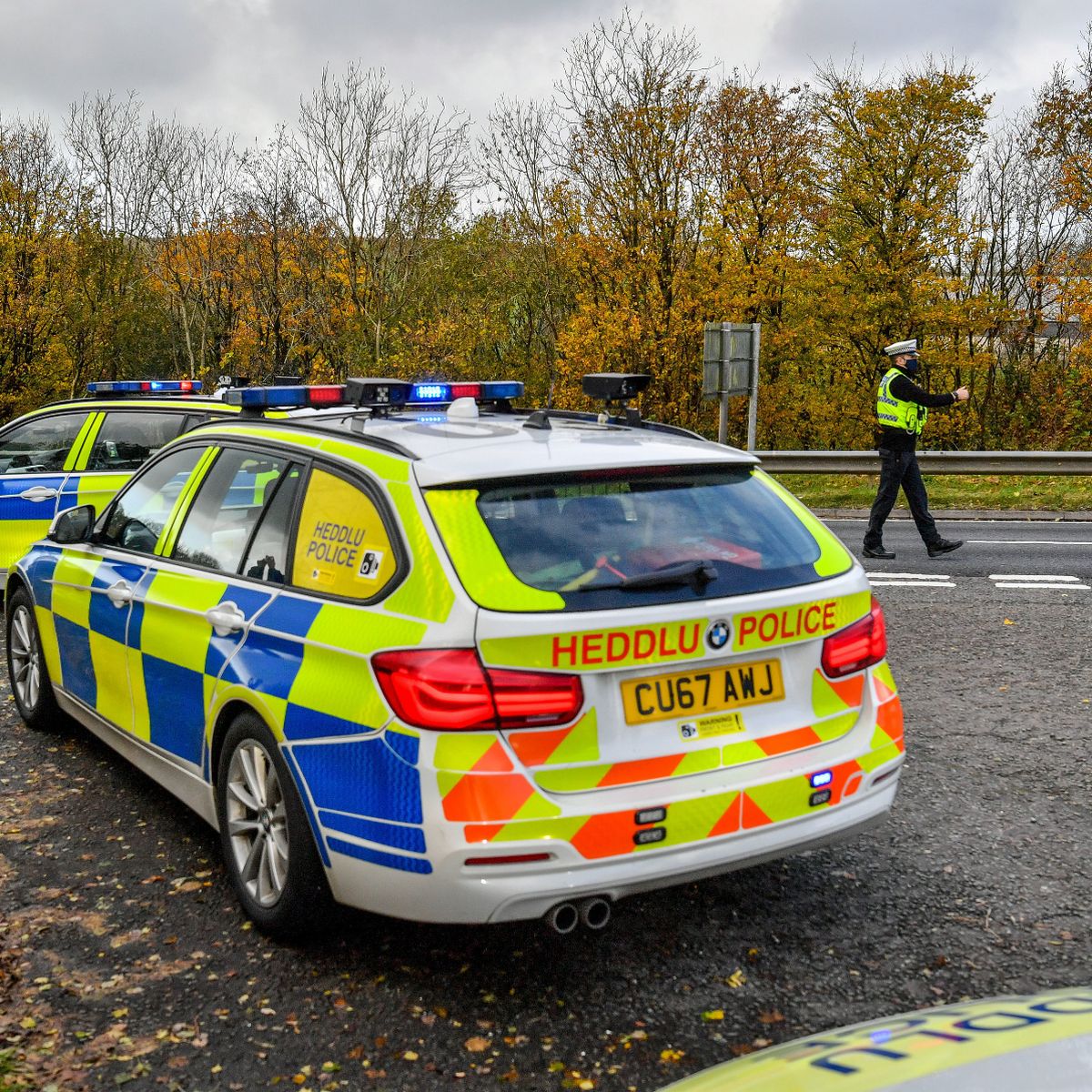
A WEST London motorist has been banned after being caught driving on the A477 in Broadmoor with a cocaine metabolite and cannabis in his system.
Danny Small, 32, was stopped by police carrying out routine checks at around 11:30am on January 28.
After providing a positive roadside drug swipe, Small was taken to a police station, where blood tests showed he had 157mcg of benzoylecgonine in his system. The legal limit is 50mcg.
He also had 2.9mcg of Delta-9 tetrahydrocannabinol in his system. The legal limit is 2mcg.
Small, of Little London Close, Uxbridge, appeared before Haverfordwest Magistrates’ Court this week, where he pleaded guilty to two drug-driving offences.
Probation officer Julie Norman told the bench that Small had been visiting his former girlfriend in Pembrokeshire and was driving home to Uxbridge at the time of the offence.
Ms Norman said Small was a regular cannabis and cocaine user.
“This helps treat his undiagnosed ADHD,” she said.
“He didn’t think the drugs would still have been in his system, as he’d consumed the drugs several days earlier. But drugs can often remain in the system for several weeks.”
Small was sentenced to a 12-month community order, during which he must complete 15 rehabilitation activity requirement days.
He was fined £80 and ordered to pay a £114 court surcharge and £85 costs. He was disqualified from driving for 15 months.



Community15 hours ago
Manorbier fire scandal: Council’s payout just £63,777 after school destroyed
PEMBROKESHIRE COUNTY COUNCIL has accepted an insurance settlement which leaves it with just £63,777.07 after the catastrophic fire which destroyed...


News24 hours ago
Bus overturns in major incident near Kidwelly
All passengers rescued as emergency services remain at scene A BUS overturned on the A484 between Kidwelly and Ferryside on...


Community2 days ago
Tenby Summer Spectacular cancelled amid council row over harbour access
Organisers say popular charity events cannot safely go ahead without clear powers to control crowds TENBY ROUND TABLE has announced...


News2 days ago
Motorcyclist dies after four-vehicle crash on A40 in Carmarthenshire
A MOTORCYCLIST has died following a four-vehicle collision on the A40 between St Clears and Whitland. Dyfed-Powys Police said the...


News2 days ago
Rhun ap Iorwerth urges new deal for Wales after Starmer quits
First Minister says next Prime Minister must focus on greater powers, fair funding and respect for Wales’ democratic mandate FIRST...


News2 days ago
How Labour’s landslide victory unravelled in just two years
Prime Minister announces resignation after losing support within his own party as Andy Burnham emerges as overwhelming favourite to take...


News3 days ago
Long Course Weekend set to bring thousands to Pembrokeshire
Three days of swimming, cycling and running will once again transform Tenby into one of the UK’s biggest endurance sporting...


Community3 days ago
The gentle giant behind the tattoos
Pembrokeshire security worker Josh Davies praised for professionalism, kindness and proving first impressions can be wrong JOSH Davies is hard...


Charity4 days ago
Toy Story fans fill charity toy box at Haverfordwest cinema
Donations pour in for SNAP Specialist Play as families embrace Toy Story 5 launch A TOY STORY-themed charity appeal at...


Community4 days ago
Lord Rhys emerges from the mist in St Davids
Giant puppet begins historic journey marking 850 years since the first Eisteddfod MIST swirled around St Davids Cathedral on Friday...
-

 Crime6 days ago
Milford Haven man jailed for breaching domestic violence protection order
-

 News6 days ago
Crash on Freeman’s Way causes school-run chaos across Haverfordwest
-

 Health4 days ago
Woman jailed assaults on police, harassment and XL Bully possession
-

 Crime4 days ago
Milford Haven woman spared jail despite string of shop thefts
-
 Crime6 days ago
Portfield Gate man faces careless driving allegation after Tufton crash
-
Community3 days ago
The gentle giant behind the tattoos
-

 Local Government6 days ago
Pembrokeshire faces accessible housing shortage as 403 people wait for homes
-

 News7 days ago
Brexit at 10: How Britain was sold a dream that cost us dearly