


Politics
Cummings slates Government, Johnson, and Hancock

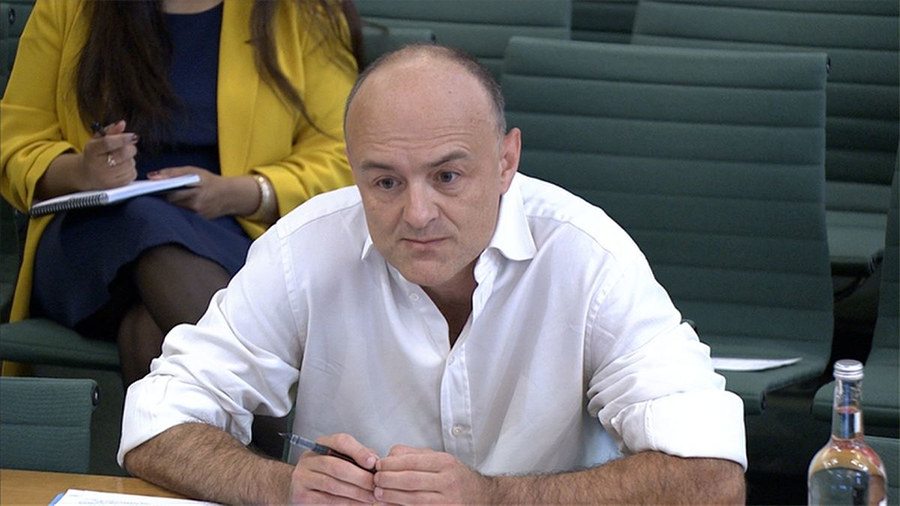
“THE TRUTH is that senior ministers, senior officials, senior advisers like me fell disastrously short of the standards that the public has a right to expect of its Government in a crisis like this.
“When the public needed us most, the Government failed.
“I would like to say to all the families of those who died unnecessarily how sorry I am for themistakes that were made and for my own mistakes at that.”
Dominic Cummings’ opening statement to the Covid-19: Lessons Learned Committee of the House of Commons is an attention-grabbing one.
The rest of his evidence was no less damning of Westminster’s response in the early days of the pandemic.

It revealed a government in which discussions at Cobra meetings, supposedly the most secure and confidential of briefings, were routinely leaked to the media. It showed a PM who went away on holiday as the crisis broke. The Government failed to follow the logic of the science presented to it and took weeks to understand the pandemic’s capacity to overwhelm the NHS.
And – as Mr Cummings said – ‘unbelievably’ we have a government whose response to the crisis at a critical time was put on the back burner to deal with a complaint by the PM’s fiancé about a disobliging story about her dog.
CUMMINGS HAS PAPER TRAIL
Suppose Mr Cummings, like so many others, made his assertion without a paper trail. In that case, his remarks could be interpreted as so much self-serving nonsense and a study in revenge. However, he has the paperwork, the email trail, the journal entries, the secret WhatsApp chats to back up his account.
His story got extra heft by his clear expression of regret that he had not obtained an independent view of the Government’s data earlier. When he did deliver data to those outside Downing Street, the extent of the crisis became apparent.
He made it clear the Government could have got better insight sooner and taken steps towards lockdown six weeks before it did.
The Prime Minister maintained ‘this new swine-flu thing’ was less of a risk than economic damage from overreaction throughout February, even as infections and deaths escalated.

However, the data was wrong. According to Mr Cummings, had the models been checked against live data from Intensive Care Units concerning Covid infections, it would’ve been evident the models presented to the Government and upon which it based its decisions were totally flawed.
NO PLANNING
In a withering assessment, Dominic Cummings said the more people criticised the plan, or lack of one, the more people on the inside believed their critics lacked knowledge.
If there’d been proper scrutiny and interrogation of what Ministers were being told, “we would have figured out at least six weeks earlier that there was an alternative plan”.
The original plan, he said, was “complete garbage”.
More than that, the Department of Health’s ‘plan’ amounted to no more than a press release.
The Department of Health was ’a smoking ruin’, he claimed. There was no plan for shielding, support, emergency procurement. The Department of Health failed to appreciate the size of the crisis and stuck to its normal procurement channels until it was almost out of PPE. The Department of Health refused to buy ventilators because their price had risen.
He suggested a proposal – seriously advanced for consideration – that people hold the equivalent of ‘chickenpox parties’ was met with disbelief by scientists who had to point out that chickenpox was not killing hundreds of thousand people worldwide.
HANCOCK BRANDED A LIAR
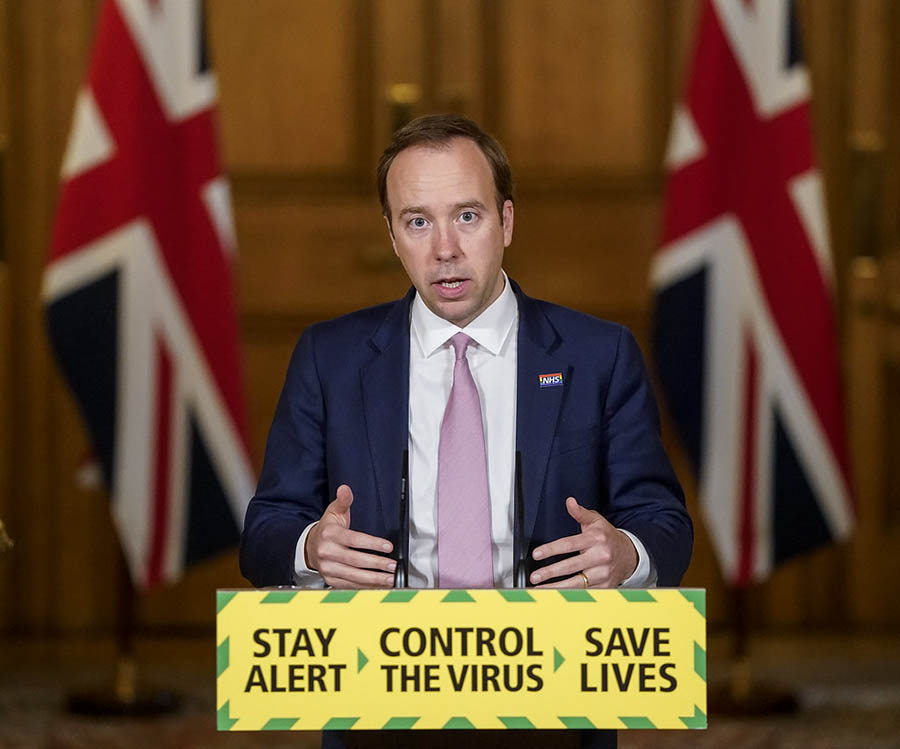
Dominic Cummings turned personal fire onto Matt Hancock, who remains the Secretary of State for Health.
He accused Mr Hancock of lying and that the Health Secretary’s conduct merited his instant dismissal.
He had earlier mentioned the Health Secretary’s denial that the Government pursued a herd immunity policy that formed a vital element of the Government’s then-approach.
Dominic Cummings said Matt Hancock “for lying to everybody in multiple occasions in meeting after meeting in the cabinet room and publicly”.
Crucially, Mr Cummings said the Cabinet Secretary (Mark Sedwill, the UK’s most senior civil servant) told him and the Prime Minister that he did not trust Matt Hancock to be truthful. He had notes of the meeting in which that remark was made.
Mark Sedwill, Mr Cummings claimed, told Boris Johnson that the cabinet system was not set up to deal with a minister like Matt Hancock, who – he alleged Mr Sedwill said – repeatedly lied in meetings.
He alleged Mr Hancock deliberately delayed implementing a proper track and trace system to meet an arbitrary testing target.

JOHNSON DUCKS THE QUESTIONS
As the Committee took a break, Prime Minister’s Questions opened in the House of Commons.
Asked about Dominic Cummings’ evidence, the Prime Minister failed to deny key allegations from it when asked by opposition leader Kier Starmer.
Instead, Boris Johnson deflected the questions by referring to a public inquiry. Mr Johnson refused to give a date for that inquiry’s start.
Mr Johnson seemed to decide poking the hornets’ nest would invite further disclosures from Mr Cummings, more damning than the testimony already given.
The picture Mr Cummings painted was chaos at the heart of Government, institutional complacency, lack of expertise in the key departments, and – tellingly – a Prime Minister and Cabinet with only a tenuous grasp on the urgency of the situation.
Given a chance to plan for different scenarios and allocate adequate resources, the Prime Minister and other key ministers preferred to look on the sunny side, hope for the best, and expect something to turn up.
The PM took his opportunity to have a holiday.
Nothing Mr Cummings said was more telling than his revelation that the reason the UK did not enter lockdown sooner was the Government – including the civil service – did not have a plan. The part of the civil service supposed to deal with civil emergencies couldn’t cope because it lacked expertise in the response it was supposed to handle. Planning was always based on a peak of the virus twelve weeks in the future from the date of any meeting.
The pandemic’s first wave peaked in late April. The Government, as late as March 14, planned for a peak in June.
JOHNSON LIKE THE MAYOR IN JAWS
Mr Cummings’ account of a shielding plan drawn up over two all-night brainstorming sessions after the lockdown’s announcement was hair-raising. At the eleventh hour it emerged the UK hadn’t taken account of vulnerable groups’ protection.
As the pandemic raged and demands made to put a brake on overseas travel, Dominic Cummings claimed the PM didn’t want one. He painted a picture of a media-obsessed Boris Johnson swayed by press campaigns against taking preventative action.
Mr Cummings explained Mr Johnson’s behaviour was like the Mayor’s in Jaws. He wanted to keep the beach open, even as the shark ate the swimmers.
On a broader topic, Dominic Cummings criticised a ‘crackers’ political system that allowed people like him and Boris Johnson to exercise such power during an emergency when they were unqualified to deal with one.
Mr Cummings’ tarter observations about the ability of the UK’s political parties included a stinging attack on how political parties select and support their leaders.
To summarise his view: he suggested the problem with the political system in this country is that voters had a choice between people like Jeremy Corbyn and Boris Johnson at the last election.
He concluded from that statement that the parties need to look at themselves to find out why they put ‘that sort of person’ forward for office.
That’s an issue beyond the current inquiry’s scope. ‘Teflon Al Johnson’ will be very grateful it is after Wednesday’s hearing.



Rhun ap Iorwerth says he will press the new Prime Minister for powers over policing, railways and Wales’ natural resources when the two leaders meet.
FIRST MINISTER Rhun ap Iorwerth has said he believes Andy Burnham is more willing to listen to Wales’ demands for further devolution than his predecessor, Sir Keir Starmer.
The Plaid Cymru leader is expected to hold an introductory meeting with the new Prime Minister on Thursday, following a telephone conversation between the pair earlier this week.
Mr ap Iorwerth said he hoped the change in leadership at Westminster would provide an opportunity to take Welsh devolution to the “next level”.
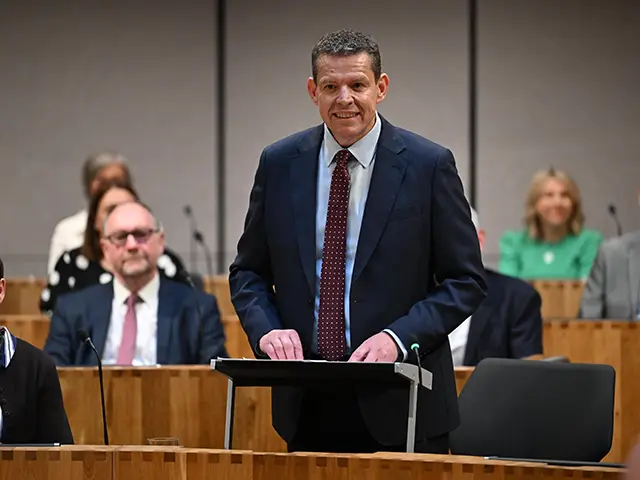
Speaking to BBC Radio 4’s Today programme on Wednesday, he said: “I had a conversation with Andy Burnham yesterday, congratulated him on becoming Prime Minister, and we both made it clear to each other that we wanted to have a positive relationship, a constructive relationship.
“I know that he understands devolution for Manchester. I want to help him understand what devolution means in Wales and what tools we need to make it work better.”
The First Minister said his government had been elected with a mandate to seek greater control over policing and justice, rail services and funding, as well as Wales’ natural resources.
He said: “There is a list, if you like, of things that we need to devolve now in order to move the story of Wales, the story of devolution, on to the next level.
“It’s clear that we now have a Prime Minister who is open to listening, perhaps in a way that Keir Starmer wasn’t, and I’m eager to do everything that I can to make the case for Wales.”
A planned meeting between Mr ap Iorwerth and Sir Keir failed to take place before the former Prime Minister left office, with the First Minister previously blaming “chaos in Westminster”.
Plaid Cymru formed the Welsh Government in May after ending more than two decades of Welsh Labour rule at the Senedd election.
Mr Burnham has extensive experience of devolved government after serving as Mayor of Greater Manchester, where he repeatedly called for greater powers and funding to be transferred away from Westminster.
However, the new Prime Minister has sought to play down the prospect of major constitutional reform.

During conversations with the leaders of Wales, Scotland and Northern Ireland on Tuesday, Mr Burnham said his immediate focus would be on “practical measures” rather than constitutional changes or further independence referendums.
Mr ap Iorwerth supports Welsh independence but has said his government will not seek to hold an independence referendum during its first term.
Thursday’s meeting is expected to focus on the working relationship between the Welsh and UK governments, as well as funding, transport and the future balance of devolved powers.
Welsh Labour urges Plaid Cymru Government to match Prime Minister Andy Burnham’s cost-of-living measure
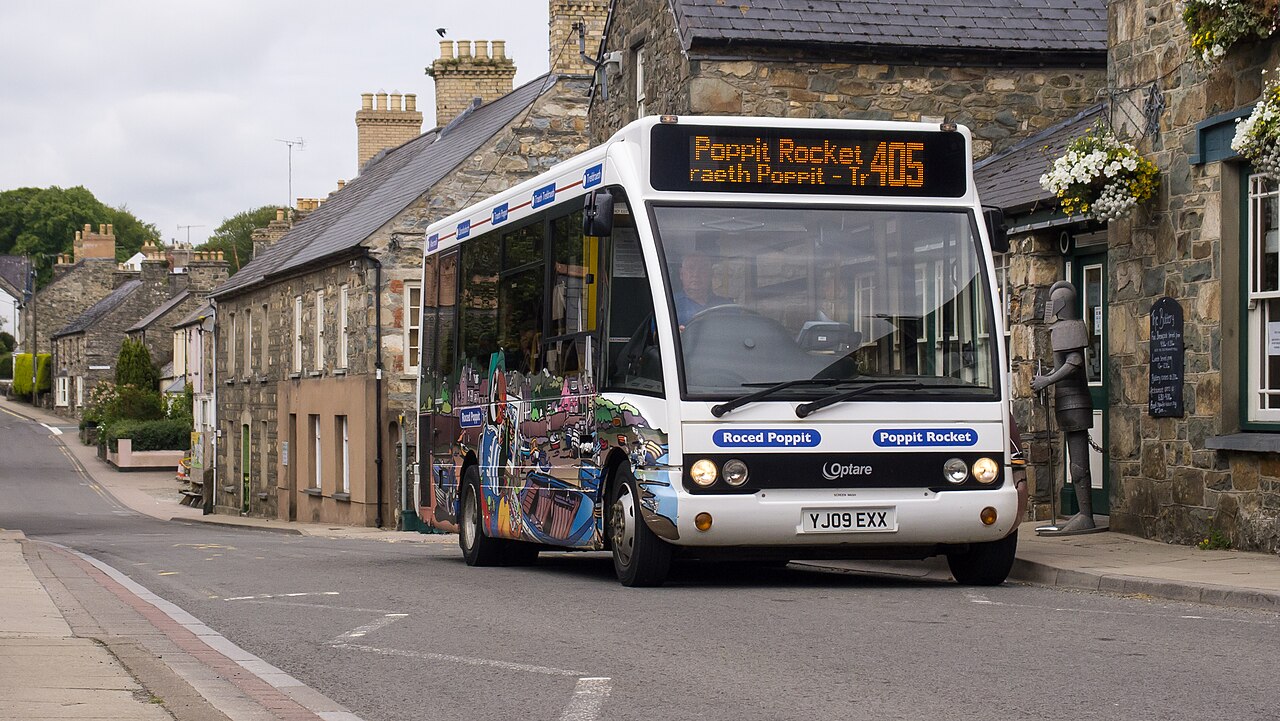
BUS passengers in Wales could be left paying more than people across the border after the UK Government announced a new £2 cap on single fares in England.
Prime Minister Andy Burnham confirmed on Wednesday (July 22) that eligible single bus journeys in England will be capped at £2 from January 1, 2027.
The measure, which will run throughout 2027, will reduce the existing maximum fare from £3 and is being presented as one of the new Prime Minister’s first steps to ease pressure on household finances.
However, transport policy is devolved, meaning the announcement will not automatically reduce fares in Wales.
Welsh Labour leader Ken Skates has now called on the Plaid Cymru-led Welsh Government to introduce its own £2 limit, warning that passengers in Wales risk paying more than those making comparable journeys in England.
Mr Skates said: “It’s great to see the new Prime Minister Andy Burnham acting quickly to give families some breathing space with the cost of living.
“Introducing a £2 bus fare cap in Wales is of course a decision for the Welsh Government. That’s why Welsh Labour had a manifesto commitment to do just that.
“This Plaid Cymru Government should urgently look to introduce a cap in Wales. Otherwise people in Wales will be left paying more for bus travel than our neighbours across the border.”
The UK Government said its scheme would be supported by an additional £454m, including funding for the devolved governments.
That could provide additional resources for Wales, although it will be for Welsh ministers to decide whether any funding received is used to match the £2 fare cap or spent elsewhere.
The distinction is particularly important in rural and coastal communities, where passengers often travel longer distances to reach employment, hospitals, education and essential services.
In Pembrokeshire, Ceredigion and Carmarthenshire, limited routes and less frequent services already mean many residents have little choice over when or how they travel. Without a national fare ceiling, the price of journeys can also vary considerably between routes and operators.
Wales currently has a £1 single fare and £3 day-ticket scheme for children and young people aged between five and 21 on participating services. People aged 60 and over, along with eligible disabled passengers, can also travel free using concessionary passes.
However, most passengers aged between 22 and 59 are not covered by a national single-fare cap.
Before May’s Senedd election, Welsh Labour promised to introduce a £2 limit for adult single journeys and create 100 additional bus routes if it formed the next Welsh Government.
Plaid Cymru instead pledged to continue the £1 youth scheme and concessionary passes while expanding tap-on, tap-off ticketing and introducing daily fare caps across bus and rail services.
The new Welsh Government has not yet announced that it will introduce a universal £2 single fare.
The row is likely to increase pressure on ministers to explain whether Wales will match the English scheme before it begins in January, particularly if additional funding is provided to Cardiff as part of the UK Government’s package.
Announcing the English cap, Mr Burnham said affordable transport was essential and that nobody should be priced out of access to employment, education, healthcare or family.
The Prime Minister said: “Lower fares will help people get to where they need to, giving them breathing space to help with the cost of living.”
For passengers in Wales, the question is now whether the same breathing space will be offered on this side of the border.

Stephen Kinnock enters Cabinet promising to champion Wales as pressure grows for further devolution
FORMER Labour leader Lord Neil Kinnock has spoken of his pride after his son, Stephen Kinnock, was appointed Secretary of State for Wales.
The Aberafan Maesteg MP was promoted to the Cabinet by new Prime Minister Andy Burnham on Monday (July 20), replacing Cardiff East MP Jo Stevens.
It is Mr Kinnock’s first Cabinet position, having previously served as a health minister in the UK Government.
Lord Kinnock, who led Labour between 1983 and 1992, said his son was “thrilled to bits” when they spoke late on Monday night.
He told BBC Radio Wales Breakfast: “We had our midnight conversation, not the first in our lives it has to be said, and usually that was because he came home late.
“It was a delight.”
Lord Kinnock, 84, said his son had earned the appointment through “a lifetime of action and service” and would now be able to influence UK Government decisions affecting Wales directly.
Stephen Kinnock described becoming Welsh Secretary as “the privilege of my life” and promised to provide a strong voice for Wales around the Cabinet table.
He said he would work with the Welsh Government, councils and institutions across the country to secure better outcomes for Welsh communities.
Mr Kinnock added: “Wales succeeds when we all pull in the same direction.
“As Welsh Secretary, I will ensure that the Wales Office continues to champion Wales within the UK Government and that the needs of the Welsh people are prioritised.”
He said his ambition was to help build “a strong Wales within a strong United Kingdom”, with economic growth reaching communities across the country.

The appointment comes at a politically important time for Labour following the party’s heavy defeat in the Senedd election in May.
Plaid Cymru now leads the Welsh Government under First Minister Rhun ap Iorwerth, while Welsh Labour is attempting to rebuild under its new leader, Ken Skates.
Gower MP Tonia Antoniazzi described the Cabinet reshuffle as a “brutal 24 hours” for some Labour colleagues.
She said Mr Burnham and Mr Kinnock faced the task of winning back voters who had switched from Labour to Plaid Cymru or Reform UK.
The new Welsh Secretary is also likely to face immediate pressure over further devolution.
During his first conversation with Mr Burnham as Prime Minister, Mr ap Iorwerth called for powers over policing, justice, rail infrastructure and the Crown Estate to be transferred to Wales.
The First Minister said the change of leadership at Westminster presented an opportunity to redefine relations between the UK and Welsh governments.
He urged Mr Burnham to turn his support for devolution into action by strengthening the Senedd rather than bypassing it.
Downing Street said the Prime Minister wanted a “collaborative, practical and pragmatic” relationship with the devolved administrations.
Plaid Cymru’s Westminster leader, Liz Saville Roberts, congratulated Mr Kinnock but repeated her party’s view that the position of Welsh Secretary had become an “anachronism” following devolution.
She said Plaid would nevertheless seek a constructive working relationship with him and press the UK Government over rail funding, the Crown Estate, justice and policing.
Ms Saville Roberts said Plaid’s Senedd election victory had given it a clear mandate which Westminster should respect.
Jo Stevens held the Welsh Secretary post from July 2024 until Mr Burnham’s reshuffle.
She said serving in the role had been “a privilege and an honour” and pointed to what she described as major achievements during her time in office.
These included a record devolution-era funding settlement for Welsh public services, support for the steel industry, investment in a proposed new nuclear development at Wylfa and a £14bn commitment for Welsh railways.
Ms Stevens wished both the new Prime Minister and her successor well, saying she believed they would work with Ken Skates to deliver for Wales.
Who is Stephen Kinnock?
Stephen Kinnock was born in Tredegar in 1970 and is the son of Neil Kinnock and the late Glenys Kinnock, who served as an MEP, government minister and member of the House of Lords.
He is married to former Danish prime minister Helle Thorning-Schmidt, with whom he has two children.
Before entering Parliament, he worked for the British Council and held senior roles in international business and public affairs.
He was first elected as MP for Aberavon in 2015 and continued to represent the area when the constituency became Aberafan Maesteg following boundary changes.
Mr Kinnock served as a junior health minister after Labour returned to power at Westminster in 2024.
He now takes charge of the Wales Office and becomes Wales’ principal representative within the new Prime Minister’s Cabinet.


Crime18 minutes ago
Haverfordwest man jailed for seven years for historic rape and sexual assault of girl
A HAVERFORDWEST man has been jailed for seven years after being convicted of raping and indecently assaulting a girl during...


News5 hours ago
Burnham more willing to listen on Welsh devolution, says First Minister
Rhun ap Iorwerth says he will press the new Prime Minister for powers over policing, railways and Wales’ natural resources...

Crime9 hours ago
Women jailed after man chased through Milford home and attacked with knives
Kelly Rees receives further 27-month sentence while already serving prison term for notorious taxi robbery TWO women have been jailed...


Crime11 hours ago
Mother headbutted and clawed police officers after threatening social worker
Court shown body-worn footage of violent confrontation at Goodwick property A COURT has been shown police body-worn footage capturing the...


Crime1 day ago
Man, 37, found dead following major police response in Pembroke Dock
Death not being treated as suspicious as police make statutory referral to IOPC following active investigation A 37-YEAR-OLD man has...

Community1 day ago
Household Cavalry drum horse returns home to Pembrokeshire for final farewell
Dyfed Willa Rose, who became Major Juno and the first mare to serve as a Household Cavalry Drum Horse, was...

News2 days ago
Jo Stevens out as Welsh Secretary as Burnham reshapes government
Cardiff East MP repeatedly visited Pembrokeshire to champion clean energy jobs, but her successor inherits unresolved questions over Milford Haven’s...

Crime2 days ago
Teen cleared of attempted murder but guilty of GBH after Milford teacher stabbed
Jury returns 11-1 majority verdict on charge of causing grievous bodily harm with intent, with sentencing set for September 3...

Community2 days ago
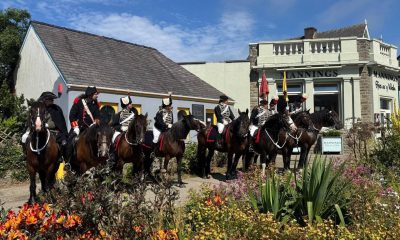
French troops march through Fishguard as Britain’s last invasion returns to life
Battle scenes, cavalry displays and a surrender procession brought one of Pembrokeshire’s most extraordinary stories back to the streets MUSKET...
News2 days ago
Andy Burnham promises new politics as he enters Downing Street
New Prime Minister admits politicians have “not been good enough” as he sets out a ten-year plan for Britain and...
-
 Crime11 hours ago
Drunken rail passenger tried to headbutt police after being refused travel
-

 featured1 day ago
From a father-and-son project to an award-winning campervan business
-
Crime9 hours ago
Women jailed after man chased through Milford home and attacked with knives
-
Community1 day ago
Household Cavalry drum horse returns home to Pembrokeshire for final farewell
-
Crime11 hours ago
Mother headbutted and clawed police officers after threatening social worker
-
 Local Government1 day ago
Consultation over electoral changes to eight Pembrokeshire community councils
-
News5 hours ago
Burnham more willing to listen on Welsh devolution, says First Minister
-
 Crime2 days ago
Mynachlog-ddu man handed suspended sentence for assaulting child