


News
Stepaside residents win High Court permission for council planning challenge


LAST WEEK (June 22), Stepaside and Pleasant Valley Residents Group (SPVRG) won High Court approval to challenge a PCC planning permission at the Heritage Park, Pleasant Valley, Stepaside.
On 3 March 1987 a planning permission was granted at the Heritage Park site in Pleasant Valley. In order to overcome local residents’ opposition to over-development of the site, it restricted caravans to the south of the site. It changed the use of the north to car parking only, extinguishing all rights for tents and caravans. A separate legal agreement was also signed, confirming this change and binding all future owners of the site to comply.
Unfortunately, PCC mislaid all these records from 1987 and so in 2016 they wrongly granted permission for 29 caravans in the north of the site.
Since January this year SPVRG has made repeated requests to PCC regarding the planning permissions relating to the Stepaside Industrial Heritage Project from the 1980s. Finally, PCC found the mislaid 1987 details on 11 May 2021.
However, two weeks later, on 27 May 2021, PCC proceeded to grant permission for even larger caravans in the north of the site without considering either of the rediscovered 1987 planning permission or legal agreement.

On 22 June 2021 the High Court in Cardiff, overruling PCC’s objections, granted permission for SPVRG to challenge the 2021 permission for failing to take account of the 1987 events and for six other reasons.

SPVRG had also asked the Court to consider quashing the 2016 decision at last week’s hearing, but the judge refused because it was 5 years since the decision was made.
Alec Cormack, Secretary of SPVRG said: “We are delighted that after hearing our evidence, the Court reversed its earlier decision and allowed our case to proceed to a full hearing”
He continued: “SPVRG confidently expects the final hearing, probably in October, will quash the 2021 permission and also establish that the 1987 agreement forbids all caravans in the north, including those wrongly granted permission in 2016”.
SPVRG is a residents group representing the interests of some 300 supporters, acting solely to protect our rural community from over-expansion of the caravan site, and further desecration of an area of natural beauty and historical interest.













Pembrokeshire security worker Josh Davies praised for professionalism, kindness and proving first impressions can be wrong
JOSH Davies is hard to miss.
With tattoos across his head, face, neck and hands, he is the kind of man people notice before they know anything about him.
But those who know him, work with him, or have simply crossed paths with him after a long night on duty, tell a very different story.
They describe him as a gentleman. A grafter. A man with a big heart. Someone who would do anything to help another person.
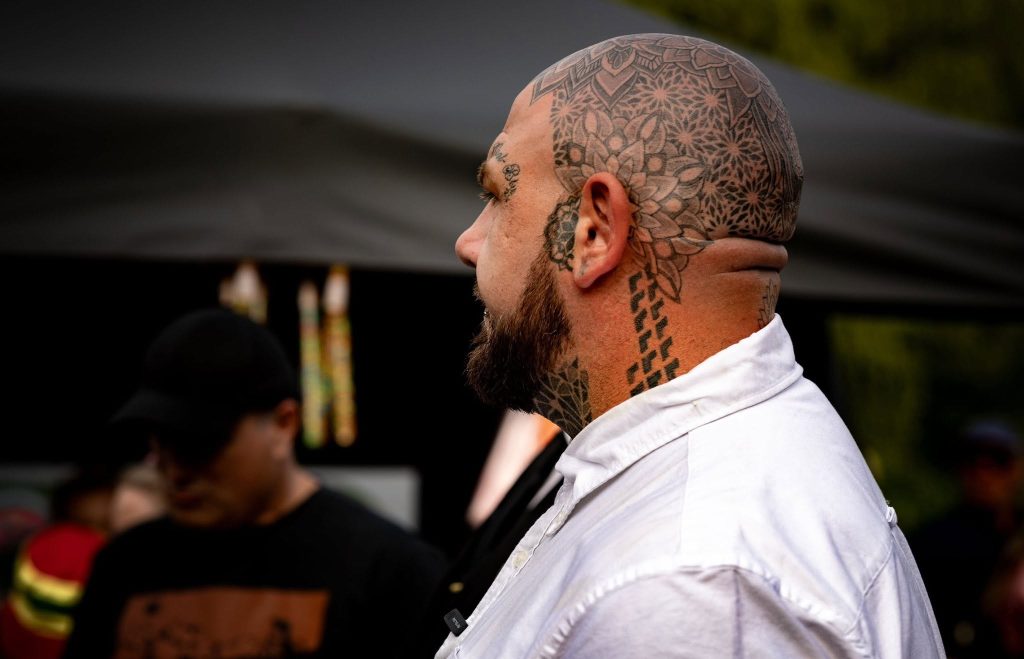
Now Josh, who completed his Door Supervisor course with RM Training and Security Solutions last year, is being praised for the way he has built a career in the security industry and become a valued member of the team.
The Pembrokeshire-based company said Josh had gone “from strength to strength” since gaining his licence, working across licensed venues, events, customer-facing roles, response duties and other security work.
A spokesperson for RM Training and Security Solutions said: “From day one, Josh showed a natural ability for the security industry.
“Since gaining his licence, he has thrown himself into every opportunity presented to him, working across a variety of roles including licensed venues, events, customer-facing positions, response duties, and much more.

“There genuinely seems to be nothing Josh cannot turn his hand to. His willingness to learn, adaptability, reliability, and positive attitude have made him a valued member of the RM team.”
But it is not only his employers who have noticed.
After RM Training shared Josh’s success story online, dozens of people came forward to praise him, with many saying his appearance should never be mistaken for the man underneath.
One woman said she had met Josh on a Sunday morning after he had finished a night shift.

She said: “He was an absolute gentleman. Someone you would say from first impression of meeting, nice guy, good guy.”
Another person, who said she had known Josh since he was young and treated him like a son, said: “I can’t thank him enough for what he has done for me in my life. He is one in a million.
“People look at him like a big boy, but he has got a heart and he will do anything to help anyone.”
Others described him as a “great bloke”, “absolute gentleman”, “sound bloke”, and someone who was “built to be a doorman”.
In an industry where first impressions, calm judgement and public confidence matter, RM Training said Josh’s professionalism had become one of his strongest qualities.
The company added: “What stands out most is his professionalism. Whether dealing with members of the public, clients, colleagues, or challenging situations, Josh consistently demonstrates the highest standards expected within our industry.
“He represents both himself and RM Training & Security Solutions exceptionally well at all times.
“We are incredibly proud to have Josh as part of the team and look forward to watching his continued growth and success within the security industry.”
Security staff are often seen only when something goes wrong, but much of the work involves preventing problems before they happen, reassuring the public, supporting event organisers, and knowing how to deal with difficult situations calmly.
Josh’s story has struck a chord because it challenges the quick assumptions people can make.
To some, the tattoos may be the first thing they see.
To those who know him, they are simply part of a man who has worked hard, taken his chance, and earned respect through his attitude and actions.
One supporter summed it up simply: “Life loves a grafter.”
Photo caption:
Josh Davies has been praised by RM Training and Security Solutions and members of the public for his professionalism and kindness (Pics: DarthMartyMedia).
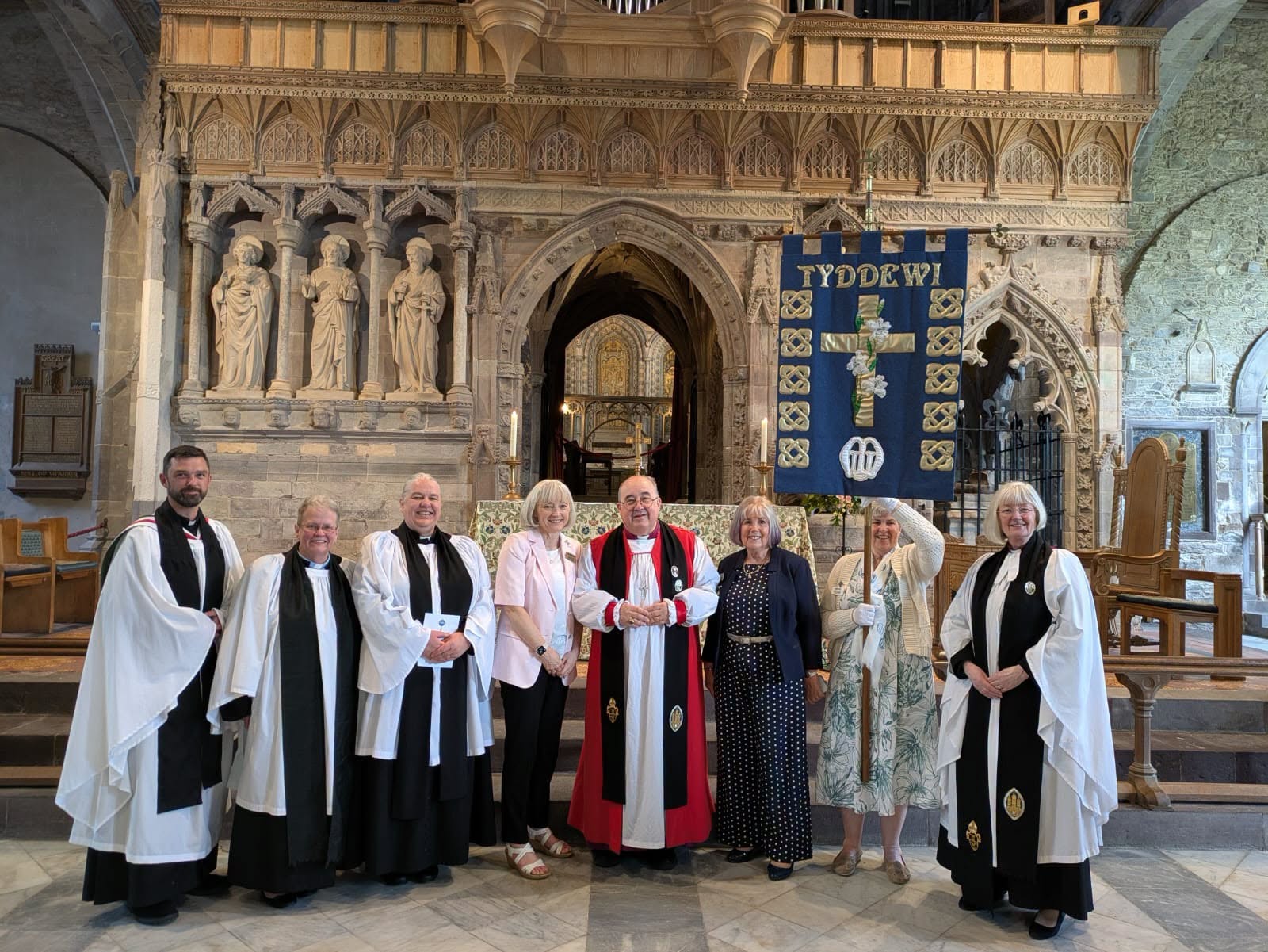
A SPECIAL service has been held at St Davids Cathedral to celebrate 150 years of the Mothers’ Union.
Members and officials gathered for the anniversary celebration on Sunday (Jun 21), where Bishop Dorrien welcomed those attending and spent time speaking with the Provincial Chaplain.
The occasion had particular significance for Bishop Dorrien, who is the third generation of his family to be a member of the Mothers’ Union.
The organisation, founded in 1876, continues to support families, communities and church life across Wales and around the world.
Those attending said the celebration was a fitting tribute to the work of generations of members, with hopes expressed for the next 150 years.
Caption:
Celebration: Members and officials gathered at St Davids Cathedral to mark 150 years of the Mothers’ Union (Pic: Diocese of St Davids).

Free family festival will celebrate Milford Haven’s seafaring history and coastal community
MILFORD WATERFRONT will burst into life on Saturday, June 27, as the first Harbour Fest sails into town for a day of music, food, family fun and maritime celebration.
The free event will run from 10:00am to 6:00pm at Mackerel Quay and across the waterfront, bringing together local traders, live entertainment, coastal organisations and independent businesses for a packed day beside the water.
Organisers say the festival will celebrate everything that makes Milford Haven special, from its seafaring history and working harbour to its growing reputation as a destination for food, shopping, culture and family days out.
Visitors will be able to browse stalls from local makers and producers, enjoy street food and live performances, and explore a Marine Zone featuring organisations involved in sea safety, marine conservation and coastal life.
The Marine Zone will include Seagrass Network Cymru / Project Seagrass, Pembrokeshire Coastal Forum, Mid and West Wales Fire and Rescue Service, Dyfed-Powys Police, NCI Wooltack Point, Rudders Marine Training, RNLI Milford Haven and RNLI Angle Lifeboat.
RNLI Angle Lifeboat is expected to be based on the Mackerel Stage, while the Sea Cadets will be giving rope-tying displays at Milford Haven Museum, where craft activities will also be taking place.
Live entertainment will run throughout the day, with performances from Tom & Abz, Will Scott, Ryan Bristow, Milford Haven Town Band, Kyle Kirkhouse and ShantyJacs Sea Shanties.
Businesses across the waterfront are also joining in. All Pets Vet Care will hold a family-friendly open day with a bouncy castle, treasure hunts, quizzes, craft activities and behind-the-scenes tours. Aurora Artisan Crafts will host vocal performances, Biffy’s Bar & Restaurant will feature solo acoustic music from Laurence Lewis, and Martha’s Vineyard will offer seafood street food with live music from Ryan Bristow and Steve Bartram.
At Tŷ Milford Waterfront’s outdoor plaza there will be face painting, children’s activities, pop-up artists and an afternoon DJ set, while Phoenix Bowl and Pirate Pete’s Adventure Play will have inflatables and glitter tattoos outside.
The Waterfront Gallery will host introduction to felt-making workshops with textile artist Carole Fletcher, giving participants the chance to create a woollen felt flower pin brooch or phone/glasses case. The workshops start at 10:30am, 1:00pm and 3:30pm and cost £5 per person.
A wide range of traders will also be attending, including 5th Flock Spirits Co, Cinnamon Grove Distillery, Cwm Deri Wines & Liqueurs, Ferncraft, Get Loaded, J.J. Pottery, Major Nuts, Orange Garden Design, Pembrokeshire Chilli Farm, Pembrokeshire Gold, Pembrokeshire Lottery, Plumstone Welshcakes and SlateArtSJ.
With music drifting across the marina, food stalls lining the waterfront and lifeboats, sea safety teams and coastal groups adding a strong maritime flavour, Harbour Fest is expected to bring a lively summer atmosphere to one of Pembrokeshire’s best-known waterside destinations.

Organisers say the event is suitable for families, friends and visitors of all ages, with plenty to see and do throughout the day.
Photo caption: Harbour Fest will take place at Milford Waterfront on Saturday, June 27 (Pic: Milford Waterfront).



Community2 hours ago
The gentle giant behind the tattoos
Pembrokeshire security worker Josh Davies praised for professionalism, kindness and proving first impressions can be wrong JOSH Davies is hard...


Charity1 day ago
Toy Story fans fill charity toy box at Haverfordwest cinema
Donations pour in for SNAP Specialist Play as families embrace Toy Story 5 launch A TOY STORY-themed charity appeal at...


Community1 day ago
Lord Rhys emerges from the mist in St Davids
Giant puppet begins historic journey marking 850 years since the first Eisteddfod MIST swirled around St Davids Cathedral on Friday...


News2 days ago
Tragic tribute paid to Haverfordwest man after A4075 collision
FAMILY REMEMBERS “KIND AND LOVING” CALLUM HANSON THE FAMILY of a 22-year-old man from Haverfordwest who died following a road...


News3 days ago
Motorcyclist, 22, dies in A4075 crash in Pembrokeshire
A 22-year-old woman remains in hospital after two-vehicle collision A MOTORCYCLIST has died following a serious two-vehicle crash on the...


Community3 days ago
Why police will be visiting every home in Pembrokeshire
New operation aims to knock on more than 257,000 doors across Dyfed-Powys over the next three years DYFED-POWYS POLICE has...


Crime3 days ago
Prisons at breaking point: MPs warn Wales is paying the price of a failing system
Frozen healthcare budgets, overcrowded jails, homelessness on release and mounting pressure on staff are undermining rehabilitation across Wales, according to...


News4 days ago
Brexit at 10: How Britain was sold a dream that cost us dearly
A decade after the referendum, the promised benefits remain hard to find while the economic costs are increasingly difficult to...


Crime4 days ago
Worcestershire man jailed after violent attack on woman in Tenby
Defendant was already serving a suspended sentence when serious assault took place A WORCESTERSHIRE man has been jailed for more...


Climate4 days ago
Offshore wind ‘could bring new generation of jobs to Milford Haven’
Pembrokeshire ports and Celtic Sea projects placed at centre of Wales’ green energy ambitions MILFORD HAVEN and Pembroke Dock could...
-

 Community7 days ago
Pembrokeshire Chess Club crowned Welsh champions
-

 Crime3 days ago
Milford Haven man jailed for breaching domestic violence protection order
-

 Local Government5 days ago
Security privately arranged by Mayor at Beating of the Bounds
-

 News3 days ago
Crash on Freeman’s Way causes school-run chaos across Haverfordwest
-

 Crime5 days ago
Man wanted by court after failing to attend hearing over alleged shop thefts
-
 Crime5 days ago
Man banned from roads after drink-driving offence
-

 Crime5 days ago
Man jailed after admitting strangulation and assaults
-

 Crime5 days ago
Drug trafficker must repay £33,000 after court rules he made nearly £500,000