


News
‘No further action’ to reclaim money paid to council boss

 COUNCILLORS have voted today to take no further action to reclaim money paid to chief executive Bryn Parry-Jones under a pension arrangement declared unlawful by the Wales Audit Office. The full council meeting is still taking place at County Hall, Haverfordwest.
The secret vote was carried 33 votes to 23.
Before the vote, Cllr Peter Stock told the Herald: “It should be open and accountable, that’s the most important thing. The general public are so interested in what’s happening in Pembrokeshire at the moment, and I don’t believe anything should be done behind closed doors. I do believe that anything that does happen in County Council must be open, and the general public must be aware of the situation and Pembrokeshire County Council must be at all times open to the public for them to see which way this Authority is really being run. These things are happening, at a regular period, and it has to stop”.

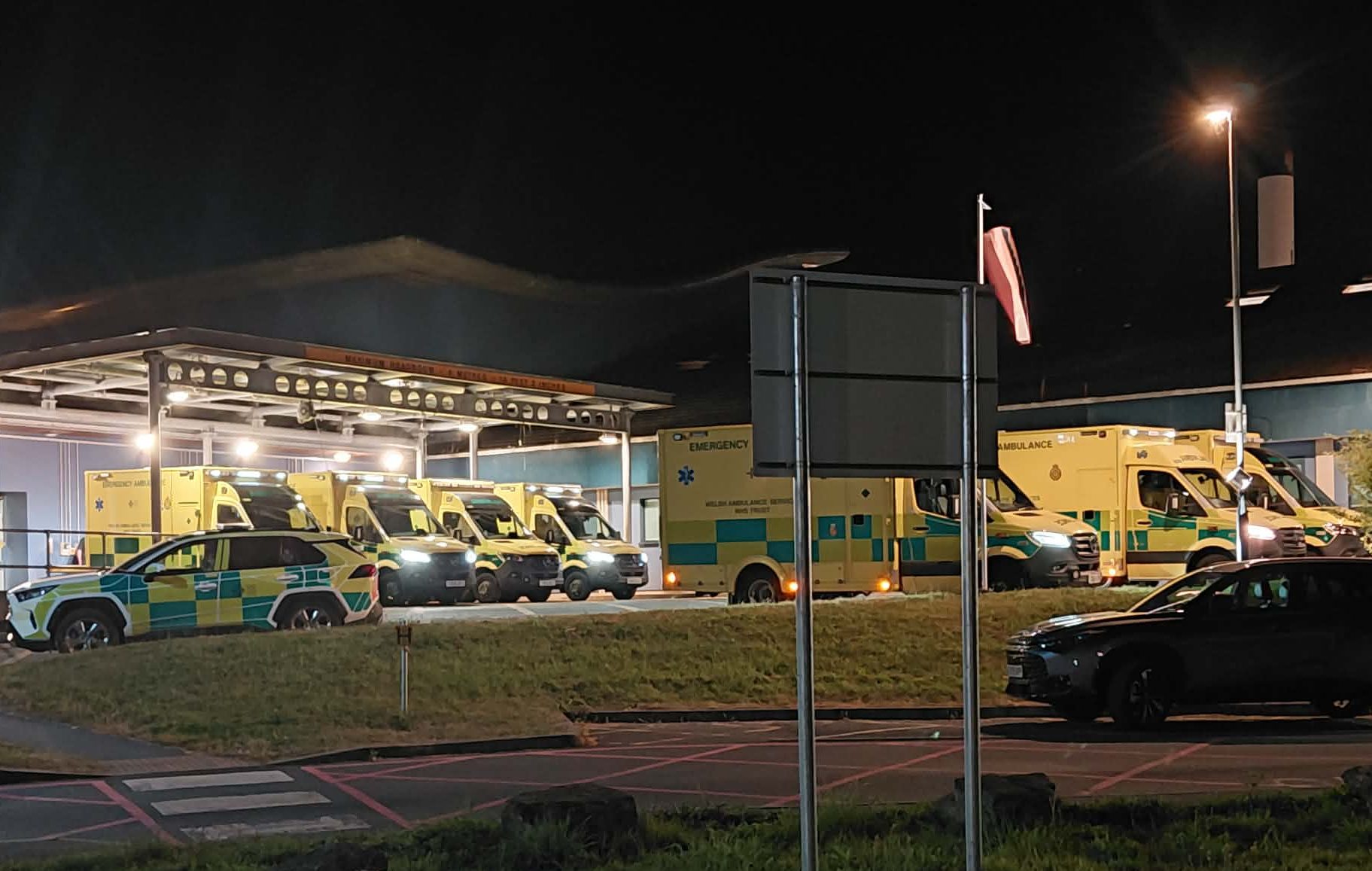
Almost 12,000 patients waited more than 12 hours in June as emergency doctors warned that a crisis once associated with winter had become a year-round emergency
WALES’ emergency departments have recorded their worst June for lengthy waits, with almost 12,000 patients remaining in major A&E units for more than 12 hours.
New NHS Wales figures show that 11,813 patients, equivalent to around one in six of those attending a major emergency department, waited more than half a day before being admitted, transferred or discharged.
Only 49 per cent of patients completed their journey through a major emergency department within four hours, the lowest proportion recorded and well below the NHS Wales target of 95 per cent.
Emergency doctors said the figures showed that a crisis once associated with the depths of winter had become a permanent feature of the Welsh NHS.
The Royal College of Emergency Medicine warned that patients were routinely being left on trolleys and chairs in overcrowded departments because hospitals did not have enough available ward beds.

Dr Rob Perry, the College’s Vice President for Wales, described the state of emergency care as “nothing short of shameful”.
He said: “We’re now in a situation where the majority of our patients are waiting more than four hours to pass through our department, and many are waiting more than half a day.
“This is an unacceptable state of affairs, and some of the worst waiting times since records began.
“I must be clear: no patient should wait 12 hours on a trolley, or a chair, in an overcrowded emergency department.

“Long waits like this are not only stressful and undignified, they are dangerous and put lives at risk.”
Crisis no longer confined to winter
The June figures are particularly concerning because they were recorded during summer, when hospitals are not yet dealing with the seasonal rise in flu, respiratory infections and cold-weather illnesses.
Dr Perry said: “Worse still, these are milestones which we are passing in summer.

“We aren’t even battling with flu or cold weather, but the wheels are coming off the bus anyway.”
The Welsh Government said June saw the highest number of emergency department attendances recorded for that month and pointed to additional demand caused by prolonged hot weather.
However, the Royal College argued that the number of people arriving at emergency departments was not the main cause of the deterioration.
Attendances fell compared with May and have remained broadly stable over the longer term.
Emergency doctors say the central problem is that patients who need admission cannot leave A&E because hospital wards are full.
Those wards may, in turn, contain patients who are medically well enough to leave hospital but cannot be discharged because the necessary social care, rehabilitation, equipment, home adaptations or suitable accommodation are not available.
The resulting blockage works backwards through the entire hospital.
Patients awaiting admission remain in emergency department cubicles or temporary treatment areas. Newly arriving patients cannot be moved into appropriate spaces, while ambulance crews may struggle to hand over those they have brought to hospital.
Patients trapped by hospital ‘exit block’
The Royal College describes the problem as “exit block”.
A patient may have been examined, treated and judged to need admission, but cannot be moved to a ward because no bed is available.
This can leave emergency departments attempting to provide ward-level care in spaces designed for short-term assessment and treatment.
Dr Perry said: “This is a fixable problem and we know what the causes are.
“Delayed discharges, and the accompanying lack of available beds in wards, are a serious problem, not the number of people arriving at our doors.
“Exit block makes it impossible for us to move patients in need of admission out of the emergency department.
“This complete breakdown in patient flow is causing untold misery for emergency department patients.”
Long waits do not necessarily mean a patient has received no medical attention. The NHS measurement covers the entire period between arrival and admission, transfer or discharge.
However, prolonged stays in crowded emergency departments can place patients at significant risk.
Frail and elderly people can become dehydrated, confused or physically weaker while waiting. Providing regular observations, medication, personal care and infection control also becomes more difficult when departments are caring for more patients than they were designed to hold.
Patients can be left without adequate privacy, while staff are forced to treat people in corridors, waiting areas and other unsuitable locations.
There is also a risk that conditions can deteriorate while doctors and nurses are simultaneously attempting to deal with new emergencies.
Social care pressures affecting hospitals
The problems facing emergency departments cannot be separated from the pressure on community and social care services.
Patients who are medically fit to leave hospital may still require home-care support, rehabilitation, a nursing or residential placement, specialist equipment or adaptations to their property.
When those services are unavailable, patients remain in hospital longer than clinically necessary.
That reduces the number of beds available for people waiting in A&E and contributes to congestion throughout the system.
Health and social care leaders have repeatedly warned of difficulties recruiting and retaining staff, particularly in rural areas, as well as shortages of suitable care placements and community support.
Simply discharging patients more quickly would not solve the problem if the necessary care is not available.
Patients must be able to leave hospital safely, with proper support in place to prevent them from deteriorating or being readmitted.
Pressure across west Wales
Hospitals serving Pembrokeshire, Carmarthenshire and Ceredigion are also affected by the wider pressures facing emergency care.
Withybush Hospital in Haverfordwest, Glangwili Hospital in Carmarthen and Bronglais Hospital in Aberystwyth serve large rural populations, with some patients living considerable distances from hospital, community care and specialist services.
The geography of west Wales can make it more difficult to arrange home-care visits, rehabilitation support and suitable placements, particularly when services are already facing staff shortages.
Patients discharged from hospital may also require transport, family support or changes to their homes before they can return safely.
Any failure in those services can result in hospital beds remaining occupied, even after treatment has been completed.
Ministers under pressure to deliver action
The new Welsh Government has said that reducing long waits and improving access to treatment are among its priorities.
Health and Care Minister Mabon ap Gwynfor described the latest performance as disappointing and unacceptable, while thanking NHS and social care workers for continuing to deliver services under intense pressure.
The Royal College said it welcomed the Government’s willingness to engage with emergency clinicians, but warned that discussions must now be followed by measurable action.
Dr Perry said: “The new Welsh Government has signalled that it understands the need to reduce long waits and overcrowding, and we are pleased that it is engaging with the Royal College on this issue.
“I hope, for our patients’ sake, that these words become action soon.
“As today’s figures show, the problem is only going to get worse without the proper interventions.”
The immediate test for ministers will be whether they produce a clear plan for reducing 12-hour waits, improving the movement of patients through hospitals and increasing the community and social-care capacity needed to allow people to leave hospital safely.
Without that intervention, Wales risks entering the coming winter with its emergency departments already experiencing conditions previously associated with the most difficult weeks of the year.
The crisis is no longer waiting for winter. It is already here.
Image:
Crisis point: Ambulances waiting to unload patients at Withybush Hospital, Haverfordwest, July 2026

Health board to consult patients over proposed permanent closure of nurse-led service at Shalom House
A NURSE-LED branch surgery in St Davids could be forced to close temporarily from the end of September after the building from which it operates was put up for auction.
Hywel Dda University Health Board has also confirmed that Meddygfa Penrhyn has submitted a formal application seeking the permanent closure of its branch surgery at Shalom House.
The practice applied to close the service in February, citing staffing difficulties and concerns about its long-term sustainability.
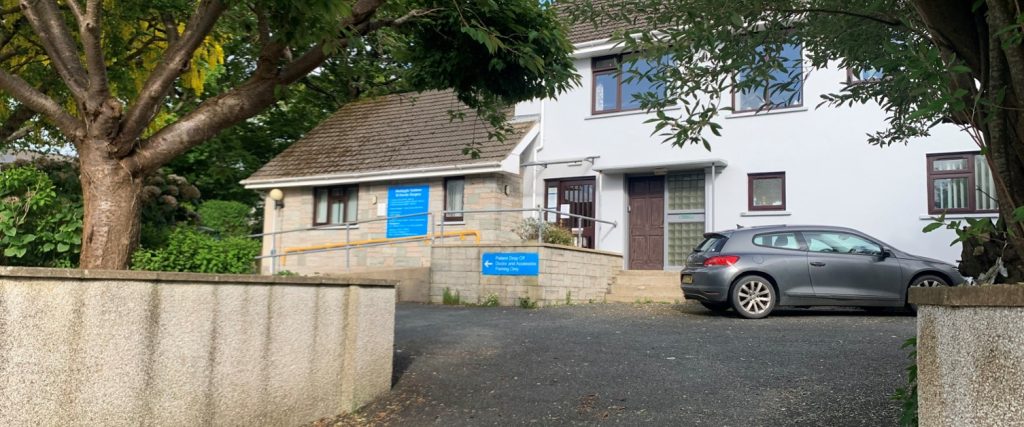
However, no final decision has been made, and the health board said patients, residents, staff and other stakeholders will be given an opportunity to express their views before the application is determined.
The situation has become more urgent after the trustees of Shalom House informed the health board that they intend to auction the premises.
The building will no longer be available for use as a surgery from the end of September 2026, meaning the branch could temporarily close while consultation takes place and alternative arrangements are considered.
Health officials stressed that the loss of the building would not automatically mean the permanent closure application would be approved.
The branch surgery opened in November 2024 and operates on weekday mornings. It is staffed by nurses and primarily provides services including blood tests and wound care.
Patients requiring a GP appointment currently travel to the main Meddygfa Penrhyn surgery, around three-and-a-half miles away.
The health board is drawing up an engagement plan with patient representative body Llais and the Local Medical Committee before formally seeking the views of the community.
Andrew Carruthers, chief operating officer at Hywel Dda University Health Board, said the organisation recognised the importance of accessible local healthcare.
He said: “We understand that residents may have questions about what recent developments mean for the future of the branch surgery.

“Our focus is on working hand-in-hand with our community to explore how we can ensure local health provision that keeps people well.
“We are keen to work with local stakeholders, including the Penrhyn Peninsula Working Group, to enable us to have a broader conversation about the future of our branch surgery and how it serves everyone in the area.”
Mr Carruthers said the health board was committed to hearing from as many people as possible before reaching a decision.
He added: “At this stage, no decision has been made regarding the closure application.
“We are committed to engaging with patients, residents and stakeholders to understand the potential impact of the proposal and to ensure that all views are considered as part of the decision-making process.
“Although we have been advised that Shalom House will no longer be available from the end of September, this does not predetermine the outcome of the branch surgery closure application.”
A final decision will take into account public feedback, evidence of local demand and the potential effect on patients.
Details of the consultation, including how residents can submit their views, are expected to be announced in the coming weeks.

Recognition secured for second consecutive year as women now hold 42% of management roles at the Port
THE PORT OF MILFORD HAVEN has been named among the UK’s Best Workplaces for Women for the second year running.
The organisation has been placed within the top 100 large employers on the 2026 list, compiled by workplace culture body Great Place To Work UK.
The recognition is based largely on feedback from female employees, who highlighted flexible working, access to time off, employee benefits and the Port’s approach to safety and sustainability.
The Port said its position on the national list had improved by 45 per cent compared with last year.
One employee said: “The flexibility I’m given and the freedom to bring my own ideas make me feel valued and trusted.
“Being part of the Port is something I’m genuinely proud of, and I’m excited about the opportunities ahead to grow and build my career here.”
Another praised the organisation’s support for work-life balance and mental health.
Women currently make up 31 per cent of the Port’s overall workforce and 42 per cent of employees in management positions.
The Port said this compared favourably with the wider ports sector, where women account for an average of 19 per cent of the workforce and 23 per cent of managerial roles.
HR director Vidette Swales said the organisation was proud to have retained the recognition.
She said: “We are incredibly proud to be a workplace where women can thrive, develop their careers and bring their whole selves to work.
“Creating an inclusive culture is not just the right thing to do. It strengthens our organisation by ensuring diverse perspectives are heard, valued and reflected in everything we do.

“We are committed to providing opportunities for growth, supporting work-life balance and fostering an environment where women feel empowered to succeed at every stage of their careers.”
Port employees are also involved in Pembrokeshire’s SPARC initiative, which was established in 2023 to introduce secondary school pupils to career opportunities in industries where women have traditionally been underrepresented.
Its activities focus particularly on careers within the maritime and energy sectors.
Ms Swales added: “Our staff are proud to be involved in the SPARC initiative, engaging with girls in secondary schools through a range of activities and raising awareness of the opportunities available.”
Benedict Gautrey, managing director of Great Place To Work UK, said the organisations included on the list were making a difference to employees’ everyday working lives.
He said: “What matters most is that this recognition comes directly from women working in these organisations, who tell us they feel supported, valued and able to grow.
“Congratulations to the Port of Milford Haven for creating an environment where inclusion is clearly felt in practice.”
The Port retained its Great Place to Work accreditation for a third consecutive year at the end of 2025.
Photo caption: Female employees from across the Port of Milford Haven celebrate the organisation’s inclusion among the UK’s Best Workplaces for Women for a second year.



Community15 minutes ago
‘Paying £29 to reach a cashpoint is absurd’: Narberth’s urgent ATM appeal
Residents, businesses and visitors are being urged to provide evidence after two High Street cash machines were removed, leaving the...

Crime16 hours ago
Haverfordwest man jailed for seven years for historic rape and sexual assault of girl
A HAVERFORDWEST man has been jailed for seven years after being convicted of raping and indecently assaulting a girl during...


News21 hours ago
Burnham more willing to listen on Welsh devolution, says First Minister
Rhun ap Iorwerth says he will press the new Prime Minister for powers over policing, railways and Wales’ natural resources...


Crime1 day ago
Women jailed after man chased through Milford home and attacked with knives
Kelly Rees receives further 27-month sentence while already serving prison term for notorious taxi robbery TWO women have been jailed...


Crime1 day ago
Mother headbutted and clawed police officers after threatening social worker
Court shown body-worn footage of violent confrontation at Goodwick property A COURT has been shown police body-worn footage capturing the...


Crime2 days ago
Man, 37, found dead following major police response in Pembroke Dock
Death not being treated as suspicious as police make statutory referral to IOPC following active investigation A 37-YEAR-OLD man has...


Community2 days ago
Household Cavalry drum horse returns home to Pembrokeshire for final farewell
Dyfed Willa Rose, who became Major Juno and the first mare to serve as a Household Cavalry Drum Horse, was...


News3 days ago
Jo Stevens out as Welsh Secretary as Burnham reshapes government
Cardiff East MP repeatedly visited Pembrokeshire to champion clean energy jobs, but her successor inherits unresolved questions over Milford Haven’s...


Crime3 days ago
Teen cleared of attempted murder but guilty of GBH after Milford teacher stabbed
Jury returns 11-1 majority verdict on charge of causing grievous bodily harm with intent, with sentencing set for September 3...


Community3 days ago
French troops march through Fishguard as Britain’s last invasion returns to life
Battle scenes, cavalry displays and a surrender procession brought one of Pembrokeshire’s most extraordinary stories back to the streets MUSKET...
-

 Crime1 day ago
Drunken rail passenger tried to headbutt police after being refused travel
-

 featured2 days ago
From a father-and-son project to an award-winning campervan business
-
Crime1 day ago
Women jailed after man chased through Milford home and attacked with knives
-
News21 hours ago
Burnham more willing to listen on Welsh devolution, says First Minister
-
Crime16 hours ago
Haverfordwest man jailed for seven years for historic rape and sexual assault of girl
-

 Entertainment2 days ago
Robin Hood: A magical show by young talent at The Torch Theatre
-
Crime1 day ago
Mother headbutted and clawed police officers after threatening social worker
-

 Community1 day ago
Senior councillors to consider call for ‘impartial investigation’ into Manorbier school closure
Juls White
July 18, 2014 at 8:27 am
Utterly disgraceful makes a total mockery of the whole system perhaps we should not pay our council tax as a protest! Oh but then we’d be hounded to pay it! Sack the lot of them and start again!
Tomos
July 18, 2014 at 8:36 am
One does hear (unofficially) that many of his loyal IPG supporters used the word moral and immoral when discussing Bryns illegal payments and that he should return it – I guess this means that even his “friends” think he has the morals of an alley cat – apologies to cat lovers everywhere 🙂
to be honest, has anyone EVER heard of someone being handed money and no action being taken – I bet a million quid IF PCC had made a mistake (not an illegal act even) and over paid any other member of staff – If that member of staff didn’t return it they would use the Legal system – indeed only a few weeks ago a young woman spent such monies and was jailed – I urge the PCC to sack him, he could NEVER EVER claim/sue for wrongful or constructive dismissal
Nick
July 18, 2014 at 11:00 am
He has stolen money from the people of Pembrokeshire, and no action to be taken! I think the herald as the true voice of the county should organise a march on county hall to demand Bryn be sacked.
Then maybe once they see how the ordinary people of Pembrokeshire are sickend by the repeated failure of this authority that action will be taken.
FRANK
July 18, 2014 at 8:48 pm
I thought if you have done something that was deemed to be unlawful, then, in doing it you have broken the law. So why have no consequences been incurred? They would for us “lesser mortals”!