


News
Council discusses scrutiny


County Hall
AT TUESDAY’S Democratic Services Committee, Councillors discussed a number of ways to help improve scrutiny. They discussed its effectiveness, ways to improve it, adequacy of support and public engagement. Cllr Owen James said: “There needs to be a recognition of how good they think scrutiny is. What measurement facilities are there?” Mark Elliot, Head of Public Protection, responded: “It’s very hard to define success criteria; the way it was done was all about a self-assessment process, identifying examples of good practice and areas for development. There is nothing previous to this but there is nothing set in stone other than the examples we have.”
Cllr Pat Davies said: “With my committee we evaluated where we were going and what we wanted to achieve. The task and finish group was set up as was the school standards. Each committee should be able to do a self-evaluation.” Mark Elliot added: “It is important to get member engagement. The starting point would be to begin with the template that the Welsh Audit Office has come up with and trial that. Then there can be some sort of judgement as to where we are.” Cllr Rhys Sinnett said: “I support trying it out and seeing if there are any gaps.
We won’t know unless we try it out.” Cllr James added: “With regards to member engagement – this is something that you need right across the authority. If everyone is involved it will be quite a pleasant environment, at the moment we don’t have that. You can’t do one without the other.” Huw Miller, Head of Legal & Committee Services, said: “The stance you are taking so far is good. There is a need to involve all members – members of scrutiny will change. You have to consider how you notify and involve all other members.”
He continued: “All chairs will produce annual reports and they will all be put on the website. The scrutiny website is building up quite nicely. Any member can see how scrutiny works.” Cllr Pat Davies said: “Scrutiny members sit in their groups; I don’t like that and I have switched names around in the past. They shouldn’t be there to sit in political groups.” Cllr John Allen-Mirehouse said: “I can see the point of this but it depends on the size of the committee and the size of the room and the business being discussed.”
Cllr Keith Lewis added: “I would always argue caution in terms of trying to over manage the situation. We are where we are, we’ve got to sit somewhere.” Cllr Allen-Mirehouse added: “Public engagement is very important; councillors are elected to represent their interests and views. It is very important that the public know what is happening. Somebody who does not know what is going on will come to a wrong decision. We are not trying to cut the public off; we all have a responsibility to our electors.”

Cllr Sinnett said: “We have to respond to our direct electors. The question is how we get their views of a topic we are looking at. We invite external views and this would be very useful to triangulate those. We are the ones who have to make the decision.” Cllr Keith Lewis said: “I agree with everything being said but you are missing out on one fundamental tier of government. “We should also consider the roles of community councillors. There are some which are very efficient and there are some which are useless.
“There have been examples recently like the public toilets; any decision we make will affect that area. “There have been different outcomes, other communities have said they would take them on but they haven’t”. Cllr Pat Davies said: “This could be a vehicle for trying to engage better with town and community councils”. Cllr Allen-Allen-Mirehouse added: “The community councils are very keen for the council to spend money in their wards. The town and community councils do not want a certain asset removed and this is where the role of the community council comes in. “It is good for democracy, that although a councillor may not get their way, their voice has been heard”.
Huw Miller then spoke about the adequacy of scrutiny support. He said: “This is the first report of adequacy of scrutiny. When the team was set up it was pointed out that there was a gap in terms of support for scrutiny. They have done a great job in taking the authority forward in terms of the scrutiny function. We are getting there, we are not there yet.
I don’t think there is perfect scrutiny and we’ve got to do our best to try and get as close to that as we possibly can.I’m certainly of the view that the current provision of staff is sufficient but it has to be kept under continual review.” Finally, Councillors spoke about public engagement, focussing on the forms that are available on the council’s website. Members of the public are free to submit their views on any agenda item that is being discussed and they can also submit a proposal for an agenda item.

Cllr Owen James said: “This is something new you’re engaging in. It may cause an awful lot of work. I think we should let this grow organically rather than push it out there.” Cllr Rhys Sinnett added: “It is down to the committee to decide whether or not and when to add it to its work agenda. It needs to be clear that you can suggest things but it won’t automatically be discussed. There is a process that has to be gone through by a committee.”

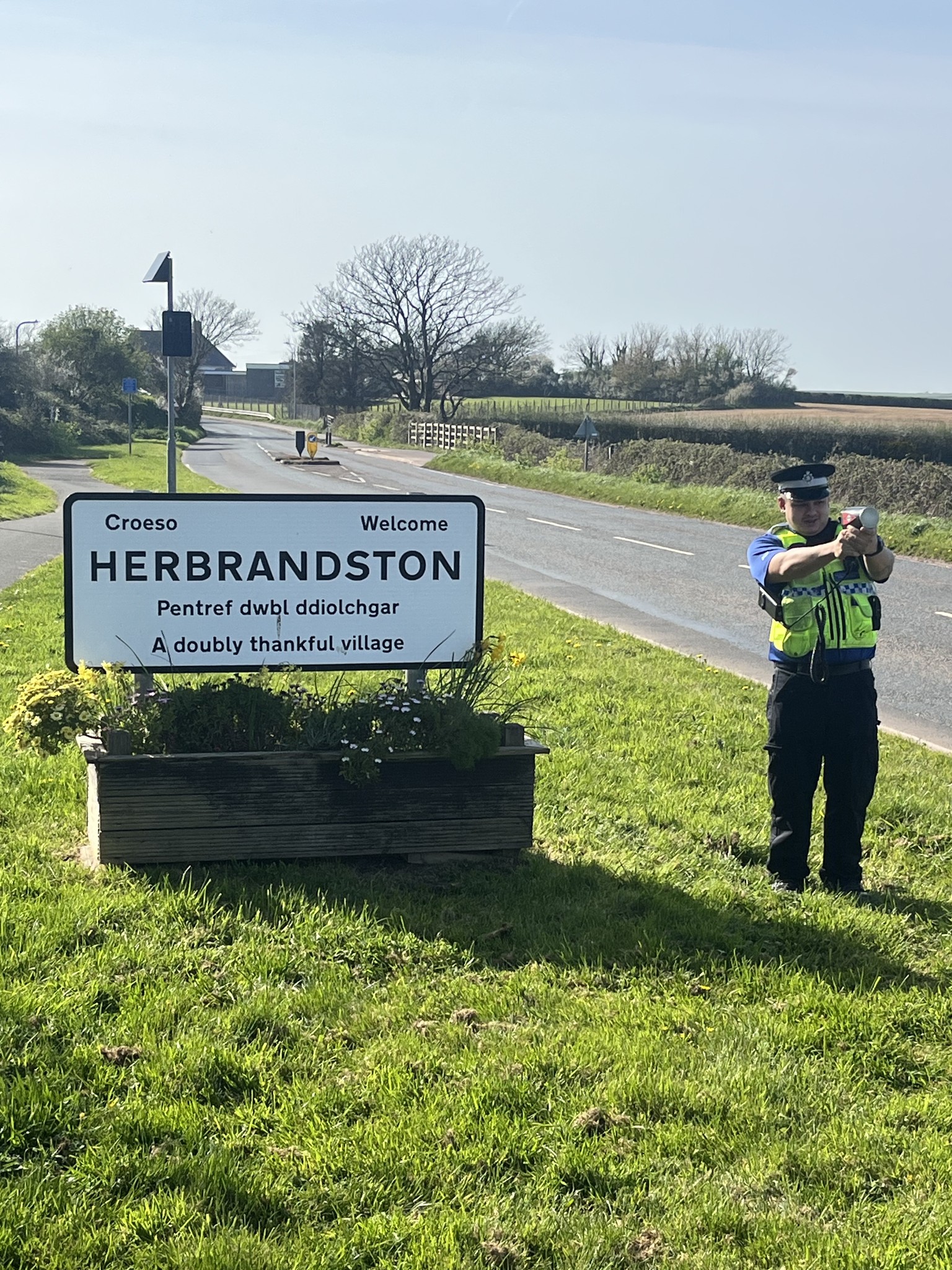
HERBRANDSTON residents flagged fast-moving traffic as a key concern, prompting police to carry out speed checks in the village.
Concern over speeding in Herbrandston has prompted a local police response, with PCSO Adam out in the village carrying out speed checks after residents raised the issue through DPP Connect.
Milford Haven and Neyland Police said the concerns emerged after officers signed local people up to the messaging service, which allows residents to share feedback and receive updates from police.
Many of those who responded said speeding through the village was one of their main worries.
In response, PCSO Adam was deployed to monitor traffic and check vehicle speeds.

The move is likely to be welcomed by residents who have grown tired of motorists treating the village like a racetrack.
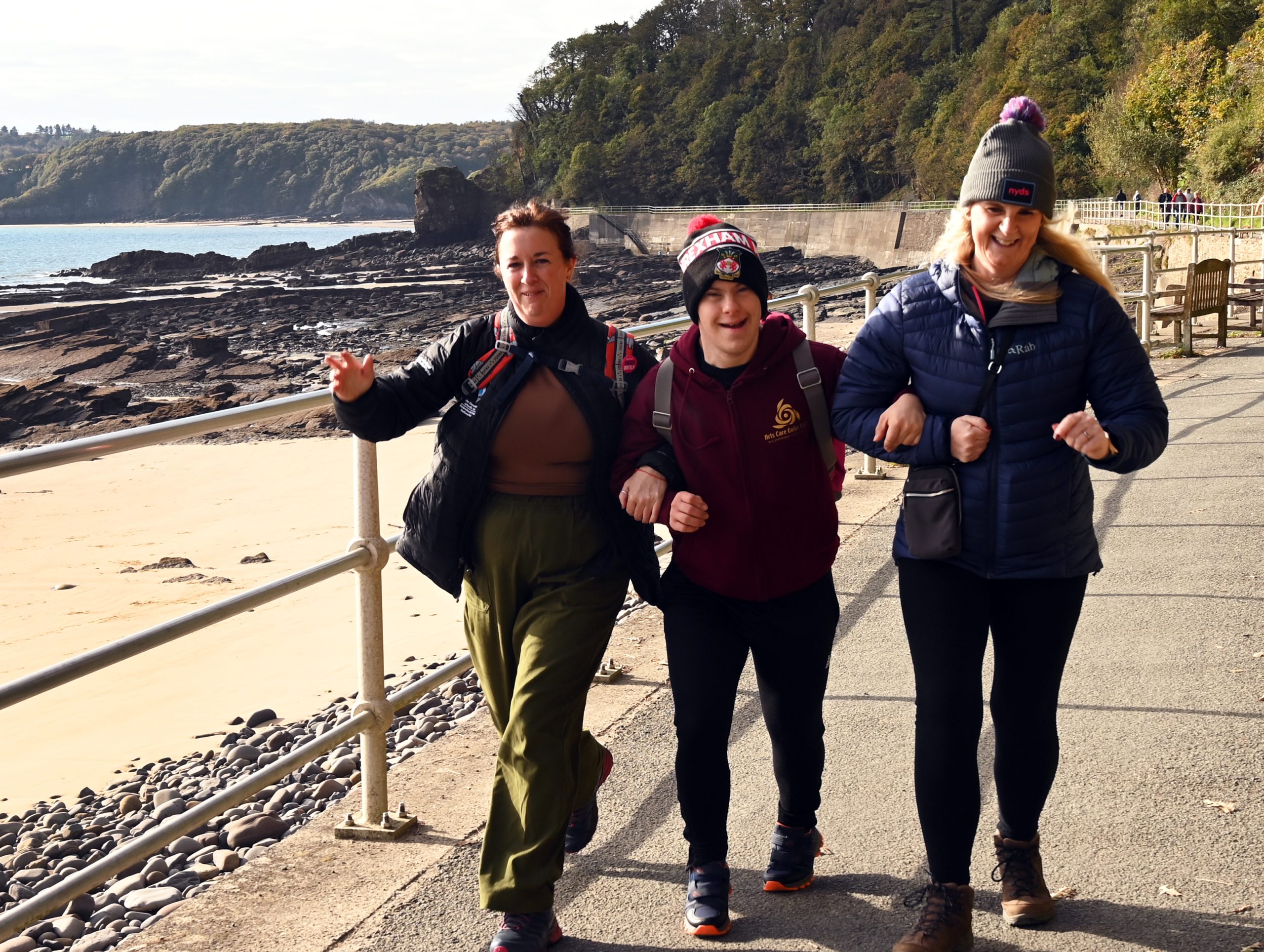
THE PEMBROKESHIRE COAST NATIONAL PARK AUTHORITY is inviting communities, workplaces, families and friends to take part in the 2026 Walk the Path for Wellbeing challenge, with this year’s event expanding across three counties for the first time.
Taking place on Sunday, May 10 and Monday, May 11, the challenge will bring people together to celebrate the spectacular West Wales coastline through walking and other forms of active travel, while highlighting the strong links between nature, movement and wellbeing. A reserve weekend of May 17 and 18 has also been set aside in the event of severe weather.
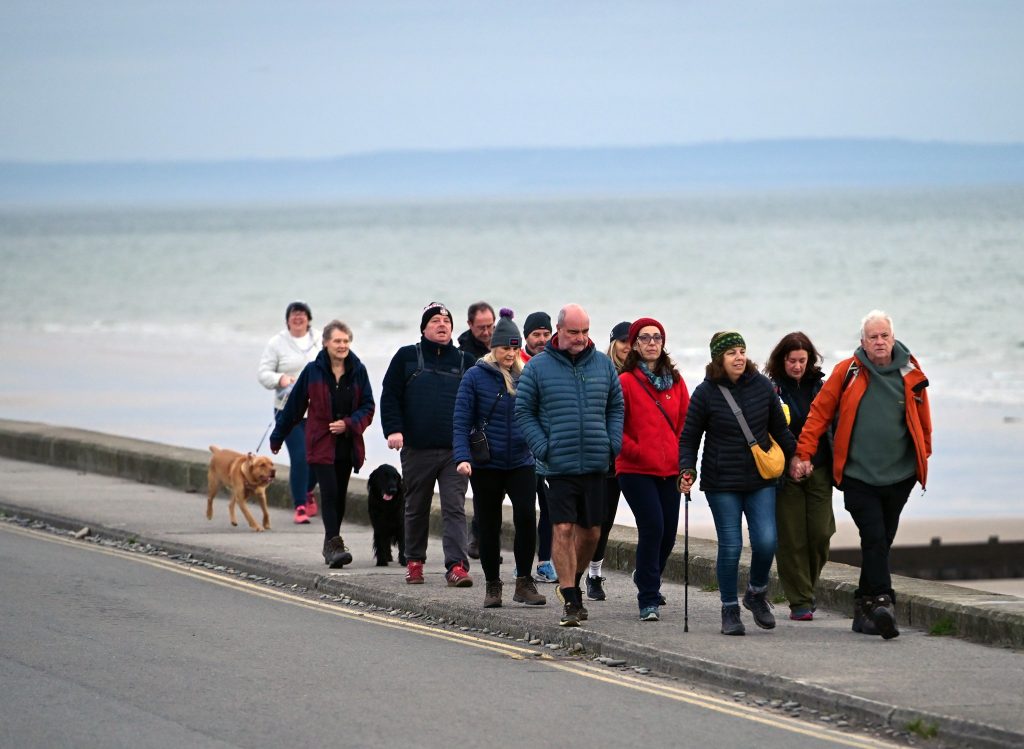
Building on feedback from last year, the event will now take place over two days rather than one, giving more people the opportunity to get involved and creating a longer window for celebration, storytelling and community spirit.
While last year’s challenge focused on the 186-mile Pembrokeshire Coast, this year’s event will also include sections of Carmarthenshire and Ceredigion, bringing even more communities into the shared coastal celebration.
The two-day event will feature self-led sections for group entry. With the focus firmly on enjoyment, there is no pressure to complete every stage, and participants are encouraged to do only as much as they feel comfortable with. Together, those individual efforts will contribute to a shared goal of covering the full 313 miles of coastline.

Angela Robinson, Health and Wellbeing Officer at the Pembrokeshire Coast National Park Authority, said: “The coast has an extraordinary ability to lift people, connect communities and create lasting memories. By extending the event across two days and into neighbouring counties, we’re opening the door to even more people to celebrate that connection together and share their experiences on social media.”
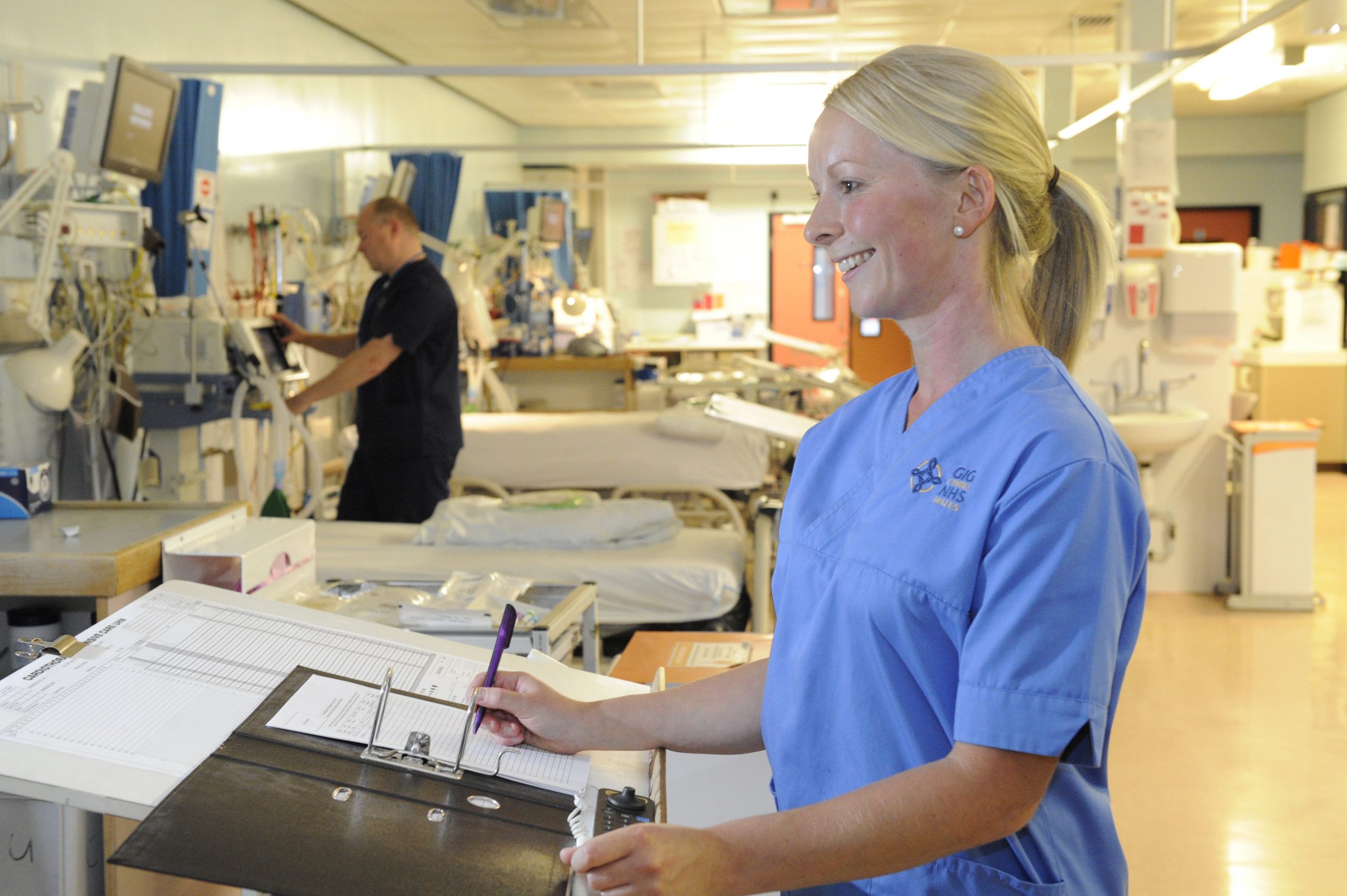
THE ROYAL COLLEGE OF NURSING WALES has warned of a growing jobs crisis for newly qualified nurses, saying a shortage of Band 5 posts could leave up to half of this year’s nursing graduates without work when recruitment opens.
The union said the situation was particularly alarming given the severe pressures already facing NHS Wales, with staff continuing to report overcrowded wards, unsafe conditions and unmanageable workloads across multiple health boards.
RCN Wales said the lack of available jobs for newly trained nurses pointed to a serious failure in workforce planning. It warned that losing new entrants to the profession would place even more strain on already overstretched services and could further affect patient care.
The organisation said the situation also undermined the Welsh Government’s and NHS Wales’ duty to improve the quality and safety of care.
RCN Wales is calling on the Welsh Government to provide urgent clarity on the scale of the shortfall, set out credible long-term workforce planning, and introduce immediate system-wide measures to recruit, retain and deploy the nursing workforce Wales needs.
The union said it had received assurances that students would not be penalised if posts were unavailable. That includes being released from any obligation to work in Wales and not being required to repay tuition fee support where workforce shortages prevent them from securing employment.
Professor Sandy Harding, Associate Director of Nursing at RCN Wales, said: “The situation facing newly registered nurses is deeply concerning and exposes serious failures in workforce planning.
“It is becoming increasingly clear that this situation is being driven by financial constraints, including the freezing of vacant posts within local health boards. Our NHS is under intense pressure, yet hundreds of newly qualified nurses may have no posts to enter. This is simply unacceptable.
“These students stepped forward for Wales, trained through immense challenges, and now face uncertainty at the very moment the system needs them most. They deserve far better.

“Every newly qualified nurse will be vital to meeting Wales’s care needs. The RCN will continue to demand transparency, accountability and long-term planning from the system. We will not stop speaking up for students, for our safety-critical nursing workforce, and for the people who rely on safe, high-quality care.”



Crime1 day ago
Four youths stabbed at Tenby railway station as two arrested
British Transport Police lead investigation after serious disorder involving group of youths FOUR youths suffered stab wounds during a major...


News2 days ago
Major emergency response in Tenby after incident near train station
Witnesses report injuries as police and ambulance crews remain at scene on Warren Street POLICE and ambulance crews remain at...


News2 days ago
Haverfordwest County AFC faces High Court winding-up threat from HMRC
Chairman says issue has been dealt with, but winding-up notice is still listed ahead of High Court hearing HAVERFORDWEST County...


Local Government2 days ago
Food hygiene checks have not been carried out in parts of a Welsh county since 2019
FOOD hygiene checks have not been carried out in parts of a Welsh county since 2019 due an inspection backlog,...


Local Government2 days ago
Bridge works on Neyland-Burton road to continue into late April
Council says safety repairs remain on programme but traffic lights will stay in place as major bridge scheme moves into...


Charity3 days ago
Angle RNLI answers string of call-outs across the Milford Haven Waterway
Volunteer crew launched for searches, police incidents, a medical evacuation and a grounded yacht during a busy spell from mid-February...


Charity3 days ago
St Davids RNLI launches on Easter Monday after drifting kayak spotted off Solva
Missing vessel recovered near shore after coastguard confirms it had been reported lost days earlier ST DAVIDS RNLI launched on...


News3 days ago
Diesel nears £2 a litre in Pembrokeshire as drivers scramble for cheaper fuel
Johnston forecourt hits 194.9p while wide price gaps and rush to fill up pile pressure on motorists across the county...


News4 days ago
St Davids Cathedral marked Easter Sunday with full day of worship
FROM dawn vigil to choral evensong, the cathedral welcomed worshippers for one of the most important days in the Christian...


Crime4 days ago
Neyland man spared immediate jail over aggravated vehicle taking
Defendant given a suspended prison sentence after magistrates heard the offence was serious enough to cross the custody threshold KRISTIAN...
-

 News6 days ago
Accommodation providers in Wales will be required to register under new law
-
Crime1 day ago
Four youths stabbed at Tenby railway station as two arrested
-

 Entertainment6 days ago
From Milford Haven to the world: The story of The Evolution Experience
-

 Entertainment7 days ago
BBC unveils major new Welsh dramas with Tenby set for prime-time spotlight
-

 Community7 days ago
Sycamore Gap legacy takes root at Carew Castle
-

 Crime7 days ago
Driver spared jail after crash killed young couple
-

 News4 days ago
Eluned Morgan targets Haverfordwest as Welsh Labour fights to hold its ground
-

 Charity7 days ago
Unpaid carers at breaking point in Wales, warns Marie Curie