


Crime
Wales hit hard by dating scams as romance fraud tops £400 million

Dyfed-Powys sees biggest rise in cases
PREDATORY dating scammers have cost the UK public more than £400 million in financial losses over the past five years, according to reports from Action Fraud.
Data compiled by Action Fraud Claims Advice—a private service separate from the national reporting centre—reveals that nearly 40,000 crime reports were submitted between January 2020 and December 2024. Wales featured prominently, with close to 1,900 reports originating from the country.
Dyfed-Powys sees sharpest rise in dating scams
Dyfed-Powys recorded 472 reports of romance fraud over five years, making it one of the most affected areas in Wales. The region saw 72 reports in 2020, a figure that surged to 118 the following year. Since then, cases have remained in the 90s, with 98 in 2022, 91 in 2023, and 93 in 2024.
The 29% increase in cases between 2020 and 2024 was the highest in Wales, ahead of South Wales, which saw a 24% rise in reports.

South Wales recorded 662 cases over five years—more than any other Welsh police force area. Reports fluctuated, with 120 in 2020, 145 in 2021, two consecutive years of 124 cases, and a rise to 149 in 2024.
North Wales followed closely behind, with 468 reports. Unlike other regions, 2023 was the worst year for romance fraud, with 108 reports—a sharp rise from 85 the year before.
Gwent Police received 291 reports over the five-year period. Numbers fluctuated, with 56 reports in 2020, rising to 68 in 2021, dropping to 47 in 2022, then climbing back to 65 in 2023 before falling to 55 in 2024. Gwent was one of only six UK regions where reports decreased compared to 2020.
Wales’ figures compared to the UK
Greater London saw the highest number of romance fraud reports, with 5,168 cases over five years. Other hotspots included:

- West Midlands (1,550 reports)
- Sussex (1,451 reports)
- Thames Valley (1,401 reports)
A total of 39 out of 48 police forces saw a rise of at least 10% in romance fraud cases between 2020 and 2024. Reports in Northern Ireland and Scotland increased by a third over the same period.
The UK-wide average per police region was 813 reports over five years, meaning all Welsh areas fell below the national average. However, excluding Greater London and cases with unknown origins (4,117 reports), the average was 651—just 11 fewer than South Wales’ 662 cases.
Victims losing over £10,000 on average
The financial impact of romance fraud is staggering, with total estimated losses exceeding £409 million.

In 2021, the highest number of reports (8,678) was recorded, with victims losing a combined £87,694,153—an average of £10,105 per person. While case numbers have since fluctuated, 2024 saw an increase, with 8,548 reports filed, marking a rise of 465 cases from the previous year and 708 from 2022.
Financial losses have also surged. In 2020, reported losses totalled £66,339,032, averaging £9,884 per case. By 2024, this had climbed to £92,215,871, with an average loss of £10,788 per victim—an increase of nearly 40% over five years.
Though scammers may target vulnerable individuals around Valentine’s Day, the data suggests romance fraud is a year-round threat. Reports between 14 February and 14 March only exceeded the monthly average once, in 2021, when complaints surged to nearly 27 per day.
Shocking figures reveal no one is safe
The data highlights that romance scams affect people across all demographics.
Of the 35,000 reports where gender was recorded, 51% of victims identified as female (17,956), while 49% were male (17,032).
Middle-aged individuals were the most frequent victims:
- 50-59-year-olds: 7,393 cases
- 40-49-year-olds: 6,445 cases
However, all age groups were represented, including 73 victims aged 90-99 and one victim over 100 years old.
Disturbingly, 53 victims were under the age of 10, and a further 1,472 were under 20. Experts warn that this is symptomatic of a growing epidemic of online child exploitation. The NSPCC reported in September that counselling requests for online grooming and sextortion have risen sharply.
“Romance fraud is a devastating crime”
Victim Support, an independent charity, emphasised the emotional damage inflicted by romance fraud.
Lisa Mills, Senior Fraud Manager at Victim Support, said: “Romance fraud is a devastating crime. For victims, it isn’t just about losing money. The psychological and emotional impact of being deceived by someone you trusted deeply can severely damage confidence and self-worth.
“Sadly, many victims feel too embarrassed to confide in friends or family, leaving them even more isolated.
“If you have been a victim, you are not to blame—fraudsters are skilled manipulators who deceive thousands each year. Get in touch with Victim Support for free, confidential help via our 24/7 Supportline (08 08 16 89 111) or live chat service.”
The UK government hopes new measures under the Online Safety Act 2023 will encourage tech firms to better protect users. Ofcom issued its first guidelines on tackling fraud in December, with fraud listed as a “priority” crime that social media and search platforms must actively work to prevent.
Where to get help
Victims of romance fraud can report cases to Action Fraud by visiting www.actionfraud.police.uk.
Action Fraud Claims Advice offers free support and fraud recovery assistance for victims seeking to reclaim lost funds.



Defendant admitted using Xbox without informing police as required under court order
ANTHONY COOMBES, aged 26, of Sand Banks, Broad Haven, appeared before Llanelli Magistrates’ Court on Thursday (Mar 20) charged with breaching a sexual harm prevention order.
The court heard that between February 26 and March 19, 2026, at Haverfordwest, Coombes repeatedly breached the order by using an Xbox device without informing police within three days, as required.
The offences relate to a sexual harm prevention order imposed at Swansea Crown Court on October 20, 2021.
Coombes indicated guilty pleas to the offences at the first hearing.
Magistrates committed the case to Swansea Crown Court for sentence.

He was remanded in custody ahead of the next hearing, which is due to take place at 9:00am on Friday, April 3, at Swansea Crown Court.
The court refused bail on the grounds that he was likely to offend, citing the nature and seriousness of the offences and his previous record and character.
A pre-sentence report was ordered.

FOUR people from Mynyddygarreg, Kidwelly, have been ordered to pay more than £129,000 following a successful prosecution for illegal dog breeding.
At Swansea Crown Court on Tuesday (Mar 10), before His Honour Judge Thomas KC, Stacey May June Edwards, Peter John Edwards, Sian Eleri Thomas and David Malcolm James Thomas, all of Sea Breeze, Mynyddygarreg, pleaded guilty to offences under the Breeding of Dogs (Wales) Regulations 2014.
The court imposed confiscation orders totalling £129,873.41 under the Proceeds of Crime Act across the four defendants. They were also ordered to pay £8,000 in costs, while each defendant received a £2,000 fine.
The investigation began in April 2021 after Carmarthenshire County Council’s Animal Health team received an enquiry from Peter Edwards about obtaining a dog breeding licence. Although licensing guidance was provided and a partial application was submitted in February 2022, this was later withdrawn.
In March 2024, the council received a complaint that puppies were being advertised for sale without the required licence. Officers subsequently contacted online advertising platforms and issued data requests to assess the scale of activity.
Analysis of records from Pets4Homes, Freeads and Gumtree revealed multiple litters being advertised by members of the same household.
Correspondence under the Police and Criminal Evidence Act confirmed that up to 25 dogs were kept at the property, including between 16 and 19 breeding females.
While some defendants claimed joint ownership of the dogs, others attempted to minimise their involvement.
The Herald understands that numerous puppy advertisements were posted between July 2020 and April 2025, demonstrating a sustained pattern of unlicensed breeding.

Carmarthenshire County Council’s Cabinet Member for Climate Change, Decarbonisation and Sustainability, Cllr Aled Vaughan Owen, said: “This case demonstrates the council’s firm stance against unlicensed and illegal dog breeding.
“These regulations are in place to protect animal welfare and ensure that breeding activities are subject to proper oversight. The scale of activity uncovered at this property was entirely unacceptable, and we welcome the court’s decision to issue significant confiscation orders under POCA.”
He added: “We urge anyone with concerns about illegal dog breeding to report it. Our Animal Health officers will continue to investigate thoroughly and take action against those who disregard the law.”

Residents are reminded that anyone breeding and selling dogs must comply with licensing regulations designed to protect both animal welfare and consumers.

Milford Haven man sentenced at Swansea Crown Court following drug dealing operation
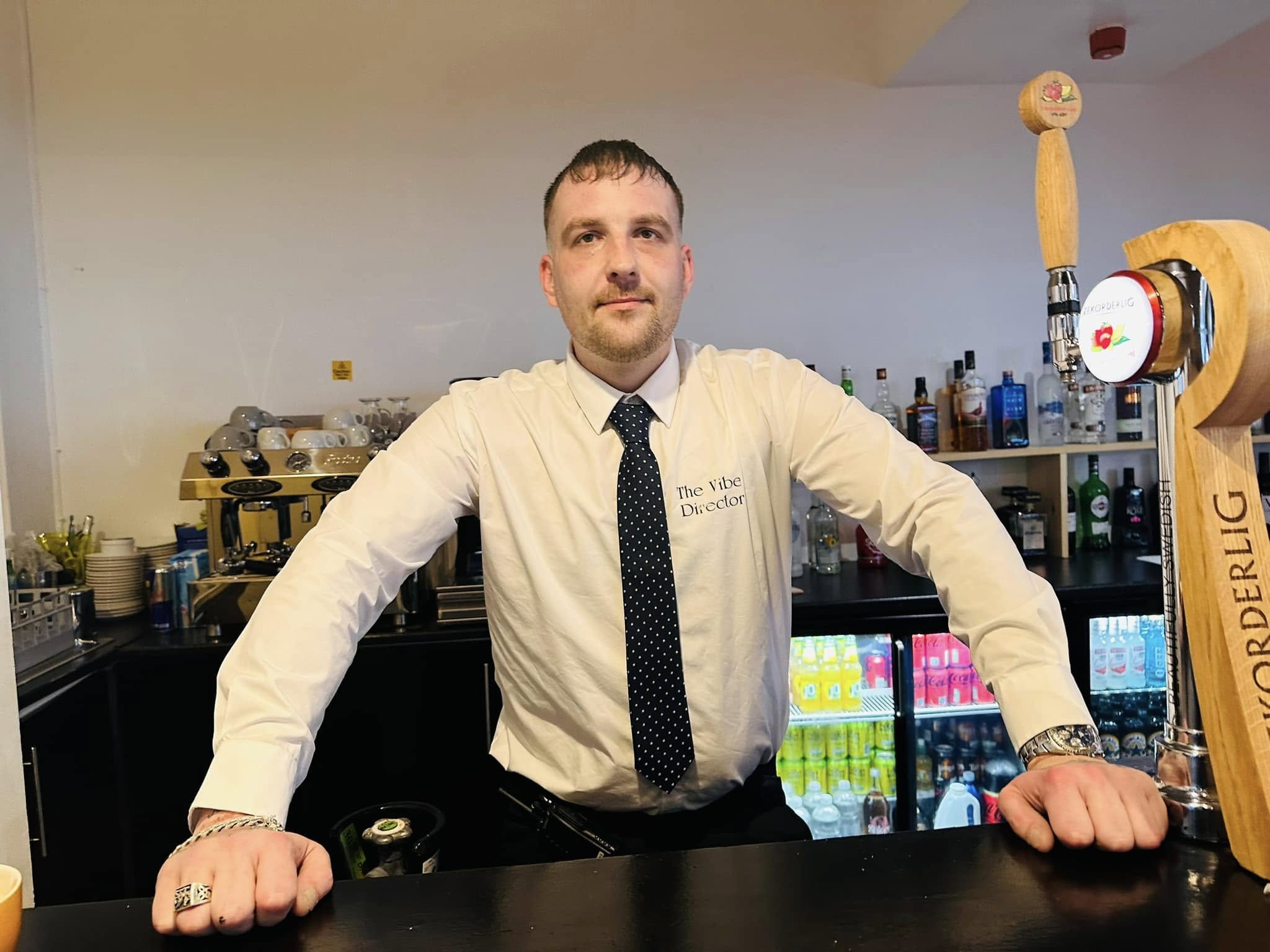
A MILFORD HAVEN publican has been jailed for six years after admitting supplying cocaine and cannabis.
The defendant, who previously appeared before magistrates and was remanded in custody, was sentenced at Swansea Crown Court following an investigation into drug dealing activity linked to the town.

The court heard that he had been involved in the supply of Class A and Class B drugs, with evidence including material recovered by police and analysis of mobile phone data. Investigators said the activity had been ongoing since at least 2024.
Cocaine, a Class A drug, carries the most serious penalties under UK law, and the involvement of both cocaine and cannabis was reflected in the length of the sentence imposed.
During proceedings, the court was told that the case went beyond isolated incidents, with the defendant playing a significant role in the supply chain. The judge said the offending was serious and sustained, warranting an immediate custodial sentence.

He was sentenced to six years in prison.
The case had previously been heard at Haverfordwest Magistrates’ Court, where the defendant was remanded due to the seriousness of the allegations before being sent to the Crown Court for sentencing.




Crime16 hours ago
Publican jailed for six years for supplying cocaine and cannabis
Milford Haven man sentenced at Swansea Crown Court following drug dealing operation A MILFORD HAVEN publican has been jailed for...


Local Government18 hours ago
Poverty summit highlights support efforts across Pembrokeshire
A SUMMIT bringing together key organisations from across Pembrokeshire has highlighted both the scale of local poverty and the work...


Education2 days ago
Milford Haven school plans unveiled but funding not yet secured
PLANS for a new £100 million school in Milford Haven have been unveiled, but the project has not yet secured...


News2 days ago
Council unveils plans for new state-of-the-art secondary school in Milford Haven
PEMBROKESHIRE COUNTY COUNCIL has revealed plans for a new state-of-the-art school in Milford Haven, promising modern, inspiring learning spaces for...


Health2 days ago
NHS waiting list falls — but cancer delays and diagnostic backlog worsen
Record progress claimed by Welsh Government as critics warn key targets are still being missed THE NHS in Wales has...


Crime3 days ago
Rapist jailed after ‘abhorrent’ attacks on woman and children
Haverfordwest man told police “women won’t have sex without force” A HAVERFORDWEST man who raped a woman and a young...


News3 days ago
Reform secures first Pembrokeshire councillor in Hakin by-election win
Late Reform candidate takes seat as independent surge and Labour withdrawal shape contest REFORM UK candidate Scott Thorley has won...


News3 days ago
Scott Thorley elected as Pembrokeshire’s first Reform councillor
REFORM UK candidate Scott Thorley has won the Hakin by-election after securing 179 votes. The full result is as follows:...


News4 days ago
Police confirm man has died after being recovered from River Cleddau
Major emergency response in town centre after concerns raised for man in water A MAN has died after being recovered...


Community4 days ago
Davies and Kurtz urge groups to seek employability funding
Community organisations in Pembrokeshire encouraged to apply for new grants supporting skills and job access LOCAL Senedd Members Samuel Kurtz...
-

 News7 days ago
Rayner and Lammy visit Wales to discuss justice and community safety
-

 News6 days ago
Fishguard linked to allegations in Many Tears Animal Rescue investigation
-

 News4 days ago
Emergency services flood Haverfordwest after reports of person in river
-
 Local Government7 days ago
Investigation confirmed after inspectors visit Many Tears Animal Rescue
-

 Crime3 days ago
Mother given community order after admitting child cruelty offence
-

 Business7 days ago
Oil firm praised for putting customers first during price surge
-

 Community7 days ago
Town hall takeover plan questioned as cost figures conflict
-

 News3 days ago
Senedd vote to ban greyhound racing hailed as ‘landmark moment’ by charities