


Health
Mental health crisis response plan welcomed — but families say detentions will continue


Protests at the Senedd as campaigners accuse Welsh Government of failing autistic and learning-disabled people
A MAJOR new mental health strategy promising same-day support in Wales has been overshadowed by rising anger from families who say vulnerable people are still being detained in hospitals simply because of their disabilities or autism.

The Welsh Government says its ten-year plan will transform mental health support by focusing on early help, social prescribing, and same-day access via GPs and community services. The NHS’s urgent 111 helpline—where callers can “press 2” for mental health support—is now receiving nearly 6,000 calls a month.

But critics say that behind the numbers lies a more troubling story—one of systemic failure for people with learning disabilities and autism.
On Wednesday, April 17, protesters from the Stolen Lives campaign gathered outside the Senedd in Cardiff Bay to accuse ministers of inaction. The campaign was founded by Dr. Dawn Cavanagh, from Hook, Pembrokeshire, whose own son is detained in a secure mental health hospital.
“We are talking about people being imprisoned without committing any crime,” said Dr. Cavanagh. “Their only crime is being disabled. It has traumatised us as a family.”


The protest brought together families, carers, disability rights groups and allies. Holding placards and banners, they demanded urgent reform and meaningful investment in community care to prevent people being “shut away” in hospitals for years at a time.
Many of those detained are sent far from their families, often to private facilities in England, due to a lack of appropriate housing and support in Wales.
“We’ve had endless promises, meetings, reports—but nothing changes,” said one protester. “We are tired of being told our case is unique. We’re not. This is a national scandal.”
Sophie Hinksman, 39, from Pembrokeshire, was sectioned in 2016 and says she still lives with the trauma.

“If I’d got the right support at home, everything would have been okay,” she said. “Instead I was taken away and left to deteriorate. I’m still trying to come back from that.”
The UK Government’s new Mental Health Bill—adopted in part by the Welsh Government—claims it will limit the ability to detain autistic and learning-disabled people under the Mental Health Act unless they have a co-occurring mental illness. But campaigners say this won’t stop detentions unless proper alternatives are funded.
“If community care isn’t there, they’ll still be detained—just under different legislation like the Mental Capacity Act,” said Dr. Cavanagh.

Data published by the Welsh Government shows 135 people with a learning disability are currently in specialist inpatient services in Wales. In England, over 2,000 people with learning disabilities or autism are detained, and around half have been held for more than two years.
Campaigners say many of those individuals were initially admitted due to crises brought on by poor housing, isolation, or lack of support staff. Once inside, people deteriorate further, delaying discharge indefinitely.

‘Hospitals are not homes’
Joe Powell, Chief Executive of All Wales People First, told the crowd at the Senedd: “Wales led the way 41 years ago with the All Wales Strategy. It said hospitals are not homes and people should live in the community. Now we are going backwards.”
Despite claims of progress, families say that local Health Boards and councils face little accountability when placements fail.
The Welsh Government insists it is committed to reducing inpatient numbers and improving care. A spokesperson said: “We do not agree that people with learning disabilities are being systematically detained inappropriately. Where hospital care is used, a care plan must be in place and reviewed regularly.”
But campaigners are not reassured.
“It’s like the Post Office scandal,” said one mother at the protest. “They told each family their situation was unique—but the problem was the system all along.”
There is hope — but no time to waste
Elsewhere in Wales, community-based support is making a difference—when it’s available.
Sian McEvoy, 41, from Swansea, began volunteering at a local community farm after a long period of alcohol dependency and anxiety.
“When I was drinking, I didn’t leave the house for three years,” she said. “Now I’m out in the community, working with animals. It’s helped my mental health and given me the confidence to think about getting back into work.”
Steffan Thomas, 24, who is autistic, has volunteered at the same farm for four years.
“If I miss a week, I feel it,” he said. “This place keeps me grounded.”
Health experts say these are the kinds of solutions that need long-term investment—not short-term pilots.
Professor Kamila Hawthorne, a Bevan Commission member, said: “Social prescribing and early intervention can prevent crisis—but only if the infrastructure is there. Without it, the NHS will be overwhelmed, and vulnerable people will fall through the cracks.”
As protesters packed up their banners outside the Senedd, Dr. Cavanagh said: “We don’t want more empty promises. We want people to come home.”
Responding to the Welsh Government’s plan, Welsh NHS Confederation Nesta Lloyd-Jones said: “We welcome the shift in approach set out in the new Welsh Government’s 10 year mental health and wellbeing strategy, which is centred on early intervention, prevention and person-centred care.
“As the strategy acknowledges, the building blocks of mental wellbeing start long before healthcare intervention – whether that’s education, housing, employment, access to green spaces and leisure, the arts and so on. Building more resilient communities, addressing health inequalities and tackling loneliness are essential to this too. The Welsh Government’s promise to prioritise action on mental health across all Welsh Government departments is a positive start on the journey to a cross-government approach to mental health, including the deployment of Health Impact Assessments.
“However, in these continuously financially challenging times, these sectors and services are among the first to be cut. We must think long-term and invest in these areas to make things better for individuals, healthcare services and the public purse.
“We know timely access to services play an important role in patient outcomes. NHS leaders support the concept of the no wrong door approach and the introduction of 111 press 2 is a good example of simplifying access for those reaching out for help.
“We know that societal inequalities put some groups at greater risk, underscoring the importance of providing these individuals with better resources and tackling barriers to accessing care. However, with rising demand for mental health services and the growing impact of climate change on mental wellbeing, a greater emphasis on primary, secondary and tertiary prevention is needed.
“Now this strategy has been published, the Welsh Government must ensure the resource and support is in place for sectors and organisations to deliver on the vision statements.”
Jemma Wray, Head of Wales at the Mental Health Foundation said: “We strongly welcome and support the new 10 year mental health strategy for Wales, and its vision to transform how the people of Wales are enabled and supported to live mentally healthy lives.
The strategy is grounded in an understanding that poor mental health can be prevented through ensuring that the building blocks of good mental health are in place, and that there is a system of connected community support available which enables people to connect with what they need, when they need it.
The delivery of this plan at a community level, ensuring the right infrastructure exists to support its implementation, will be vital in its success. It’s equally important that the Welsh Government continues to work alongside people with lived experience and that their improved outcomes are the measure of its impact.
We’re pleased to have been able to contribute to the development of this strategy during the consultation period, and look forward to supporting its implementation in collaboration with Welsh Government, NHS Executive, Public Health Wales, and the Wales Alliance for Mental Health among others to help improve the outcomes for those who are most at risk of developing poor mental health in Wales.”
Welsh Government says ‘a major shift’ is under way
The Welsh Government insists its new 10-year strategy marks a turning point for mental health care in Wales.
Minister for Mental Health and Wellbeing Sarah Murphy said: “This strategy represents a major shift in how we approach mental health and wellbeing. We are focusing on prevention, early intervention, and ensuring easy access to support when needed.”
The new strategy aims to expand open access and same-day support, building on the 111 “press 2” helpline and introducing a stepped care model, where people only move into more intensive treatment when truly necessary.
It also promotes person-centred care and social prescribing, such as linking people with community groups and activities instead of relying solely on clinical interventions.
“We’re working to address all the factors that affect wellbeing – from housing and employment to tackling loneliness,” Murphy added.
Initiatives already supported under the scheme include Walking Friends Wales, which helps older people reduce loneliness through group walks and social connection.
Campaigners, however, say that while the vision is welcome, the success of the strategy depends entirely on whether these services are funded and delivered at scale, and whether urgent cases of inappropriate detention are properly addressed.
As Dr. Cavanagh said at the Senedd protest:
“We don’t want more empty promises. We want people to come home.”












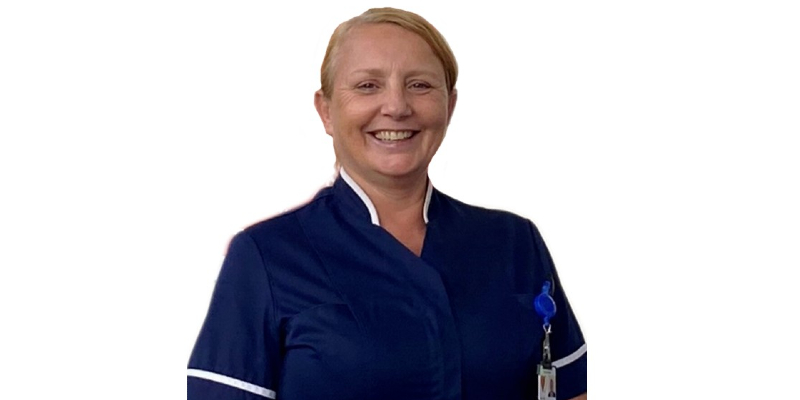
NICOLA WILLIAMS will take up the role in April, bringing more than three decades of experience in nursing and senior leadership.
The Royal College of Nursing (RCN) has announced the appointment of Nicola Williams as its new Executive Director for Wales.
She joins the organisation from Velindre University NHS Trust, where she currently serves as Executive Director for Nursing, Allied Health Professionals and Health Care Scientists. With 38 years of experience in nursing and more than six years at executive board level, she is widely recognised across NHS Wales for her work in improving patient outcomes.
A highly experienced strategic leader, Williams has worked across a wide range of clinical and organisational settings. She has led major transformation programmes, strengthened national clinical leadership networks and championed innovation and evidence-based improvements in care. Her work has contributed to changes adopted across Wales and has been recognised with national awards.
Speaking about her appointment, Nicola Williams said: “I feel privileged to be appointed as Executive Director of RCN Wales. I’m a proud nurse, passionate about patient safety and improving care standards.

“Delivering the best care is only possible when nursing staff are supported to work in safe, inclusive environments. I will stand alongside members and their patients.
“Nursing staff are the backbone of health and care. I am determined to support our members across Wales, wherever they work, to meet the challenges ahead and shape the future of our profession.
“I look forward to meeting members across Wales and ensuring our work is informed by their experiences and expertise.”
In her new role, Williams will lead the RCN’s work in Wales and provide strategic leadership across key priority areas spanning the UK.

She succeeds Helen Whyley, who has held the position since February 2019 and will move into a new role as Director of Service Innovation at the RCN.

HYWEL DDA University Health Board will decide next week whether to make changes to the GP referral pathway for routine adult mental health services permanent.
The decision will be taken at a public Board meeting on Thursday (Mar 26).
Board members will consider a proposal to formalise changes already introduced in Ceredigion and, if approved, roll out the revised pathway across Pembrokeshire and Carmarthenshire.
Since March 2025, adults in Ceredigion seeking routine mental health support have been advised by their GP to contact the NHS 111 Wales ‘Press 2’ service, rather than being referred directly to the county’s Community Mental Health Team.
The temporary change was introduced in response to ongoing staffing shortages. Health Board officials say the approach has helped maintain timely access to face-to-face assessments for those who need them, while directing initial contact through a single access point.

The 111 ‘Press 2’ service provides telephone assessments by local wellbeing practitioners, supervised by registered mental health nurses, offering advice, support and onward referrals where required.
At its November 2025 meeting, the Board agreed to extend the temporary pathway until the end of March 2026. A nine-week engagement exercise followed, running from December 8 to February 9, to gather feedback from patients, professionals and stakeholders on the potential long-term impact.
Andrew Carruthers, Chief Operating Officer at Hywel Dda University Health Board, said: “I would like to thank everyone who took the time to share their views and experiences.
“I would also like to thank West Wales Action for Mental Health for supporting engagement with patients, including those with lived experience, alongside GPs, primary care teams, mental health staff and third sector partners.

“Our priority is to ensure mental health services remain accessible, fair and sustainable. The temporary changes in Ceredigion have shown some positive benefits, and the feedback we have received from across the three counties will play an important role in shaping the Board’s decision.”
The Board will review all evidence and feedback before making a final decision on the future of the adult mental health referral pathway.
GPs will continue to refer patients with urgent or complex needs directly to community mental health teams where appropriate, and have access to a dedicated NHS 111 professional line for additional clinical advice.

Further details, including the full Board papers, are available here:
https://biphdd.gig.cymru/amdanom-ni/eich-bwrdd-iechyd/cyfarfodydd-y-bwrdd-2026/agenda-a-phapuraur-bwrdd-26-mawrth-2026/
The meeting will be streamed live from 9:30am on Thursday (Mar 26) via:
www.youtube.com/hywelddahealthboard1

Local pharmacy reports MenB vaccine shortage amid rising concern
PARENTS and carers across west Wales are being urged to check their children’s vaccination status following recent meningitis cases in the UK.
The warning comes as a local pharmacy has confirmed a shortage of the Meningitis B (MenB) vaccine, highlighting growing pressure on supplies.
Mendus Pharmacy said it currently has no availability of the vaccine due to what it described as a nationwide supply issue.

In a statement, the pharmacy said: “We would like to inform our patients that, due to ongoing supply issues, we currently have no availability of the Meningitis B vaccine.
“Unfortunately, this is a nationwide shortage and all stock is currently unavailable.
“We understand this may be particularly concerning given the recent outbreak reported in Kent, and we completely appreciate the importance of timely vaccination.”
The pharmacy confirmed it is operating a waiting list and will contact patients once supplies return.
Health officials say keeping vaccinations up to date remains one of the most effective ways to prevent serious illness and reduce pressure on NHS services.
Dr Ardiana Gjini, Executive Director of Public Health at Hywel Dda University Health Board, urged parents to act.
She said: “Vaccination is one of the most effective ways we can protect children and young people from serious illness.
“Ensuring your child is fully vaccinated not only safeguards their health but also helps prevent the spread of infections within our communities.
“I strongly encourage all parents and carers to check their child’s vaccination status. If you are concerned that your child may have missed routine vaccinations, please speak to your GP.”
Meningococcal disease is a serious and potentially life-threatening infection that can lead to meningitis or septicaemia. While many people recover, some are left with long-term physical, neurological or psychological complications. Around one in ten cases can be fatal.
Although the disease can affect anyone, babies, young children, teenagers and young adults are at greatest risk.
In Wales, vaccines protecting against meningococcal strains A, B, C, W and Y are offered as part of the NHS immunisation programme. Infants receive the MenB vaccine, while teenagers are offered the MenACWY vaccine.
Latest figures from the Health Board show that uptake among 16-year-olds for the MenACWY vaccine stands at 76.4%, meaning a significant number of young people remain unprotected as they approach adulthood.
For younger children, uptake of the MenB vaccine is higher but still below the recommended 95% target. Around 92.8% of infants are vaccinated by their first birthday, rising slightly to 91.8% by their second.
Health officials say these figures reflect strong engagement from families and primary care teams but stress that continued vigilance is needed.
Families are being advised to check their child’s vaccination record with their GP or by contacting the Health Board directly. Parents should also ensure babies receive their scheduled MenB doses and that teenagers receive their MenACWY and 3-in-1 booster vaccines, which are currently being delivered in schools.
Parents are also urged to remain alert to the symptoms of meningitis and septicaemia and to seek urgent medical advice if they have concerns.
Further information on symptoms is available via NHS 111 Wales.


Crime1 day ago
Publican jailed for six years for supplying cocaine and cannabis
Milford Haven man sentenced at Swansea Crown Court following drug dealing operation A MILFORD HAVEN publican has been jailed for...

Local Government1 day ago
Poverty summit highlights support efforts across Pembrokeshire
A SUMMIT bringing together key organisations from across Pembrokeshire has highlighted both the scale of local poverty and the work...


Education2 days ago
Milford Haven school plans unveiled but funding not yet secured
PLANS for a new £100 million school in Milford Haven have been unveiled, but the project has not yet secured...


News2 days ago
Council unveils plans for new state-of-the-art secondary school in Milford Haven
PEMBROKESHIRE COUNTY COUNCIL has revealed plans for a new state-of-the-art school in Milford Haven, promising modern, inspiring learning spaces for...


Health2 days ago
NHS waiting list falls — but cancer delays and diagnostic backlog worsen
Record progress claimed by Welsh Government as critics warn key targets are still being missed THE NHS in Wales has...


Crime3 days ago
Rapist jailed after ‘abhorrent’ attacks on woman and children
Haverfordwest man told police “women won’t have sex without force” A HAVERFORDWEST man who raped a woman and a young...


News3 days ago
Reform secures first Pembrokeshire councillor in Hakin by-election win
Late Reform candidate takes seat as independent surge and Labour withdrawal shape contest REFORM UK candidate Scott Thorley has won...


News4 days ago
Scott Thorley elected as Pembrokeshire’s first Reform councillor
REFORM UK candidate Scott Thorley has won the Hakin by-election after securing 179 votes. The full result is as follows:...


News4 days ago
Police confirm man has died after being recovered from River Cleddau
Major emergency response in town centre after concerns raised for man in water A MAN has died after being recovered...


Community4 days ago
Davies and Kurtz urge groups to seek employability funding
Community organisations in Pembrokeshire encouraged to apply for new grants supporting skills and job access LOCAL Senedd Members Samuel Kurtz...
-

 News6 days ago
Fishguard linked to allegations in Many Tears Animal Rescue investigation
-

 News4 days ago
Emergency services flood Haverfordwest after reports of person in river
-

 Crime3 days ago
Mother given community order after admitting child cruelty offence
-
Health2 days ago
NHS waiting list falls — but cancer delays and diagnostic backlog worsen
-

 Sport7 days ago
Wales end Six Nations losing run with bonus-point win over Italy
-

 Crime6 days ago
Man cleared of sexual assault allegation after magistrates rule no case to answer
-

 News4 days ago
Senedd votes to ban Greyhound racing in Wales to protect animal welfare
-

 News4 days ago
Senedd vote to ban greyhound racing hailed as ‘landmark moment’ by charities