


Health
Welsh Government considers abandoning ‘ill-advised’ cancer target

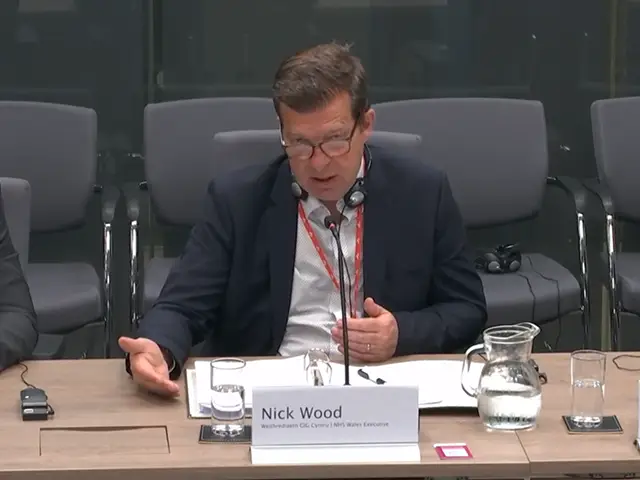
A KEY ambition for 80% of cancer patients to start treatment within 62 days could be dropped because services have little chance of hitting the target, a committee heard.
Eluned Morgan, Wales’ First Minister, announced plans to raise the performance target from 75% to 80% by 2026 while she was health secretary in 2022.
But, appearing before the Senedd’s public accounts committee today, NHS Wales deputy chief executive Nick Wood suggested the 80% target could be scrapped.
“I think we need to reflect on experience and what’s happened in the years since,” he said.
Mr Wood pointed to a report on NHS performance published on Monday following a review by an advisory group which was appointed by the Welsh Government.

He said: “I think some of their recommendations are helpful in terms of stating at this point that it’s probably ill-advised to move the target to 80% when there isn’t really a realistic proposition of us getting to 80% over the next 12 months.”
The so-called single cancer pathway – which was introduced in 2019, replacing the urgent and non-urgent pathways – runs from first suspicion of cancer to the start of treatment.
None of Wales’ seven health boards have hit the 75% target since August 2020 and latest statistics for February showed 60% started treatment within 62 days.
Mr Wood added: “A continued focus on getting to 70% then 75% would be a more advisable approach. We’ve not made a formal decision in terms of stepping away from that 80%….

“I think it would be fair to say that we need to review that position and focus on continuous improvement from the current position of 60%… before we consider going further.”
The 80% target was described by the report as an example of ministers “reaching for new policies or initiatives in preference to focusing on delivery of existing plans”.
Baroness Morgan said at the time: “By 2026, 80% of people who receive a cancer diagnosis should start first definitive treatment within 62 days from the first point when cancer was suspected. We will make sure that those with the greatest need are seen first.”


The Conservatives described the 80% aim as not ambitious enough while Plaid Cymru pointed out services were failing to hit the 75% target even before the pandemic.
Ministers accepted all the report’s recommendations, at least “in part”, in its response which set out a focus on skin, breast, lower gastrointestinal, gynaecological and urological cancers.
Mark Isherwood, who chairs the public accounts committee, pressed witnesses on the failure to meet the existing 75% target during the meeting on May 1.
Mr Wood described the performance as clearly unacceptable, adding: “The target is very challenging but it doesn’t necessarily reflect the experience of a huge number of people who are on the cancer pathway. It only reflects those who go through and have treatment.”
Mr Wood told the committee more than 13,000 people in Wales were told they did not have cancer in February. “They would have all been on the cancer pathway at some point but are not part of the performance element of 62 days,” he said.
Pointing to consistent increases in referrals, he added: “It’s unacceptable that we’re only on 60% but there is a lot more below the headline figure which I think is important.”
He welcomed an Audit Wales report which found a lack of national leadership, saying: “We accept the recommendations and would recognise the issues… described within the report.”
Asked whether the existing target is realistic considering rising demand, Mr Wood stressed the importance of setting an ambitious aim supported by clinical evidence.
Tom Crosby, the national cancer clinical director who was involved in establishing the single cancer pathway in 2019, described the policy as the right approach.
The clinical oncologist said: “We must not normalise long waiting times for patients.”
Raising concerns about “unwarranted variation” of services across Wales, Prof Crosby stressed that performance against the target is only one measure of the quality of care.
Labour’s Mike Hedges asked about work to drive improvement in the number of patients being diagnosed early, saying: “Late diagnosis is causing serious problems.
“We know [there are] some cancers where nearly everybody is diagnosed at stage three and stage four – and they have very, very poor survival rates.”
Keith Reid, deputy chief medical officer in the Welsh Government, pointed to the example of the roll-out of bowel cancer screening and proposals for a targeted lung cancer programme.


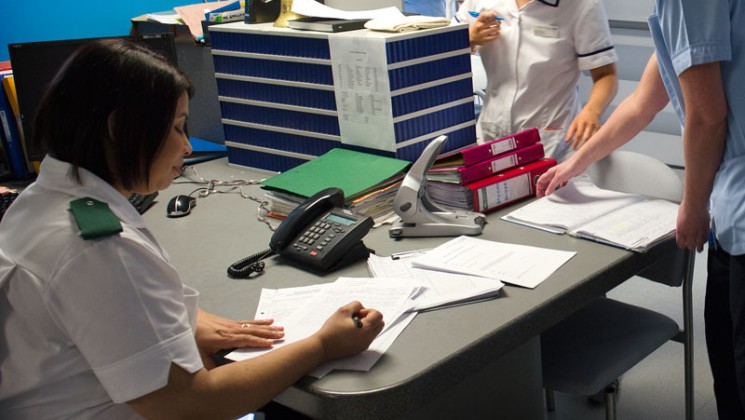
A NEW national report has laid bare the growing pressures facing nurses and midwives in Wales, with concerns over pay, burnout and lack of professional development threatening the long-term future of the workforce.
The findings, published by the Nursing and Midwifery Council in its Spotlight on Nursing and Midwifery 2025 report, show that while many nurses remain deeply committed to their roles, large numbers feel undervalued, overstretched and reluctant to recommend the profession to others.
Responding to the report, Royal College of Nursing Wales said the data should act as a wake-up call for government and health boards.
Professor Sandy Harding, Associate Director of Nursing, Policy and Professional Development at RCN Wales, said:
“We welcome the determination and commitment shown by our existing nurses in Wales, with more than half surveyed saying they are satisfied with their day-to-day work and motivated by making a difference to people’s lives. However, the findings also present a stark reflection of the poor health of nursing in Wales.

“Too many nurses are not recommending the profession to others, are struggling and are facing abuse and discrimination in the workplace.”
Pay falling behind responsibility
One of the most pressing concerns raised in the report is pay.
Nursing leaders say salaries have failed to keep pace with the growing complexity of the job, heavier caseloads and the rising cost of living, leaving many staff feeling undervalued and financially squeezed.
For some, the pressure is forcing difficult decisions about staying in the profession or reducing hours.
RCN Wales argues that without meaningful improvements to pay, recruitment and retention will continue to suffer, placing further strain on already stretched hospital wards, community services and care settings.
Training and career progression gaps
The report also highlights inconsistent access to continuing professional development, with many nurses struggling to secure protected time or funding for further training.
According to the union, this not only limits career progression but risks undermining patient care in the long term.
Harding said: “Access to protected time and funding for continuing professional development remains inconsistent, undermining both career progression and the sustainability of the workforce.
“RCN Wales believes this is unacceptable and we will continue to support nurses and fight for fair pay, meaningful investment in professional development and better working conditions across Wales.”
Commitment remains strong
Despite the challenges, the report does note strong dedication among nursing staff.
More than half of those surveyed said they were satisfied with their day-to-day work and remained motivated by the difference they make to patients’ lives.
Health leaders say that commitment is a strength the NHS in Wales cannot afford to lose.
With around 35,000 members in Wales, the Royal College of Nursing says it will continue pressing ministers to address what it describes as a “workforce crisis” before it deepens further.
The union is calling for fairer pay settlements, safer staffing levels and guaranteed investment in training to ensure nursing remains an attractive and sustainable career.
Tribunal history reveals medic was removed in 2012 for dishonesty before being allowed back to practise
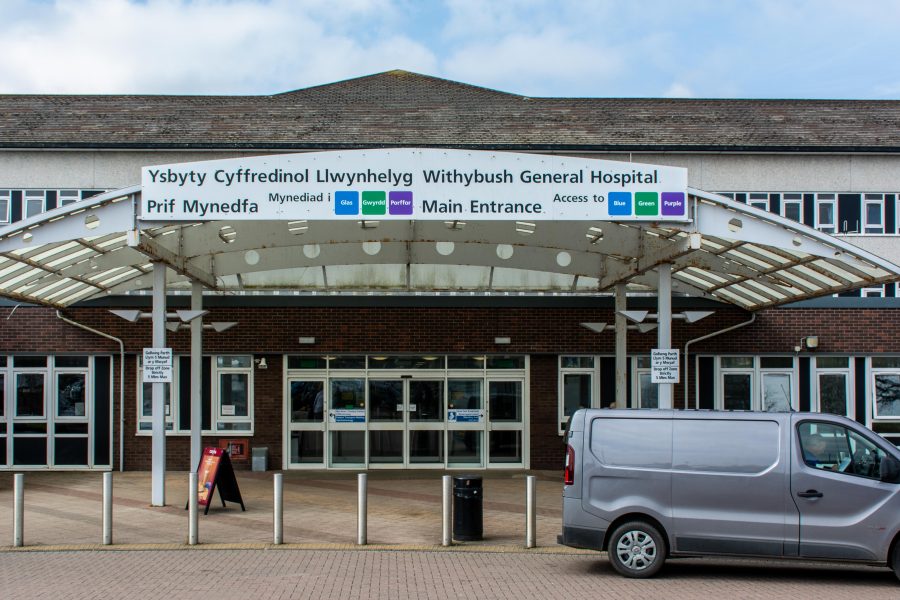
A DOCTOR accused of sexually harassing junior colleagues while working at Withybush Hospital had previously been struck off the medical register for lying about his qualifications, the Herald can reveal.
Dr Velmurugan Kuppuswamy is currently at the centre of fitness-to-practise proceedings after allegations he made sexually inappropriate comments and subjected two female doctors to unwanted physical contact during his time as a locum consultant in Haverfordwest.
But records show this is not the first time his conduct has come before regulators.
In 2012, an independent tribunal found he had been dishonest during an application and interview for a postgraduate cardiology training post at an NHS deanery in England.
The panel heard he falsely claimed to have submitted a Doctor of Medicine thesis, said he was a member of the Royal College of Physicians and stated he had passed a practical clinical skills assessment.
He initially admitted misleading information before later retracting parts of his account. The tribunal concluded he had “maintained his dishonest accounts” and had wrongly accused a witness of giving misleading evidence.
He was erased from the register and returned to India, where he later worked in a cardiac hospital.
In 2020, he applied to be restored to the UK medical register.
The General Medical Council investigated and opposed the application, arguing his expressions of remorse had come years late and raising concerns about a lack of independent evidence regarding his work overseas, as well as the absence of relevant ethics training.

However, an independent Medical Practitioners Tribunal at the Medical Practitioners Tribunal Service accepted his assurances that he had changed. His evidence was described as “compelling, heartfelt and genuine”, and the panel decided a well-informed member of the public would not be concerned about his return to practise.
His name was restored to the register.
Shortly afterwards, he began working shifts as a locum consultant at Withybush Hospital, which is run by Hywel Dda University Health Board.

Within months, fresh allegations emerged.
A tribunal has heard claims that between August and September 2021 he hugged junior colleagues without consent, touched their backs and waists, squeezed their wrists and arms and made sexually suggestive remarks at a staff social event.
On two occasions, he is alleged to have gripped one doctor so tightly it caused pain and ignored her requests to stop. He is also accused of staring at female colleagues, following groups of women around the venue, making comments about their bodies and placing a hand high on one doctor’s thigh.
Further allegations relate to behaviour at work, including sitting extremely close to a colleague, draping an arm behind her on a sofa and grabbing her arm while whispering comments.
According to the charges, his conduct created “an intimidating, hostile, degrading, humiliating or offensive environment” and amounted to a sexually motivated abuse of his senior position.
Dr Kuppuswamy denies wrongdoing.
Following the investigation, the case was referred to a tribunal by the General Medical Council. The decision on his fitness to practise was made independently by a Medical Practitioners Tribunal at the Medical Practitioners Tribunal Service.
The tribunal determined his behaviour amounted to serious professional misconduct and ordered that he be erased from the medical register.
Asked whether the doctor remains employed, the health board said it does not comment on individual staffing matters.
Medical director Mark Henwood said: “We have robust policies and procedures in place to ensure the safety of both staff and patients in our care and we take seriously our responsibility for their wellbeing. We are committed to providing a safe, supportive environment where patients and staff can be confident that best practice is being followed at all times.”
From sleeping on chairs to parking fines, patients say everyday barriers are pushing the NHS to breaking point
PATIENTS across West Wales are describing a health service under such strain that some say they now expect to be penalised simply for trying to access care.
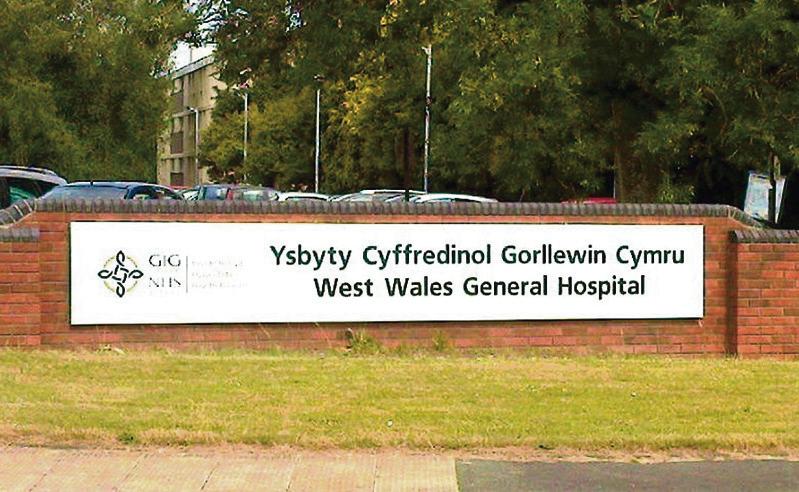
At Glangwili Hospital, stories of patients sleeping on chairs for days due to a lack of beds have been accompanied by growing frustration over issues that begin long before anyone reaches a ward — including parking, access, and the sheer difficulty of getting through the hospital doors.
One disabled patient said they had resigned themselves to receiving a £25 parking fine in order to attend hospital appointments.
“I now accept I will be fined,” they said. “Parking is impossible, but it’s that or miss my appointment. I am too disabled to park miles away and the disabled spaces are always full.”
Others have described spending days in A&E or side rooms, unable to lie down, while waiting for a bed to become available. One patient admitted on New Year’s Day with pneumonia said they slept in a chair for four nights without a pillow or blanket before being moved, only to later discover they also had flu and should have been isolated sooner.
Across social media and in correspondence with the Herald, patients and families repeatedly stress that frontline NHS staff are not to blame — instead pointing to a system that they say is buckling under years of structural strain.
Glangwili, the largest hospital managed by Hywel Dda University Health Board, serves Carmarthenshire and is home to the county’s only accident and emergency department following the closure of A&E at Prince Philip Hospital. That closure, along with reductions in services elsewhere, is frequently cited by patients as a turning point.
Several people said the loss of local A&E and cottage hospitals has forced more patients into already stretched units, increasing ambulance reliance and long-distance travel — particularly difficult in a largely rural region.
Further west, uncertainty over services at Withybush Hospital continues to fuel anxiety, especially given the scale of reinforced autoclaved aerated concrete (RAAC) identified across the site.
Hywel Dda has acknowledged that almost 90% of Withybush is affected by RAAC, while Glangwili itself is the oldest acute hospital in Wales. The health board says more than £50 million has been spent on the two hospitals in recent years, largely to address critical safety and infrastructure risks rather than expand capacity.
Patients, however, question where that money is felt on the ground.
Some have criticised NHS procurement and management structures, while others point to social care as the missing piece. Repeated comments highlight the lack of care packages and closed care homes, which many believe are leaving medically fit patients unable to be discharged — effectively blocking beds and creating bottlenecks throughout the system.
“There’s nowhere for people to go,” one reader said. “Until social care is sorted, nothing will change.”
Concerns have also been raised about staff morale, with some alleging bullying cultures and burnout contributing to recruitment and retention problems. Again, blame is consistently directed upward rather than at nurses, doctors or porters.
Behind it all looms the long-promised new ‘super hospital’ for Carmarthenshire — first discussed in 2006 and formally launched in 2018. Eight years on, construction has yet to begin, and public confidence in the project is fading.
While Hywel Dda and the Welsh Government insist improvements are under way — including additional funding to expand capacity at Glangwili and improvements to patient experience — many patients say their reality feels far removed from official assurances.
For those attending appointments, sleeping in chairs, or weighing up a parking fine against missing care, the crisis is no longer abstract.
“It’s not politics,” one patient said. “It’s whether you get treated — and how.”



Crime2 hours ago
More rape and sexual assault survivors to get right to challenge dropped cases
New review scheme to be rolled out across CPS Cymru-Wales following successful pilot SURVIVORS of rape and serious sexual assault...

Crime22 hours ago
Man spared jail after admitting child abuse image offences
Police seized devices after intelligence linked Pembrokeshire address to illegal cloud storage accounts A 23-YEAR-OLD Pembrokeshire man has avoided immediate...


Community1 day ago
Cleddau at heart of major water reforms as ministers promise ‘fundamental reset’
New regulation plan aims to tackle pollution, sewage spills and ageing infrastructure COMMUNITIES along the River Cleddau could see tighter...


Crime1 day ago
Man caught in hotel sting after trying to meet girl, 13
Laugharne defendant confronted by paedophile hunters at St Clears Travelodge before suspended jail term at Swansea Crown Court A LAUGHARNE...


News1 day ago
Princess of Wales visits historic Pembrokeshire woollen mill
Catherine the Princess of Wales visited Melin Tregwynt, a historic family-owned woollen mill, today, highlighting the enduring traditions and skills...


Crime2 days ago
Arrest made after Carmarthen park stabbing investigation
Police thank community and media following public appeal to trace suspect AN ARREST has been made following last week’s stabbing...


Crime2 days ago
Search continues for attempted murder suspect after Carmarthen park stabbing
Police expand searches across riverbank and woodland as public urged to come forward with information DYFED-POWYS POLICE say their search for...


Community2 days ago
Flood alert issued for Pembrokeshire coast this evening
Pembrokeshire residents are being urged to prepare for possible flooding along the coastline between St Dogmaels, Cardigan and Amroth, after...

News2 days ago
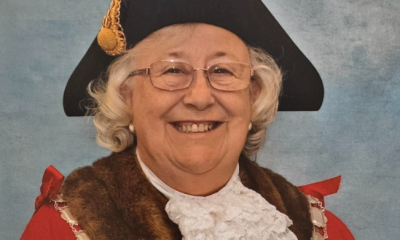
Tributes paid to Pembroke Dock Councillor and former Mayor Pamela George
It is with great sadness that the Pembroke Dock community mourns the passing of Councillor Pamela George. Pamela, affectionately known...


Health3 days ago
Doctor struck off after sexual misconduct findings at Withybush Hospital
Tribunal history reveals medic was removed in 2012 for dishonesty before being allowed back to practise A DOCTOR accused of...
-

 Health6 days ago
Consultation reveals lack of public trust in health board
-

 Community7 days ago
Pembrokeshire students speak at national Holocaust Memorial Day event
-
News1 day ago
Princess of Wales visits historic Pembrokeshire woollen mill
-
 Crime5 days ago
Pembroke man accused of child sex offences sent to Swansea Crown Court
-

 Community6 days ago
Campaign to ‘save’ River Cleddau hits over 2,200 signatures
-

 Education7 days ago
Attendance concerns at Milford School reflect wider issue raised at the Senedd
-
Health3 days ago
Doctor struck off after sexual misconduct findings at Withybush Hospital
-
 Crime7 days ago
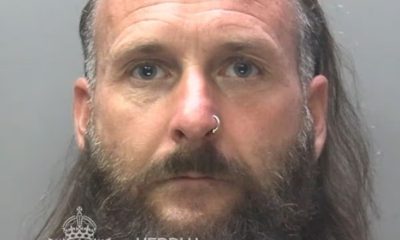
Former soldier jailed for stalking police officer over past arrest