


Politics
Pembrokeshire council ends year with £2m underspend

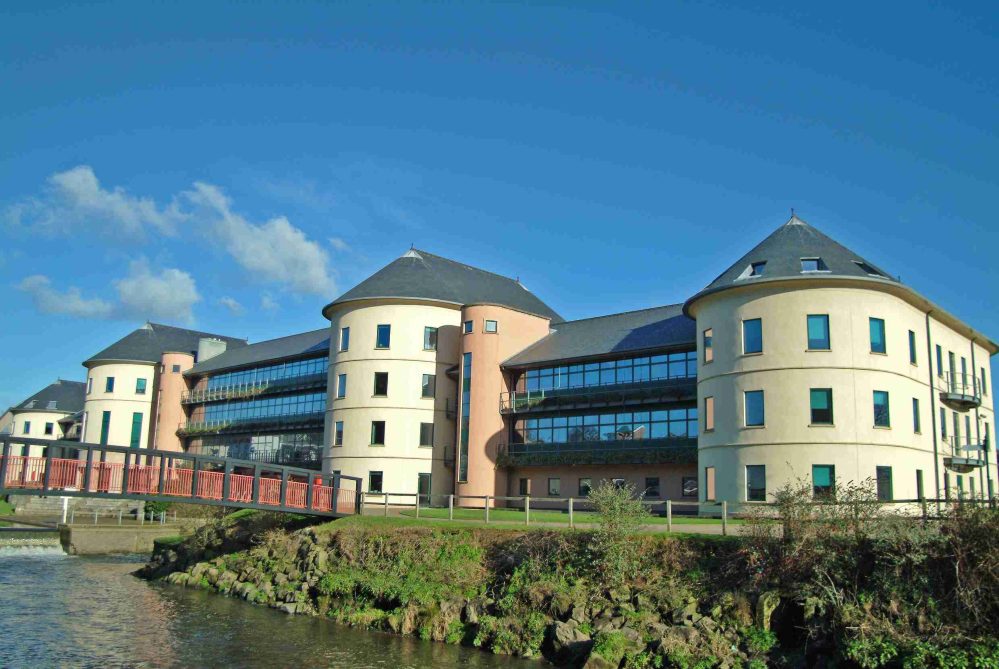
PEMBROKESHIRE County Council ended the last financial year underspending by £2m, in part due to an extra £1.2m raised through second homes tax, despite a dire forecast it was to overspend by £1.4m, senior councillors heard.
At the July 7 meeting of Pembrokeshire County Council’s Cabinet, members heard the council’s approved revenue net expenditure budget for 2024-25 was £303.5m, set against a backdrop of increased level of demand, complexity and cost of packages within its School ALN provision, Children’s Services, Adult Services and Homelessness, with material overspends within Social Care & Housing totalling £6.5m, offset by underspends in other service areas.
At the end of the financial year, the council’s net expenditure for 2024-25 was £301.5m, against a prediction during the third quarter of a £1.4m overspend, a report for members by Cabinet Member for Corporate Finance Efficiencies Cllr Alistair Cameron said.
That £3.4m difference was due to a number of factors, members heard, including £1.8m of additional revenue funding and £0.7m additional capital funding from Welsh Government for the 2024-25 financial year received this March.
The report for members added: “A recruitment freeze was implemented following Q1 reporting, with recruitment only to essential positions. The recruitment market remains challenging, with many services struggling to recruit suitably qualified and skilled staff. Whilst this has resulted in a reduction in budgetary pressures of circa £2.4m, it will impact the ability of Pembrokeshire County Council to deliver its services.”

The council’s budget has also been bolstered by an underspend of £4.3m in Capital Financing Costs and Investment Income, along with “a moratorium on all nonessential expenditure” put in place during the first quarter of the year, along with early preparation for, and progression of the 2025-26 budget savings resulting in some additional savings being realised in 2024-25.
It also said the second homes council tax premium had netted an unexpected extra £1.2m for the council, with properties moving from Non-Domestic Rates and qualifying for Second Home Council Tax premium as a result of not meeting the required 182-day occupancy threshold.
It warned: “There is a risk that a number of these customers may lodge a successful appeal with the Valuation Office Agency (VOA) and be moved back to NDR, requiring a repayment of the counciltax paid.
“The VOA have advised they currently have a 6-12-month backlog for appeals. It would be prudent for the £1.2m surplus to be held in reserve for likely refunds following VOA determination, and this is recommended.”

On schools, members heard that while the overall position had improved since the previous quarter, 13 schools remained in deficit balances.
Cllr Cameron warned the underspend “must not be used to mask the financial challenges in the medium-term financial plan”.
Cabinet Member for Residents’ Services Cllr Rhys Sinnett said: “It’s easy to look at social media and think things are collapsing around us; we have services that are seriously stretched, and we continue to deliver.”

After praising the work of council staff, Cllr Sinnett said: “I’m asking people for patience and some dialogue about what we are and what we are able to do; it’s tough out there for members and staff.”
Leader Cllr Jon Harvey said there was “quite alarming” misinformation on social media about efforts made, adding: “We’ve cut to the bone, and beyond, for most departments.”
Members agreed to note the report and the £2.014m budget underspend went to the Initiative Fund to provide resources for the council to invest in improvement and prevention projects for future cost avoidance / budget saving opportunities.
Members also agreed the £1.228m additional second homes council tax raised be held against any appeals.


Monkton councillor tops Pembrokeshire list as party confirms Carmarthenshire names and includes Haverfordwest councillor in unwinnable Swansea spot
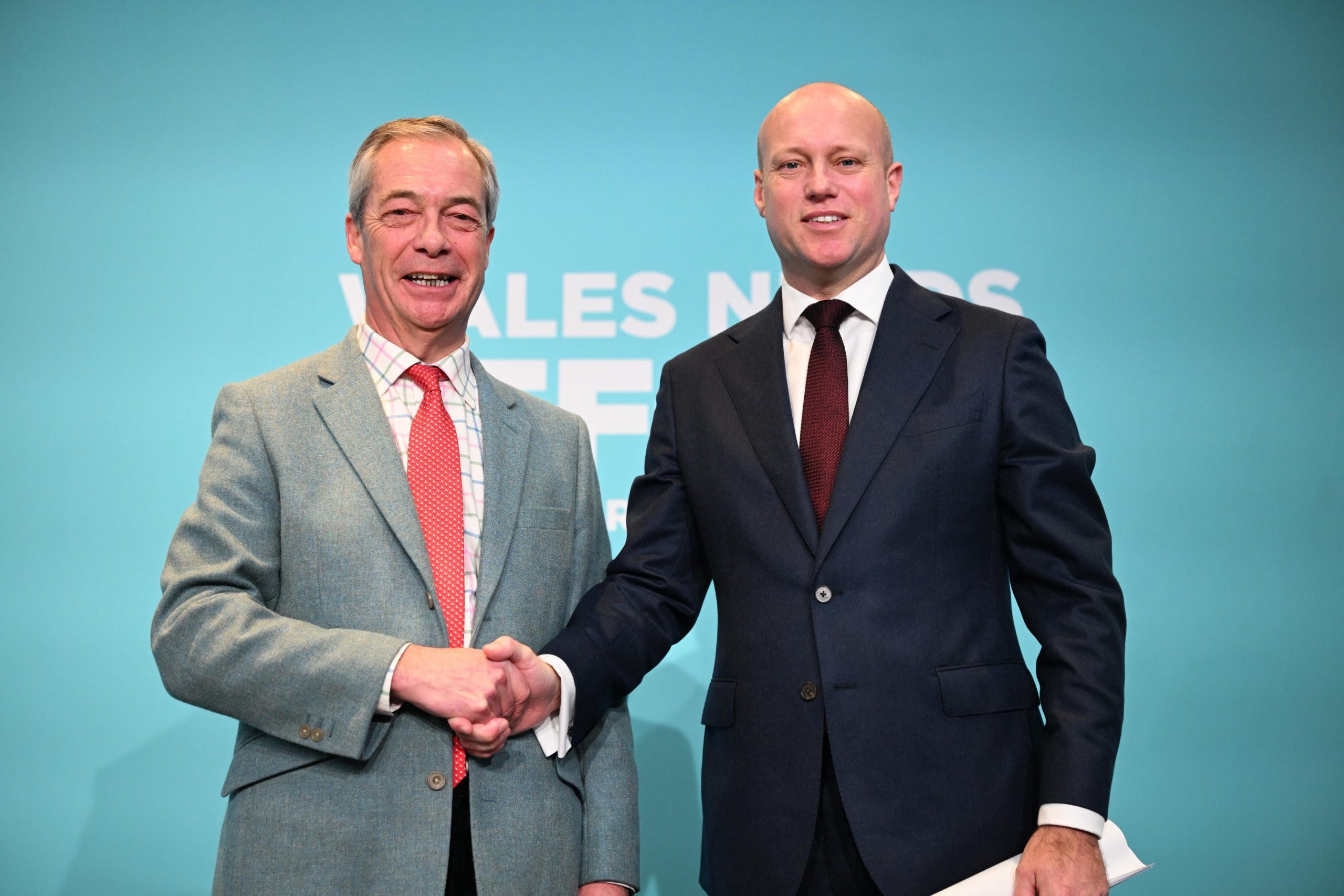
REFORM UK has unveiled its full list of candidates for the 2026 Senedd election, setting out its challenge across west Wales including Pembrokeshire and Carmarthenshire.
The party has named Susan Claire Archibald, a sitting councillor for Monkton on Pembroke Town Council, as its lead candidate for the Ceredigion Preseli, Mid and South Pembrokeshire regional list.
Speaking to The Herald, Archibald said: “I am honoured to represent Reform UK and Wales.” She added that a fuller statement outlining her priorities would be released in due course.
The remaining candidates on the Pembrokeshire regional list are Paul Marr, a former prison officer, Michael Allen, Elisa Randall, Peter John and Bernard Holton.
Carmarthenshire candidates named
Reform has also confirmed its list for the Caerfyrddin and Llanelli region, with Gareth Beer placed first, followed by Carmelo Colasanto, Sarah Edwards, Christopher Brooke, Alan Cole and Michelle Beer.

The announcement forms part of a nationwide rollout of candidates as the party seeks to establish itself as a credible electoral force ahead of the 2026 vote.
Thorley listed in Swansea region
Among the names included elsewhere is Scott Thorley, a Haverfordwest-based councillor and the first Reform representative elected to Pembrokeshire County Council.
Thorley appears on the party’s list for the Gower and Swansea West region, where he is placed sixth.
Under the Senedd’s proportional representation system, candidates placed lower on regional lists are significantly less likely to be elected, meaning his position is widely viewed as a paper candidacy to complete the slate.

Election framing
Reform Wales leader Dan Thomas said the party was offering voters a stark political choice.
He said: “After a hundred years of failure, Labour are finished in Wales. The choice at this election is what comes next — common sense and a fresh start with Reform, or independence by stealth with Plaid Cymru.”
The Herald understands that further announcements, including candidate profiles and policy details, are expected in the coming weeks as the campaign begins to take shape.


Fiery PMQs clash descends into chaos as Labour jeers and Reform exits chamber
REFORM UK MPs dramatically walked out of the House of Commons on Wednesday (Mar 25) following a heated Prime Minister’s Questions exchange that saw Sir Keir Starmer launch a scathing attack on Nigel Farage.

The confrontation erupted after Farage challenged the Prime Minister on small boat crossings, prompting a blistering response from Starmer.
Addressing the Commons, the Prime Minister said: “This is from the man and the party that voted against giving law enforcement counter-terrorism style powers to tackle it.
“So he wants the grievance, he doesn’t want it sorted and he has absolutely no judgment.”
Starmer went further, accusing the Reform leader of inconsistency on foreign policy and opportunism in politics.
“He again said, ‘let’s join the war, let’s all go to war’… A week later, a screeching U-turn. We don’t want to go to war. And he says trust his judgment. It’s hard to take anything he says seriously.”
The Labour leader concluded with a stinging remark: “Reform don’t want to solve problems, they only want to exploit them… it’s an absolute disgrace.”
Within moments of the comments, Reform MPs began leaving the chamber in protest. Farage was followed out by fellow MPs including Robert Jenrick and former Home Secretary Suella Braverman.
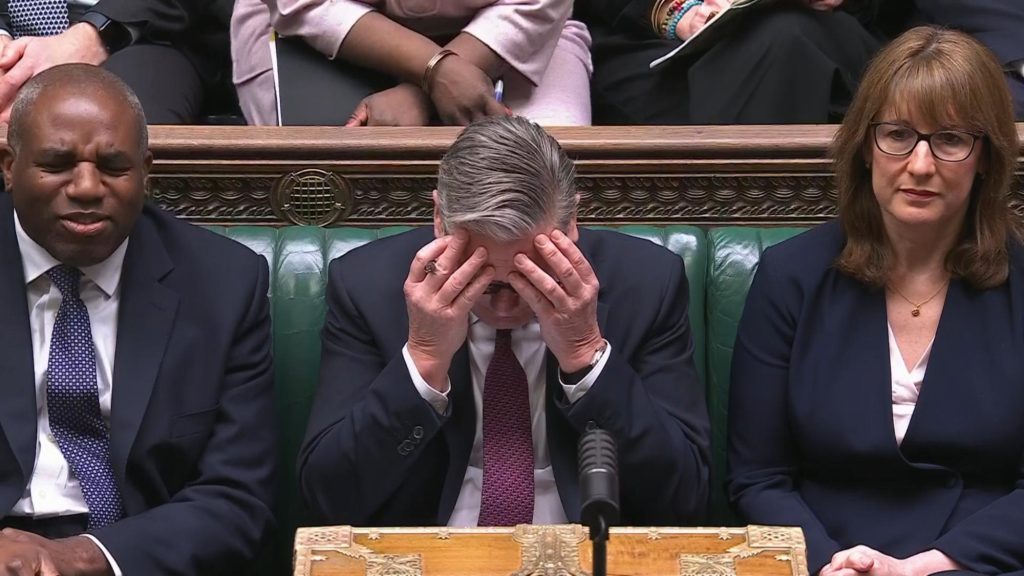
Labour MPs responded with loud jeers, with some shouting “bye” as the group exited.

The walkout quickly drew criticism from Labour figures. Cabinet minister Jo Stevens later posted on social media: “What a bunch of snowflakes.”
The dramatic scenes underline the increasingly volatile atmosphere in Westminster, as Reform UK continues to position itself as a disruptive force in British politics ahead of upcoming elections.
The Herald understands tensions between Labour and Reform MPs have intensified in recent weeks, particularly over immigration and national security policy.

New support service confirmed for young people, but exact site yet to be revealed
A NEW youth hub is set to open in Pembrokeshire as part of a major UK Government rollout aimed at helping young people into work — but officials have not yet confirmed where it will be based.
The hub is one of 12 new sites announced across Wales, designed to support 16 to 24-year-olds with access to jobs, training, mental health services and housing advice under one roof.
The Department for Work and Pensions said the hubs will bring together Jobcentre Plus, local authorities, employers and training providers to help young people who are not currently in education, employment or training.
However, while Pembrokeshire has been named as a location, no further detail has been provided on which town or building will host the service.
The Herald understands that such hubs are often based in or alongside existing Jobcentre Plus offices or council-run facilities, but at this stage no confirmation has been given for Pembrokeshire.
Work and Pensions Secretary Pat McFadden said: “Today marks a major boost for young people across Wales.
“We are delivering support in every region, connecting young people with employers and meeting them where they are so they can take the first step into work.”
The announcement also includes plans to hand more control over employment support funding to the Welsh Government, with £20 million already allocated to pilot schemes aimed at tackling economic inactivity.
Minister for Skills Jack Sargeant said the move would allow programmes to be tailored to local communities.

“Decisions about getting people back into work are made by those who know their communities best,” he said.
The new hubs form part of a wider UK-wide plan to ensure every area has access to a Youth Hub, amid concerns about rising numbers of young people not in work or education.
Further details, including the exact location of the Pembrokeshire hub and when it will open, are expected to be announced at a later date.



News8 hours ago
Reform reveals west Wales candidates for Senedd battle
Monkton councillor tops Pembrokeshire list as party confirms Carmarthenshire names and includes Haverfordwest councillor in unwinnable Swansea spot REFORM UK...


Health15 hours ago
Clash over Withybush Hospital services as Paul Davies challenges First Minister
A HEATED exchange in the Senedd has laid bare growing tensions over the future of hospital services in west Wales....


Crime1 day ago
Police stop car in Pennar as three arrested in drugs investigation
Suspected drug driver report leads to major police response and multiple arrests DRAMATIC scenes were reported in Pennar on Monday...


Business2 days ago
New pilot vessel Llanion arrives at Milford Haven
State-of-the-art 22-metre craft marks reset after £3.6m pilot boat controversy THE PORT OF MILFORD HAVEN has taken delivery of a...


Community2 days ago
Sycamore Gap legacy tree to take root in Pembrokeshire landscapes
A SAPLING grown from the famous Sycamore Gap tree is set to become part of Wales’ protected landscapes — with...


Business3 days ago
Could Primark be coming to Haverfordwest? Major retailer in talks for former Wilko site
Council confirms advanced discussions as speculation grows over high street boost HAVERFORDWEST could soon see a major high street revival,...


Business3 days ago
Rail investment ‘could unlock 40,000 jobs and £11bn for Wales’ says new report
RAILWAY stations across Wales could help unlock around 40,000 jobs and more than £11 billion for the economy by 2036,...


Local Government3 days ago
Milford Haven set for £200m investment with schools, leisure centre and rail upgrade
Council outlines major plans for town with backing from Welsh Government MILFORD HAVEN is set for a major transformation with...


Community3 days ago
Broad Haven volunteers secure ‘national asset’ status for nature reserve
A SMALL stretch of woodland and former opencast coal mine has been transformed into a nationally recognised biodiversity site, in...


Entertainment4 days ago
Tenby steams up in spectacular style as crowds flock to festival
Colourful parade, towering creations and Victorian flair bring town centre to life TENBY was transformed into a vibrant Victorian fantasy...
-

 Health7 days ago
NHS waiting list falls — but cancer delays and diagnostic backlog worsen
-

 Crime7 days ago
Illegal workers found at Cardigan takeaway after immigration raid
-

 Crime6 days ago
Pembroke man remanded in custody over knife threat, assault and damage allegations
-

 Crime5 days ago
Broad Haven man remanded in custody over sexual harm prevention order breach
-

 Education6 days ago
Milford Haven school plans unveiled but funding not yet secured
-

 News6 days ago
Council unveils plans for new state-of-the-art secondary school in Milford Haven
-

 Crime5 days ago
Publican jailed for six years for supplying cocaine and cannabis
-

 Farming6 days ago
£3 million secured to continue Welsh sheep genetics programme