


Tourism
Berkshire to Pembrokeshire: The perfect coastal road trip

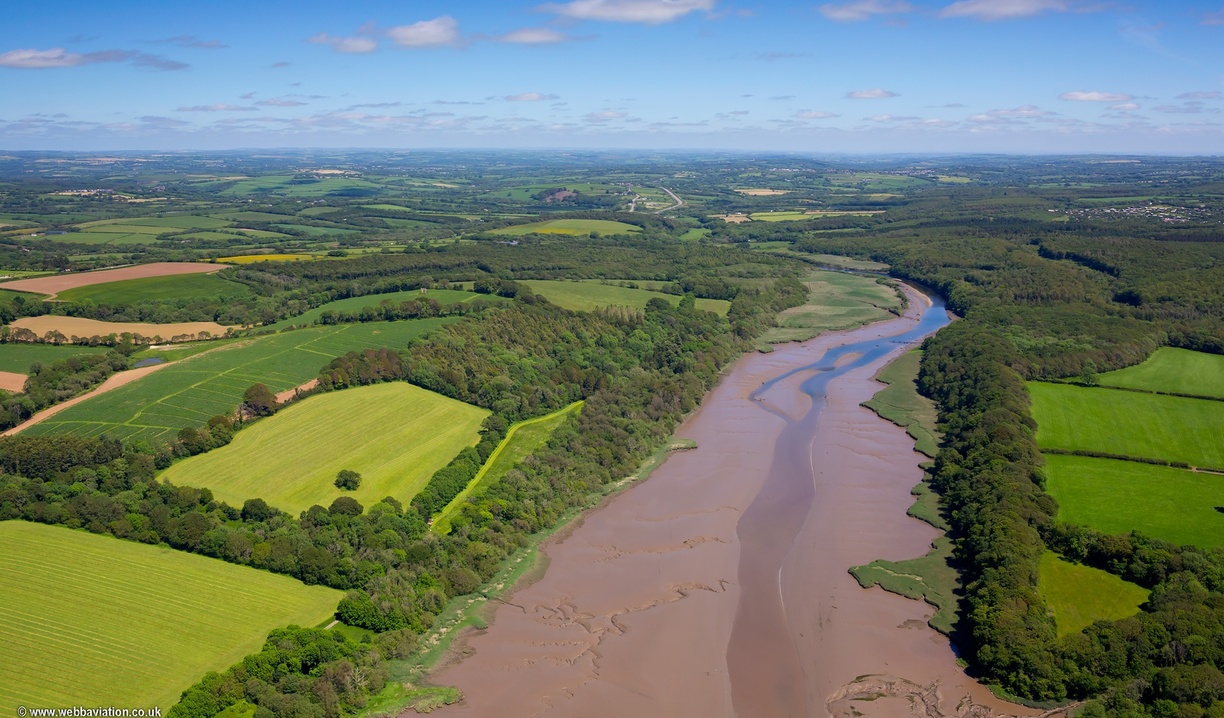
If you’re looking for a scenic and exciting road trip, then Berkshire to Pembrokeshire is the perfect choice. Spanning roughly 250 miles and taking just under seven hours to complete, there is plenty to see and do along the way. So, here’s how your Berkshire to Pembrokeshire road trip could look.
Stop 1: Bristol
After setting off in Berkshire, your first stop will be Bristol, which is just over an hour from your starting point.
Bristol is a spectacular city with a creative and friendly atmosphere, and it’s home to one of the most popular street artists in the world, Banksy.
In the city there are plenty of things to do and places to explore including a Banksy walking tour, the Wake the Tiger Amazement Park – which features over 40 rooms of immersive art installations, Cabot Tower, and Bristol Cathedral.
Stop 2: Cardiff
Once you have explored Bristol, you will drive for around 90 minutes before arriving in Cardiff, the capital of Wales. This city is popular for a number of reasons and offers the perfect opportunity to stretch your legs.

Cardiff is seeped in history and culture with a number of historic castles including Cardiff Castle, Caerphilly Castle, and Castell Coch. There are also a few parks, such as Bute Park and Parc Cefn Onn, which are ideal for picnics, and exceptional entertainment options like treetop golf and the Royal Arcade.
Stop 3: Swansea
The next 90 minutes or so will be spent admiring the Welsh coastline before arriving at stop number three, Swansea.
Here you can enjoy a quick dip in the sea at one of the many beaches in the area. Swansea Beach, Three Cliffs Bay, or Caswell Bay Beach are some of the most popular. If the weather isn’t on your side, there are also a number of indoor attractions such as the Swansea Museum and Glynn Vivian Art Gallery.
Final stop: Pembrokeshire
Your road trip will conclude in Pembrokeshire, which is roughly 90 minutes from Swansea. From stunning beaches and coastal walks to family days out at Folly Farm, Pembrokeshire has a lot to offer and is the perfect place to end your road trip!

Don’t forget to prepare your vehicle
The vehicle you choose to use is just as important as the route you take and activities you plan. A VW T6 is a popular choice for road trips thanks to its ample space, reliability, and comfort. However, it’s important that you maintain a vehicle like this properly. Investing in good VW T6 wheels, regularly checking and topping up fluids such as engine oil and windscreen wash, and testing your brakes are all essential for ensuring your road trip goes without a hitch.
Get on the road!
Once you’ve finalised your route, planned your activities, and prepped your van, it’s time to hit the road and enjoy!


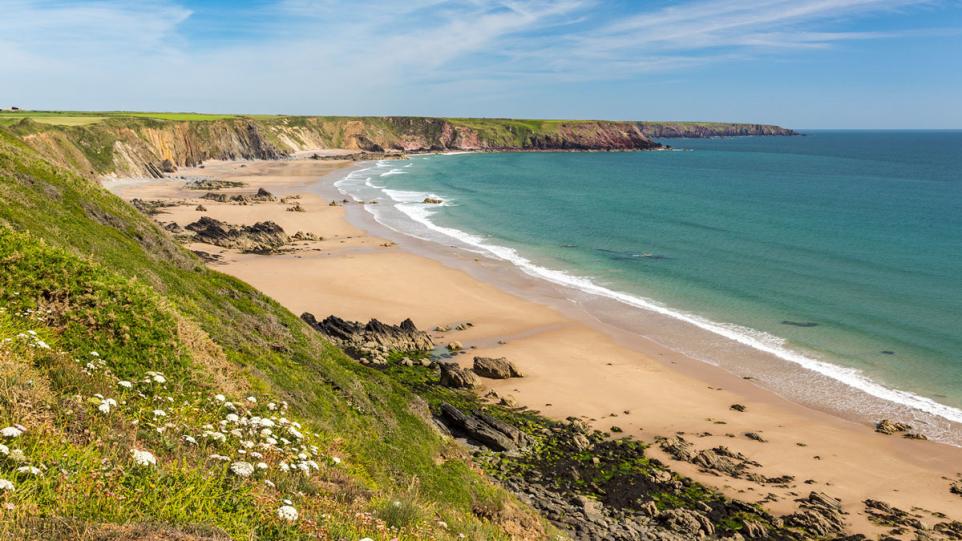
Key figures from hospitality, tourism and culture to headline major county event
THE VISIT Pembrokeshire Tourism Summit will return on Wednesday, Marcn 26, bringing together leading voices from across the visitor economy for the county’s flagship industry event.

Hosted once again at Folly Farm, the annual summit is open to anyone involved in — or with an interest in — tourism in Pembrokeshire. This year’s theme, Shaping the Future Together: Sustainable Growth for Pembrokeshire, will focus on collaboration, innovation and long-term development across the sector.
Organisers say the event is the largest in Visit Pembrokeshire’s calendar, attracting tourism professionals, business owners, strategic partners and representatives from the public and third sectors.

The keynote speaker will be Kate Nicholls OBE, Chair and former Chief Executive of UKHospitality, widely regarded as one of the UK’s most influential advocates for the hospitality and tourism industries. She has played a central role in shaping national policy and championing the sector’s contribution to local economies.
Jason Thomas, Director of Visit Wales, will provide an update on national tourism priorities, while John Davies, Chair of the Executive Committee for the 2026 National Eisteddfod, will also address delegates. A former leader of Pembrokeshire County Council, Mr Davies brings extensive experience of both local government and national organisations.


Emma Thornton, Chief Executive of Visit Pembrokeshire, will open the summit by outlining the organisation’s ten-year vision for the Pembrokeshire visitor economy.
She said: “The Visit Pembrokeshire 2026 Tourism Summit will be a day to unite our industry, strengthen our voice, and shape the future of tourism in our county. Attendees will have the opportunity to make new connections, share innovation and best practice, and above all champion our visitor economy.
“Be in the room. Be part of the conversation. Be part of the future.”
Tickets for the summit are available via Eventbrite.
Visit Pembrokeshire is the county’s official Destination Management Organisation (DMO), operating as a business-led public-private partnership. The organisation provides tourism leadership and advocacy, destination marketing, campaign delivery, business support, and research and intelligence.
It also coordinates delivery of Pembrokeshire’s 2024–2028 Destination Management Plan, a shared strategy aimed at growing tourism sustainably for the benefit of communities and businesses.

Pembrokeshire is a magical place to visit. After all, it’s home to plenty of wildlife, exceptional coastal walks, and mesmerising seaside views. As a result, it’s no wonder that those visiting America are hoping to find towns with the same spirit. While Pembrokeshire is uniquely Welsh and no place in America compares, there are some areas which are surprisingly alike.
So, if you’re looking for places to go in America that have a similar vibe to Pembrokeshire, then here are some ideas.
Big Sur, California
Although California is considerably sunnier than southwest Wales, Big Sur does have an impressive stretch of coastline, plenty of dramatic cliffs, and a number of fantastic walking trails similar to Pembrokeshire. And with winding coastal roads nearby, you’ll feel right at home.
The Oregon Coast
Hundreds of miles of coast that feature a plethora of secluded beaches, jaw-dropping cliff views, and charming seaside towns are a perfect reflection of the Pembrokeshire Coast National Park.
Away from busy city life and with a significant stretch of coastal path, the Oregon Coast is the perfect place to be, especially if you’re looking for an unforgettable road trip. Top tip: looking into the best car shipping company can make these longer coastal adventures easier and more flexible!

The Olympic Peninsula, Washington
In northwest Washington lies the Olympic Peninsula, a landscape complete with exposed cliffs, crashing waves, and quiet trails further inland. If you’re looking for a home away from home, this beautiful area of Washington is the perfect choice.
Acadia National Park, Maine
Acadia National Park expertly reflects the coastal charm of Pembrokeshire. With narrow, winding roads by the shoreline, a number of delightful fishing villages, old stone walls, historic lighthouses, and endless scenic paths, there is an undeniable familiar feeling in Maine.
Find a home away from home in America
Pembrokeshire is a one-of-a-kind place that’s rich in history and culture, so there’s no way to truly replicate it. However, there are several places in America that offer an essence of the southwest Wales county, with wild coastlines, beautiful sea views, scenic and peaceful trails, and vast greenery further inland.
Whether you head west to California, Oregon, or Washington, or venture east into Maine, there are plenty of places to explore in America that offer the same magic as Pembrokeshire. So pack your bags, book your flights, and head to America for a trip of a lifetime!

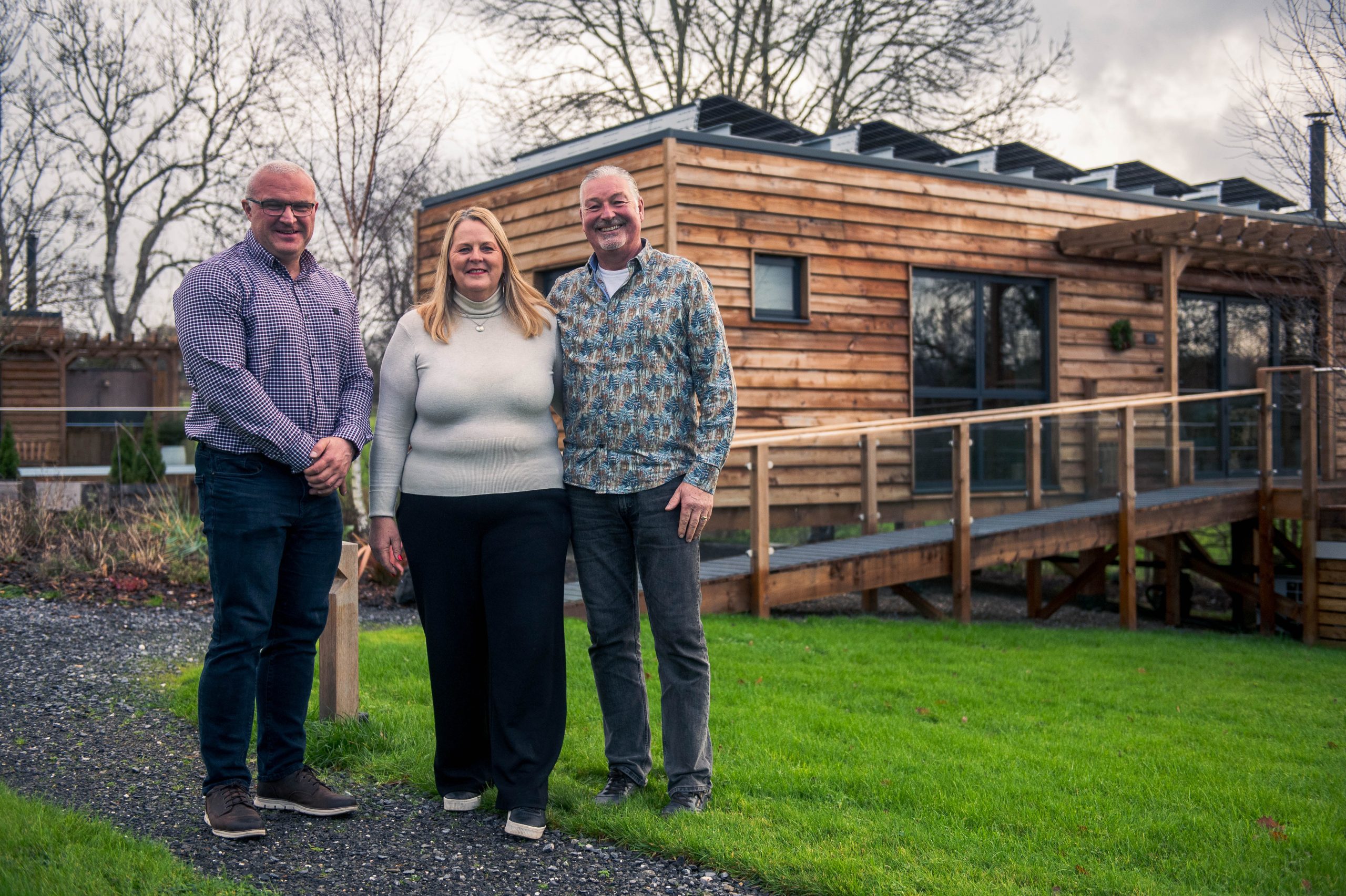
A £180,000 loan from the Development Bank of Wales has helped bring a new eco-friendly tourism development to life overlooking the River Teifi in Cardigan.
Fronteifi Nature Lodges, created by husband-and-wife team Tim and Julia Percival, opened this autumn and offers high-quality, accessible and environmentally responsible accommodation designed to support the local visitor economy.
Having moved to Cardigan in January 2022, Tim, a retired architect, and Julia, who continues to work in social housing, set out to transform their 2.5-acre site into a small-scale, nature-led destination inspired by the surrounding Teifi Marshes.
Following full planning consent in 2023, the couple developed two five-star timber-framed lodges, alongside a garage with loft apartment, landscaped grounds, guest pathways and new drainage infrastructure. While most of the construction was self-funded, the £180,000 loan from the Development Bank’s Wales Tourism Fund supported completion of the Seren loft apartment and the final phase of hard landscaping and guest facilities.
The project has been delivered with a strong emphasis on sustainability and social value. Local tradespeople and specialist contractors were used throughout, while independent businesses from the surrounding area supplied furnishings, artwork, tree planting, ecological consultancy and guest services.
A wide range of low-carbon technologies has been incorporated, including photovoltaic panels, EV charging points, air-source heat pumps, sheep’s wool insulation, ground-screw foundations, eco stoves and sedum (green) roofs. Materials from existing buildings on site were reused wherever possible, and more than 35 new trees have been planted to enhance biodiversity and carbon capture.
The development aligns with sustainable tourism priorities set by Ceredigion County Council and has also benefited from a £50,000 Cynnal y Cardi grant, supported through the Shared Prosperity Fund.
Accessibility has been central to the design. The Tir and Afon lodges offer level access throughout, step-free entrances, level-access showers, and clear orientation features for guests with mobility or visual needs. Wheelchair-friendly pathways lead to a riverside deck and a purpose-built bird hide, Bwthyn Adar, overlooking the Teifi and its wildlife.
Fronteifi Nature Lodges can accommodate up to 12 guests across the two lodges and the Seren loft apartment, targeting visitors seeking modern, luxurious and sustainable accommodation in west Wales.

Each lodge features open-plan living areas, adjustable beds, digital access, luxury bathrooms, outdoor kitchens, hot tubs and welcome hampers showcasing seasonal local produce. The business also holds fishing rights on the Teifi and is listed with Canopy and Stars, connecting the site to audiences seeking high-end, nature-focused stays.
Julia Percival, co-founder of Fronteifi Nature Lodges, said: “The support from the Development Bank has enabled us to complete the final phase of the project while staying true to our environmental and community principles. We’re proud to have worked with so many local businesses and to offer guests the chance to experience the natural beauty of the Teifi Valley.”
David Knight, investment executive at the Development Bank of Wales, added: “Fronteifi Nature Lodges is a great example of a locally driven tourism project that combines sustainability, accessibility and community benefit. It aligns closely with the aims of the Wales Tourism Fund in supporting distinctive, high-quality destinations across Wales.”

The Wales Tourism Investment Fund is a £50 million fund, financed by the Welsh Government, offering loans between £100,000 and £5 million to support standout tourism projects that demonstrate innovation, sustainability and a commitment to the Economic Contract.


Community14 hours ago
Broad Haven volunteers secure ‘national asset’ status for nature reserve
A SMALL stretch of woodland and former opencast coal mine has been transformed into a nationally recognised biodiversity site, in...


Entertainment2 days ago
Tenby steams up in spectacular style as crowds flock to festival
Colourful parade, towering creations and Victorian flair bring town centre to life TENBY was transformed into a vibrant Victorian fantasy...


Crime3 days ago
Publican jailed for six years for supplying cocaine and cannabis
Milford Haven man sentenced at Swansea Crown Court following drug dealing operation A MILFORD HAVEN publican has been jailed for...


Local Government3 days ago
Poverty summit highlights support efforts across Pembrokeshire
A SUMMIT bringing together key organisations from across Pembrokeshire has highlighted both the scale of local poverty and the work...


Education4 days ago
Milford Haven school plans unveiled but funding not yet secured
PLANS for a new £100 million school in Milford Haven have been unveiled, but the project has not yet secured...


News4 days ago
Council unveils plans for new state-of-the-art secondary school in Milford Haven
PEMBROKESHIRE COUNTY COUNCIL has revealed plans for a new state-of-the-art school in Milford Haven, promising modern, inspiring learning spaces for...


Health4 days ago
NHS waiting list falls — but cancer delays and diagnostic backlog worsen
Record progress claimed by Welsh Government as critics warn key targets are still being missed THE NHS in Wales has...


Crime5 days ago
Rapist jailed after ‘abhorrent’ attacks on woman and children
Haverfordwest man told police “women won’t have sex without force” A HAVERFORDWEST man who raped a woman and a young...


News5 days ago
Reform secures first Pembrokeshire councillor in Hakin by-election win
Late Reform candidate takes seat as independent surge and Labour withdrawal shape contest REFORM UK candidate Scott Thorley has won...


News5 days ago
Scott Thorley elected as Pembrokeshire’s first Reform councillor
REFORM UK candidate Scott Thorley has won the Hakin by-election after securing 179 votes. The full result is as follows:...
-

 News6 days ago
Emergency services flood Haverfordwest after reports of person in river
-

 Crime5 days ago
Mother given community order after admitting child cruelty offence
-
Health4 days ago
NHS waiting list falls — but cancer delays and diagnostic backlog worsen
-

 News6 days ago
Senedd vote to ban greyhound racing hailed as ‘landmark moment’ by charities
-
 News6 days ago
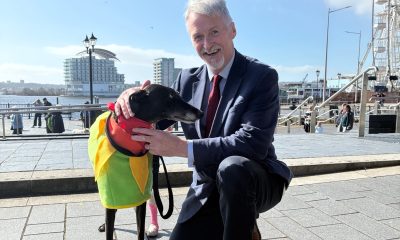
Senedd votes to ban Greyhound racing in Wales to protect animal welfare
-
News5 days ago
Reform secures first Pembrokeshire councillor in Hakin by-election win
-

 News7 days ago
£3.8m to help Welsh families struggling with soaring heating oil costs
-

 Crime5 days ago
Woman stole from pharmacy despite ban, court hears