


Health
More patients, less funding: ‘inverse workload law’ hitting GPs in poorest areas

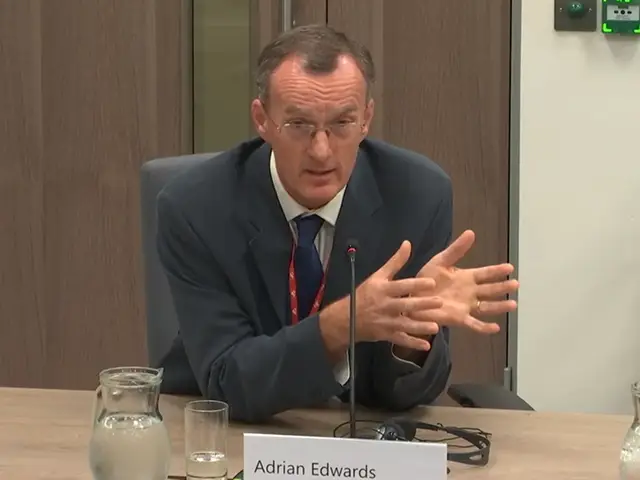
GP PRACTICES serving the most deprived parts of Wales are under-resourced, overworked and facing collapse despite experiencing the greatest patient need, a committee heard.
Adrian Edwards, a professor at Cardiff University, gave evidence to a Senedd health committee inquiry on the future of general practice today (November 6).
Prof Edwards, who retired from practice in May, reminded Senedd members of the inverse care law – a term coined by Julian Tudor Hart, a GP in Glyncorrwg, Afan valley, in 1971.
It states the availability of good medical care tends to vary inversely with the need for it in the population served, so those who need health care most often have the least access.
Prof Edwards warned the UK is lagging behind other countries, with 45 GPs per 100,000 population compared with Australia (121), Canada (103) and New Zealand (74). He added that Wales was bottom of the UK table, according to latest statistics.

The academic, who was a GP partner for 25 years at a practice which handed back its NHS contract in 2020, said the number of partners has declined every year for a decade.
He told the committee the number of patients per full-time GP has increased in that time, with the total number of consultations also rising since 2019.
Prof Edwards said: “What we also have is an inverse workload law. In the affluent areas of Wales, the average number of patients per GP is 2,100 and in deprived areas it’s 2,400. And, by the way, those practices get 7% less income to provide those services.”
He explained doctors in the poorest areas have more patients to start with, who present about twice as often as those in more affluent areas.
Prof Edwards said the number of GPs has been largely flat since 1947, with resources being funnelled into hospitals “trying to do cure and not doing prevention”. He said the proportion of NHS spending on general practice in Wales has fallen from 11% to 7.6% over 20 years.
He cautioned that focusing on reform of the Carr-Hill formula used to allocate funding to GPs is a zero-sum game: “If you help someone, you’re taking away from someone else.”
Prof Edwards said 10% of GPs aged under 40 left the workforce in 2023, warning: “We’re haemorrhaging, we’ve got to do something about it immediately.”

Deep End Cymru, a network of GPs working to improve care in the most deprived areas, warned practices in less well off parts of Wales are “quietly drowning”.
Jonny Currie, a GP partner at Ringland surgery in Newport, said for every 10% increase in patients from the poorest areas – practice income falls by an average of 1%.
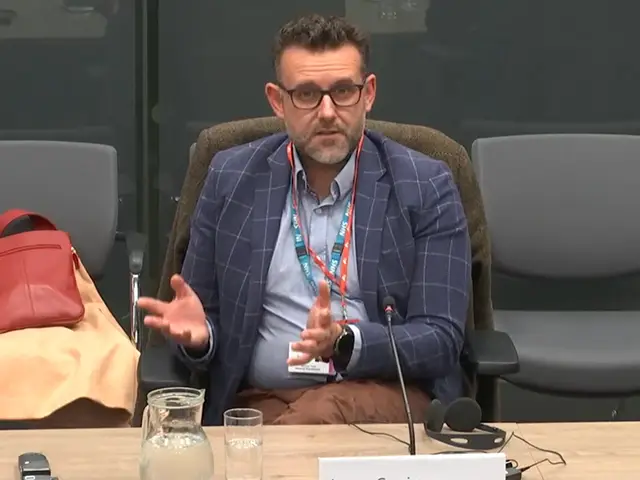
Dr Currie, policy lead at Deep End Cymru, told Senedd members: “We’re looking at tens of thousands less money coming into general practice,” despite greater demand.
Neil James, chair of Deep End Cymru and a GP partner in the Rhymney valley, added: “What we have seen is practices collapsing, going to the wall in many of these areas.”
Dr James, a GP for 22 years who is from Senghenydd, told the committee: “Inverse care has always affected us… having lived and worked in the valleys… you’ve seen societal disintegration and the effects that has on patient health has been profound.”
He pointed to a lack of training practices in poorer areas as a key problem, with GPs so busy at the coalface that they lack capacity. He said his practice faces ‘wall-to-wall deprivation”.
Prof Edwards raised statistics showing 10% of practices in the poorest areas closed or merged, compared with 2.8% elsewhere, over the past three years.
Deep End Cymru’s evidence laid bare the human cost of such inequalities.
The network of 91 GP practices warned women in the most deprived communities spend an average of 16.9 more years living in poor health. For men, the gap is 13.3 years.


EARLIER this week, Hywel Dda UHB published the results of a consultation into the future configuration of its clinical services.
It is widely accepted that the current provision of clinical services is unsustainable. The Board cannot recruit enough staff to fill vacancies, particularly in rural areas, despite the existing staff shortages there. Only Prince Philip Hospital in Llanelli, situated close to the medical faculty and research facilities in Swansea, experiences relatively little difficulty recruiting and retaining staff.
A QUESTION OF TRUST
Public reactions online to the publication of the results, particularly in Pembrokeshire, were plentiful and mostly negative. Those initial reactions were predictable, even where the report’s details had not been read. However, an examination of the consultation’s findings paints a troubling picture for the Board.
Many of the approximately 4,000 respondents to the consultation said they understood the practical difficulties of delivering healthcare across rural Wales with limited resources. However, many also said they did not expect the Health Board to act in good faith upon its findings. Using the definition of ‘many’ adopted by ORS, a slight majority of respondents to the consultation said, in terms, that they did not trust their local health board.
We asked the Health Board to respond to those findings.
The Board told us: “We hope that by giving the people and communities in Hywel Dda the chance to share their views, we can work together on planning for the future of health care that is safe, accessible, sustainable and kind. More than 4,000 people engaged with us by attending our events, held throughout the Hywel Dda area, neighbouring Health Boards, and online.
“At the Extraordinary Board meeting on the 18 and 19 February, the Board will be considering 48 options across the nine services, 22 of which are alternative options generated directly through staff, public and stakeholder feedback during the consultation process. This reflects our genuine commitment to listening to our communities. There are no preferred options.”
THE ROAD AHEAD
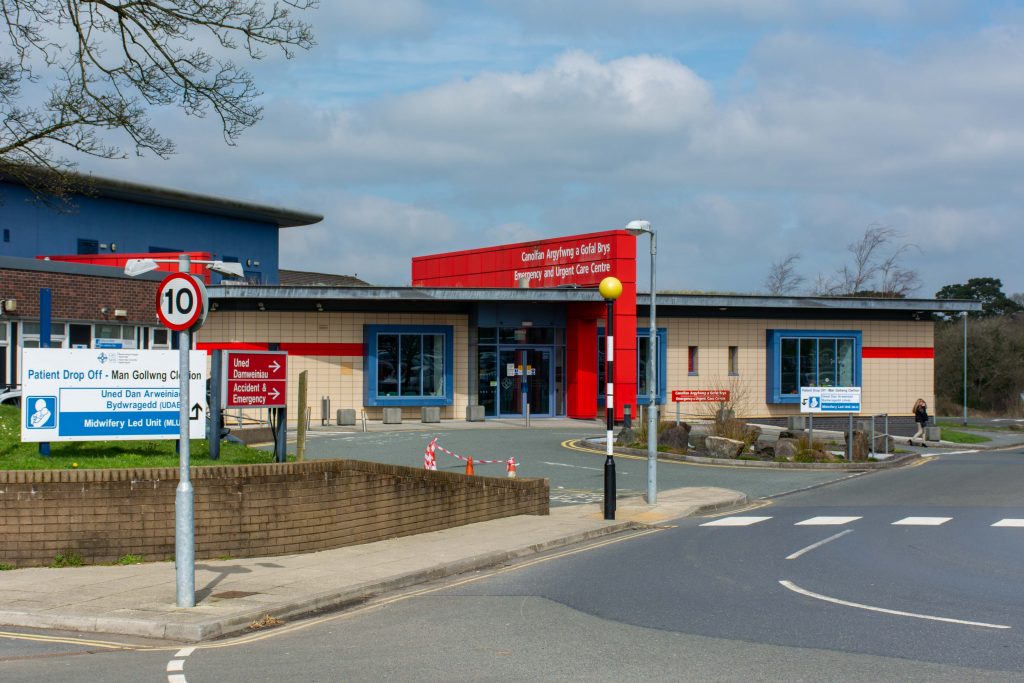
The consultation report included a large range of responses expressing serious concerns about access to services close to home. Respondents aired even stronger misgivings about the linked issue of transport for those attending hospital appointments. Simply put, options that proposed centralising services in one centre or another met with almost universal short shrift from the public.
The options proposed by the Board contained no hint of a transport assessment if key services were centralised, particularly from rural areas. Concerns about transport links, a bugbear for respondents from Pembrokeshire, were expressed by members of the public living in Ceredigion, in rural Carmarthenshire east and north of the M4 and A40.

Without a massive investment in patient transport services or a massively expanded public transport system, it is difficult to see how the Board could reasonably expect a patient with a debilitating condition to reach an appointment many miles away. Therefore, we asked the Board what transport it had commissioned to justify and underpin the options in the consultation.
The Board said: “We carried out Equality Impact Assessment (EqIA) and Quality Impact Assessment (QIA) during options development. Alongside this, there is a dedicated Patient and Travel Insights assessment to explore how changes could affect journeys and access to care. This includes analysis of travel times, transport patterns and the potential effects on different groups.
“We have carefully considered how proposed changes to healthcare services could impact travel and transport for patients, loved ones, and our staff. Some options may involve longer travel times for some people to ensure they can access better-quality care. We have worked with partners such as the Welsh Ambulance Service, the University NHS Trust, and the Adult Critical Care Transfer Service to ensure appropriate transport arrangements have been considered.

“We will continue to work with partners to understand how we can reduce the impact of any changes on travel and transport.”
A DIGITAL FUTURE?
This is at least the fourth consultation this reporter has reported on in the last eleven years. Each has suggested the future provision of healthcare services through technological solutions.
If patients must travel further for appointments, many of which will be clinically routine, remote medical appointments would go some way to addressing that issue. On the surface, it’s a win-win.
Progress has been slow. The technical demands of remote consultation and creaking IT infrastructure have delayed rollout. The risks attendant upon assessing a patient’s condition over a videolink remain undiminished. Moreover, a significant number of older patients either cannot or will not access services online. Rural broadband roll-out, which remains piecemeal, has not been the cure-all previously imagined.
We asked how the options accounted for the factors listed above.
The Board’s response stated that: “Digital is increasingly becoming the means by which we all interact with each other and with everything around us. However, we understand that some members of our Hywel Dda population cannot always access services online, or prefer not to, and we will support them in accessing healthcare in the way that is most convenient for them.”

FINDING (AND KEEPING) STAFF
The problems west Wales has in attracting and retaining healthcare staff are well known. They are chronic and, despite numerous initiatives, have not gone away. Rural areas are a hard sell to young professionals, especially those ambitious to specialise in cutting-edge practice areas. All principal research centres are based in or close to cities. In South Wales, that means Swansea, Cardiff, and Bristol. It follows that the more distant a post is from those centres, the less likely an early-career professional will apply for it.
Meanwhile, working conditions, shift patterns, and travel times to and from workplaces, often miles from home, mean that agency working (less secure, but better paid and more flexible) is an attractive alternative to direct employment. Despite Welsh Government diktats to cut the use of agency staff, healthcare delivery operates in the real world.
The Board told us: “Staff recruitment and retention are challenges across the NHS, especially in rural areas. We continue to recruit staff by offering them competitive remuneration packages and excellent opportunities to work, train and progress in our hospitals and health sites.
“An important motivation for the CSP programme was the expectation that more sustainable, higher-quality services would be more attractive to staff, helping with both retention and recruitment.
“Some options seek to recruit more substantive staff rather than temporary staff, which will be better for our clinical teams and improve patient care. Some options provide current staff with chances to work more closely together in teams and offer more training opportunities.”
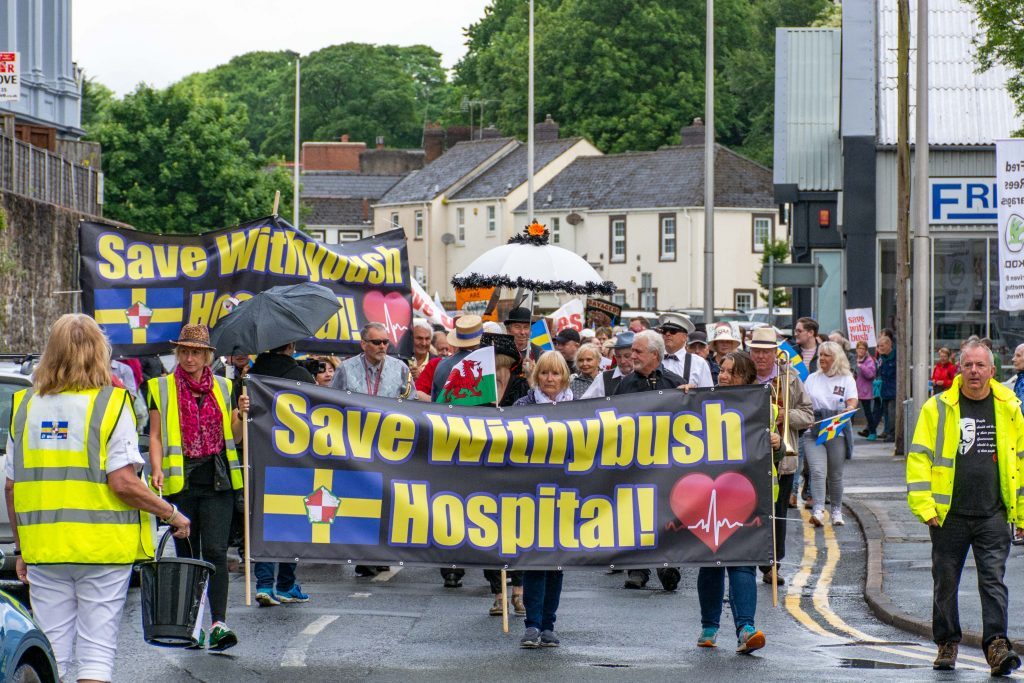
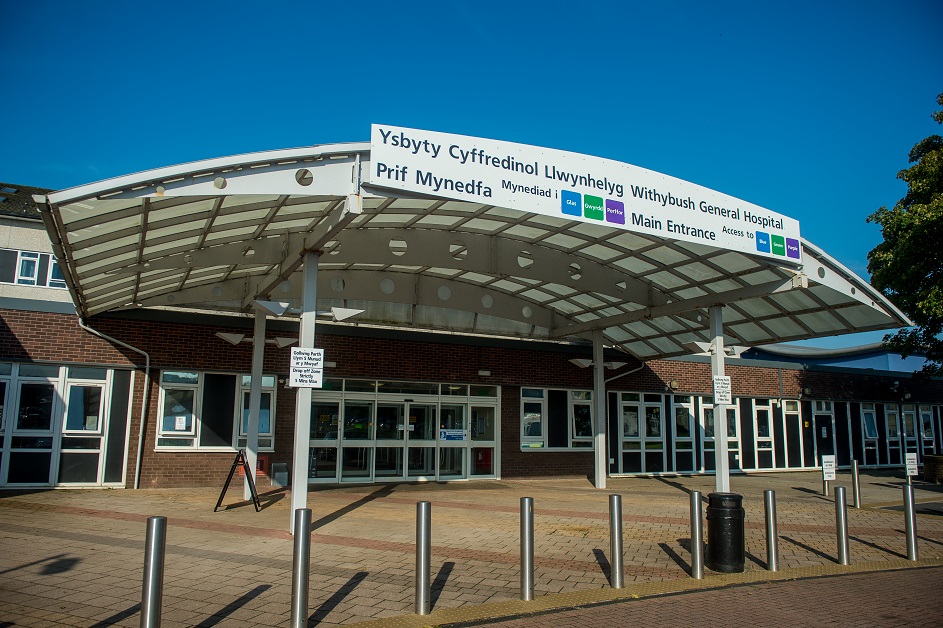
PEMBROKESHIRE FIGHTS FOR WITHYBUSH
Opposition to the options proposed by the Health Board was predictably strongest when it came to removing services from local hospitals. In Ceredigion, a 16,000-signature petition opposed the removal or reduction of stroke services at Bronglais. In Llanelli, an option to close the Emergency Care Unit drew a negative reaction. In Llandovery, the loss of radiology services garnered a similarly trenchant response. In particular, a large majority of responses rejected proposals to introduce a treat-and-transfer system.
Against that background, it is hardly surprising that Pembrokeshire respondents stood firmly against any further reduction in services provided in the county, and particularly at Withybush. Having experienced the salami-slicing of services away from Haverfordwest, and in the face of repeatedly broken assurances regarding the return of services ‘temporarily’ removed, those reactions are unsurprising. Those feelings are not limited to the public. One staff member was directly quoted in the consultation report claiming that cuts to Withybush were baked into the options the Board presented.
We asked the Board to provide specific reassurance about maintaining current service provision at Withybush and other Pembrokeshire hospitals.
Whether the Board’s response addresses that question, the reader can decide.
“Withybush Hospital will have an important role to play in the health care of the region, and our long-term plan for our hospital sites has been set out in our A Healthier Mid and West Wales strategy. In the interim, our CSP consultation has included our thinking on the role of each of our acute sites. For example, we anticipate that Withybush Hospital will provide more planned care, and initial access to acute care would remain on site, with transfers to Glangwili Hospital for patients with the highest needs.”
PEMBROKESHIRE MSs RESPOND
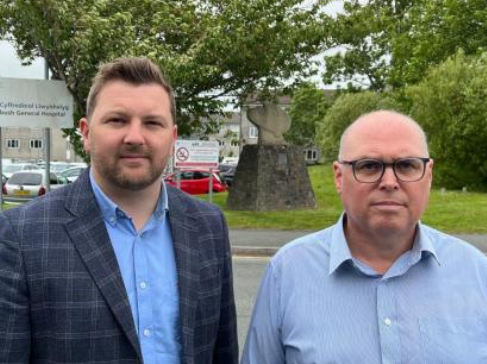
Local Welsh Conservative Senedd Members Paul Davies MS and Samuel Kurtz MS have warned that any decision which undermines the future of A&E services at Withybush Hospital would be “wholly unacceptable”, ahead of a crucial Hywel Dda University Health Board meeting in February.
Paul Davies MS, joined by fellow Welsh Conservative Senedd Member Samuel Kurtz MS, said Withybush Hospital must be protected as a vital lifeline for Pembrokeshire, and that communities are deeply concerned about the potential consequences of the Health Board’s proposals.
Paul Davies MS said: “People in Pembrokeshire are deeply worried about what these proposals could mean for Withybush Hospital. Over many years, we have seen a gradual erosion of services, and communities are understandably anxious that this process will continue.
“Withybush Hospital is not a ‘nice to have’ — it is a vital lifeline for a large, rural population. Any changes must strengthen services in Pembrokeshire, not weaken them. I will not support decisions that place patients at greater risk or force them to travel unreasonable distances for essential care.”
Samuel Kurtz MS added, “People in Pembrokeshire have heard this story before. Time and again, we are told services are fragile, and the result is that Withybush loses out.
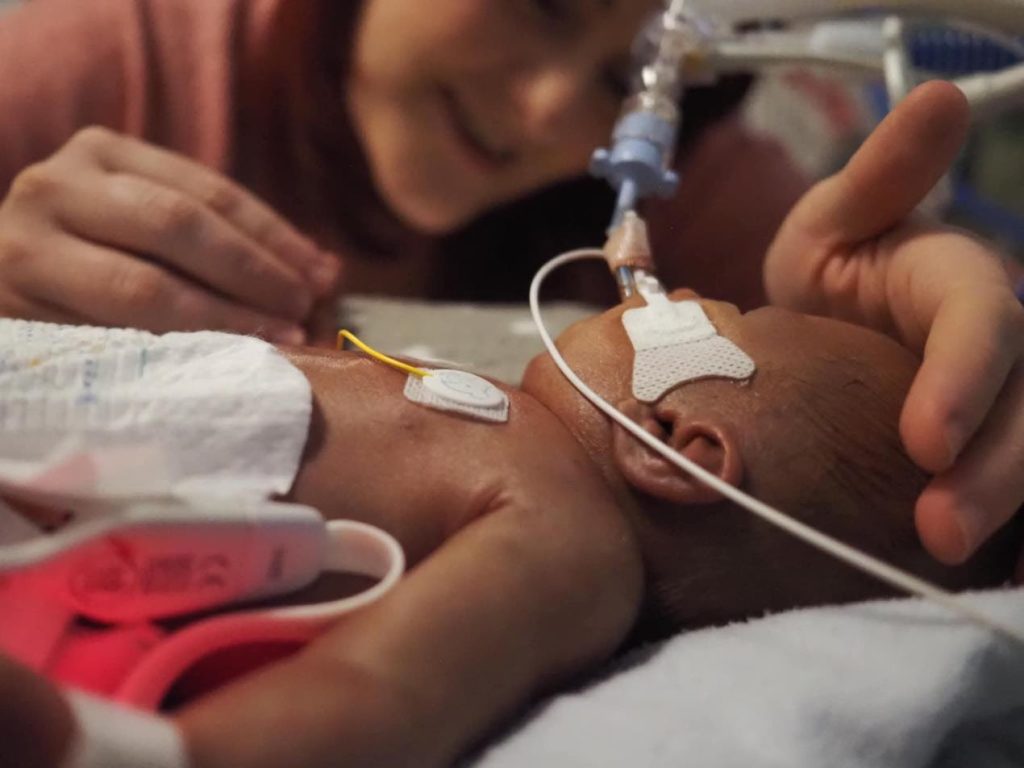
“The loss of SCBU, consultant-led maternity and children’s A&E is still deeply felt locally. Removing one service often makes others unviable, and that is exactly what people are worried about now.
“Any decision that threatens the long-term viability of A&E at Withybush Hospital is a red line. It would be wholly unacceptable and would be met with fierce opposition from the community.”
Mr Kurtz also stressed that rurality, transport challenges and ambulance pressures must be central to decision-making, not treated as secondary considerations.
“Pembrokeshire is a rural county. Asking patients to travel further for emergency or urgent care is not a theoretical issue — it affects safety, outcomes, families and staff.
He continued: “There is also deep frustration that these decisions continue to be made in the shadow of the so-called ‘super hospital’ elsewhere in west Wales, which has never come to fruition. Pembrokeshire cannot be left with a slow erosion of services while waiting for something that may not materialise for a decade or more.”
Both Senedd members have written to Hywel Dda University Health Board and the Welsh Government ahead of the February meeting.
Paul Davies MS concluded: “We will be watching the outcome of this meeting very closely. Withybush Hospital is vital to Pembrokeshire. It must be properly supported, not hollowed out.”

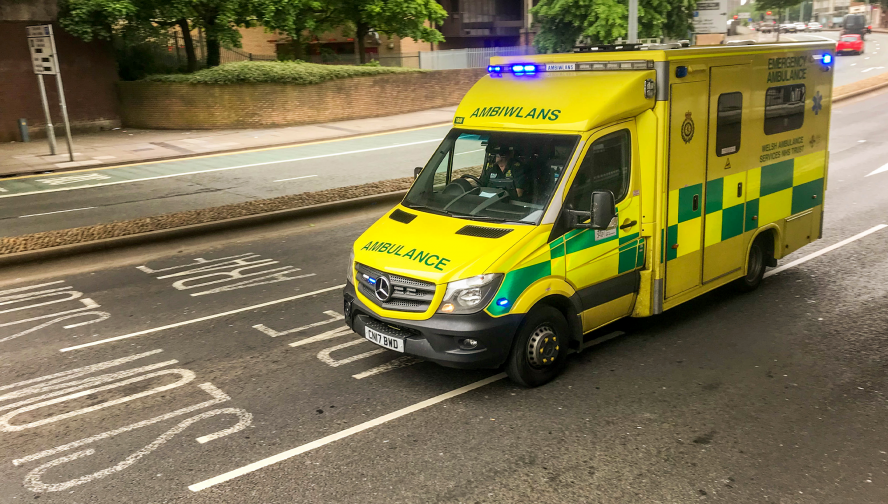
THE WELSH AMBULANCE SERVICE has revealed a series of inappropriate 999 calls made last year — including one from a person who rang emergency services after accidentally swallowing a small amount of mouthwash.
The call was among dozens of examples released by the trust to underline the growing pressure on emergency services caused by non-urgent use of the 999 system.
Figures show that of the 414,118 incidents recorded by the Welsh Ambulance Service in 2025, around 15 per cent — 62,454 calls — were deemed not suitable for an emergency ambulance response. That equates to roughly one in every seven calls.
Other examples included callers reporting a sore throat, a loose tooth, ointment in an eye, and minor ear and finger injuries — conditions that could have been treated through alternative NHS services.
Senior ambulance leaders warned that such calls divert vital resources away from genuine emergencies, including heart attacks, strokes, serious injuries and life-threatening incidents.

Andy Swinburn, executive director of paramedicine, said staff are trained to respond rapidly to severe and urgent medical situations, but misuse of the emergency line slows response times for those in real danger.
“When people call 999 for minor ailments, it takes valuable time away from call handlers and clinicians who may be trying to help someone in cardiac arrest or with catastrophic bleeding,” he said.
“Our message is simple — use common sense and help us protect emergency services for those who need them most.”
Lee Brooks, executive director of operations, added that none of the highlighted calls required an ambulance and that many would now be dealt with by telephone advice only under the service’s updated clinical model.
“This is not about blaming people,” he said. “We understand that worry and anxiety can cloud judgement. But the ambulance service exists for urgent and life-threatening situations — not routine illnesses or minor injuries.”
He warned that calling 999 does not guarantee an ambulance will be dispatched, nor does arriving at hospital by ambulance mean a patient will be treated more quickly.
“While crews are tied up with non-urgent calls, someone else’s parent, child or friend could be lying unconscious after a serious collision or suffering a cardiac arrest,” he said.
The trust is urging the public to familiarise themselves with alternatives to 999, including NHS 111 Wales for urgent health advice, pharmacists for common conditions, and minor injury units for less serious injuries.
A spokesperson added that keeping basic medicines at home and staying on top of prescriptions can also reduce unnecessary pressure on emergency services.
The Welsh Ambulance Service said the real-life examples were shared to encourage responsible use of 999 and ensure help reaches those who need it most — when seconds truly matter.
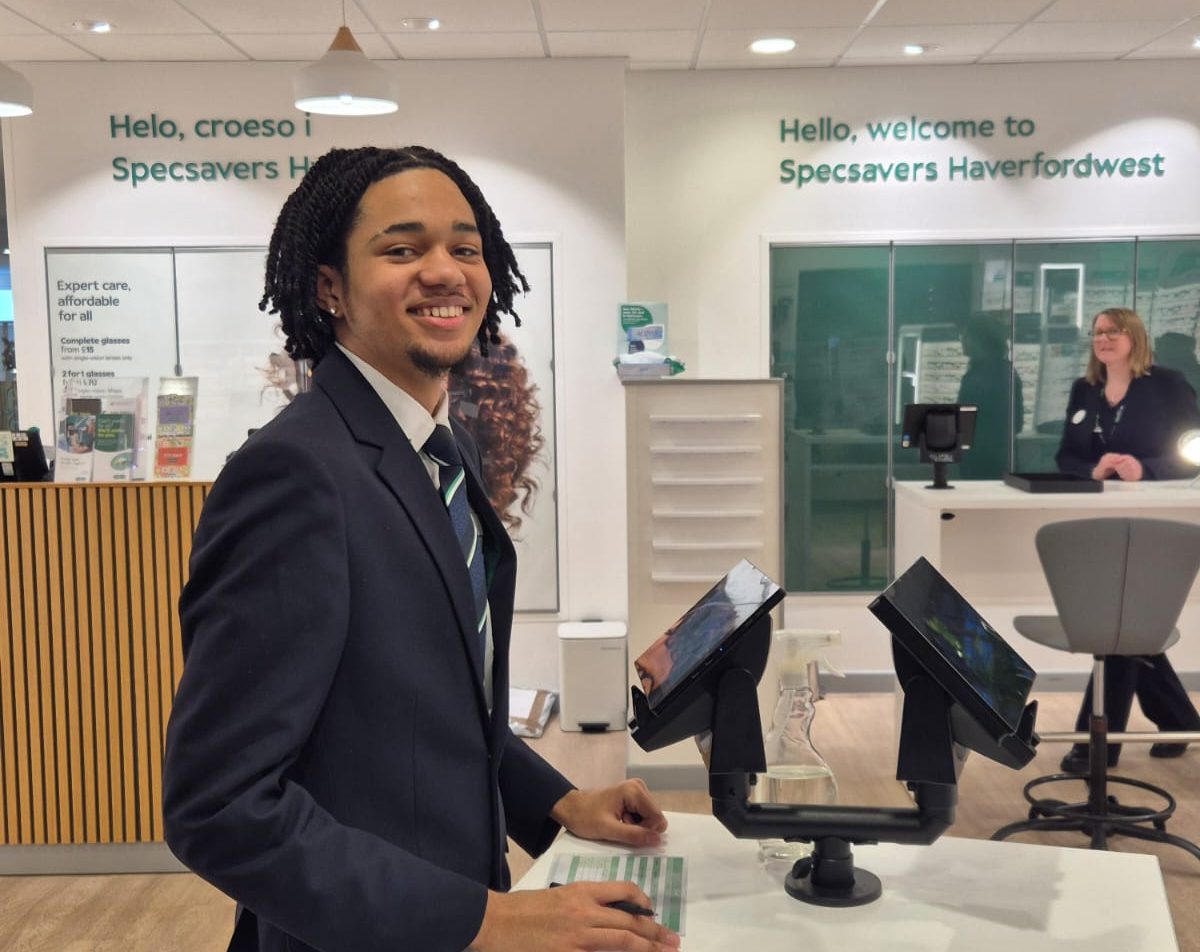
AN OPTICIANS in Haverfordwest is proving that the traditional Saturday job is far from dead, offering young people practical experience, transferable skills and a genuine pathway into long-term careers.
With figures suggesting almost one in eight people aged 16–24 are not in education, employment or training, the decline of weekend work has increasingly been cited as a barrier to young people becoming workplace-ready. But the locally owned and run Specsavers Haverfordwest is bucking that trend by actively recruiting and supporting young staff.
The store currently employs Kyle Ashbourne, 16, who has worked weekends as a trainee optical assistant since November while studying at college. The role provides hands-on experience in customer service and retail, alongside an introduction to the technology and processes involved in eye examinations and the wider optical profession.
Speaking about his experience, Mr Ashbourne said: “Working at Specsavers alongside my studies has been a great experience. I’ve developed my confidence and communication skills and learnt a lot about customer care and the optical industry. The flexibility of weekend work really helps me balance my job with college, and I feel supported to develop my skills for the future.”
Weekend roles at the store typically involve welcoming customers, supporting appointments and learning how the practice operates day to day. For many young people, it is their first experience of the workplace, helping them build confidence and develop skills that extend well beyond retail.
Specsavers Haverfordwest store director Andy Britton said weekend positions can play a crucial role in opening doors. He said: “A Saturday role is an ideal way for young people to gain early insight into the profession while picking up valuable, real-world experience in a supportive environment.
“It’s not just about earning money. It’s about building confidence, learning how to work as part of a team and developing strong communication and customer service skills that will serve them well throughout their lives. Many of our colleagues started in weekend roles and have gone on to enjoy long and rewarding careers with us, which we’re proud to support.”
Specsavers offers a range of career routes, from retail and customer service to clinical roles in optics, with ongoing training and development opportunities designed to help staff progress.
For more information, or to book an eye examination or hearing check, call Specsavers Haverfordwest on 01437 767788 or visit the store’s website.


Health17 minutes ago
Consultation reveals lack of public trust in health board
EARLIER this week, Hywel Dda UHB published the results of a consultation into the future configuration of its clinical services....

Community1 hour ago
Specialist team searches River Teifi in ongoing hunt for missing man
A SPECIALIST search team has carried out a renewed and highly technical search of the River Teifi in Cardigan as...

News22 hours ago
Wales’ first minister keeps distance from Starmer before May vote
Senedd race not Westminster THE FIRST MINISTER has moved to draw a clear dividing line between the Welsh Labour campaign...
News1 day ago
Kurtz raises Gumfreston flooding in the Senedd as petition deadline nears
LOCAL Senedd Member Samuel Kurtz has raised the long-running flooding problems affecting the B4318 at Gumfreston in the Senedd, as...

Community2 days ago
Anchor re-dedicated to mark 30 years of US–Haverfordwest ties
Service honours shared history, service and friendship on the Quayside A SYMBOL of Haverfordwest’s wartime and Cold War connections with...


Business2 days ago
Senedd urged to act as Welsh pubs fall further behind England on business rates
Industry leaders warn of closures and job losses as pressure mounts on ministers to pass on funding PUBS across Wales...

Crime2 days ago
Haverfordwest man jailed for online death threat
A Haverfordwest man has been sentenced to a year in prison after sending a threatening message online. Michael Carruthers, 34,...

Community2 days ago
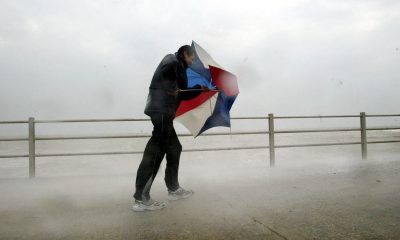
Storm Chandra: Morning impacts across Pembrokeshire
HEAVY overnight rain and strong winds brought by Storm Chandra have caused disruption across Pembrokeshire, with fallen trees and localised...

Business3 days ago
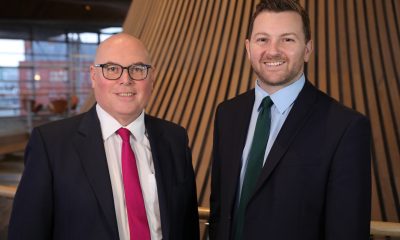
Business voices heard as Kurtz and Davies urge action on business rates
LOCAL businesses from across West Wales have voiced serious concerns about the impact of business rates at a dedicated roundtable...

Crime3 days ago
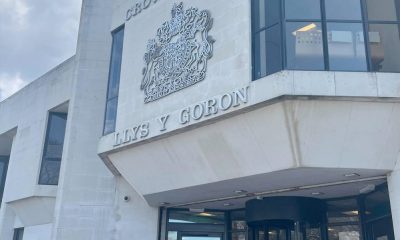
Milford Haven man appears in court charged with burglary and GBH
Bail granted with tagged curfew and ban from Pembrokeshire A MILFORD HAVEN man has appeared in court charged with burglary...
-
 Community7 days ago
CPRW welcomes long-awaited grid report and calls for more transparency
-
 Health7 days ago
Hywel Dda board to consider refreshed health strategy to 2040
-
Health5 days ago
Health Board to decide on future model for nine clinical services
-
 News7 days ago
Milford Haven School placed in special measures after Estyn inspection
-
Health7 days ago
Withybush staff fear crèche fee rise will price parents out
-

 News1 day ago
Caldey still unsafe, survivors warn — despite Abbey’s reform claims
-
 Business6 days ago
New planning rules could block Welsh pubs from running pop up campsites
-

 News7 days ago
IPSO rejects complaint concerning Pembrokeshire Herald court report