


Charity
Gelliswick choir releases charity song in memory of local man

Community recording aims to raise funds for MND Association
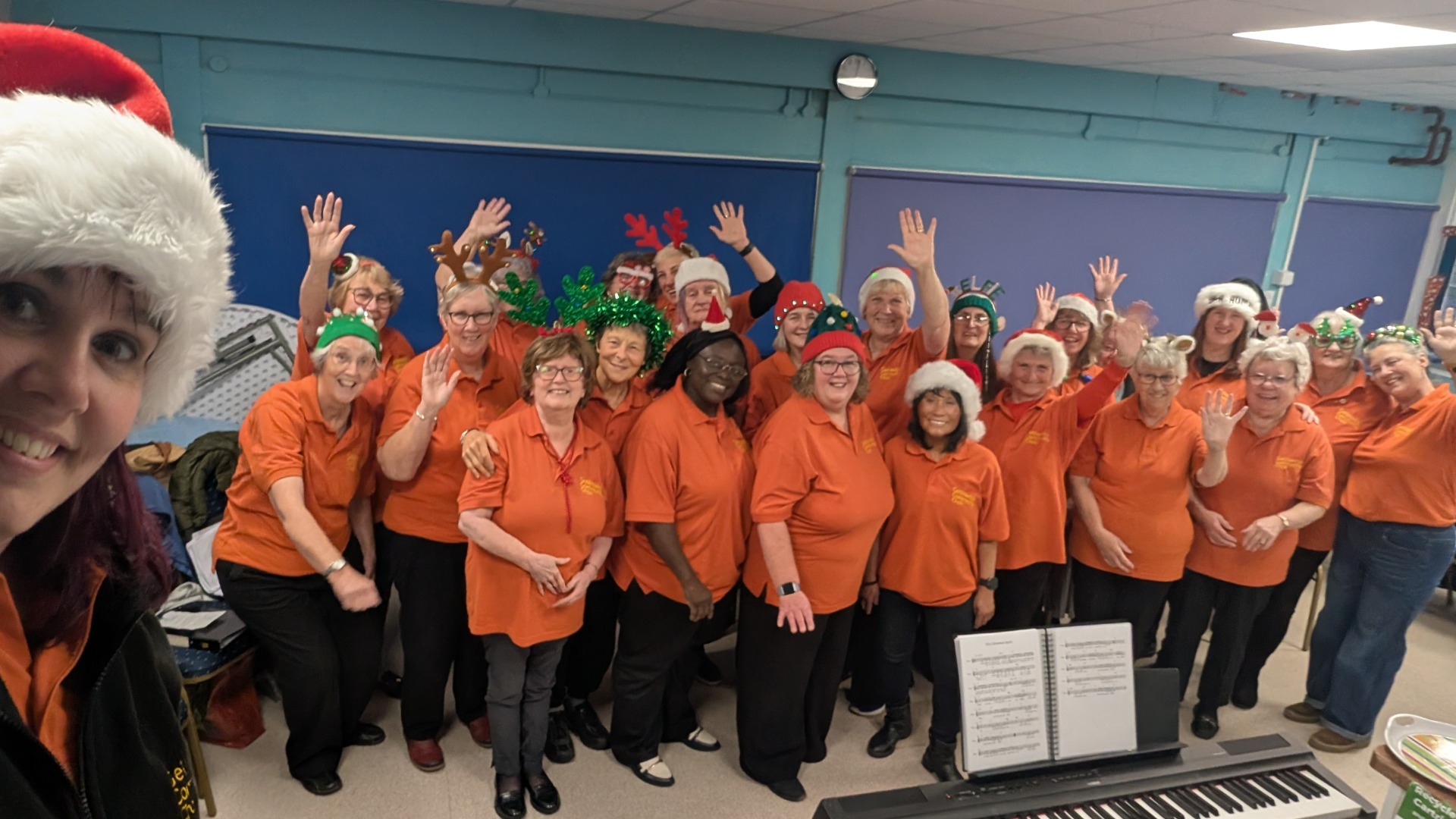
GELLISWICK COMMUNITY CHOIR has released a special charity recording in memory of Geoff Hicks, a much-loved local man who died after being diagnosed with motor neurone disease. The project, centred on an original song titled Christmas Spirit, has already begun raising money for the Motor Neurone Disease Association.
The lyrics were written by Geoff’s wife, Sally Hicks, during what she describes as one of the most difficult periods of her life.
“My husband Geoff had been diagnosed with motor neurone disease and was given only months to live,” she said. “He was fast-tracked into a nursing home 20 miles from home, and I watched him deteriorate very rapidly. I tried to keep a brave face for him… but at home I was breaking up.
“I wrote the lyrics at 3am when the emotions were washing over me. But I was also thinking of our two beautiful, very young grandchildren — that’s why the chorus is upbeat. They brought light into a very dark time.”
The choir’s Musical Director, Angharad, worked closely with Sally to bring the song to life.

“When Sally asked me to compose the music, I was deeply honoured,” she said. “I wanted to stay true to her ideas and her emotions. We have kept the project on the smallest budget possible so that the maximum amount can go to charity. It has been a wonderful experience to bring the choir together and to share this story with the wider community.”
The choir has now recorded a full version of Christmas Spirit, with all proceeds going to the Motor Neurone Disease Association. The charity campaigns for improved access to care and supports research for those living with MND across England, Wales and Northern Ireland.
Gelliswick Community Choir said it is “immensely proud” to support Sally and her family.
A spokesperson added: “We would love to see this song shared far and wide, in memory of Geoff and in support of vital MND research. Anyone wishing to purchase the sheet music or backing track can contact the choir directly.”

There are 30 CDs for sale with the song on it as well, and they are just £2.
There will be a concert on November 28t at 7pm, at The Church of The Holy Spirit in Hakin, and CDs will be available there.
Donations can be made via the choir’s JustGiving page, where supporters have already contributed towards a £1,000 fundraising goal.

The choir hopes that the song, written in grief but shaped with love, will continue to bring comfort and raise awareness of a disease that affects thousands of families every year.
What is Motor Neurone Disease?
Motor neurone disease (MND) is a rare, progressive and ultimately fatal condition that affects the nerves (motor neurones) in the brain and spinal cord. These nerves control essential muscle activity, including walking, speaking, swallowing and breathing.
As the disease progresses, the signals from the brain stop reaching the muscles, leading to weakness, muscle wasting and loss of mobility. MND does not usually affect the senses or the intellect, meaning people often remain mentally aware while their physical abilities deteriorate.
There is currently no cure. However, research funded by organisations such as the MND Association is helping develop new treatments, improve care, and support families coping with this devastating disease.


Children in Mold can receive free meals throughout the summer holidays, while thousands of school uniform items are being distributed through centres in Swansea and Cardiff
THE SALVATION ARMY is helping families across Wales cope with the additional cost of the school summer holidays by providing free meals for children and free school uniforms ahead of the new academic year.
Its church and community centre in Mold is opening from 9.30am until 3pm, Tuesday to Saturday, throughout the Welsh school holidays.
Free meals are available to all children aged under 16, with no requirement for accompanying adults to purchase anything.
Major Michelle Hayter said the scheme had made a significant difference to families in the area over recent years.
She said: “If your children usually receive free school meals, suddenly having to provide lunch, snacks and activities every day can be costly.
“By offering free meals, we are helping families free up money so they can enjoy the fun things their children want to do.
“When we remind parents that the meals are free, you can see the smile on their faces.”
The Mold centre is also holding recycling-themed craft sessions on selected days, including activities such as making mosaic coasters, decorating jars and creating bird feeders.
The charity is also supporting parents who may already be concerned about the cost of buying school uniforms for September.
Salvation Army charity shops and donation centres across Wales are offering free school uniform items, subject to availability.
Donation centres in Gorseinon, Swansea, and Cardiff have already distributed more than 3,000 items donated by Bridgend-based school uniform supplier Euroschools Direct.
Craig Mawer, manager at Euroschools Direct, said the company wanted its unused stock to benefit families rather than go to waste.

He said: “We are really pleased the uniforms have been able to support The Salvation Army’s work.
“When we realised we had unused stock, we wanted it to make a genuine difference rather than end up as waste.
“The Salvation Army felt like the right choice because of its strong community presence and the support it offers to parents facing financial pressure.”
Families seeking help are advised to contact their nearest Salvation Army church, community centre, charity shop or donation centre to find out what support is available locally.

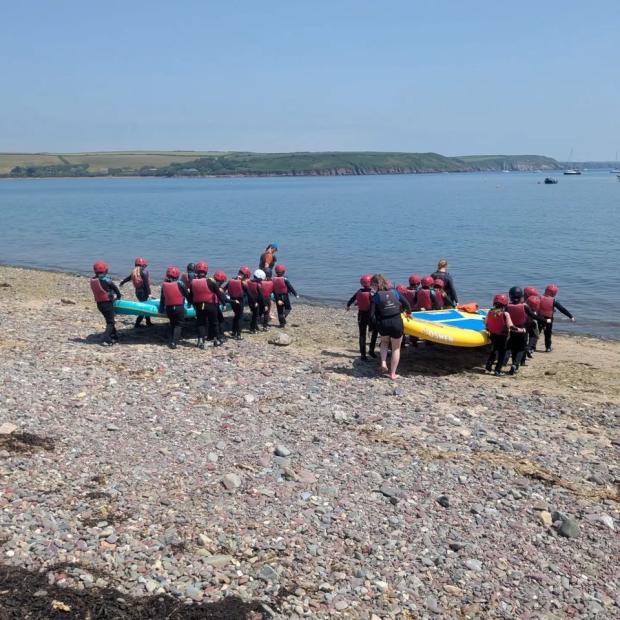
A CHARITY established in memory of 11-year-old Zac Thompson is helping almost 2,000 Pembrokeshire schoolchildren learn potentially life-saving skills in and around the water.
Forever 11 was founded following Zac’s death in 2022, when he was swept into the sea.
The charity began delivering water safety programmes in 2023, initially working with one school. It now supports pupils at 13 primary schools across Pembrokeshire, with around 2,000 children expected to take part in its sessions this year.
Forever 11 chair Carli Newell said the charity believes water safety should be treated as an essential life skill for children growing up in a coastal county.
She said: “Every child in Pembrokeshire deserves the right to have water safety sessions.
“Especially where we live, it should be as important as being able to read.”
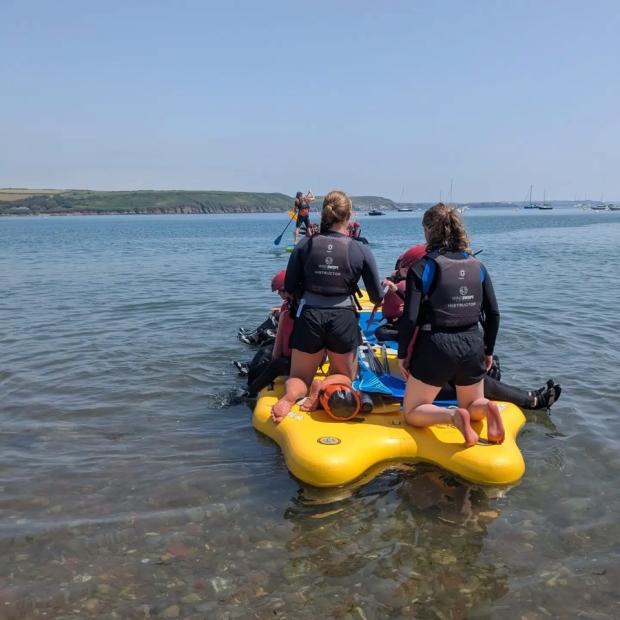
Working alongside organisations including PaddleWest, Activity Pembrokeshire and Windswept Wales, the charity provides practical kayaking, paddleboarding and sea kayaking sessions.
Pupils are also taught important safety advice, including the RNLI’s Float to Live guidance, while some children have the opportunity to gain nationally recognised Paddle Safe and Swim Safe qualifications.
The programme was originally aimed at pupils in Years 5 and 6, but it has since been extended to children in Years 3 and 4.
The charity hopes that introducing younger pupils to the water will help them build confidence and develop essential skills before reaching the age group most at risk of accidental drowning.
Forever 11 trustee Lucy Garett said national drowning figures are reviewed each year to help shape the programme.
She said: “The trends are all the same every year.
“It’s mostly children aged between 10 and 19 who are at risk of accidental drowning.
“We want children to have at least one or two sessions in the water before they reach that higher risk group.”
The sessions are offered to schools free of charge, with the costs covered through fundraising and public donations.
This means children can participate regardless of their family’s financial circumstances.
Forever 11 estimates that it has delivered more than 10,000 hours of water safety education since its work began.
Ms Garett said the response from schools, parents and pupils had been extremely positive.
She added: “Some parents have told us their child had been completely scared of going in the water, but afterwards they said it was one of the best days they’d ever had at school.”
The charity now hopes to work with more watersports providers, allowing the scheme to reach additional schools throughout Pembrokeshire.
Its long-term ambition is for every primary school pupil in the county to finish school with the knowledge and confidence needed to stay safe around the water.
The charity said: “We want every primary-aged child to know what to do to keep themselves and others safe in and around the water.”
Forever 11 will continue raising awareness and funds at Pembroke Regatta on Saturday, July 25, followed by its annual Forever 11 Fun Day on Sunday, July 26.

ANIMAL welfare campaigners have welcomed a UK Government consultation on tighter controls over the use of loud fireworks outside organised displays.
The RSPCA described the announcement as a “major step forward” and urged pet owners and animal lovers across England and Wales to take part in the consultation.
David Bowles OBE, the charity’s head of public affairs, said fireworks could cause severe distress and lasting harm to pets, horses, livestock and wildlife.
He said: “For too long, pets, horses, wildlife and farmed animals have been deeply affected by fireworks and the lack of regulation, including DIY and impromptu displays.
“Animals such as dogs and horses can suffer from tinnitus, hearing loss and long-term hearing damage, while all animals can experience stress and fear, which has in some instances led to injury and even death.
“Livestock and other animals living outdoors often try to escape the bangs out of fear, sometimes injuring themselves in the process, and the consequences can be devastating.”
An RSPCA survey carried out in 2024 found that 66 per cent of pet owners considered backyard firework displays to be a major concern.
The charity has long campaigned for tighter restrictions and more responsible use of fireworks. Its work has included an annual calming programme with Classic FM on Bonfire Night and its Kind Sparks campaign, which encourages communities to consider the impact of fireworks on animals and vulnerable people.
The RSPCA is also a member of the Fireworks Impact Coalition, a group of 19 organisations representing people and animals adversely affected by fireworks.
Mr Bowles added: “This campaign has never been about spoiling people’s fun, but about protecting animals.
“This consultation has the potential to be a game changer. We now have an opportunity to give animals a voice by encouraging everyone who cares about them to respond and support these long-awaited restrictions.”


Crime4 hours ago
Women jailed after man chased through Milford home and attacked with knives
Kelly Rees receives further 27-month sentence while already serving prison term for notorious taxi robbery TWO women have been jailed...


Crime5 hours ago
Mother headbutted and clawed police officers after threatening social worker
Court shown body-worn footage of violent confrontation at Goodwick property A COURT has been shown police body-worn footage capturing the...
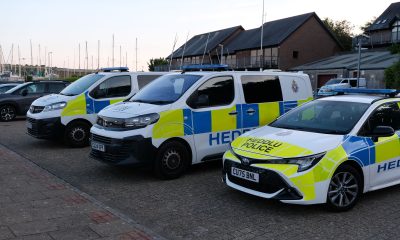

Crime23 hours ago
Man, 37, found dead following major police response in Pembroke Dock
Death not being treated as suspicious as police make statutory referral to IOPC following active investigation A 37-YEAR-OLD man has...
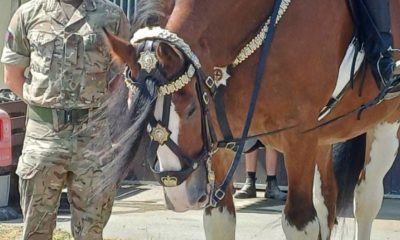

Community1 day ago
Household Cavalry drum horse returns home to Pembrokeshire for final farewell
Dyfed Willa Rose, who became Major Juno and the first mare to serve as a Household Cavalry Drum Horse, was...


News2 days ago
Jo Stevens out as Welsh Secretary as Burnham reshapes government
Cardiff East MP repeatedly visited Pembrokeshire to champion clean energy jobs, but her successor inherits unresolved questions over Milford Haven’s...


Crime2 days ago
Teen cleared of attempted murder but guilty of GBH after Milford teacher stabbed
Jury returns 11-1 majority verdict on charge of causing grievous bodily harm with intent, with sentencing set for September 3...


Community2 days ago
French troops march through Fishguard as Britain’s last invasion returns to life
Battle scenes, cavalry displays and a surrender procession brought one of Pembrokeshire’s most extraordinary stories back to the streets MUSKET...


News2 days ago
Andy Burnham promises new politics as he enters Downing Street
New Prime Minister admits politicians have “not been good enough” as he sets out a ten-year plan for Britain and...


Health3 days ago
Two new surgeons appointed as Hywel Dda admits orthopaedic waits remain too long
Health board says it is increasing capacity after figures revealed hip replacement patients waited an average of 64 weeks HYWEL...
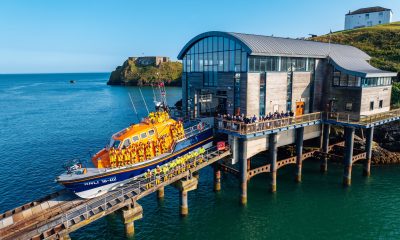

Community4 days ago
84-year-old man rescued after falling overboard near Tenby
A MAYDAY call sparked a major nighttime rescue after an 84-year-old man fell from a tender and was swept towards...
-

 Crime5 hours ago
Drunken rail passenger tried to headbutt police after being refused travel
-

 featured23 hours ago
From a father-and-son project to an award-winning campervan business
-
Crime4 hours ago
Women jailed after man chased through Milford home and attacked with knives
-
Community1 day ago
Household Cavalry drum horse returns home to Pembrokeshire for final farewell
-
Crime5 hours ago
Mother headbutted and clawed police officers after threatening social worker
-
 Crime2 days ago
Hakin man jailed after driving while banned and over alcohol limit
-
News2 days ago
Jo Stevens out as Welsh Secretary as Burnham reshapes government
-

 Crime2 days ago
Mynachlog-ddu man handed suspended sentence for assaulting child