


Entertainment
Oriel y Parc celebrates Museum Shop Sunday with exclusive collection

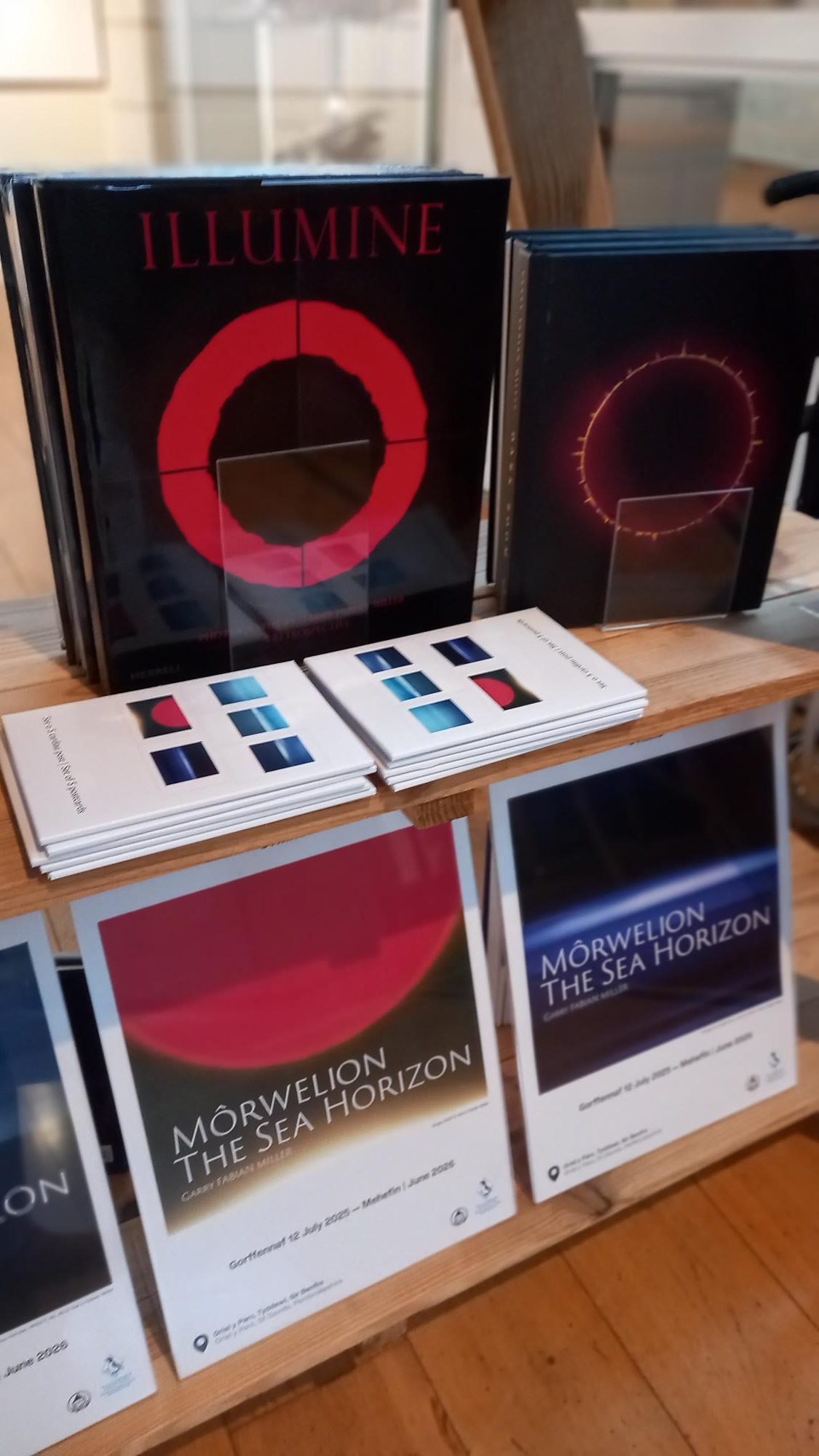
ORIEL Y PARC National Park Discovery Centre in St Davids will join cultural attractions around the world in celebrating Museum Shop Sunday on 30 November, inviting visitors to discover meaningful, locally rooted gifts that support the arts.
Museum Shop Sunday has grown into a truly international event, with more than 2,200 museums, galleries and heritage sites in 25 countries encouraging people to shop with purpose. It offers a thoughtful alternative to the commercial rush of Black Friday, championing creativity, culture and community.
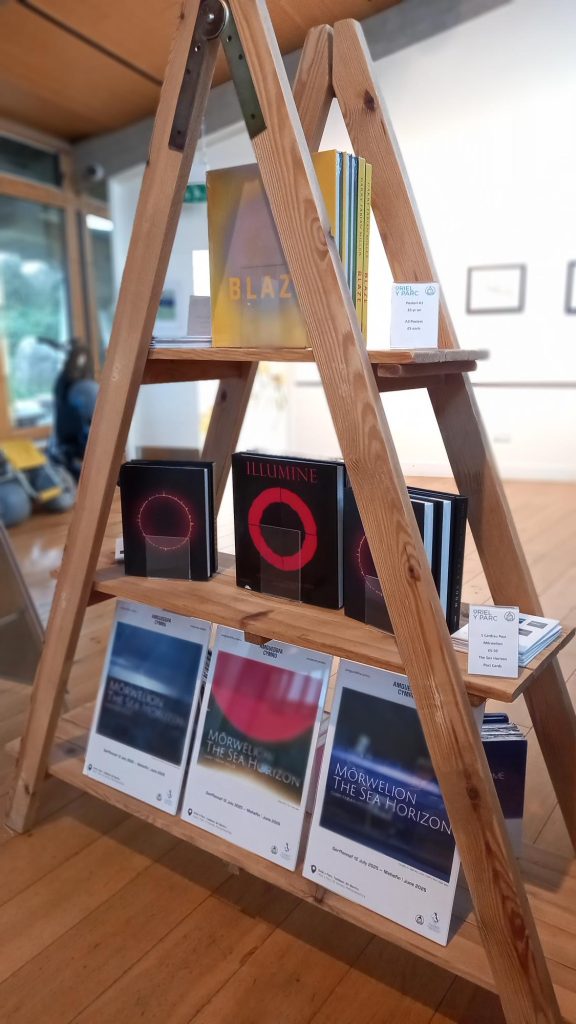
This year, Oriel y Parc is placing the spotlight on its Garry Fabian Miller collection, inspired by the acclaimed artist’s major exhibition Môrwelion / The Sea Horizon, which opened in partnership with Amgueddfa Cymru – Museum Wales. The exhibition traces four decades of the artist’s fascination with the meeting point of land, sea and imagination, from his early Sea Horizon photographs to his later camera-less darkroom works.
Visitors can browse a curated range of Garry Fabian Miller prints, books and gifts that reflect the themes of light, landscape and horizon explored in the exhibition. Every purchase supports both the artist and the work of the National Park.
Rachel Perkins, Manager at Oriel y Parc, said: “Museum Shop Sunday is about celebrating the value of cultural spaces and the independent makers connected to them. Garry Fabian Miller’s work resonates so strongly with this place, and the shop gives visitors a way to take a piece of that connection home. Every item purchased helps sustain the creative and environmental work that happens here all year round.”

Oriel y Parc will be open throughout Museum Shop Sunday, offering a warm welcome for anyone looking to support local culture while finding gifts with purpose. The Sea Horizon exhibition continues until spring 2026 and admission is free.
Further details can be found at www.orielyparc.co.uk.



The Cheltenham Festival is one of the biggest events in the horse racing industry, attracting thousands of attendees every year. But when and why did it become so popular? In this article, we’ll take a brief look at the Cheltenham Festival, including its history and rise to fame.
What is the Cheltenham Festival?
The Cheltenham Festival is a popular annual horse racing event that spans four days in March. It’s held at Cheltenham Racecourse in Cheltenham, Gloucestershire and, over the course of the event, hundreds of millions of pounds are bet, making it one of the largest betting events in the jumping calendar.
History of the Cheltenham Festival
The festival loosely dates back to 1860, but it was known then as the Grand National Hunt Meeting and took place in several locations over the years. However, it was primarily held at Warwick Racecourse during this period. It wasn’t until 1911, after several upgrades to the racecourse, that the festival settled at Cheltenham, where it has remained ever since.
Growth in Popularity
Once the festival had found its permanent home at Cheltenham, traction rapidly increased, with several key milestones in particular contributing to its increasing popularity:
- The introduction of the Gold Cup in 1924
- Golden Miller success – between 1932 and 1936 the horse ‘Golden Miller’ won five consecutive Golden Cups, drawing considerable attention to the festival
- Television coverage – in 1964, the BBC began covering the festival, opening it up to a much wider audience
But for the most part, its popularity comes down to the quality and competitiveness of the racing, and the atmosphere it generates. The ‘Cheltenham Roar’ simply can’t be replicated anywhere else, and allows for a truly unforgettable week of entertainment.
Races
The four day festival was originally just three days, but in 2005, a fourth day was added. The festival now consists of 28 races, which include both grade 1 hurdles and chase races.
Each day has its own theme:
- Day 1: Champion Day
- Day 2: Style Wednesday (Ladies Day)
- Day 3: St Patrick’s Thursday
- Day 4: Gold Cup Day
Betting at Cheltenham
Horse racing and betting go hand in hand and the Cheltenham Festival is certainly no exception, marking the largest betting window in the racing calendar. The event is a significant time for bookies and punters alike, with most bettors turning to sites like oddschecker to make more informed decisions in an attempt to boost their chances of securing the record-breaking prize money.
Will You Be Watching?
The festival kicks off today with The Sky Bet Supreme Novices’ Hurdle – will you be joining the thousands of other spectators watching?

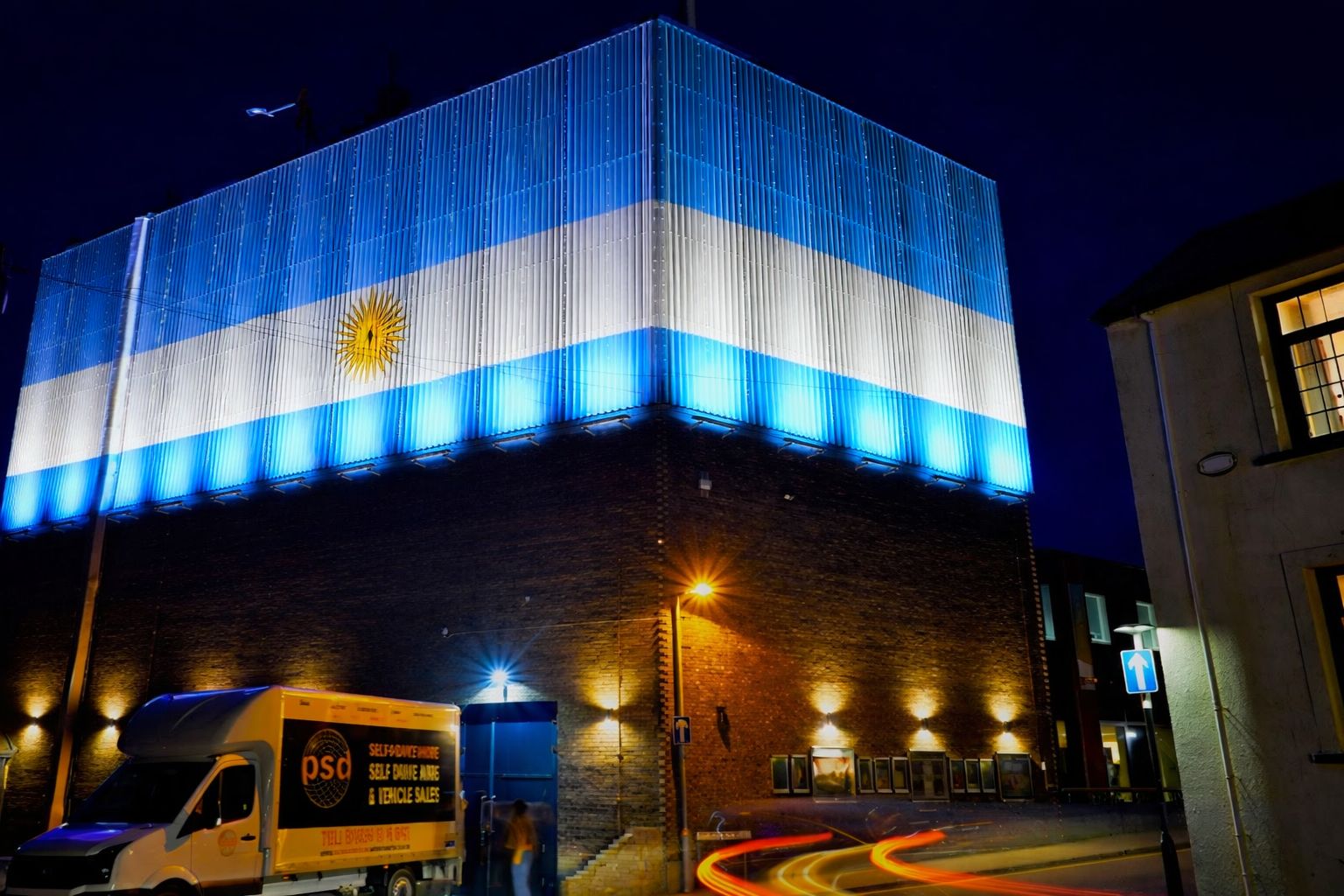
Local performers take to the stage at the Torch Theatre for opening night of the iconic Andrew Lloyd Webber and Tim Rice musical.
MILFORD HAVEN AMATEUR OPERATIC SOCIETY will raise the curtain tonight on its latest production at the Torch Theatre as the company presents the iconic musical vita.
After months of rehearsals, the cast, orchestra and backstage team are ready to bring Andrew Lloyd Webber and Tim Rice’s epic story of Eva Perón to the stage. The production marks one of the society’s most ambitious shows to date, featuring powerful music, dynamic choreography and a talented local cast.
Members of the society say they are thrilled to finally welcome audiences for opening night and are looking forward to sharing the production with theatre-goers throughout the run.
The show opens this evening at the Torch Theatre, promising an evening of memorable music, drama and spectacle as Milford Haven Amateur Operatic Society brings the legendary story of Evita to life.
Tickets are available here.


A NIGHT of rugby stories, laughter and behind-the-scenes memories is heading to Milford Haven next month as Welsh rugby icon Shane Williams appears live on stage at the Torch Theatre.
The special event, titled An Evening with Shane Williams, will take place on Saturday (Apr 4) at the Torch Theatre and promises fans a rare chance to hear first-hand stories from one of Wales’ greatest ever rugby players.
Williams, widely regarded as one of the finest wings to play the game, earned legendary status during his career with Wales and the British & Irish Lions. Known for his blistering pace, elusive running and remarkable try-scoring ability, he became a fan favourite across the rugby world and was named World Rugby Player of the Year in 2008.
During the evening, Williams will share stories from his playing career, including memories from international matches, Lions tours and life inside the Welsh dressing room. The event will also include audience interaction and opportunities for fans to hear the untold moments behind some of Welsh rugby’s most memorable matches.
Hosting the evening will be entertainer and comedian Phill Howe, who will provide a stand-up set as well as guiding the conversation with the rugby legend throughout the show.
Organisers say the night is designed to combine humour with sporting nostalgia, giving rugby supporters a relaxed and entertaining evening while hearing from one of Wales’ most celebrated players.
The Torch Theatre has long hosted major live events and touring productions, but appearances by sporting legends are always particularly popular with local audiences in rugby-loving Pembrokeshire.
Doors for the event will open at 6:30pm, with the show beginning at 7:00pm.
Tickets are available from the Torch Theatre box office by calling 01646 695267 or via the theatre’s website.
With Shane Williams still one of the most recognisable and admired figures in Welsh sport, organisers expect strong interest from fans across west Wales hoping to hear stories from a career that helped define a golden era for Welsh rugby.




Health8 hours ago
Future of Withybush Hospital petition sparks urgent call for Senedd debate
CALLS have been made for an urgent debate in the Senedd over the future of services at Withybush Hospital as...

Crime1 day ago
Man jailed after threatening to chop teen’s ears off in drunken phone call
17-year-old victim said she feared for her life after a series of threats A MAN who threatened a teenage girl...


Sport1 day ago
Sean Bowen set for historic Welsh clash at Cheltenham Gold Cup
PEMBROKESHIRE jockey Sean Bowen could be part of a historic all-Welsh showdown when he lines up in the Cheltenham Gold...


Community1 day ago
Tenby still waiting as Wales hits 50 rural mobile mast upgrades
Seaside town plagued by signal congestion again absent from latest government-backed coverage improvements A NEW milestone in the UK Government’s...


Crime2 days ago
Man raped 15-year-old girl in caravan while she was on family holiday in west Wales
Jury convicts Pendine man after court hears he raped intoxicated teenager in caravan during family holiday A MAN who raped...


Community2 days ago
Crash sparks fresh questions over future of former Haverfordwest library
CONCERNS have been raised about the future of a distinctive Haverfordwest building after a car crashed into it last week,...

Community3 days ago
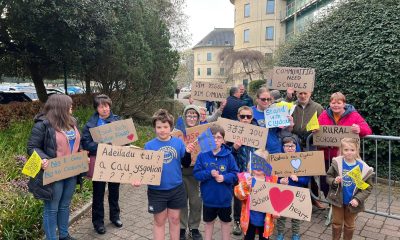
Councillors vote to close Ysgol Clydau despite community concerns
Petition and protests fail to prevent closure of small rural school near Tegryn PEMBROKESHIRE COUNTY COUNCIL has voted to close...


News3 days ago
Rescue drama at Swanlake Bay as lifeboats race to aid hypothermic casualty
TENBY lifeboat crews were involved in a dramatic multi-agency rescue on Saturday morning (Mar 7) after a person suffering from...


Sport3 days ago
Wales show heart in Dublin but Ireland hold firm
Ireland 27 – 17 Wales – Aviva Stadium, Dublin – Guinness Six Nations, Round Four WALES produced their most encouraging...


Community3 days ago
Farm matriarch who built family poultry business dies aged 90
Tributes have been paid to the woman described as the “heart and soul” of a well-known Pembrokeshire family farm following...
-
 Community5 days ago
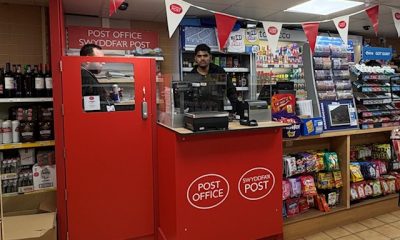
Whitland Post Office re-opens under new management
-

 Health2 days ago
Women’s health services ‘expanding’ across mid and west Wales says Health Board
-

 Health7 days ago
Davies and Kurtz attack ‘fantasy hospital’ pledge for west Wales
-

 Crime5 days ago
Man who threatened to kill police during Milford Haven standoff avoids jail
-

 Ministry of Defence7 days ago
Welsh pride HMS Dragon to sail to shield UK’s Cyprus base
-

 Education7 days ago
NEU Cymru publishes manifesto to save education in Wales
-
 Crime6 days ago
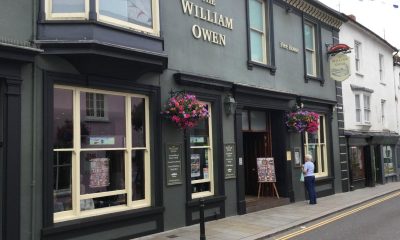
Man sentenced after punching convicted paedophile in Haverfordwest pub
-
 Crime6 days ago
A teenage driver sentenced after pedestrian seriously injured on zebra crossing