


Business
Welsh people fear small businesses most at risk from Autumn Budget tax rises


Public want energy and food costs tackled as uncertainty grows
WELSH adults believe small businesses would be hardest hit if the Chancellor raises taxes in this week’s Autumn Budget, according to new polling.
The research, commissioned by Novuna Business Finance and carried out a week before the Budget, asked a nationally representative sample of 2,000 consumers about the measures they most expect and fear.
Lower energy bills (76%), a cheaper weekly food shop (68%) and lower taxes (33%) topped the list of outcomes that Welsh households said would be most welcome. But alongside this, many expressed concern about the future of small businesses in their communities.
Small firms, high streets and hospitality highlighted
Asked which parts of the economy would be most at risk if taxes increase, 58% of Welsh respondents selected small businesses. High street shops followed on 52%, with 49% concerned about pubs and restaurants. Farmers (45%), self-employed workers (41%), and music venues (18%) were also seen as vulnerable.
The poll also asked which sectors the Government should prioritise with investment. UK manufacturing came top (35%), followed by hospitality (31%), agriculture (28%) and retail (27%).

These findings form part of Novuna’s new insight report, Christmas trading and the Autumn Budget, which examines trading conditions and confidence among small firms at the end of 2025.
Business owners braced for impact
A separate Q4 study of 1,000 small business owners found 86% fear the Autumn Budget could negatively affect their growth plans. Many remain concerned about further rises to National Insurance (59%), while half worry about potential increases to VAT or income tax.
Fuel duty increases were cited by 37%, with a similar proportion anxious about potential new taxes on diesel and petrol vehicles. Around a third (34%) expressed concern about reported discussions over pension changes.
The research comes as confidence hits a five-year low, with just 25% of small firms forecasting growth in the final quarter of 2025 – down from 35% at the same point last year.
‘Small businesses need a Budget for Business’
Joanna Morris, Head of Insight at Novuna Business Finance, said:
“The broad-based public support for UK small businesses shows how vital they are to communities – from job creation to economic growth and local projects.
“The last four quarters have seen consecutive falls in confidence and our new research suggests small businesses cannot keep absorbing rising costs. With 5.7 million SMEs in the UK, they are the engine room of growth and innovation. We all need to support them so we can lay the foundations for business success into 2026.”


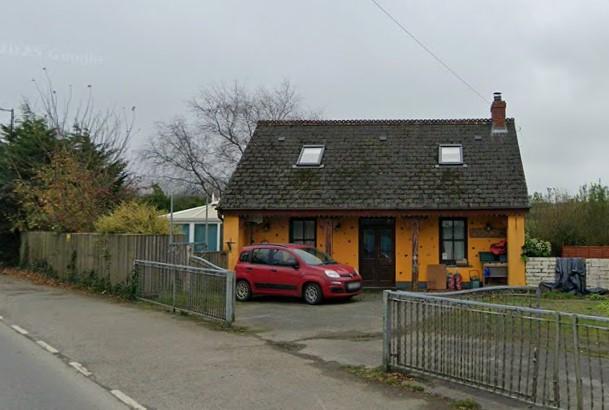
A CALL to convert a financially unviable disused former antiques shop on the edge of Crymych to residential accommodation has been given the go-ahead by county planners.
In an application to Pembrokeshire County Council, Clare Griffiths, through agent Josh Macrae, sought a change of use of a disused shop with ancillary accommodation above, at Ty Ebrill, Clares Shop, on the edge of the village, to an ancillary accommodation unit.
A supporting statement said: “Siop Clare is a mixed-use building in the curtilage of the main dwelling on the site, Ty Ebril, it comprises a small flat above a disused shop below. The flat, constructed in 2007, is comprised of a single modestly sized living space and bedroom area, with a bathroom; the flat is accessed by a set of stairs to the rear of the building. Since its construction the flat has been used as ancillary accommodation for family members of the owners of Ty Ebrill.
“The disused retail premises below is comprised of an open plan shop area with a conservatory attached, the conservatory was previously used as a flower preparation area.
“The shop was in use for a number of decades; it was operated by the current owner since 2003 and was previously an antiques shop, but has been disused since it was closed 2019 as it was no longer financially viable and the owner had changed career. Due to the shop being located within the curtilage of the main dwelling it has not considered suitable for the shop to be leased to another party.”

It added: “The change of use will require a minimal amount of work to covert the disused shop and modestly sized flat into a small dwelling. The dwelling would be suitable for single occupancy, a small household, or as continued ancillary accommodation for the main dwelling, this would create the opportunity for multi-generational living on the site should the owner sell Ty Ebrill.
“As there is a high demand for housing in the Pembrokeshire area it is felt that the proposal would be suitable and would allow the building to become a viable dwelling, creating a potentially low-cost home in the area.”
The application was conditionally approved by county planners.
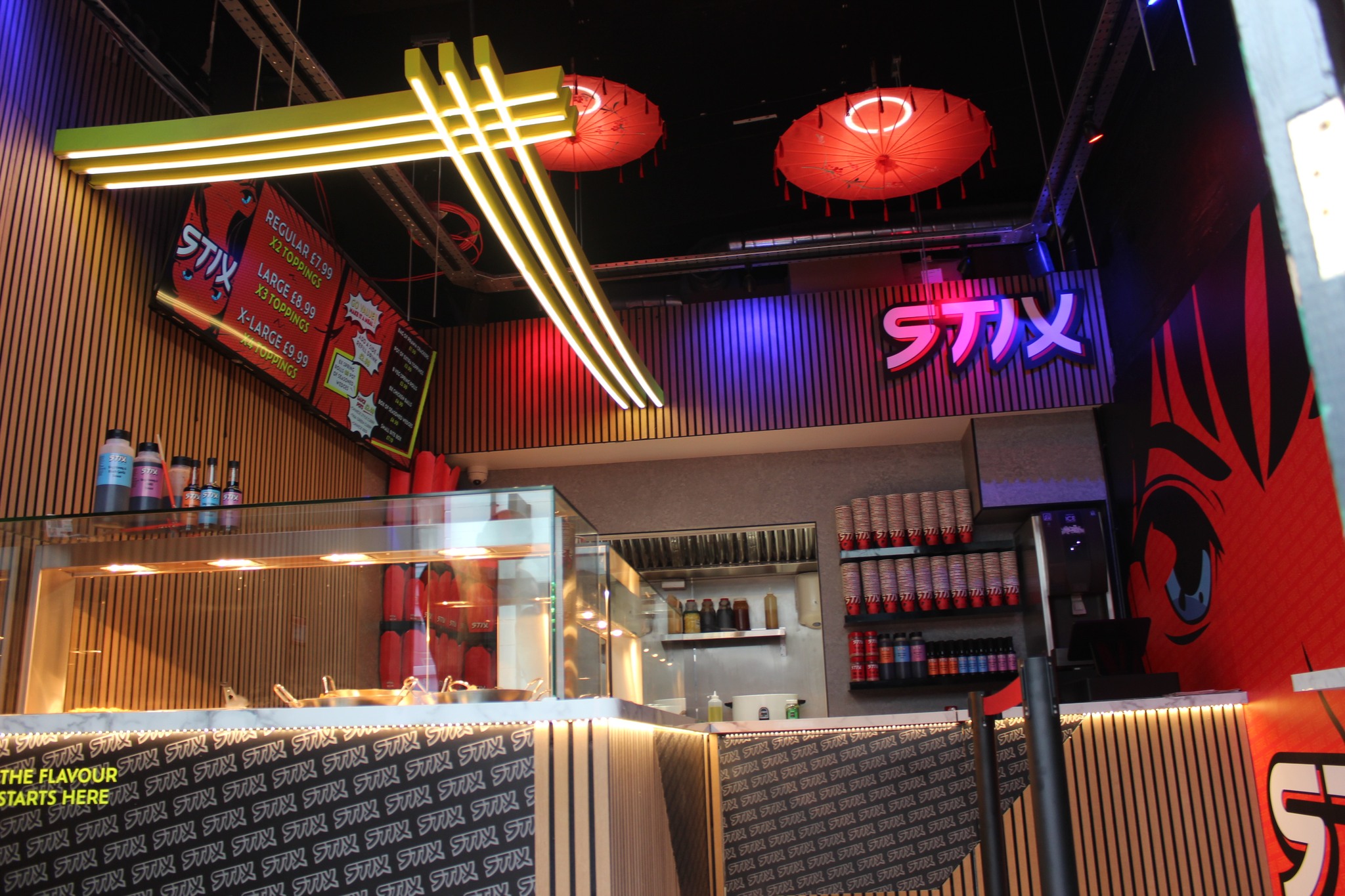
Asian-inspired takeaway launches on Quay Street offering fresh rice and noodle boxes
A NEW takeaway offering Asian-inspired noodle and rice dishes has opened in Haverfordwest town centre today (Monday, Mar 9).
Stix Noodle Bar has opened its doors at 1a Quay Street, promising fast, fresh meals packed with flavour for customers looking for something different in the town’s growing food scene.

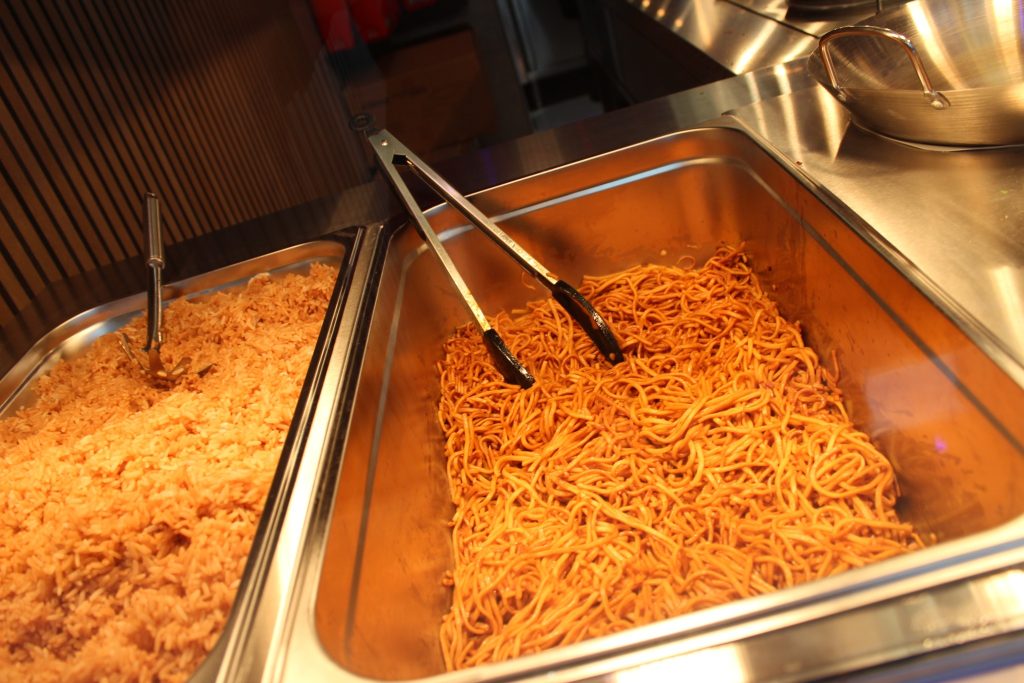
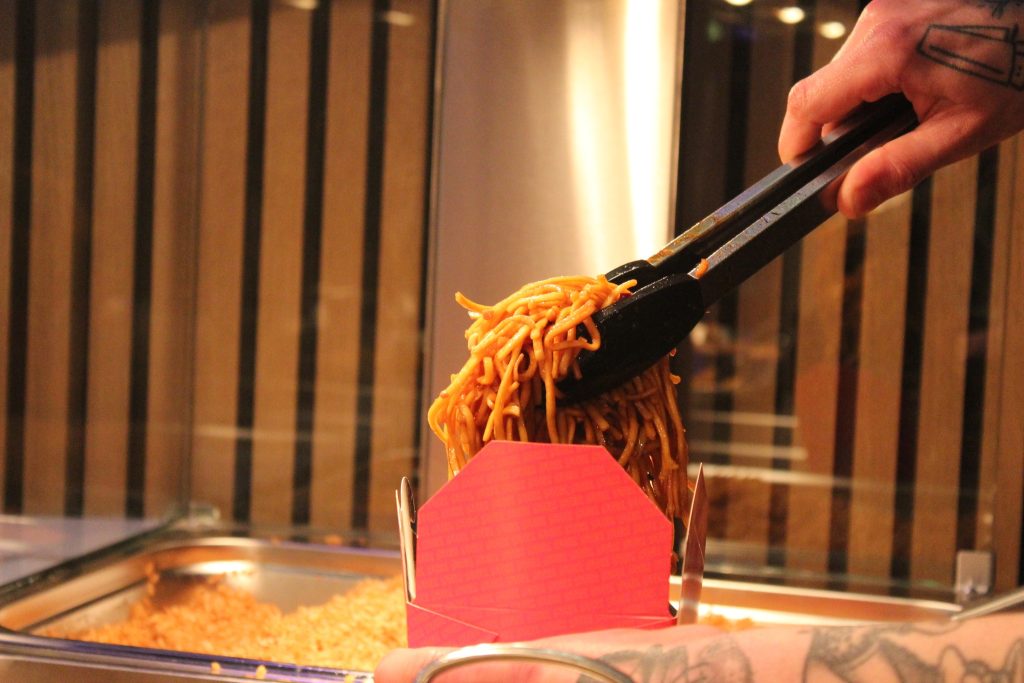
The new business specialises in takeaway boxes filled with rice or noodles, topped with chicken and other ingredients, alongside a range of sauces and sides. The concept focuses on quick, freshly prepared meals designed to be both convenient and full of flavour.
Owner Shaun said he hopes the new venture will become a popular choice for people in Haverfordwest looking for a quick and satisfying meal.
“We’re really excited to be opening in Haverfordwest,” he said. “Stix is all about fresh ingredients, bold flavours and giving people something a little different to enjoy.
“We believe it’s going to be a great addition to the town and we’re looking forward to welcoming customers through the door.”
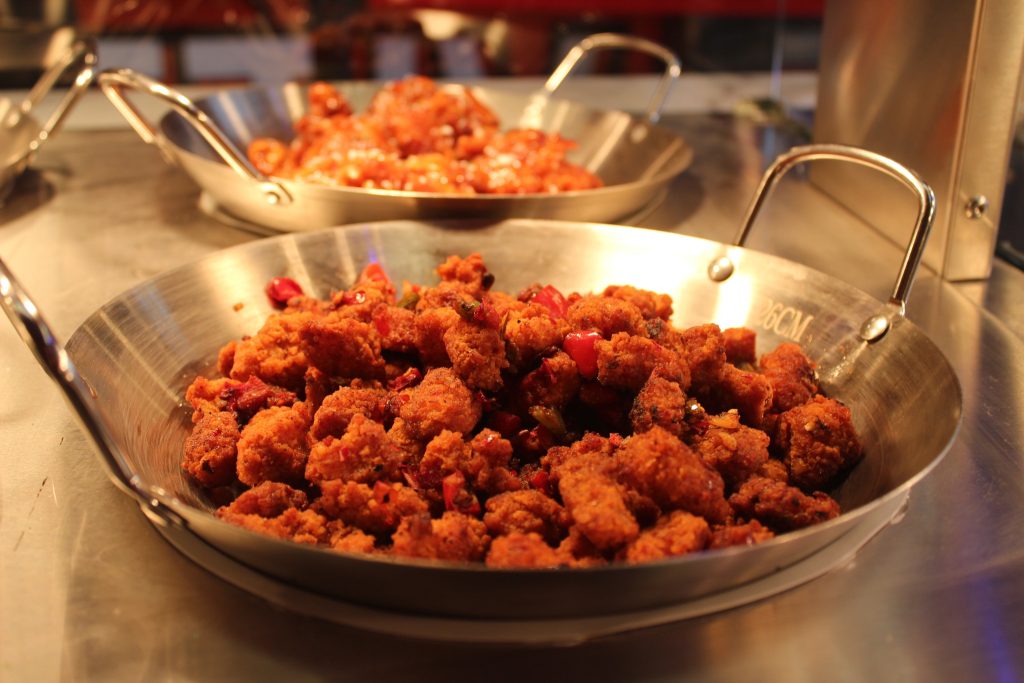
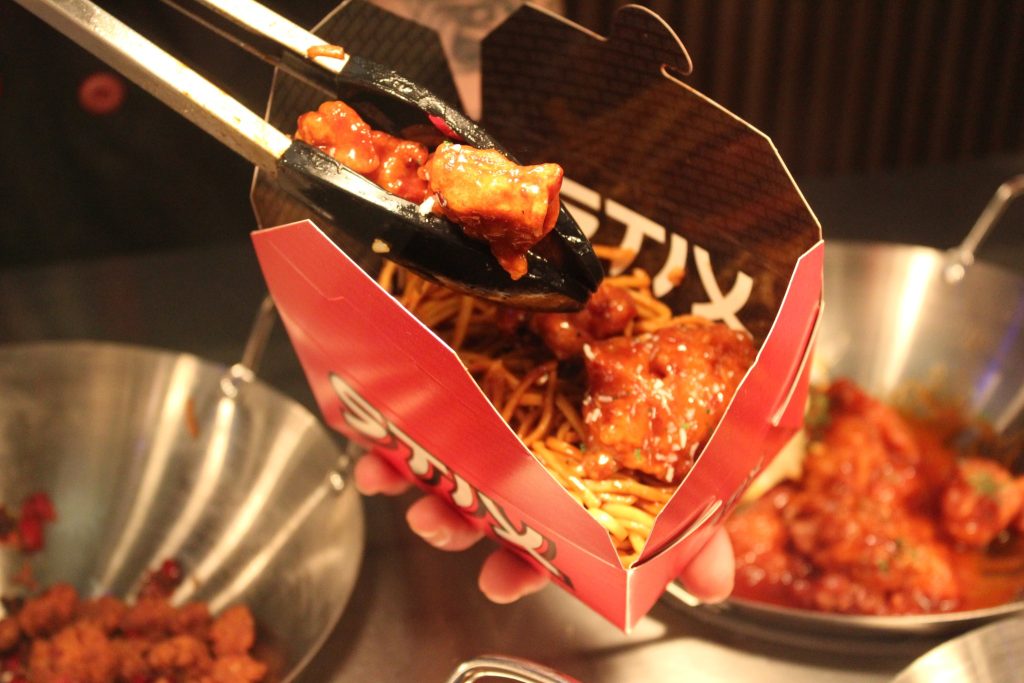
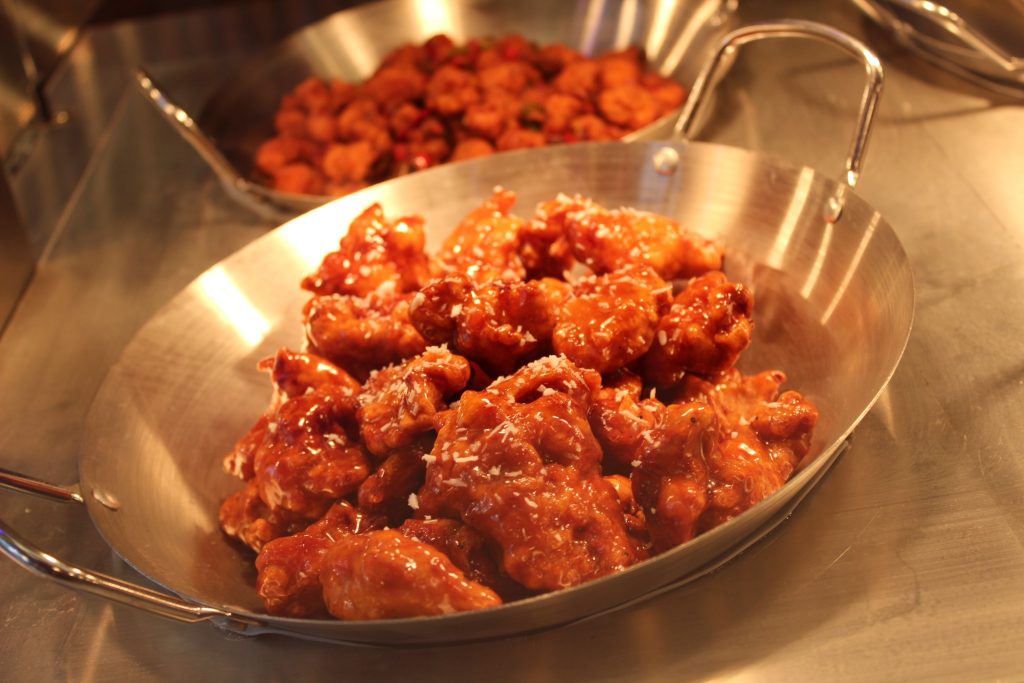
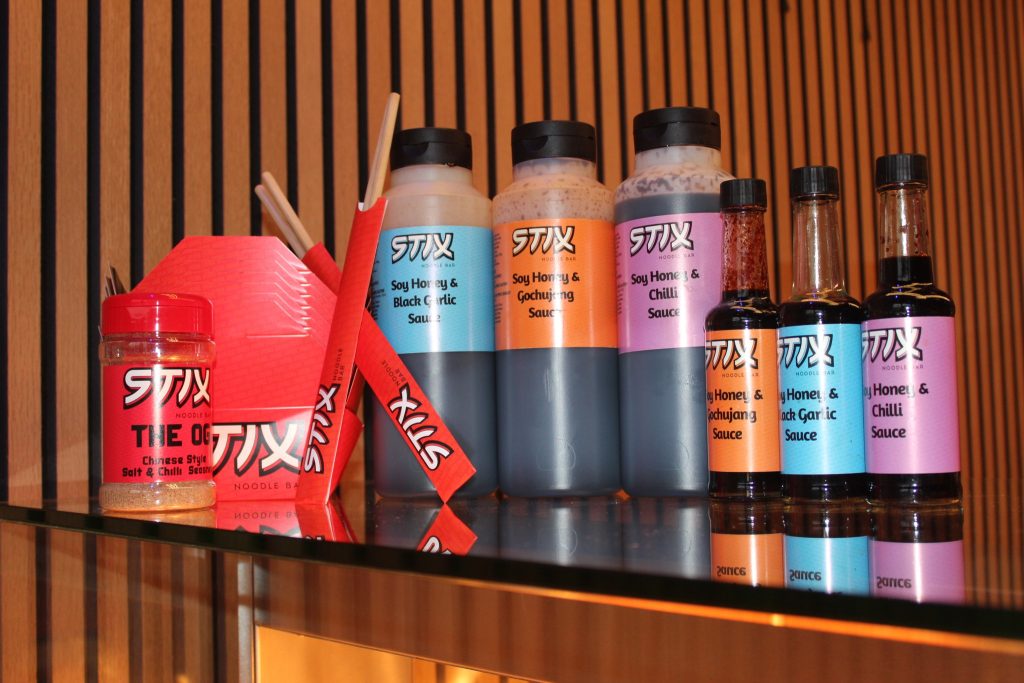
The takeaway officially opened at 12:00pm on Monday, with the team inviting local residents to stop by and try the menu.
Stix Noodle Bar says it aims to support the local community while bringing a new style of fast-casual dining to the area.
The business is located at 1a Quay Street, Haverfordwest, and customers can visit from midday today as the new venture begins trading.


A PEMBROKESHIRE private chef has launched a new farm-to-table dining initiative aimed at supporting local food producers while offering residents a chance to experience bespoke restaurant-quality meals in their own homes.
Joshua Vaughan, founder of Chef4Life Ltd, has announced the release of just one hundred exclusive dining vouchers as part of the initiative, which focuses on promoting locally sourced ingredients from farmers, butchers, and suppliers across Pembrokeshire and Carmarthenshire.
Each voucher costs £35 per person and can be redeemed against selected Chef4Life private dining events during 2026.
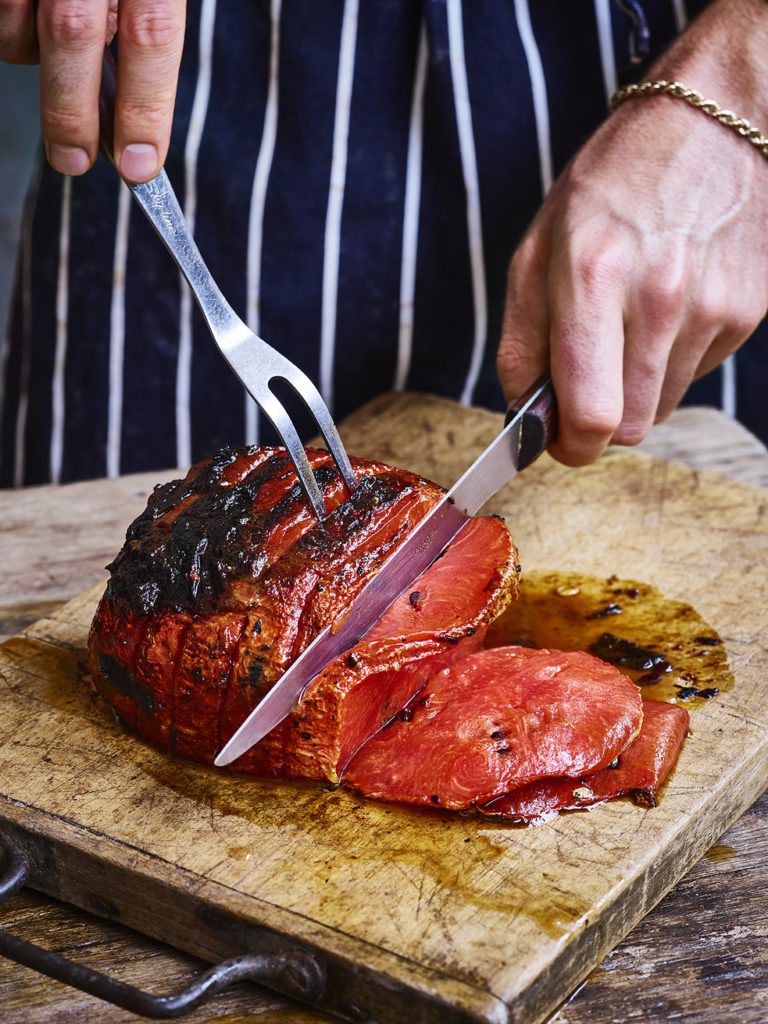
Vaughan, who has more than seventeen years of experience in professional kitchens, said the project is designed to celebrate high-quality local produce while bringing fine dining directly to people’s homes.
The chef trained in Michelin-level kitchens and multi-rosette establishments before launching Chef4Life, a private dining service that specialises in tailored culinary experiences for small gatherings, celebrations, and special occasions.
Rather than offering a fixed menu, Chef4Life events are designed individually for each client. Menus are created around the tastes and dietary requirements of the guests, with dishes built around seasonal ingredients sourced from local producers wherever possible.
The farm-to-table initiative aims to strengthen links between chefs and regional suppliers while encouraging diners to support the area’s food economy.
Vaughan said the limited voucher release also gives new customers an opportunity to experience the service for the first time.
He explained that each event is designed to recreate a restaurant-level dining experience in private settings, whether for an intimate dinner party, family celebration, or luxury home dining event.

Only one hundred vouchers have been released, and once they are sold the offer will not be repeated.
Residents interested in securing a voucher can contact Chef4Life directly via WhatsApp on 07367 753776 or visit www.chef4life.uk for further information.




Health2 hours ago
Future of Withybush Hospital petition sparks urgent call for Senedd debate
CALLS have been made for an urgent debate in the Senedd over the future of services at Withybush Hospital as...


Crime20 hours ago
Man jailed after threatening to chop teen’s ears off in drunken phone call
17-year-old victim said she feared for her life after a series of threats A MAN who threatened a teenage girl...


Sport20 hours ago
Sean Bowen set for historic Welsh clash at Cheltenham Gold Cup
PEMBROKESHIRE jockey Sean Bowen could be part of a historic all-Welsh showdown when he lines up in the Cheltenham Gold...


Community21 hours ago
Tenby still waiting as Wales hits 50 rural mobile mast upgrades
Seaside town plagued by signal congestion again absent from latest government-backed coverage improvements A NEW milestone in the UK Government’s...


Crime2 days ago
Man raped 15-year-old girl in caravan while she was on family holiday in west Wales
Jury convicts Pendine man after court hears he raped intoxicated teenager in caravan during family holiday A MAN who raped...


Community2 days ago
Crash sparks fresh questions over future of former Haverfordwest library
CONCERNS have been raised about the future of a distinctive Haverfordwest building after a car crashed into it last week,...


Community3 days ago
Councillors vote to close Ysgol Clydau despite community concerns
Petition and protests fail to prevent closure of small rural school near Tegryn PEMBROKESHIRE COUNTY COUNCIL has voted to close...


News3 days ago
Rescue drama at Swanlake Bay as lifeboats race to aid hypothermic casualty
TENBY lifeboat crews were involved in a dramatic multi-agency rescue on Saturday morning (Mar 7) after a person suffering from...


Sport3 days ago
Wales show heart in Dublin but Ireland hold firm
Ireland 27 – 17 Wales – Aviva Stadium, Dublin – Guinness Six Nations, Round Four WALES produced their most encouraging...


Community3 days ago
Farm matriarch who built family poultry business dies aged 90
Tributes have been paid to the woman described as the “heart and soul” of a well-known Pembrokeshire family farm following...
-

 Community5 days ago
Whitland Post Office re-opens under new management
-

 Health2 days ago
Women’s health services ‘expanding’ across mid and west Wales says Health Board
-

 Health7 days ago
Davies and Kurtz attack ‘fantasy hospital’ pledge for west Wales
-

 Crime5 days ago
Man who threatened to kill police during Milford Haven standoff avoids jail
-

 Ministry of Defence7 days ago
Welsh pride HMS Dragon to sail to shield UK’s Cyprus base
-

 Education7 days ago
NEU Cymru publishes manifesto to save education in Wales
-

 News7 days ago
Hotel at centre of asylum housing row closes with immediate effect
-

 Crime7 days ago
Fraudsters posing as police officers target residents in cash and card scam