


News
Plaid leader says election win would be used to map ‘road to independence’

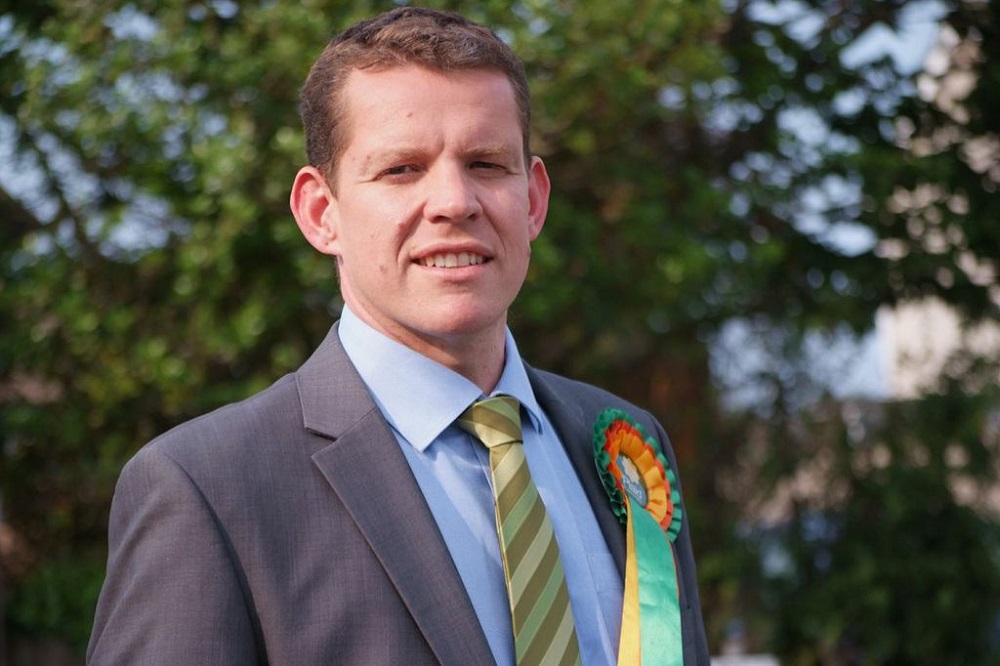
Conservatives accuse party of trying to “tear Britain apart” as parties gear up for Senedd poll
PLAID CYMRU leader Rhun ap Iorwerth has said his party would use time in government after the 2026 Senedd election to set out what he described as a “road to independence” for Wales.
Speaking at a press conference on Tuesday (Jan 13), Mr ap Iorwerth said Plaid’s next manifesto would explain how the party would use office to “make the case” for Wales taking “more levers of power” into its own hands.
“Of course, the manifesto will spell out how we will want to use our time in government to make the case for how we can do things differently in Wales, how we can set a different trajectory for us by taking more levers of power into our hands,” he said.
“You can call that independence now, you can call it the road to independence, whatever.”
The comments come as parties begin positioning themselves ahead of the next Senedd election, due to take place on Thursday, May 7, 2026.

What Plaid is proposing
Plaid Cymru has long supported Welsh independence in principle, but the pace and mechanism of any constitutional change has been a recurring point of political contention.
In previous policy documents, Plaid has proposed producing a “Green Paper on the path to independence” and establishing a national commission to examine options for Wales’ political and economic future and involve citizens in that debate.
Mr ap Iorwerth’s latest remarks suggest the party intends to foreground that agenda in the run-up to 2026, framing independence as part of a broader argument for greater Welsh decision-making powers.
A Plaid Cymru news release issued the same day described the election as an opportunity to elect a Plaid-led government and referenced “bold plans” for Wales, delivered alongside the press conference.

Conservatives and Lib Dems hit back
The Welsh Conservatives responded by accusing Plaid of seeking to break up the United Kingdom.
Darren Millar MS, the party’s leader in the Senedd, said: “Plaid Cymru want to tear Britain apart. The people of Wales won’t let them.”
He added: “Plaid pretends to put Wales first, but in reality, they would bankrupt us to pay for their independence pipe dream.”

Mr Millar also criticised further devolution, describing it as a “salami slice strategy” towards independence.
Responding to Plaid Cymru’s press conference, Welsh Liberal Democrat Leader Jane Dodds MS said: “Plaid Cymru’s plans for independence would do catastrophic damage to the Welsh economy and be thousands of times more damaging than Brexit, risking jobs, investment and public services across Wales.
Plaid may be trying to hide its support for independence, but it is the very reason the party exists. We have seen in Scotland with the SNP that once nationalists get into power, they waste money, time and political resources obsessing over independence instead of focusing on the day-to-day issues that actually affect people’s lives.
“The Welsh Liberal Democrats are clear: we will not support any government, formally or informally, that spends a single pound on independence. Our priority is fixing the real issues people face: fixing the NHS and social care, growing the economy and tackling the cost-of-living crisis.”
The political backdrop
The exchange lands in an already volatile pre-election landscape, with polls and analysis over the past year suggesting a more fragmented contest than Wales has traditionally seen, and growing competition for voters across parties.
It also comes against the backdrop of Senedd reforms that will change how voters choose their representatives at the next election, including an expanded chamber.
What comes next
Plaid Cymru has not yet published its 2026 manifesto. The party says the document will set out how it would use government to advance its case for greater powers, which Mr ap Iorwerth described as a “road to independence”.
The Welsh Conservatives say they will campaign against any further constitutional drift and will argue that independence would weaken Wales economically.
With the election less than 16 months away, both parties are expected to sharpen their pitch to voters on the constitutional question—alongside the more immediate concerns of public services, living costs, and jobs—issues likely to dominate campaigning across Wales in the months ahead.

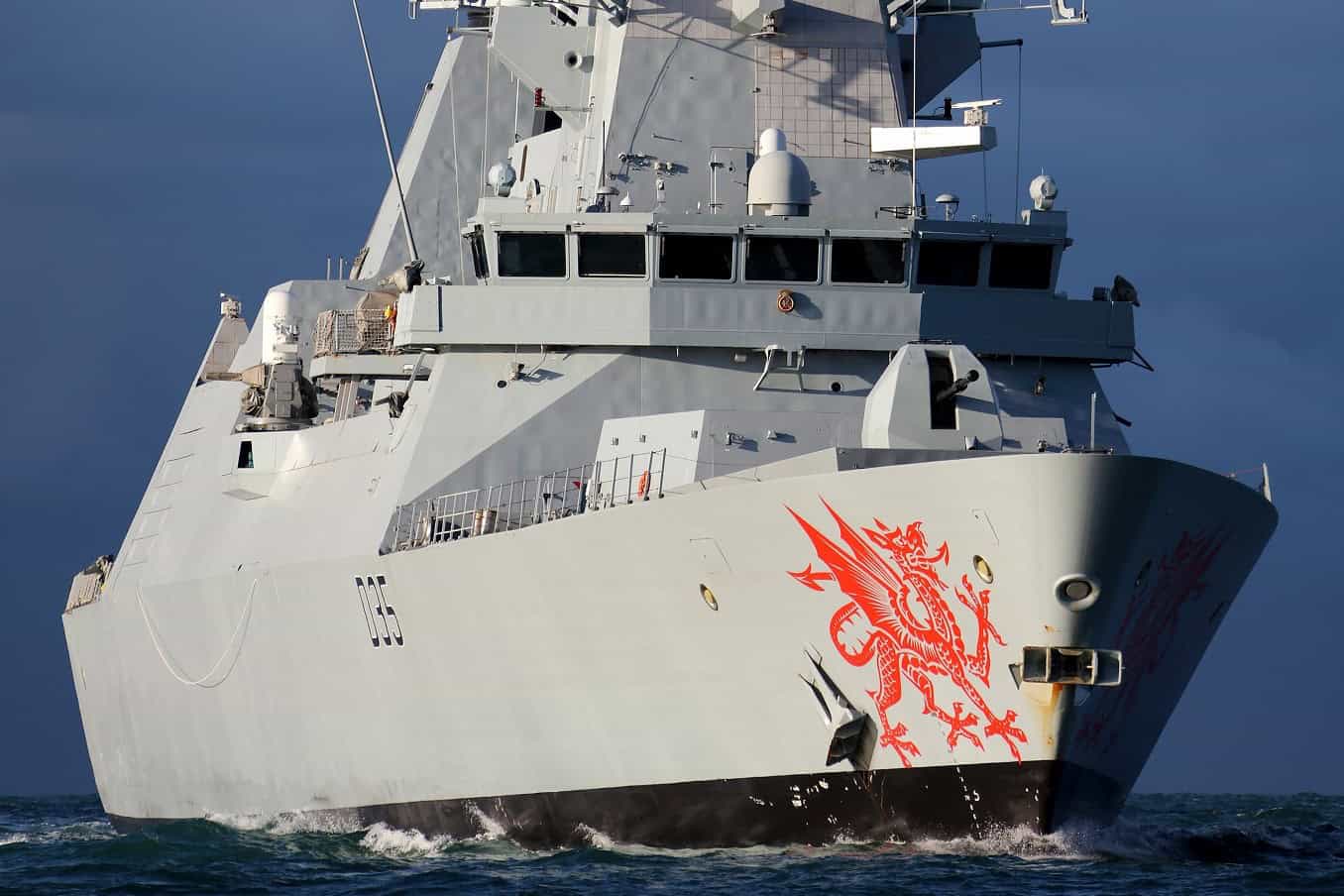
WALES’ Red Dragon is heading into a potential flashpoint in the eastern Mediterranean.
The HMS Dragon has been deployed by the Royal Navy to waters around Cyprus to strengthen air defences following a drone strike on the British base at RAF Akrotiri.
Prime Minister Keir Starmer confirmed the move as part of a wider effort to protect British personnel and assets in the region amid rising tensions in the Middle East.

Advanced air defence role
HMS Dragon is one of the Royal Navy’s six Type 45 destroyers — regarded as among the most capable air defence warships in the world.
Equipped with the Sea Viper missile system and advanced radar, the vessel is designed to:

- Track and intercept hostile aircraft
- Destroy incoming missiles
- Counter drone threats
- Provide protective cover for allied forces
The deployment is understood to be focused on safeguarding UK interests, including RAF Akrotiri, one of Britain’s two Sovereign Base Areas on the island.
A Welsh symbol at sea
Although a UK warship, HMS Dragon carries a strong Welsh identity. Her crest bears the Red Dragon of Wales, and she has longstanding links with Welsh communities.
Commissioned in 2012, she has previously visited Cardiff and is often referred to as having a “Welsh heart” within the fleet.
With tensions escalating across the region, the presence of a Type 45 destroyer signals a serious defensive posture by the UK Government.
What happens next?
Defence analysts say such deployments are intended as both protection and deterrence — ensuring that British bases and personnel are shielded from further drone or missile attacks.
For Wales, the sight of the Red Dragon sailing toward a volatile theatre of operations will be a source of pride — and a reminder that Welsh symbols continue to play a role on the global stage.

Public urged to hang up and verify calls using a different phone
AN INCREASING number of reports have been received of criminals impersonating police officers in an attempt to trick victims into handing over cash or bank cards — either directly or via a courier.
The fraudsters use sophisticated and convincing tactics to gain trust. They may already have basic personal information, such as a victim’s name and address, which can often be easily obtained online, making the call appear legitimate.
Rebecca Williams, Fraud Safeguarding Officer, said: “These criminals are extremely convincing and may even suggest that the victim dials 999 to verify their identity. However, they remain on the line and do not disconnect the call, meaning when the victim attempts to ring the police, they are still speaking to the fraudster.
“We strongly advise anyone who receives a suspicious call to use a different phone — such as a mobile — to verify the caller’s identity, or to contact a trusted friend or family member before taking any action.
“If you have received a call like this, or have been persuaded to send money, please do not feel embarrassed or ashamed. These criminals use coercive and manipulative tactics to exploit trust and create panic.
“Dyfed-Powys Police are here to support you. We are continuing to assist victims who have lost tens of thousands of pounds through this scam.”
Police have issued a clear reminder that officers will never:
• Ask you to withdraw cash, send money or hand over your bank cards
• Send a courier to collect cash, bank cards or valuables from your home
• Contact you unexpectedly and request that you withdraw money as part of an investigation
Anyone who receives a suspicious call is urged to hang up immediately and report it to police or Action Fraud.

Senedd Members demand immediate investment in Withybush and Bronglais as election campaign intensifies
SENEDD Members Paul Davies and Samuel Kurtz have launched a fresh attack on Welsh Labour’s renewed pledge to deliver a new regional hospital for west Wales, branding the proposal a “desperate pre-election distraction” from mounting pressures on frontline services.
The intervention follows comments from First Minister Eluned Morgan, who indicated that plans for a new hospital serving west Wales would be progressed ahead of the Senedd election in May.
The concept of a new regional hospital has circulated for decades. Potential sites have previously been explored, but the project was effectively paused by Hywel Dda University Health Board, with delivery widely understood to be many years away due to financial and economic constraints.

Davies and Kurtz argue that communities in Pembrokeshire and Ceredigion cannot afford to wait while uncertainty continues over services at Withybush Hospital and Bronglais Hospital.
Paul Davies MS said: “People in Pembrokeshire and Ceredigion do not need vague long-term aspirations. They need certainty and investment now. Services are being centralised and downgraded while we are told to wait for something that is neither fully planned nor properly funded.

“Instead of chasing headlines, the Welsh Government should focus on safeguarding and strengthening services at Withybush Hospital and Bronglais Hospital. The message from our communities is clear: invest in the hospitals we have so people can access the care they need closer to home.”
The two MSs contend that immediate capital and workforce investment in existing facilities is the only credible way to guarantee patient safety, reduce excessive travel times for rural residents, and provide sustainable healthcare across west Wales.
They are calling on the Welsh Government to publish a fully costed and deliverable plan to protect core services at Withybush and Bronglais, rather than relying on what they describe as “recycled promises that never materialise.”
Samuel Kurtz MS added: “Just ahead of a Senedd election, the First Minister dusts off a decades-old plan and tries to sell it to local voters who can see straight through this empty promise.

“When 10,000 local people sign a petition demanding the Welsh Government intervene on Withybush, and all they can do is issue a press release about a plan that may not happen for another decade, it shows Labour are not serious about supporting the communities of west Wales.”
Government response
The Welsh Government maintains that long-term transformation of NHS services is necessary to secure sustainable healthcare provision across rural Wales. Ministers have argued that ageing hospital estates, recruitment pressures and increasing demand require modern infrastructure and strategic planning.
Labour has pledged significant capital investment in NHS facilities as part of its wider health strategy and says any future regional hospital would form part of a long-term programme designed to improve clinical resilience and patient outcomes.

The debate over the future configuration of hospital services in west Wales has intensified in recent years, particularly around emergency and specialist provision, with campaigners arguing that protecting local access must remain the priority.
Davies and Kurtz said confidence in local healthcare will continue to erode unless immediate, visible investment is made in frontline services at Withybush and Bronglais.
The Welsh Government and Hywel Dda University Health Board have been approached for further comment.



Health2 hours ago
Davies and Kurtz attack ‘fantasy hospital’ pledge for west Wales
Senedd Members demand immediate investment in Withybush and Bronglais as election campaign intensifies SENEDD Members Paul Davies and Samuel Kurtz have launched a fresh...


Health12 hours ago
Hywel Dda warns of ‘significant pressure’ as A&E departments remain packed
Patients urged to use NHS 111 as Withybush, Glangwili and Bronglais face continued strain HYWEL DDA University Health Board has...


News1 day ago
War stops Qatar gas: Milford Haven LNG supplies disrupted
UK energy security concerns grow after shutdown at major export facilities ENERGY bills in the UK could rise sharply after...


Community1 day ago
Martyn Butler dies aged 71 months after Haverfordwest visit
Co-founder of Terrence Higgins Trust attended local plaque unveiling honouring friend Terry Higgins A LEADING figure in the UK’s response...

Crime1 day ago
Nine deny Class A drugs conspiracy as case set for Crown Court trial
Eight remanded in custody as four-week trial fixed for May 18 NINE people have denied conspiring to supply Class A...


Community1 day ago
No asylum seekers housed in west Wales hotels, latest Home Office figures show
WEST Wales currently has no asylum seekers being housed in hotels, according to the latest figures published by the Home...


Community4 days ago
St David’s Day parade brings colour and celebration to Haverfordwest
HAVERFORDWEST town centre was a hive of activity today (Friday, Feb 27) as hundreds of children from schools across Pembrokeshire...

News5 days ago
Hoax 999 call sparks massive lifeboat and helicopter rescue — man arrested
Emergency services diverted from real incidents after false report off south Wales coast A MAJOR sea rescue operation involving three...


Crime5 days ago
St Dogmaels man jailed over hundreds of indecent images
Previous convictions for similar offences revealed to court A 57-YEAR-OLD man from St Dogmaels has been jailed for two-and-a-half years...


Health5 days ago
Petition against hospital service changes surges past 6,000 signatures
Public response now far exceeds health board consultation figures A PETITION calling for urgent Welsh Government intervention over services at...
-

 Business6 days ago
Council reviewing complaints over Computer Solutions Wales as concerns continue
-

 News6 days ago
Welsh Government criticised after Russian-linked drone image used in defence announcement
-
 Crime6 days ago
Milford Haven pensioner admits sexually assaulting two shop workers
-
 Business7 days ago
Bosherston Bistro 10pm alcohol licence granted by council
-

 Health6 days ago
Petition calling for Withybush intervention nears 5,000 signatures
-
News5 days ago
Hoax 999 call sparks massive lifeboat and helicopter rescue — man arrested
-

 News7 days ago
Documentary ‘Fighters’ lands a knockout in Cardiff Bay screening
-
Health5 days ago
Petition against hospital service changes surges past 6,000 signatures