


Education
Council to take no action over school creationism complaints


Independent review finds Llanidloes High School acted within Welsh guidance as secular campaigners call for stronger safeguards
POWYS COUNTY COUNCIL has said it will take no further action against Llanidloes High School after an independent fact-finding exercise concluded the school is operating within relevant legislation and Welsh Government guidance.
The review was commissioned after concerns were raised about the alleged promotion of evangelical Christianity and creationist messages at the community school.
According to the council, the exercise found the school was compliant with current guidance. While it identified some areas of practice for the school to consider and review internally, the council said no further action was necessary.
The decision follows complaints raised by the National Secular Society (NSS), which said it had uncovered evidence that headteacher Dan Owen was attempting to convert pupils to Christianity.
The NSS said its concerns included school displays featuring Bible quotations alongside science and geography themes, giving pupils school planners containing biblical “advice”, and holding assemblies which promoted Christianity.

Among the examples cited were wall displays featuring marine life and the solar system alongside quotations from the Bible. The NSS claimed the displays were paid for using school funds and were described by a source as “very expensive”.
The NSS also alleged that evangelistic material had been used in school activity and assembly content, including references to the Alpha course and a lunchtime club linked to it. It further raised concerns about an advice page in school planners covering issues such as suicide, sex and abuse using only Bible verses, without signposting professional sources of support.
Powys County Council said the fact-finding exercise found no evidence that creationism was taught in science lessons, and no evidence of evangelisation or inappropriate promotion of Christianity.
The NSS criticised the outcome, saying it raises “serious questions” about current guidance on religion in schools in Wales. The organisation argues that protections for non-faith community schools are too weak and has called for stronger safeguards to prevent schools being used to promote the personal beliefs of those in charge.

In Wales, maintained schools are generally required to provide a daily act of collective worship, which is broadly Christian in character unless exemptions apply, and parents have the right to withdraw their children.

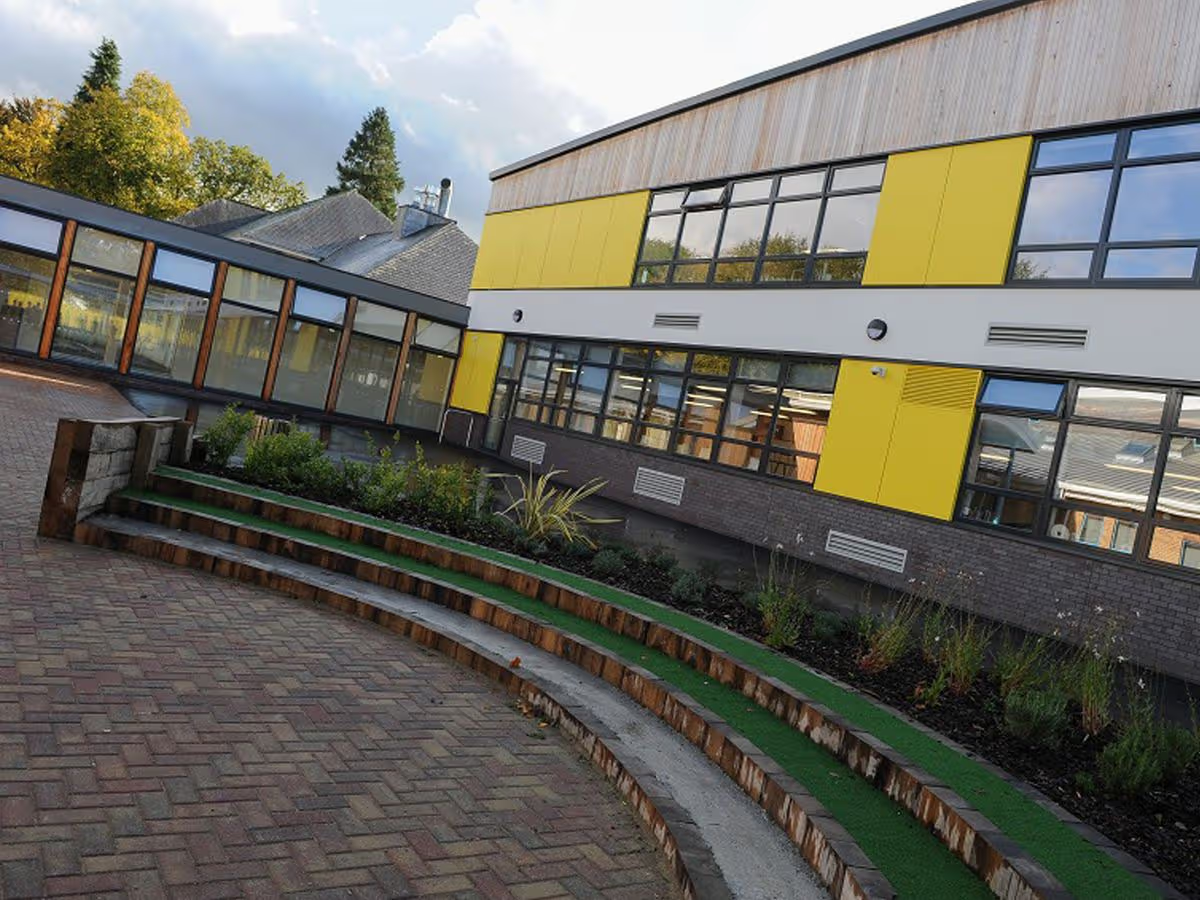
DYFED POWYS POLICE are dealing with an incident at a secondary school after a threat was reportedly made by telephone.
Officers were called to Maesydderwen Comprehensive School in Ystradgynlais on Monday (Mar 2), where the school implemented its lockdown procedure as a precaution to prioritise safety.
A police spokesperson said officers are working with the school following the report and parents have been informed through the school messaging app.
Police confirmed there are no reports of anyone injured and that all pupils and staff on site are safe and secure.
Officers remain at the scene and further information will be shared when available.
UPDATE | Following a development in the investigation into a threat made over the phone in relation to Maesydderwen Comprehensive School, a decision has been made by the school not to reopen tomorrow (Tuesday, March 3).
There will be a police presence at the school as officers continue to investigate, and we will provide updates whenever possible.
Parents and carers will continue to receive updates around the reopening of the school directly through the school app.
Concerns raised over consultation process as governors’ community hub proposal gains attention
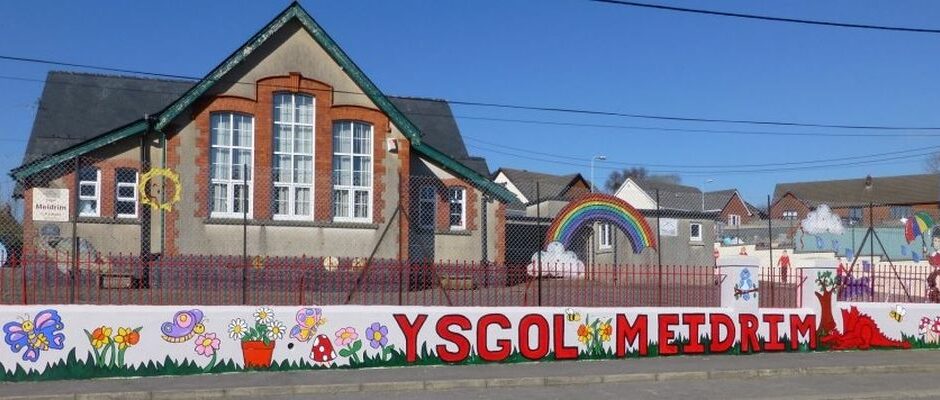
CYMDEITHAS YR IAITH has criticised Carmarthenshire County Council’s proposal to close Ysgol Meidrim, describing the move as an “illogical conclusion” and questioning whether the statutory presumption against closing rural schools has been properly applied.
The campaign group issued a formal response to the consultation, arguing that local authorities are required to begin any review of a rural school by seriously considering how it can be sustained and developed, with closure considered only as a last resort.
Speaking on behalf of Cymdeithas yr Iaith locally, Ffred Ffransis said: “Nobody could understand why the council would come to the illogical conclusion of wishing to close a school which Estyn said was improving educationally, where pupil numbers were increasing, where the school served as the Welsh-medium heart of the community, which acted as a safe haven for pupils with additional learning needs, and where the council would save almost no money at all by closing it.
“However, when we followed the initial stages of the consultation process, it became clear that officials were treating all rural schools under review as problems from the start, and data was collected to back up the preconception. In presenting the legislation to the Senedd in 2018, the then Secretary for Education, Kirsty Williams, emphasised that proposing closure of a rural school should always be the ‘last resort’, but it is now being treated as the solution of choice.”
He added that the organisation welcomed signs the council was taking seriously an alternative proposal from the school’s governors to develop a costed community hub alongside the school, working in cooperation with neighbouring schools.
Council response
Carmarthenshire County Council has previously stated that it has a statutory duty to review school provision to ensure education is delivered in suitable facilities and remains sustainable for the future. The authority says proposals are developed following detailed assessments, including pupil numbers, building condition, financial considerations and long-term viability.
The council has also confirmed that consultation responses, including alternative proposals, will be considered before any final decision is made by elected members.
The consultation process remains ongoing.
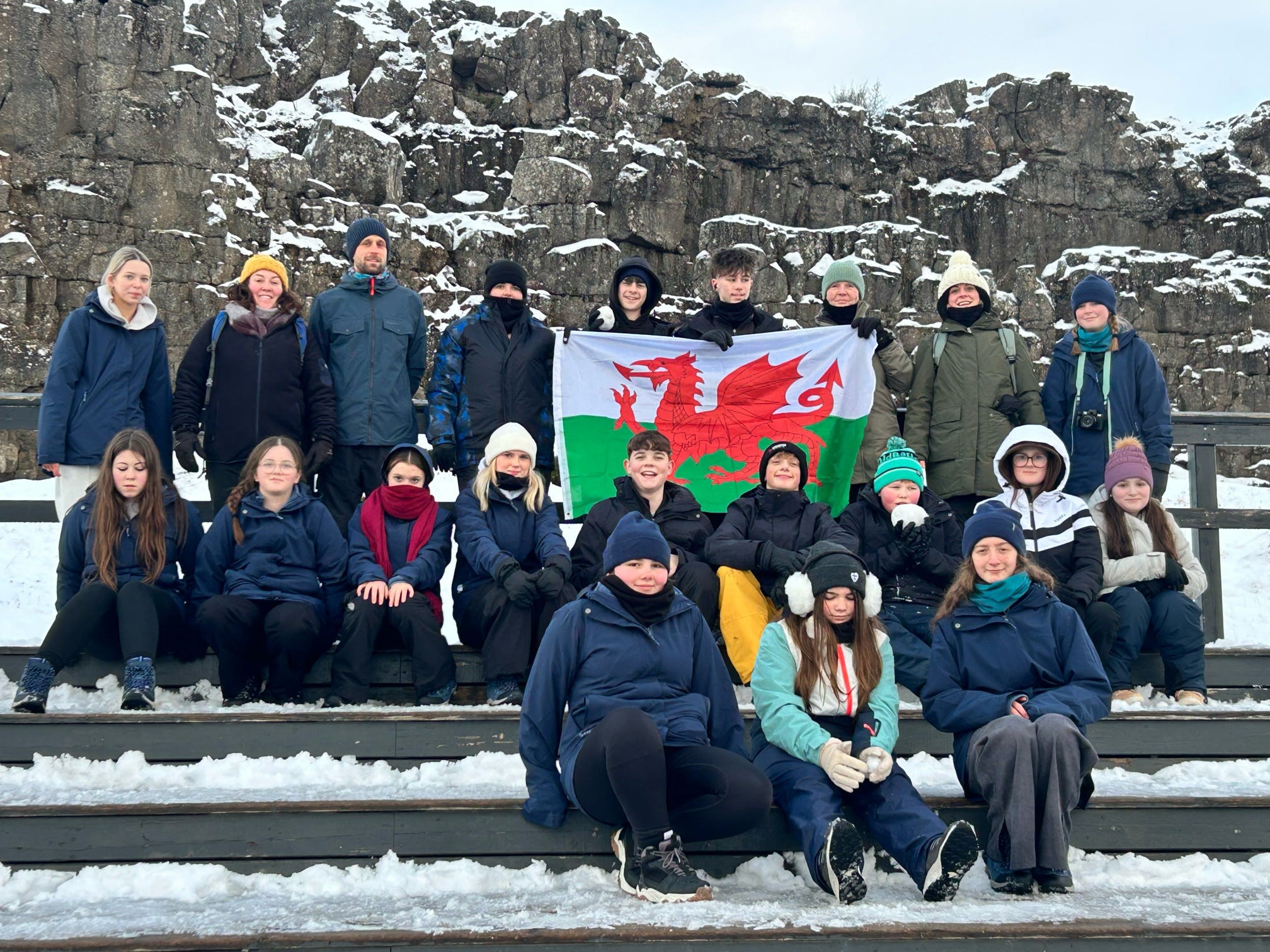
A GROUP of Pembrokeshire school-based youth workers recently took young people from four secondary schools on an unforgettable six-day visit to Iceland — a journey focused not only on education, but also on wellbeing, confidence and personal growth.
Funded through Taith, an international learning exchange programme for people in Wales, the trip brought together young people from across the county, many of whom had never travelled abroad before.
From the moment they arrived, the experience was designed to encourage participants to step outside their comfort zones, build resilience and develop friendships in a supportive environment.
One of the most powerful moments came as the group stood together at the Old Harbour in Reykjavik under the night sky, watching the Northern Lights shimmer above them. For many, it provided a rare pause from everyday pressures — a moment of calm, connection and awe that youth workers say will remain with them for years to come.
The group also attended Iceland’s Festival of Lights, experiencing the atmosphere of creativity, music and community spirit. Sharing the celebration helped young people appreciate the importance of culture, belonging and collective joy in supporting mental wellbeing.

A visit to the Secret Lagoon offered further opportunities to slow down. Immersed in warm geothermal waters surrounded by dramatic scenery, participants experienced the benefits of relaxation and mindfulness. Youth workers noted that these quieter moments allowed conversations to develop naturally, strengthening trust and deepening relationships.
The trip placed strong emphasis on teamwork and independence. Young people navigated travel arrangements, managed responsibilities, supported one another and adapted to unfamiliar surroundings — experiences which helped build confidence and social skills.
Meeting Icelandic peers at a local youth club was another highlight. Conversations about daily life, hopes and ambitions reinforced the idea that young people across the world share similar challenges and aspirations. These exchanges fostered empathy, broadened horizons and encouraged a stronger sense of global citizenship.
Senior Youth Worker Tristy McDermott said the impact of the visit was clear.

“We observed noticeable growth in many participants over the six days — quieter young people finding their voice, friendships forming across schools, and individuals showing resilience in new situations,” she said.
“Time away from routine, combined with positive adult support and inspiring surroundings, created space for reflection and self-discovery.
“For the young people of Pembrokeshire, this was far more than a visit abroad. It was an opportunity to build confidence, strengthen wellbeing, form lasting memories and return home with a renewed sense of possibility.”

The group extended thanks to Taith for making the experience possible.



Health5 hours ago
Hywel Dda warns of ‘significant pressure’ as A&E departments remain packed
Patients urged to use NHS 111 as Withybush, Glangwili and Bronglais face continued strain HYWEL DDA University Health Board has...


News21 hours ago
War stops Qatar gas: Milford Haven LNG supplies disrupted
UK energy security concerns grow after shutdown at major export facilities ENERGY bills in the UK could rise sharply after...


Community1 day ago
Martyn Butler dies aged 71 months after Haverfordwest visit
Co-founder of Terrence Higgins Trust attended local plaque unveiling honouring friend Terry Higgins A LEADING figure in the UK’s response...

Crime1 day ago
Nine deny Class A drugs conspiracy as case set for Crown Court trial
Eight remanded in custody as four-week trial fixed for May 18 NINE people have denied conspiring to supply Class A...


Community1 day ago
No asylum seekers housed in west Wales hotels, latest Home Office figures show
WEST Wales currently has no asylum seekers being housed in hotels, according to the latest figures published by the Home...


Community4 days ago
St David’s Day parade brings colour and celebration to Haverfordwest
HAVERFORDWEST town centre was a hive of activity today (Friday, Feb 27) as hundreds of children from schools across Pembrokeshire...


News5 days ago
Hoax 999 call sparks massive lifeboat and helicopter rescue — man arrested
Emergency services diverted from real incidents after false report off south Wales coast A MAJOR sea rescue operation involving three...


Crime5 days ago
St Dogmaels man jailed over hundreds of indecent images
Previous convictions for similar offences revealed to court A 57-YEAR-OLD man from St Dogmaels has been jailed for two-and-a-half years...


Health5 days ago
Petition against hospital service changes surges past 6,000 signatures
Public response now far exceeds health board consultation figures A PETITION calling for urgent Welsh Government intervention over services at...

Crime6 days ago
Milford Haven pensioner admits sexually assaulting two shop workers
76-year-old touched victims and kissed one on the neck, court hears A MILFORD HAVEN man has admitted sexually assaulting two...
-
 Health7 days ago
Health services row escalates as MSs demand action over Withybush and Bronglais
-
 Business7 days ago
Bosherston Bistro 10pm alcohol licence granted by council
-
Crime6 days ago
Milford Haven pensioner admits sexually assaulting two shop workers
-

 Business6 days ago
Council reviewing complaints over Computer Solutions Wales as concerns continue
-

 Health6 days ago
Petition calling for Withybush intervention nears 5,000 signatures
-

 News6 days ago
Welsh Government criticised after Russian-linked drone image used in defence announcement
-
Crime7 days ago
Manchester men deny aggravated burglary after armed raid on dog breeder
-

 News7 days ago
Senedd backs assisted dying legislation in historic vote