


Entertainment
What is trading? A straightforward guide for readers in Wales and the wider UK


Trading has crept into everyday conversation. You hear it in adverts, see it on social media, and watch it turn into a kind of entertainment. For many people, that creates confusion: is trading investing? Is it gambling? Is it something normal people should do, or is it a specialist world best left alone?
Let’s start with the basic question: what is trading? Trading is buying and selling financial instruments with the goal of profiting from price movement. That could mean shares in a company, currencies, commodities, or broader market indices. It can happen over minutes, days, or months. What makes it trading is the intention to act on price changes rather than simply holding long term.
Trading versus investing: the difference that matters
Investing usually means buying something because you believe in its long-term value. You might hold for years, collecting dividends or benefiting from growth over time. Trading is more tactical. A trader might buy the same share, but their focus is on near-term movement, not a multi-year thesis.
This difference matters because it changes how you manage risk. A long-term investor can often tolerate short-term volatility. A trader needs clearer exit plans, because the trade’s “reason” can disappear quickly.

Many people sit somewhere in the middle: they invest most of their money long term and experiment with small amounts in more active strategies. That can be sensible, but only if the “experiment” is treated as education rather than income.
Why trading became popular in the UK
Part of the rise is cultural and technological. Apps made markets feel accessible. News coverage made market moves feel like sport. Low savings rates in the 2010s pushed people to look for alternatives. Then, periods of volatility created the illusion of easy opportunity.
But accessibility can be a trap. Easy access does not mean easy skill. Trading is one of those activities where “a little knowledge” can be worse than none, because it tempts you to act confidently without a proven process.

What people trade, in practice
In the UK, many new traders encounter shares, indices, and currency products. The more liquid the market, the more predictable its pricing behaviour tends to be. That doesn’t mean it’s safe—it means it’s less prone to wild distortions.
The instrument you choose shapes your experience. Some instruments move slowly and steadily; others are sharp and fast. For beginners, slower tends to be better, because it allows time to think.

Risk: the part that decides whether trading becomes a problem
If there’s one point worth repeating, it’s that trading outcomes are dominated by risk management. You can have a good idea and still lose money if you risk too much. You can also have an average idea and still survive if your losses are controlled.
This is where people drift into gambling behaviour without noticing. If you’re increasing size after a loss to “win it back”, trading has become emotional. If you’re placing trades because you’re bored, trading has become entertainment. If you’re following anonymous tips, trading has become outsourcing your decisions to strangers.
A healthy approach is to decide your risk before you enter. That means knowing where you’re wrong and how much that wrongness costs. Without that, you’re not trading—you’re hoping.
Scams and misinformation: a local consumer issue, not just a finance issue
Readers in Wales and across the UK are not immune to scams dressed up as trading. Fake “investment groups”, impersonation adverts, and pressure tactics thrive in uncertain economic times. The safest assumption is that anyone promising guaranteed returns is not serious.
It’s also worth remembering that legitimate finance includes warnings for a reason. Risk disclosures are not decoration. If you don’t understand the product, pause. If you can’t explain it in plain language, you shouldn’t be risking money on it.
So, should you trade?
That depends on your goals, your temperament, and your willingness to treat it as a skill. If you want a stable financial future, the boring fundamentals—budgeting, emergency savings, sensible long-term investing—matter more than trading.
If you are curious, approach trading as education: start small, use a structured plan, and focus on process, not quick wins. The win is learning without damaging your finances or your headspace.
Trading is real. It’s not inherently good or bad. But it demands respect—because the market will take money from people who treat it casually.

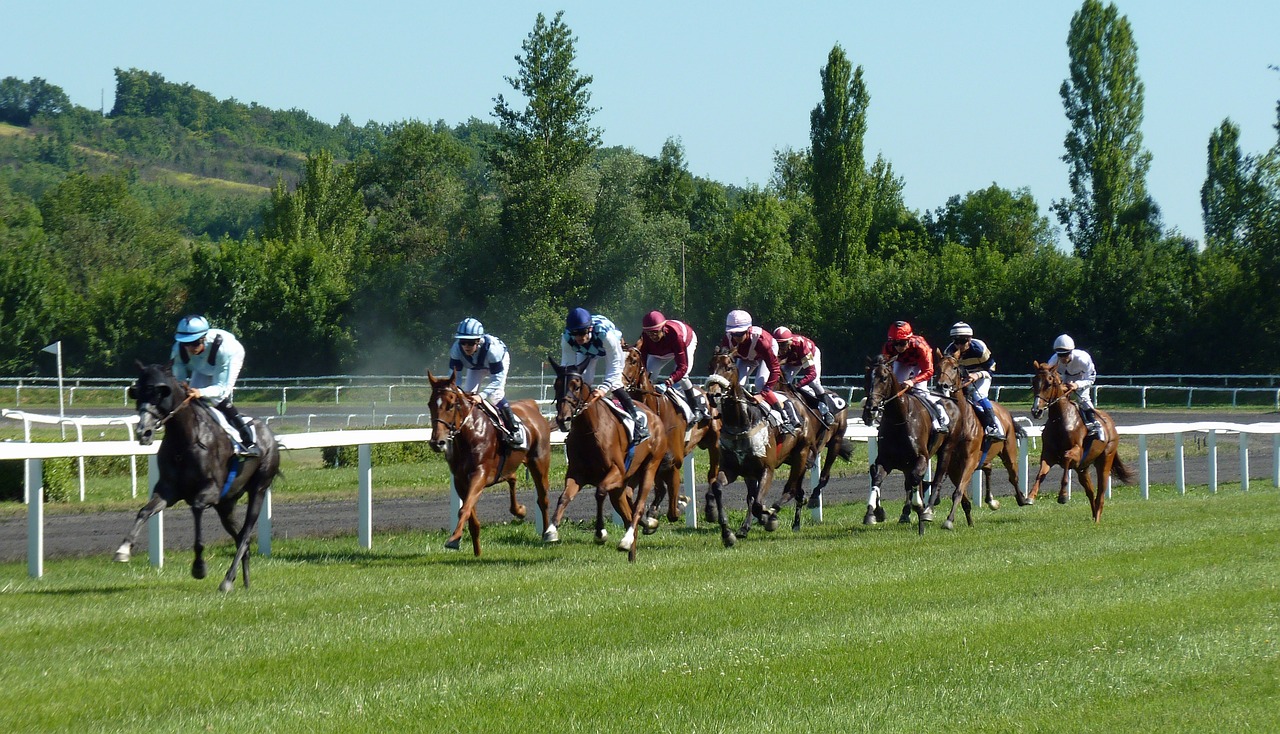
The Cheltenham Festival is one of the biggest events in the horse racing industry, attracting thousands of attendees every year. But when and why did it become so popular? In this article, we’ll take a brief look at the Cheltenham Festival, including its history and rise to fame.
What is the Cheltenham Festival?
The Cheltenham Festival is a popular annual horse racing event that spans four days in March. It’s held at Cheltenham Racecourse in Cheltenham, Gloucestershire and, over the course of the event, hundreds of millions of pounds are bet, making it one of the largest betting events in the jumping calendar.
History of the Cheltenham Festival
The festival loosely dates back to 1860, but it was known then as the Grand National Hunt Meeting and took place in several locations over the years. However, it was primarily held at Warwick Racecourse during this period. It wasn’t until 1911, after several upgrades to the racecourse, that the festival settled at Cheltenham, where it has remained ever since.
Growth in Popularity
Once the festival had found its permanent home at Cheltenham, traction rapidly increased, with several key milestones in particular contributing to its increasing popularity:
- The introduction of the Gold Cup in 1924
- Golden Miller success – between 1932 and 1936 the horse ‘Golden Miller’ won five consecutive Golden Cups, drawing considerable attention to the festival
- Television coverage – in 1964, the BBC began covering the festival, opening it up to a much wider audience
But for the most part, its popularity comes down to the quality and competitiveness of the racing, and the atmosphere it generates. The ‘Cheltenham Roar’ simply can’t be replicated anywhere else, and allows for a truly unforgettable week of entertainment.

Races
The four day festival was originally just three days, but in 2005, a fourth day was added. The festival now consists of 28 races, which include both grade 1 hurdles and chase races.
Each day has its own theme:
- Day 1: Champion Day
- Day 2: Style Wednesday (Ladies Day)
- Day 3: St Patrick’s Thursday
- Day 4: Gold Cup Day
Betting at Cheltenham
Horse racing and betting go hand in hand and the Cheltenham Festival is certainly no exception, marking the largest betting window in the racing calendar. The event is a significant time for bookies and punters alike, with most bettors turning to sites like oddschecker to make more informed decisions in an attempt to boost their chances of securing the record-breaking prize money.
Will You Be Watching?
The festival kicks off today with The Sky Bet Supreme Novices’ Hurdle – will you be joining the thousands of other spectators watching?



Local performers take to the stage at the Torch Theatre for opening night of the iconic Andrew Lloyd Webber and Tim Rice musical.
MILFORD HAVEN AMATEUR OPERATIC SOCIETY will raise the curtain tonight on its latest production at the Torch Theatre as the company presents the iconic musical vita.
After months of rehearsals, the cast, orchestra and backstage team are ready to bring Andrew Lloyd Webber and Tim Rice’s epic story of Eva Perón to the stage. The production marks one of the society’s most ambitious shows to date, featuring powerful music, dynamic choreography and a talented local cast.
Members of the society say they are thrilled to finally welcome audiences for opening night and are looking forward to sharing the production with theatre-goers throughout the run.
The show opens this evening at the Torch Theatre, promising an evening of memorable music, drama and spectacle as Milford Haven Amateur Operatic Society brings the legendary story of Evita to life.
Tickets are available here.
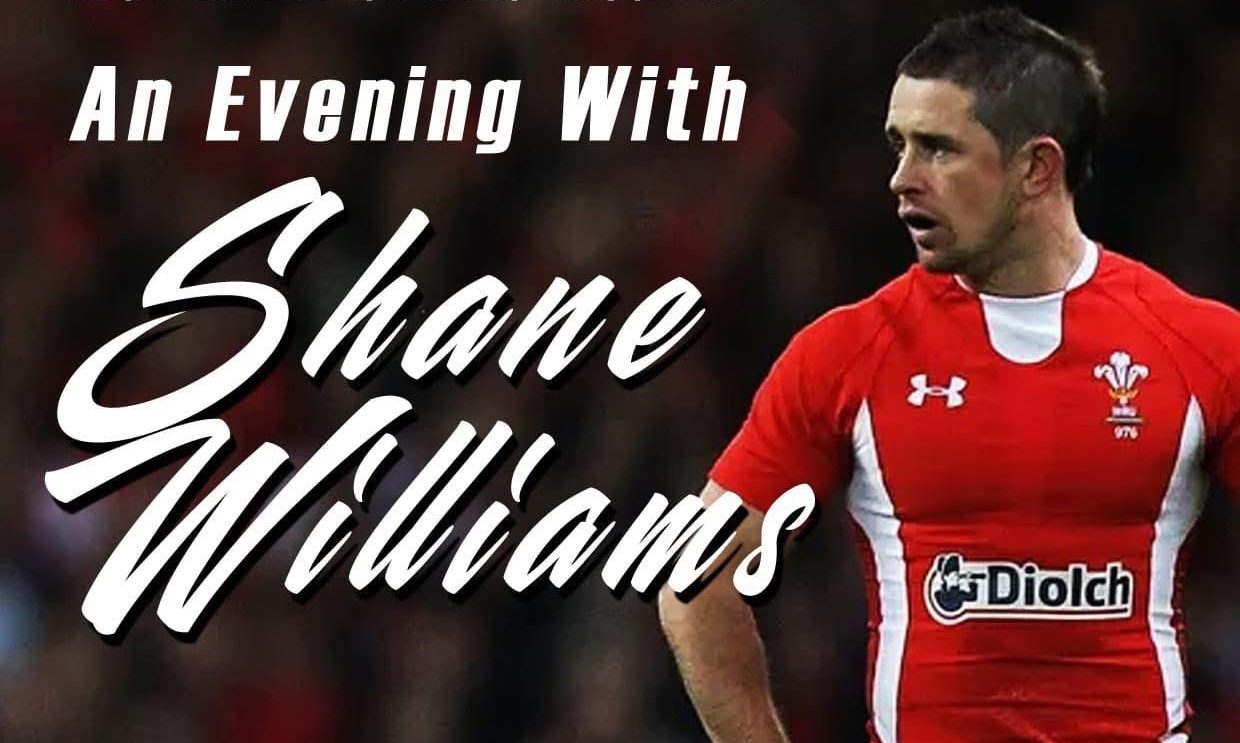
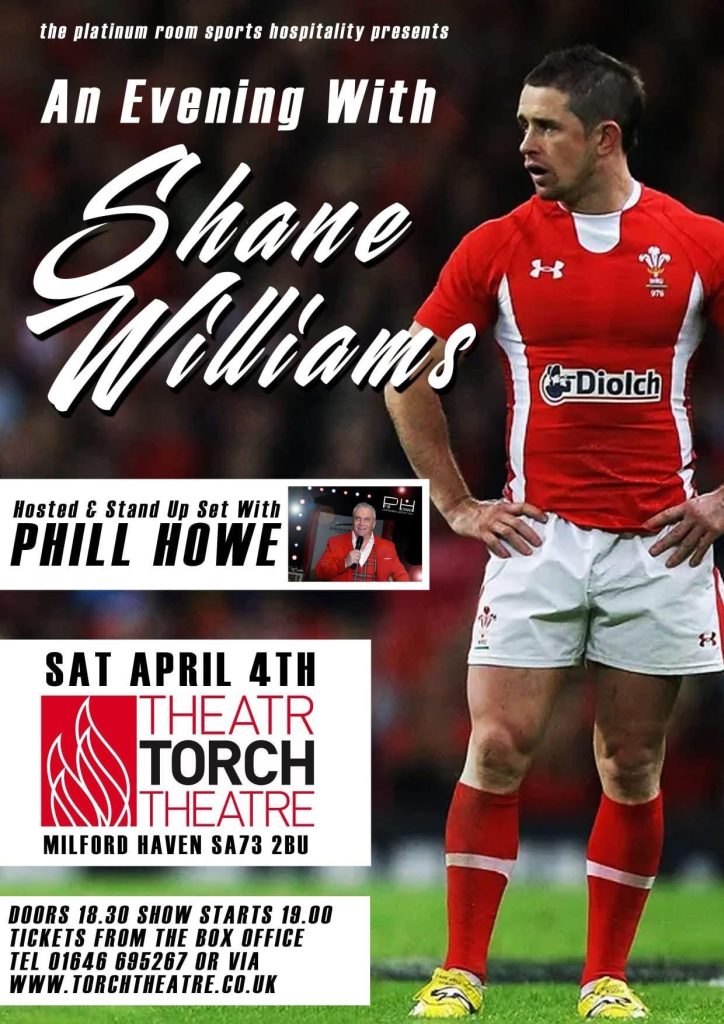
A NIGHT of rugby stories, laughter and behind-the-scenes memories is heading to Milford Haven next month as Welsh rugby icon Shane Williams appears live on stage at the Torch Theatre.
The special event, titled An Evening with Shane Williams, will take place on Saturday (Apr 4) at the Torch Theatre and promises fans a rare chance to hear first-hand stories from one of Wales’ greatest ever rugby players.
Williams, widely regarded as one of the finest wings to play the game, earned legendary status during his career with Wales and the British & Irish Lions. Known for his blistering pace, elusive running and remarkable try-scoring ability, he became a fan favourite across the rugby world and was named World Rugby Player of the Year in 2008.
During the evening, Williams will share stories from his playing career, including memories from international matches, Lions tours and life inside the Welsh dressing room. The event will also include audience interaction and opportunities for fans to hear the untold moments behind some of Welsh rugby’s most memorable matches.
Hosting the evening will be entertainer and comedian Phill Howe, who will provide a stand-up set as well as guiding the conversation with the rugby legend throughout the show.
Organisers say the night is designed to combine humour with sporting nostalgia, giving rugby supporters a relaxed and entertaining evening while hearing from one of Wales’ most celebrated players.
The Torch Theatre has long hosted major live events and touring productions, but appearances by sporting legends are always particularly popular with local audiences in rugby-loving Pembrokeshire.
Doors for the event will open at 6:30pm, with the show beginning at 7:00pm.
Tickets are available from the Torch Theatre box office by calling 01646 695267 or via the theatre’s website.

With Shane Williams still one of the most recognisable and admired figures in Welsh sport, organisers expect strong interest from fans across west Wales hoping to hear stories from a career that helped define a golden era for Welsh rugby.



Health14 hours ago
Future of Withybush Hospital petition sparks urgent call for Senedd debate
CALLS have been made for an urgent debate in the Senedd over the future of services at Withybush Hospital as...


Crime1 day ago
Man jailed after threatening to chop teen’s ears off in drunken phone call
17-year-old victim said she feared for her life after a series of threats A MAN who threatened a teenage girl...

Sport1 day ago
Sean Bowen set for historic Welsh clash at Cheltenham Gold Cup
PEMBROKESHIRE jockey Sean Bowen could be part of a historic all-Welsh showdown when he lines up in the Cheltenham Gold...


Community1 day ago
Tenby still waiting as Wales hits 50 rural mobile mast upgrades
Seaside town plagued by signal congestion again absent from latest government-backed coverage improvements A NEW milestone in the UK Government’s...


Crime2 days ago
Man raped 15-year-old girl in caravan while she was on family holiday in west Wales
Jury convicts Pendine man after court hears he raped intoxicated teenager in caravan during family holiday A MAN who raped...


Community2 days ago
Crash sparks fresh questions over future of former Haverfordwest library
CONCERNS have been raised about the future of a distinctive Haverfordwest building after a car crashed into it last week,...

Community3 days ago
Councillors vote to close Ysgol Clydau despite community concerns
Petition and protests fail to prevent closure of small rural school near Tegryn PEMBROKESHIRE COUNTY COUNCIL has voted to close...


News3 days ago
Rescue drama at Swanlake Bay as lifeboats race to aid hypothermic casualty
TENBY lifeboat crews were involved in a dramatic multi-agency rescue on Saturday morning (Mar 7) after a person suffering from...

Sport3 days ago
Wales show heart in Dublin but Ireland hold firm
Ireland 27 – 17 Wales – Aviva Stadium, Dublin – Guinness Six Nations, Round Four WALES produced their most encouraging...


Community3 days ago
Farm matriarch who built family poultry business dies aged 90
Tributes have been paid to the woman described as the “heart and soul” of a well-known Pembrokeshire family farm following...
-

 Community5 days ago
Whitland Post Office re-opens under new management
-

 Health2 days ago
Women’s health services ‘expanding’ across mid and west Wales says Health Board
-
 Crime5 days ago
Man who threatened to kill police during Milford Haven standoff avoids jail
-

 Crime7 days ago
Man sentenced after punching convicted paedophile in Haverfordwest pub
-

 Crime6 days ago
A teenage driver sentenced after pedestrian seriously injured on zebra crossing
-

 Crime6 days ago
Police investigating nightclub assault in Saundersfoot
-

 News5 days ago
Reform energy policy raises questions for Milford Haven and Celtic Freeport ambitions
-

 Education5 days ago
Haverfordwest student turns fitness passion into exciting new career plan