


Business
New planning rules could block Welsh pubs from running pop up campsites


Industry warns 100m buffer and added approvals will pile pressure on rural locals already fighting closures
PUBS across Wales are warning of a fresh hit to their finances after changes to planning rules threaten to shut down one of the most profitable summer side lines available to rural venues: temporary pop up campsites.
Under revised Permitted Development Rights (PDR), landowners will be allowed to operate temporary campsites for up to 60 days a year, an increase on the current 28 day allowance. But the new rules also introduce restrictions campaigners say will disadvantage pubs, particularly those in villages where a small field beside a pub can make the difference between surviving the winter or shutting for good.
At the centre of the controversy is a new 100 metre exclusion zone around a “protected building”, described as a dwelling not occupied by the landowner or campsite operator, which critics say will effectively prevent many pubs from hosting campers at all.
Dan Yates, founder of outdoor accommodation platform Pitchup.com, said the Welsh changes risk “hammering the final nail into the coffin” of rural pubs.
He said: “The new so called permitted development rights are riddled with restrictions that make running pop up campsites harder, not easier. Restrictions which were not thought necessary in the 78 years since the rights were first introduced.

“But it is pubs that will be really disadvantaged once it comes into force.
“The 100m exclusion zone essentially bans them from setting up temporary campsites, which in the summertime can mean the difference between going out of business and surviving another year.”
Residents’ concerns and local control
Supporters of tighter controls argue that unregulated or poorly managed temporary sites can cause problems for neighbours, including traffic, noise, waste and pressure on local services, and that new safeguards are intended to address concerns raised by residents.
The Welsh Government has said changes to permitted development rights are designed to balance rural enterprise and tourism with the need to protect communities and the environment, particularly in sensitive areas.

The new approach also introduces an approval requirement in Wales, meaning operators may need to obtain local authority sign off rather than simply proceed. Critics say this adds bureaucracy, while supporters view it as a necessary check to ensure issues like access, drainage, waste disposal and site management are properly considered.
Planning delays “too slow for summer trade”
Mr Yates warned that forcing publicans to seek planning permission could make the income stream unusable in practice, because approvals can take months and pubs need to plan well ahead for summer trade.
He said planning authorities in Wales were already struggling to meet statutory deadlines, meaning pubs applying now could miss the key season.

He said: “Even if they applied today, it is unlikely they will get permission in time for the summer season. This is going to put many pubs at serious risk of going bust.”
How much pop up camping can earn
The row comes as pubs face rising costs from staffing and utilities to wider tax and regulatory pressures, while footfall in many rural areas remains highly seasonal.
Pitchup.com says pop up campsites can generate thousands of pounds in extra revenue in a short window, helping venues stay afloat. The platform claims its top performing pub campsite earned £93,706 in 2025, with other leading sites taking £84,267 and £62,939.
Outside Wales, some publicans say the model has transformed takings.
Morris and Gwyn Fenton, who run the Grade II listed Red Lion in Brinkley, Cambridgeshire, said their campsite brought customers who also spent in the pub.
Morris said: “We’ve found 50% plus of campers spend around £100 in our bar and restaurant and for a small country pub that’s significant.
“It’s been a great thing to try, and an incredibly enjoyable thing to do for us, personally.
“We really enjoyed meeting the people that we have stay with us.”
Visitor economy warning
The British Institute of Innkeeping (BII) said temporary campsites help pubs diversify while supporting local tourism, keeping spend in communities rather than driving visitors into bigger centres.
Molly Davis, Head of Communications at the BII, said: “Pubs deliver so many opportunities for people to come together, connect and spend time with each other, and combining that with camping holidays offers the perfect way for families and friends to get away from it all.
“At a time where pubs are doing all they can to diversify their offer and provide brilliant services for their locals and visitors alike, the bureaucracy of these changes is incredibly frustrating.”
She added: “Temporary campsites offer the perfect solution for the visitor economy, keeping tourism local, and benefitting communities all at the same time, but without the flexibility for pubs to be able to offer this for just 2 months of the year, the pub’s existence will be threatened for generations to come. Common sense needs to be applied, to stop additional administration for local authorities, and to give rural pubs the chance they need to thrive.”
Wider backdrop in protected areas
The debate is playing out against a wider Welsh push to manage the impact of temporary camping, particularly in protected landscapes where councils and national park authorities have faced complaints about overcrowding, waste and environmental damage.
In Pembrokeshire Coast National Park, the planning authority has already taken steps to tighten rules on 28 day camping, caravan and mobile home sites inside the park, requiring planning permission from January 1, 2026.
Critics argue the combined effect of buffers, approvals and tighter controls risks undermining the point of permitted development, while supporters say stronger safeguards are needed to prevent harm and disruption.
For pubs, the fear is immediate: that a rule presented as an expansion of opportunity will, in practice, remove one of the few realistic ways rural venues can boost income quickly just as another difficult trading year looms.


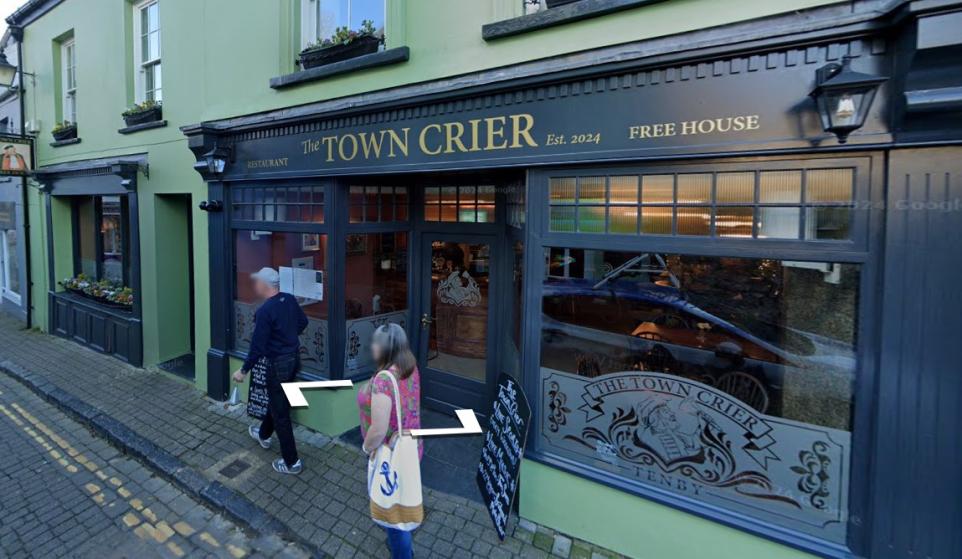
PLANS to expand the facilities offered by a Pembrokeshire seaside town pub, which was once a toyshop, have been approved by the national park despite concerns raised by the local civic society.
In an application to Pembrokeshire Coast National Park, The Old Town Crier Pub Ltd, through agent Argent Architects, sought permission for the installation of a retractable canopy to rear courtyard of The Town Crier Pub, 3-4 Upper Frog Street, Tenby.
A supporting statement said the scheme for the pub, in Tenby town centre, with a rear boundary on the town’s Grade-I-listed 13th century town wall, “makes a positive contribution to the site, adding an elegant structure, which remains sensitive to the host building and the historic town wall”.
The application added: “The proposals are limited to the private realm of the premises’ courtyard, and do not touch the town wall. The experience of the town wall from the public realm will remain unchanged. There is no perceived impact on the historic town wall arising from the proposals.”
The application was supported by Tenby Town Council, but Tenby Civic Society raised concerns about the potential impact on the nearby town walls.
It added: “We regret having to put these views as on balance the modern scheme built on this site has a lot of virtues, one of which has been to open up views and appreciation of the inside of the Town walls to the public as customers.
“The application presents no justification for the impact on the inside of the town walls, and the proposal would in our view diminish the significance and appreciation of the inside of the town walls.”
An officer report recommending approval noted the concerns, pointing out the civic society was not a statutory consultee.
It added: “Whilst in very close proximity to the town walls, the proposed canopy is not readily visible from the public realm, the existing courtyard connecting to the highway only via a pedestrian door, this offering limited views into the site. In terms of overall impact on the special qualities of the National Park, the proposal is considered acceptable.”

The Upper Frog Street site of the Town Crier was formerly the Clarice Toys toy and novelty shop, and is called the Town Crier in tribute to the late John ‘Yobbler’ Thomas, a former proprietor of the shop and a former town crier of Tenby.
John Thomas served as Tenby’s town crier for more than 30 years, and was responsible for bringing four national crier contests to Tenby.
John and wife Caroline, who would become a councillor and serve as mayor in the town, set up Clarice Toys in Tenby’s Upper Frog Street after their marriage in 1961, with the business being later run by their son and daughter, Ian and Kerri.
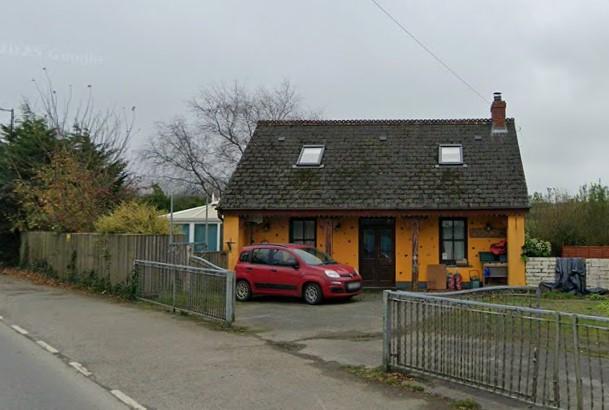
A CALL to convert a financially unviable disused former antiques shop on the edge of Crymych to residential accommodation has been given the go-ahead by county planners.
In an application to Pembrokeshire County Council, Clare Griffiths, through agent Josh Macrae, sought a change of use of a disused shop with ancillary accommodation above, at Ty Ebrill, Clares Shop, on the edge of the village, to an ancillary accommodation unit.
A supporting statement said: “Siop Clare is a mixed-use building in the curtilage of the main dwelling on the site, Ty Ebril, it comprises a small flat above a disused shop below. The flat, constructed in 2007, is comprised of a single modestly sized living space and bedroom area, with a bathroom; the flat is accessed by a set of stairs to the rear of the building. Since its construction the flat has been used as ancillary accommodation for family members of the owners of Ty Ebrill.
“The disused retail premises below is comprised of an open plan shop area with a conservatory attached, the conservatory was previously used as a flower preparation area.
“The shop was in use for a number of decades; it was operated by the current owner since 2003 and was previously an antiques shop, but has been disused since it was closed 2019 as it was no longer financially viable and the owner had changed career. Due to the shop being located within the curtilage of the main dwelling it has not considered suitable for the shop to be leased to another party.”

It added: “The change of use will require a minimal amount of work to covert the disused shop and modestly sized flat into a small dwelling. The dwelling would be suitable for single occupancy, a small household, or as continued ancillary accommodation for the main dwelling, this would create the opportunity for multi-generational living on the site should the owner sell Ty Ebrill.
“As there is a high demand for housing in the Pembrokeshire area it is felt that the proposal would be suitable and would allow the building to become a viable dwelling, creating a potentially low-cost home in the area.”
The application was conditionally approved by county planners.
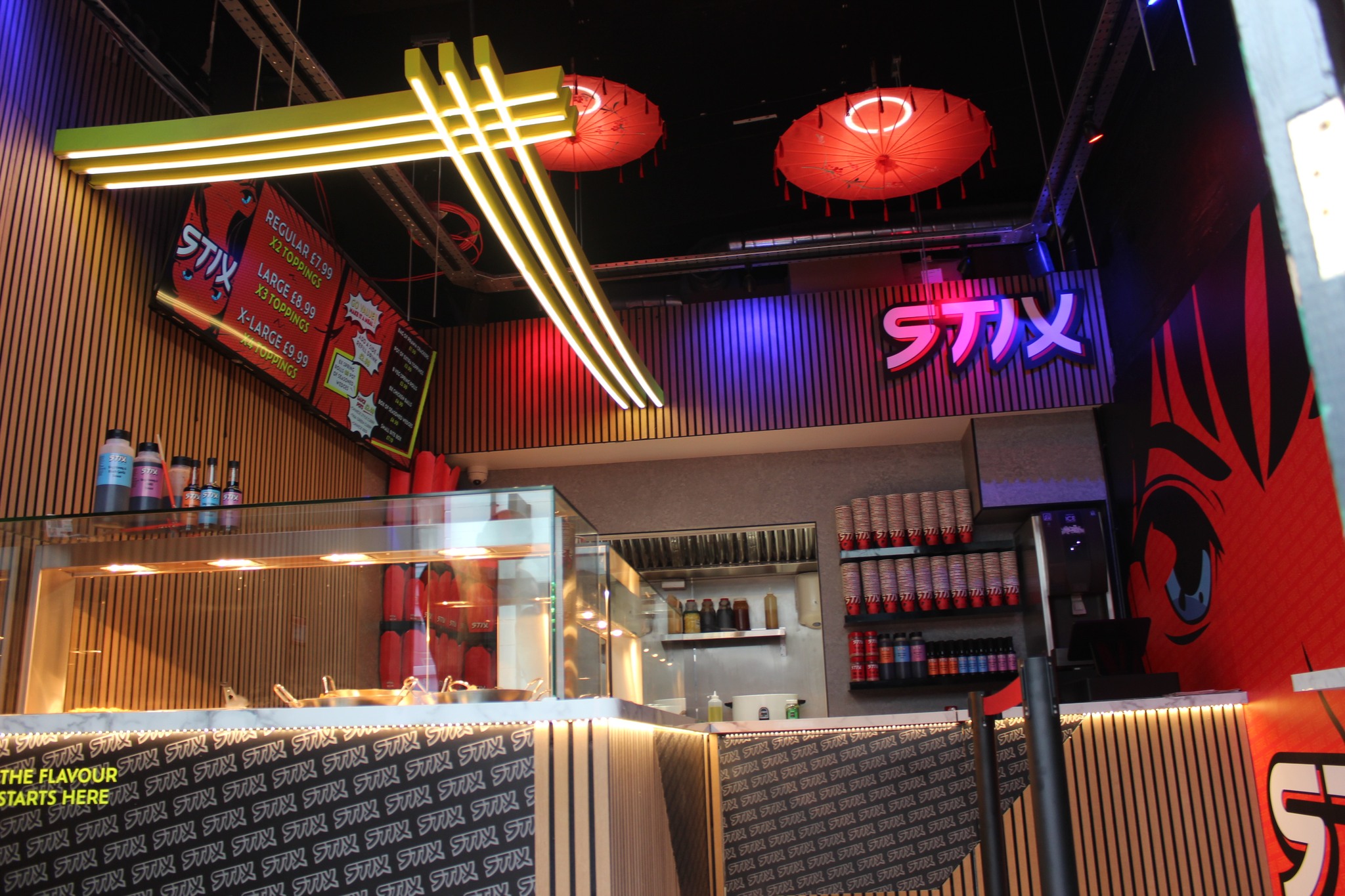
Asian-inspired takeaway launches on Quay Street offering fresh rice and noodle boxes
A NEW takeaway offering Asian-inspired noodle and rice dishes has opened in Haverfordwest town centre today (Monday, Mar 9).
Stix Noodle Bar has opened its doors at 1a Quay Street, promising fast, fresh meals packed with flavour for customers looking for something different in the town’s growing food scene.

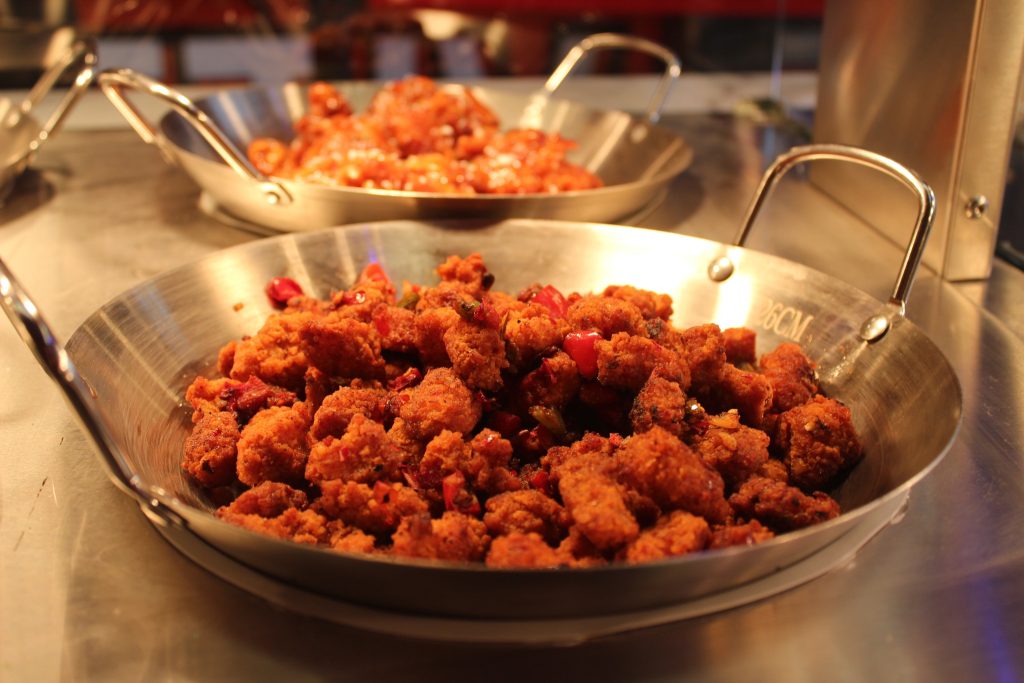
The new business specialises in takeaway boxes filled with rice or noodles, topped with chicken and other ingredients, alongside a range of sauces and sides. The concept focuses on quick, freshly prepared meals designed to be both convenient and full of flavour.
Owner Shaun said he hopes the new venture will become a popular choice for people in Haverfordwest looking for a quick and satisfying meal.
“We’re really excited to be opening in Haverfordwest,” he said. “Stix is all about fresh ingredients, bold flavours and giving people something a little different to enjoy.
“We believe it’s going to be a great addition to the town and we’re looking forward to welcoming customers through the door.”


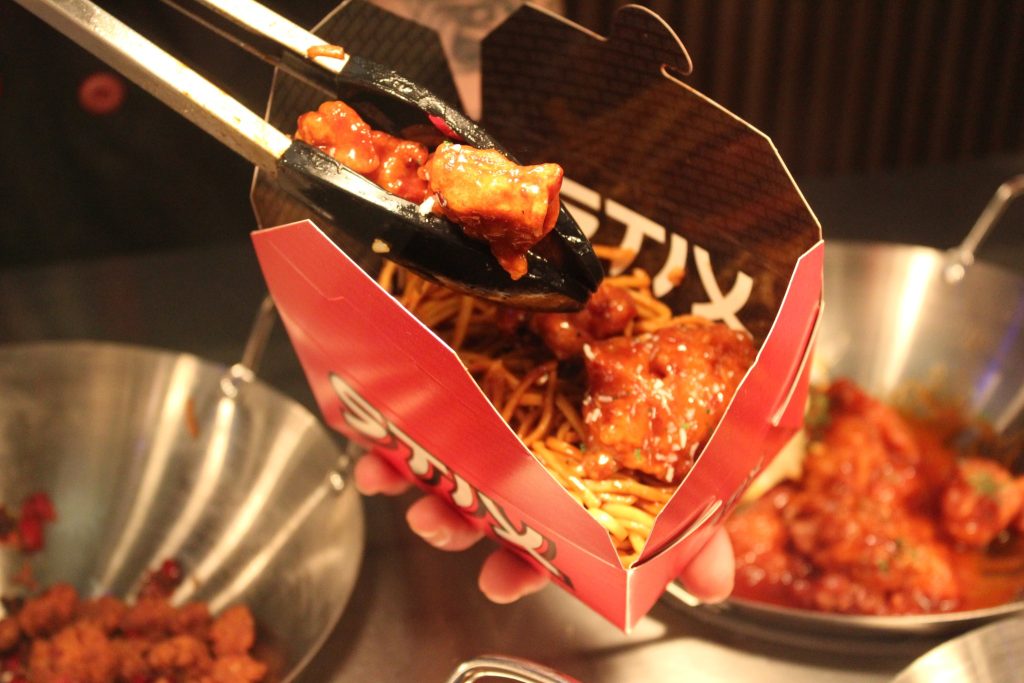

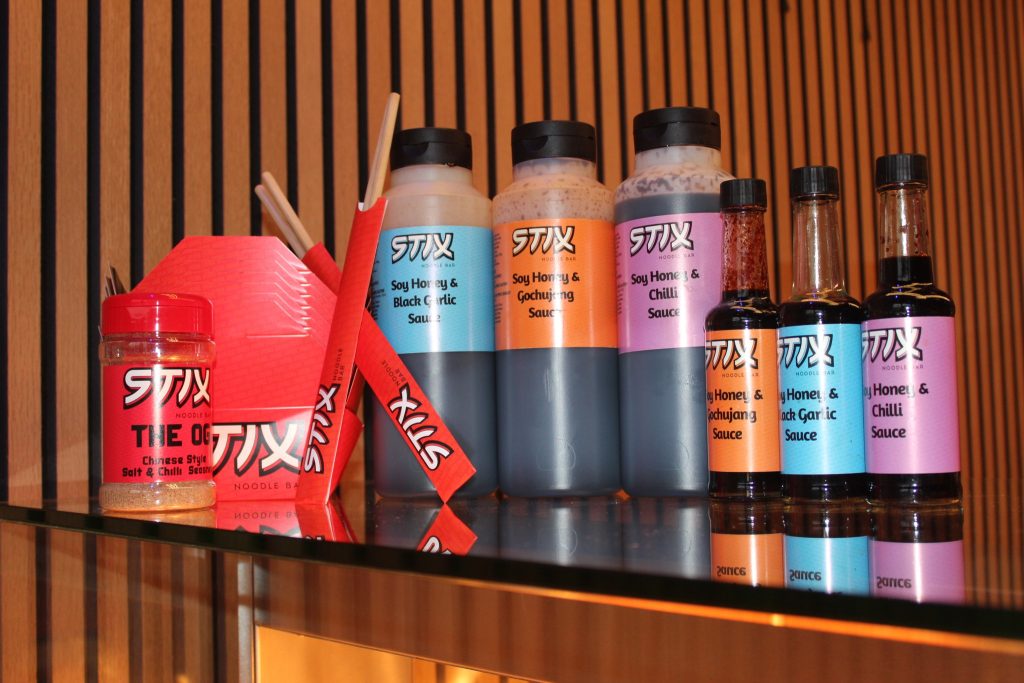
The takeaway officially opened at 12:00pm on Monday, with the team inviting local residents to stop by and try the menu.
Stix Noodle Bar says it aims to support the local community while bringing a new style of fast-casual dining to the area.
The business is located at 1a Quay Street, Haverfordwest, and customers can visit from midday today as the new venture begins trading.




Health20 hours ago
Future of Withybush Hospital petition sparks urgent call for Senedd debate
CALLS have been made for an urgent debate in the Senedd over the future of services at Withybush Hospital as...


Crime2 days ago
Man jailed after threatening to chop teen’s ears off in drunken phone call
17-year-old victim said she feared for her life after a series of threats A MAN who threatened a teenage girl...


Sport2 days ago
Sean Bowen set for historic Welsh clash at Cheltenham Gold Cup
PEMBROKESHIRE jockey Sean Bowen could be part of a historic all-Welsh showdown when he lines up in the Cheltenham Gold...


Community2 days ago
Tenby still waiting as Wales hits 50 rural mobile mast upgrades
Seaside town plagued by signal congestion again absent from latest government-backed coverage improvements A NEW milestone in the UK Government’s...


Crime2 days ago
Man raped 15-year-old girl in caravan while she was on family holiday in west Wales
Jury convicts Pendine man after court hears he raped intoxicated teenager in caravan during family holiday A MAN who raped...


Community2 days ago
Crash sparks fresh questions over future of former Haverfordwest library
CONCERNS have been raised about the future of a distinctive Haverfordwest building after a car crashed into it last week,...


Community3 days ago
Councillors vote to close Ysgol Clydau despite community concerns
Petition and protests fail to prevent closure of small rural school near Tegryn PEMBROKESHIRE COUNTY COUNCIL has voted to close...


News4 days ago
Rescue drama at Swanlake Bay as lifeboats race to aid hypothermic casualty
TENBY lifeboat crews were involved in a dramatic multi-agency rescue on Saturday morning (Mar 7) after a person suffering from...


Sport4 days ago
Wales show heart in Dublin but Ireland hold firm
Ireland 27 – 17 Wales – Aviva Stadium, Dublin – Guinness Six Nations, Round Four WALES produced their most encouraging...


Community4 days ago
Farm matriarch who built family poultry business dies aged 90
Tributes have been paid to the woman described as the “heart and soul” of a well-known Pembrokeshire family farm following...
-

 Community6 days ago
Whitland Post Office re-opens under new management
-

 Health3 days ago
Women’s health services ‘expanding’ across mid and west Wales says Health Board
-

 Crime6 days ago
Man who threatened to kill police during Milford Haven standoff avoids jail
-
 Crime7 days ago
A teenage driver sentenced after pedestrian seriously injured on zebra crossing
-

 Crime7 days ago
Man sentenced after punching convicted paedophile in Haverfordwest pub
-

 Crime6 days ago
Police investigating nightclub assault in Saundersfoot
-

 News6 days ago
Greens oppose US space radar plan for St Davids Peninsula
-

 News6 days ago
Reform energy policy raises questions for Milford Haven and Celtic Freeport ambitions