


Health
Davies and Kurtz attack ‘fantasy hospital’ pledge for west Wales

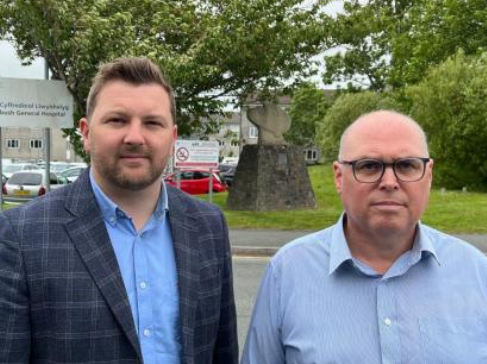
Senedd Members demand immediate investment in Withybush and Bronglais as election campaign intensifies
SENEDD Members Paul Davies and Samuel Kurtz have launched a fresh attack on Welsh Labour’s renewed pledge to deliver a new regional hospital for west Wales, branding the proposal a “desperate pre-election distraction” from mounting pressures on frontline services.
The intervention follows comments from First Minister Eluned Morgan, who indicated that plans for a new hospital serving west Wales would be progressed ahead of the Senedd election in May.
The concept of a new regional hospital has circulated for decades. Potential sites have previously been explored, but the project was effectively paused by Hywel Dda University Health Board, with delivery widely understood to be many years away due to financial and economic constraints.
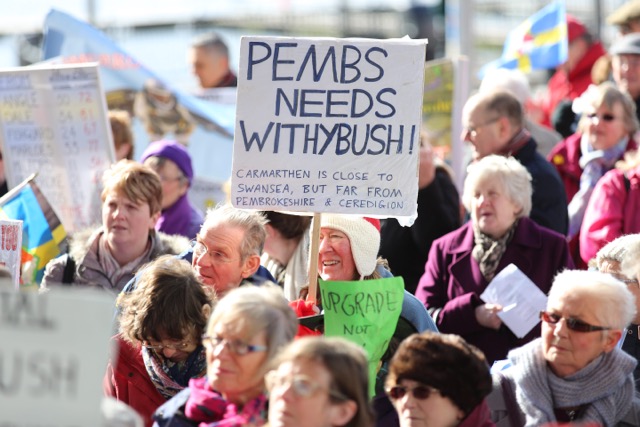
Davies and Kurtz argue that communities in Pembrokeshire and Ceredigion cannot afford to wait while uncertainty continues over services at Withybush Hospital and Bronglais Hospital.
Paul Davies MS said: “People in Pembrokeshire and Ceredigion do not need vague long-term aspirations. They need certainty and investment now. Services are being centralised and downgraded while we are told to wait for something that is neither fully planned nor properly funded.

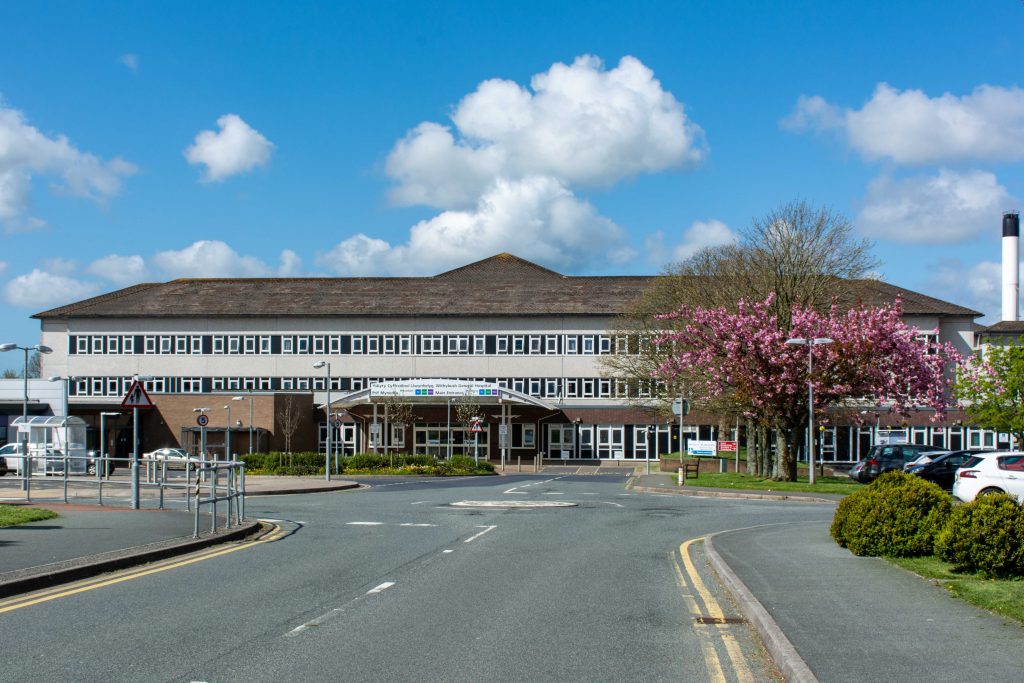
“Instead of chasing headlines, the Welsh Government should focus on safeguarding and strengthening services at Withybush Hospital and Bronglais Hospital. The message from our communities is clear: invest in the hospitals we have so people can access the care they need closer to home.”
The two MSs contend that immediate capital and workforce investment in existing facilities is the only credible way to guarantee patient safety, reduce excessive travel times for rural residents, and provide sustainable healthcare across west Wales.
They are calling on the Welsh Government to publish a fully costed and deliverable plan to protect core services at Withybush and Bronglais, rather than relying on what they describe as “recycled promises that never materialise.”
Samuel Kurtz MS added: “Just ahead of a Senedd election, the First Minister dusts off a decades-old plan and tries to sell it to local voters who can see straight through this empty promise.

“When 10,000 local people sign a petition demanding the Welsh Government intervene on Withybush, and all they can do is issue a press release about a plan that may not happen for another decade, it shows Labour are not serious about supporting the communities of west Wales.”
Government response
The Welsh Government maintains that long-term transformation of NHS services is necessary to secure sustainable healthcare provision across rural Wales. Ministers have argued that ageing hospital estates, recruitment pressures and increasing demand require modern infrastructure and strategic planning.
Labour has pledged significant capital investment in NHS facilities as part of its wider health strategy and says any future regional hospital would form part of a long-term programme designed to improve clinical resilience and patient outcomes.

The debate over the future configuration of hospital services in west Wales has intensified in recent years, particularly around emergency and specialist provision, with campaigners arguing that protecting local access must remain the priority.
Davies and Kurtz said confidence in local healthcare will continue to erode unless immediate, visible investment is made in frontline services at Withybush and Bronglais.
The Welsh Government and Hywel Dda University Health Board have been approached for further comment.

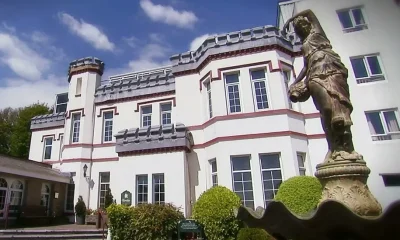







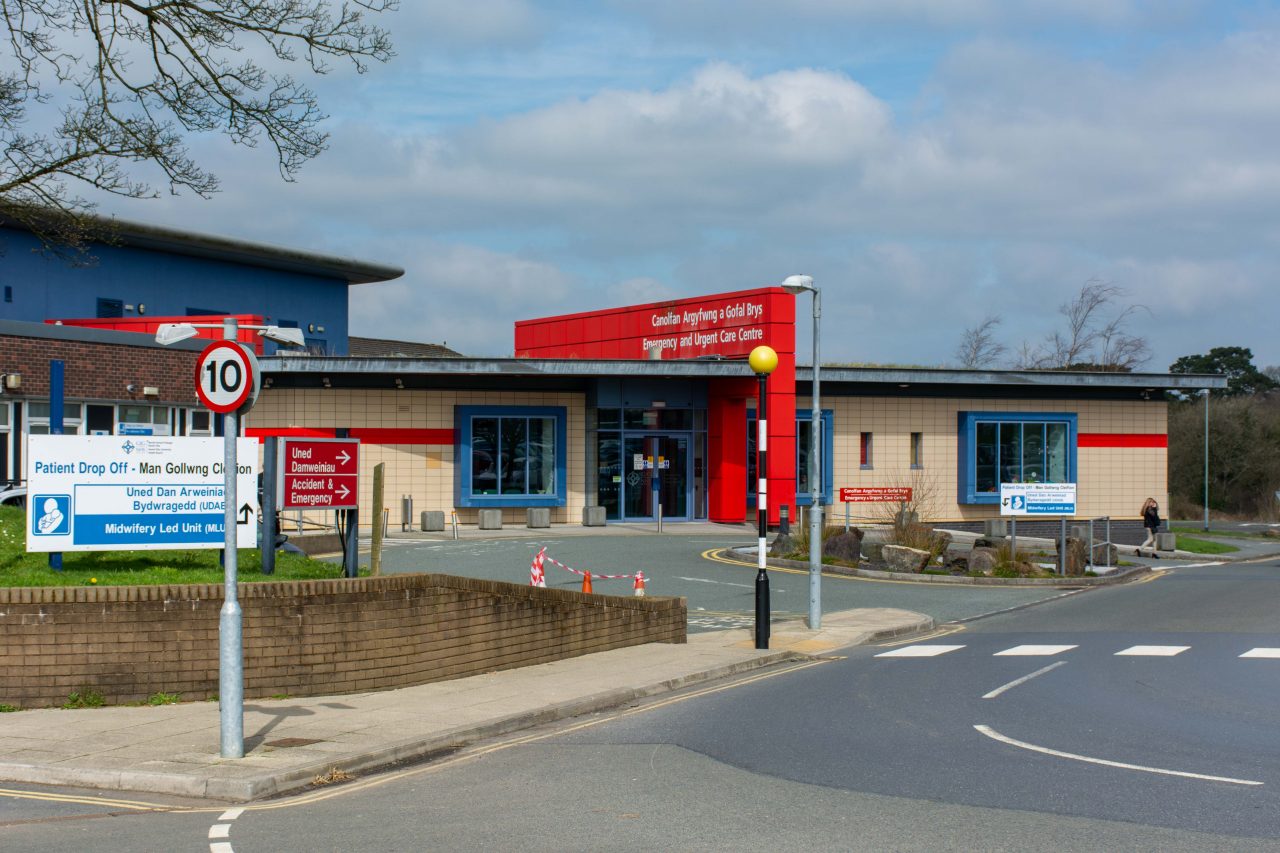
Patients urged to use NHS 111 as Withybush, Glangwili and Bronglais face continued strain
HYWEL DDA University Health Board has warned that its emergency departments remain under “significant pressure,” with particular concern at Withybush Hospital.
In a statement issued on Monday (Mar 2), the Health Board said A&E departments at Withybush, Glangwili and Bronglais hospitals were continuing to experience high demand.
Patients were urged to contact NHS 111 Wales for advice if they are unsure where to seek help, and to use community pharmacies and minor injury units for non life-threatening conditions.
The Health Board said: “Help us to help you get the right care in the right place.”
It added that those with serious or life-threatening emergencies should always call 999.

Delayed discharges impacting flow
The statement also highlighted pressures caused by delayed discharges, urging families to support relatives who are medically fit to leave hospital but are waiting for homecare or community health support.
Bed-blocking, often linked to shortages in social care packages, is widely acknowledged as a key factor in A&E overcrowding, as patients cannot be moved from emergency departments into inpatient wards.
When wards are full, ambulance handovers slow and patients can face long waits for assessment and treatment.
Withybush under particular strain
Withybush Hospital in Haverfordwest was singled out as being under “particular” pressure.
There were no signs yet that things were improving today (Tuesday).
The Health Board did not release figures for waiting times, ambulance delays, or bed occupancy rates in its statement.
However, it confirmed that demand remains high across west Wales.
Alternative services highlighted
The public were reminded that:
- NHS 111 Wales can provide 24-hour advice.
- Option 2 via 111 offers urgent mental health support.
- Community pharmacies can treat a range of common ailments without appointment.
- Minor injury units are available for non life-threatening issues.
The Health Board thanked residents for their support and cooperation during what it described as a challenging period.
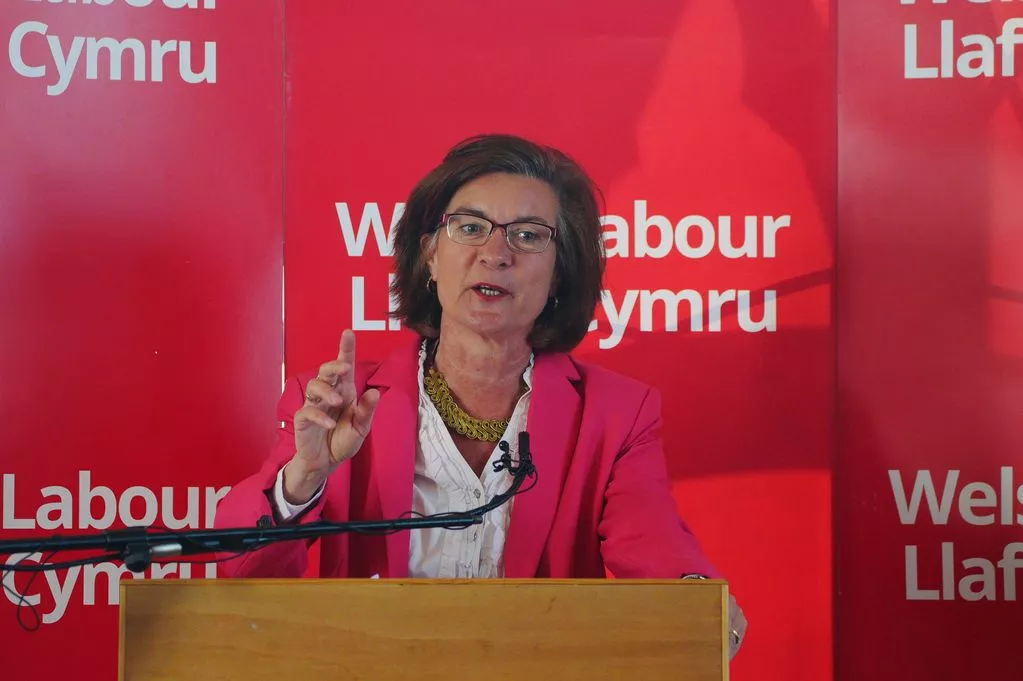
WELSH LABOUR leader Eluned Morgan has launched her party’s Senedd election campaign with a headline pledge to invest £4bn in new hospitals, as the party faces growing political competition ahead of the May vote.
Speaking to party members and candidates in Newport on Monday (Mar 2), Morgan set out five central pledges focused on the cost of living, jobs, the NHS, the environment, and social fairness, presenting what she described as a long-term plan for Wales.
The announcement comes at a politically sensitive time, with health services widely expected to be a defining issue in the election and opposition parties seeking to capitalise on public dissatisfaction with NHS waiting times and performance.
Major NHS investment promise
At the centre of Labour’s campaign is a proposed £4bn Hospitals for the Future Fund, which would modernise parts of Wales’ ageing NHS estate over the next decade.
The funding would include replacing the University Hospital of Wales in Cardiff, redeveloping Wrexham Maelor Hospital, and supporting a new hospital development in West Wales.
Eluned Morgan said: “The NHS is not just a service. It’s a promise. And we need to renew that promise. Not with slogans, but with the biggest investment programme in our history.”
She said the programme would ensure hospitals were “fit for modern medicine” while improving working conditions for staff and patient access.
Mental health and access reforms
Alongside capital investment, Labour also announced plans to expand same-day mental health services across Wales through an “open access” model, building on the NHS 111 press 2 system.
Demonstrator projects would be rolled out across all health boards, with the Welsh Government claiming Wales could become the first country to offer such a model nationwide.
Five campaign pledges
Morgan outlined five key priorities:
• Tackling the cost of living, including a £2 bus fare cap and expanded childcare
• Jobs for the future through renewable energy and retraining guarantees
• A new NHS deal including hospital investment and women’s health initiatives
• Environmental protection including river clean-ups and tackling fly-tipping
• A fairer society with homelessness action, pay rises for low-paid workers, and improved schools
Political dividing lines
The Labour leader used her speech to draw sharp contrasts with rival parties, criticising Reform UK as offering “rage” without solutions and accusing Plaid Cymru of lacking detail behind policy proposals.

“We are seeing a politics that is louder than it is wise,” she said. “Plaid always has a complaint. Welsh Labour has the plan.”
Welsh Liberal Democrat Leader Jane Dodds MS said: “After 27 years in power, Welsh Labour’s record speaks for itself. Wales sits at the bottom of too many league tables, whether it’s education, health or wages.
“Today we heard more promises. But many of these are targets Welsh Labour have already failed to meet in previous terms. The problem isn’t a lack of pledges; it’s a lack of delivery.
“The people of Wales are tired of excuses and recycled announcements. They want a fresh start, new energy and a different style of leadership. The Welsh Liberal Democrats are ready to offer that change, focused on delivery, accountability and putting communities first.”
Election context
Labour has governed Wales since devolution began in 1999, but the upcoming election is widely expected to be more competitive than previous contests, with polling suggesting a fragmented political landscape and growing support for challenger parties.
Health services, cost-of-living pressures and economic confidence are expected to dominate the campaign in the coming months.
Further policy announcements are expected in the weeks ahead.
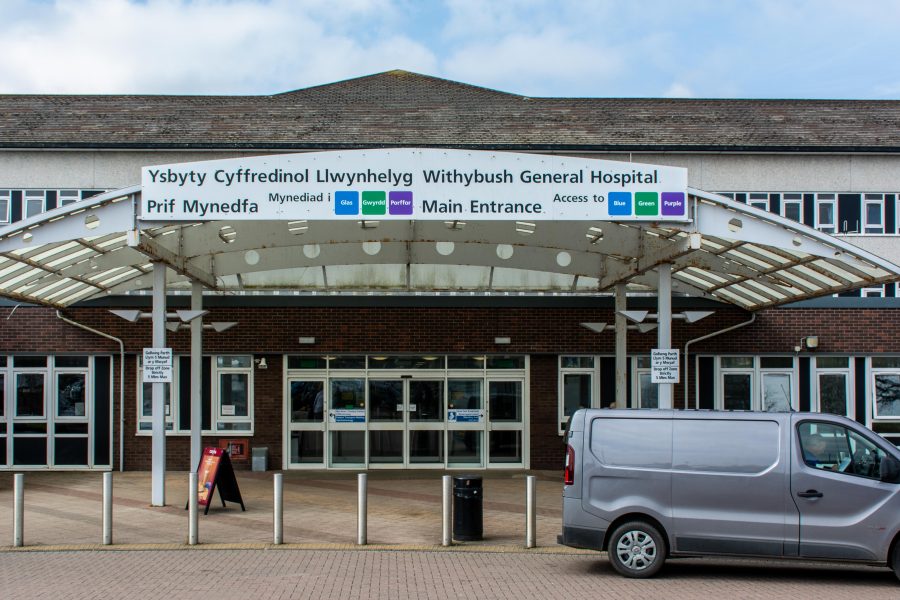
Confusion grows over decision-making as concerns mount about future of local hospital services
QUESTIONS over who ultimately decides the future of NHS services in west Wales are becoming increasingly prominent as uncertainty continues around proposals affecting hospitals including Withybush and Bronglais.
With public concern rising, political debate intensifying, and a petition attracting thousands of signatures, many residents are asking a simple question: who is actually responsible for decisions that could reshape healthcare across the region?
The answer is complex — but responsibility does not sit in just one place.
Welsh Government Ministers hold overall responsibility for the NHS in Wales because health is devolved to Cardiff Bay. The Cabinet Secretary for Health and Social Care sets national policy, determines funding allocations and has the power to intervene in major service reconfiguration proposals. While Ministers often emphasise that local health boards manage delivery, they remain politically accountable to the Senedd for NHS performance and outcomes across the country.
At a regional level, Hywel Dda University Health Board is responsible for planning and delivering services across Pembrokeshire, Carmarthenshire and Ceredigion. The health board manages hospitals including Withybush, Glangwili and Bronglais, oversees staffing and budgets, and develops proposals for service changes. It is the body that produces consultation documents and makes operational decisions, but it does so within financial and strategic frameworks set by Welsh Government.
Public consultation exercises play an important role in shaping proposals, but they do not determine the final outcome. Feedback gathered from residents, clinicians and stakeholders is considered by the health board before decisions are taken. In some circumstances, proposals may be referred to Welsh Ministers for approval or intervention, particularly if there is significant controversy or political concern.
Members of the Senedd, including local representatives, scrutinise decisions and raise constituent concerns, but they do not directly control NHS services unless they are part of the Welsh Government. Opposition politicians can apply pressure and influence debate, but executive authority ultimately rests with Ministers and the health board.
The shared nature of responsibility has led to frustration among some residents, who feel accountability is unclear when services face potential change. Health boards point to funding constraints and national policy requirements, while Welsh Government often emphasises that operational decisions are taken locally.
In practice, both levels of the system play critical roles. Health boards design and implement plans, while Welsh Government sets the strategic direction and retains the power to intervene if necessary.

Concerns about healthcare provision in west Wales have intensified in recent months amid wider debate about NHS performance, waiting times and access to services. Political disagreements have also sharpened ahead of the Senedd elections scheduled for 2026.
For patients and communities, however, the central issue remains access to safe and timely care close to home — regardless of where responsibility ultimately lies.
The Herald has asked Welsh Government and Hywel Dda University Health Board for comment on decision-making processes relating to potential service changes affecting west Wales.



Health6 minutes ago
Davies and Kurtz attack ‘fantasy hospital’ pledge for west Wales
Senedd Members demand immediate investment in Withybush and Bronglais as election campaign intensifies SENEDD Members Paul Davies and Samuel Kurtz have launched a fresh...

Health10 hours ago
Hywel Dda warns of ‘significant pressure’ as A&E departments remain packed
Patients urged to use NHS 111 as Withybush, Glangwili and Bronglais face continued strain HYWEL DDA University Health Board has...


News1 day ago
War stops Qatar gas: Milford Haven LNG supplies disrupted
UK energy security concerns grow after shutdown at major export facilities ENERGY bills in the UK could rise sharply after...


Community1 day ago
Martyn Butler dies aged 71 months after Haverfordwest visit
Co-founder of Terrence Higgins Trust attended local plaque unveiling honouring friend Terry Higgins A LEADING figure in the UK’s response...

Crime1 day ago
Nine deny Class A drugs conspiracy as case set for Crown Court trial
Eight remanded in custody as four-week trial fixed for May 18 NINE people have denied conspiring to supply Class A...


Community1 day ago
No asylum seekers housed in west Wales hotels, latest Home Office figures show
WEST Wales currently has no asylum seekers being housed in hotels, according to the latest figures published by the Home...


Community4 days ago
St David’s Day parade brings colour and celebration to Haverfordwest
HAVERFORDWEST town centre was a hive of activity today (Friday, Feb 27) as hundreds of children from schools across Pembrokeshire...


News5 days ago
Hoax 999 call sparks massive lifeboat and helicopter rescue — man arrested
Emergency services diverted from real incidents after false report off south Wales coast A MAJOR sea rescue operation involving three...


Crime5 days ago
St Dogmaels man jailed over hundreds of indecent images
Previous convictions for similar offences revealed to court A 57-YEAR-OLD man from St Dogmaels has been jailed for two-and-a-half years...

Health5 days ago
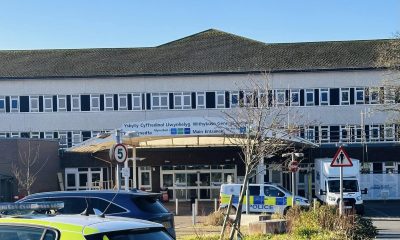
Petition against hospital service changes surges past 6,000 signatures
Public response now far exceeds health board consultation figures A PETITION calling for urgent Welsh Government intervention over services at...
-
 Health7 days ago
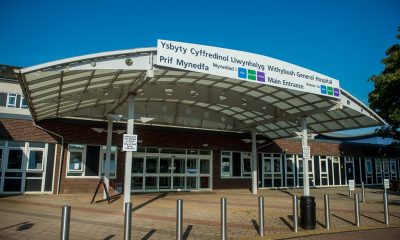
Health services row escalates as MSs demand action over Withybush and Bronglais
-
 Crime6 days ago
Milford Haven pensioner admits sexually assaulting two shop workers
-

 News6 days ago
Welsh Government criticised after Russian-linked drone image used in defence announcement
-
 Business7 days ago
Bosherston Bistro 10pm alcohol licence granted by council
-
 Business6 days ago
Council reviewing complaints over Computer Solutions Wales as concerns continue
-
 Health6 days ago
Petition calling for Withybush intervention nears 5,000 signatures
-
News5 days ago
Hoax 999 call sparks massive lifeboat and helicopter rescue — man arrested
-
 News7 days ago
Senedd backs assisted dying legislation in historic vote